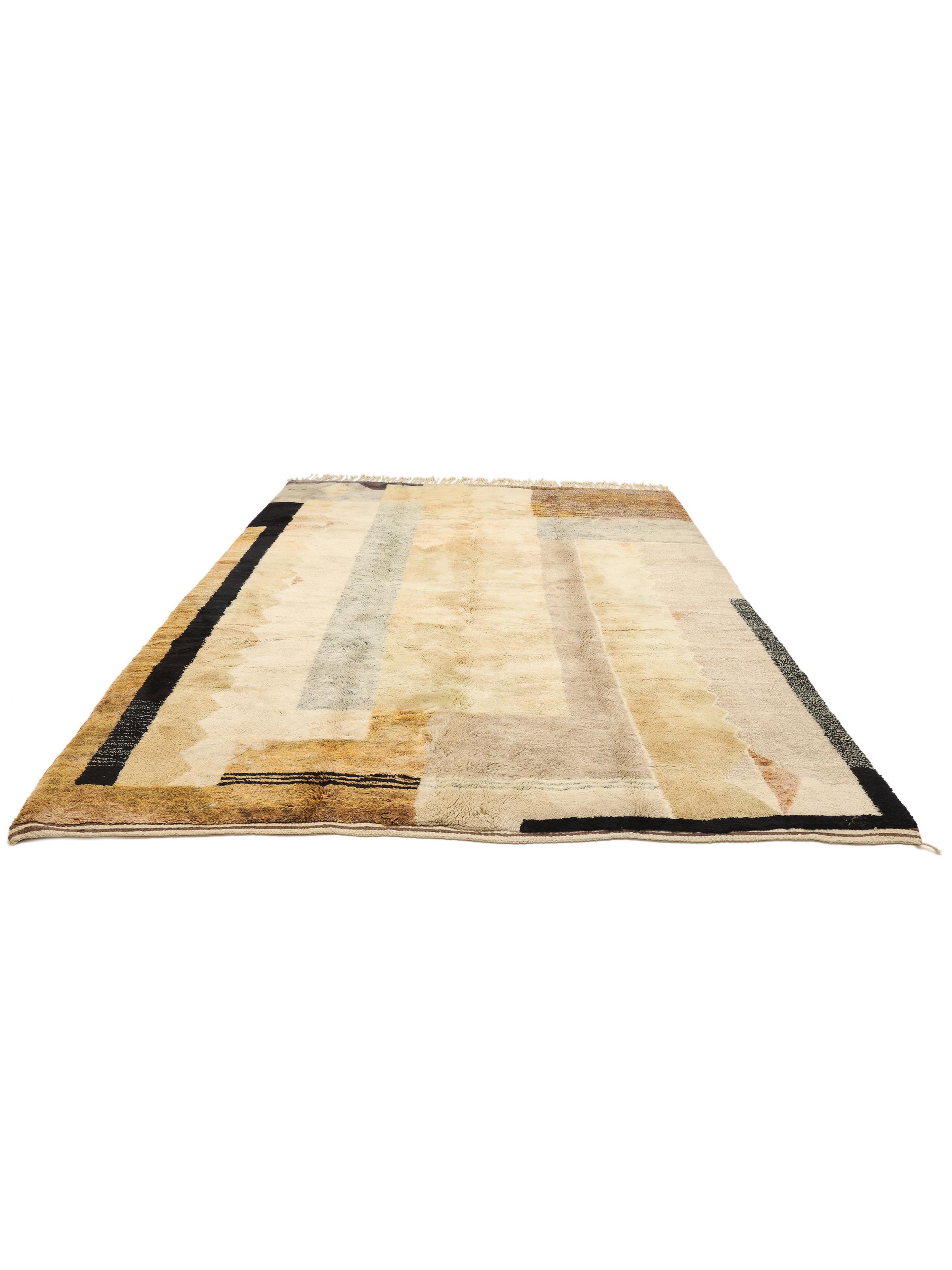
The history of Berber rugs is deeply rooted in the nomadic and semi-nomadic traditions of the Atlas Mountains in Morocco. For centuries, these rugs have been woven by tribal women using techniques passed down through generations, serving not just as floor coverings, but as essential tools for survival against the harsh mountain climate. Each rug is a repository of cultural identity, reflecting the environment and the life of the weaver who crafted it.
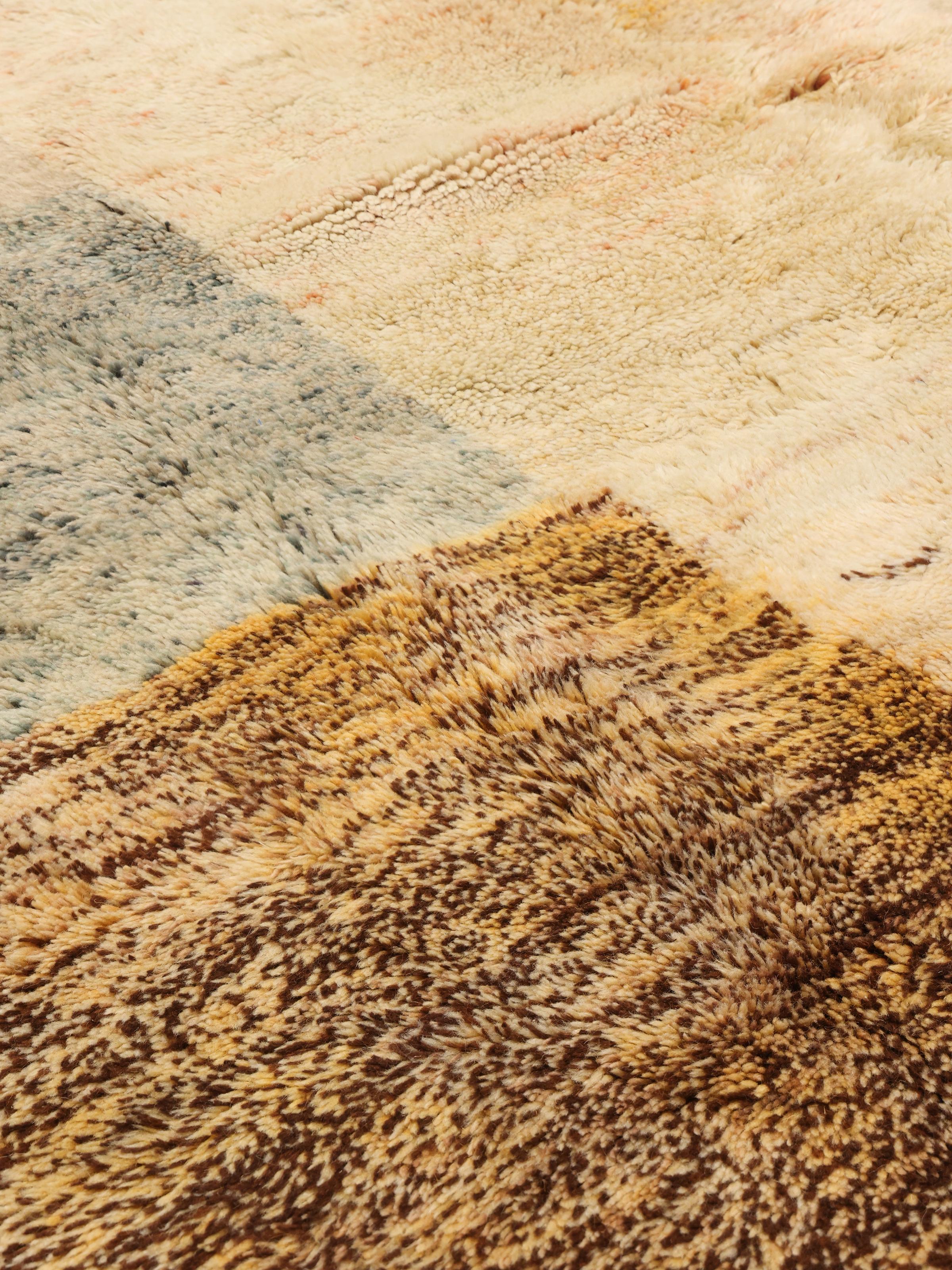
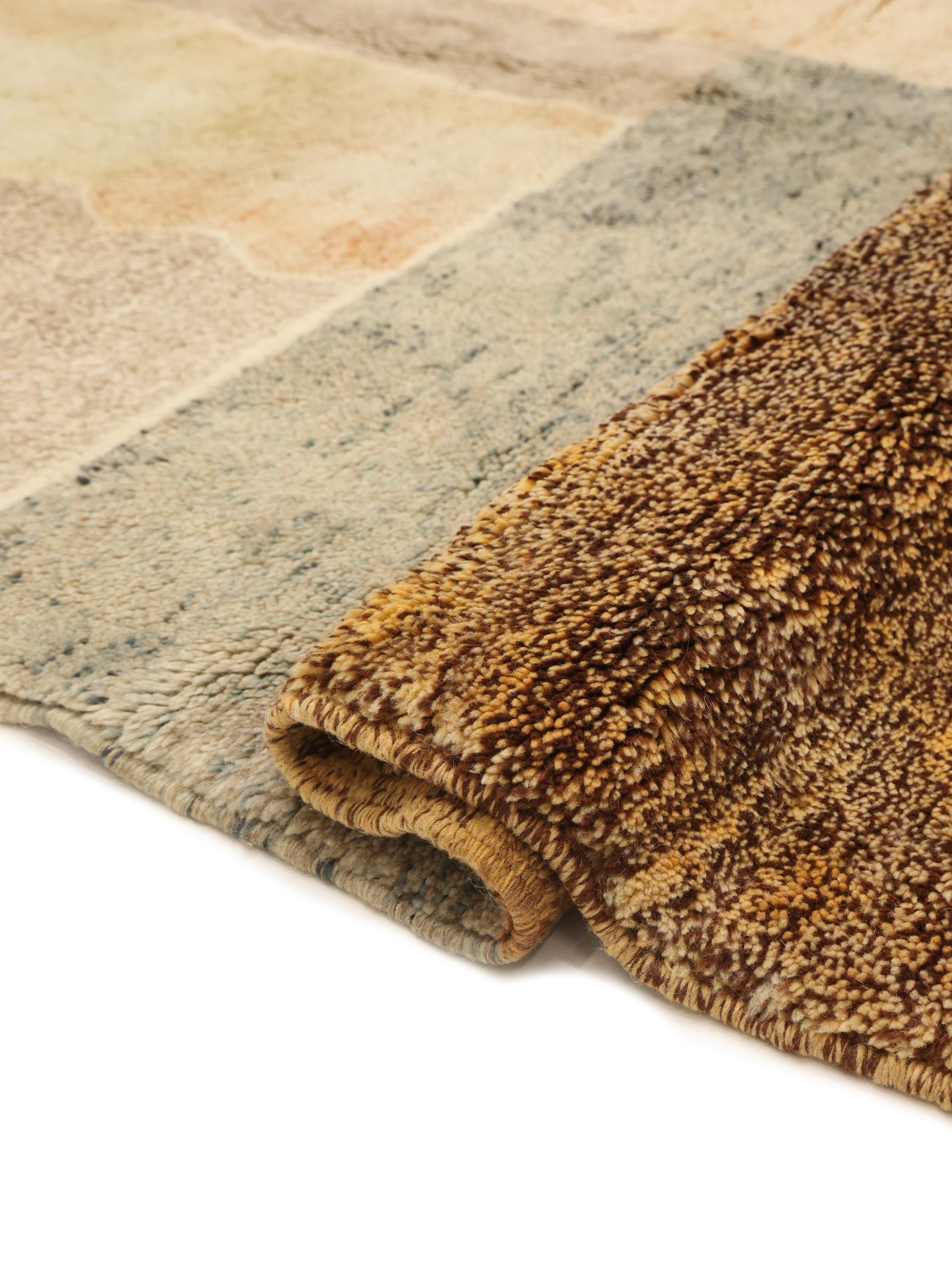
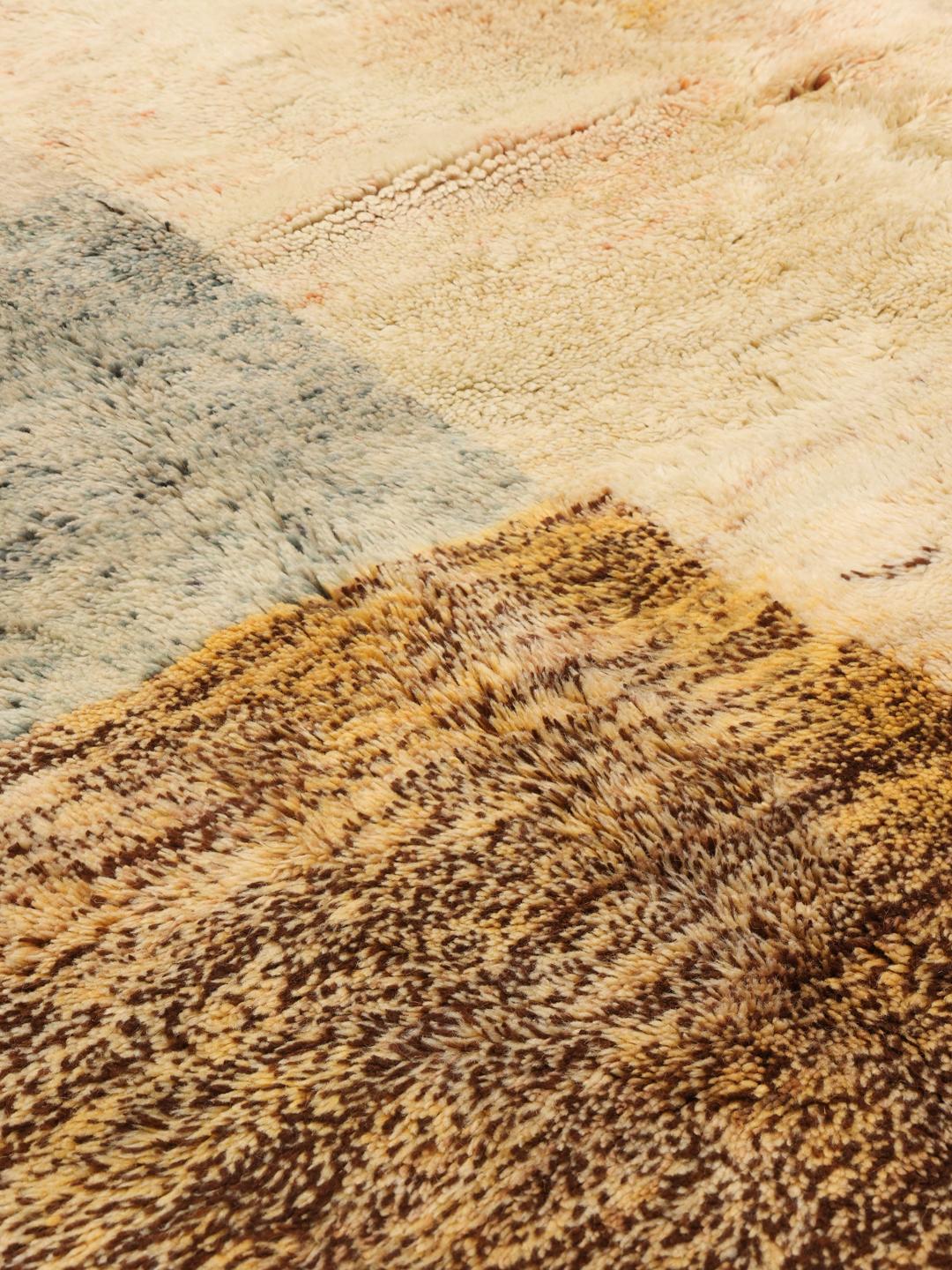
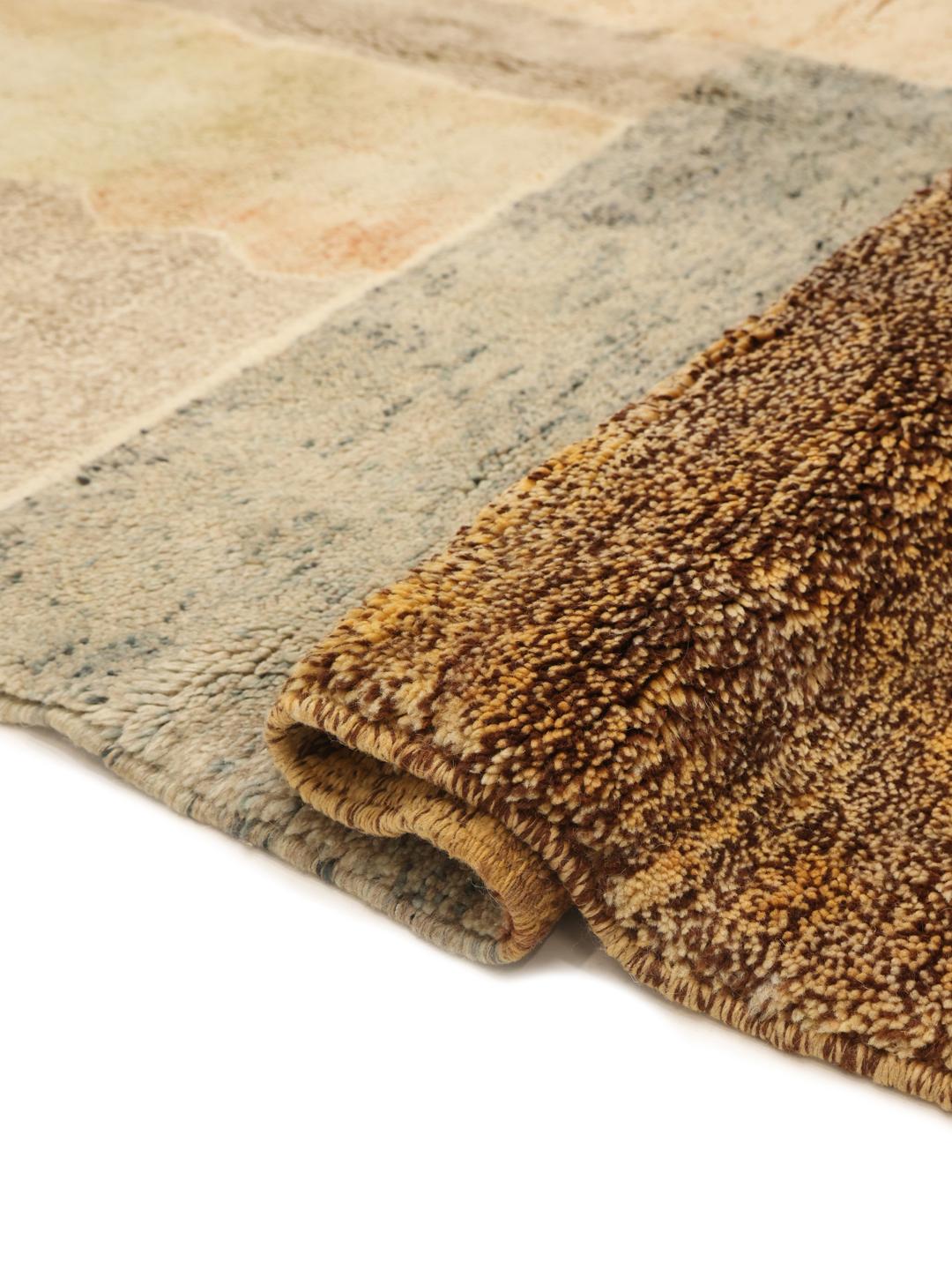
The term Beni Ourain refers specifically to the tribes of the Middle Atlas region, who are renowned for their use of high-quality, long-staple wool. This material is prized for its natural resilience and softness, which is why these rugs have become iconic in the world of interior design. The weaving process is slow and meditative, often incorporating symbols and patterns that carry personal or tribal meanings, making each piece a narrative in wool.
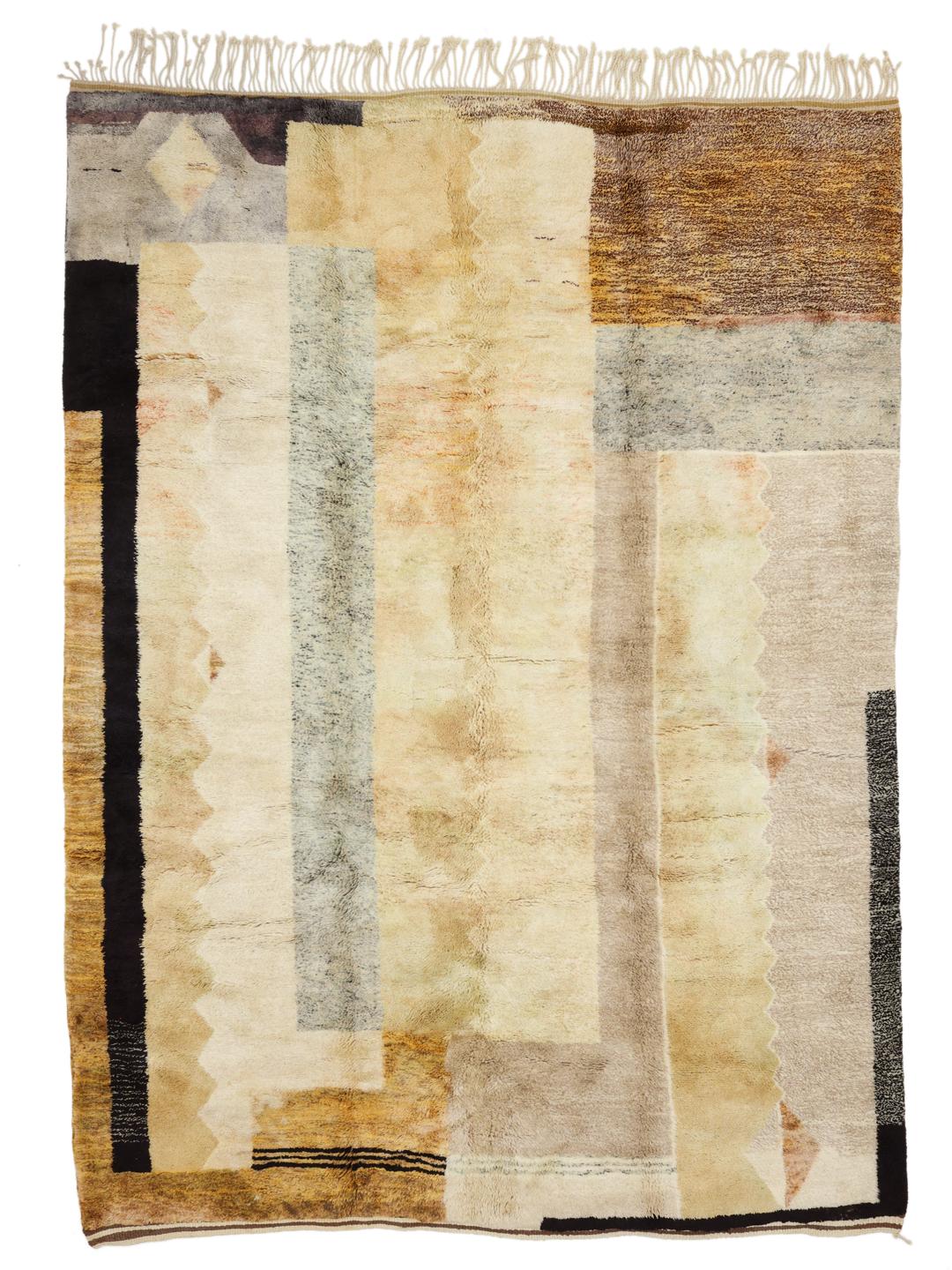
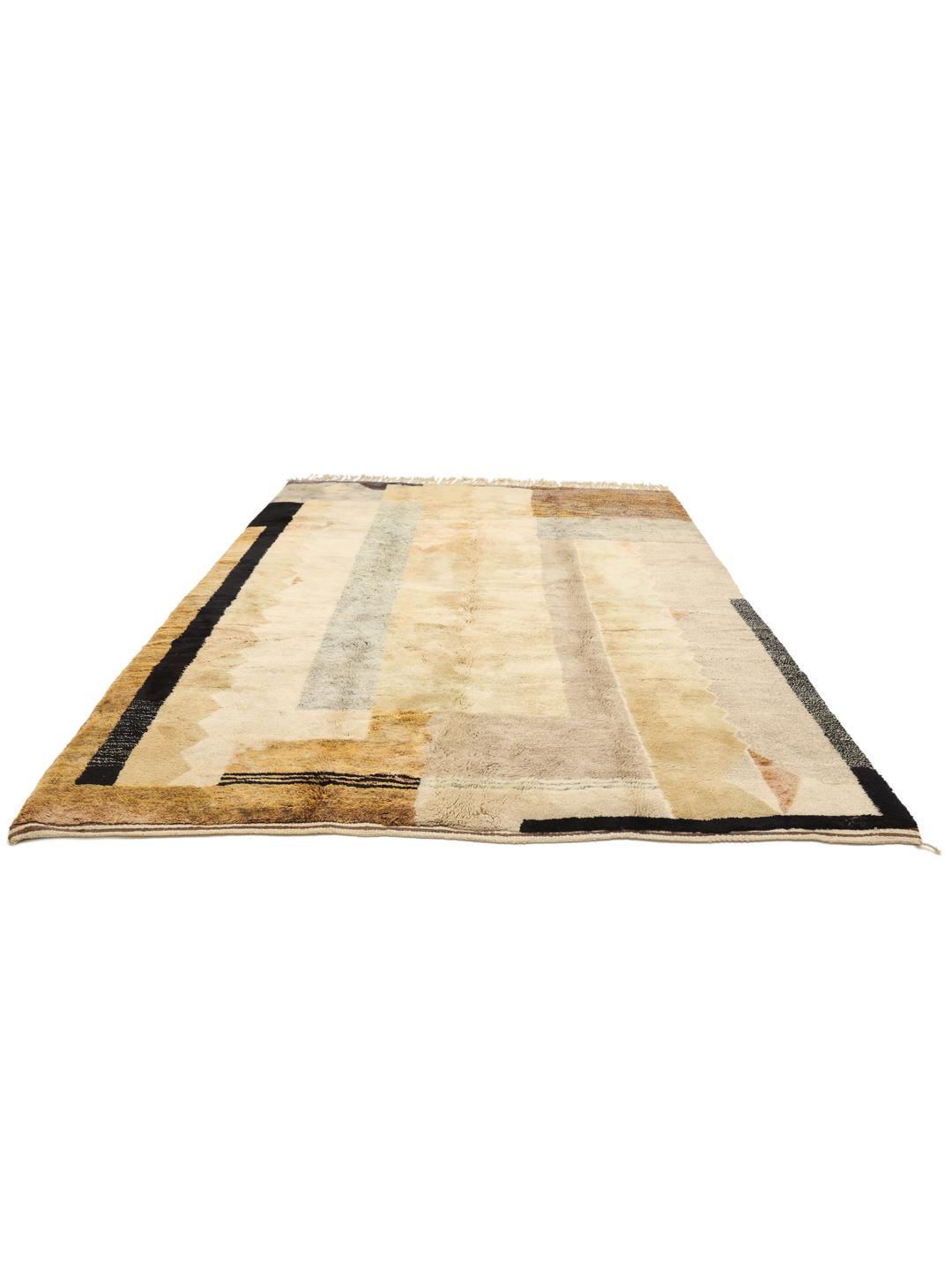
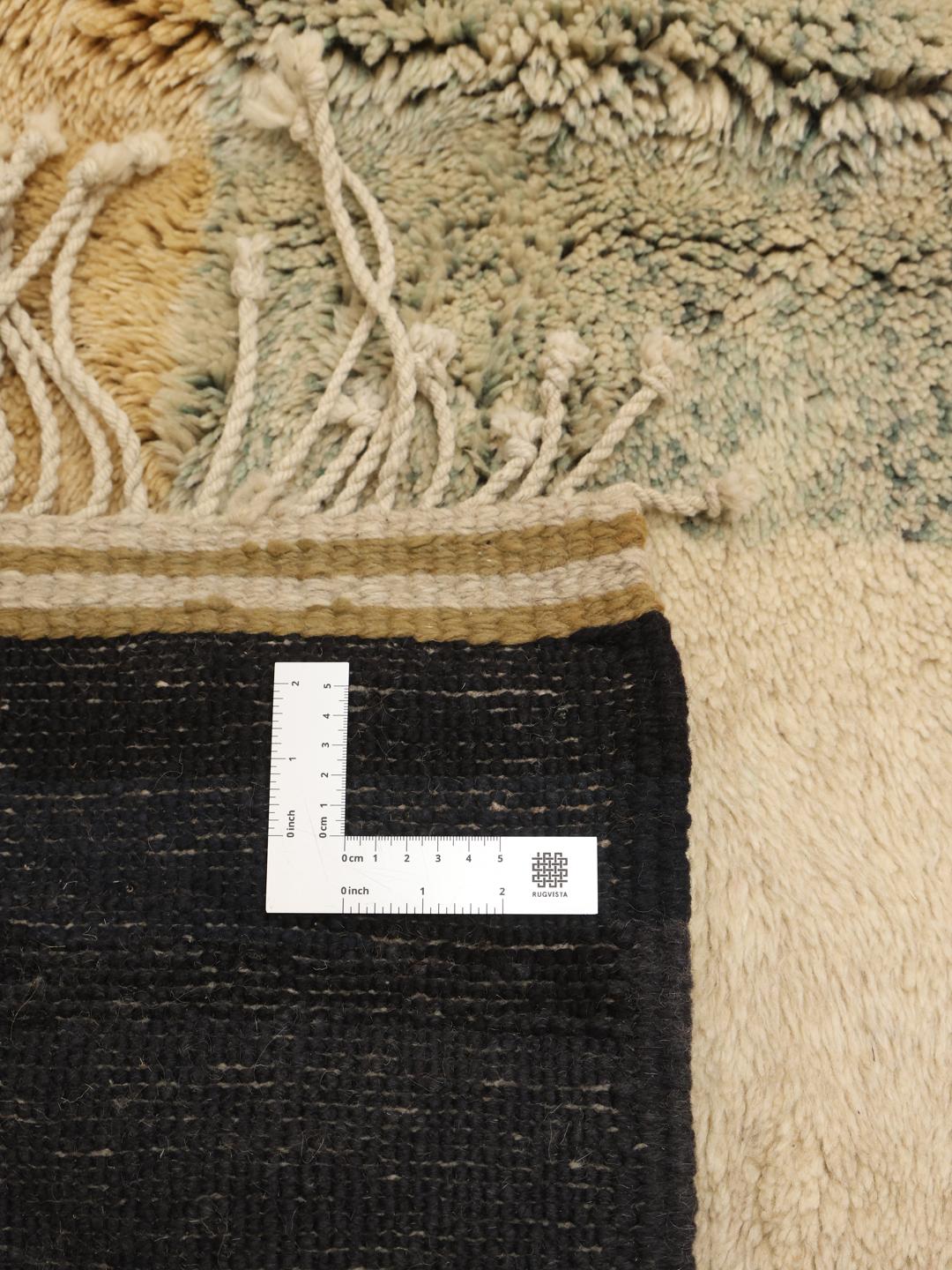
Visually, these rugs are celebrated for their minimalist, abstract designs that often feature dark, geometric lines against a neutral, undyed wool background. While traditional examples often relied on a simple diamond grid, modern expressions—like this piece—often incorporate more complex, block-like arrangements and varied textures. This evolution reflects the dialogue between ancient traditions and contemporary artistic sensibilities.
Owning a piece from this tradition is an act of preserving a rich, tangible heritage. These rugs are highly valued by collectors for their authenticity, the quality of the raw materials, and the human effort embedded in every knot. They represent a connection to a slower, more intentional way of living, where the objects in our homes are chosen for their character and their ability to tell a story of regional craft and creative tradition.