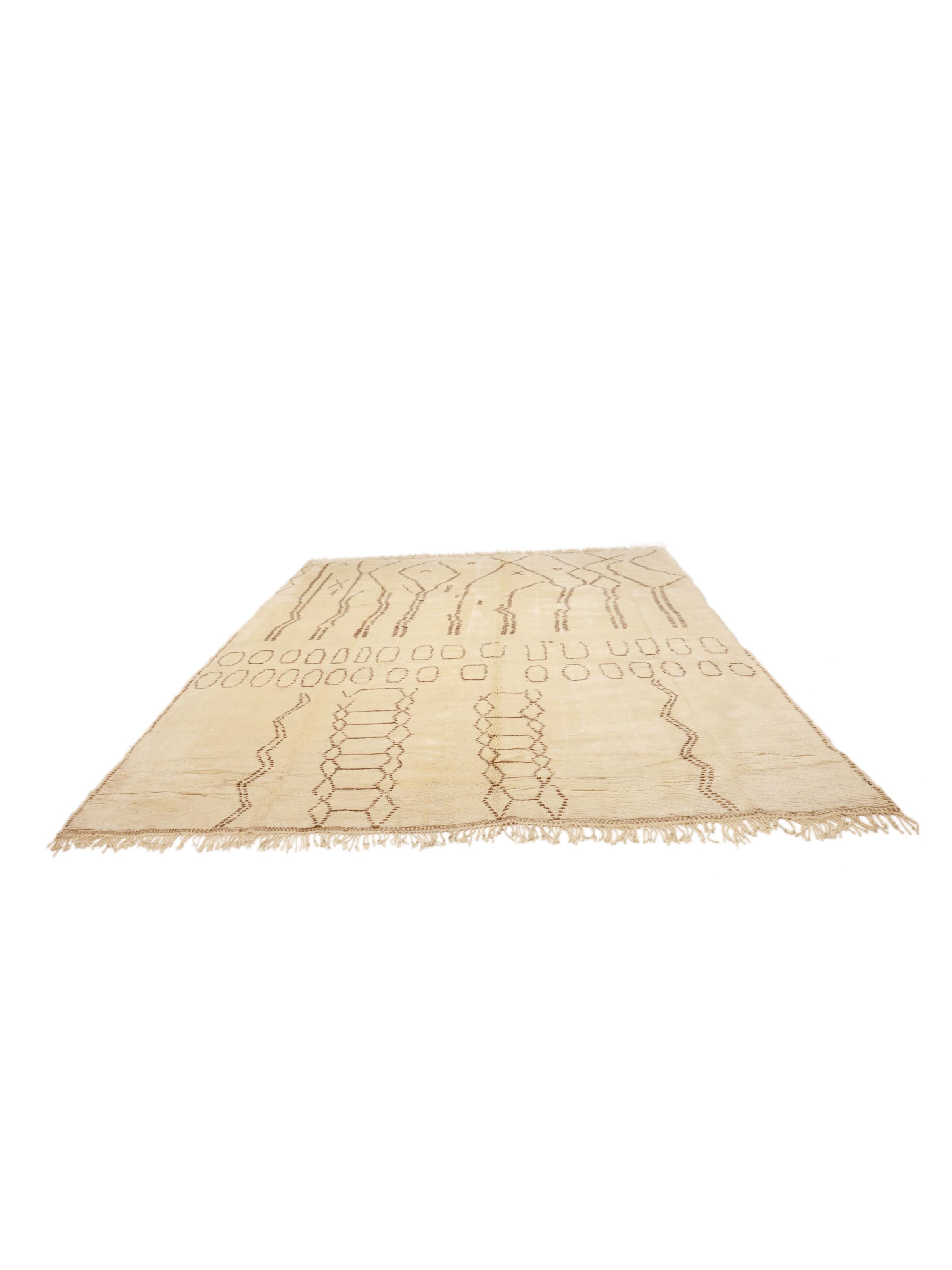
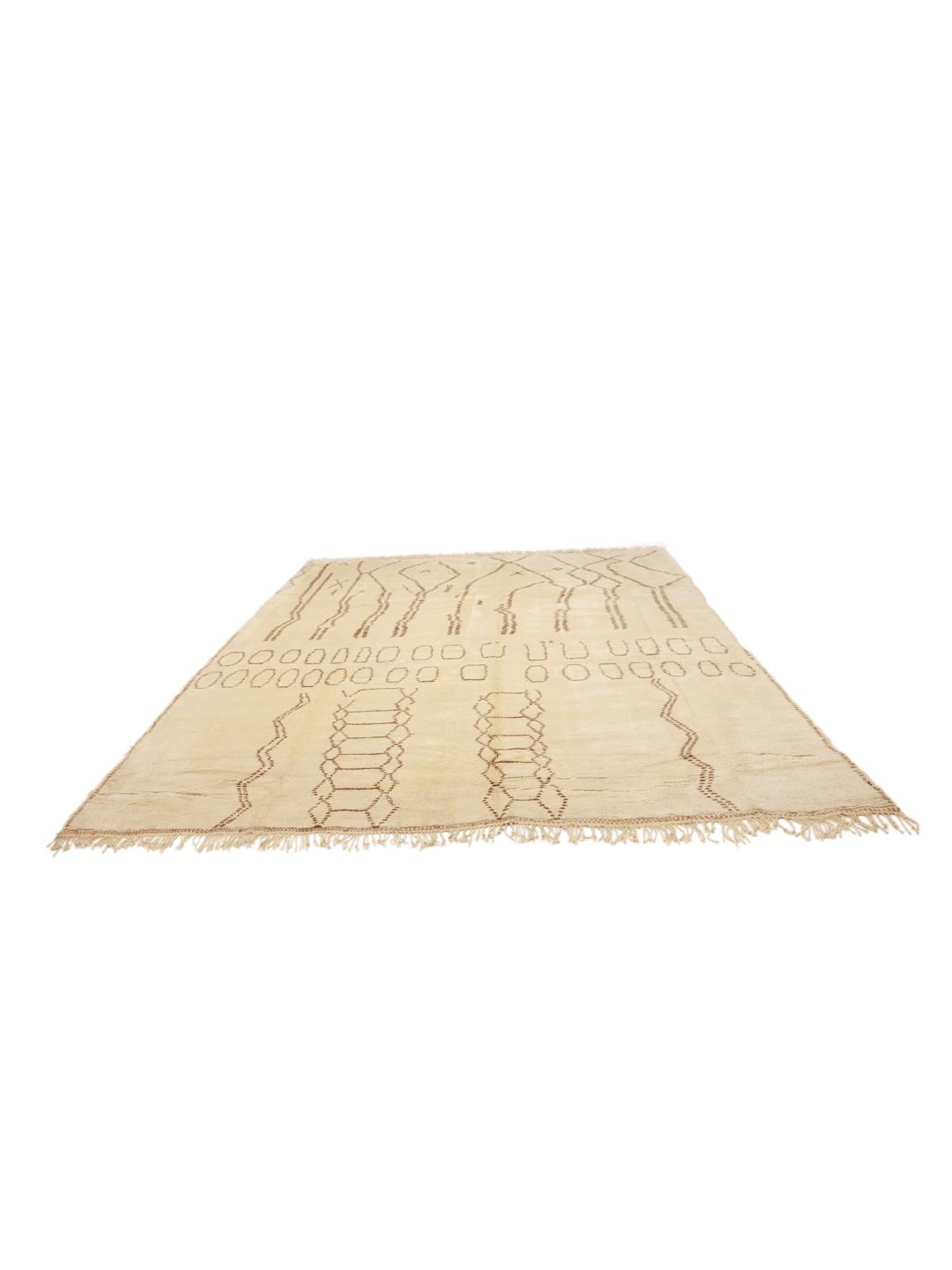
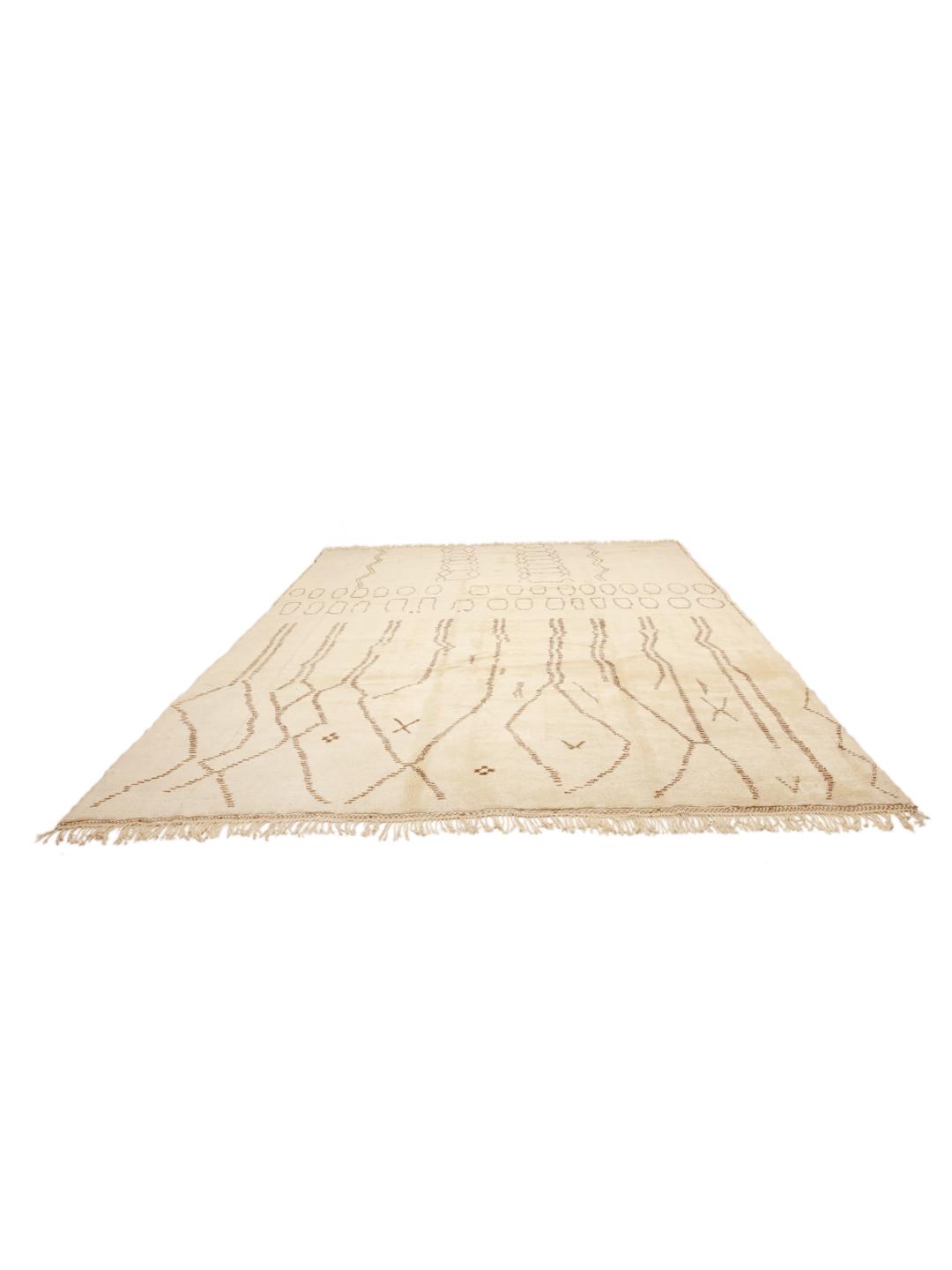
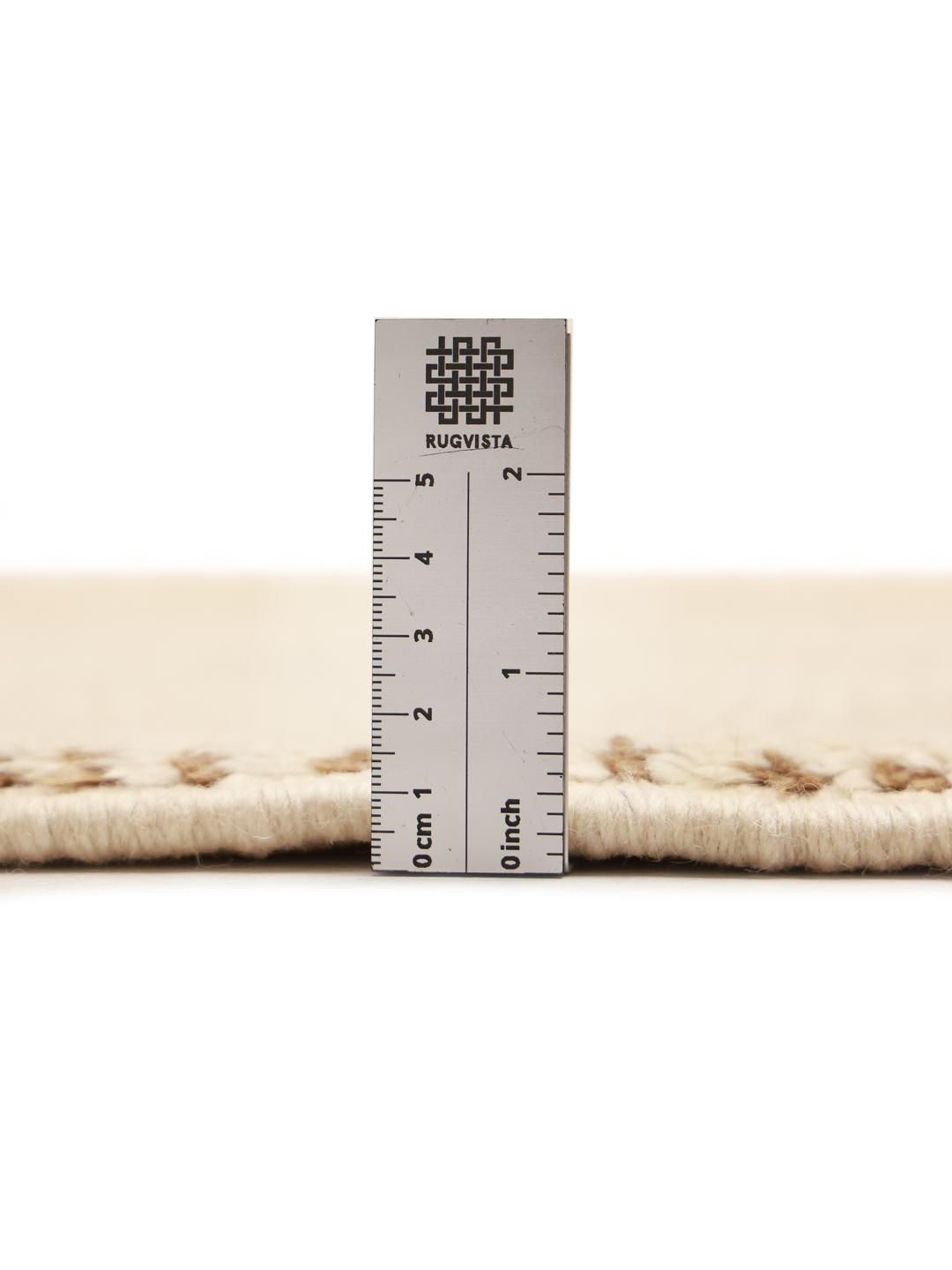
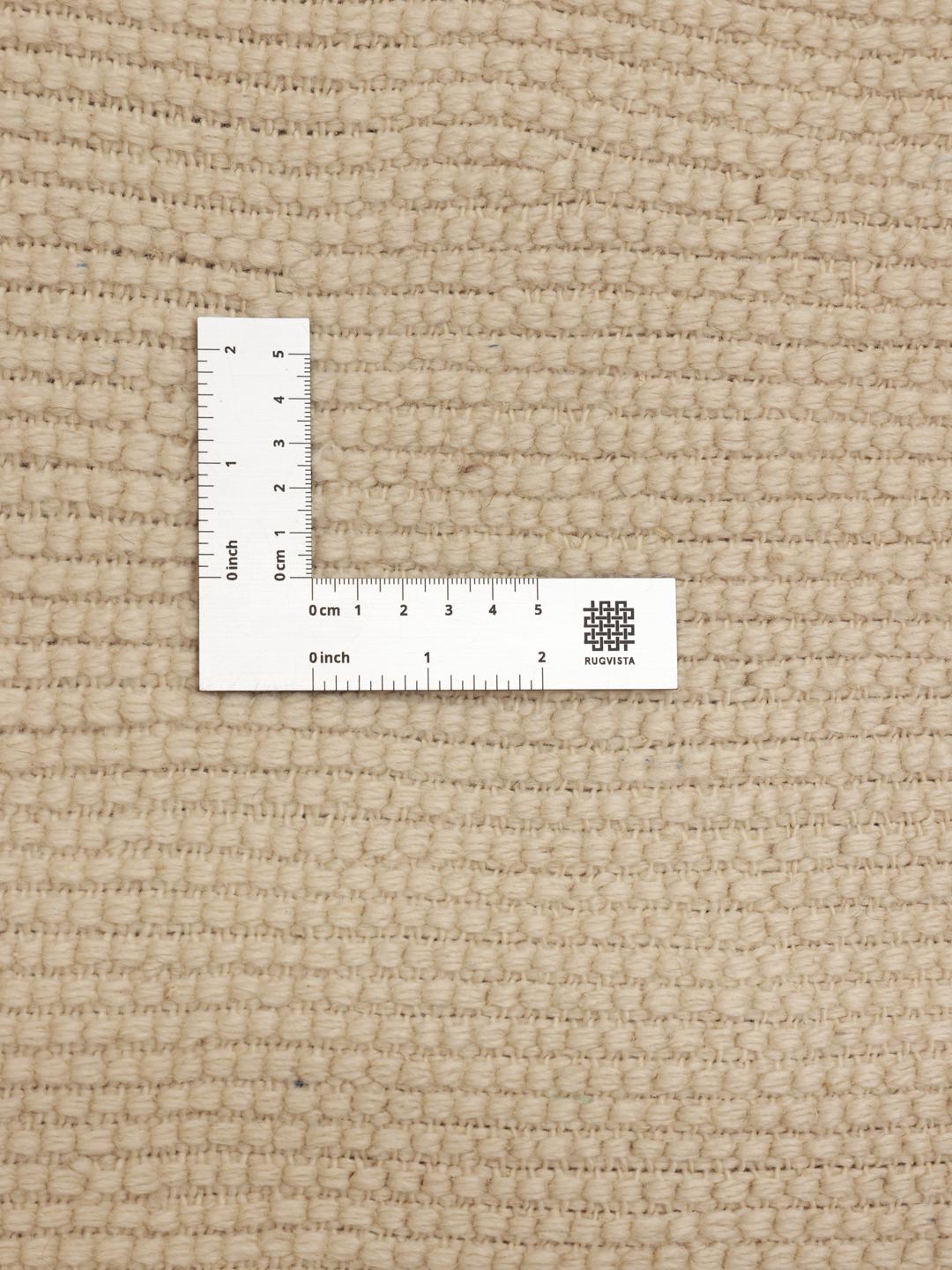
Berber rugs, specifically those from the Beni Ourain tribes of the Middle Atlas mountains in Morocco, are among the most revered textiles in the world. Traditionally, these rugs were woven by tribal women not as commercial goods, but as functional, deeply meaningful items for their own families. They served as blankets, sleeping mats, and floor coverings, designed to provide warmth against the harsh, freezing temperatures of the high-altitude mountain winters.
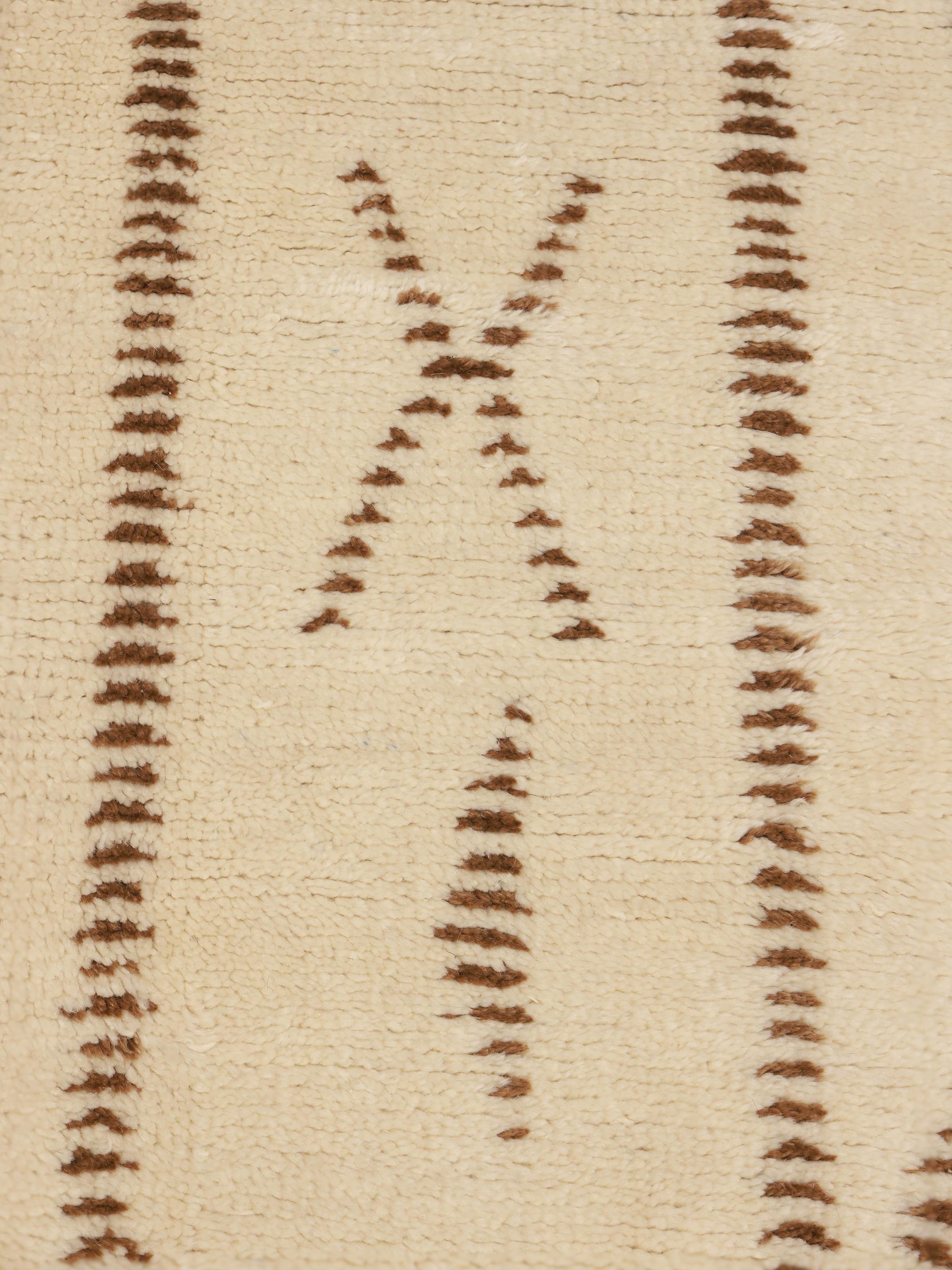
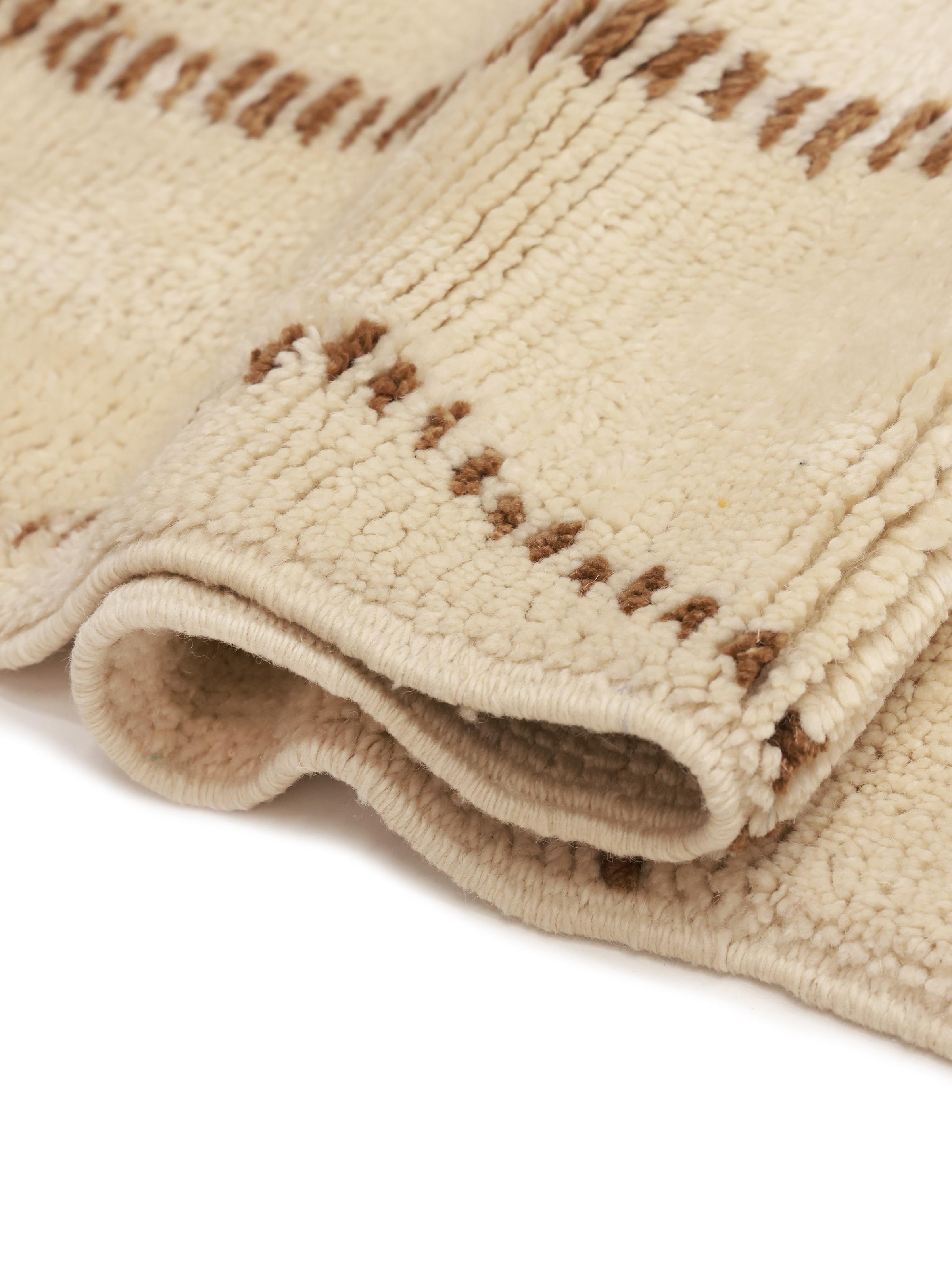
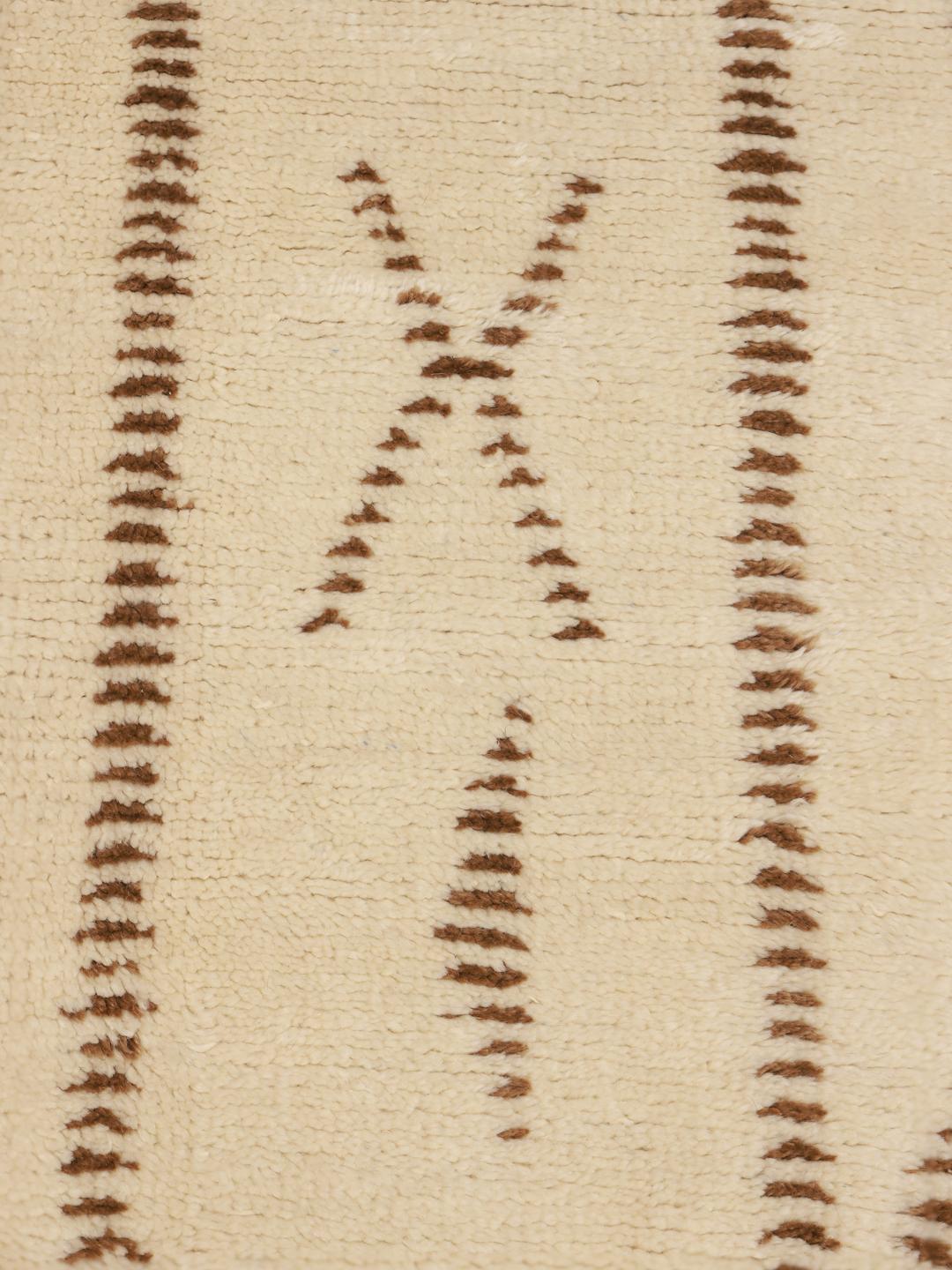
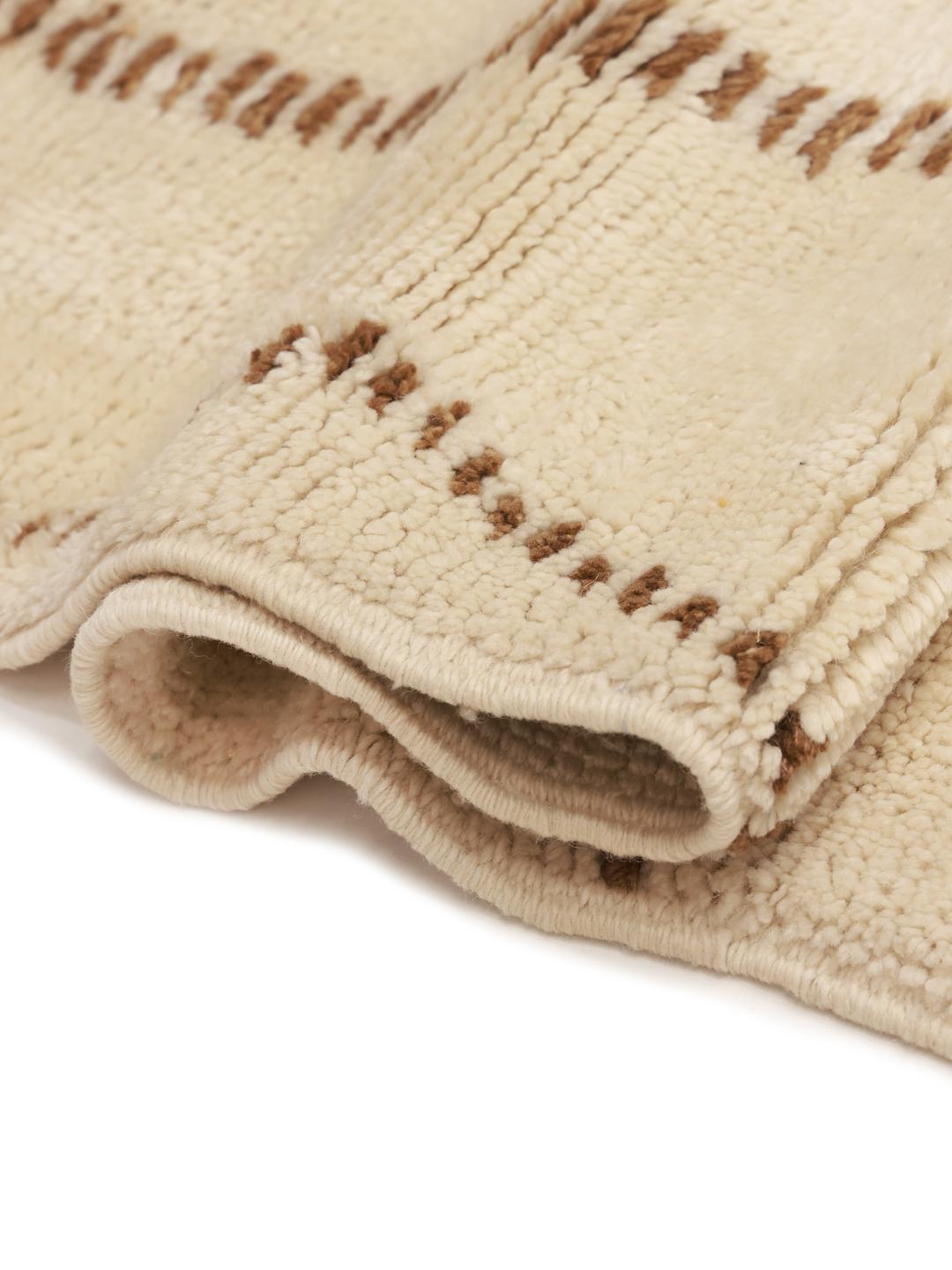
The terminology surrounding these rugs often refers to the specific region or tribe of origin. The Beni Ourain are a confederation of tribes whose weaving style is distinguished by its minimalist, often geometric aesthetic, typically executed in natural, undyed sheep's wool. This focus on purity of material and simplicity of design has made them highly sought after by designers and collectors globally, as they bridge the gap between ancient tradition and modern interior sensibilities.
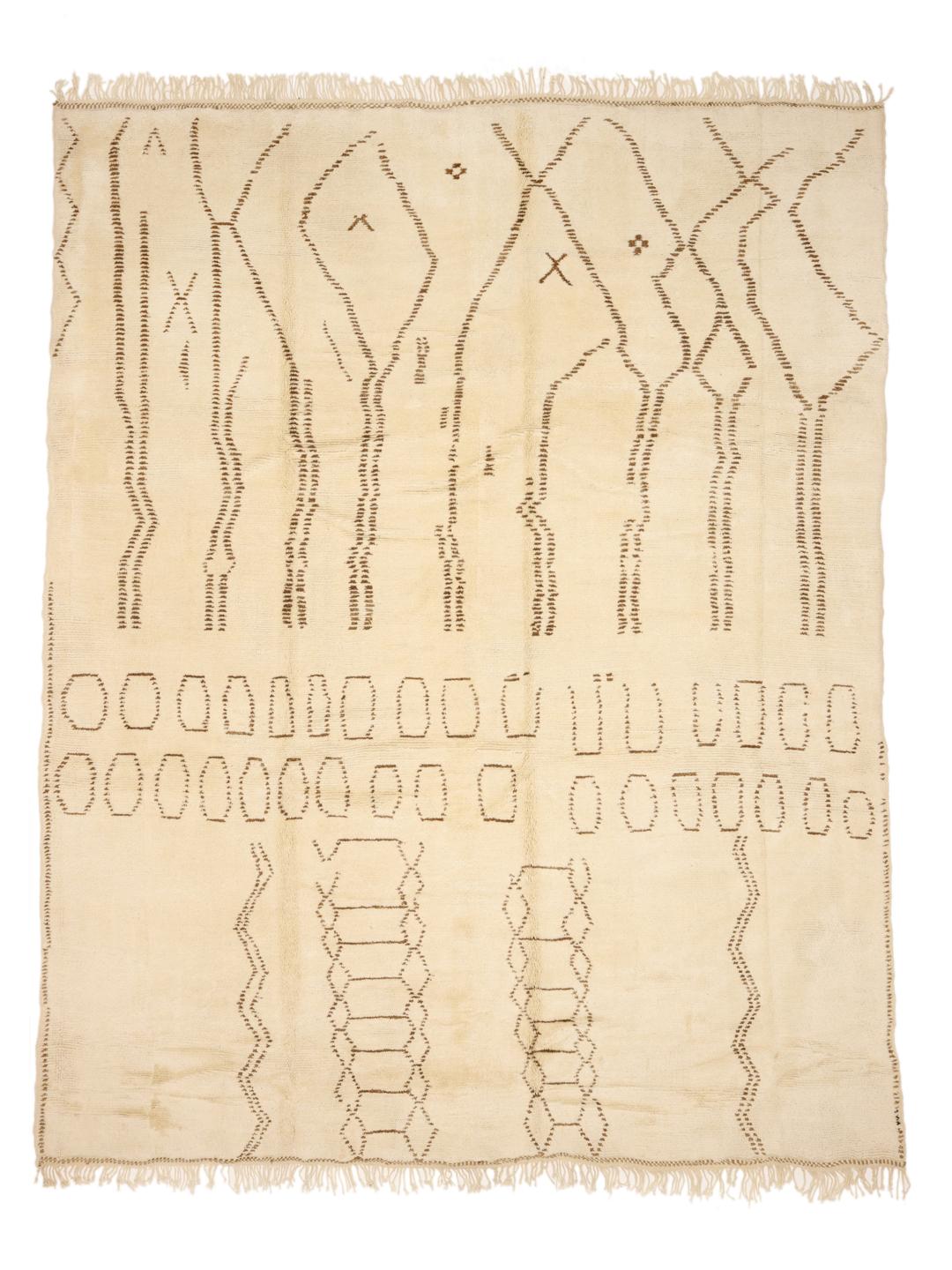
Signature design elements are central to the identity of these textiles. While contemporary interpretations may vary, the classic Beni Ourain rug is known for its ivory or creamy field adorned with dark, hand-drawn lines forming diamonds, crosses, or abstract motifs. These patterns were not merely decorative; they were a form of visual language, often incorporating symbols meant to bring good luck, fertility, or protection to the household, reflecting the weaver's personal journey and cultural beliefs.
Owning a Beni Ourain rug is an investment in cultural history and unparalleled craftsmanship. Because they are created without rigid blueprints, each piece is a singular expression of the weaver’s creativity and skill. Today, these rugs are valued for their ability to bring a sense of organic, human-made warmth to any space, representing a connection to a rich, nomadic past that continues to resonate in the homes of those who appreciate authentic, lasting quality.