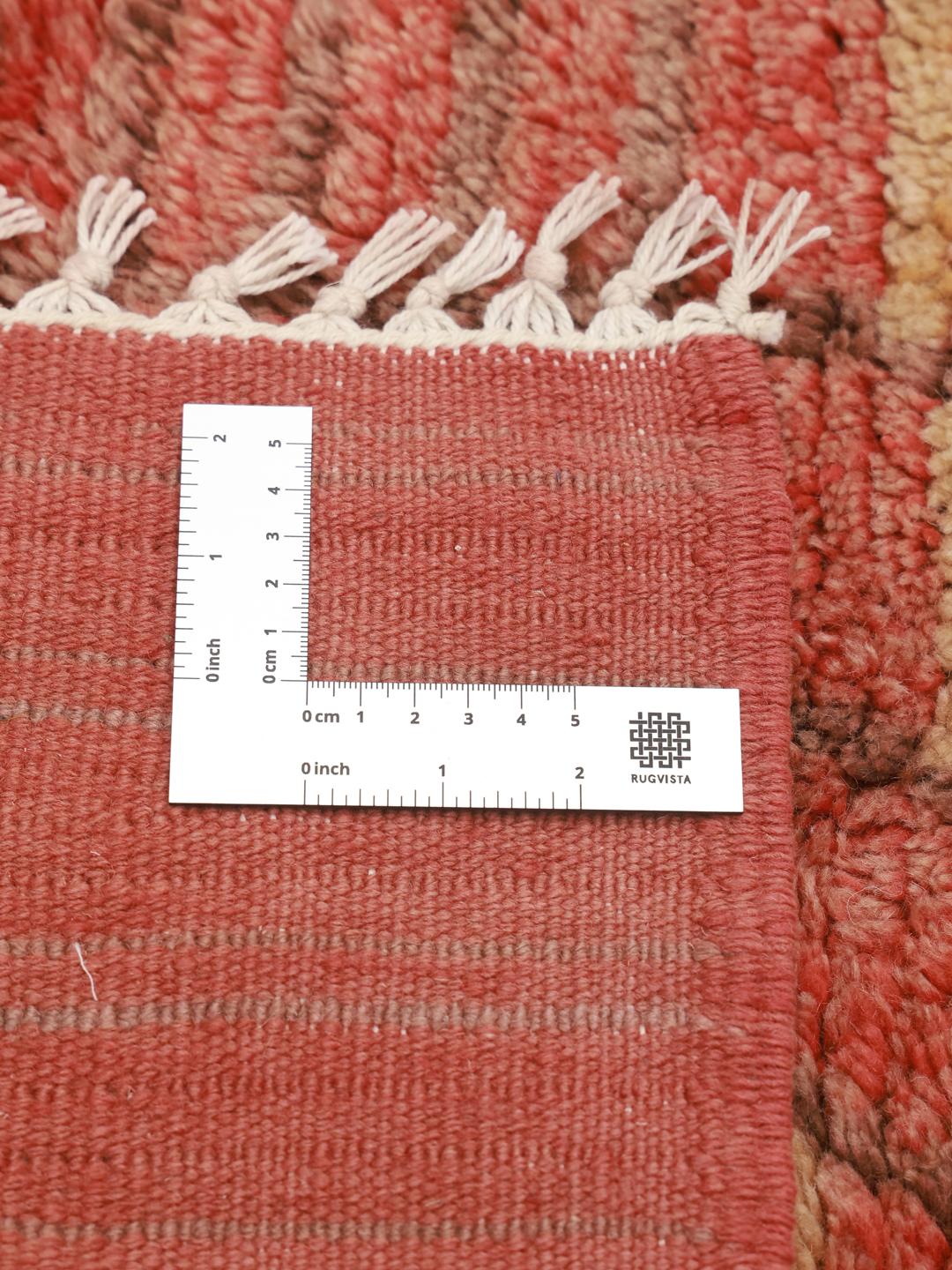
Berber rugs originate from the indigenous tribes of the Atlas Mountains in Morocco, where they have been woven for centuries for both practical and ceremonial purposes. These textiles were traditionally created as functional items for harsh mountain living, providing essential warmth during cold nights. The art of weaving has been passed down through generations of women, who imbue each piece with symbols and patterns that tell the stories of their daily lives and surroundings.
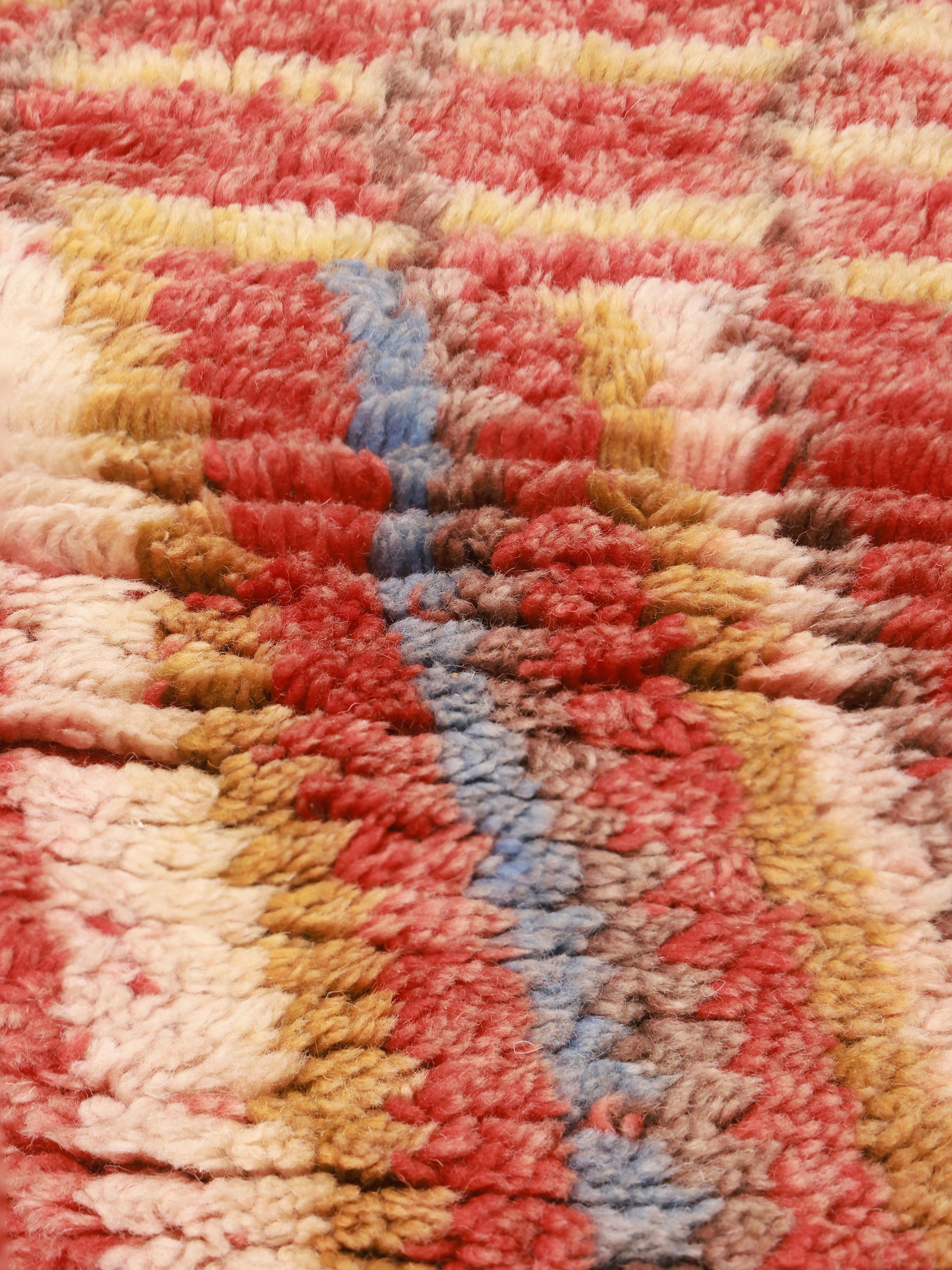
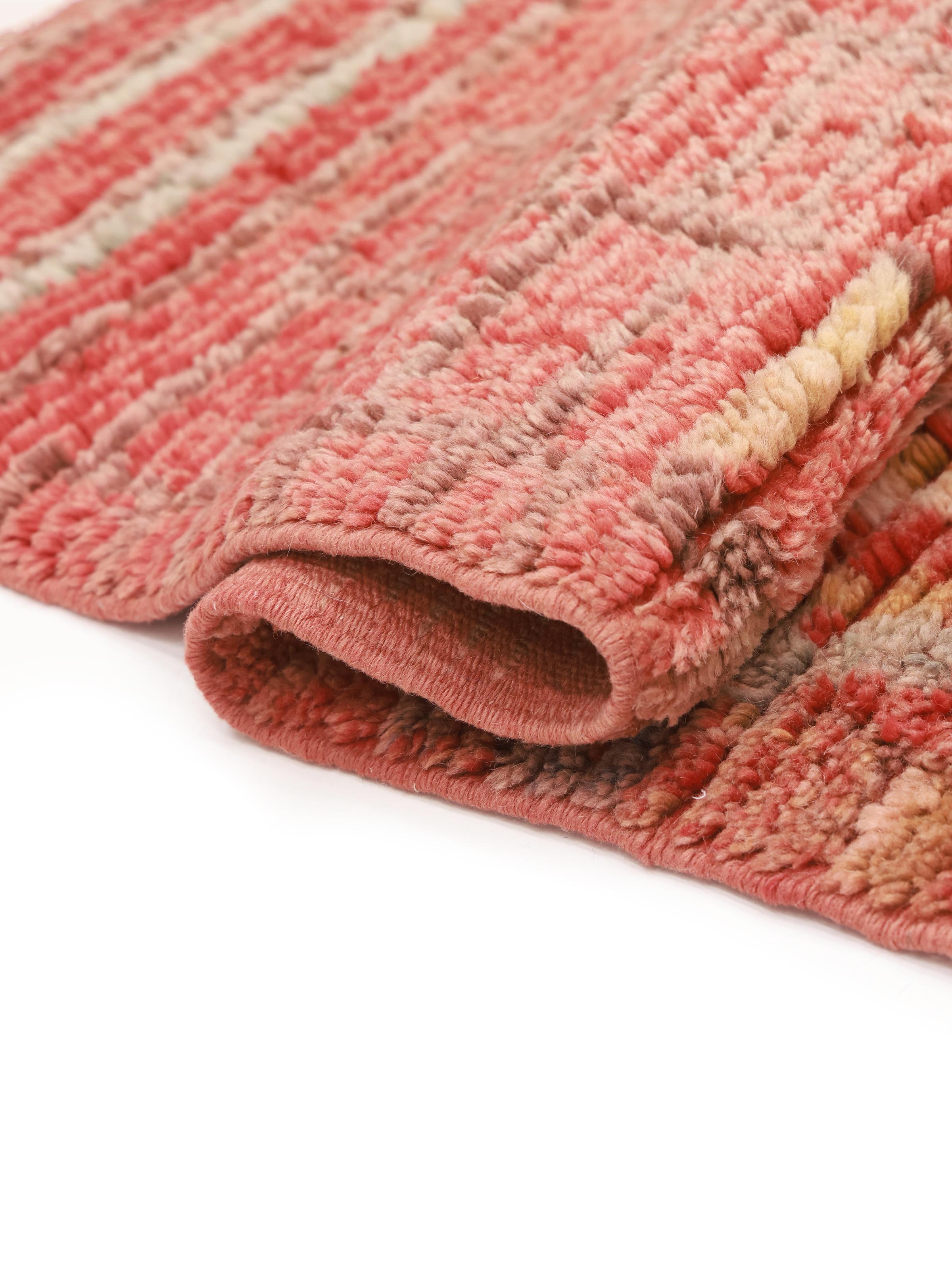
The terminology surrounding these rugs often reflects the specific tribal lineage or the region of the Atlas Mountains where they were crafted. While Beni Ourain rugs are perhaps the most famous, the broader Berber tradition encompasses a diverse range of styles, each defined by the specific wool quality and weaving techniques of the local community. The use of natural, undyed, and dyed wools is a hallmark of this tradition, resulting in rugs that are as authentic as they are beautiful.
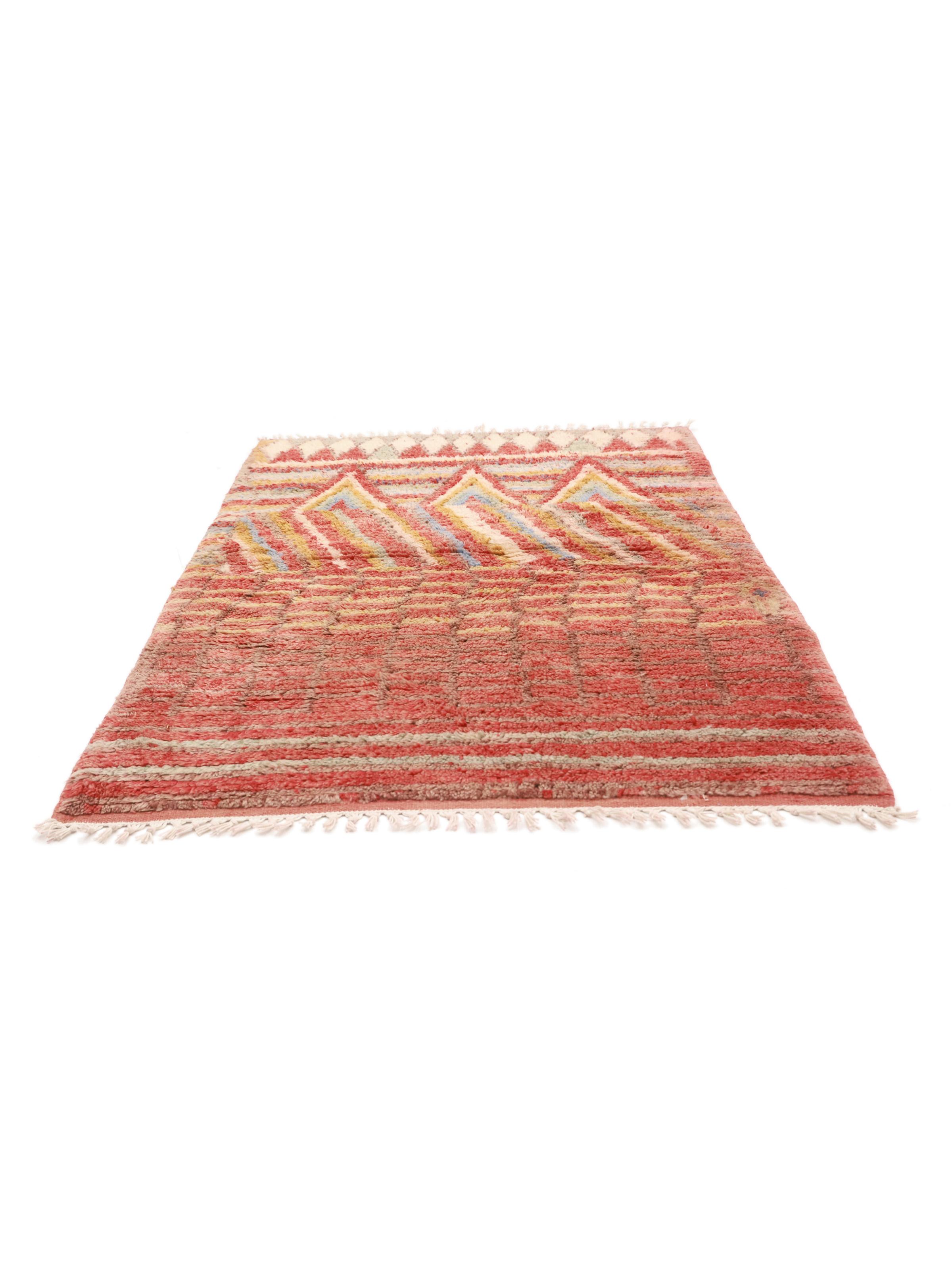
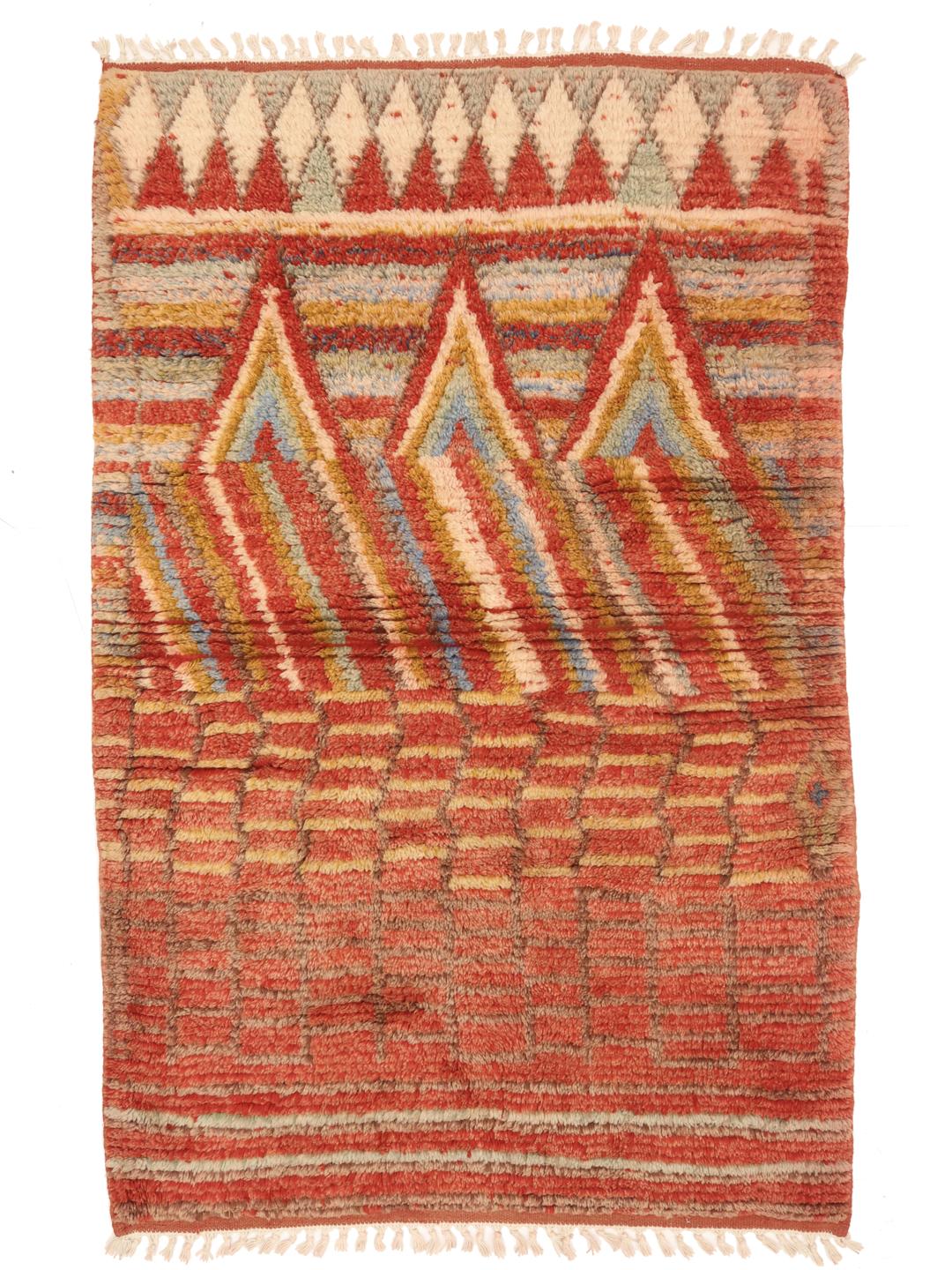
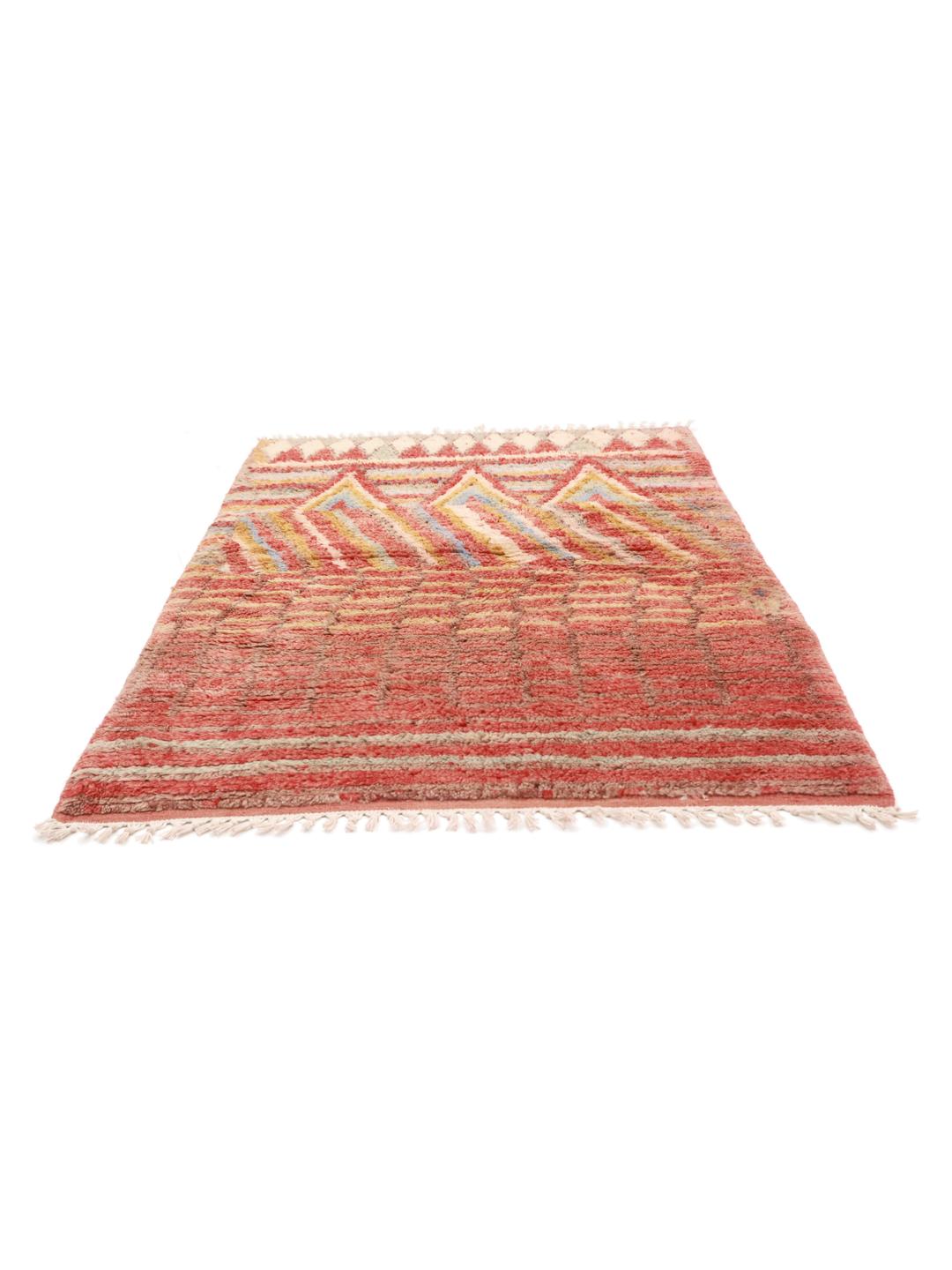
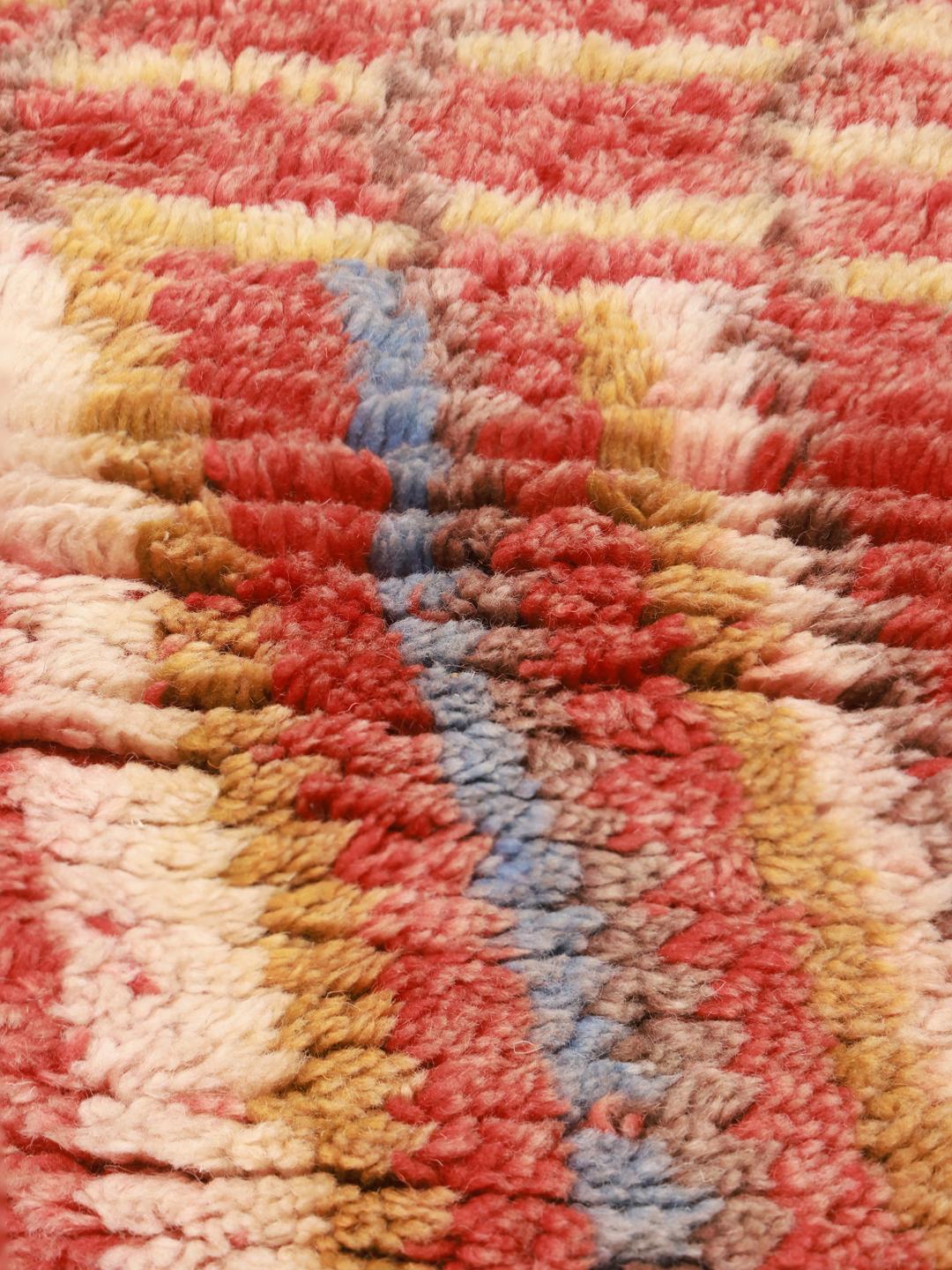
Visually, Berber rugs are characterised by their bold geometric language. Motifs such as diamonds, zig-zags, and stylised tribal elements often feature prominently, representing everything from protection to fertility and family history. While many traditional examples favour a minimalist aesthetic, pieces like this one, with their vibrant colours and complex compositions, demonstrate the creative freedom and storytelling power that define the more expressive side of the Berber heritage.
Collectors value these rugs not only for their striking beauty but for their cultural weight and the skill required to produce them. Each rug is a record of a specific time and place, representing a heritage that remains vibrant and relevant today. To own a Berber rug is to participate in a long-standing tradition of craft, ensuring that these ancient techniques continue to be celebrated and enjoyed in homes around the world.