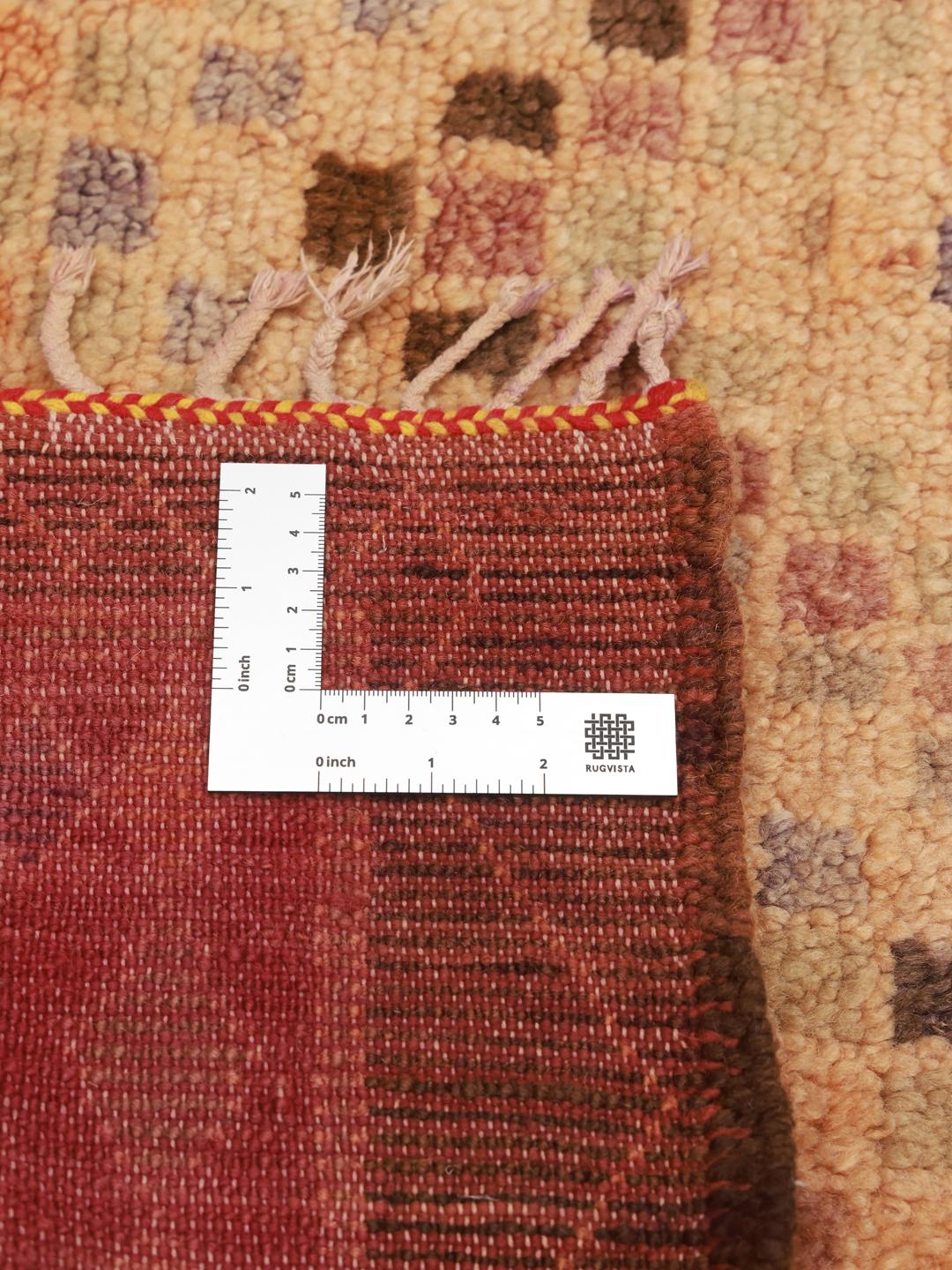
The Berber Beni Ourain tradition originates from the high peaks of the Middle Atlas Mountains in Morocco, where the indigenous Berber tribes have woven textiles for centuries. These rugs were historically crafted for practical use as bedding and floor coverings, designed to withstand the harsh, cold winters of the mountain climate. The migration and preservation of these weaving traditions have turned these utilitarian items into celebrated cultural artifacts.
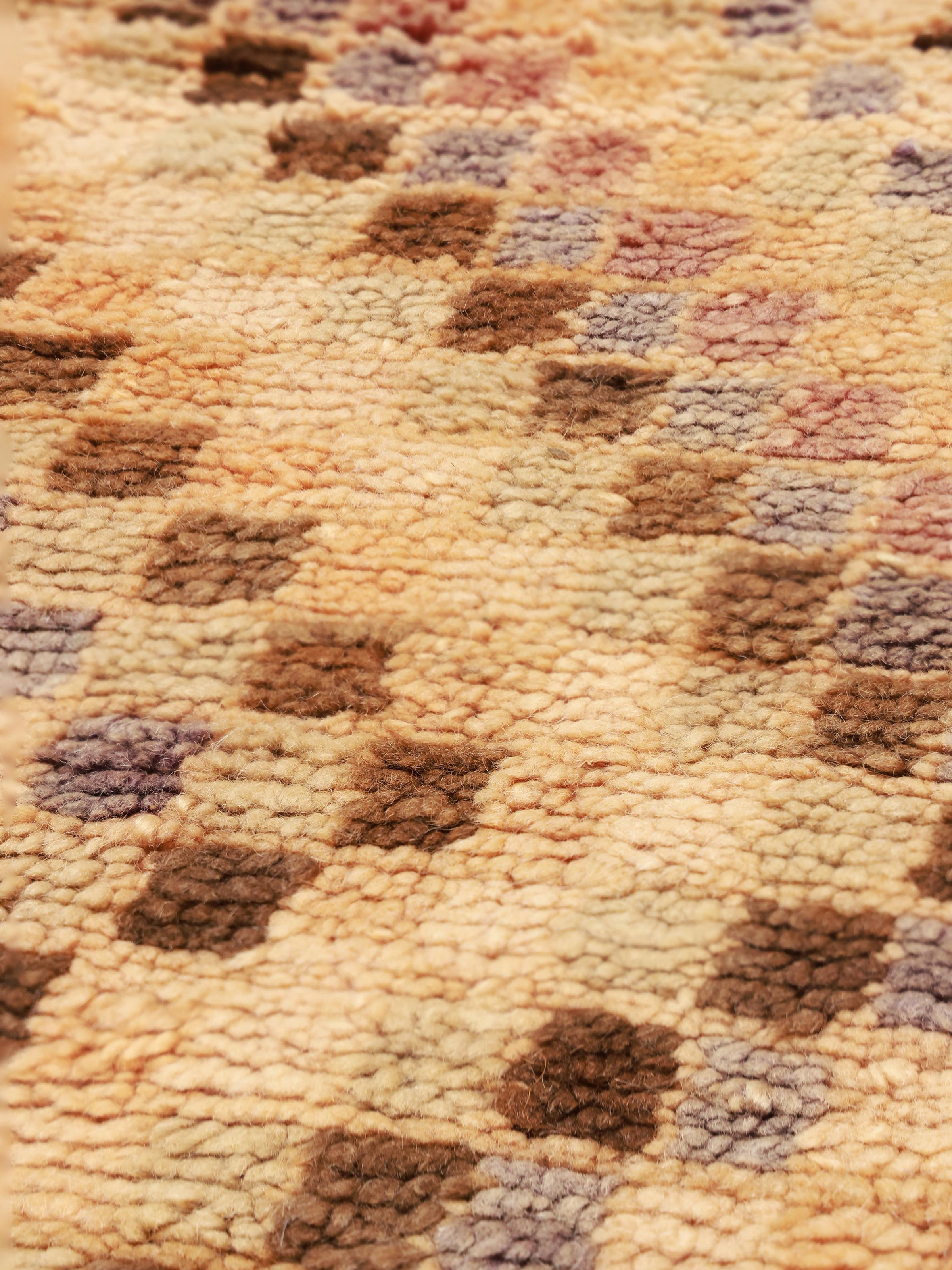
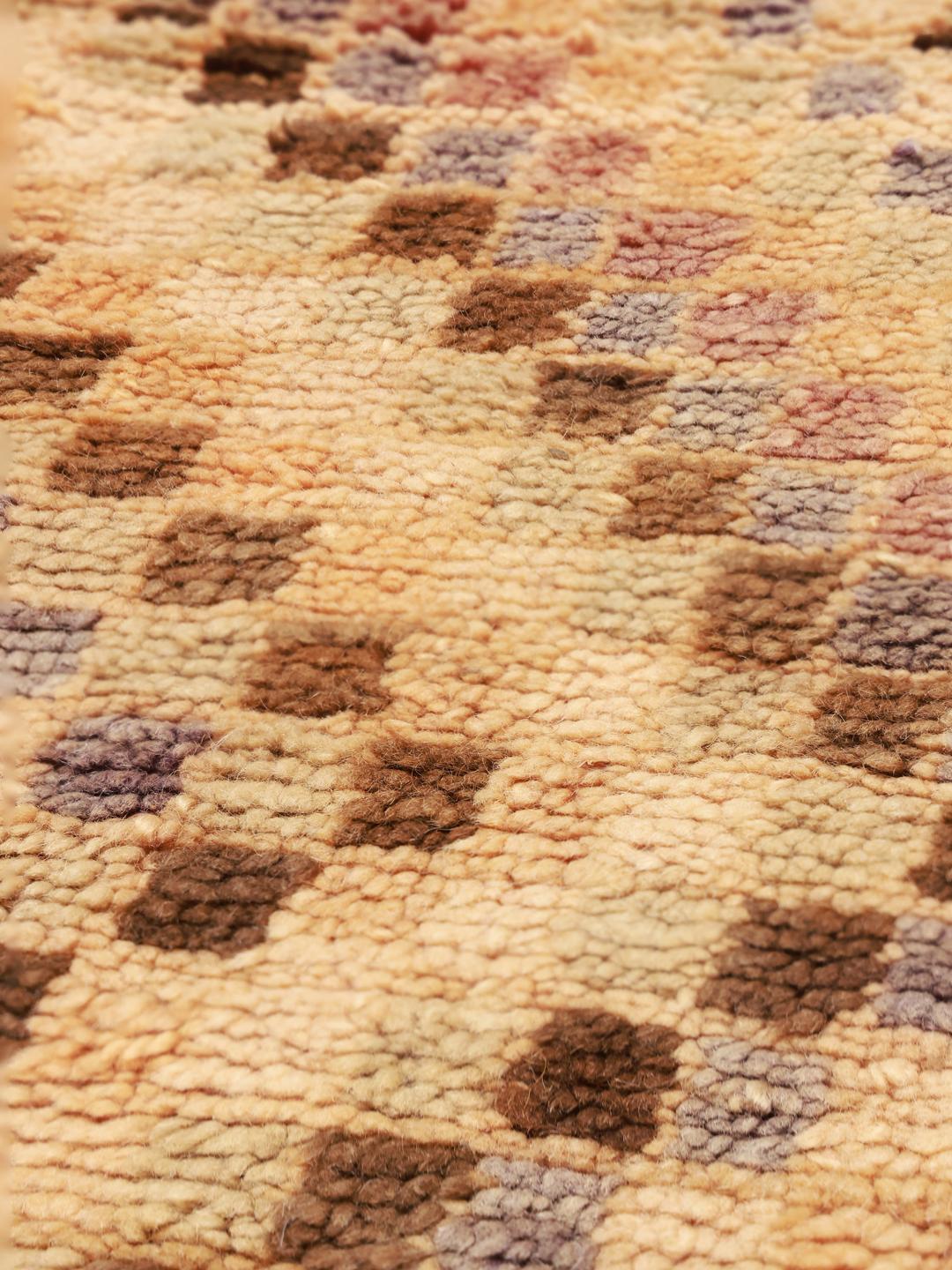
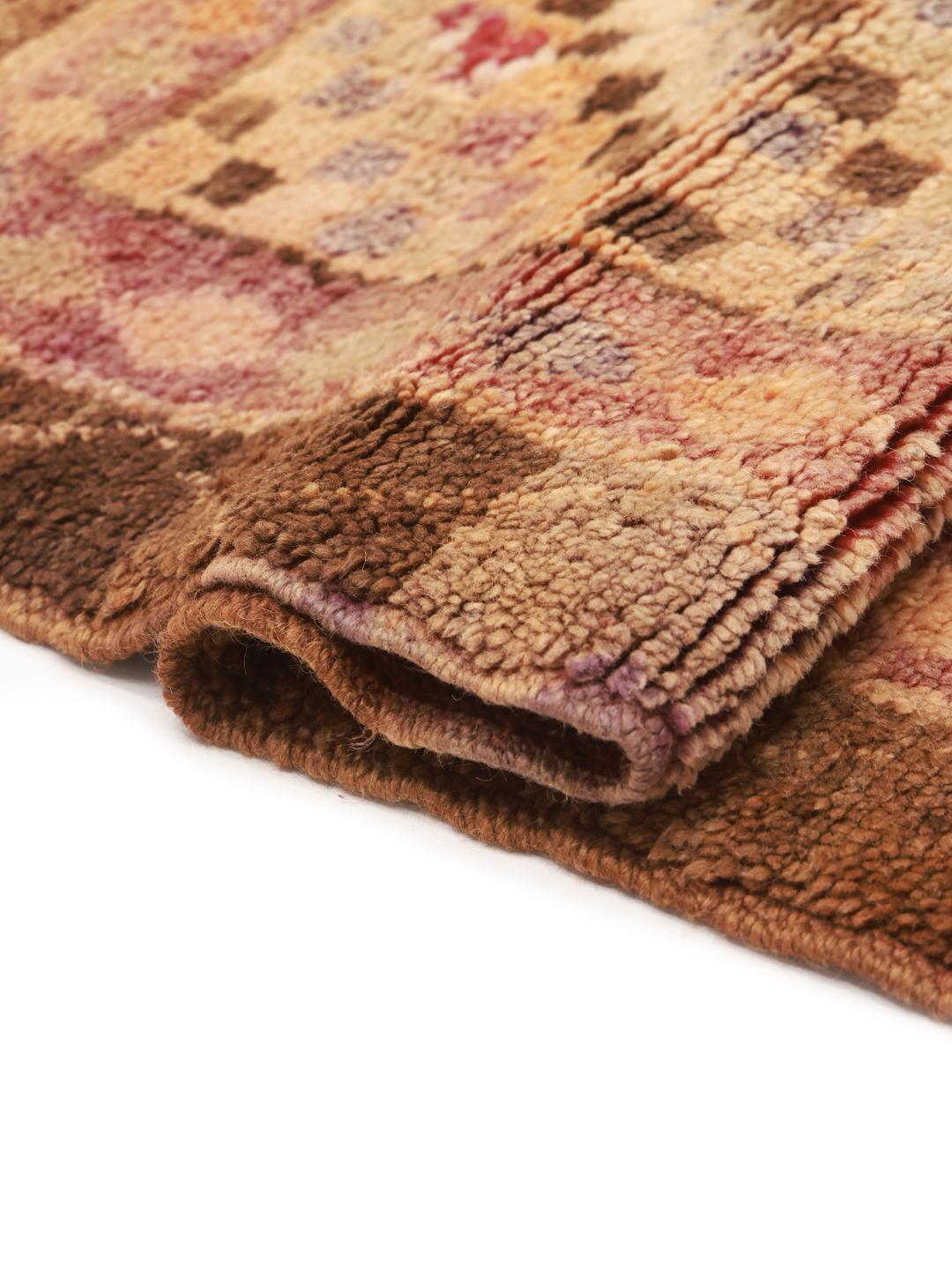
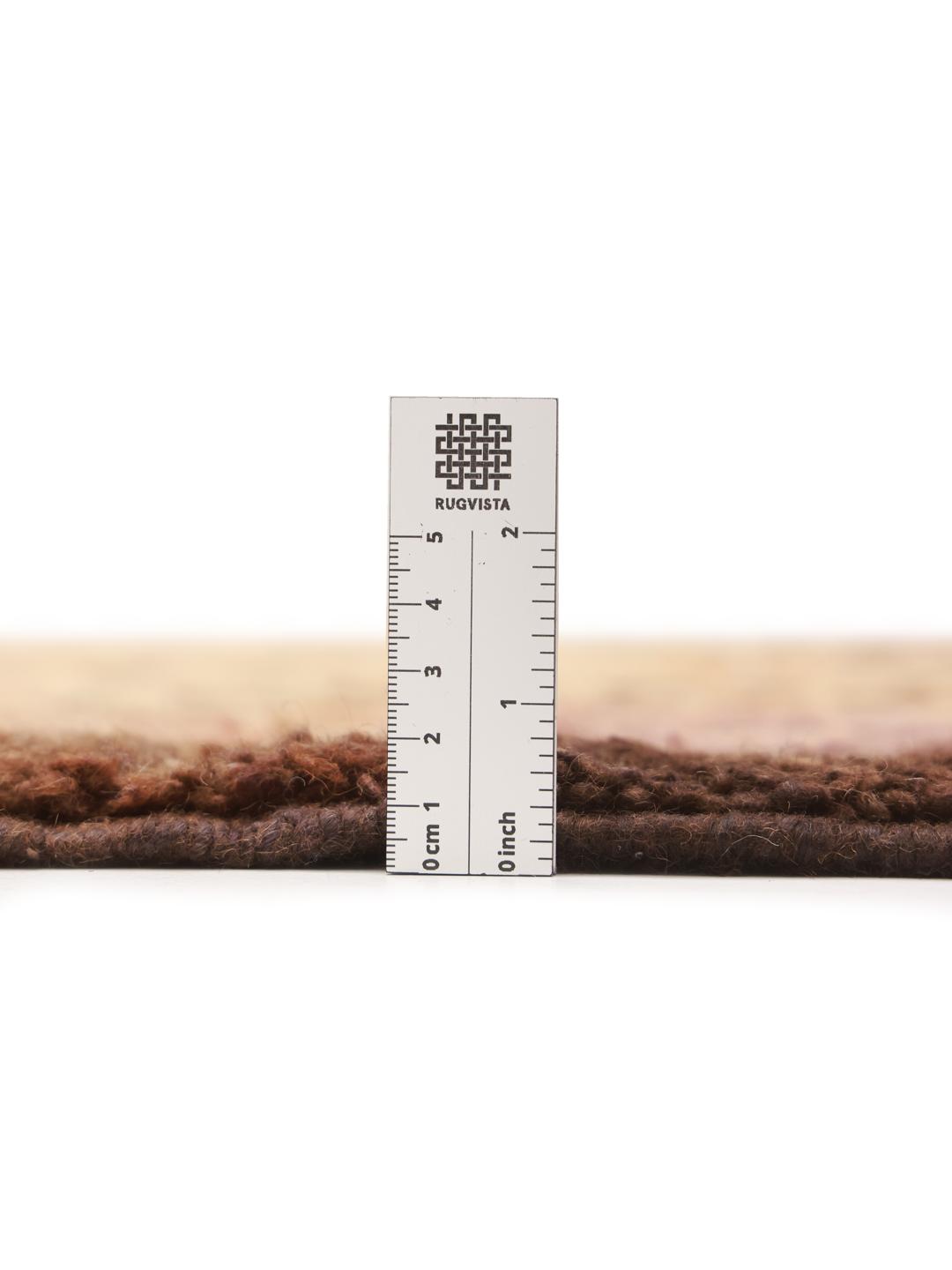
The craft relies on deep knowledge of materials, specifically using high-quality Wool that is known for its natural lanolin content. This results in a pile that is not only soft and luxurious but also naturally resistant to moisture and wear. The term Beni Ourain refers to the specific tribal confederations who perfected this style of knotting, creating a distinct aesthetic that balances simplicity with deep symbolic meaning.
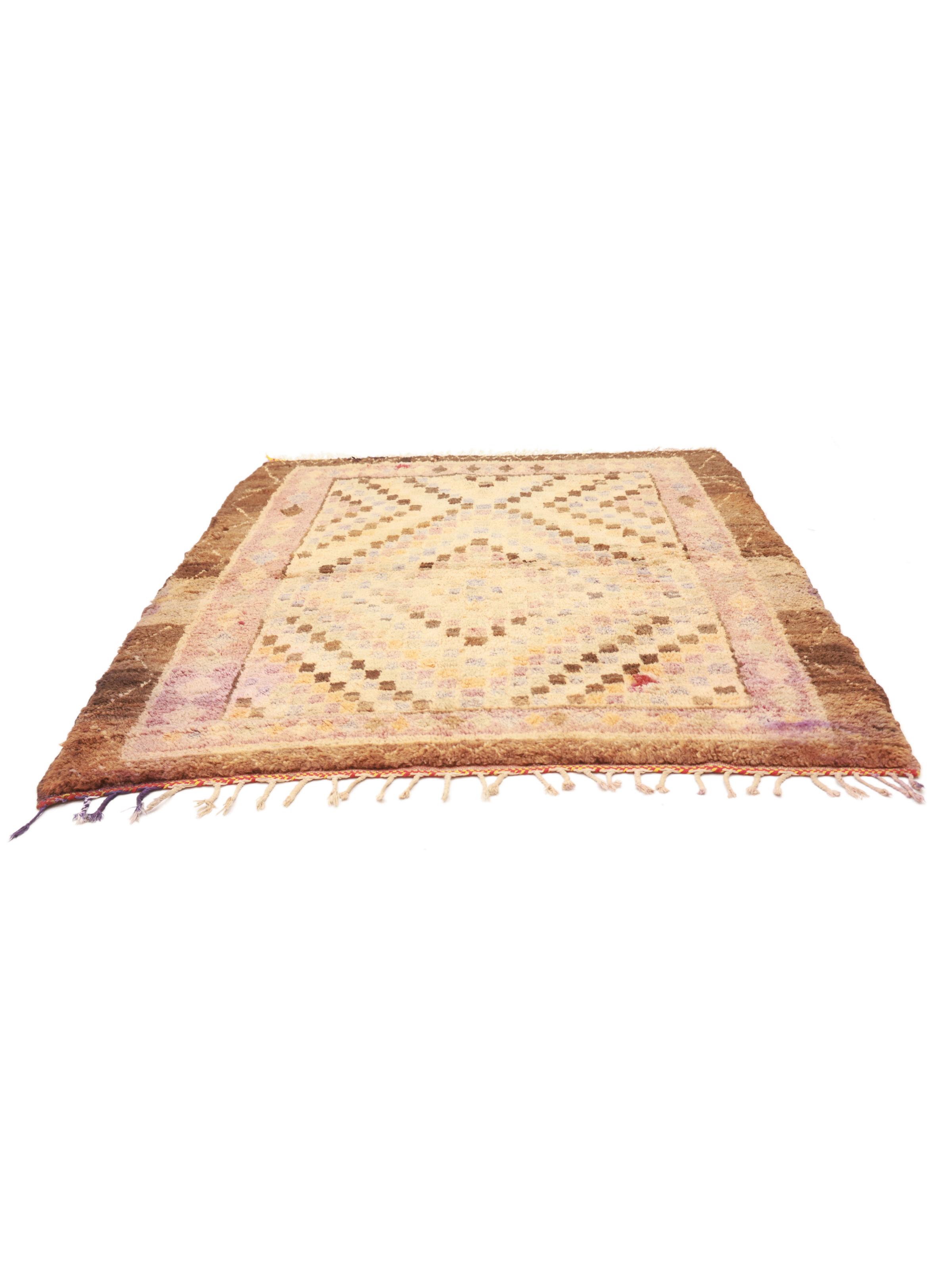
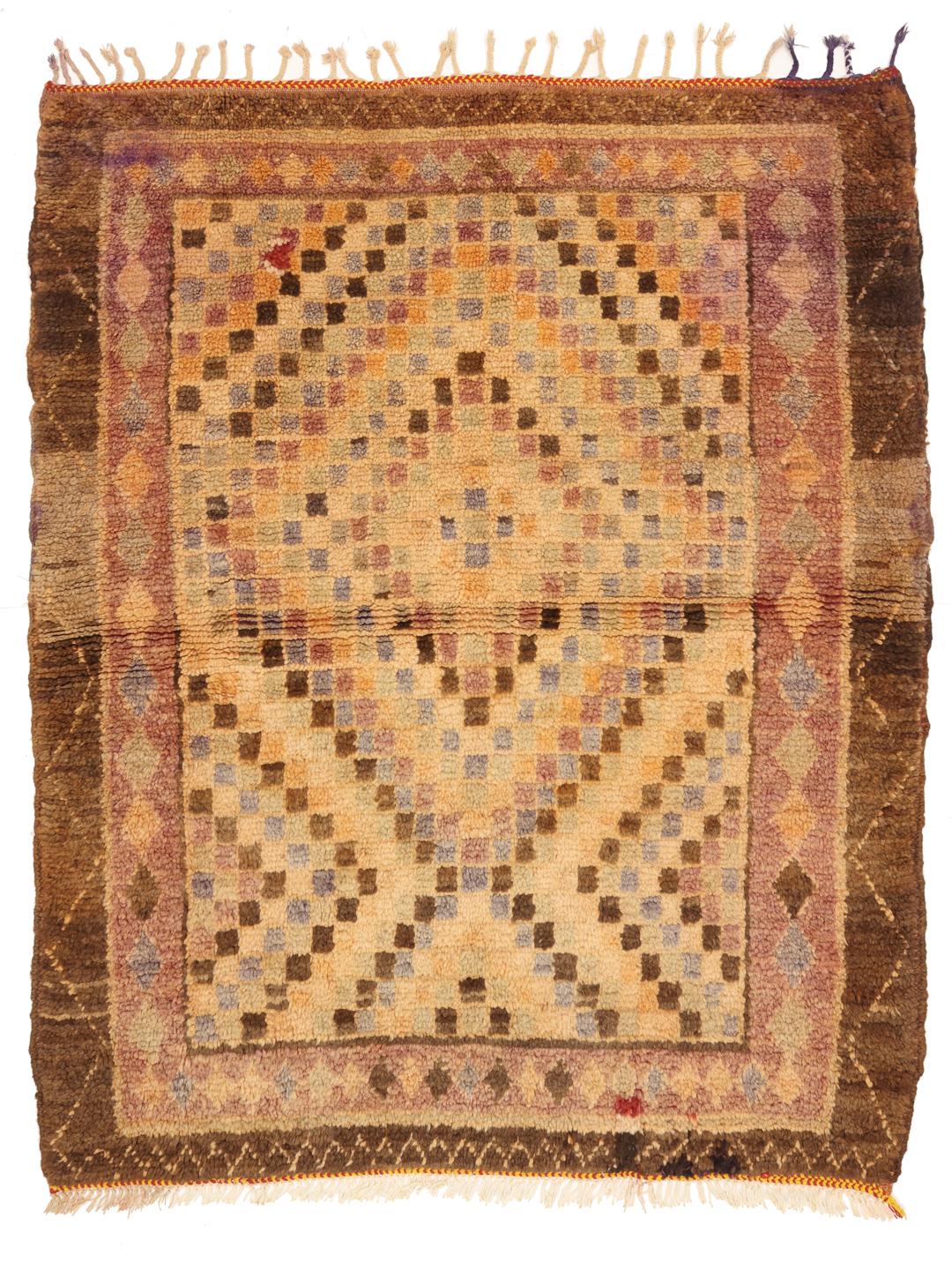
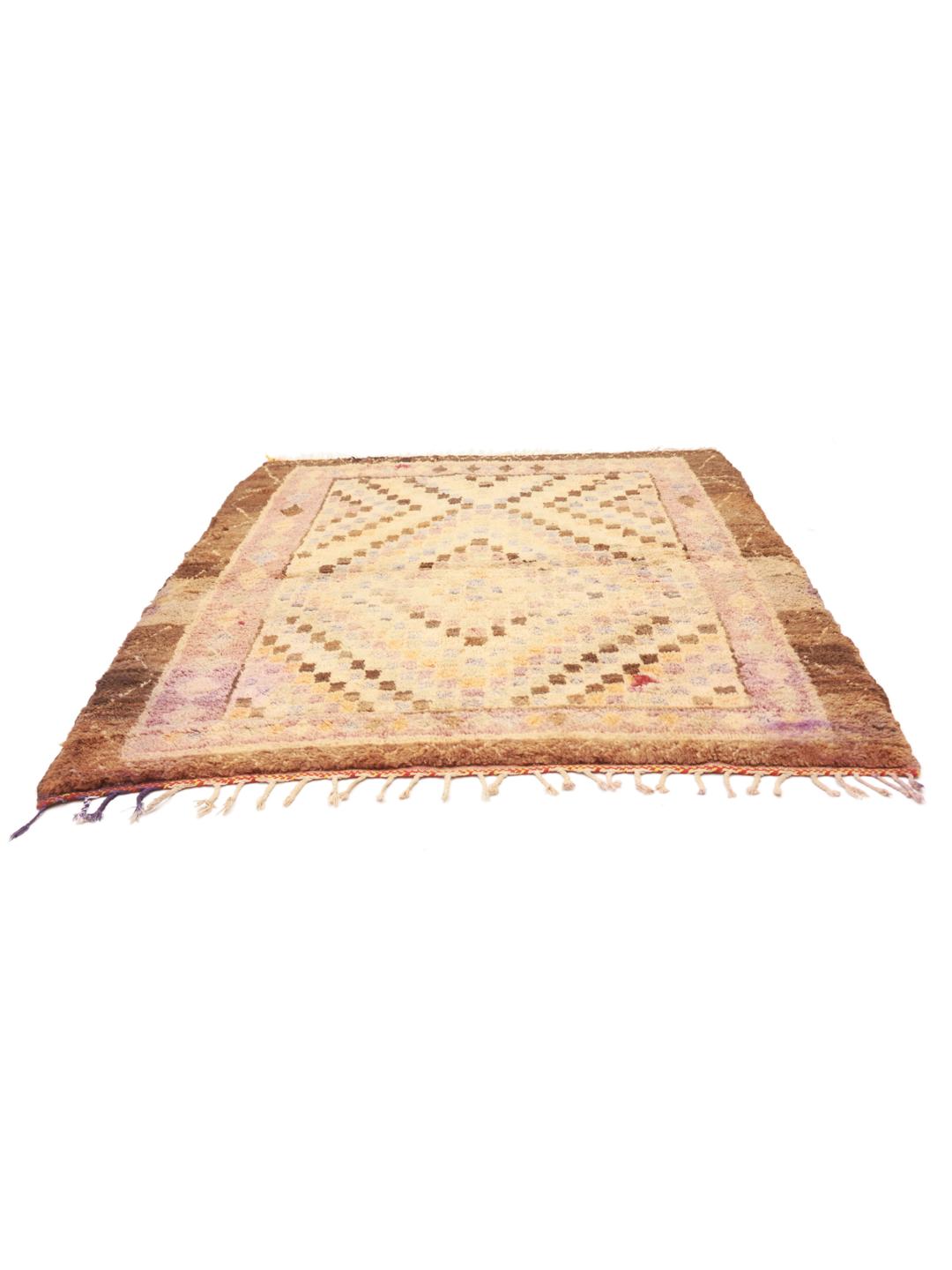
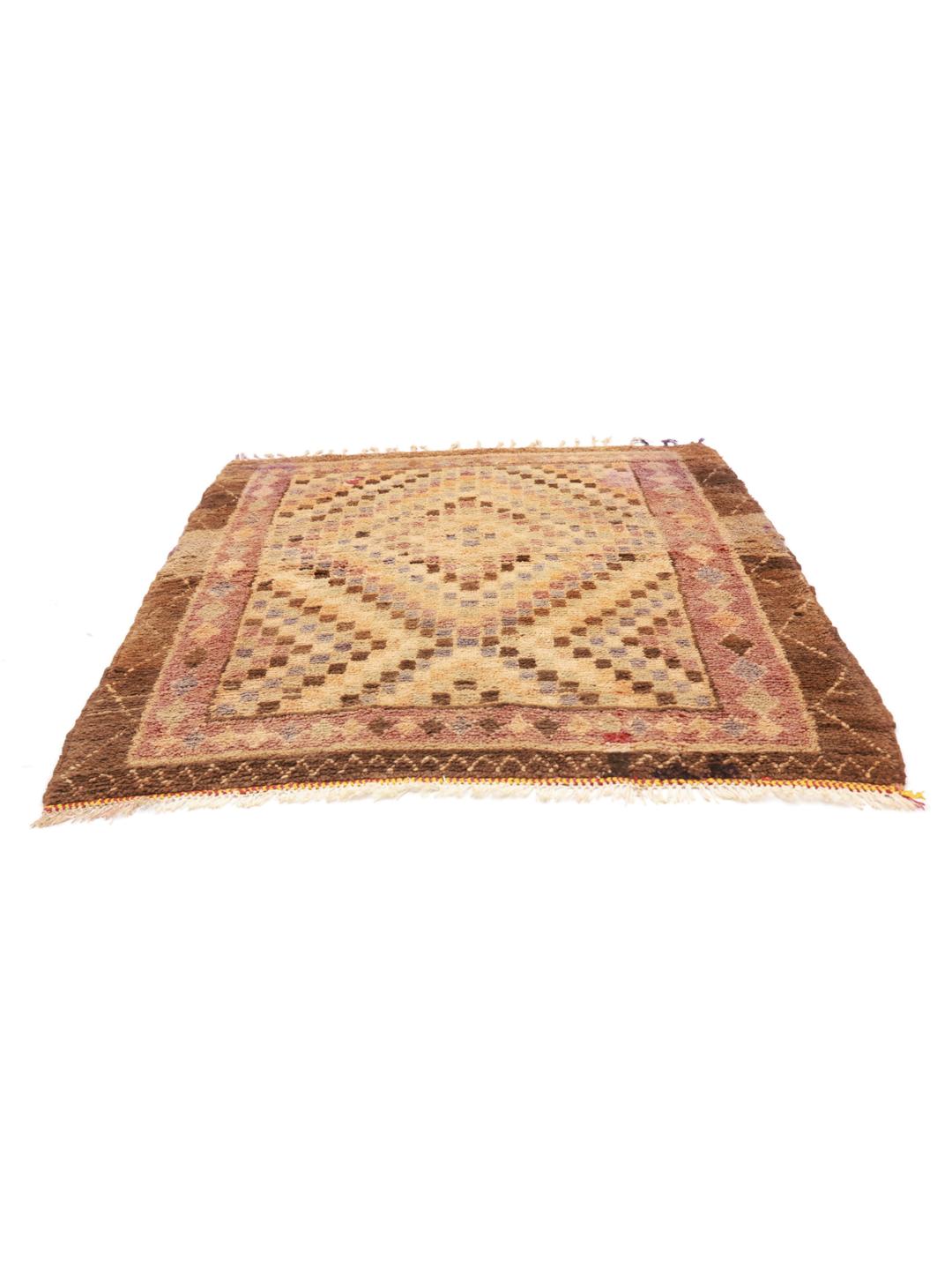
Visually, these rugs are defined by their minimalist yet expressive designs. While they often feature dark, geometric lines on a natural, undyed Wool background, the inclusion of organic, earthy hues like those seen in this piece is a beautiful variation of the tradition. The motifs are often symbolic, reflecting the weaver's personal stories, their environment, or tribal beliefs, making every rug a narrative of the person who created it.
Today, these rugs are highly sought after by collectors and enthusiasts who value the intersection of heritage and art. Owning a Beni Ourain rug is an invitation to bring a piece of Moroccan history into your home. It serves as a reminder of the enduring skill of the Berber people and the timeless nature of hand-crafted design, ensuring that your space feels both culturally grounded and uniquely yours.