The Berber rugs of the Middle Atlas mountains are among the most storied textiles in the world. Traditionally crafted by tribal groups in Morocco, these rugs served as functional bedding, floor coverings, and even blankets for protection against the harsh, cold mountain winters. The nomadic and semi-nomadic lifestyle of these weavers has historically imbued their work with a sense of freedom and adaptability, reflecting the rugged landscape of their home.
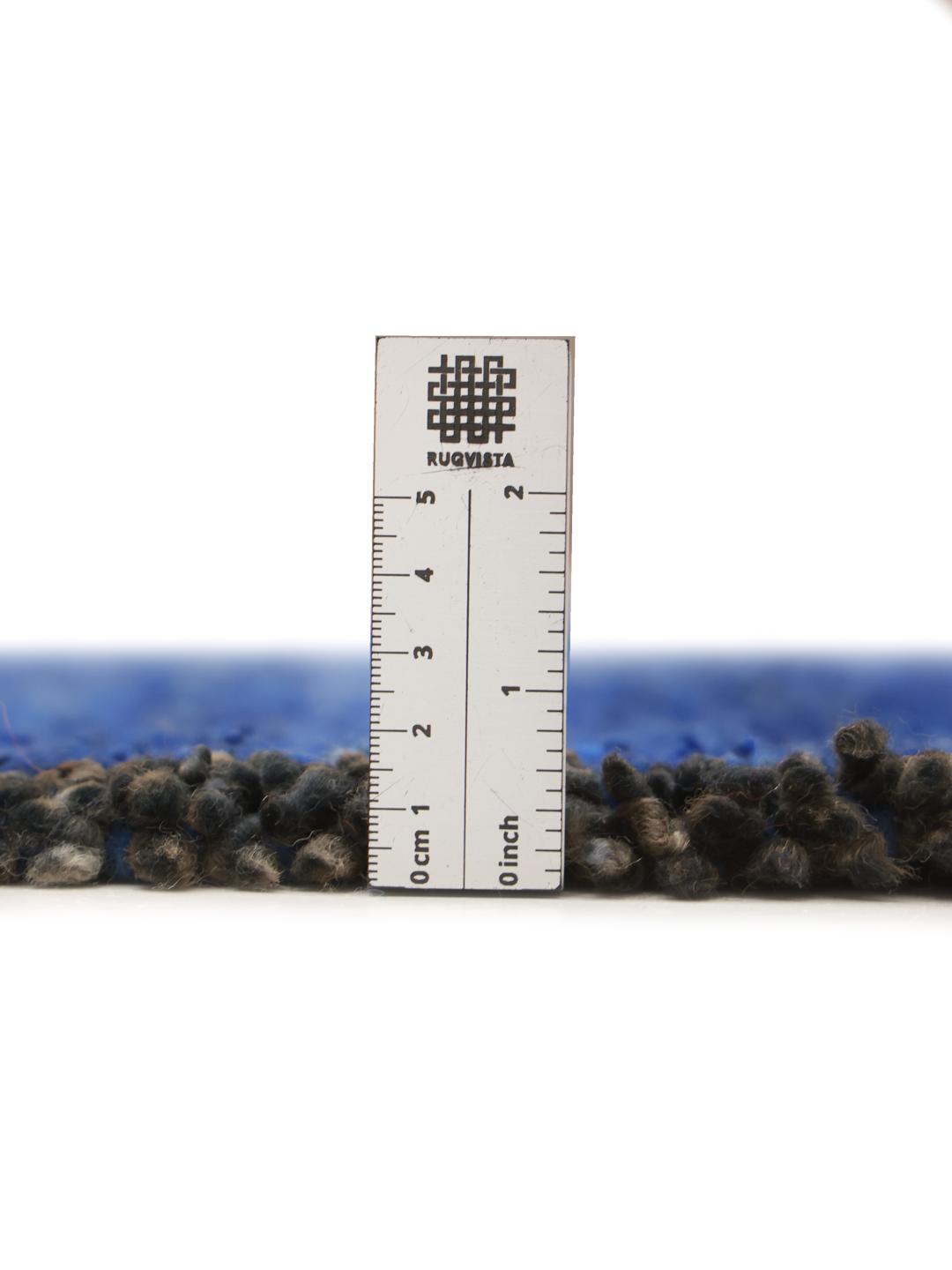
The terminology surrounding these rugs often refers to the specific tribal groups or mountain ranges where they originate. In the case of this piece, the Middle Atlas provenance is significant because the wool from this region is renowned for its exceptional softness and durability. These rugs were never intended to be mass-produced; instead, they were created for personal use within the family or tribe, using techniques that prioritise longevity and the natural properties of the wool.
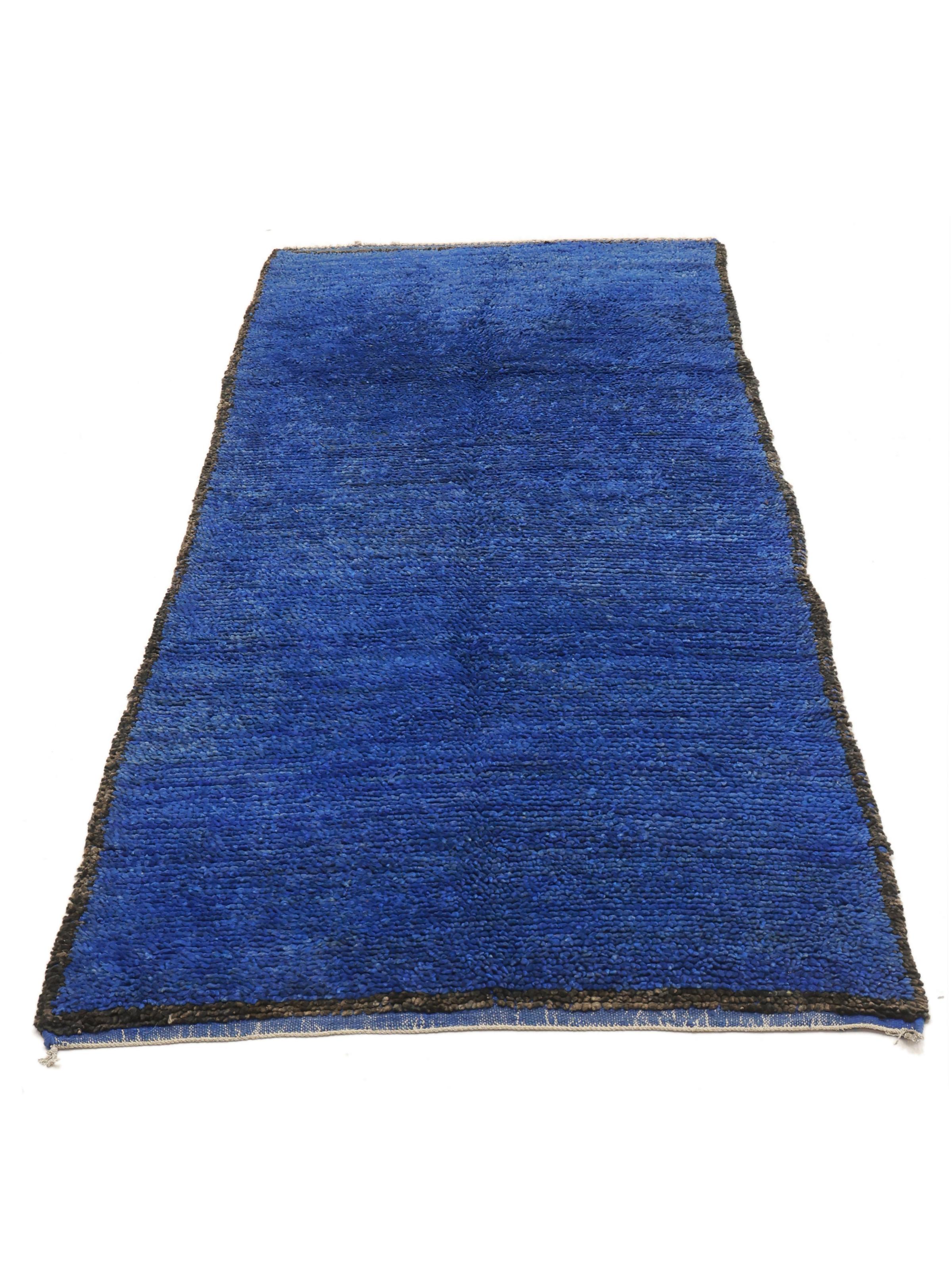
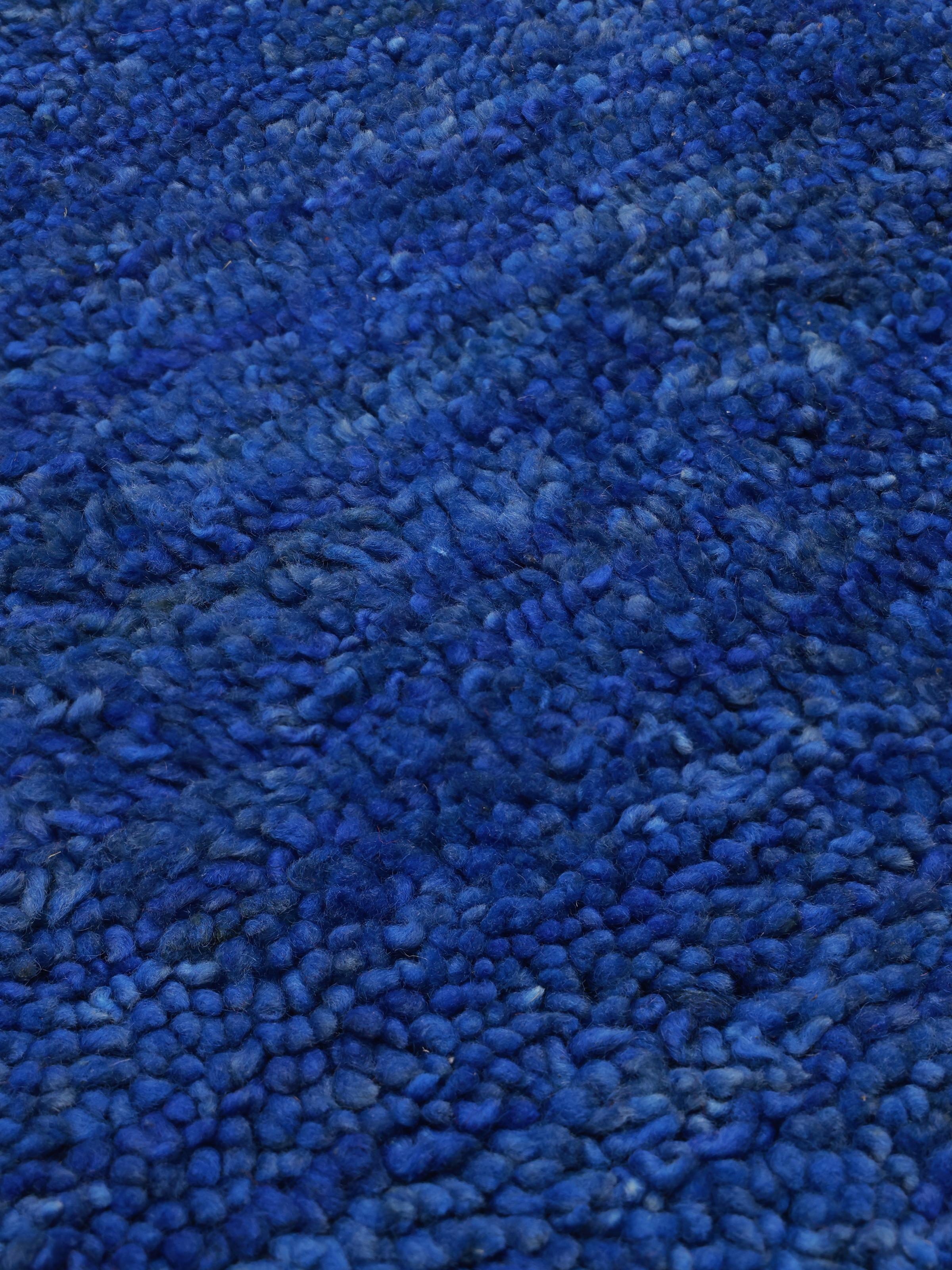
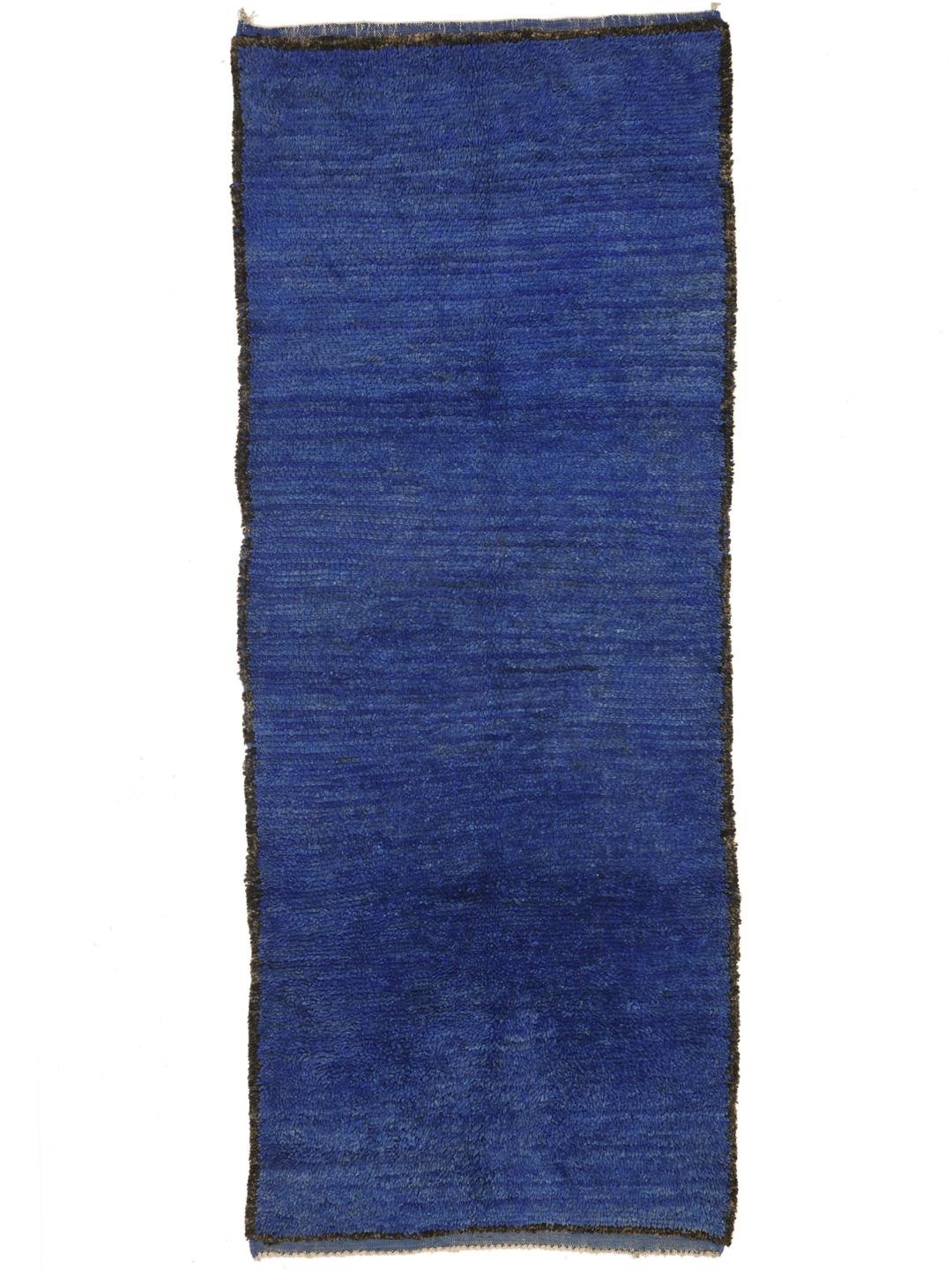
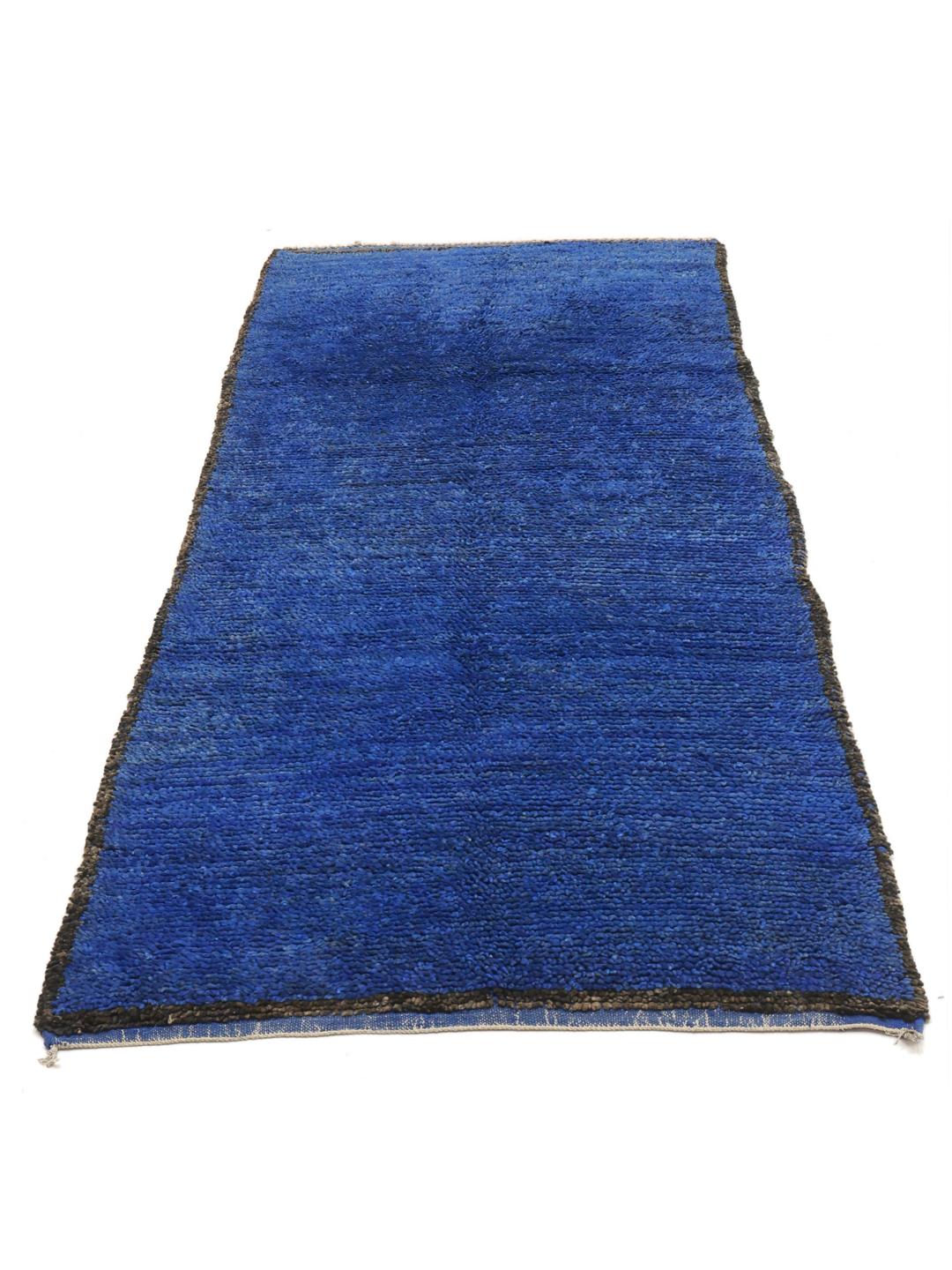
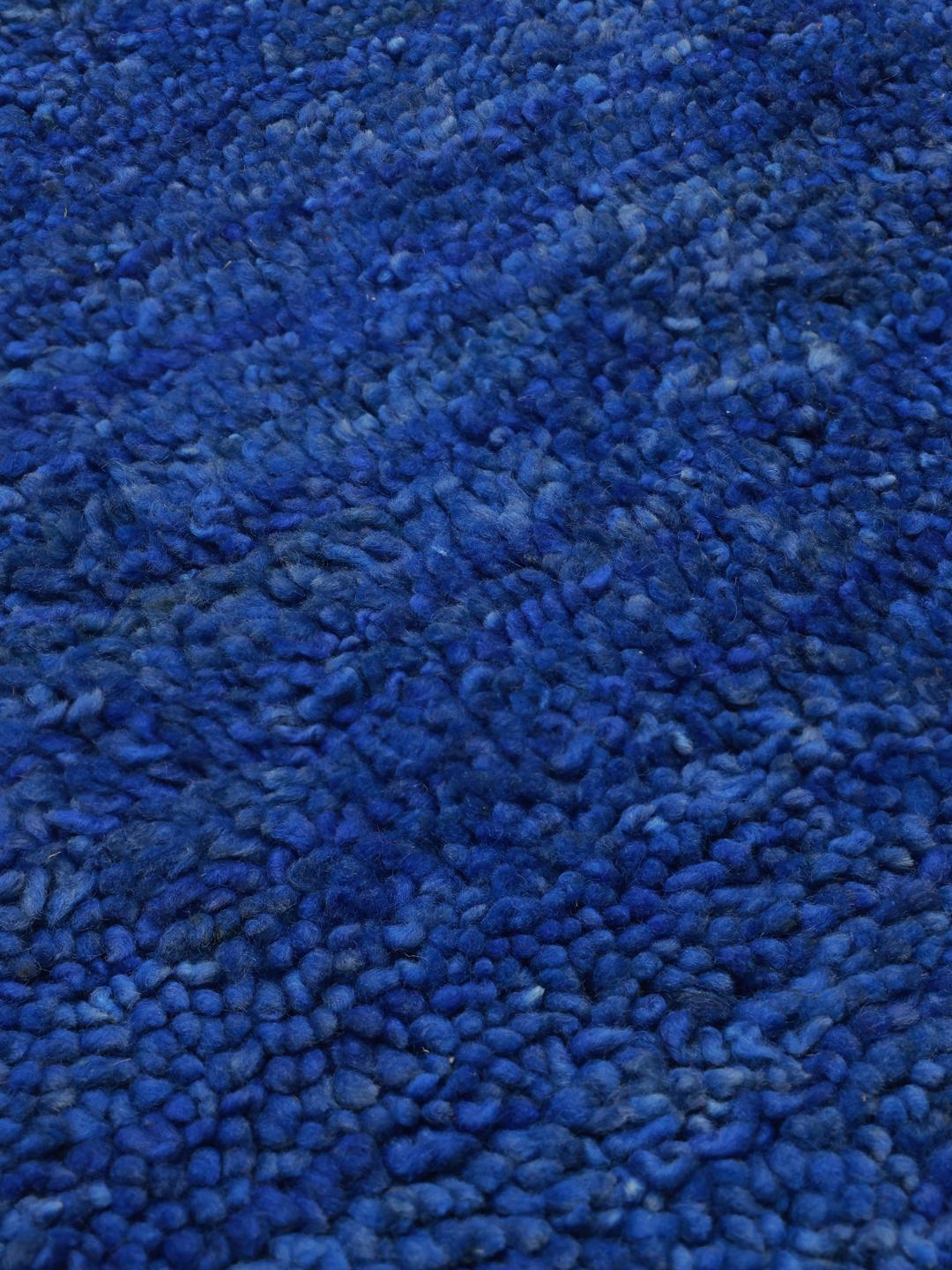
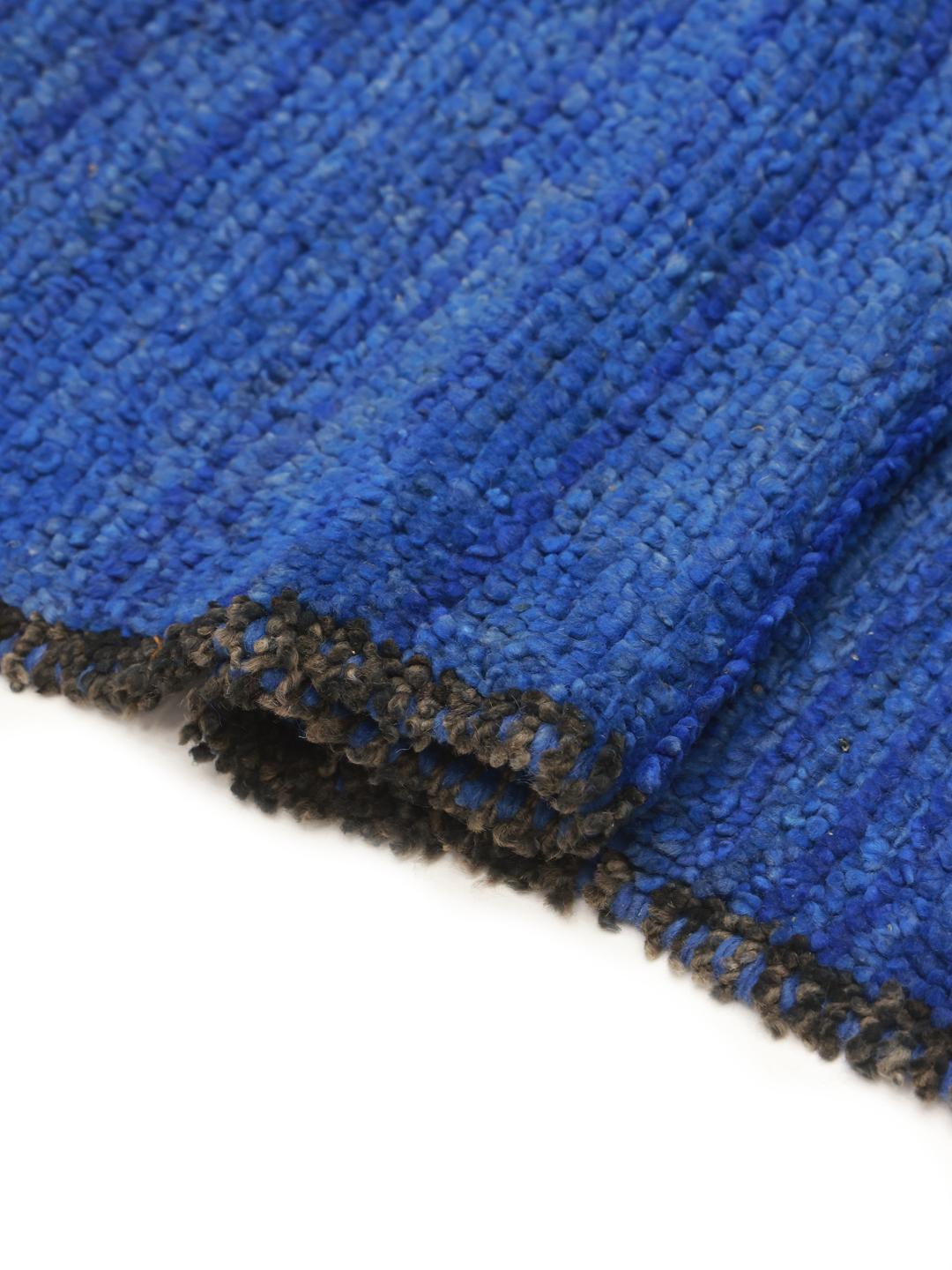
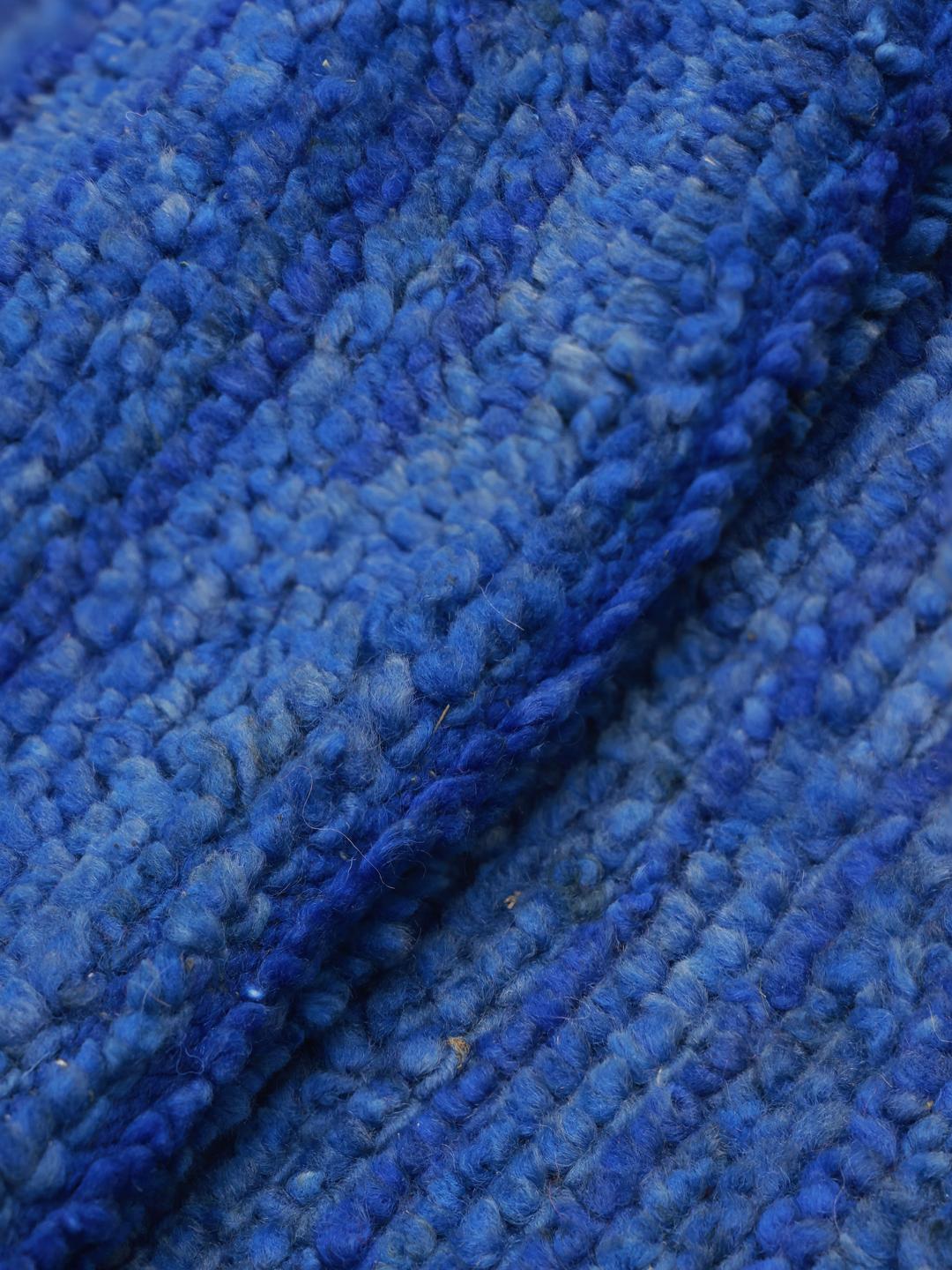
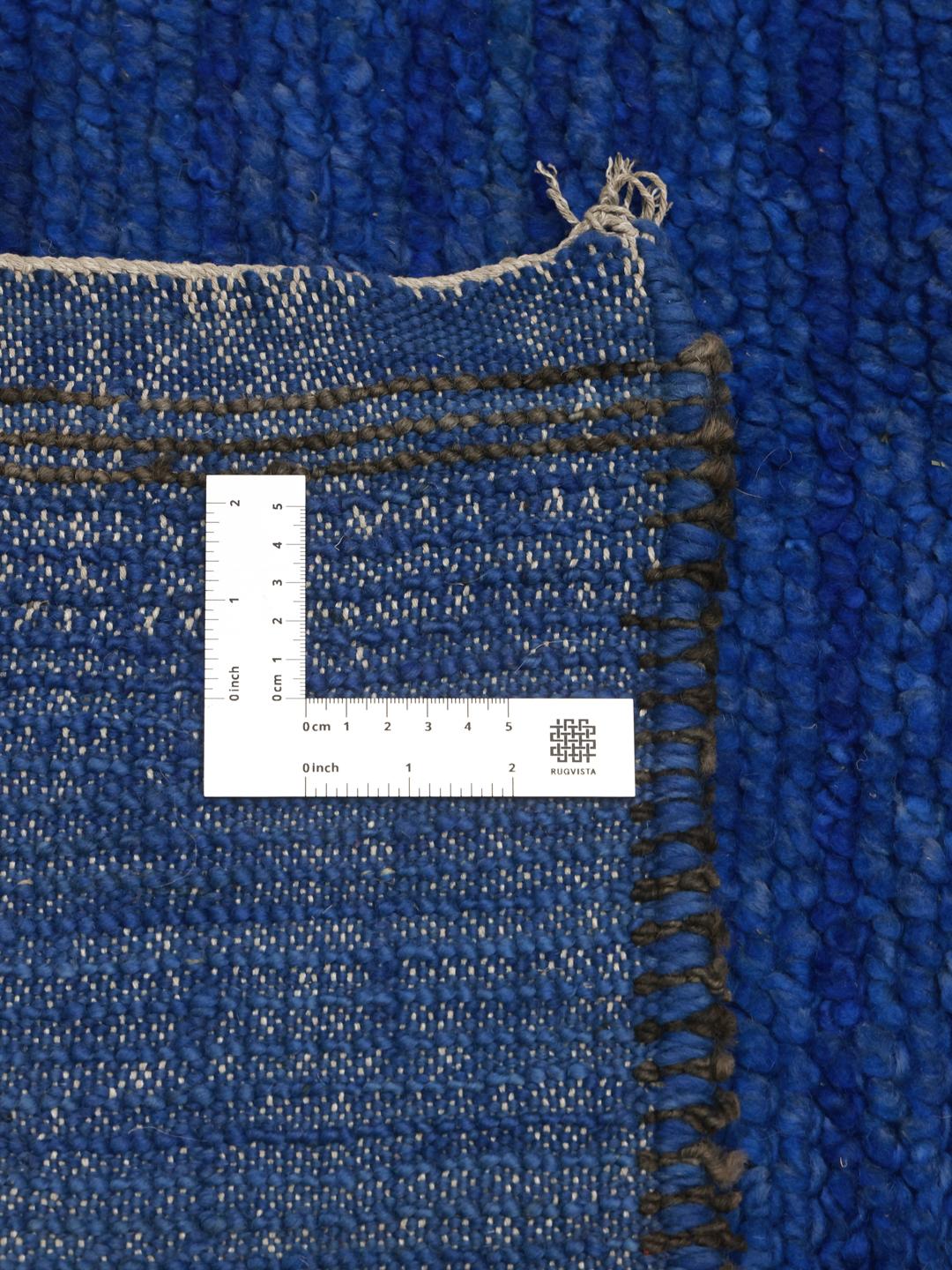
Visually, these runners are defined by their honesty of design. While many Moroccan rugs feature complex geometric patterns, this piece celebrates the beauty of a single, saturated colour. This approach highlights the quality of the natural dyes and the texture of the wool, showcasing a tradition that values the raw, tactile nature of the material above all else. It is a classic example of how minimalist design can convey profound cultural weight.
Collecting a vintage piece from this tradition is an act of preserving a dying art form. As modern life changes the way these communities function, the number of authentic, hand-knotted pieces produced in the traditional style is becoming increasingly rare. Owning this runner means you are not just acquiring a floor covering, but a tangible connection to a rich cultural heritage that values patience, skill, and the beauty of the handmade.