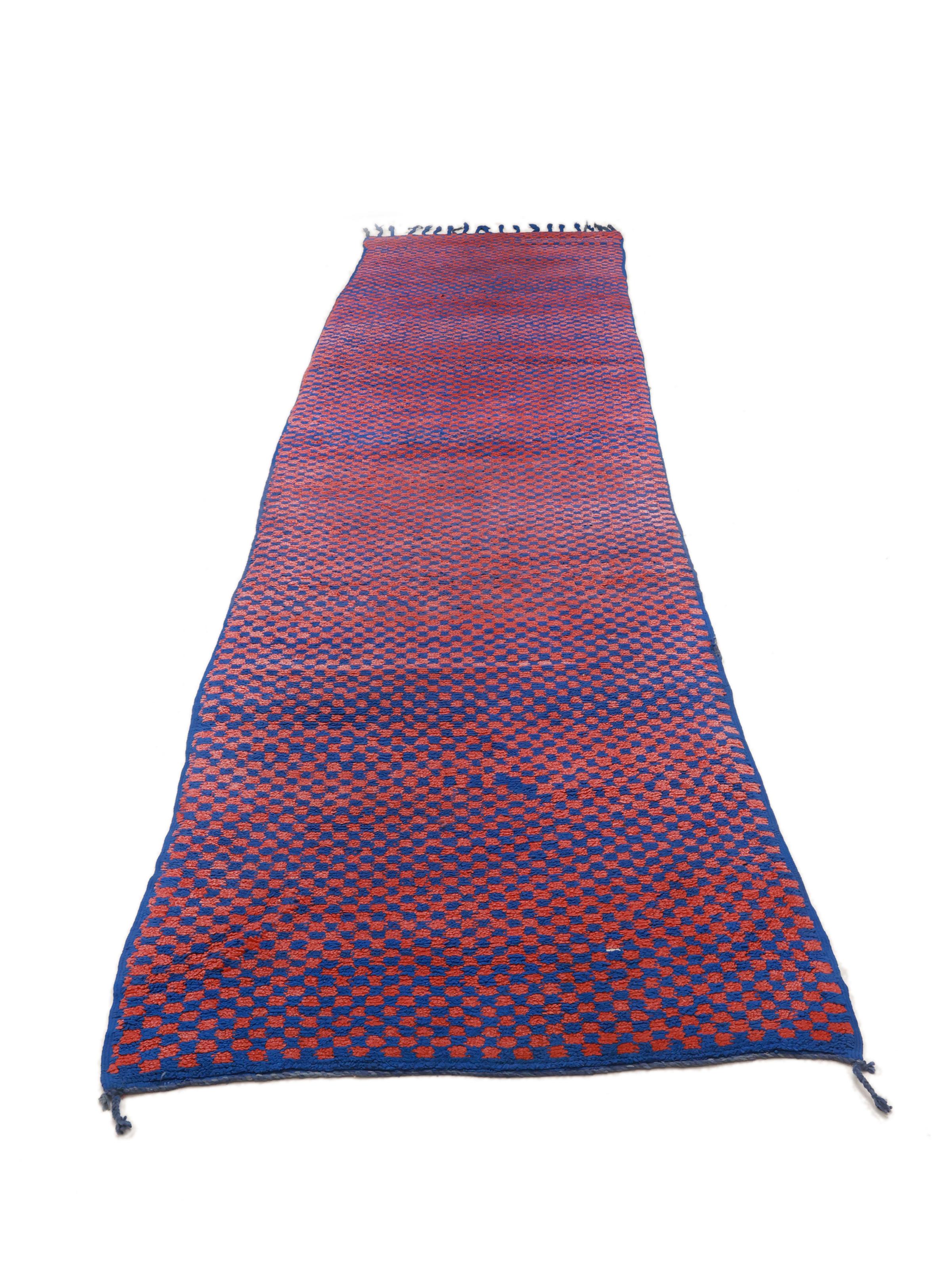
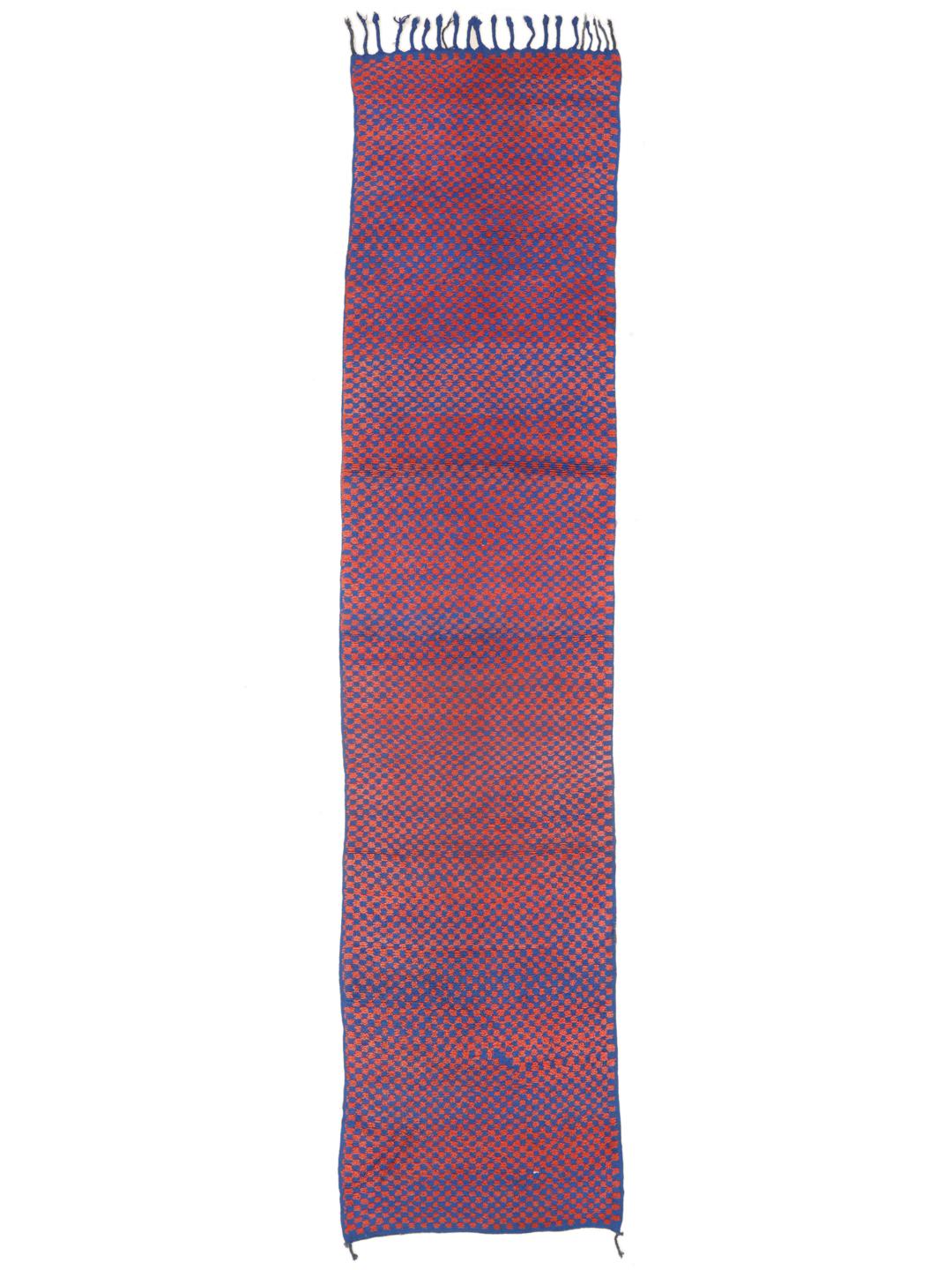
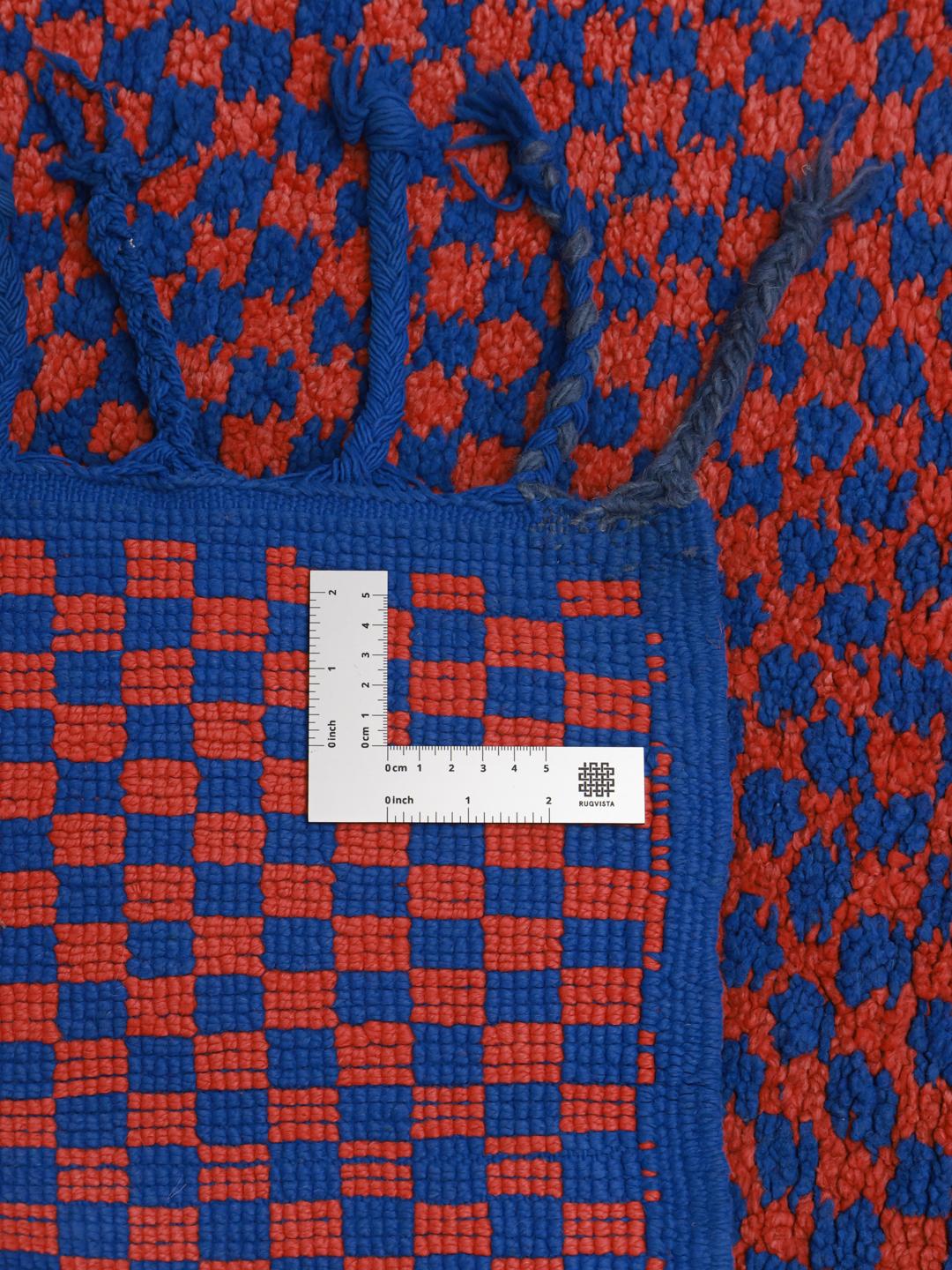
The Beni Ourain rugs originate from the high-altitude regions of the Middle Atlas mountains in Morocco. Traditionally woven by Berber tribes, these rugs were created for survival in harsh, cold climates, serving as warm bedding and floor coverings. The migration of these designs from functional tribal utility to global interior staples highlights the enduring appeal of their minimalist yet deeply symbolic visual language.
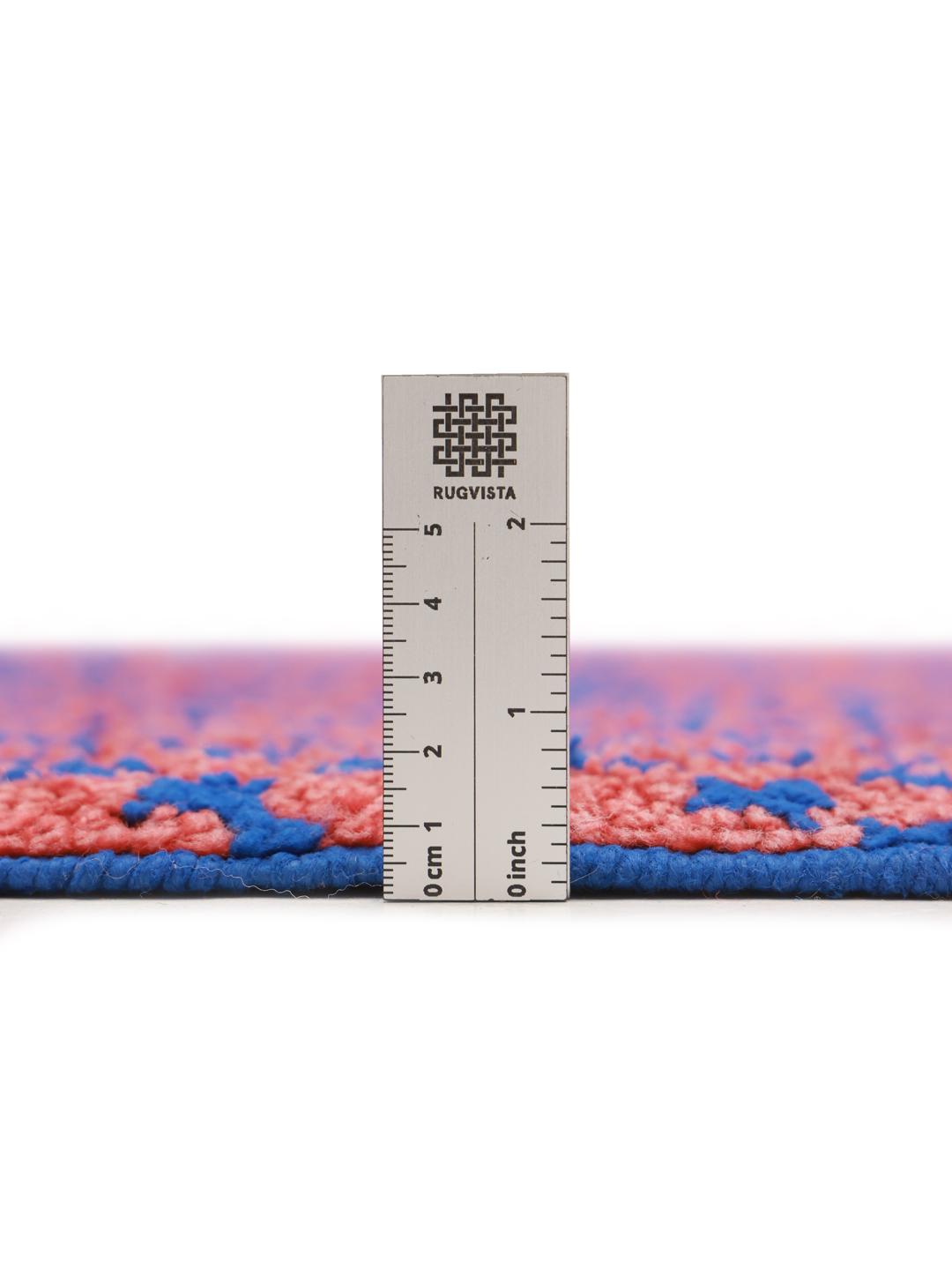
The term 'Berber' refers to the indigenous peoples of North Africa, whose weaving traditions are rooted in oral history and communal living. In these traditions, the act of weaving is not merely functional but a narrative practice, with motifs often reflecting the weaver's personal experiences, surroundings, and the natural world. The use of premium, long-staple wool is central to this craft, as it provides the necessary durability and natural lanolin-rich softness that these rugs are famous for.
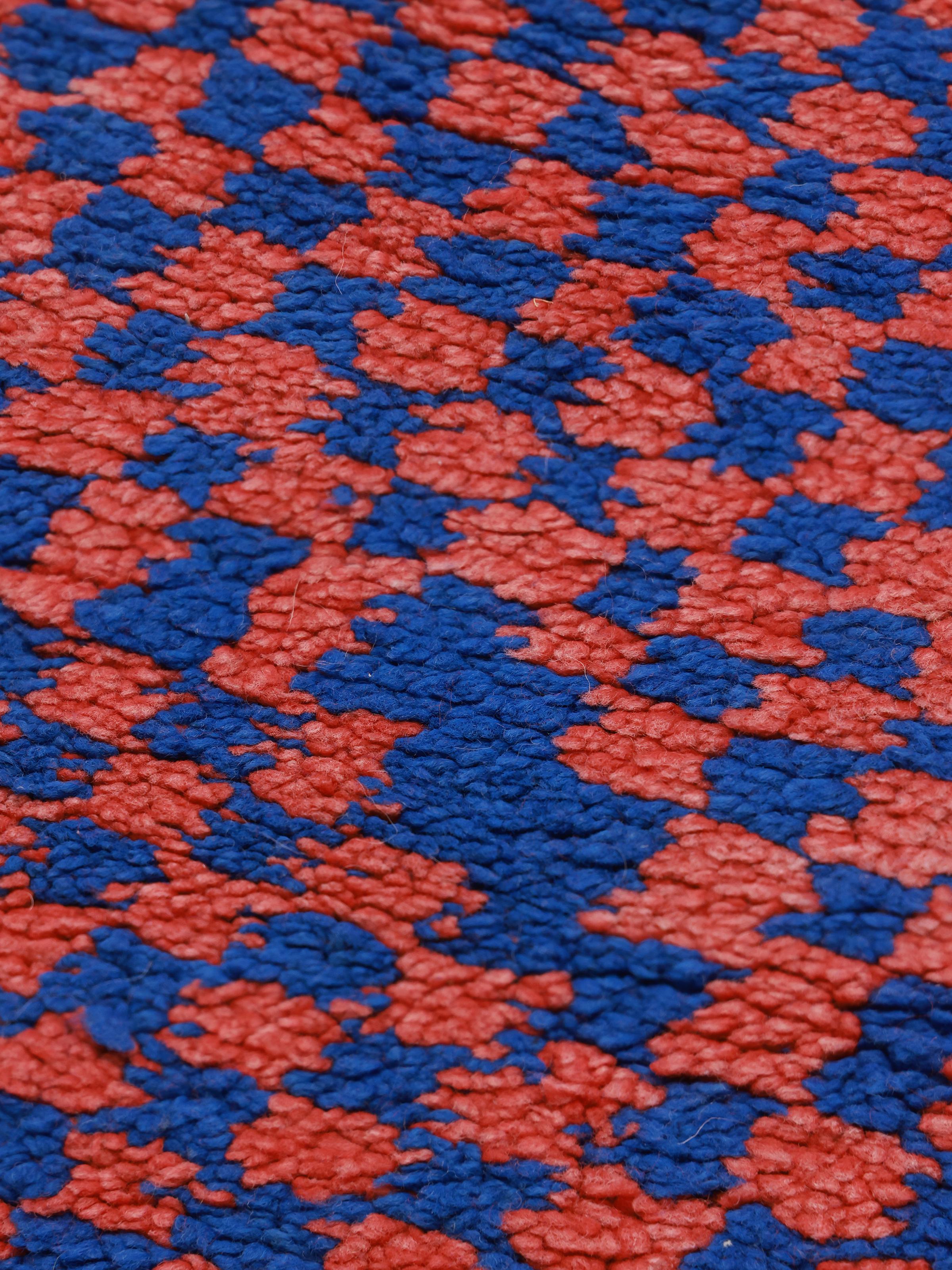
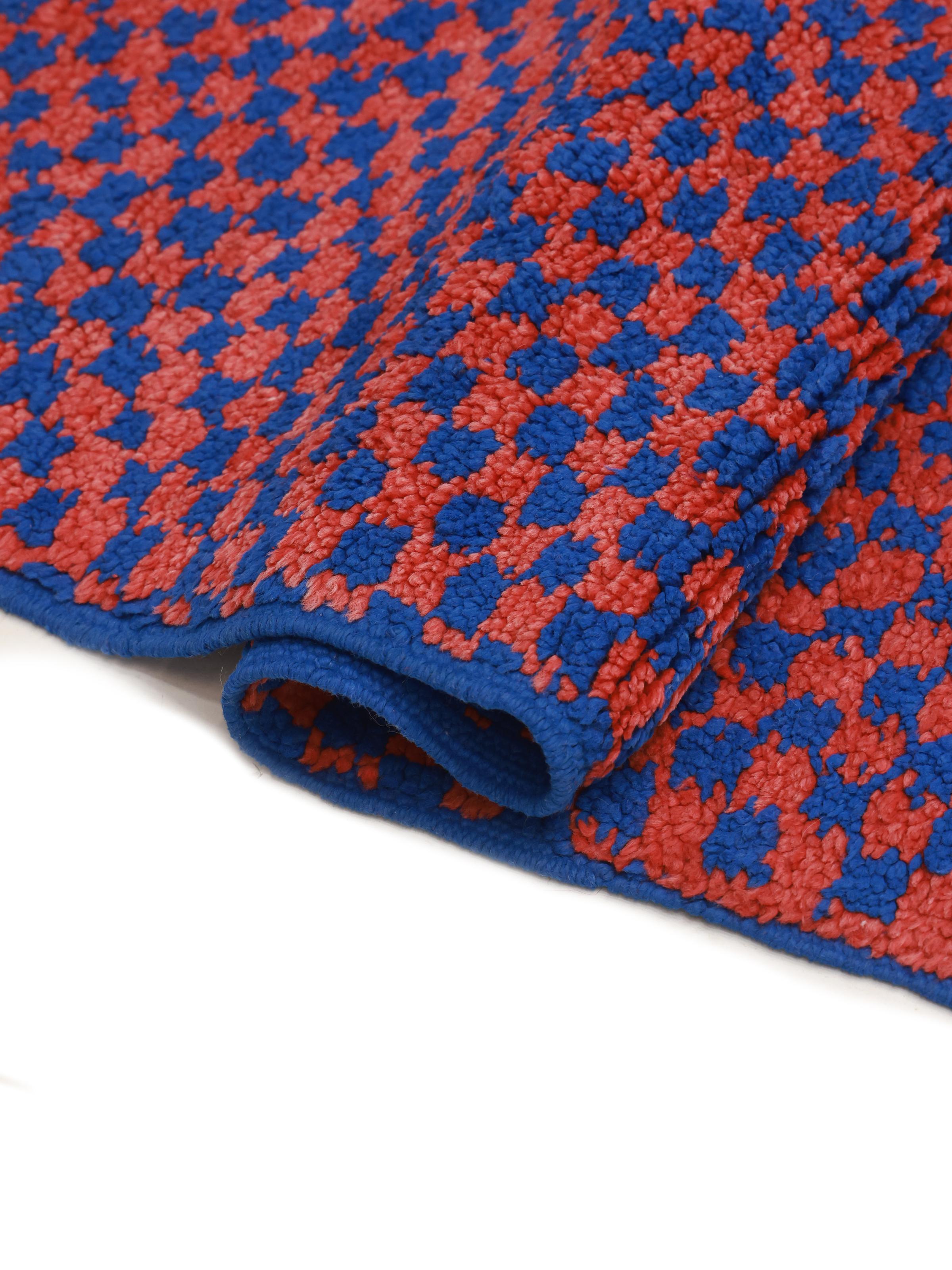
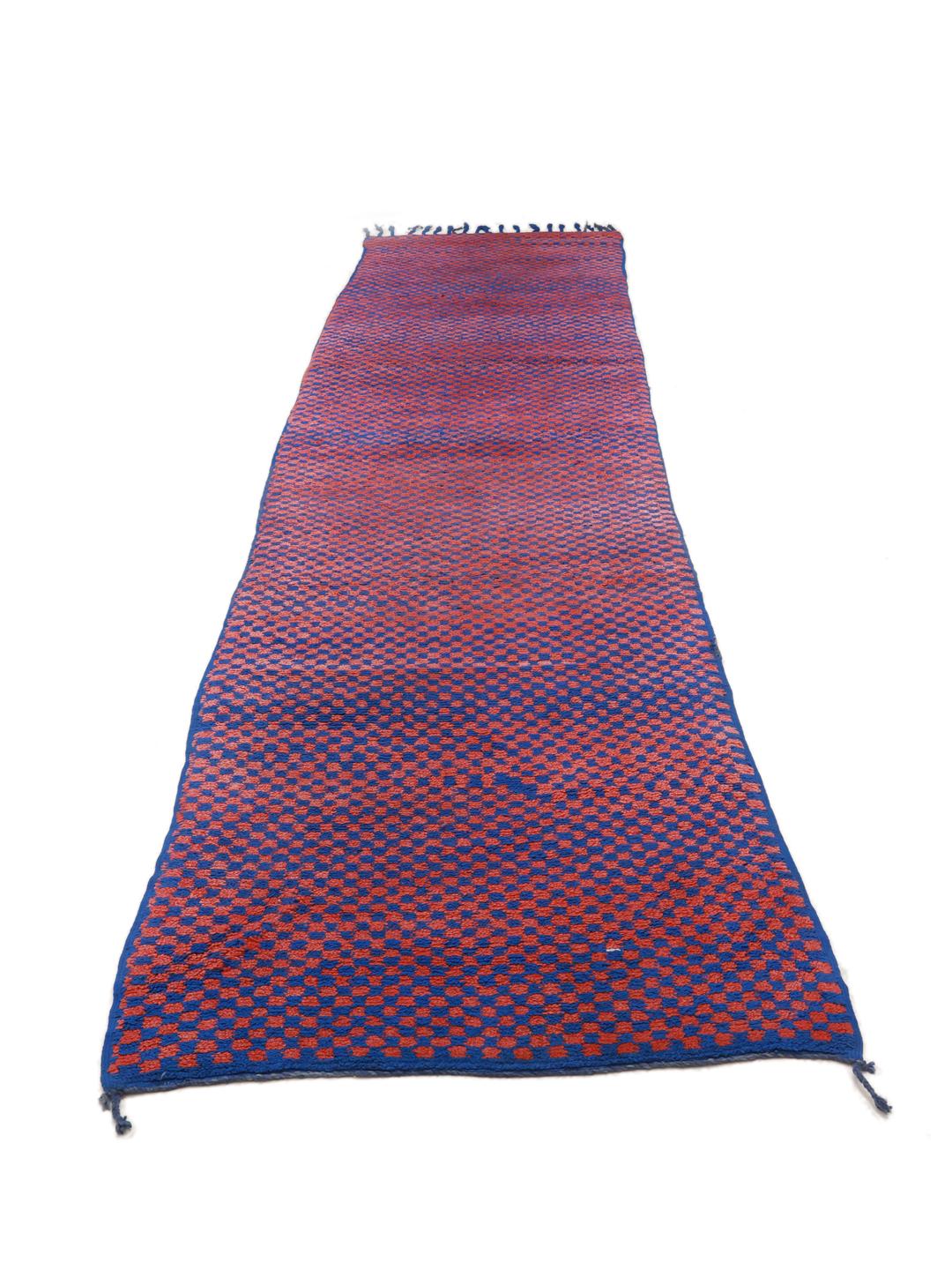
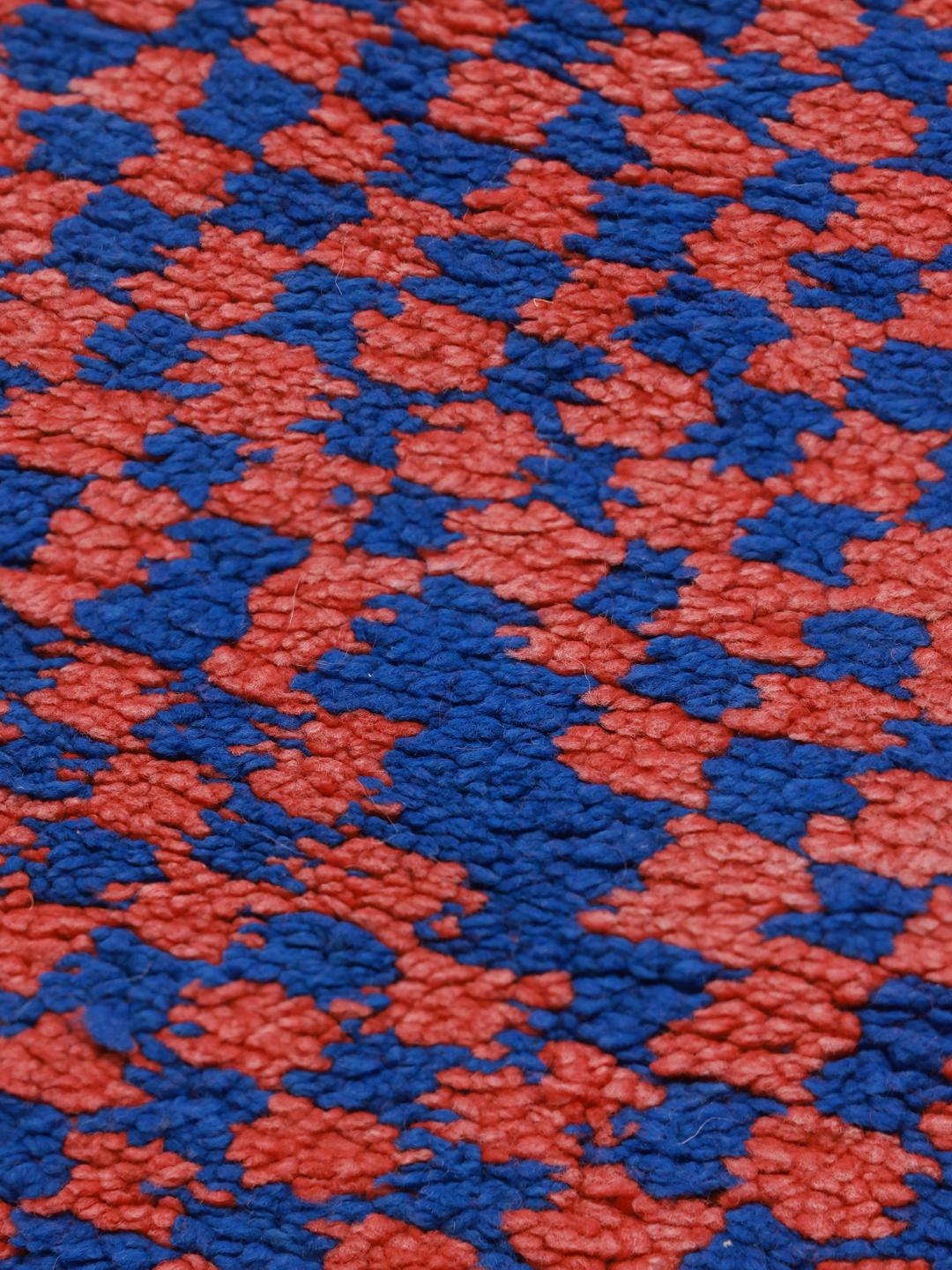
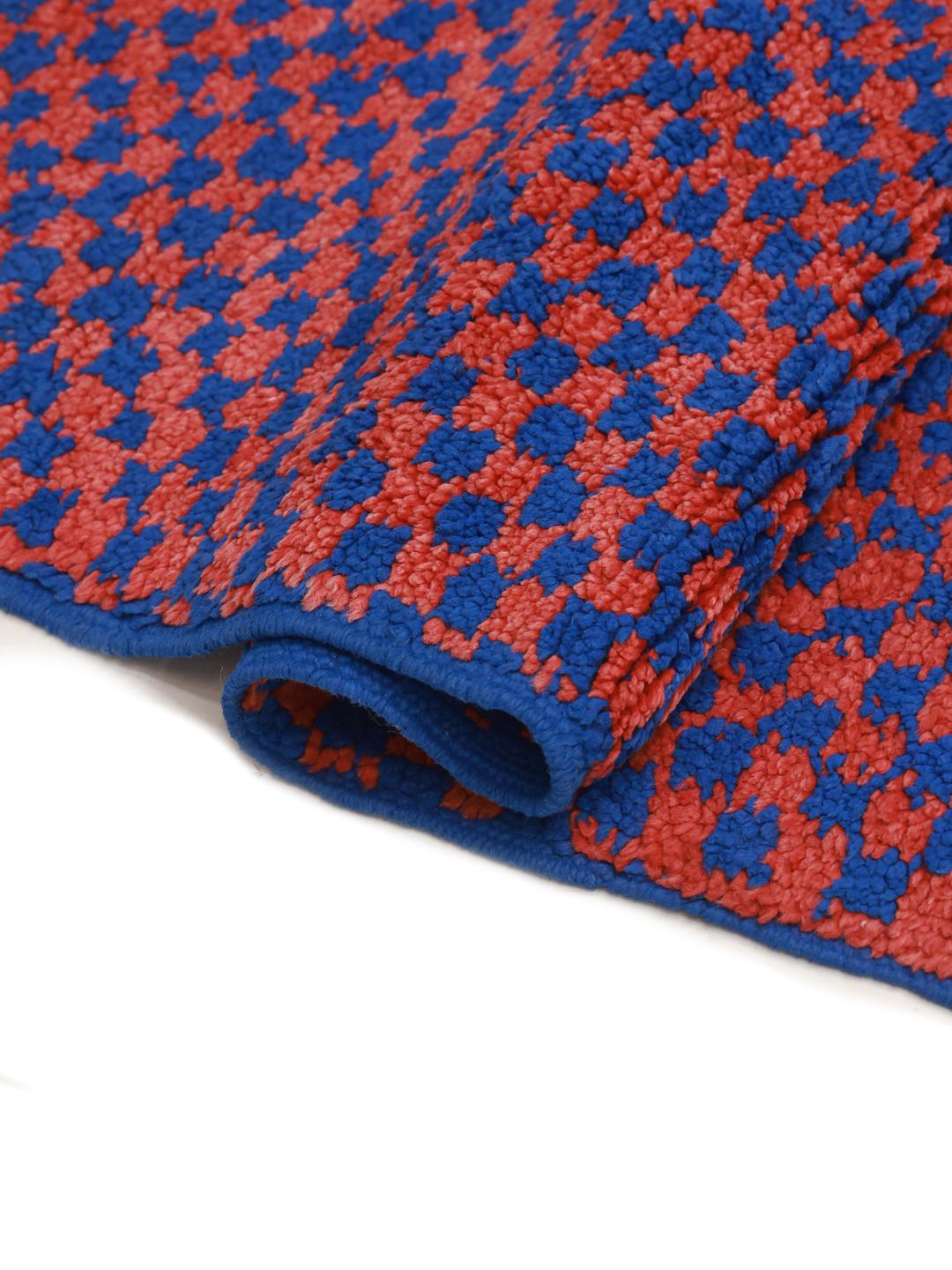
The checkered pattern seen in this vintage piece is a classic expression of the Berber design ethos, where geometric order meets organic, hand-rendered imperfection. While many associate the region with ivory fields and dark brown lines, the use of vibrant, contrasting colours like red and blue speaks to the creative evolution of these weavers who often incorporated local natural dyes and bold colour palettes to convey specific tribal identities.
Collectors value these rugs for their authenticity and the profound human connection they offer. Acquiring a vintage Berber piece is an act of preserving a dying art form, as the traditional lifestyle of these nomadic and semi-nomadic tribes continues to shift. Owning this runner means securing a piece of cultural history, where the skill of the artisan is permanently captured in the wool.