The Berber rugs of Morocco are deeply rooted in the traditions of the indigenous Amazigh people of the Middle Atlas Mountains. These rugs were historically woven not just as floor coverings, but as functional necessities to withstand the harsh, cold mountain winters, often serving as blankets or sleeping mats.
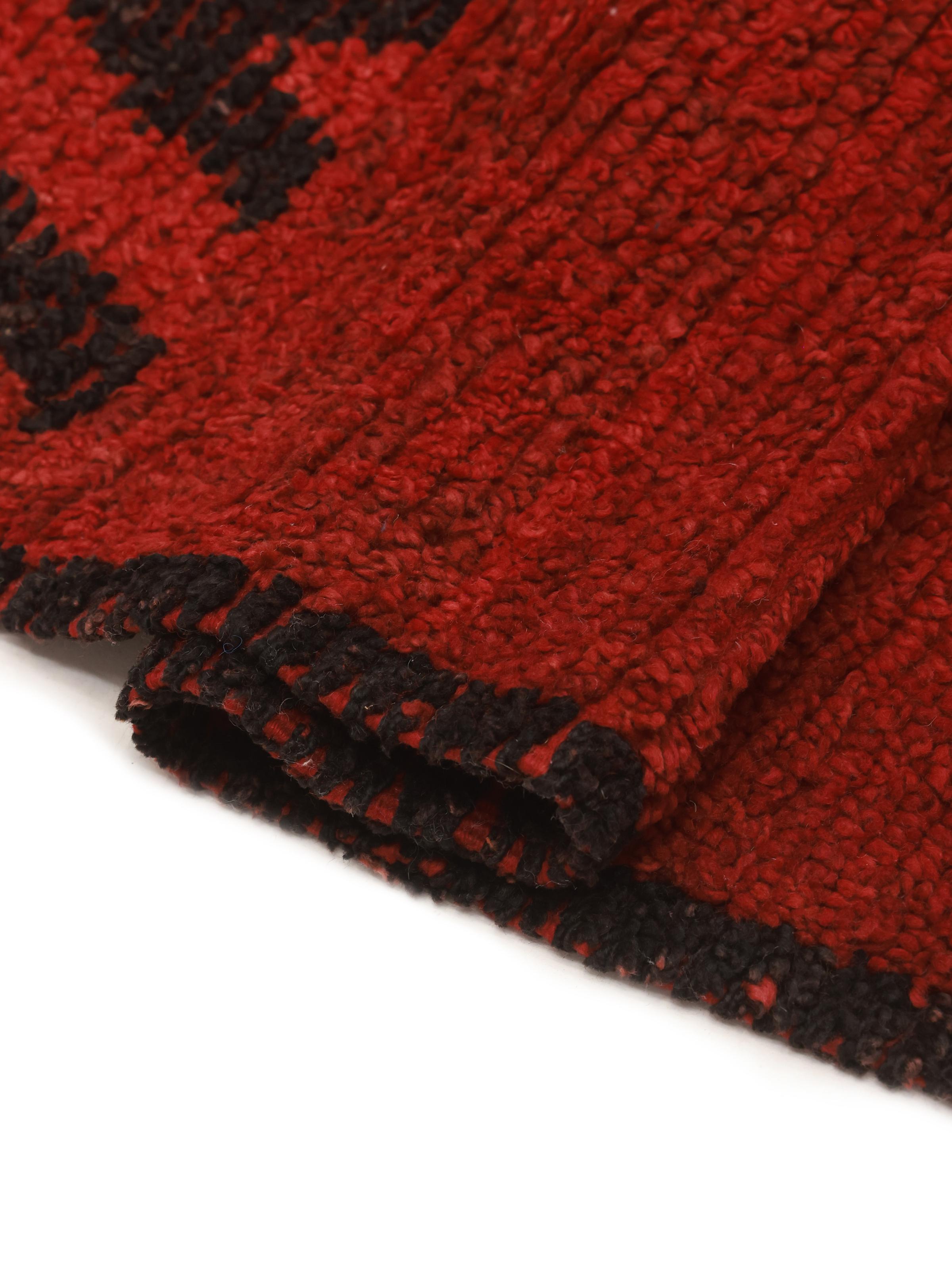
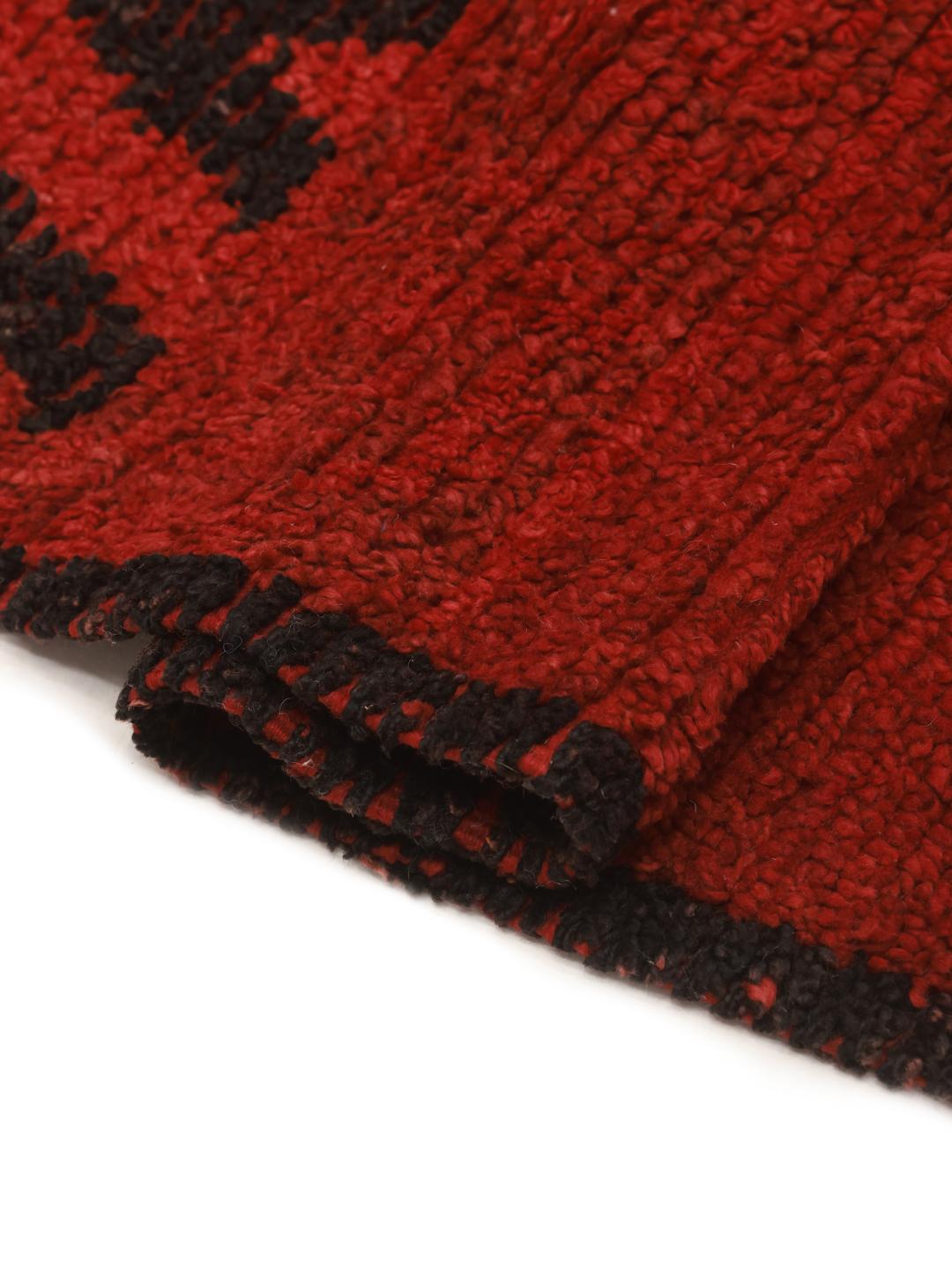
The term 'Beni Ourain' refers to the tribal confederation from which these iconic rugs originate. Traditionally, these weavers used natural, undyed Wool, but over the decades, the tradition evolved to incorporate vibrant dyes and more complex symbolic patterns, allowing each weaver to express their personal narrative and tribal identity.
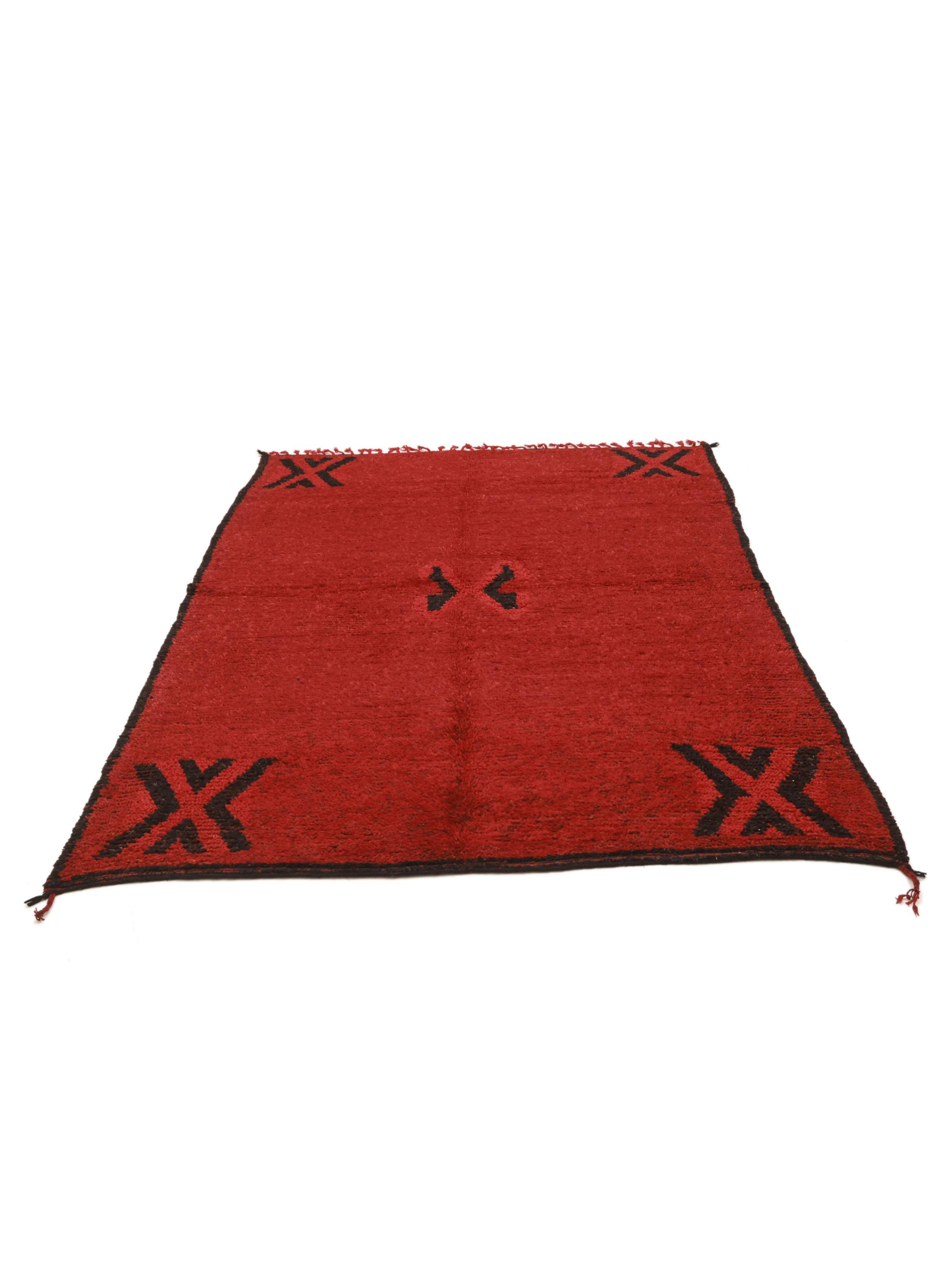
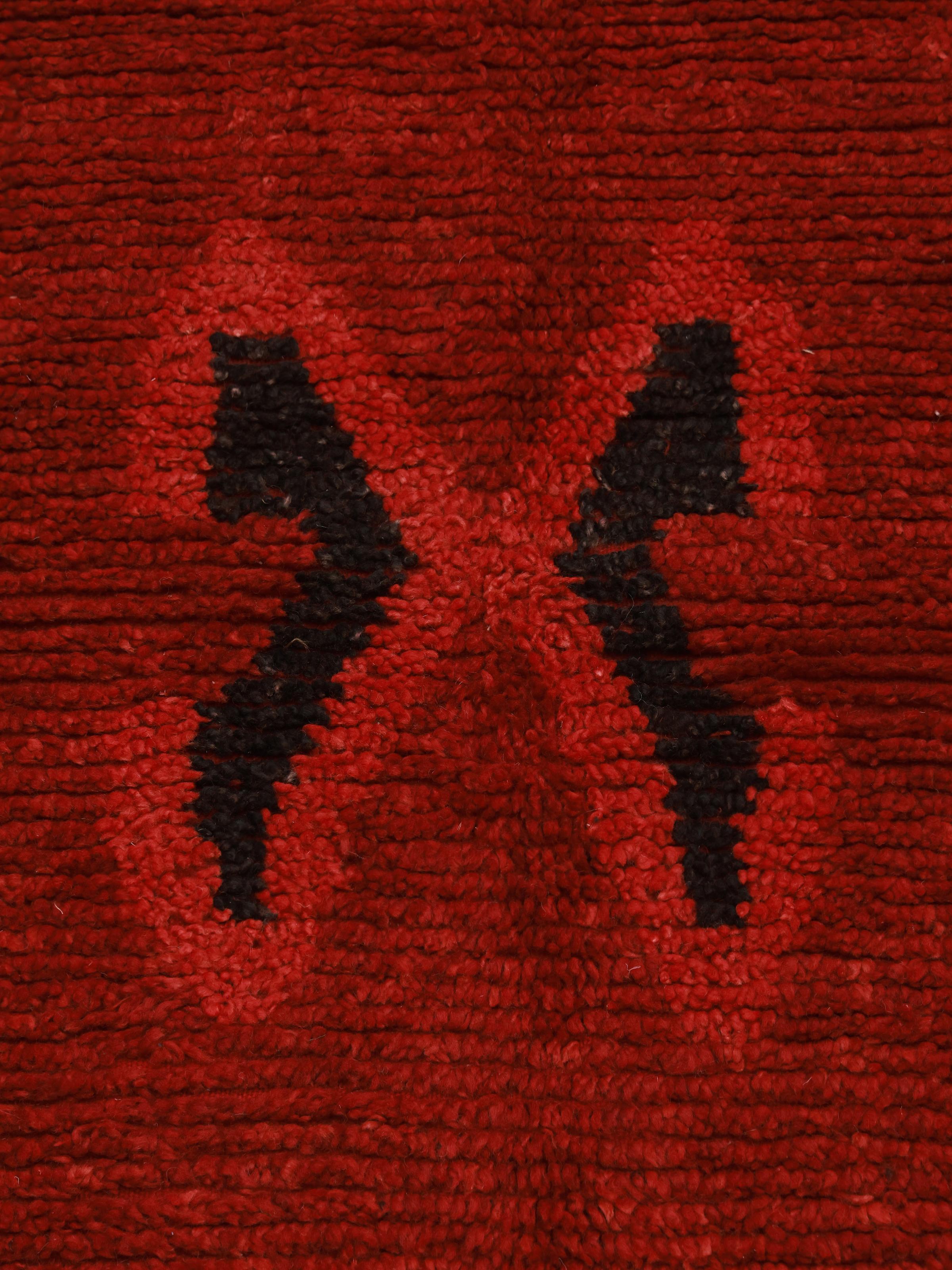
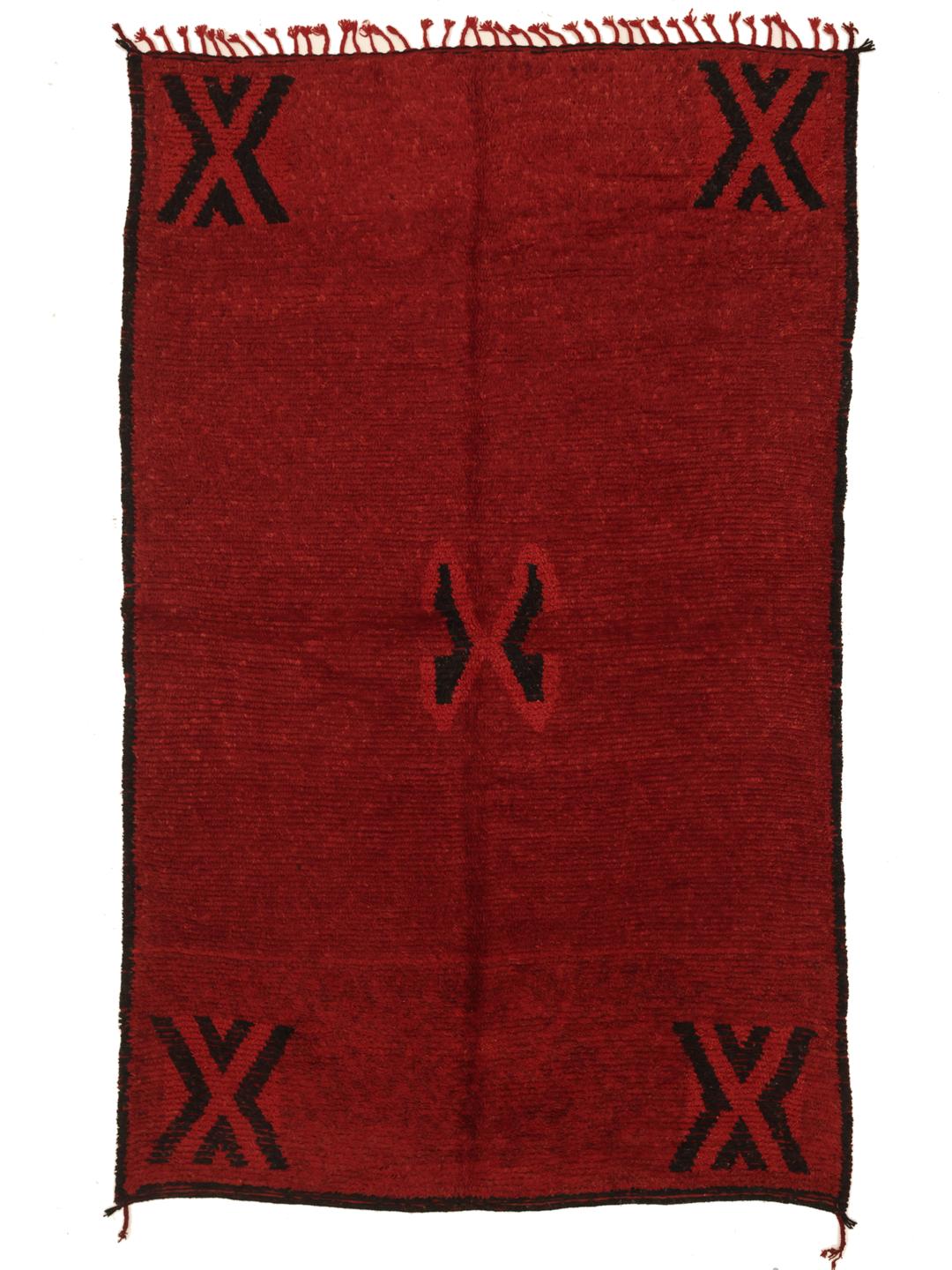
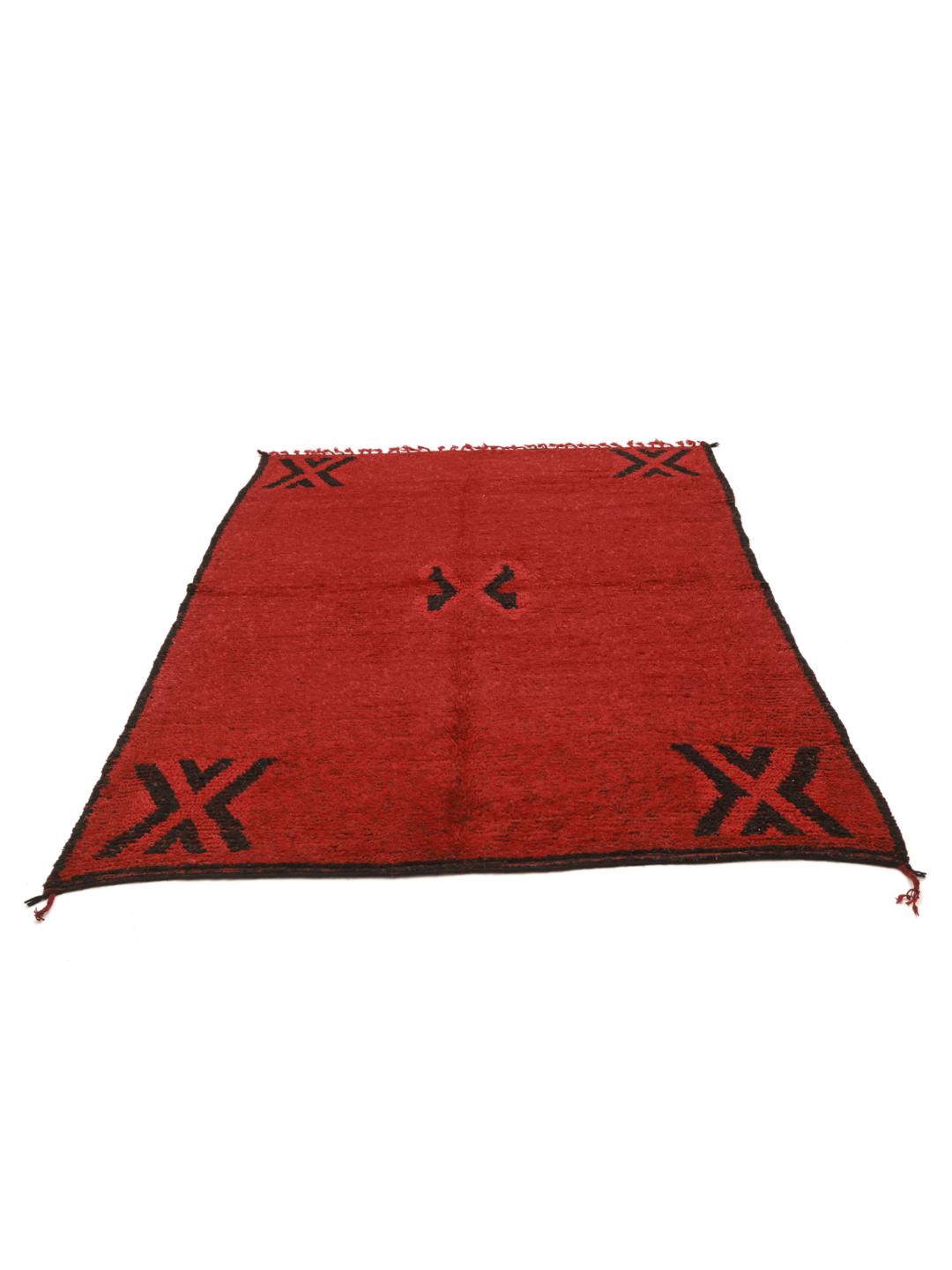
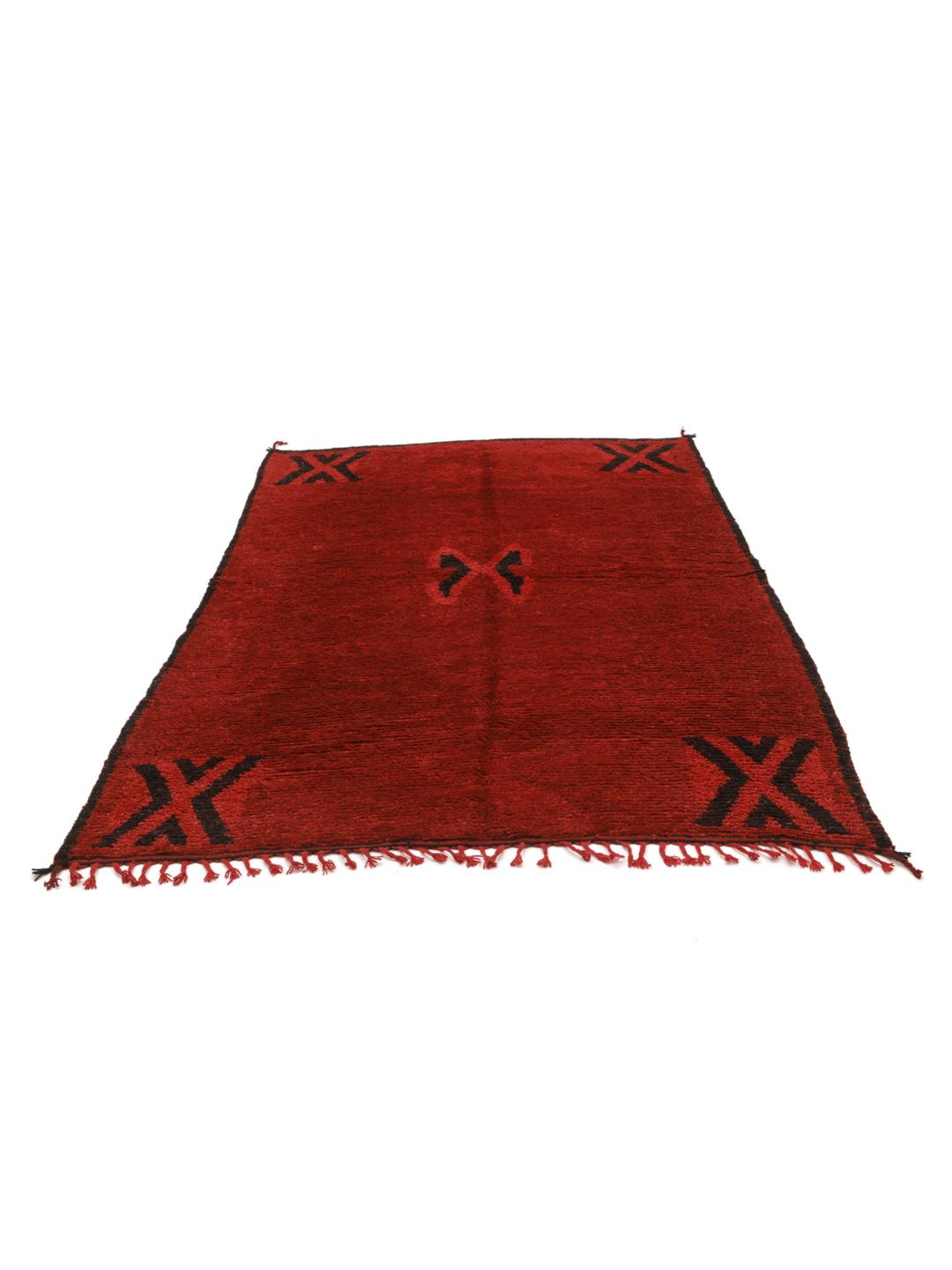
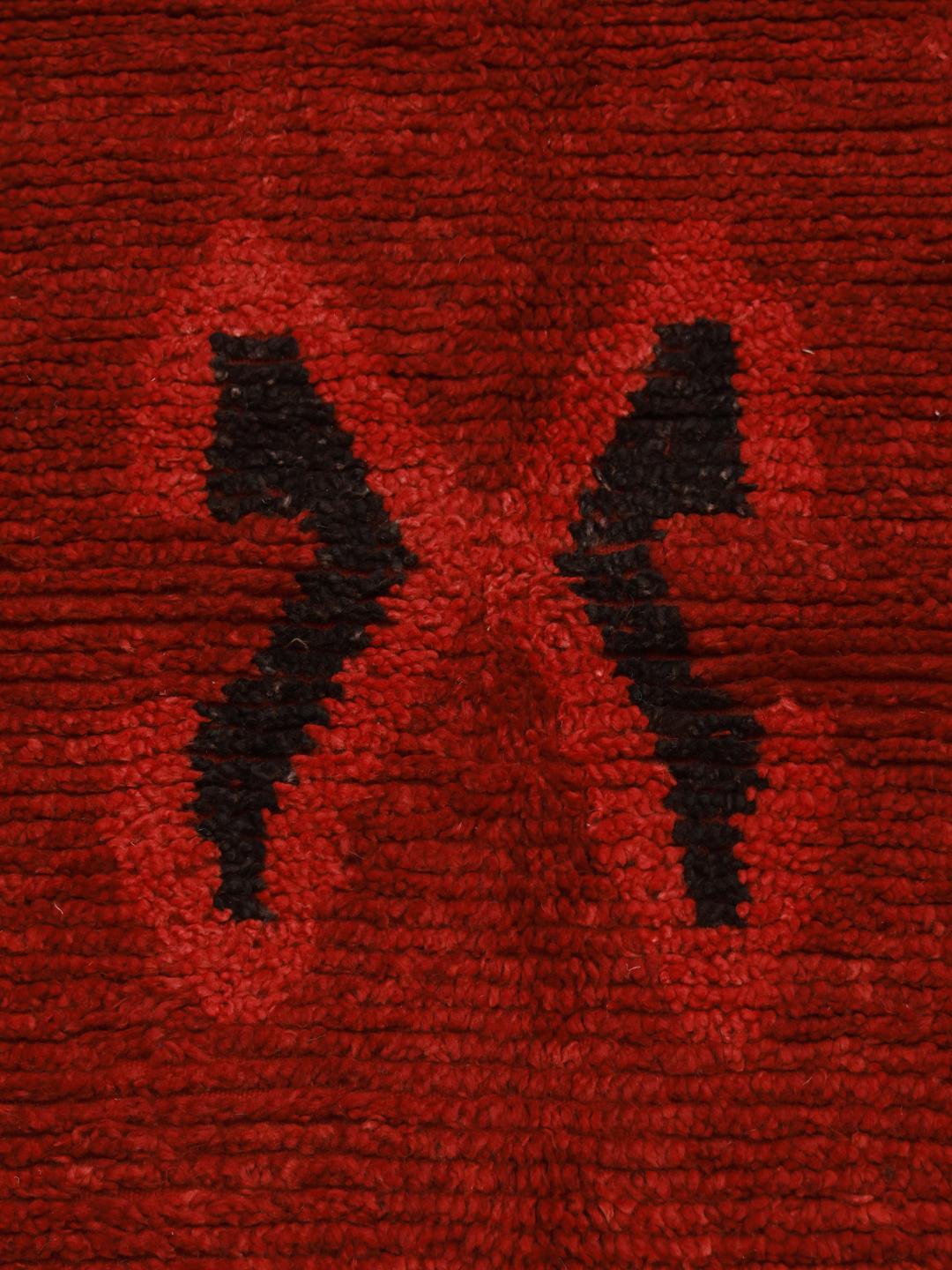
The geometric motifs found on these rugs often function as a symbolic language. Symbols like the X-shaped marks seen here can represent protection, fertility, or even specific tribal markers. These designs are rarely planned on paper, but instead emerge organically from the weaver's memory and cultural intuition as the work progresses.
Today, these rugs are highly sought after by collectors and interior designers for their raw, authentic aesthetic. Acquiring a vintage piece is a way to preserve a fading art form, honouring the skill and dedication of the women who created these textiles in their homes long before they reached the global market.