Berber rugs hail from the indigenous communities of the Atlas Mountains in Morocco, where weaving has been a central part of cultural life for centuries. These rugs were traditionally created for domestic use rather than for trade, serving as vital bedding, blankets, and floor coverings for families living in the rugged mountain climate.
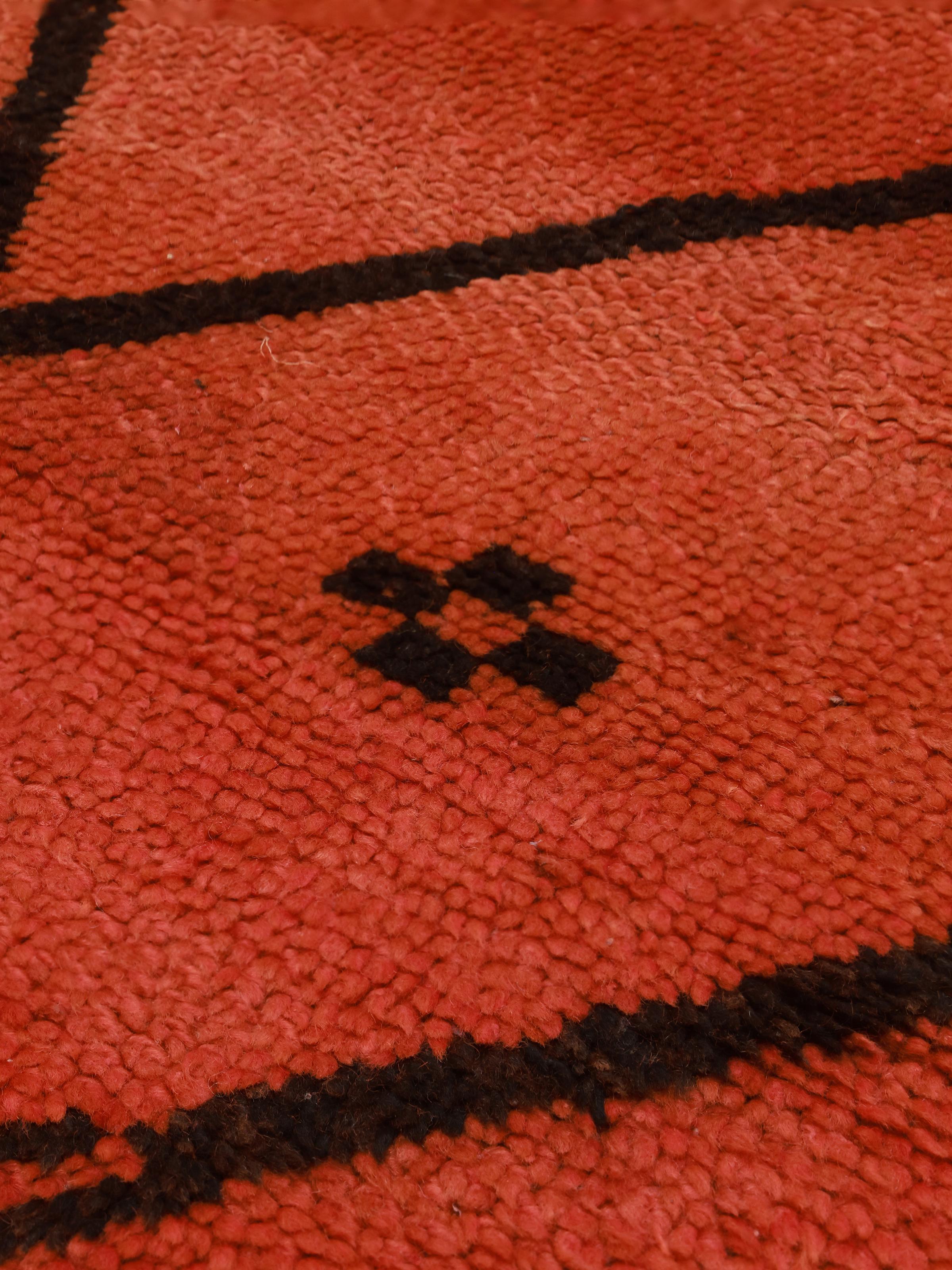
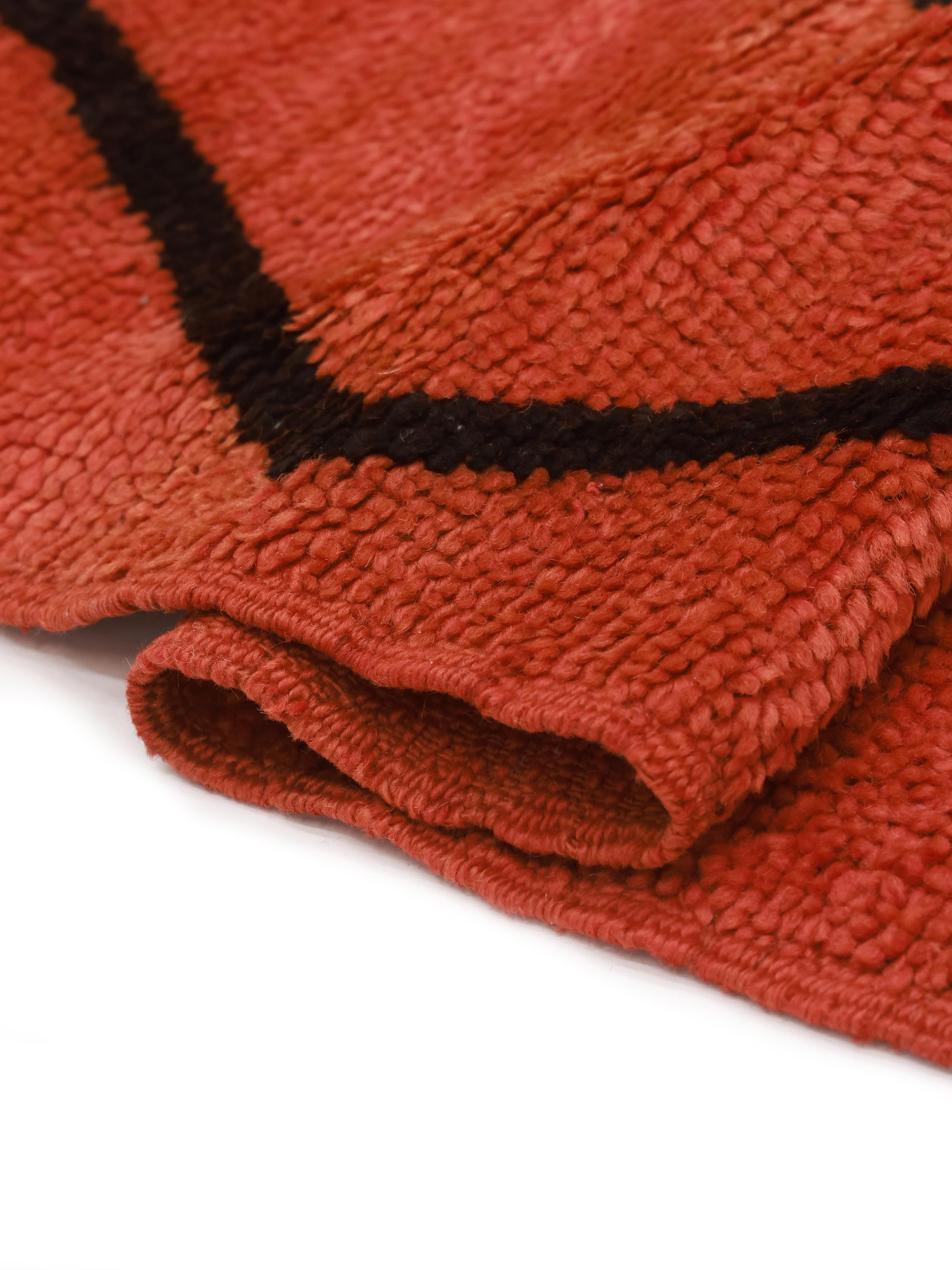
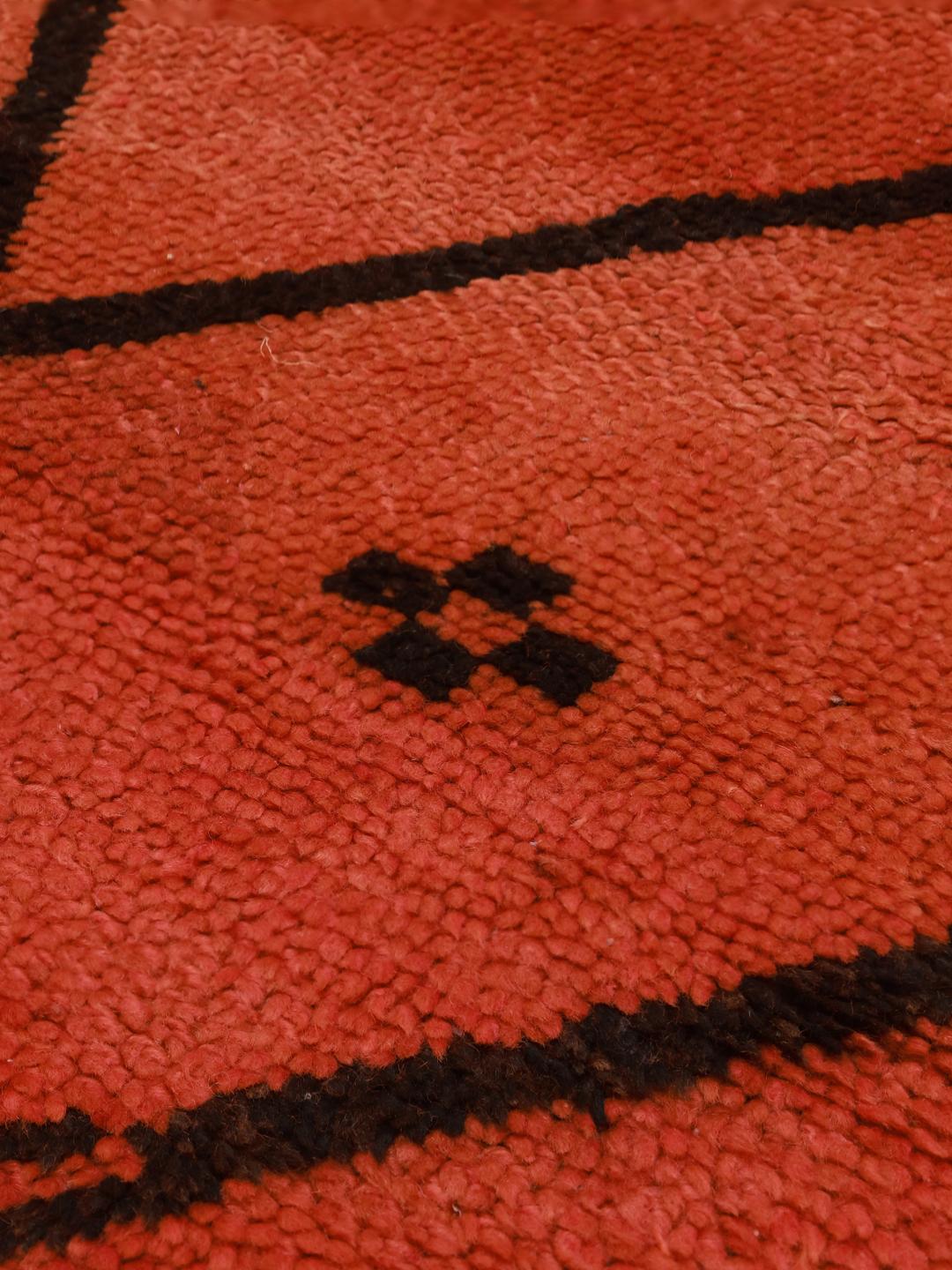
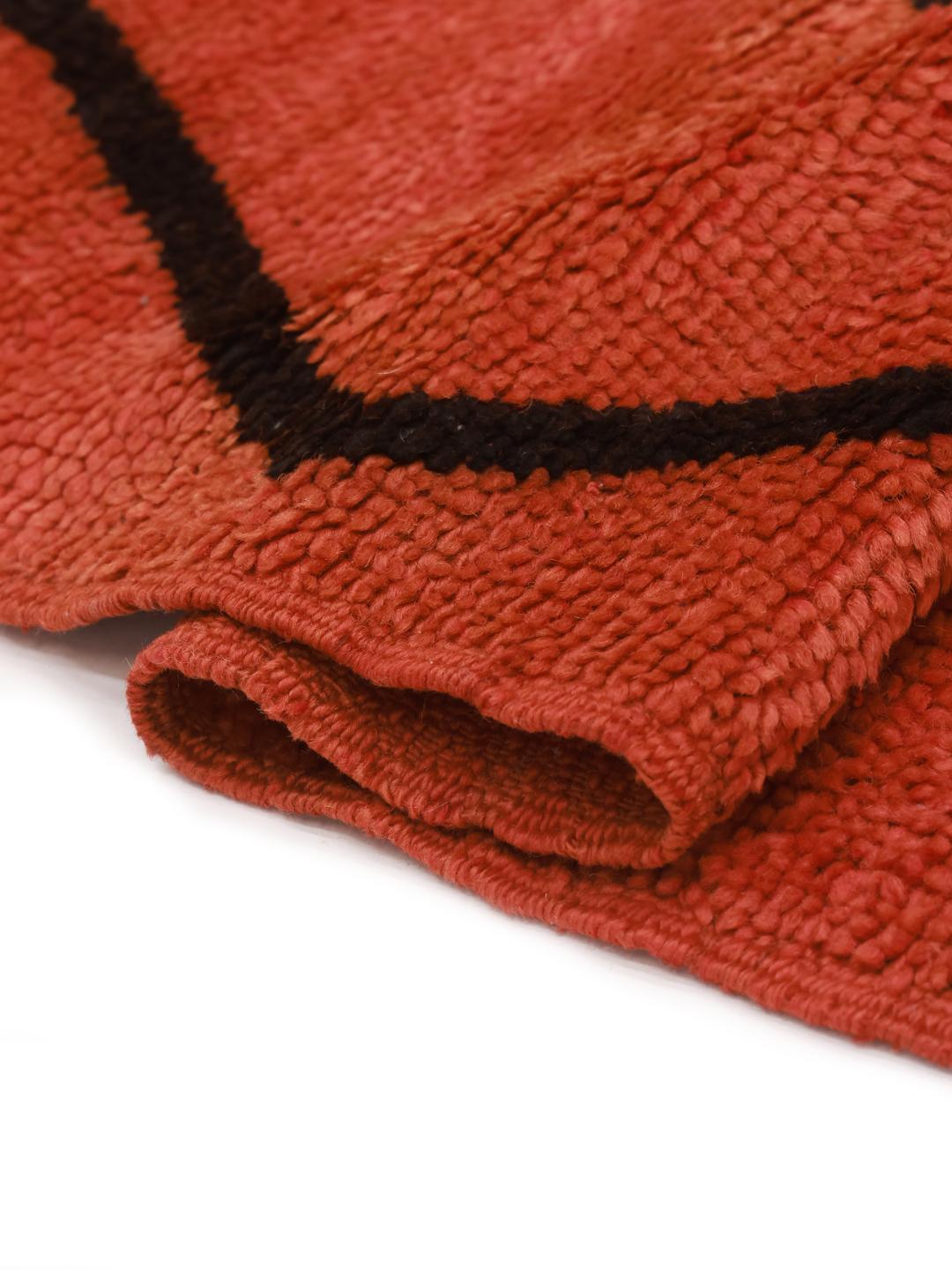
The term 'Berber' refers to the Amazigh people, the original inhabitants of North Africa. Their weaving traditions are passed down through generations, with techniques that have remained largely unchanged for hundreds of years. The use of natural, high-quality wool is a hallmark of this tradition, selected for its durability and natural ability to provide insulation against the cold.
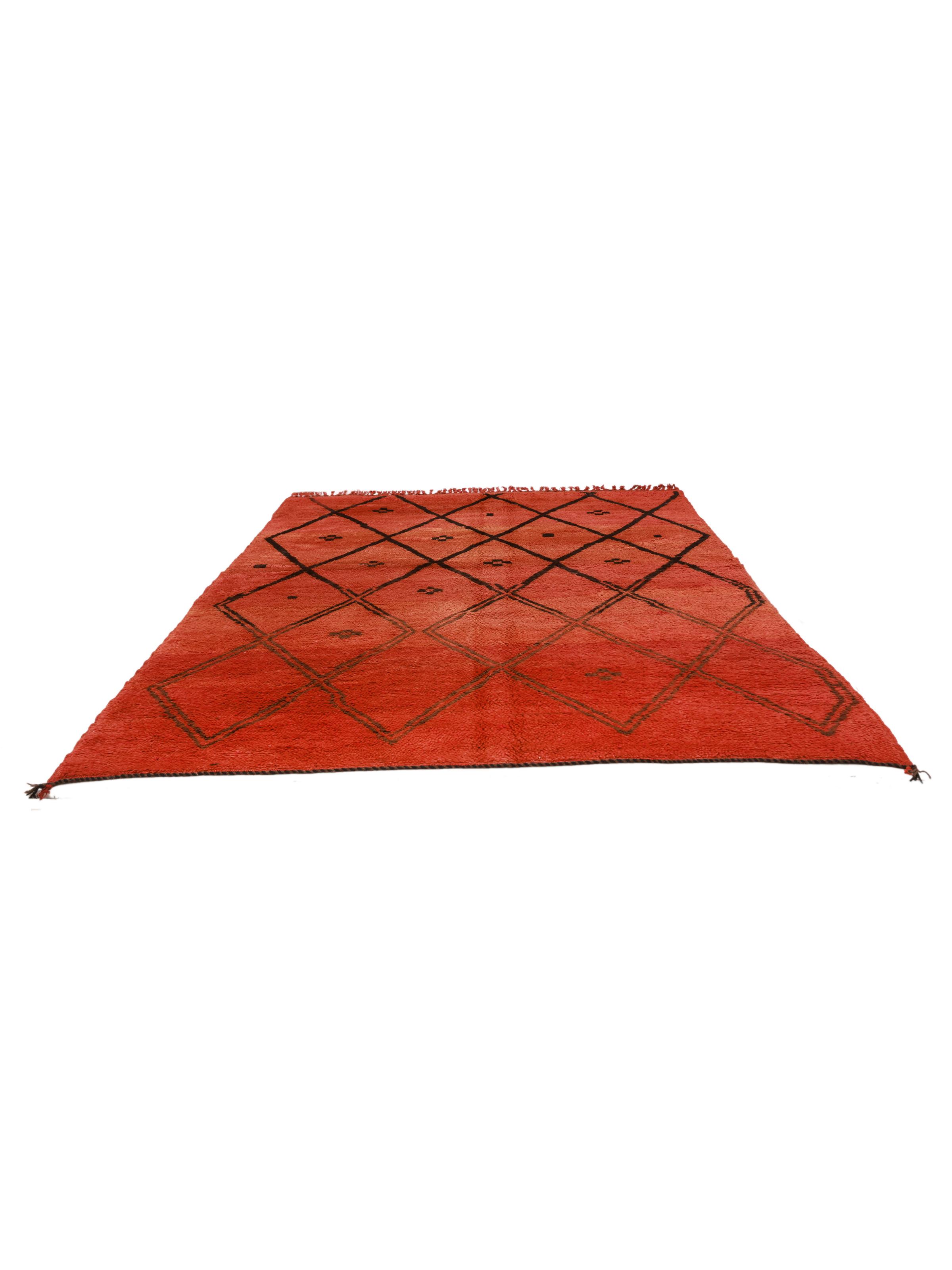
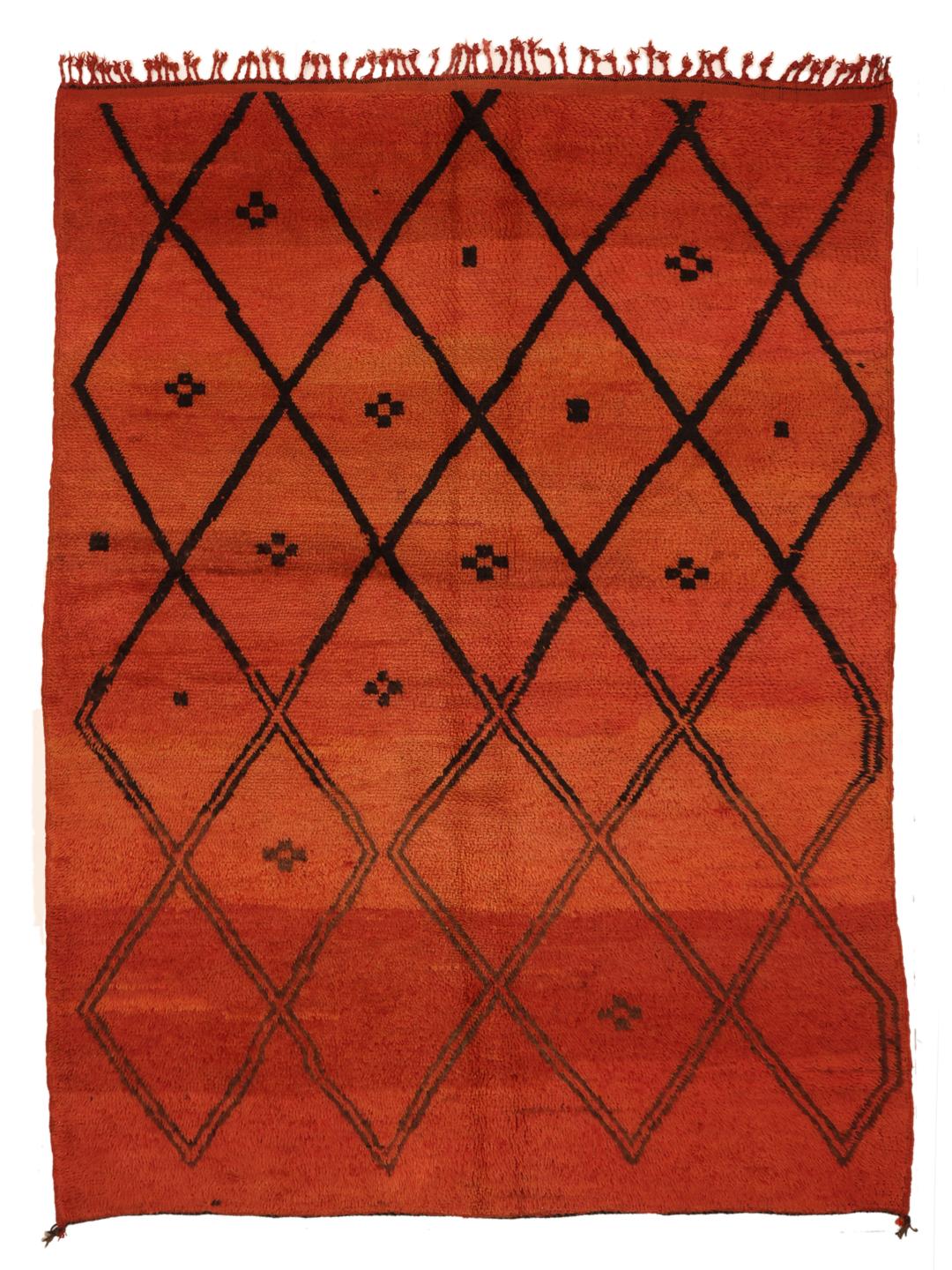
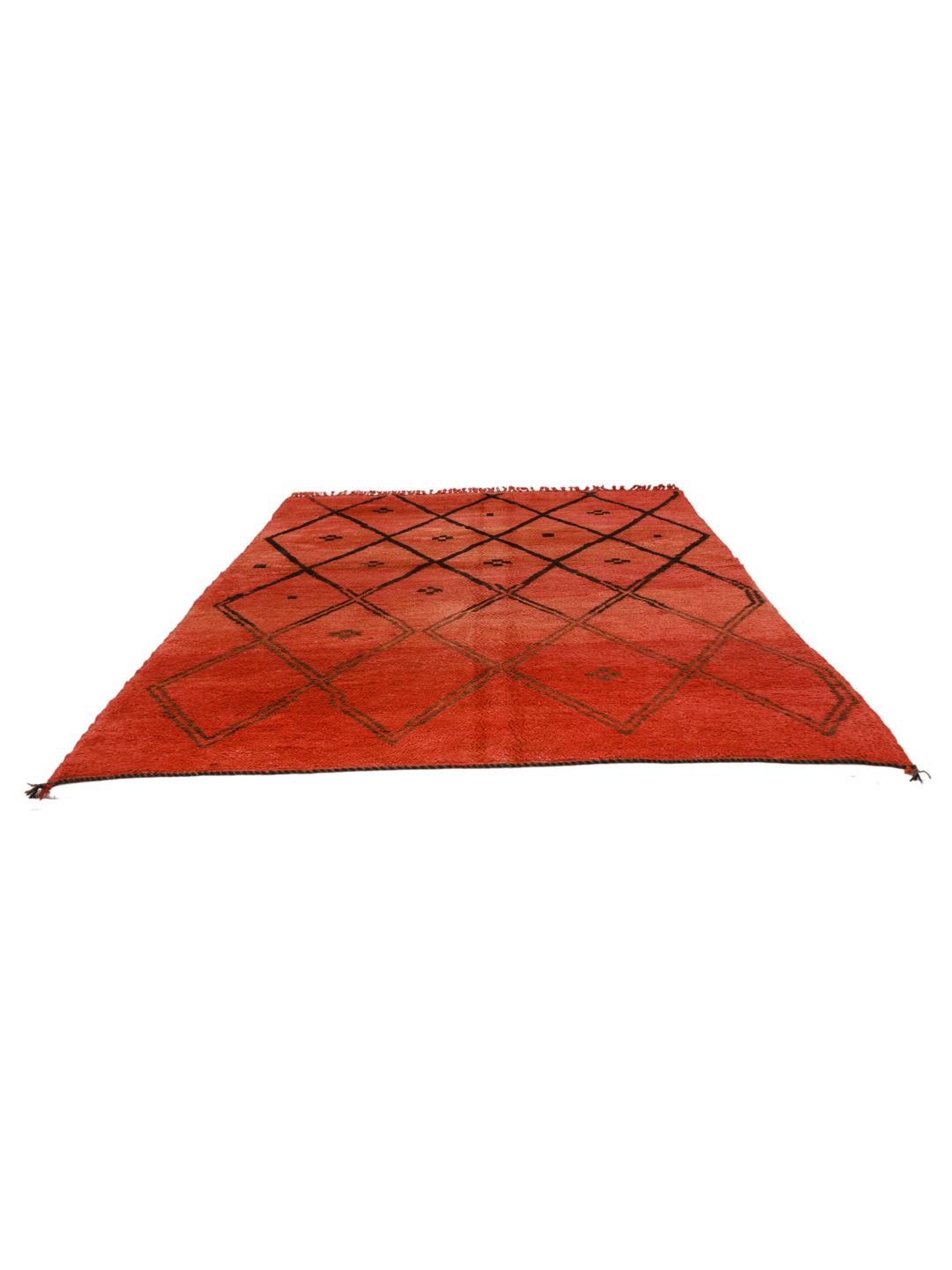
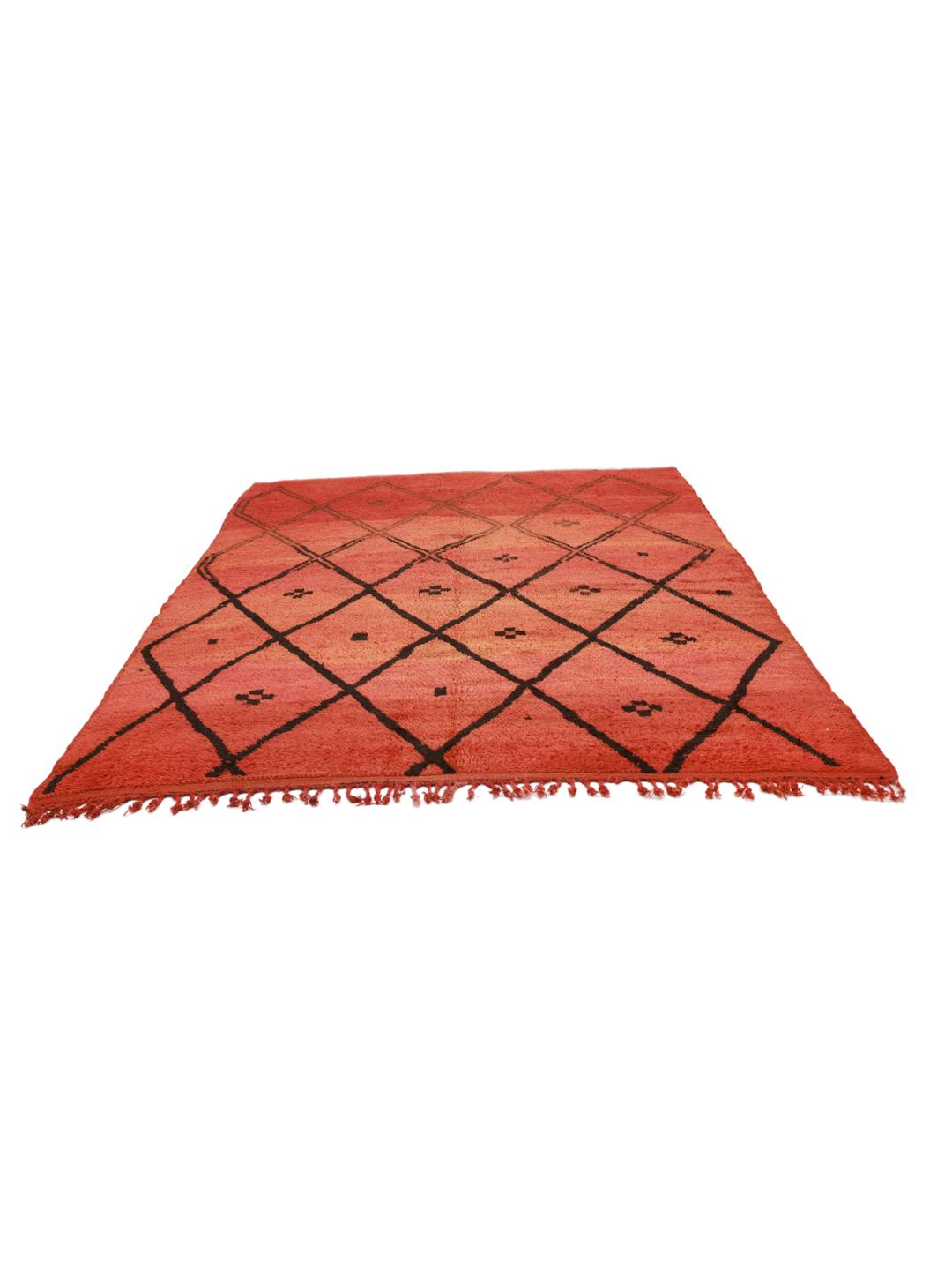
Visually, these rugs are defined by their minimalist yet powerful geometric language. The diamond motif seen here is a classic signature, often interpreted as a symbolic protective element or a reflection of the weaver's personal environment. The bold, contrasting colours reflect the landscape of the region, where natural dyes were historically used to create deep, earthy pigments.
Collectors value these rugs not only for their aesthetic beauty but for their role as historical documents. Owning a vintage Berber rug means preserving a piece of cultural heritage, as the designs are not dictated by patterns but by the intuition and life experiences of the individual weaver, making every piece a unique narrative.