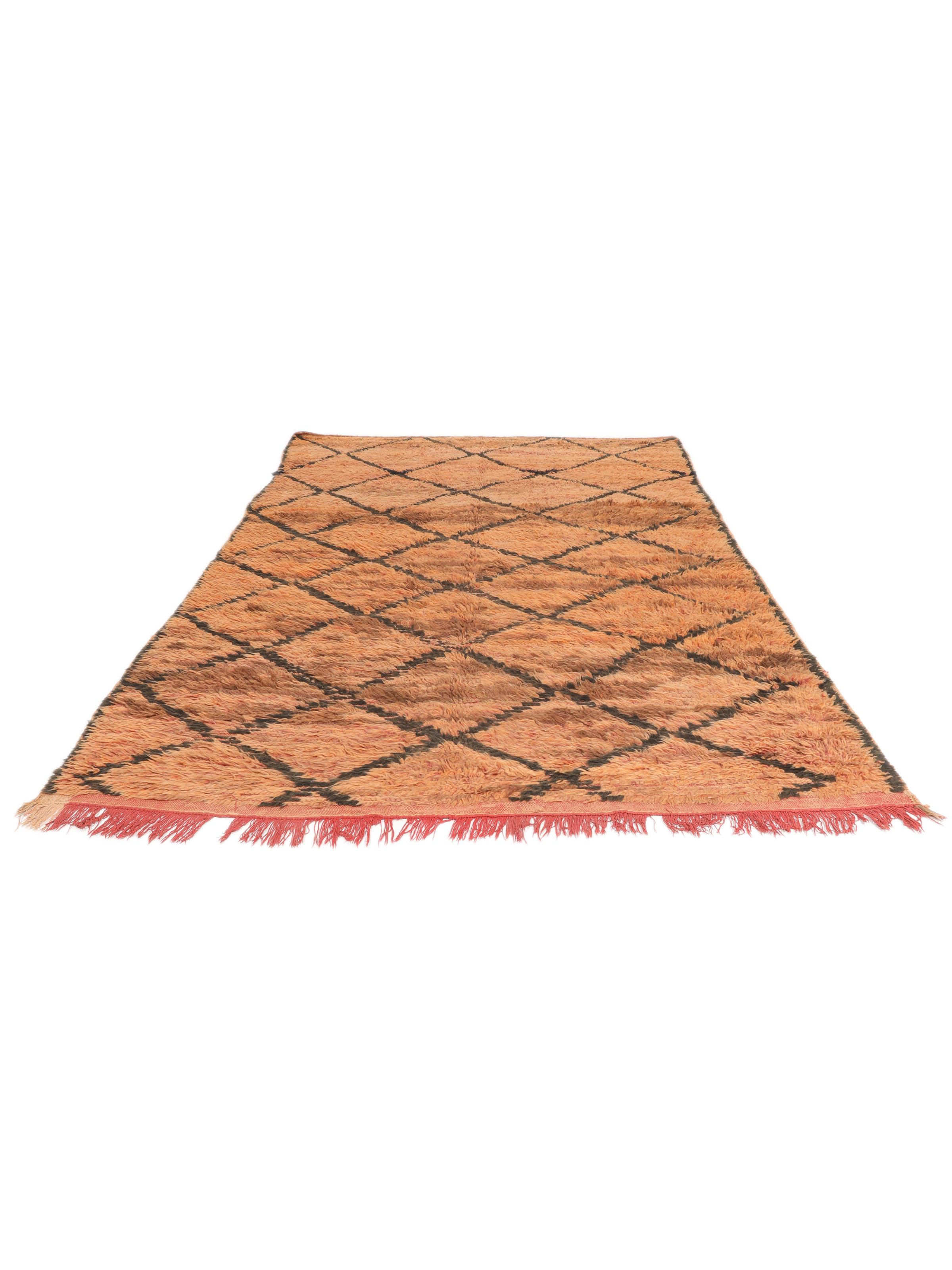
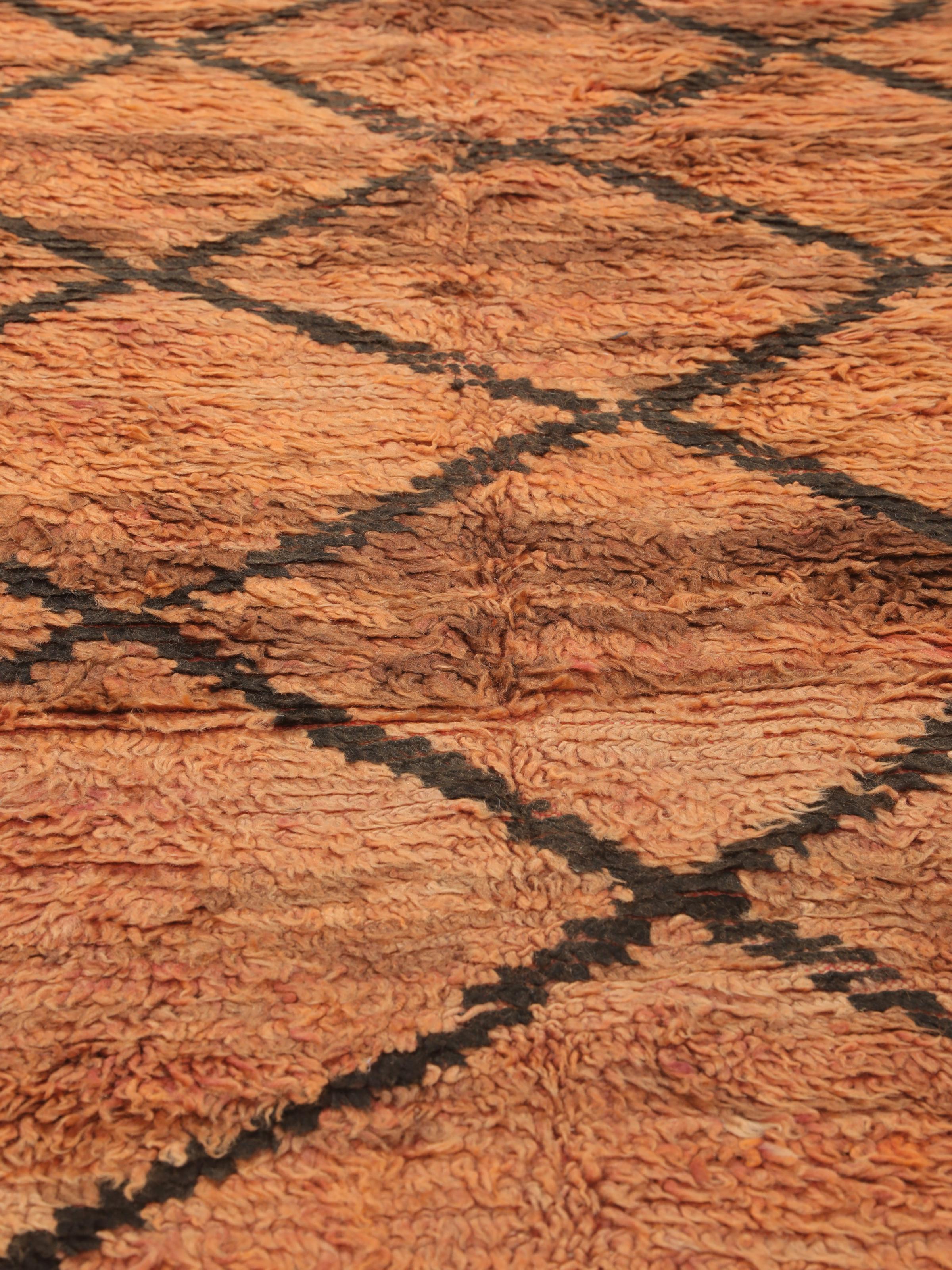
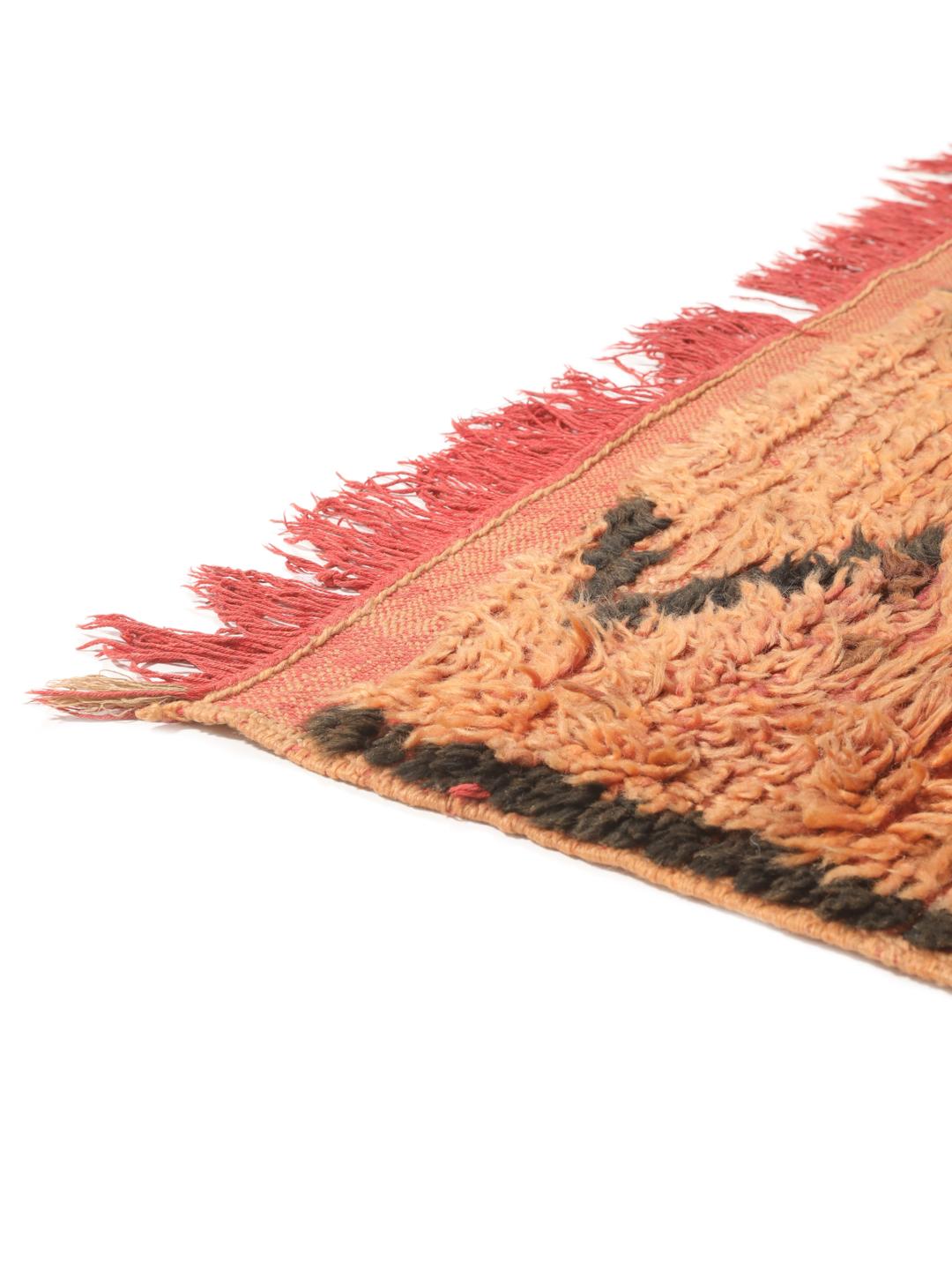
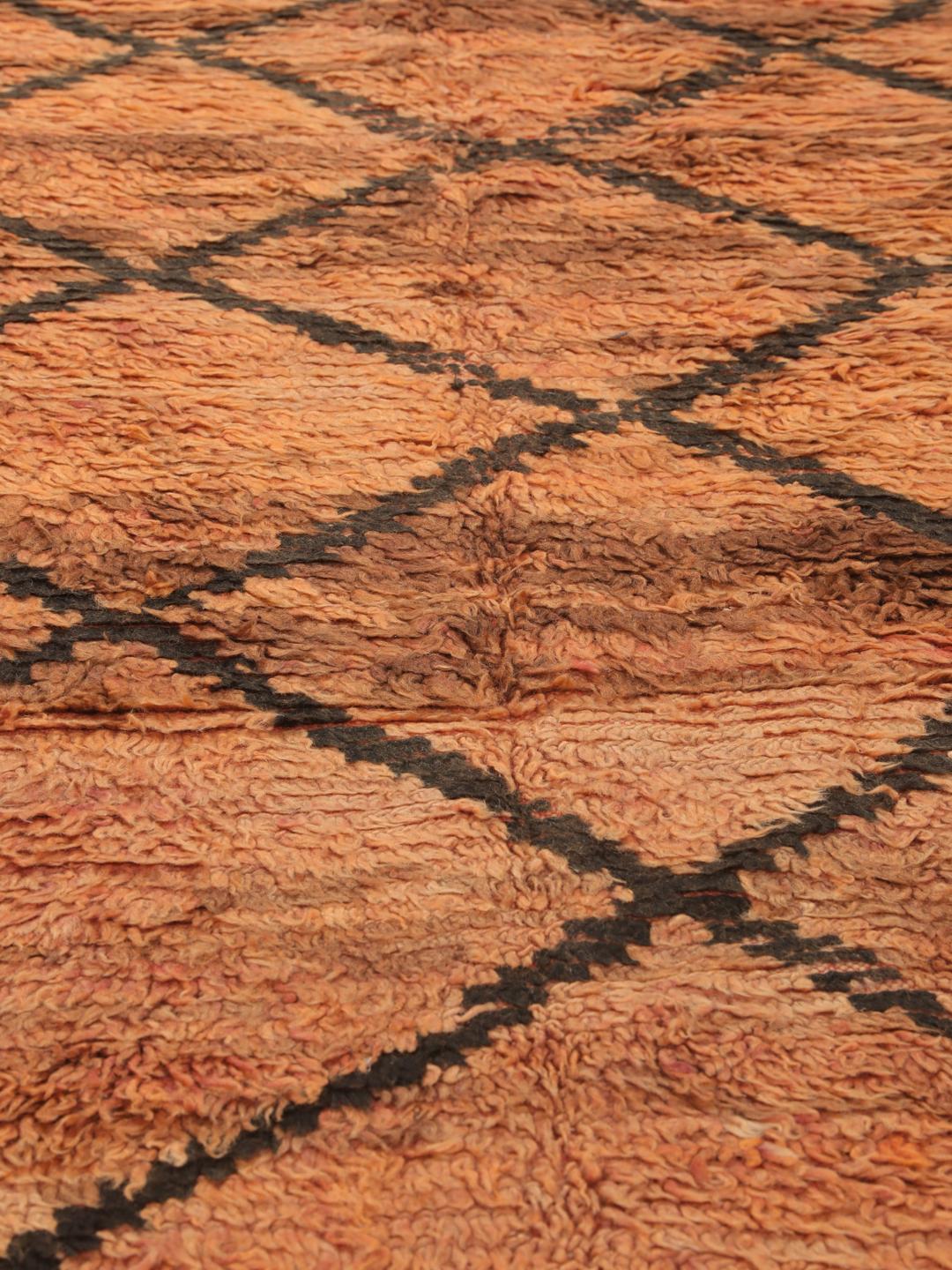
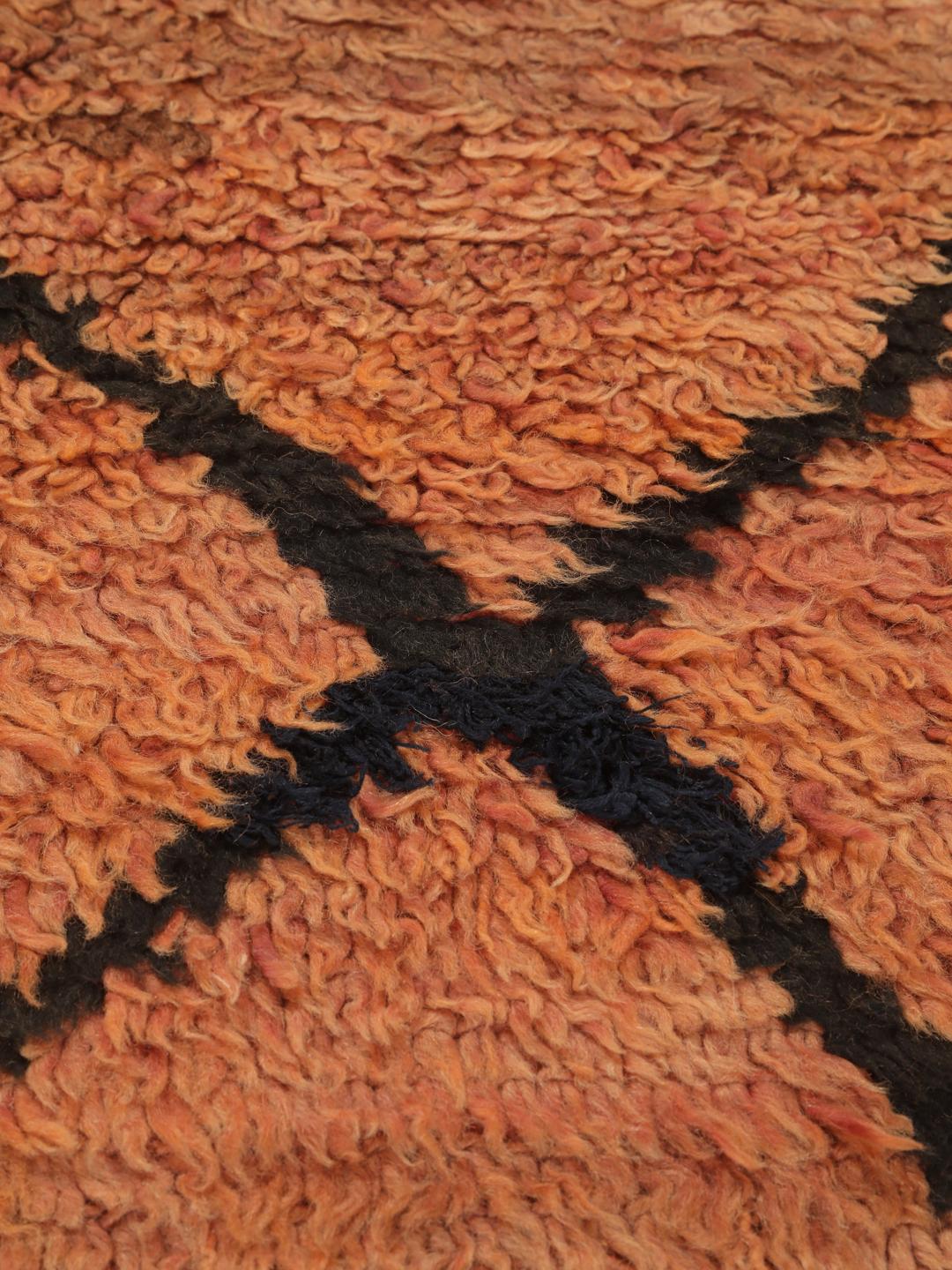
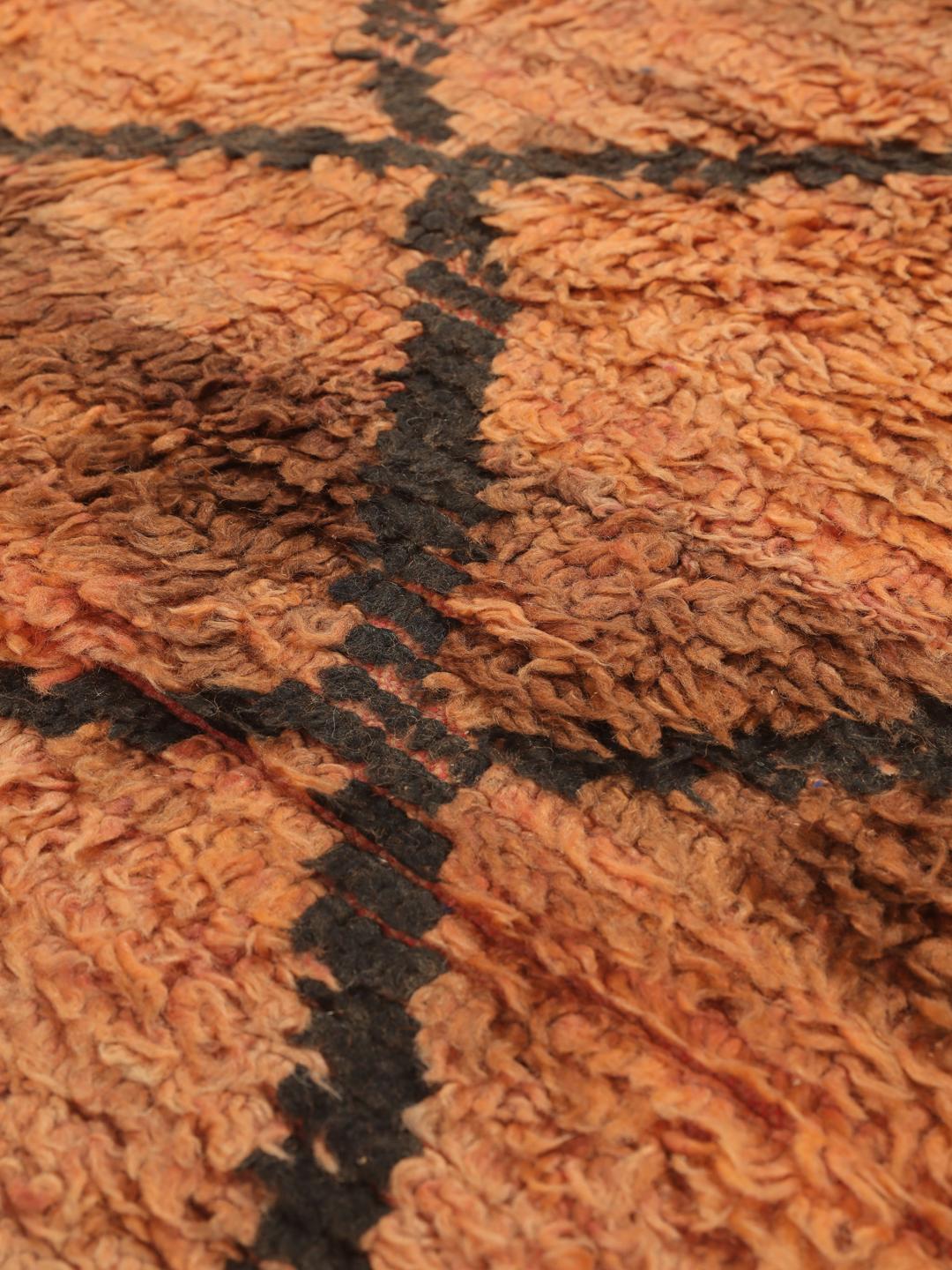
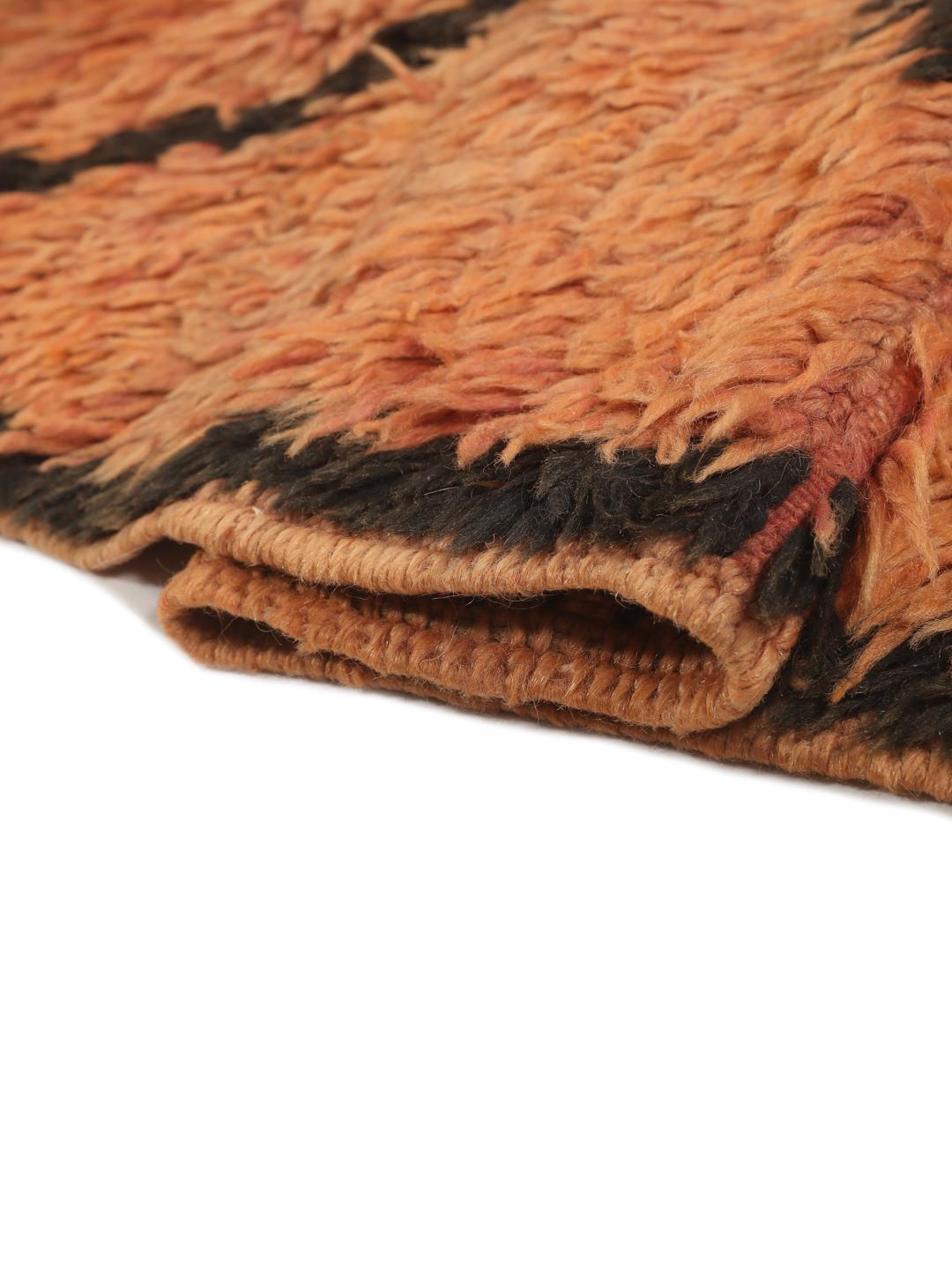
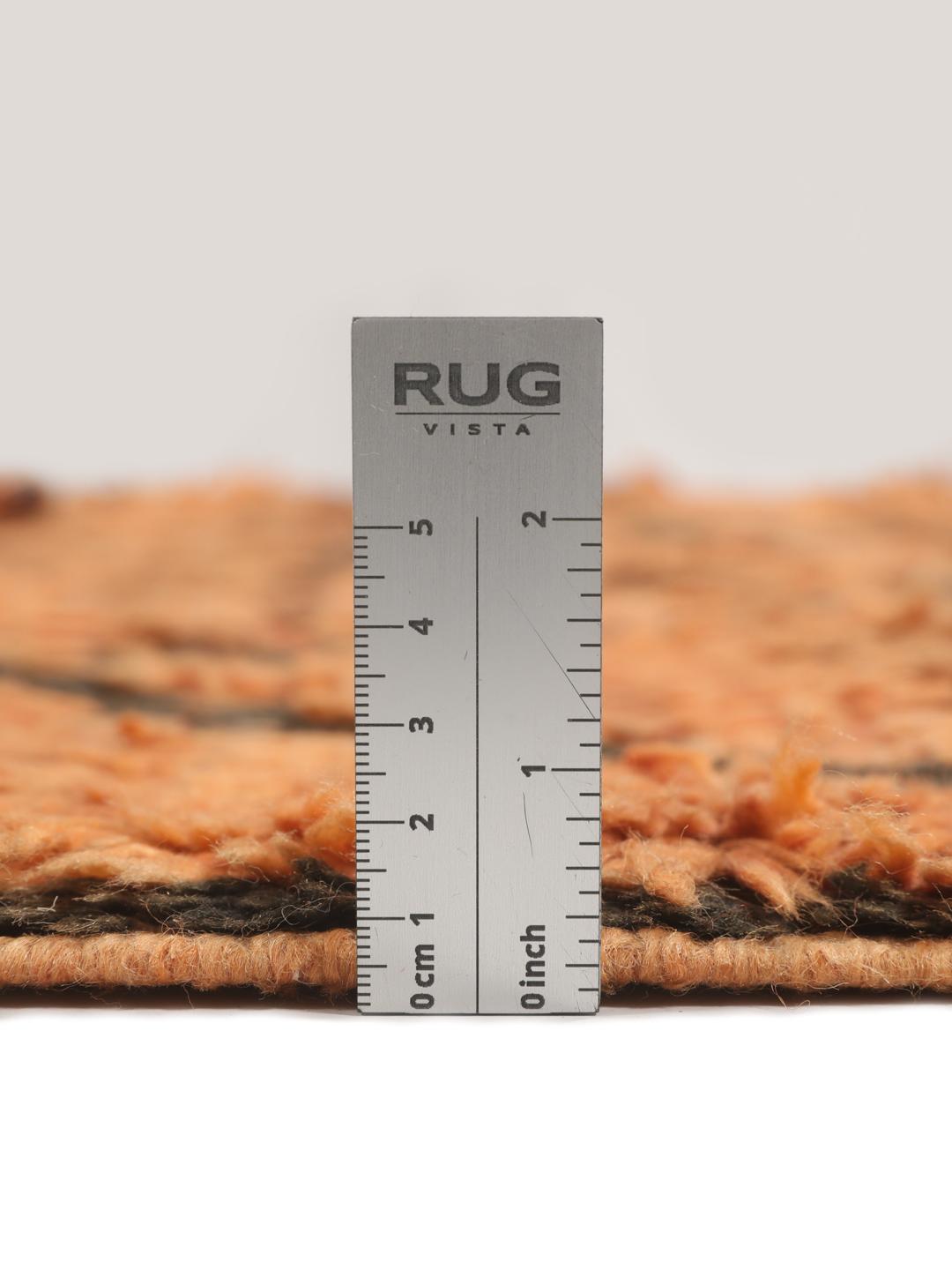
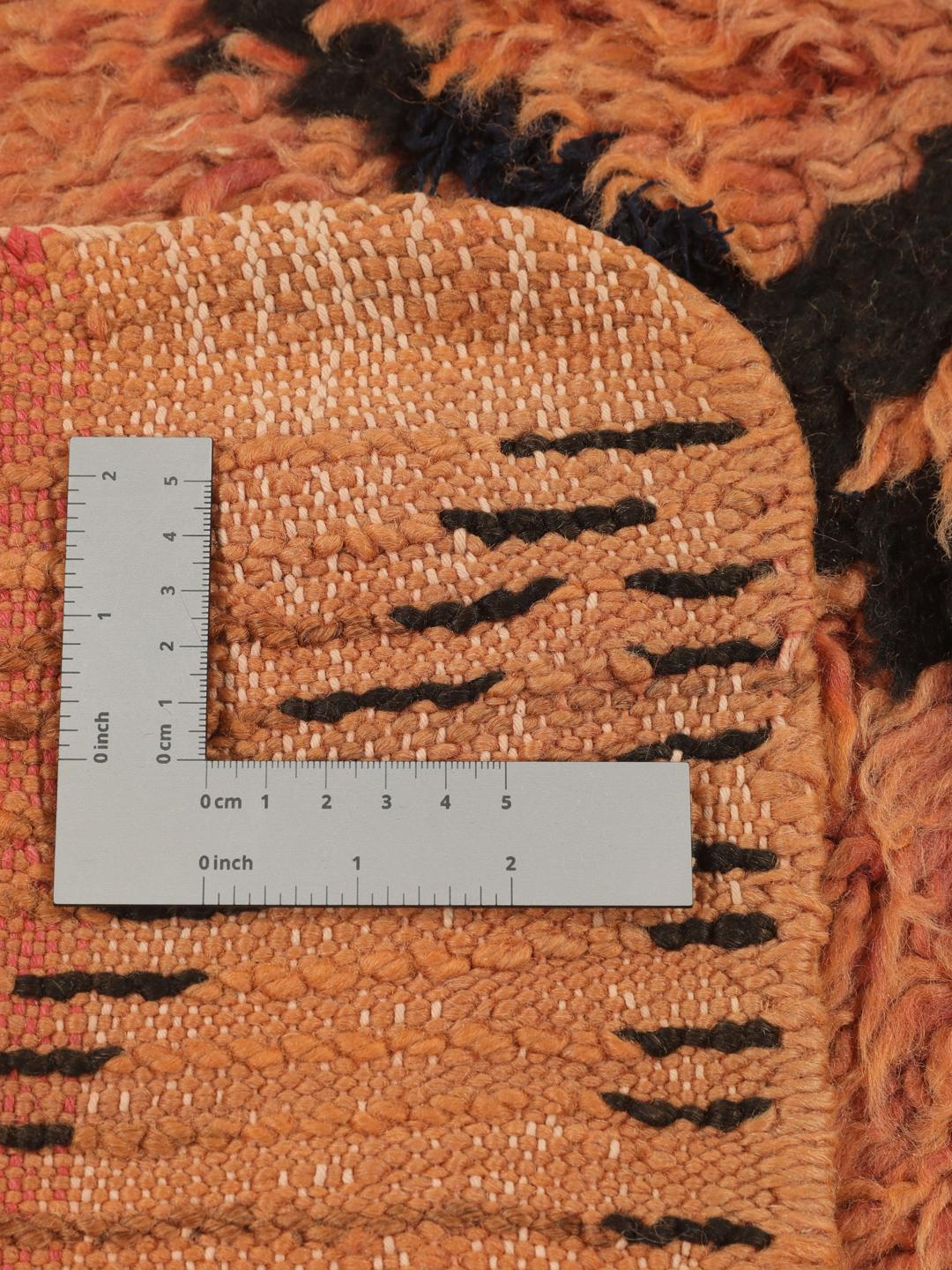
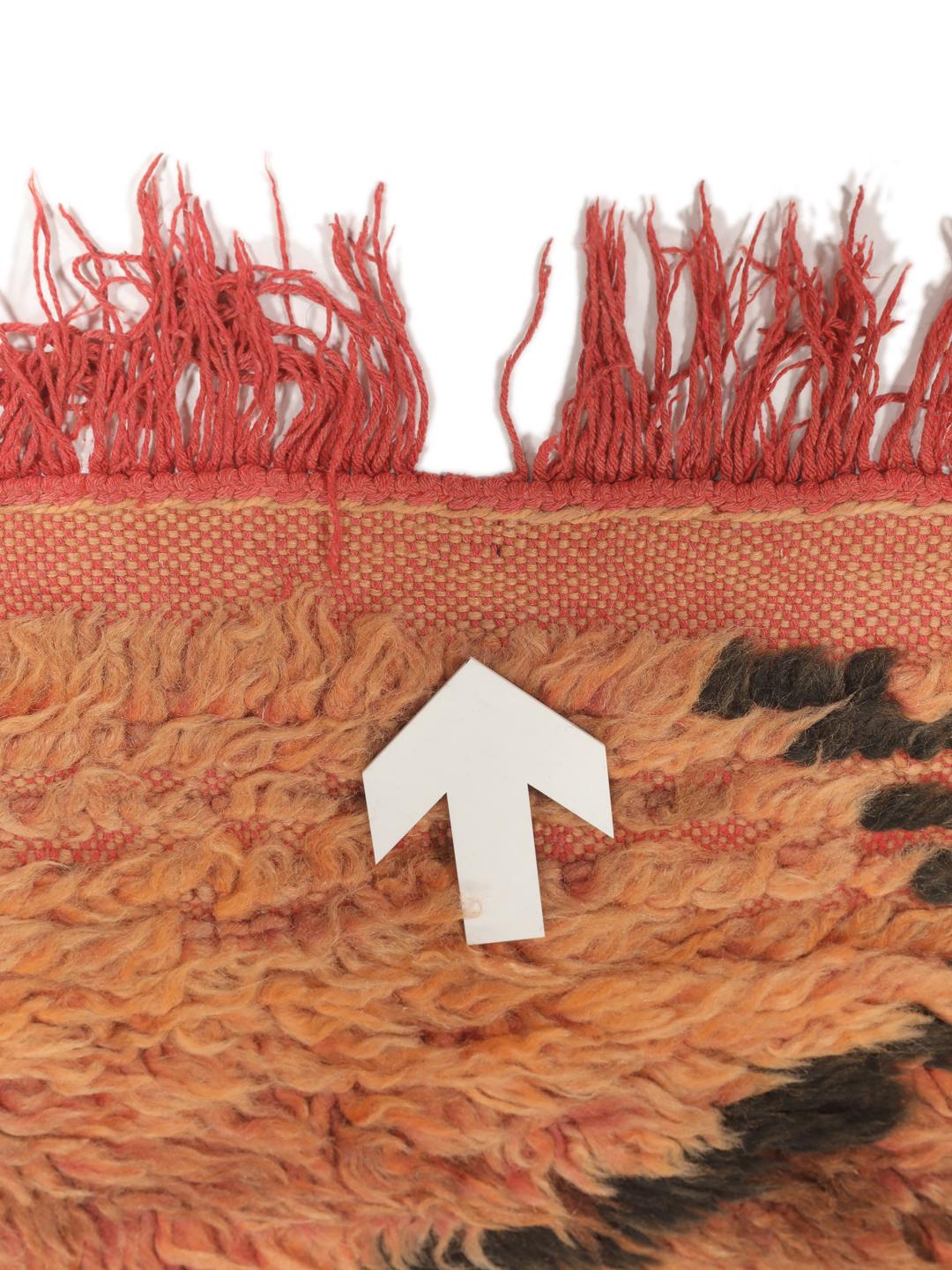
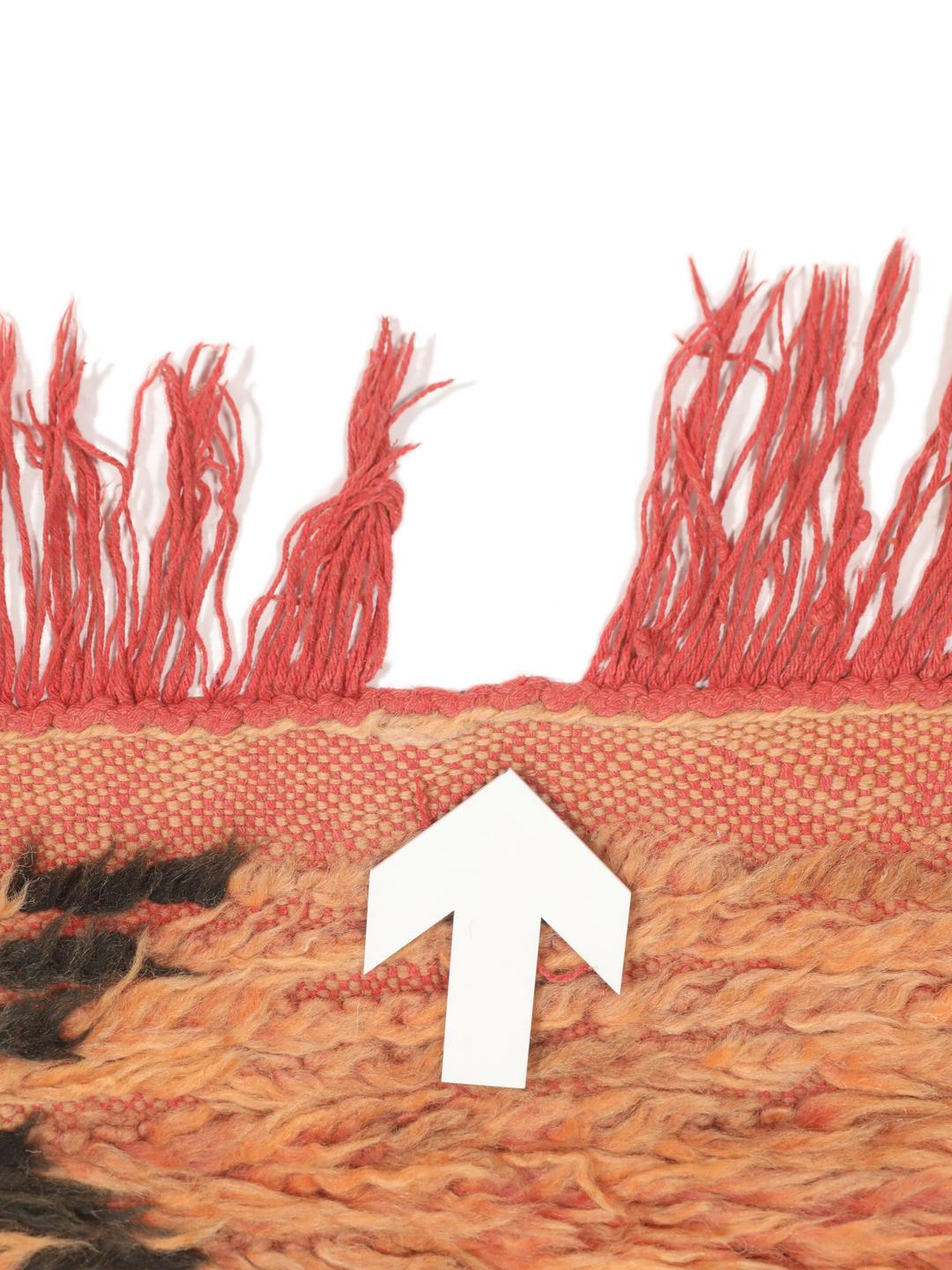
Berber rugs, specifically those known as Beni Ourain, originate from the high altitudes of the Middle Atlas mountains in Morocco. These rugs were traditionally woven by tribal women not for commercial trade, but for domestic utility, serving as warm bedding and floor coverings during the harsh, freezing winters of the mountainous landscape.
The term Beni Ourain refers to a confederation of Berber tribes who have maintained their unique weaving traditions for centuries. Their rugs are distinguished by their use of high-quality, undyed wool and a signature aesthetic that prioritizes geometric simplicity over intricate, crowded designs, reflecting a minimalist approach that has become highly sought after in modern interior design.
The classic design element of these rugs is the diamond grid, which is often interpreted as a symbolic representation of the weaver's life, family, or the natural world around them. While the patterns may look simple, they carry deep cultural weight, often serving as a form of non-verbal storytelling that connects the present owner to the ancient nomadic lifestyle of the Berber people.
Today, these rugs are celebrated by collectors for their authenticity and the human element present in every thread. Owning a Beni Ourain is an investment in cultural heritage, representing a level of skill and connection to place that is increasingly rare in a world of mass production. Each piece offers a tangible link to the history of the Middle East and North Africa.