The Berber rugs of the Mid Atlas mountains are some of the most iconic textiles in the world, rooted in a tradition that spans centuries. These rugs were originally woven by indigenous Berber tribes as essential household items, serving as blankets, sleeping mats, and decorative wall hangings. The designs are deeply personal, often reflecting the surroundings and the life experiences of the weaver, making each piece a mirror of its creator's world.
The term 'Berber' refers to the Amazigh people of North Africa, whose weaving heritage is characterised by a unique approach to geometric abstraction. Unlike the formal, symmetrical patterns often found in other Middle Eastern traditions, Mid Atlas rugs are known for their playful, spontaneous designs. The weavers often work from memory, allowing the patterns to evolve organically as the rug grows on the loom, which is why you will rarely see two pieces that are exactly alike.
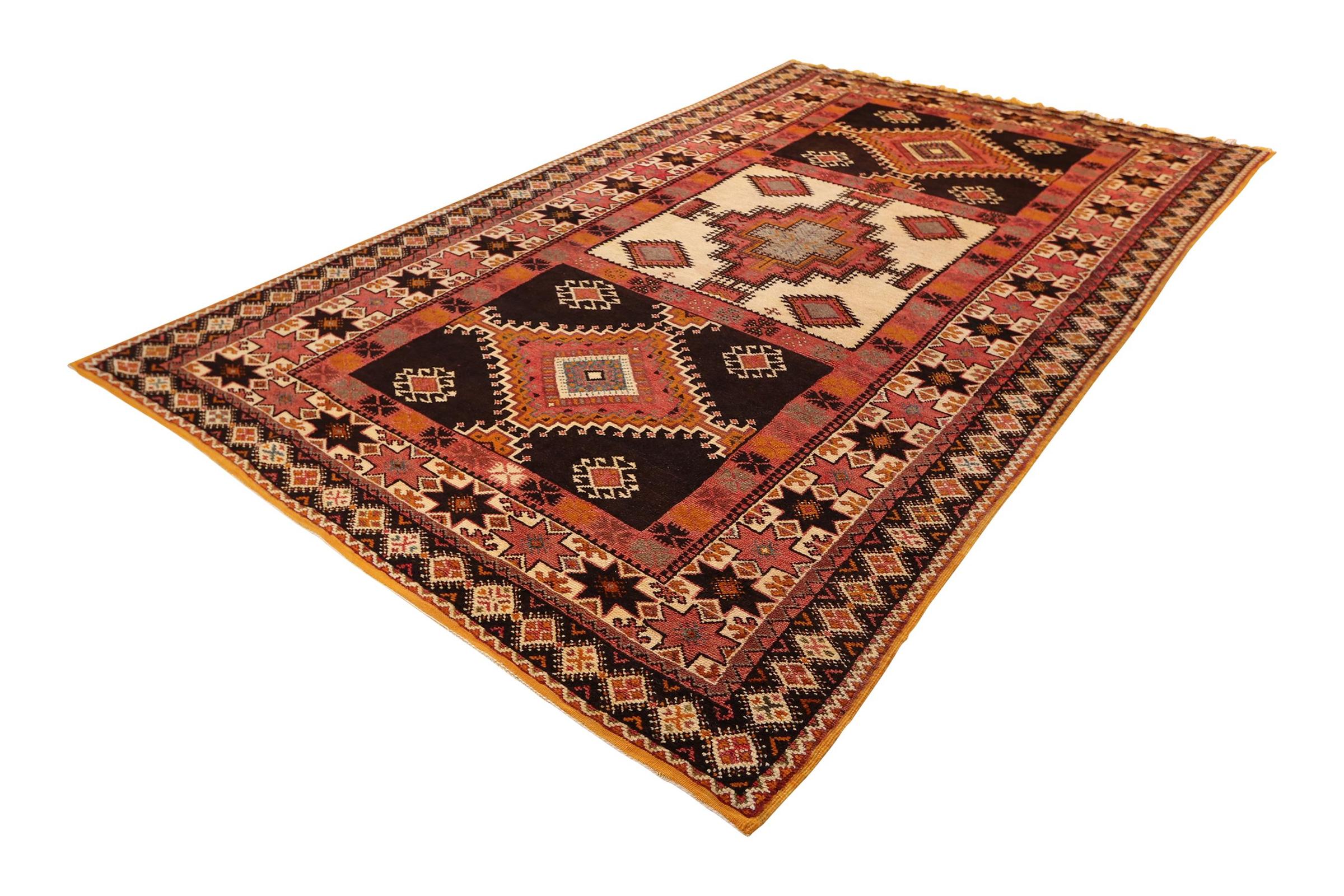
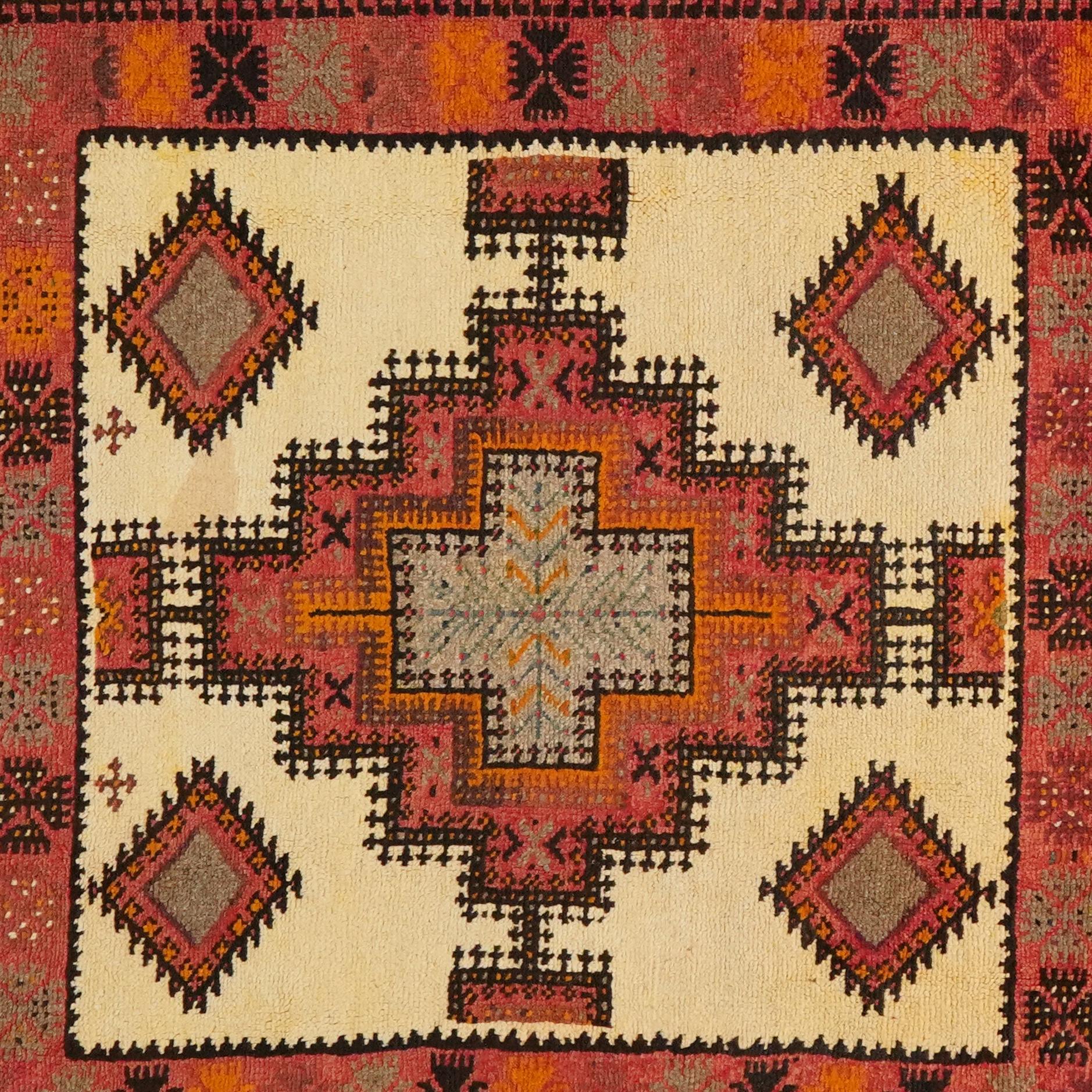
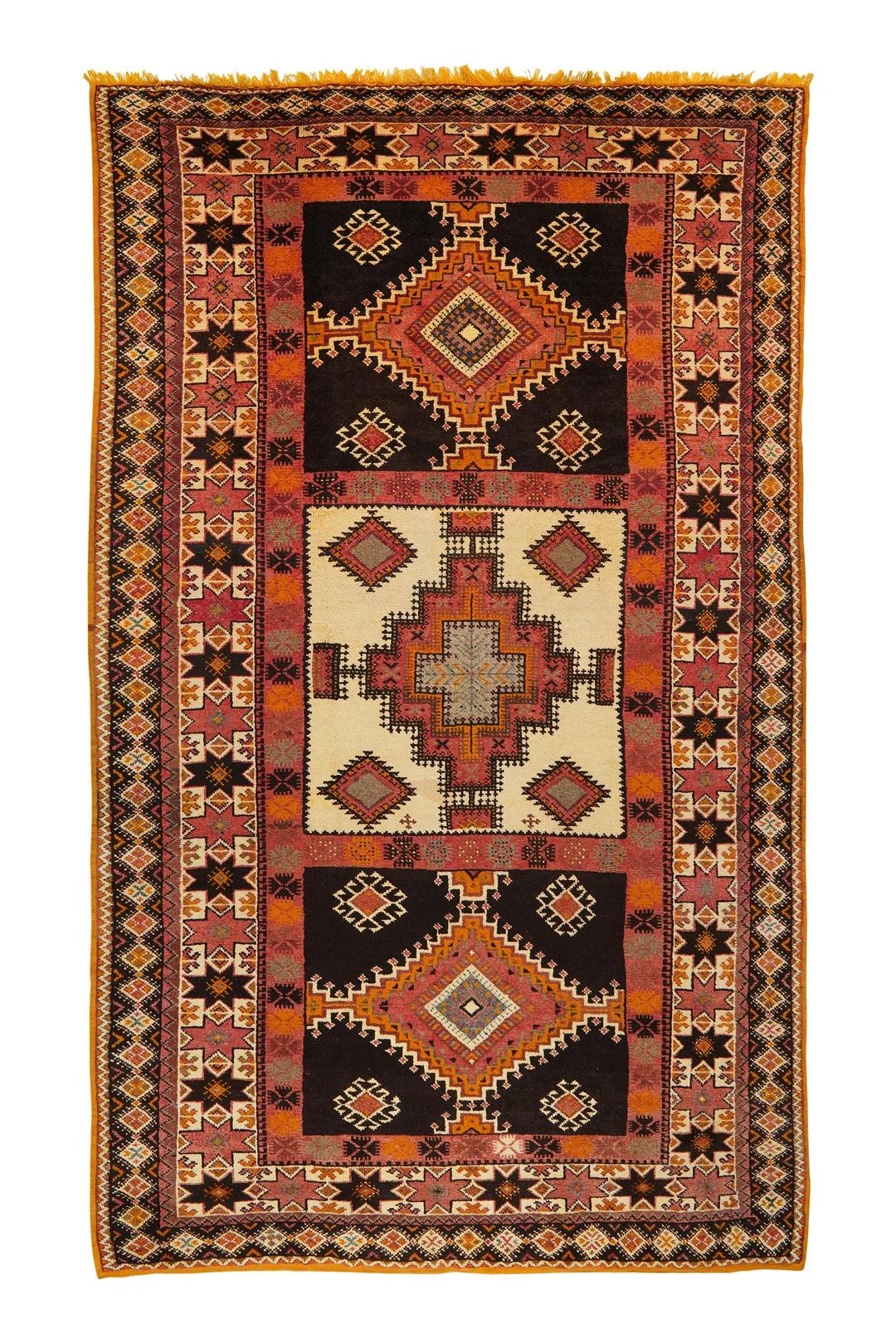
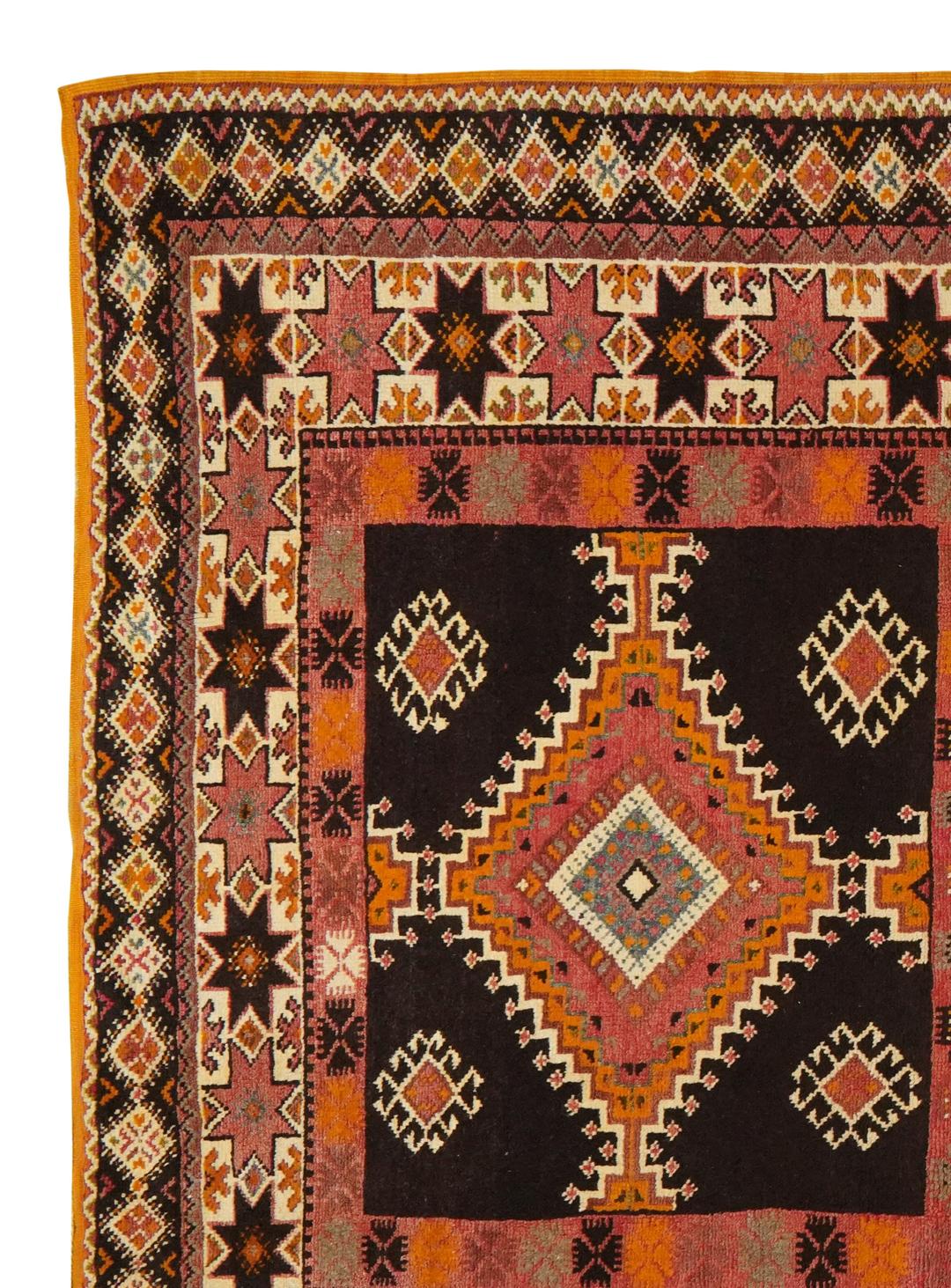
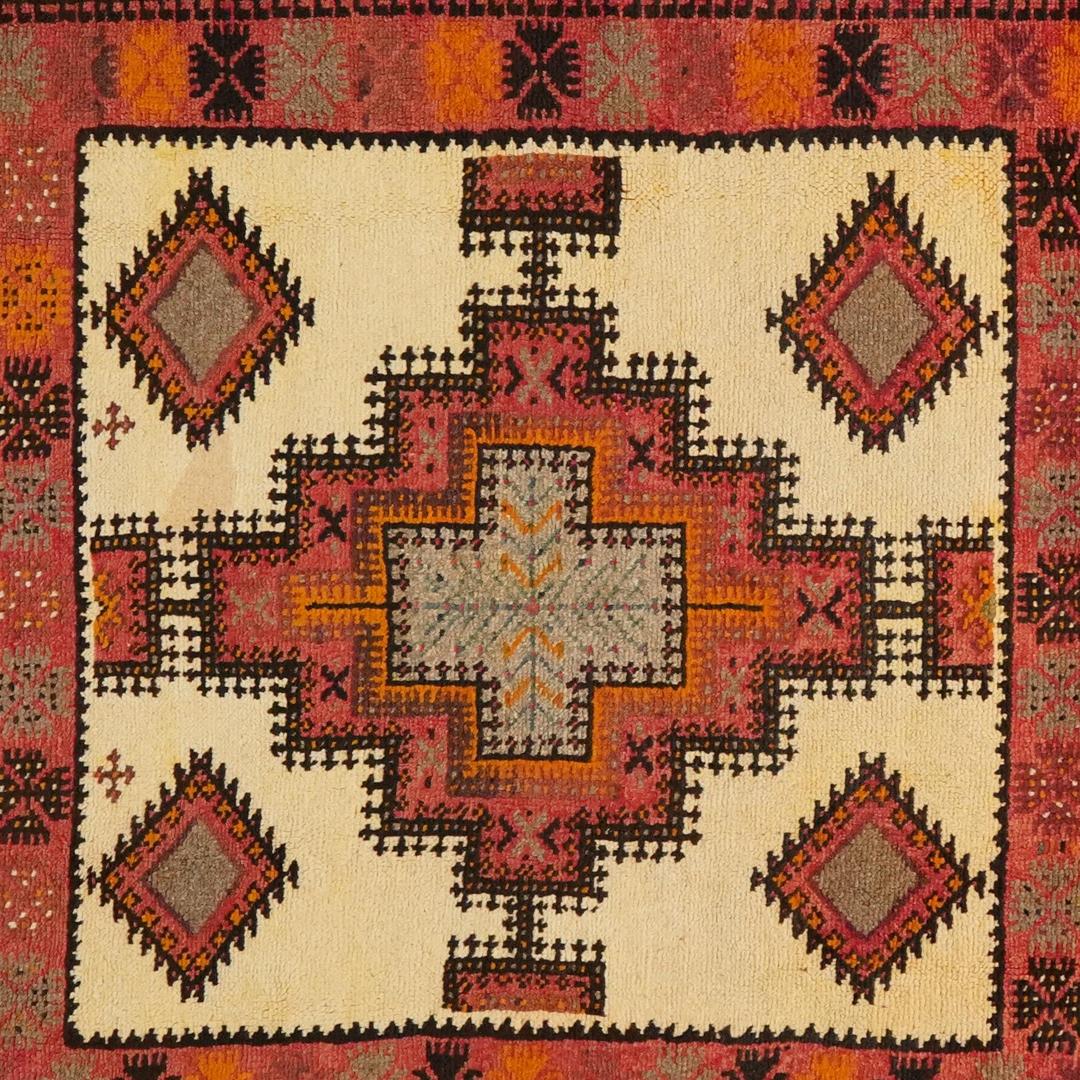
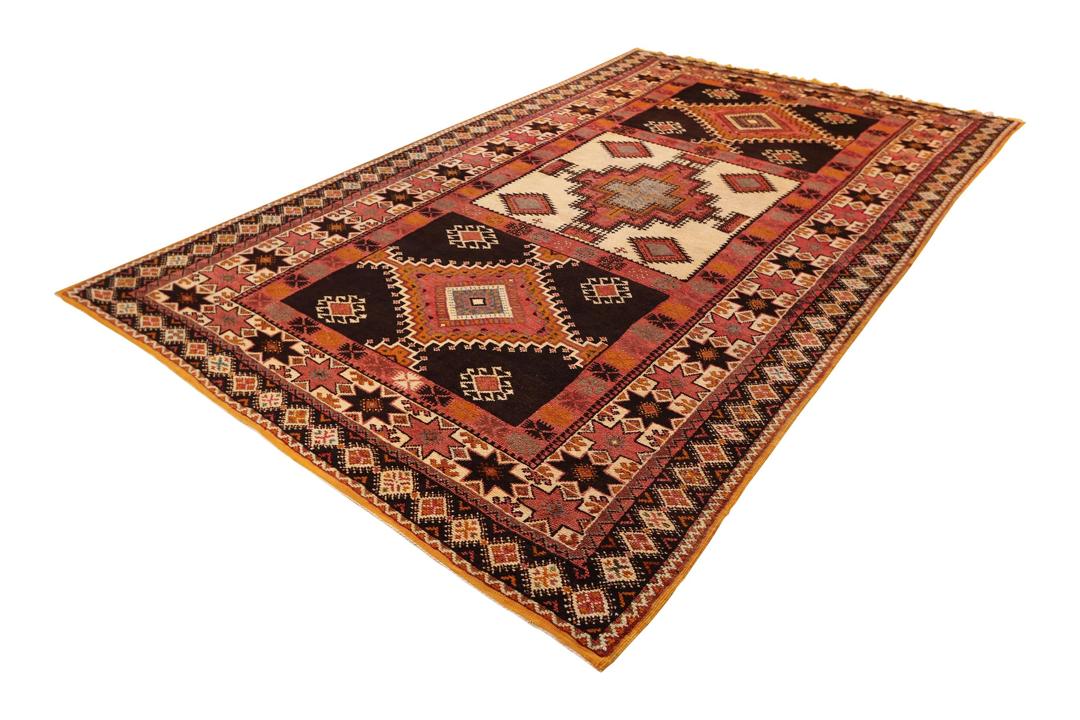
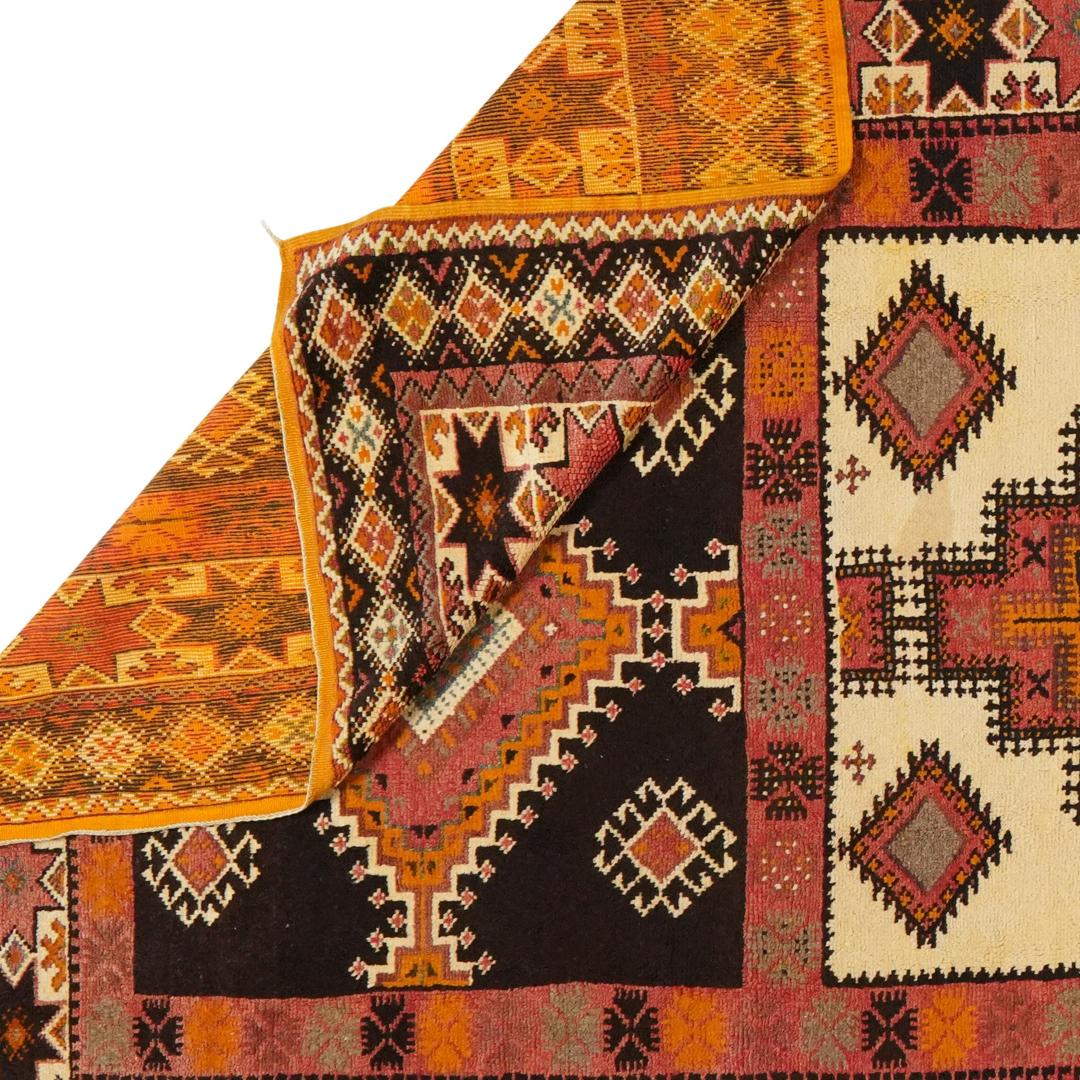
Signature elements of these rugs include the use of bold, diamond-shaped medallions and a rich, earthy colour palette derived from natural dyes. In this particular piece, the interplay of light and dark fields creates a dynamic visual impact, a hallmark of the sophisticated design sense found in vintage Atlas collections. The use of traditional borders often acts as a frame for the central field, providing a sense of balance to the otherwise free-flowing geometric motifs.
Collecting vintage Berber rugs has become a way to preserve a disappearing art form. As modern production techniques grow, the authentic, hand-knotted pieces from the Mid Atlas region are increasingly rare. Owning such a rug is not just about home decor, it is about supporting a legacy of skill and cultural storytelling. These rugs are highly valued for their raw, honest beauty and their ability to bring a sense of history and human connection to any modern home.