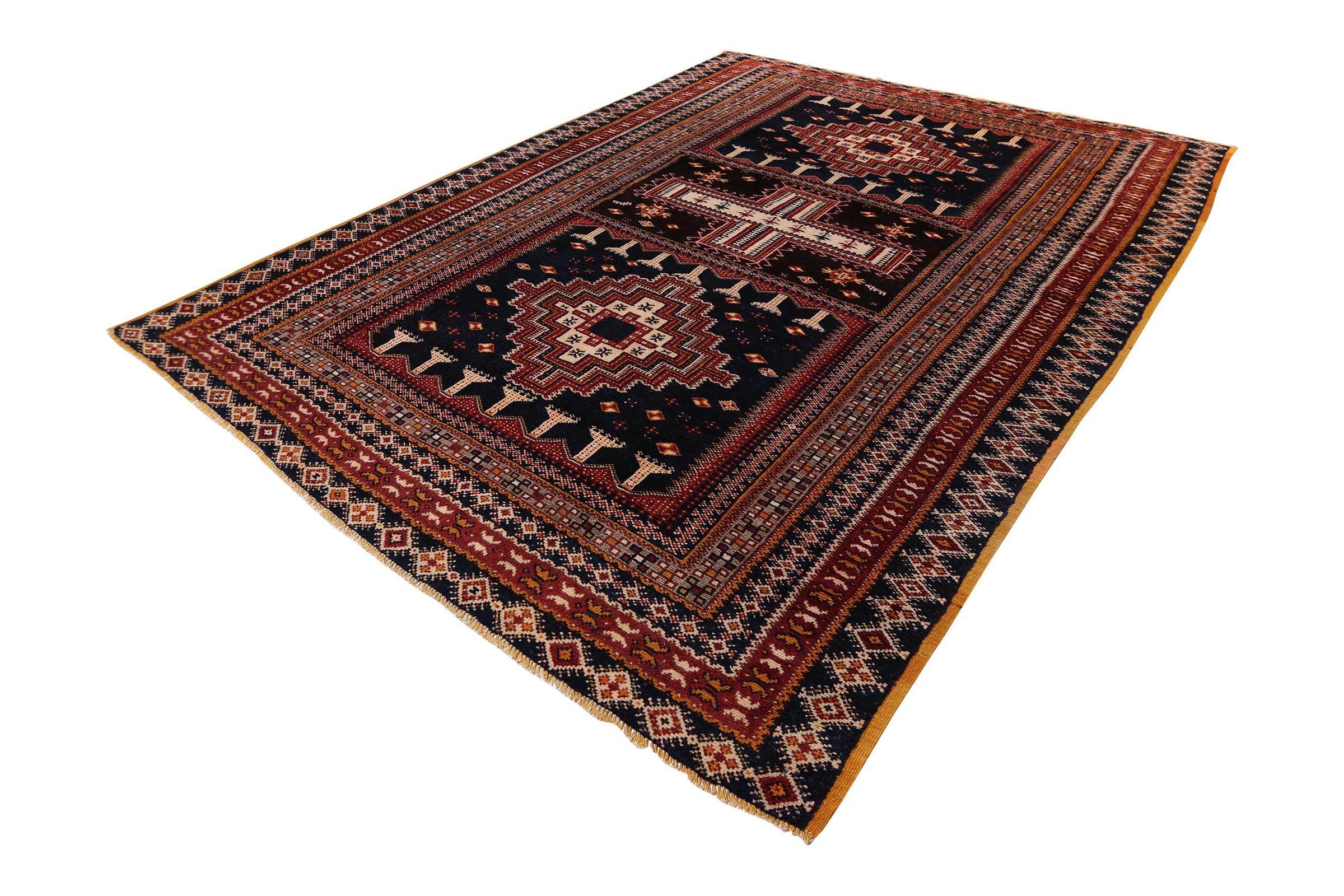
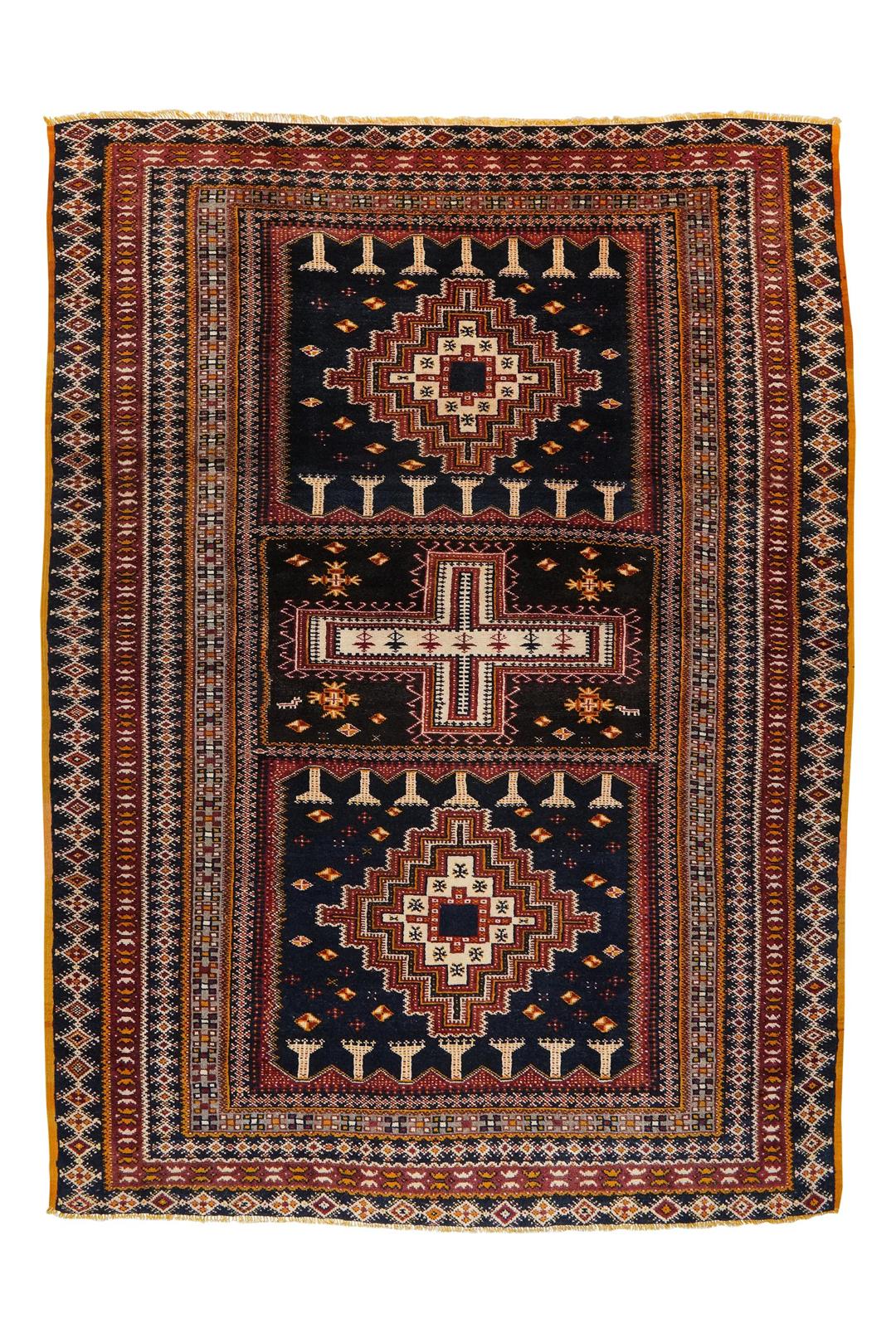
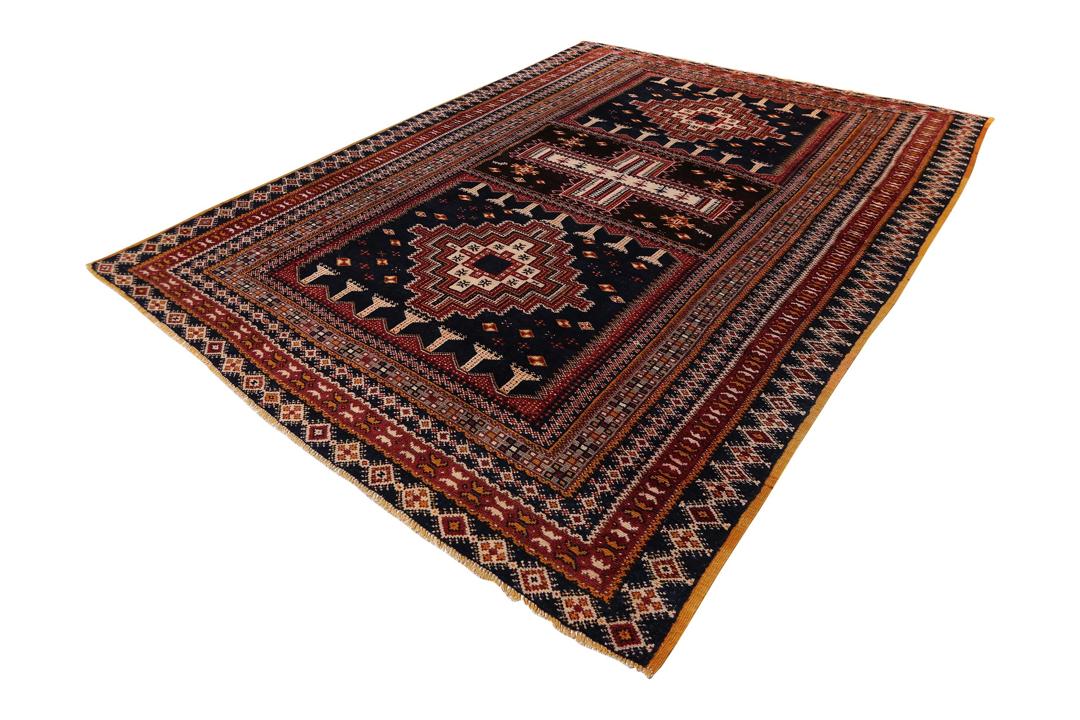
The Berber rugs of the Middle Atlas region in Morocco are more than just floor coverings; they are historical documents woven by tribal women to record their lives, beliefs, and local lore. These rugs have been produced for centuries in the rugged, mountainous landscape of Morocco, where the cold climate necessitated the creation of thick, insulating textiles. The designs are deeply rooted in the cultural identity of the Berber people, serving as a medium for storytelling through abstract symbols and geometric shapes.
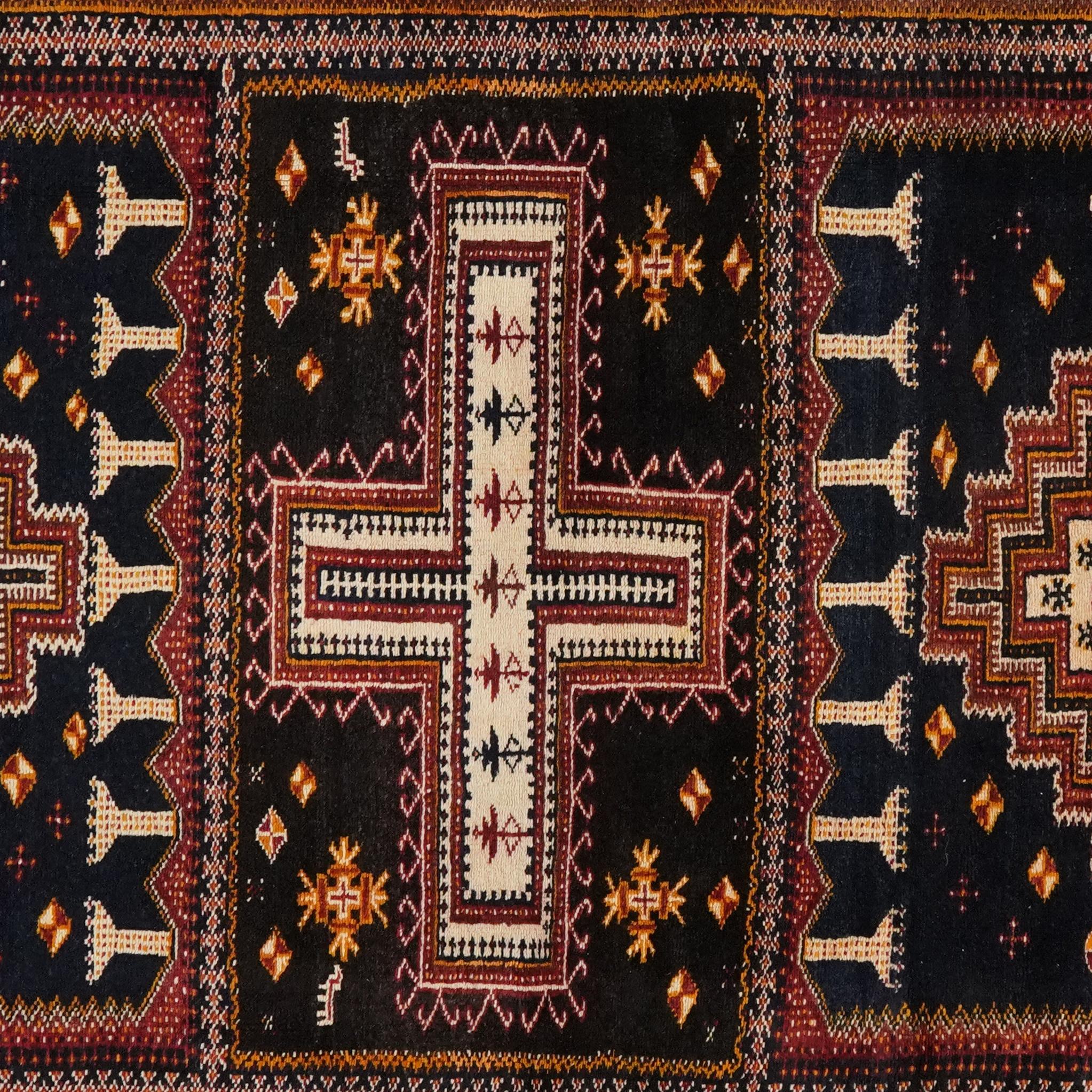
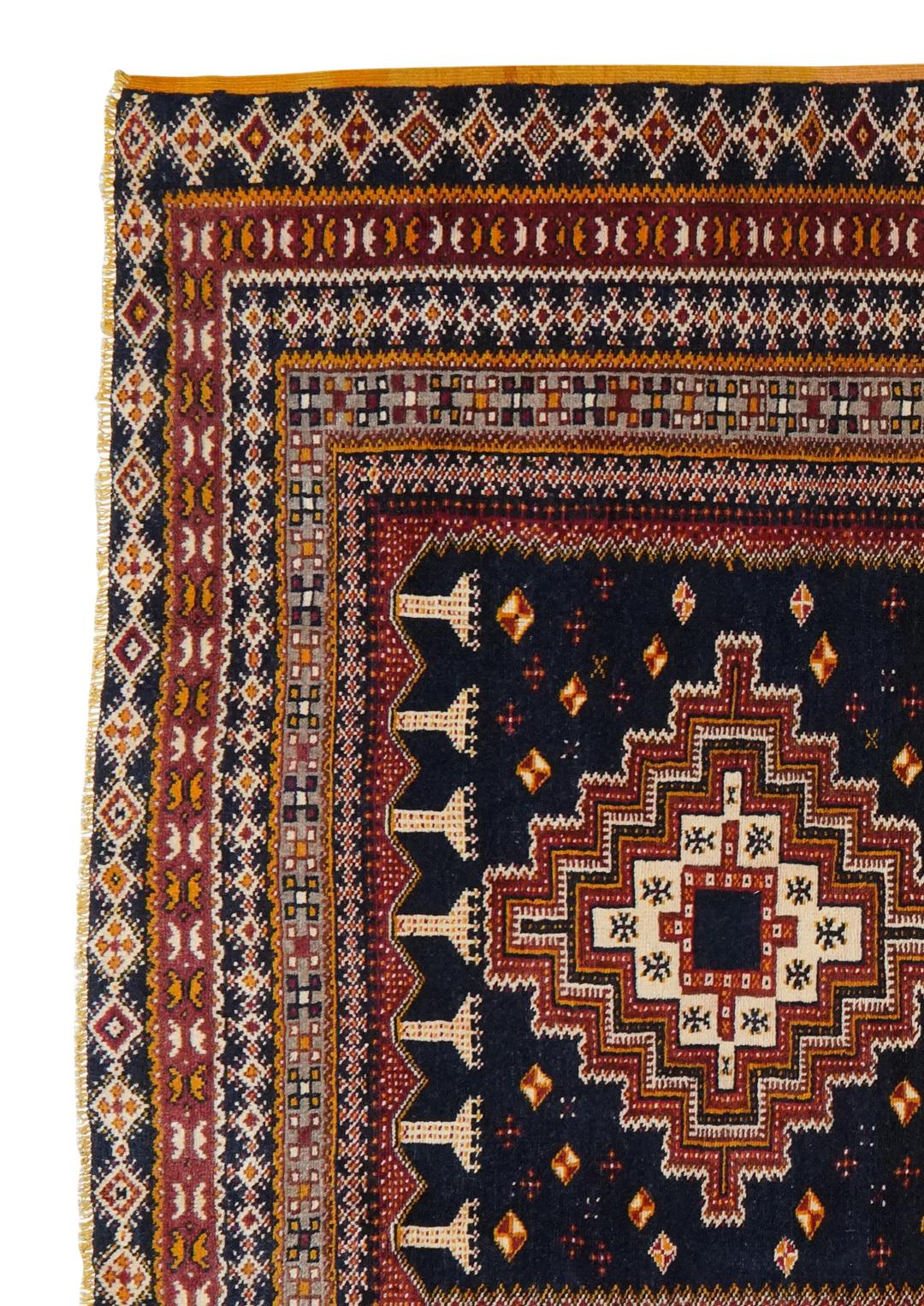
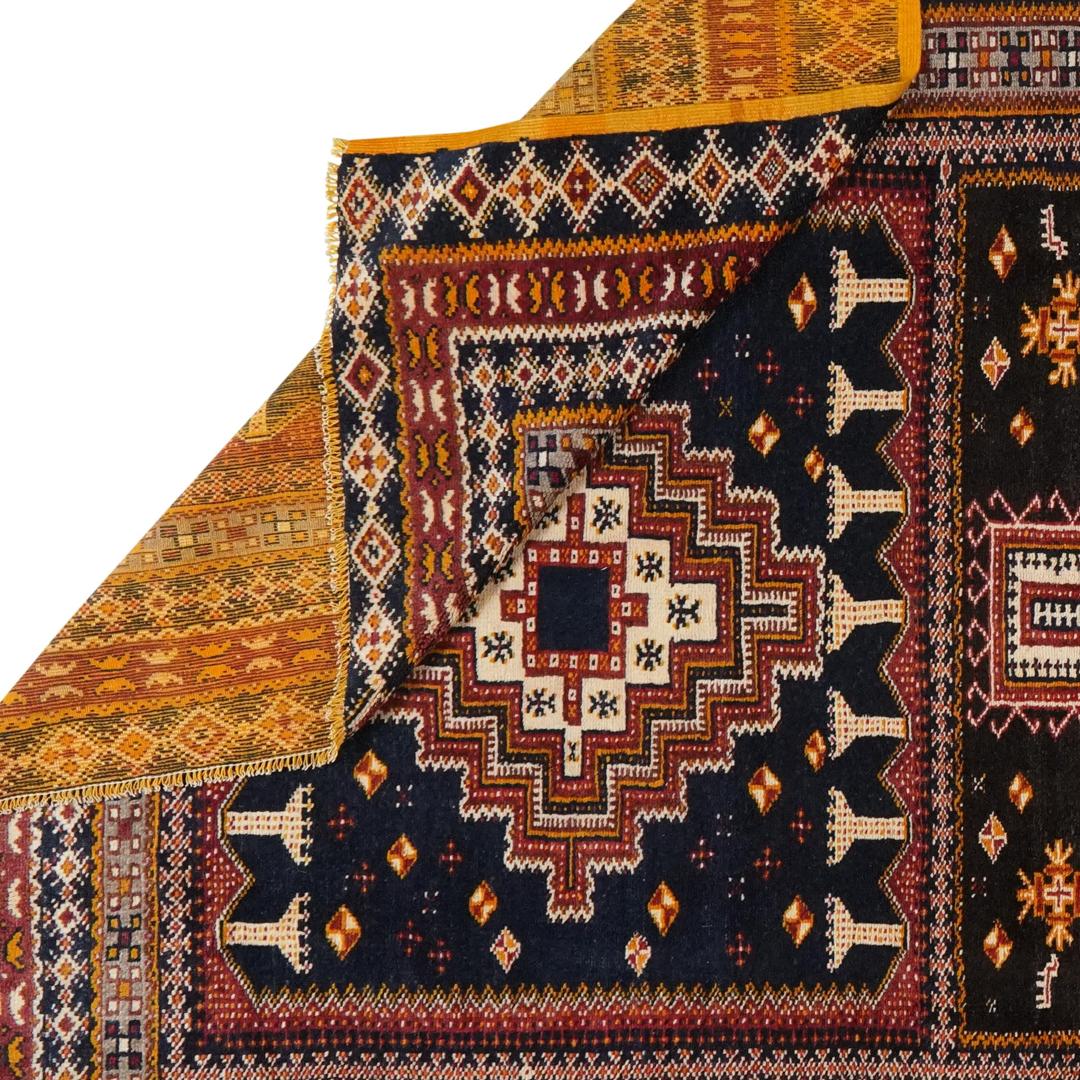
Technical terms such as hand-knotted refer to the traditional method of securing the pile to the foundation. In the context of these rugs, the knotting technique is essential for creating the heavy, durable texture that these pieces are famous for. This construction method allows for a greater density of wool, which in turn creates a more insulating and comfortable rug. The quality of these rugs is often judged by the consistency of the knotting and the quality of the wool, both of which contribute to the rug's longevity.
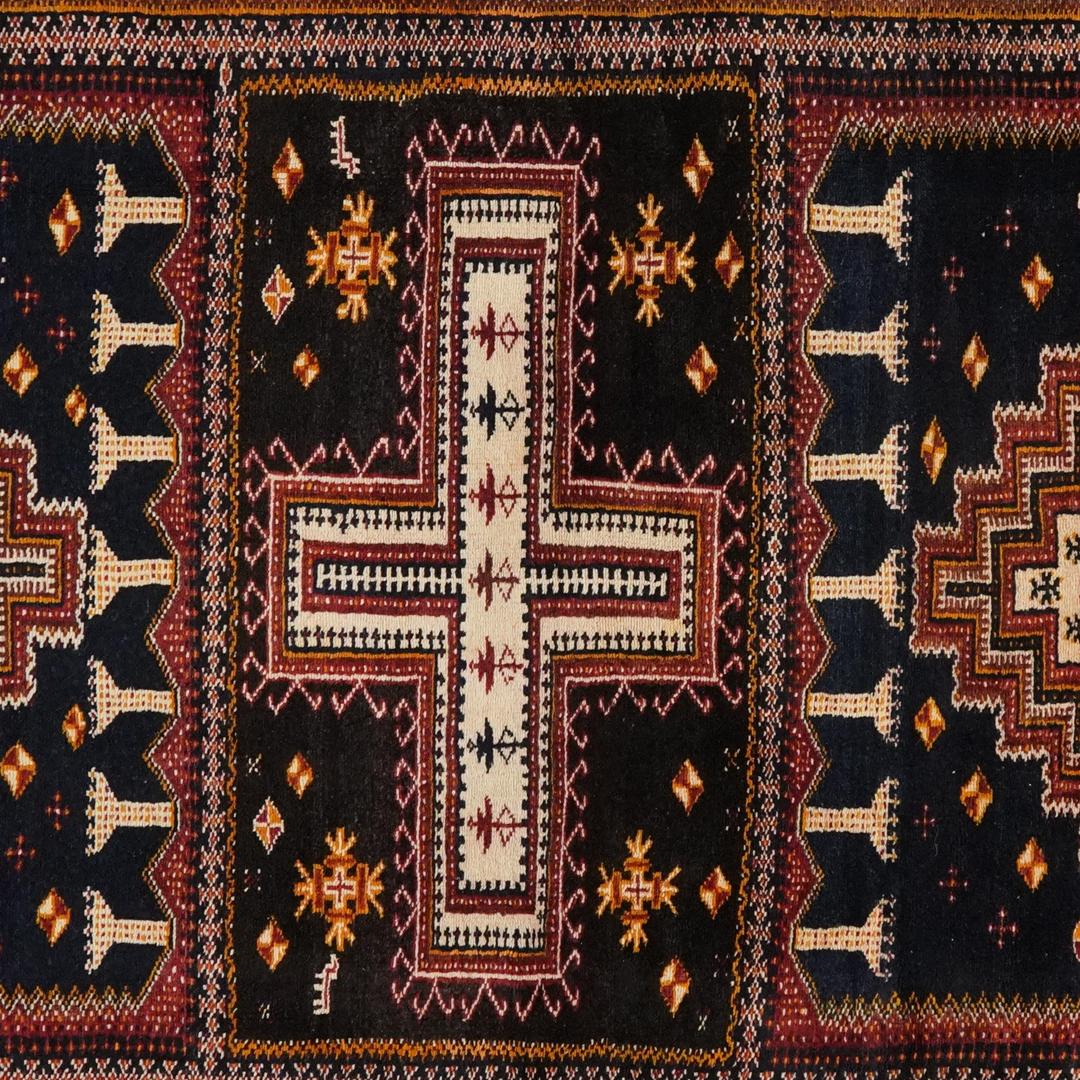
The design language of this tradition is famously geometric, often featuring diamonds, crosses, and other stylized motifs that hold deep symbolic meaning. These patterns are not merely decorative; they often serve as protective amulets or representations of fertility and family status. The use of a dark field, as seen here, is a striking and less common variation that highlights the intricate, lighter-coloured geometric details, making the rug a bold departure from more traditional, neutral-toned Berber styles.
Collecting these rugs is an investment in global heritage and a recognition of the immense skill required to produce them. As the world becomes increasingly industrial, the value of hand-crafted textiles continues to rise, not just for their aesthetic appeal but for the human story they represent. By bringing such a piece into your home, you are participating in a long-standing tradition of art, utility, and cultural preservation, ensuring that these ancient techniques continue to be appreciated.