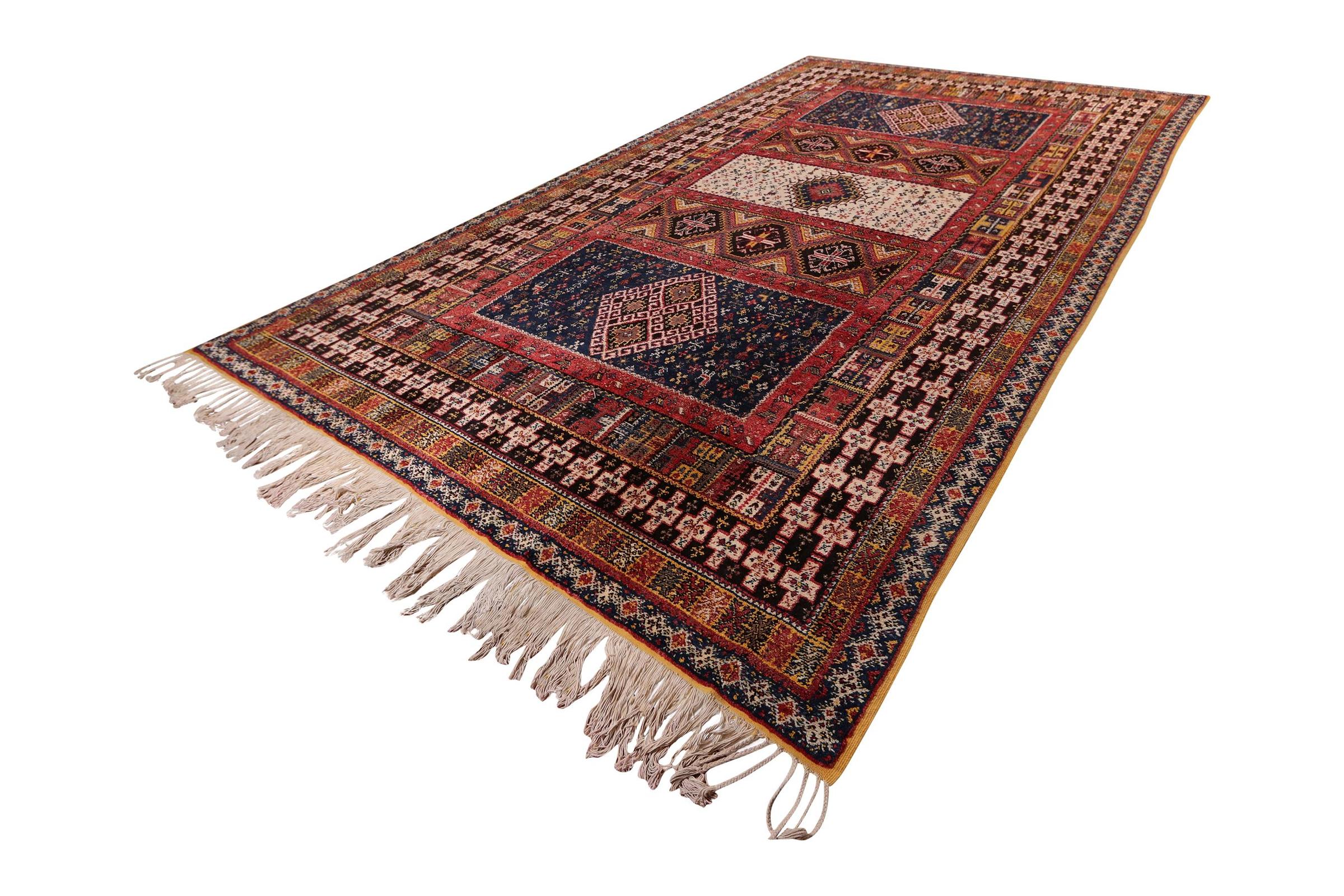
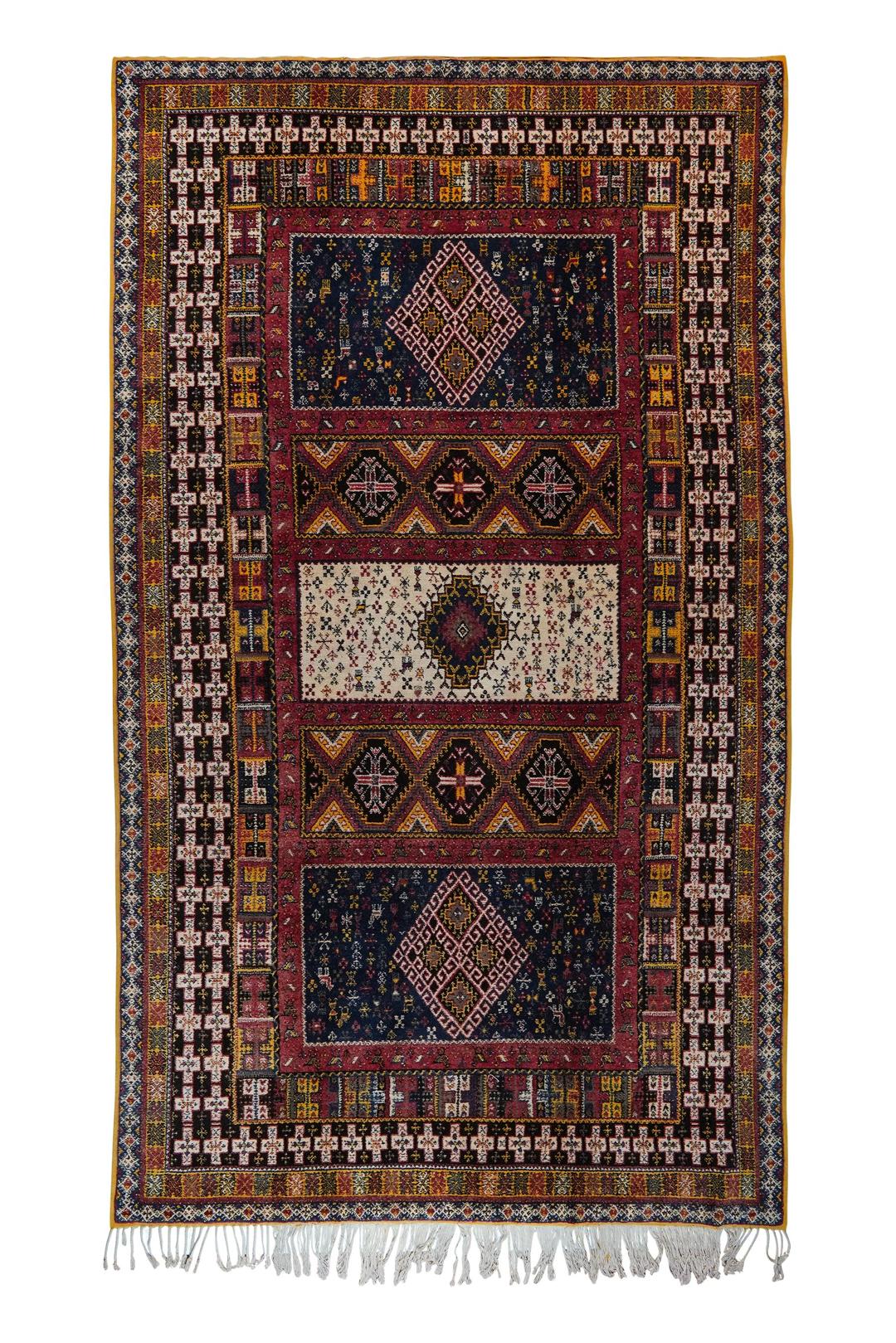
The Berber rugs of Morocco are deeply entwined with the nomadic and semi-nomadic traditions of the Atlas Mountains. For centuries, these rugs have served as essential companions for the Berber people, functioning as sleeping mats, blankets, and floor coverings that provided insulation against the harsh mountain climate. Each rug reflects the specific environment and tribal identity of its weavers, serving as a functional canvas for cultural storytelling.
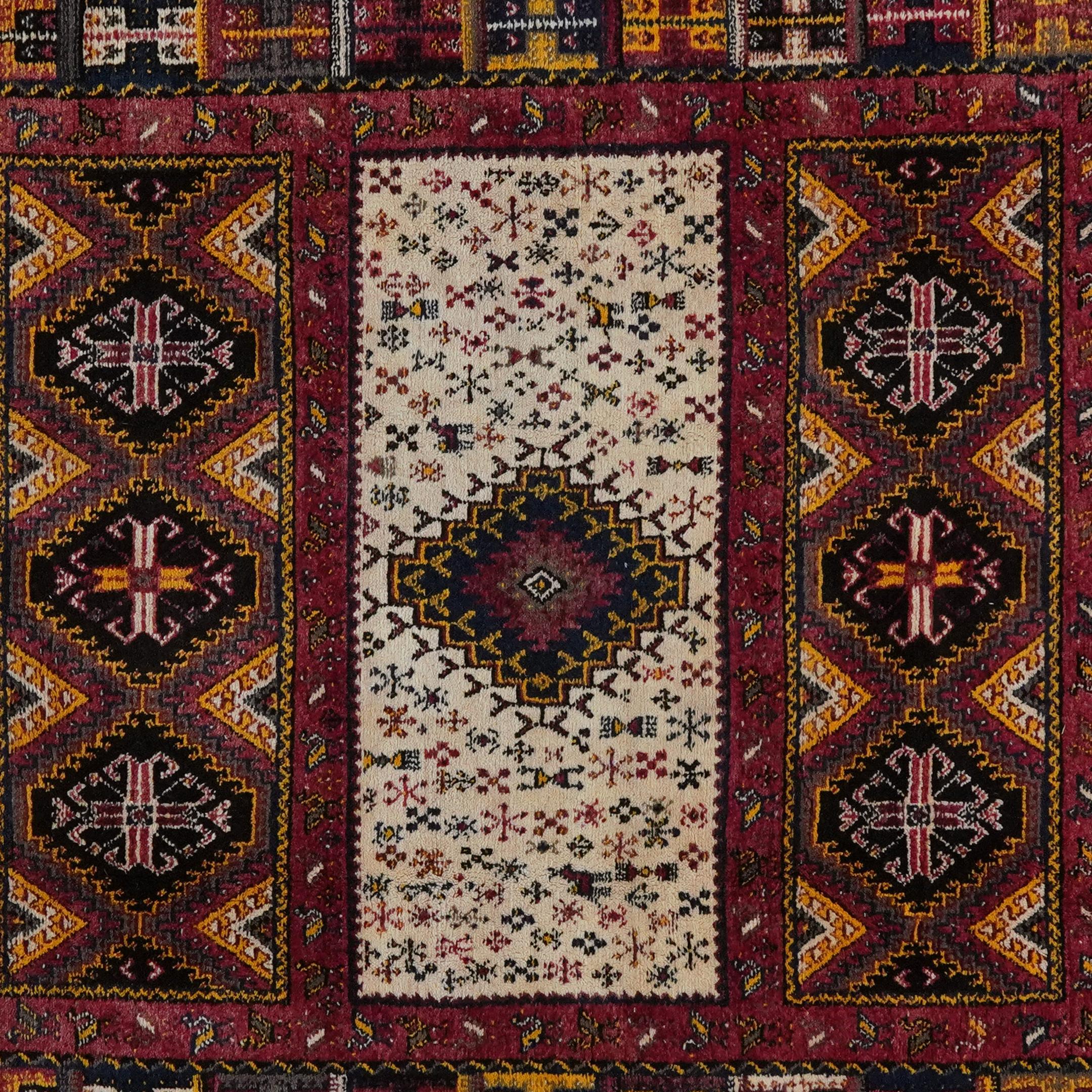
The terminology surrounding these rugs often refers to the regional styles of the Berber tribes, such as the Beni Ourain. These rugs are traditionally woven on vertical looms, where the weaver builds the design from memory rather than a pre-drawn pattern. This improvisational approach is what gives each rug its unique personality, as the weaver incorporates symbols of fertility, protection, and nature directly into the wool as they work.
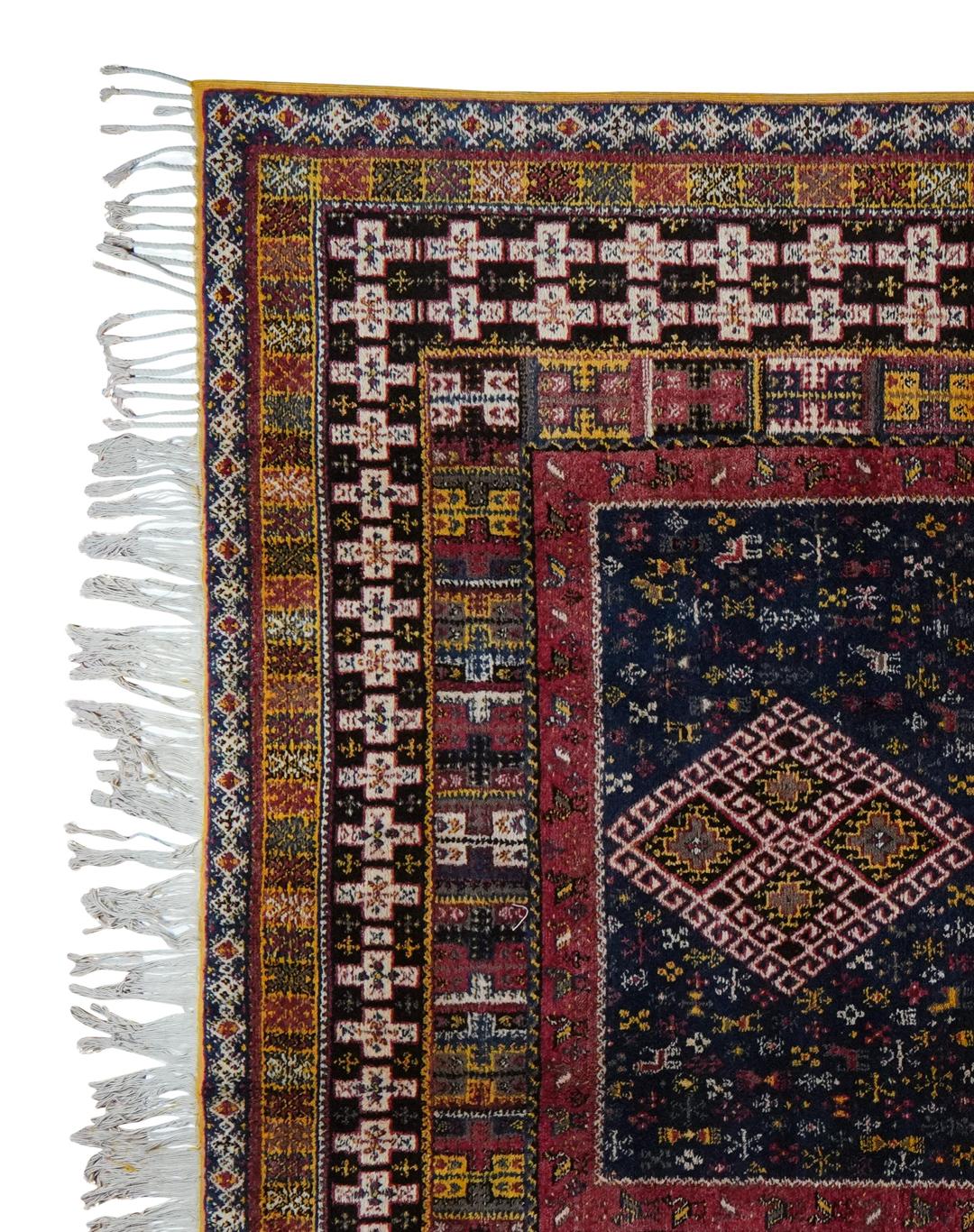
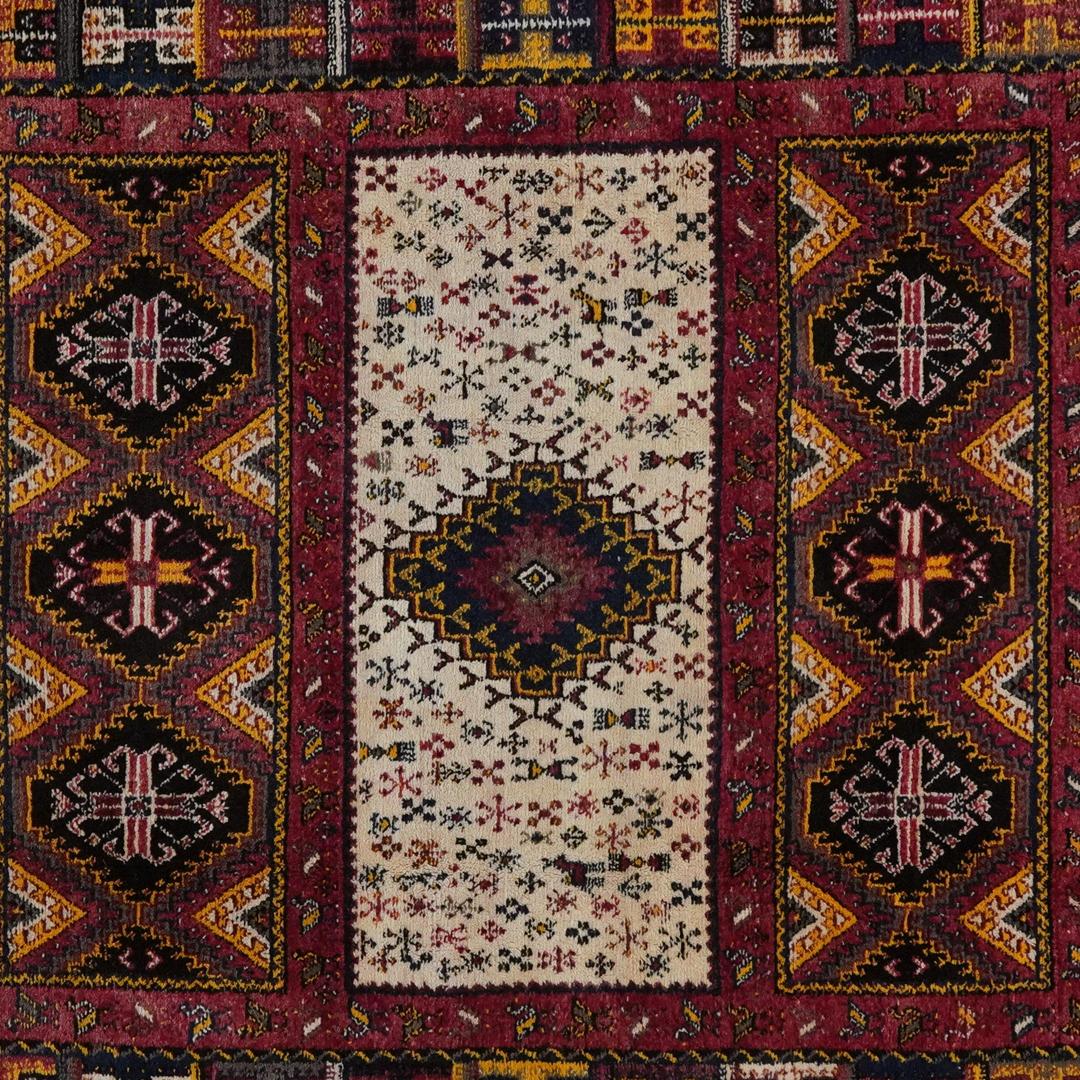
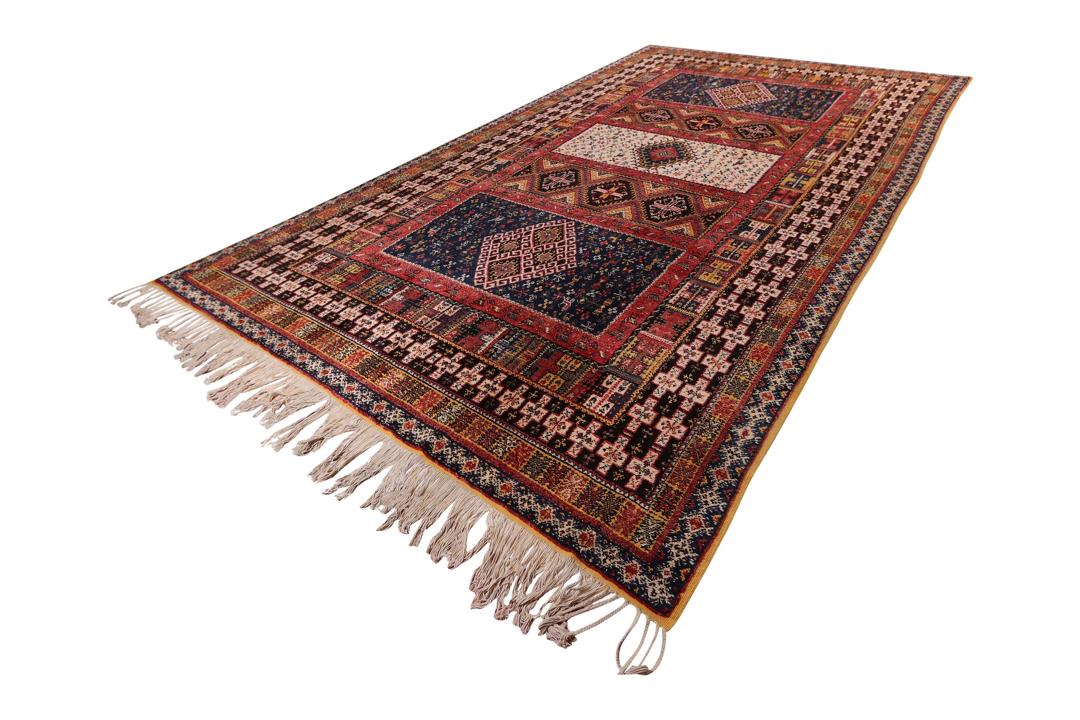
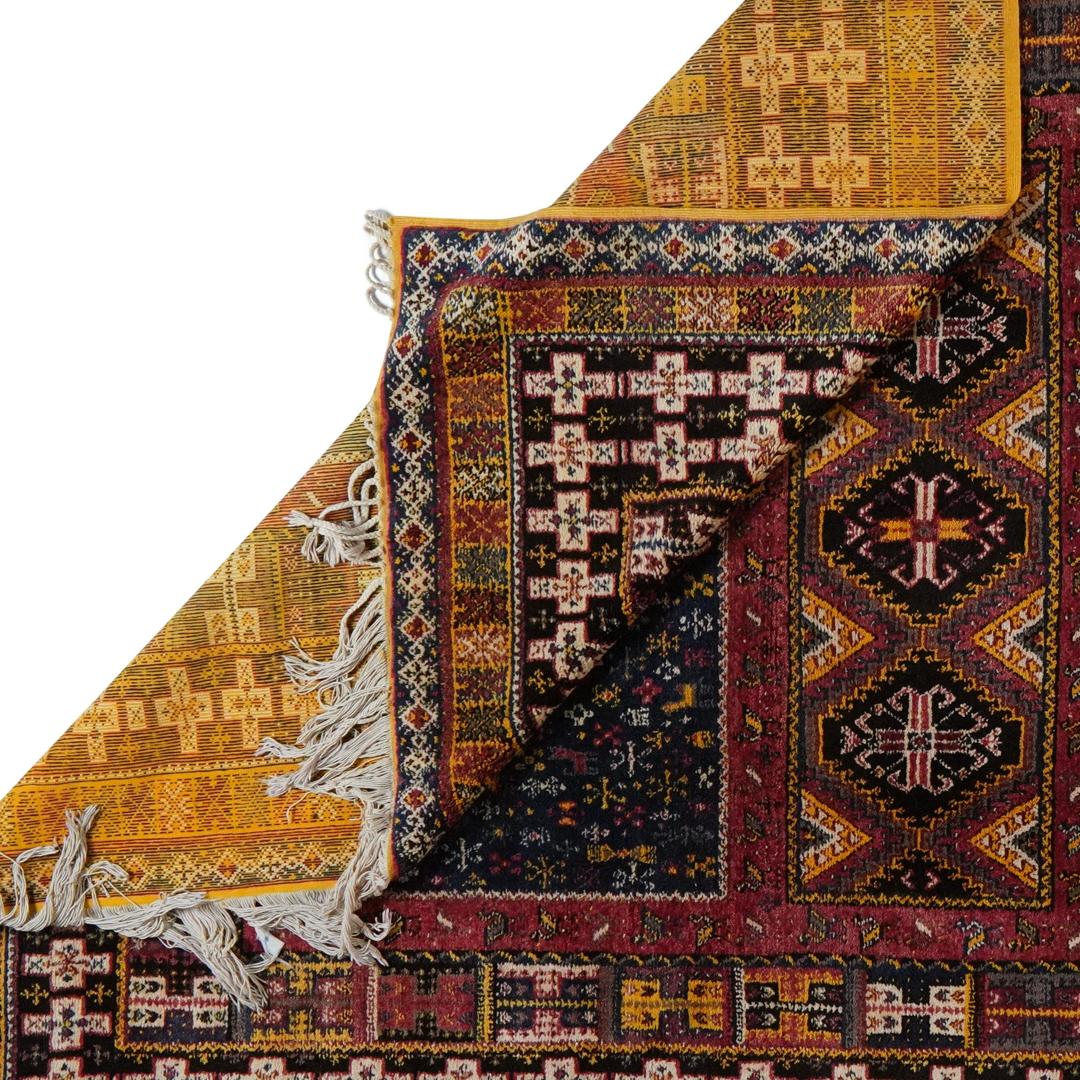
Signature design elements in Moroccan weaving often include bold, geometric diamonds, zig-zags, and stylized animal motifs. In this particular piece, the interplay of dark, moody fields with lighter, contrasting sections creates a sophisticated visual rhythm. The use of vibrant, natural-toned dyes sourced from plants and minerals is a hallmark of the tradition, allowing the colours to age gracefully and develop a beautiful patina over time.
Today, these rugs are highly sought after by collectors and interior enthusiasts for their raw, authentic beauty and historical weight. Owning a vintage Berber rug means preserving a piece of cultural history that is rapidly evolving. It represents a commitment to slow craft and a connection to the skilled hands of the Atlas Mountains, offering a level of depth and soul that is increasingly rare in the modern world.