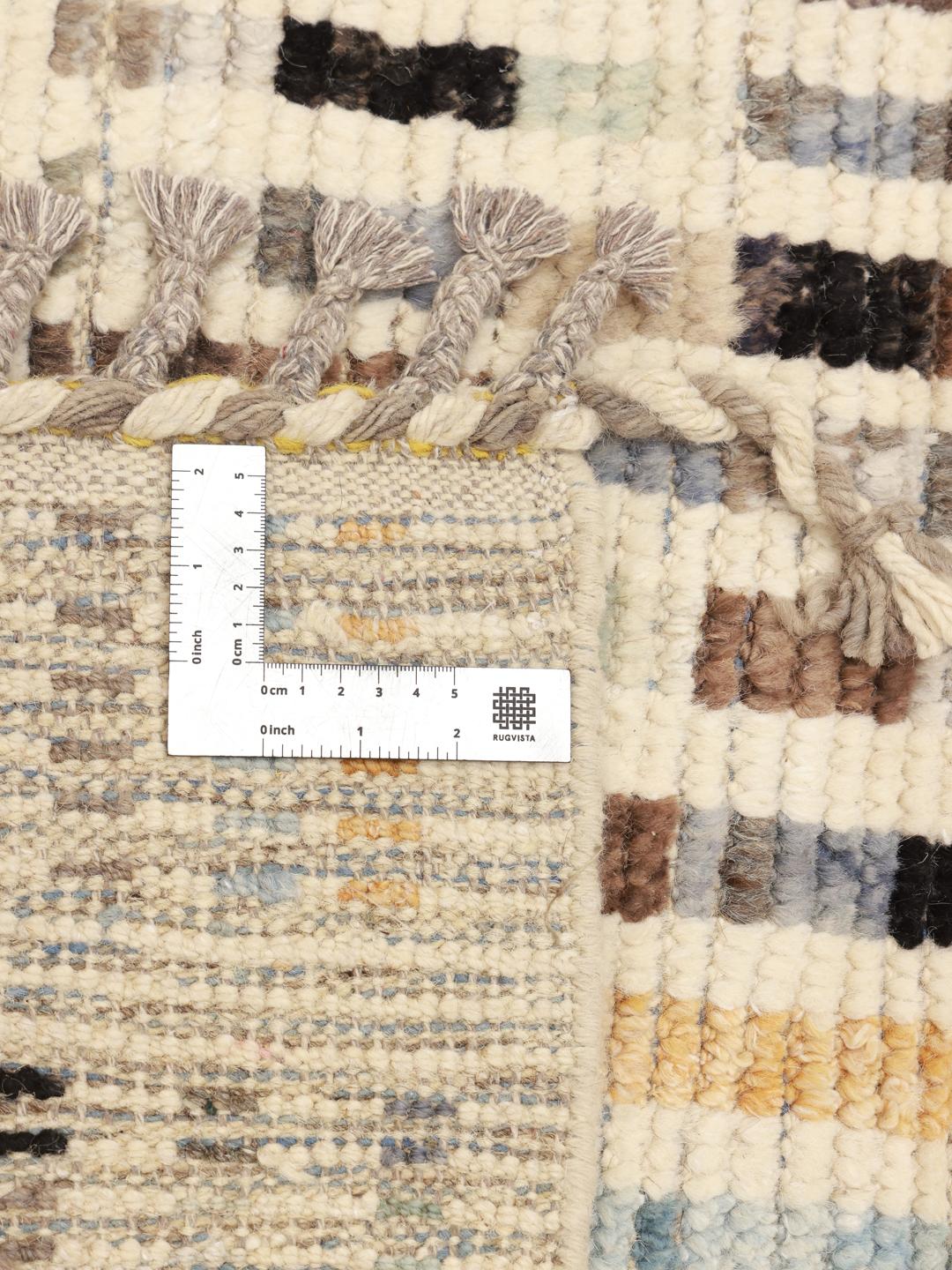
Berber rugs are rooted in the ancient traditions of North Africa, where they were originally created by tribal communities for practical warmth and shelter. Over time, these weaving techniques have been adopted and adapted by artisans across the Middle East and Central Asia, including in Afghanistan, where they have evolved to incorporate local aesthetics and regional Wool qualities.
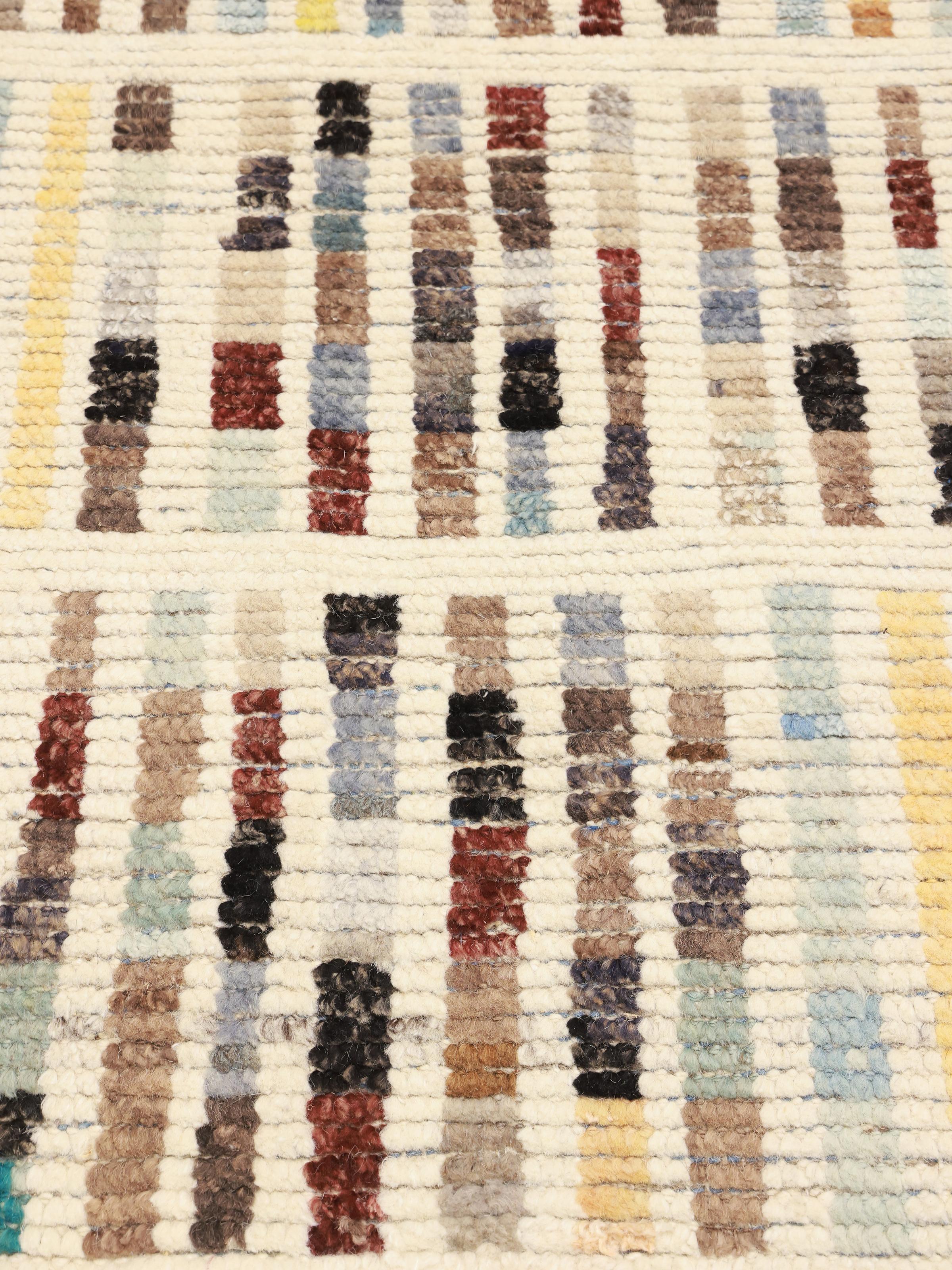
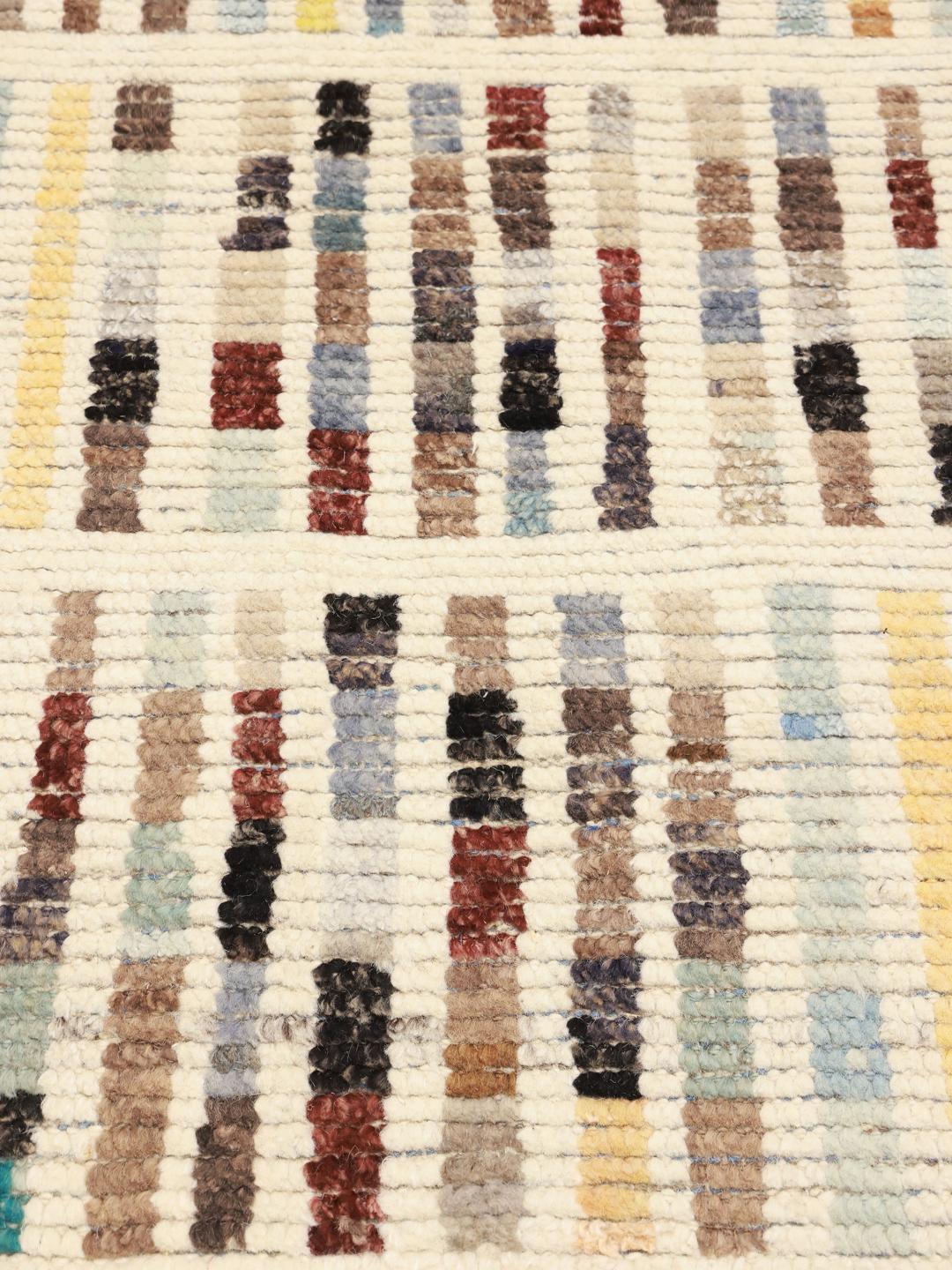
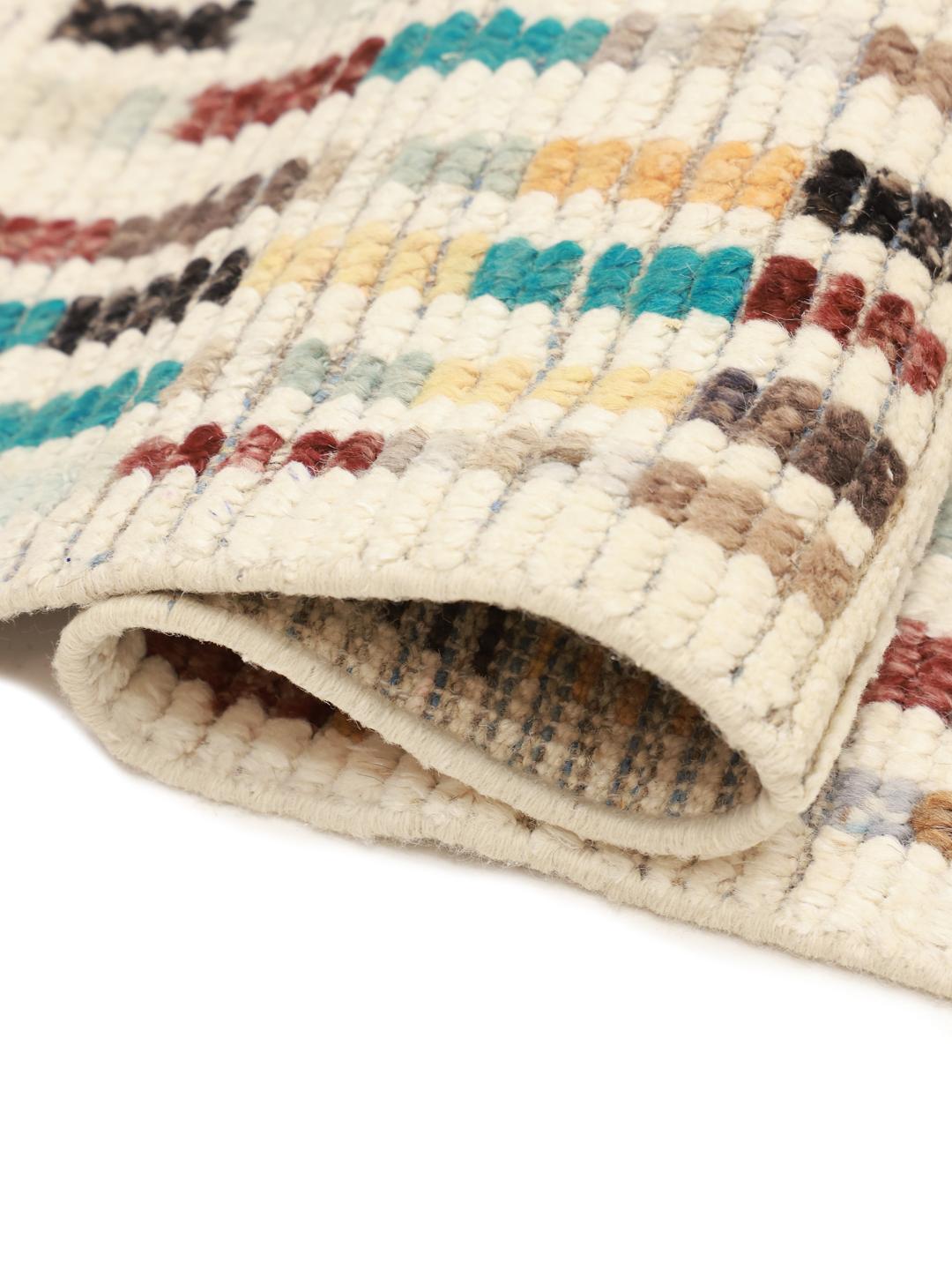
The term hand-knotted refers to the traditional method of securing the pile to the warp and weft foundation. This labour-intensive technique is the hallmark of quality in rug making, as it allows for intricate designs and a durable, dense pile that can withstand years of use while retaining its soft, inviting texture.
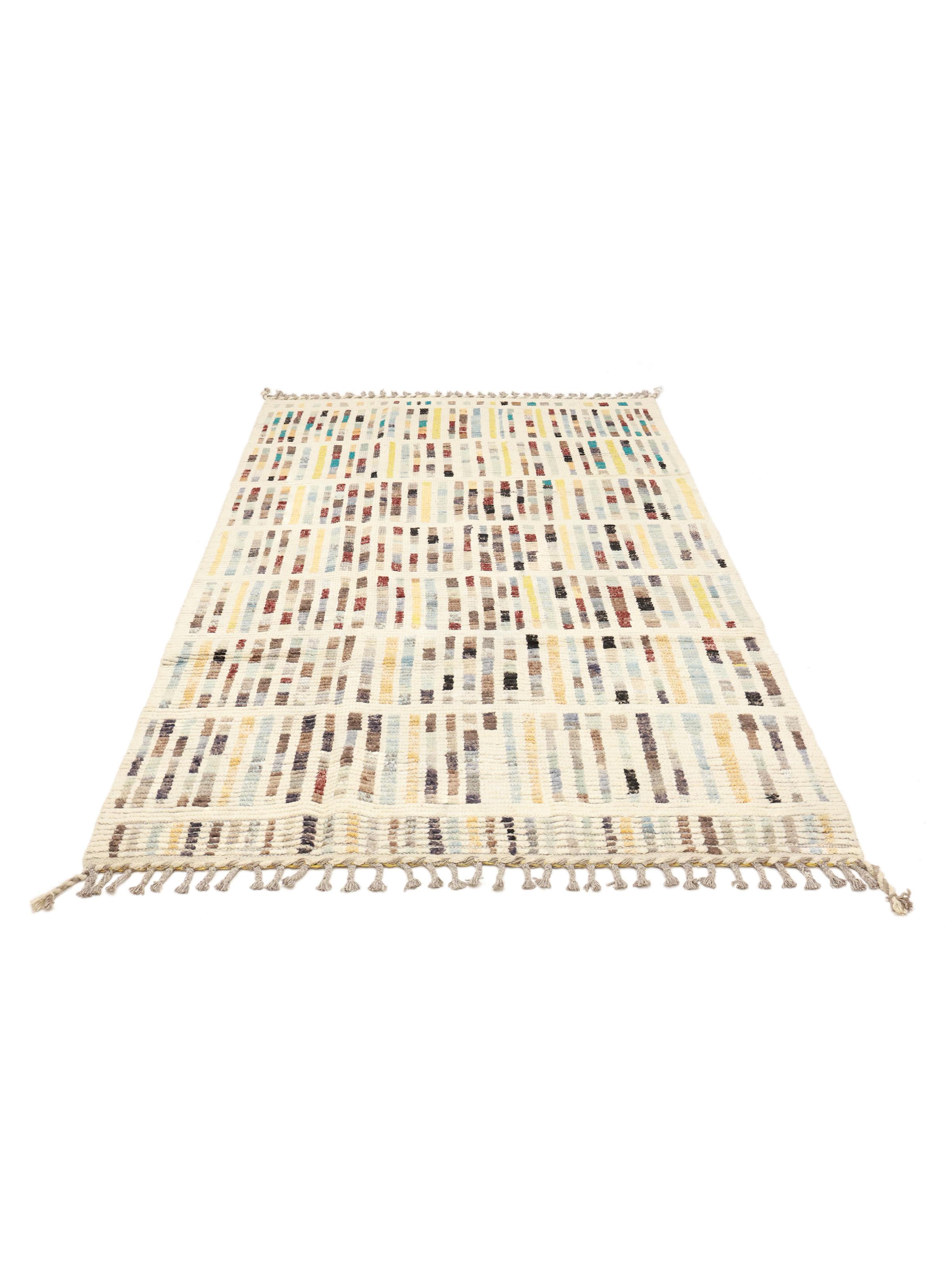
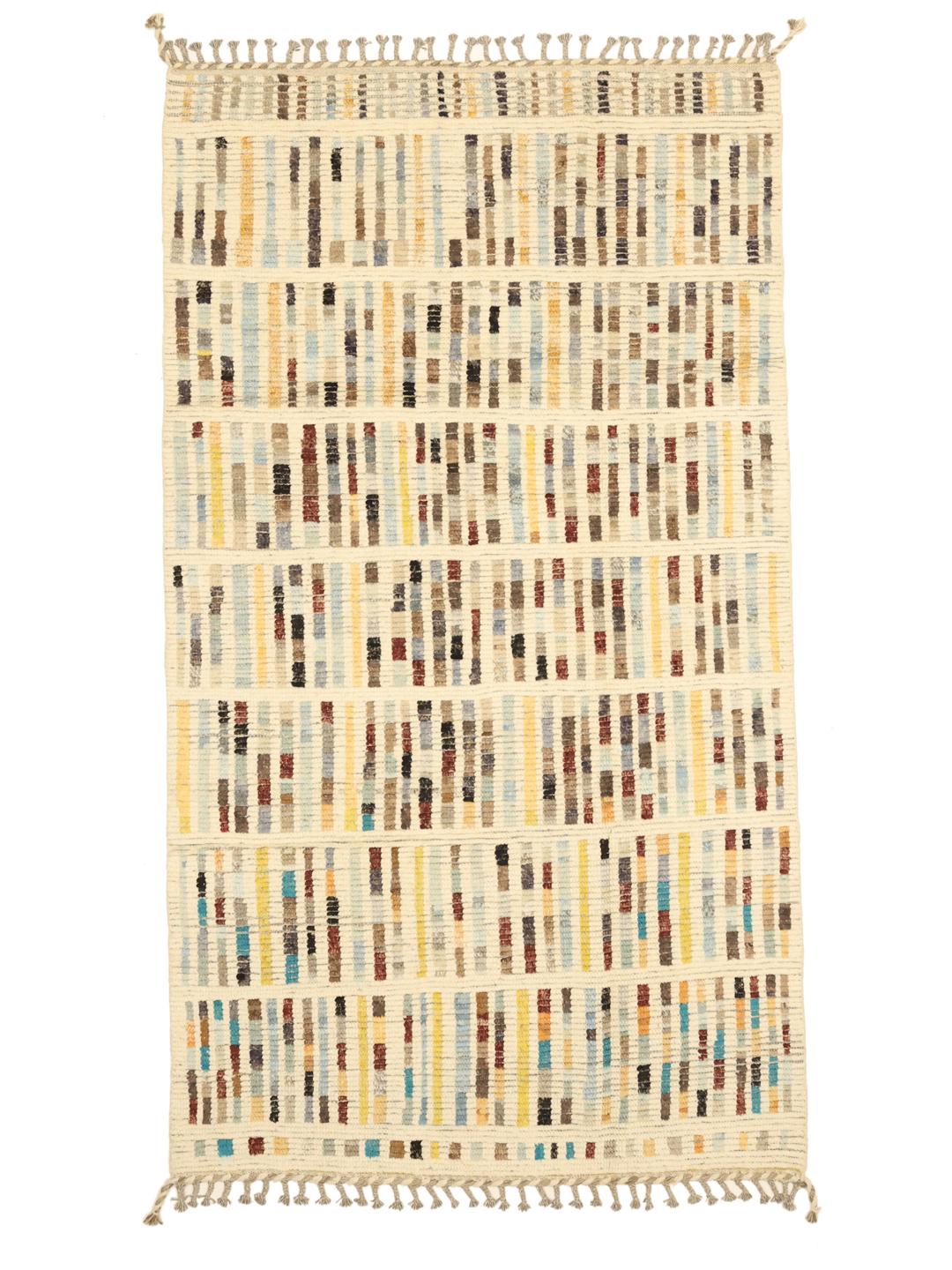
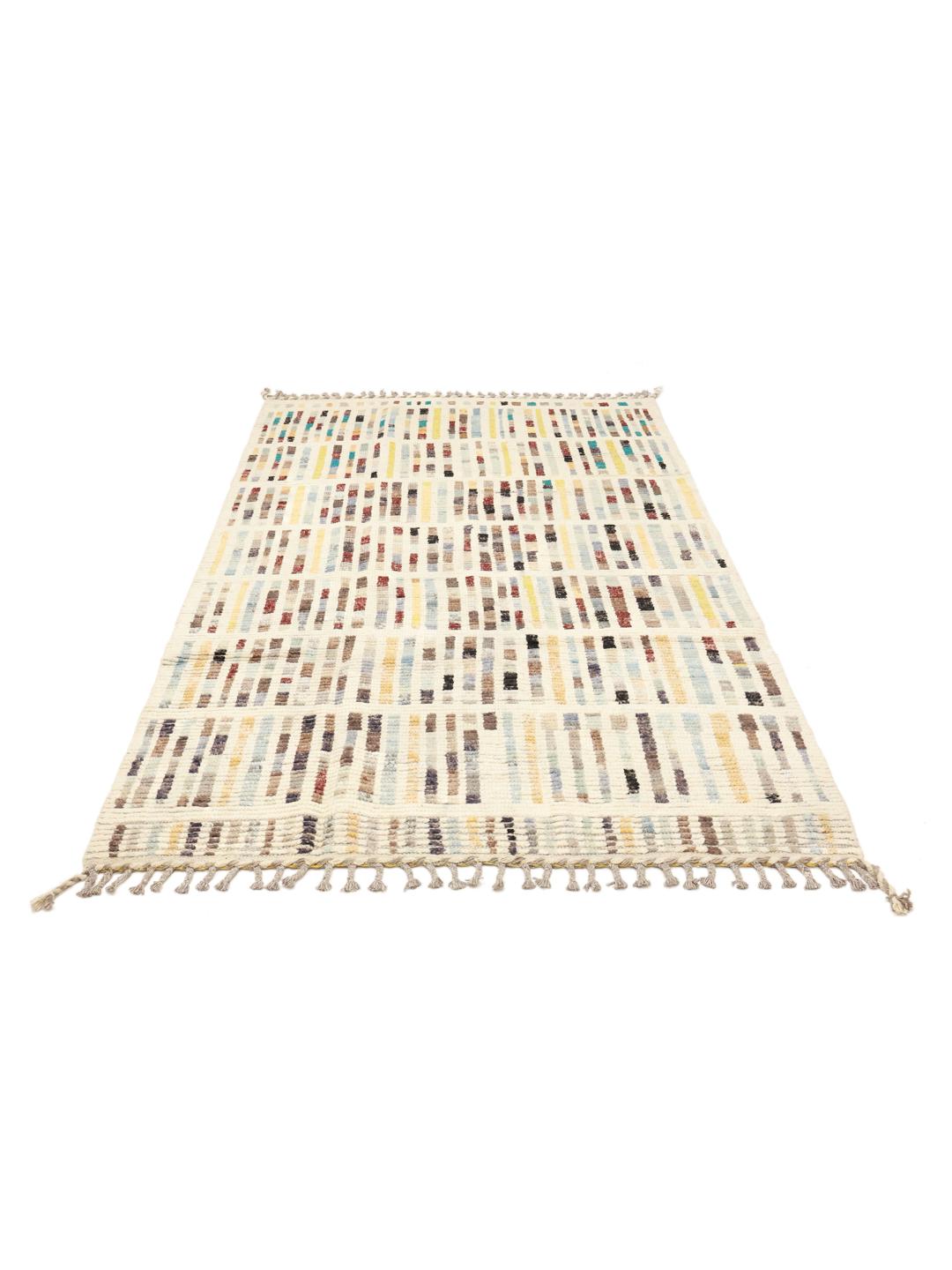
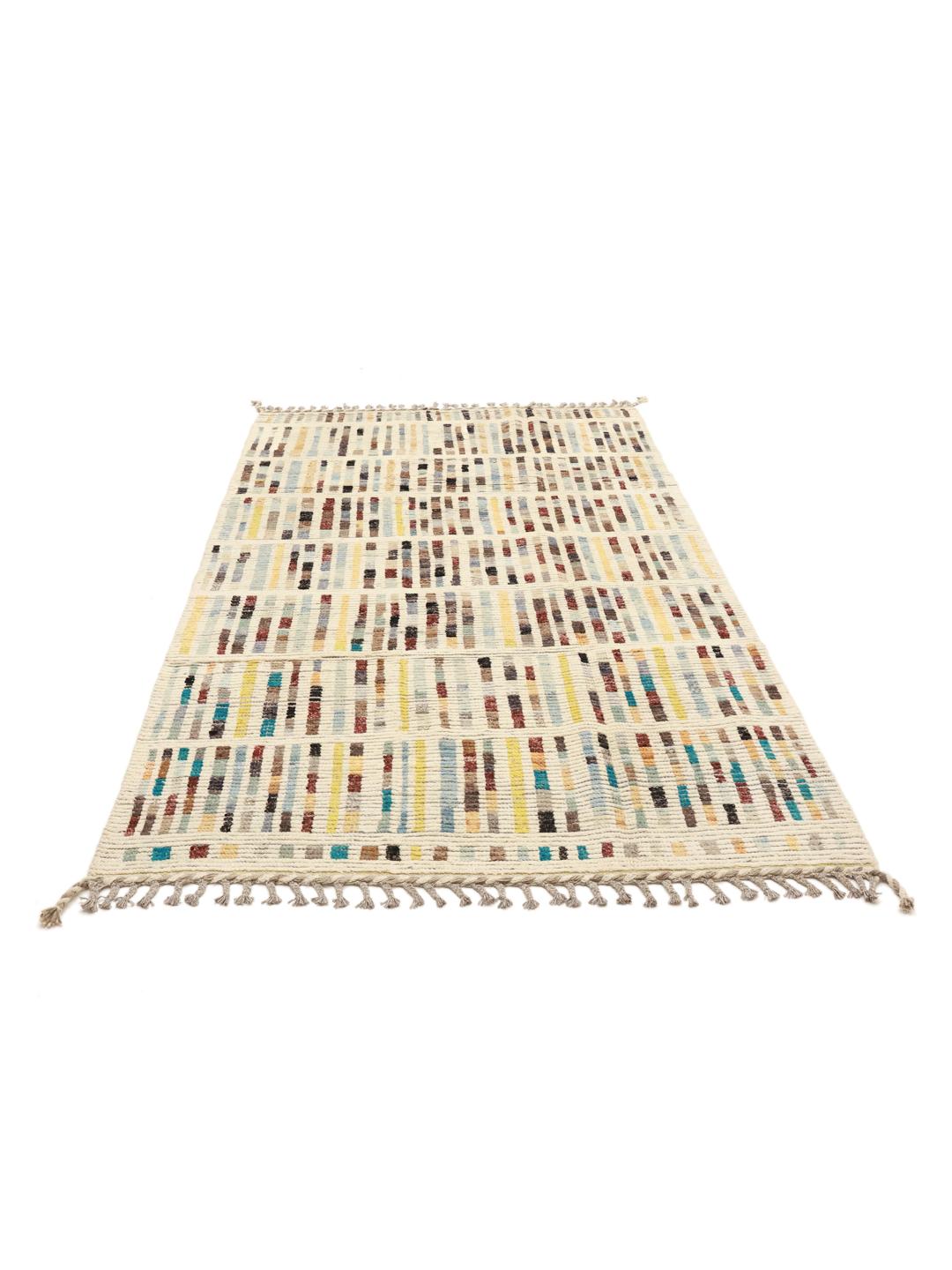
Visually, this style is characterised by its minimalist base, often in neutral tones, which serves as a canvas for rhythmic, abstract patterns. The use of varied, vibrant colours within a structured layout is a signature of this tradition, creating a balance between orderly geometry and the expressive, free-form nature of hand-made textiles.
Owning a hand-knotted rug from this lineage is an investment in cultural heritage and human skill. These pieces are highly valued by collectors and homeowners alike, not only for their aesthetic appeal but for the story they tell of a craft passed down through generations. Choosing such a rug means embracing a piece of history that brings both soul and lasting quality into your living space.