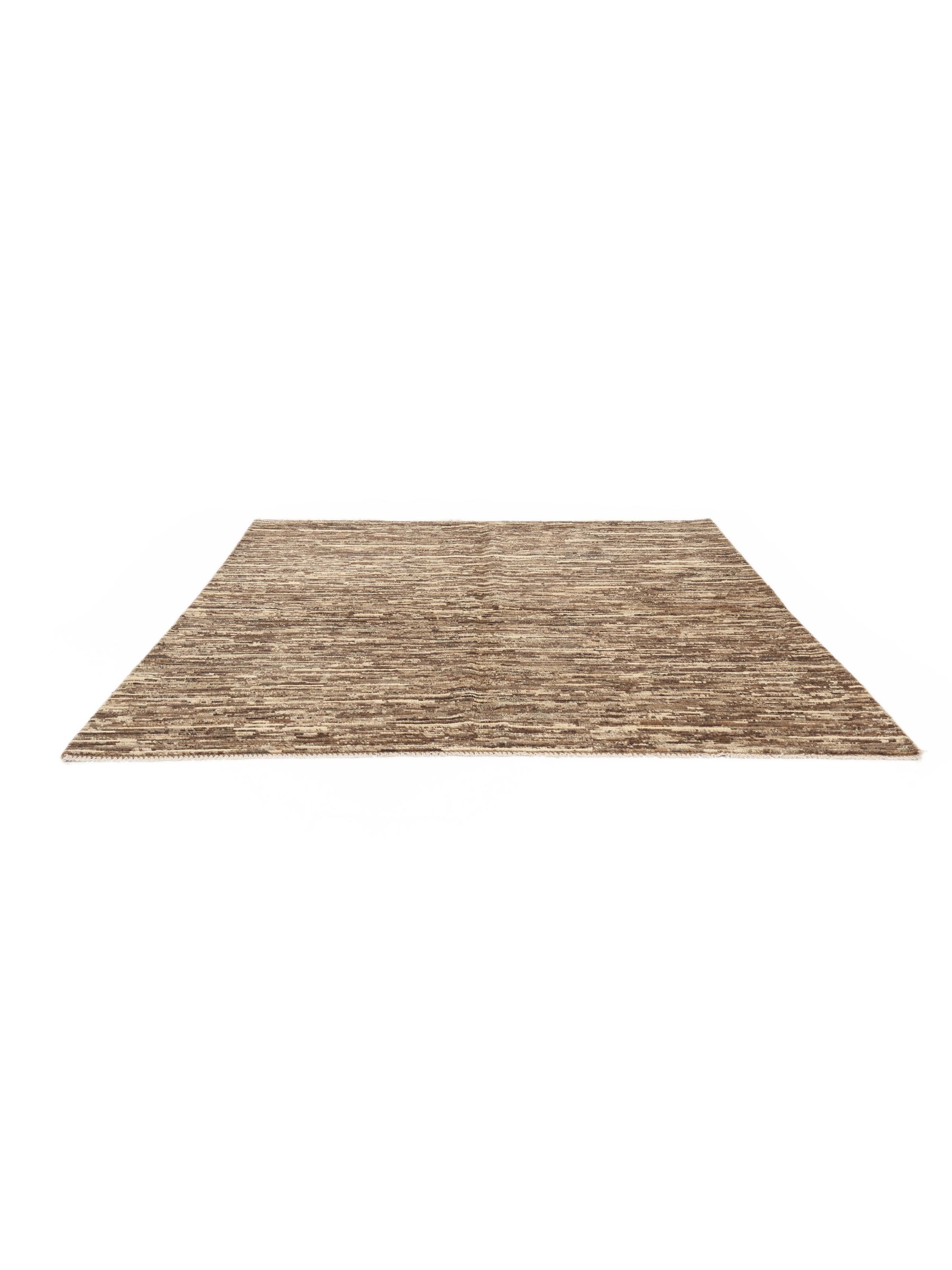
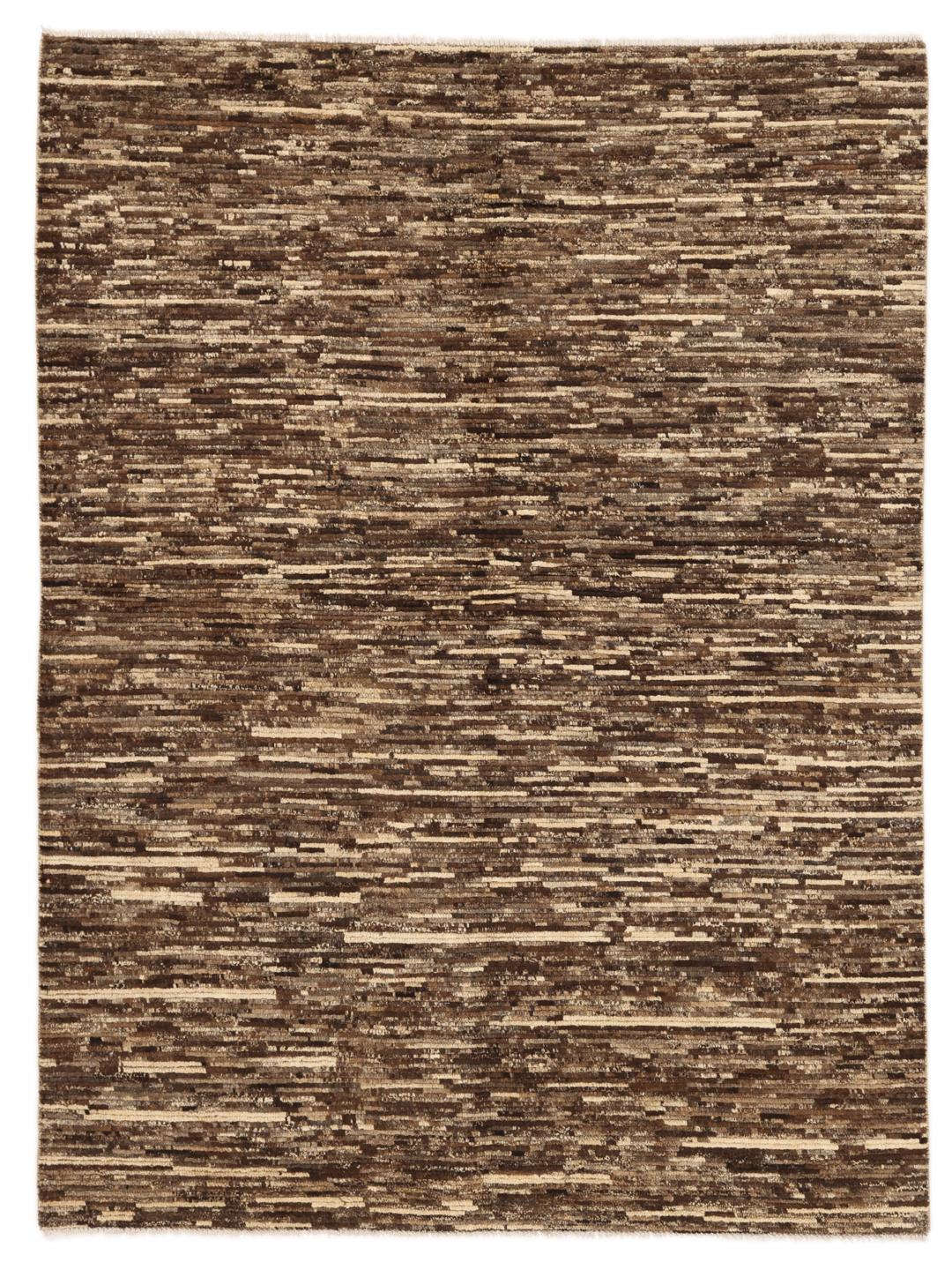
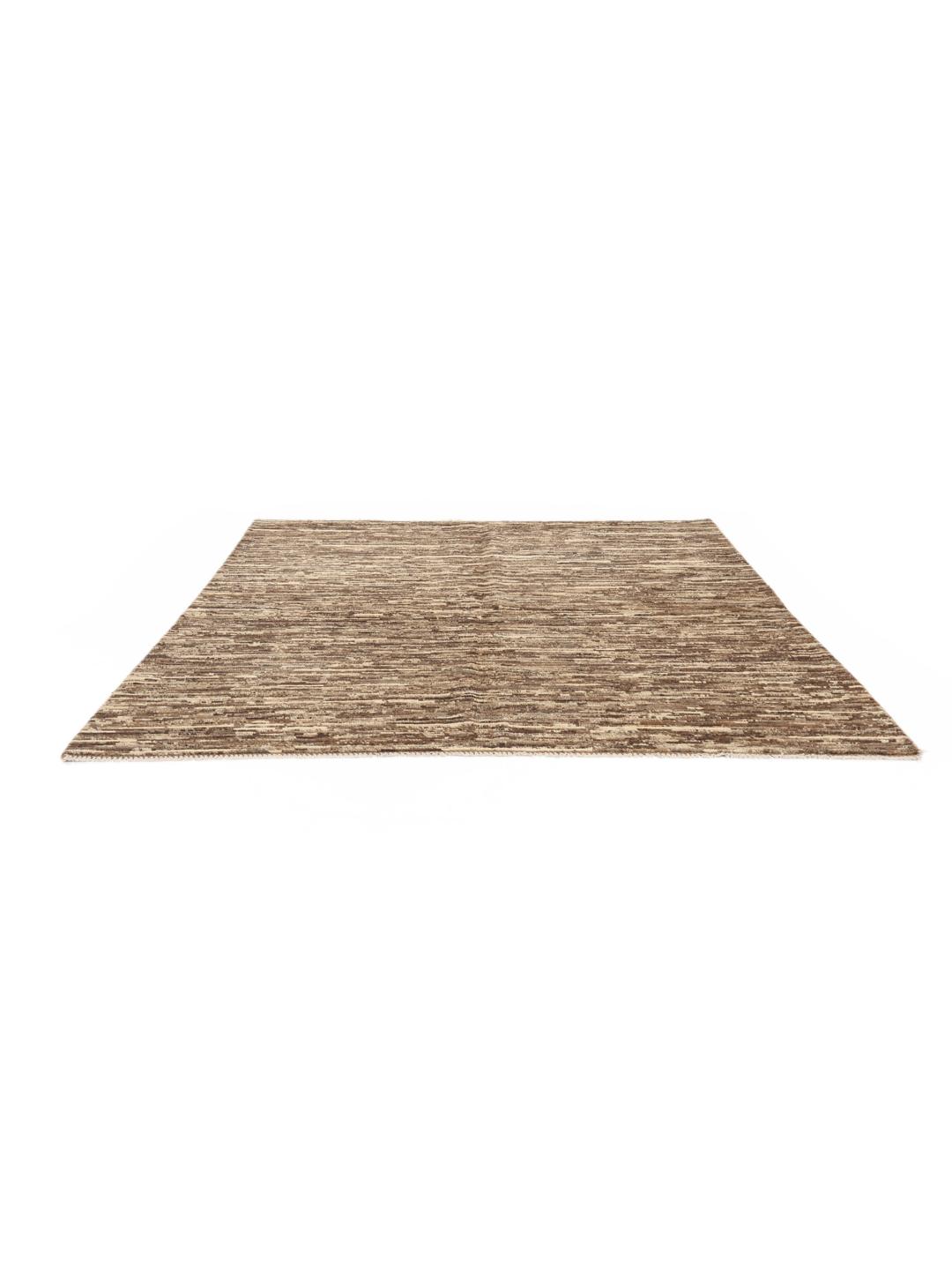
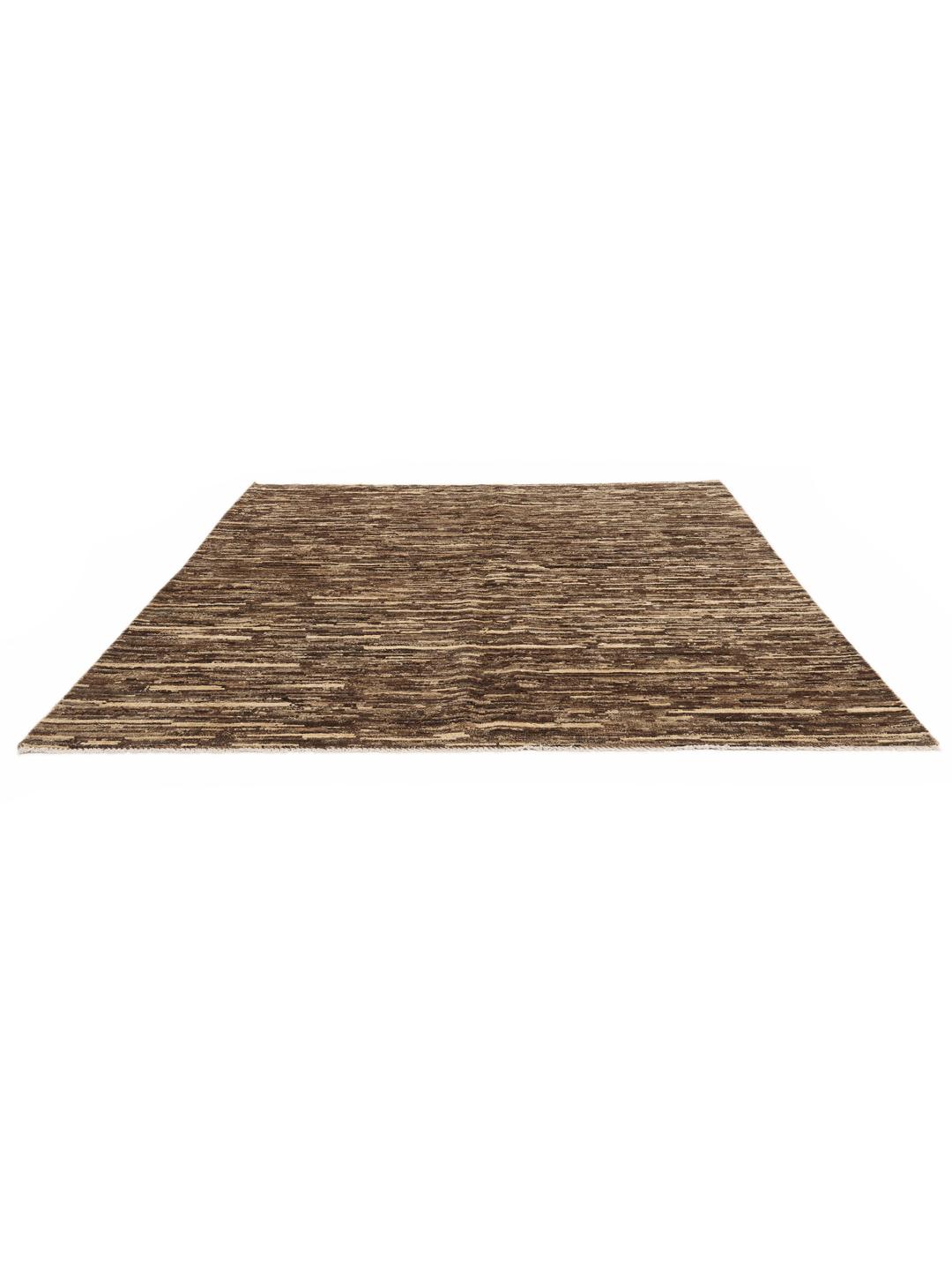
The Berber style rug draws its inspiration from the ancient, nomadic weaving traditions of North Africa, yet this particular piece finds its roots in the masterfully evolving craft scene of Afghanistan. While the style is traditionally associated with the tribal groups of the Atlas Mountains, the migration of these design principles has allowed Afghan artisans to interpret the aesthetic with their own unique sensibilities, blending classic tribal motifs with the rugged, high-altitude wool characteristic of the region.
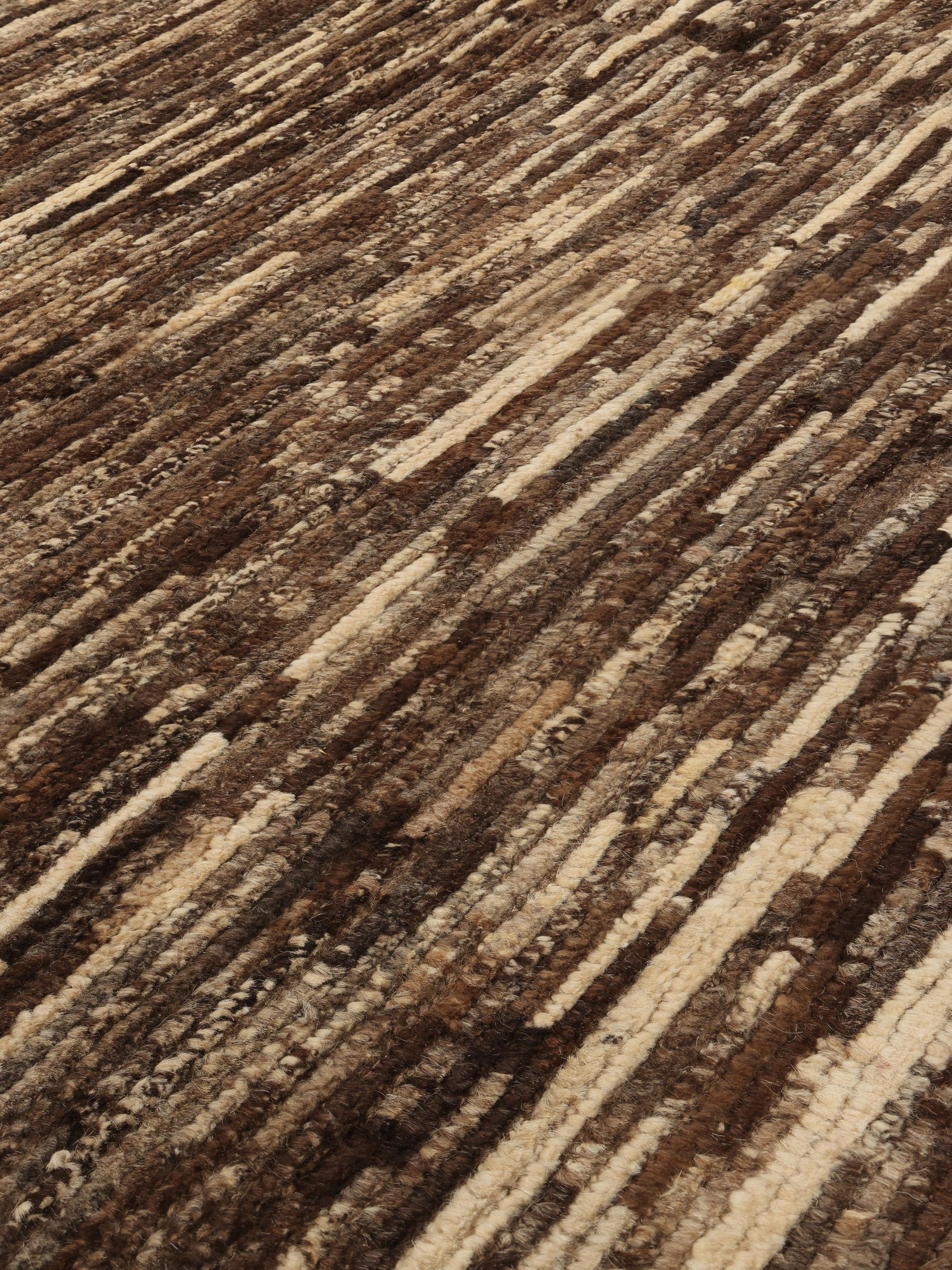
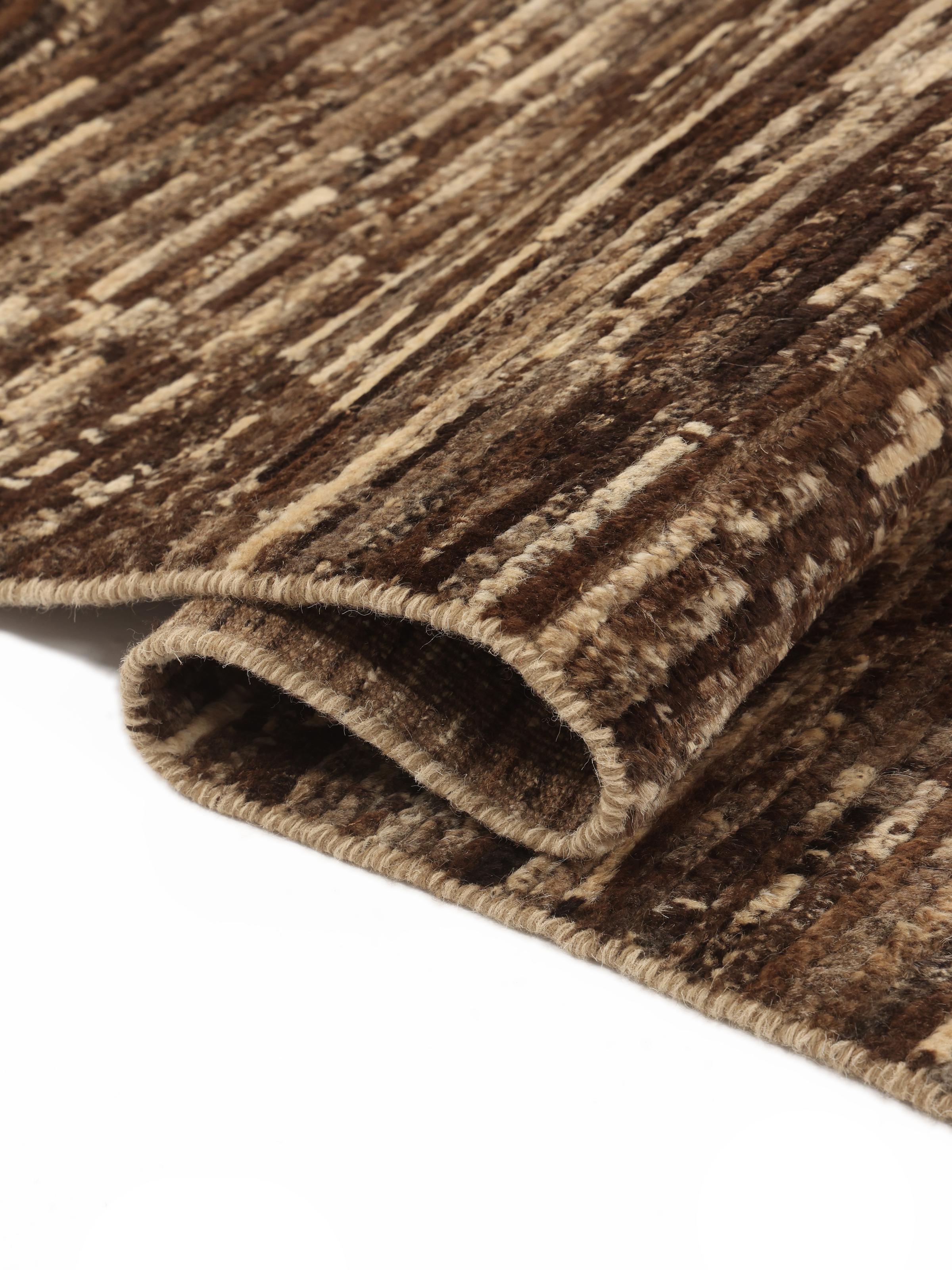
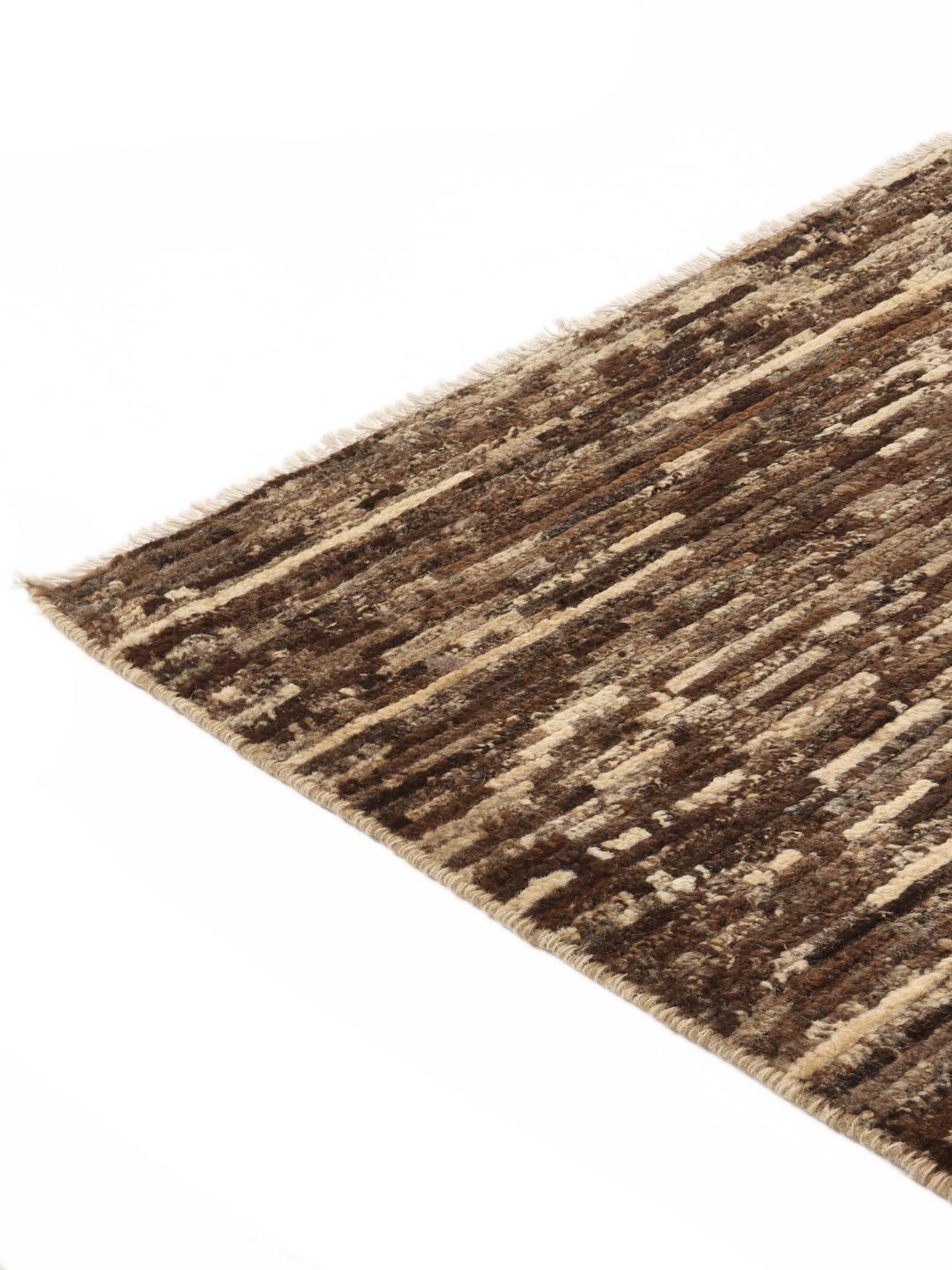
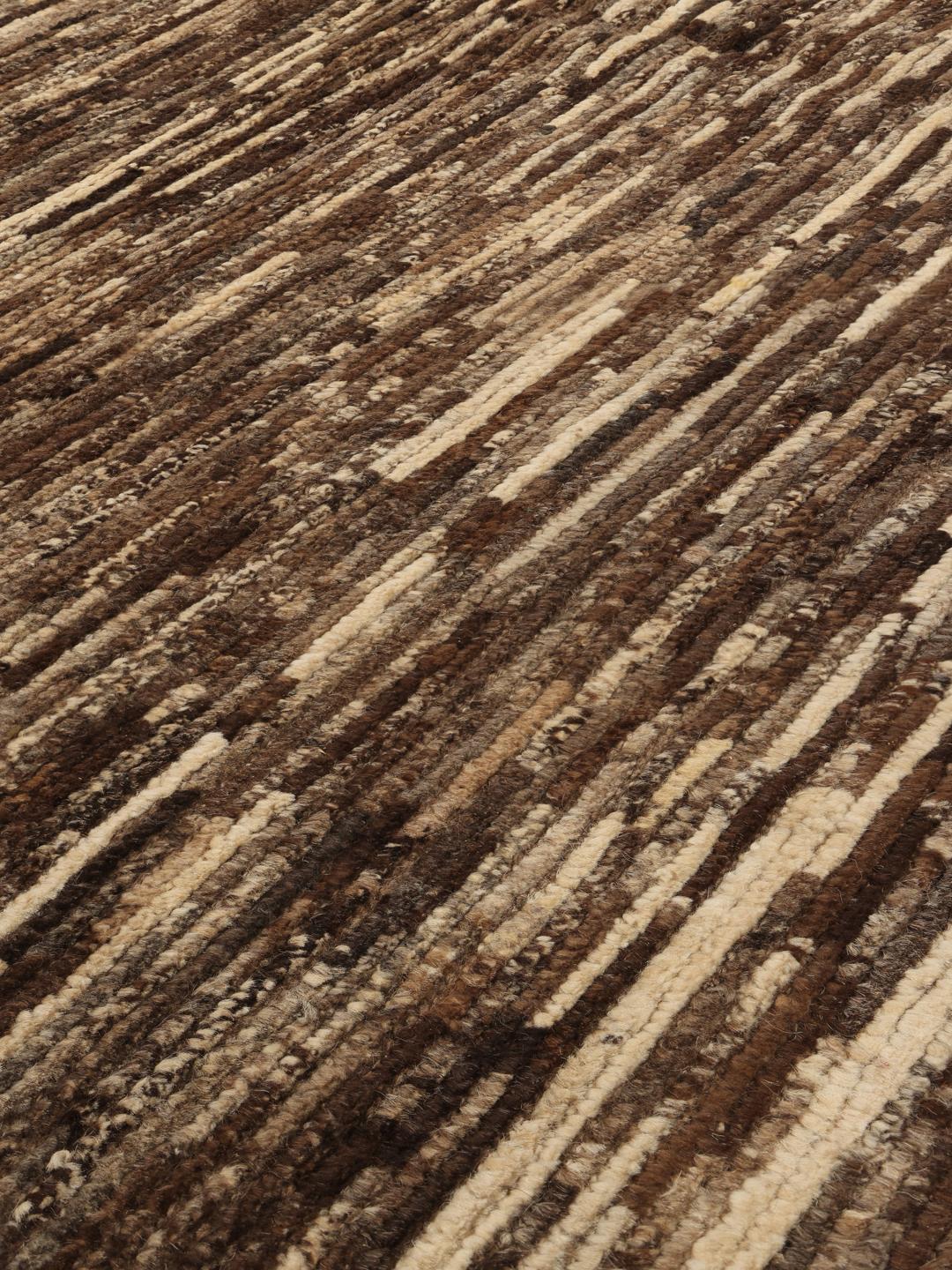
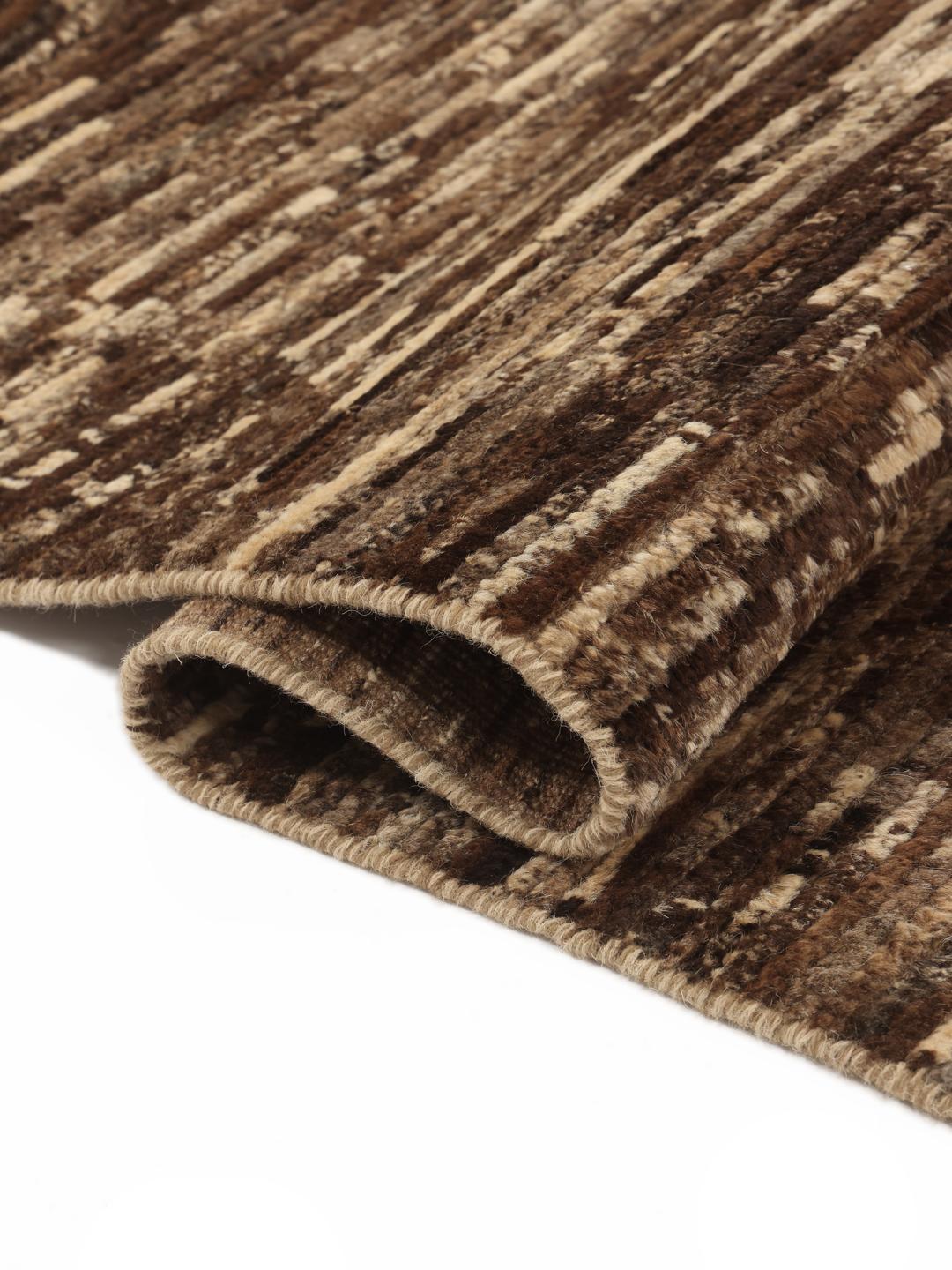
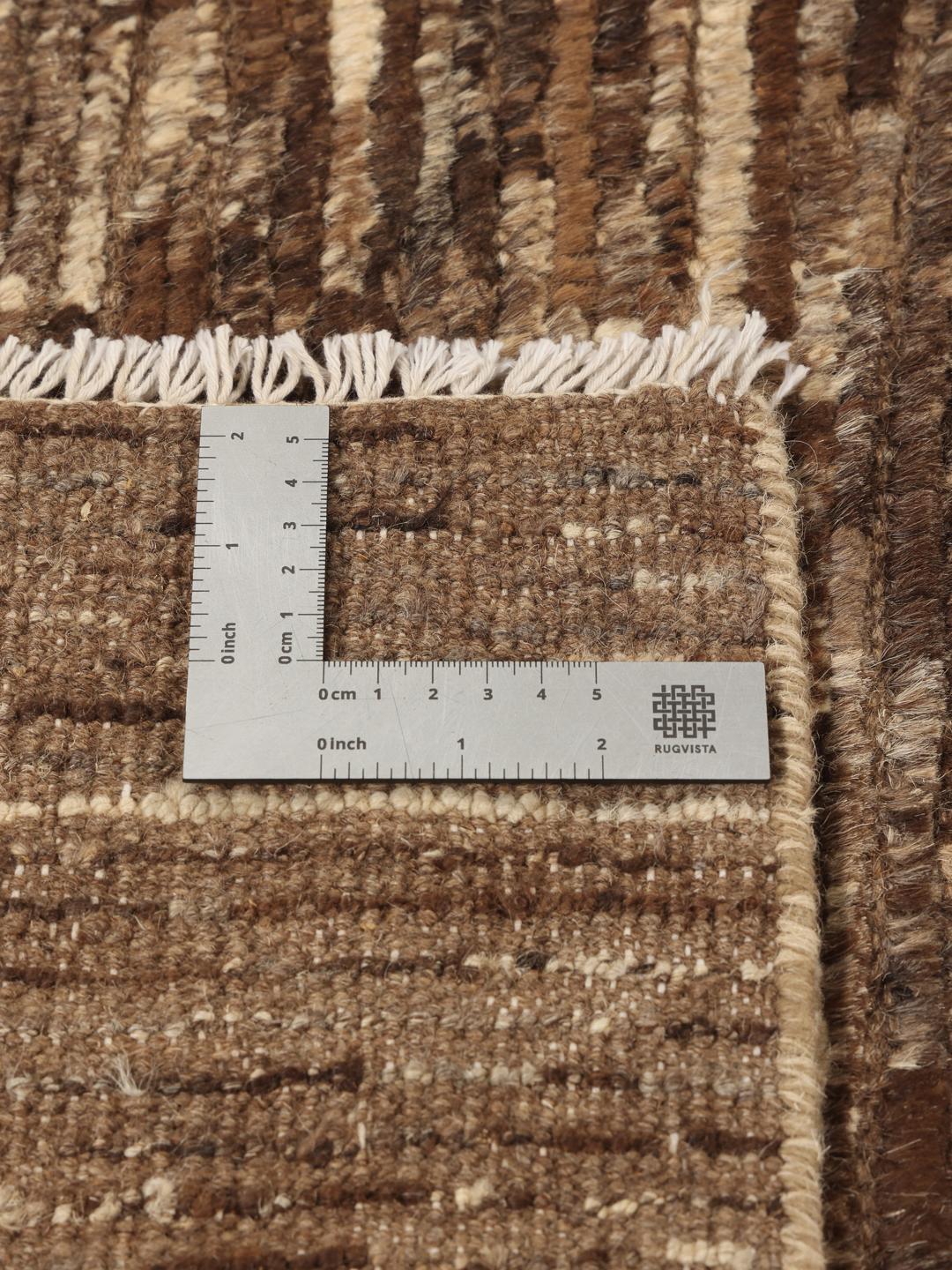
In the context of hand-knotted rugs, the term 'hand-knotted' refers to the sophisticated process of tying individual strands of wool onto the warp and weft foundation. This method is the hallmark of quality in the rug world, as it allows for a density and longevity that is impossible to achieve through modern machine looms. The resulting pile is not only luxurious to the touch but also highly resistant to the wear and tear of daily life, making it a functional piece of art.
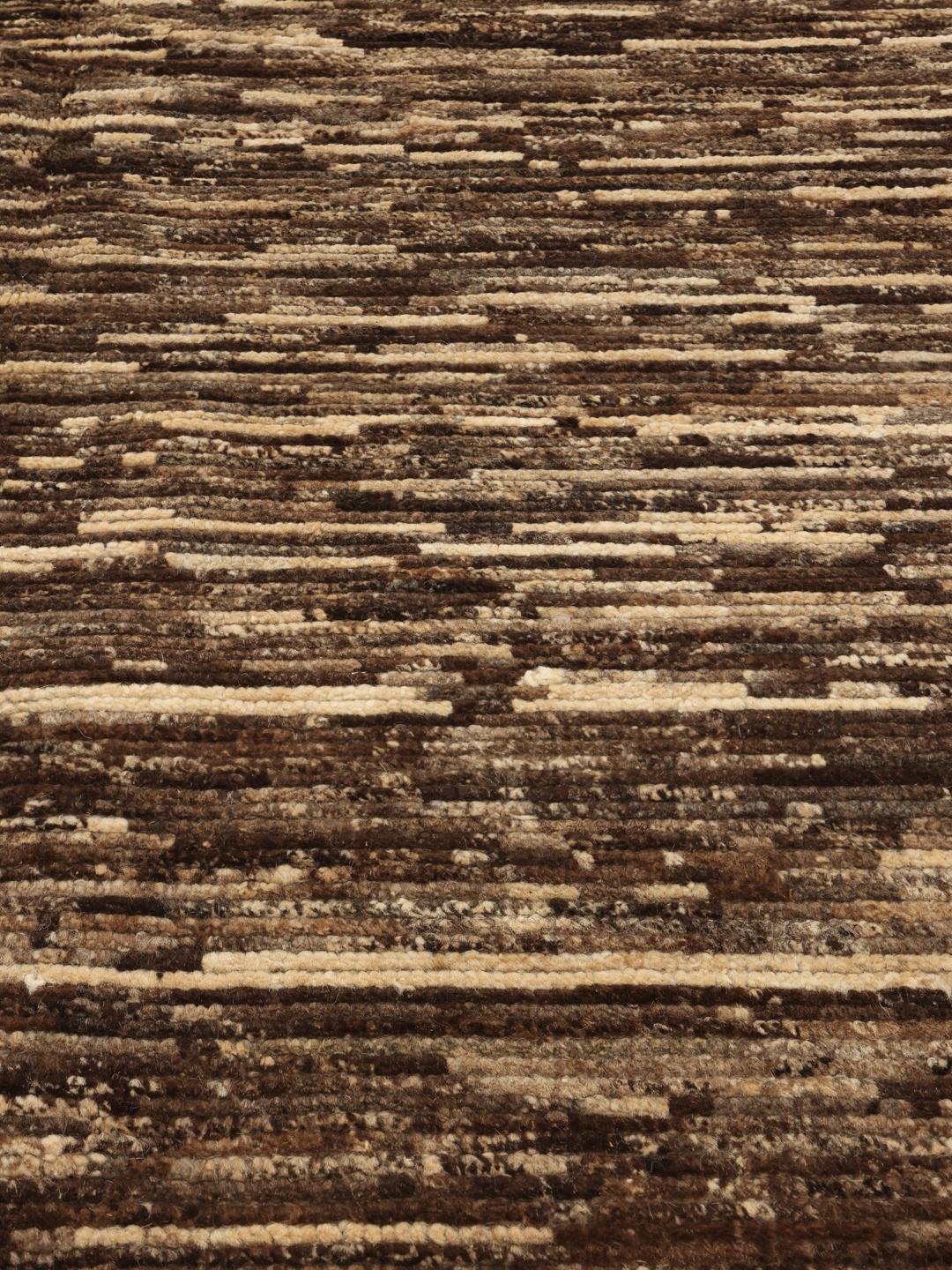
The signature design elements of this tradition often revolve around simplicity and geometric repetition, focusing on the interplay of colour and light rather than elaborate floral patterns. The use of natural, earthy tones reflects a deep connection to the environment, while the linear, textured appearance creates a modern, minimalist appeal. This rug stands out within its tradition by leaning into a subtle, layered aesthetic that feels both ancient and contemporary.
Collecting a rug from this tradition is an investment in human history and the preservation of ancient skills. Owning such a piece signifies an appreciation for the slow, deliberate pace of traditional craft, where the value lies in the human touch and the natural variations that appear in the finished work. It is more than just a floor covering; it is a cultural artifact that brings a sense of authenticity and lasting beauty to your home environment.