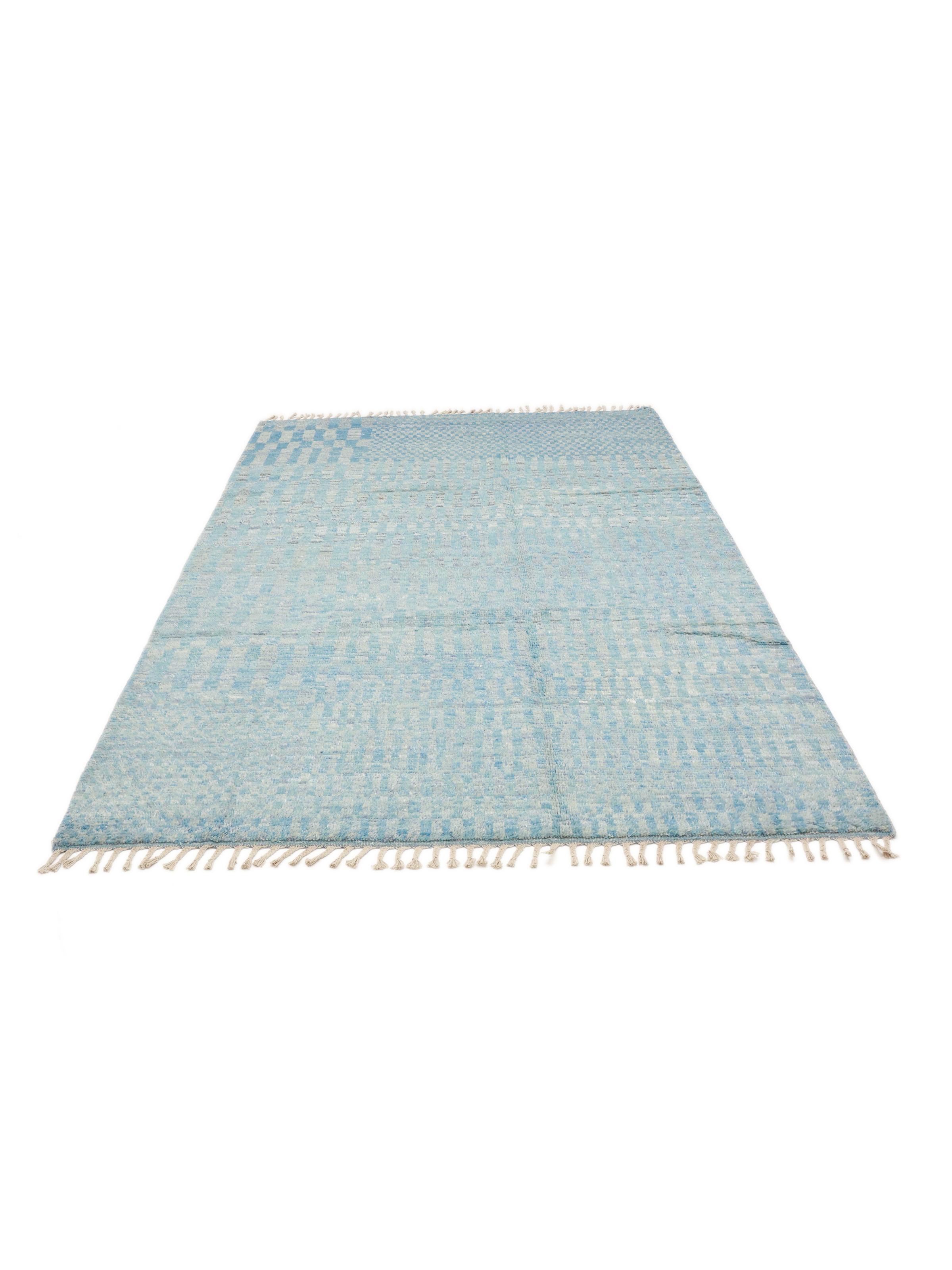
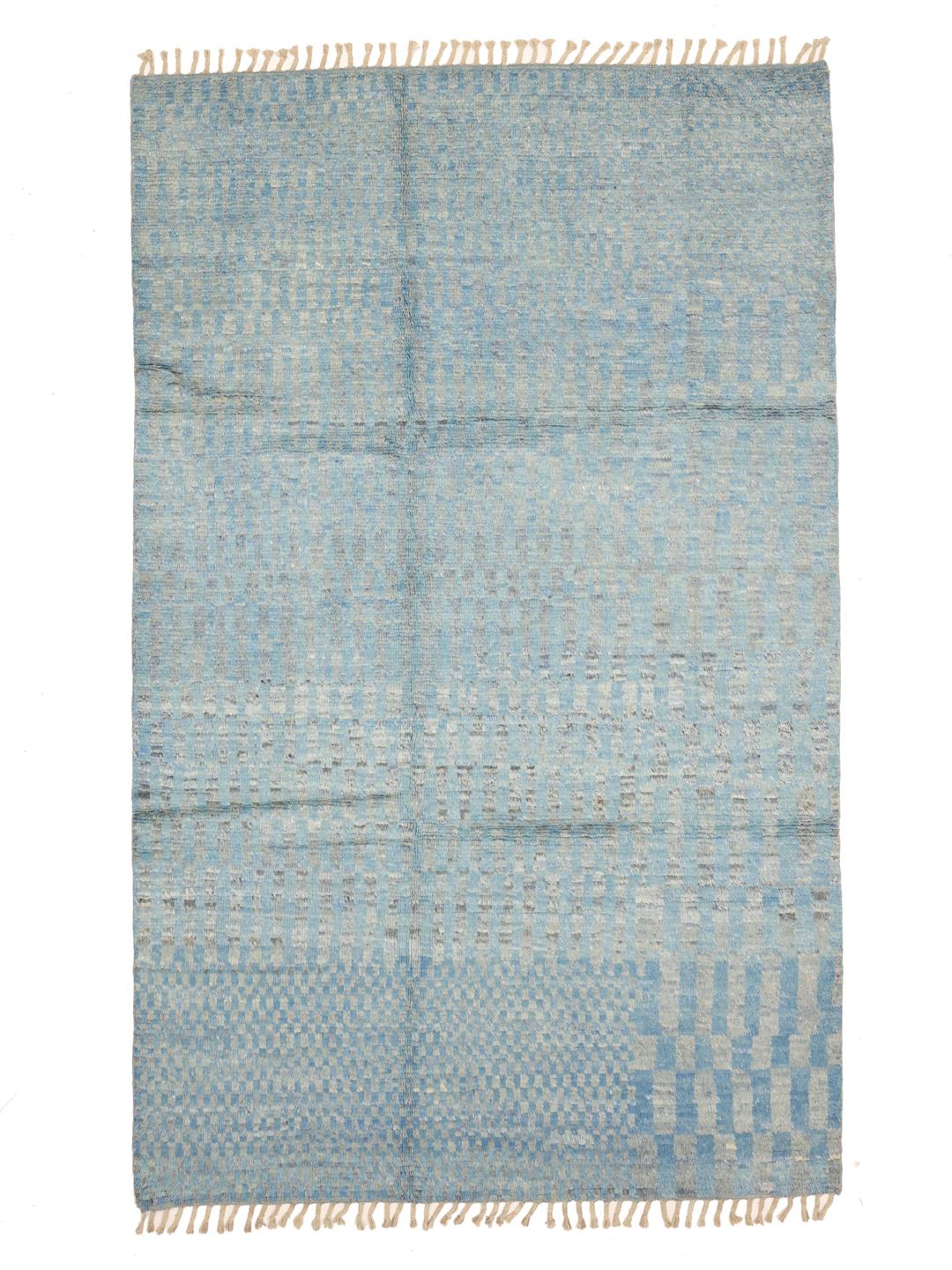
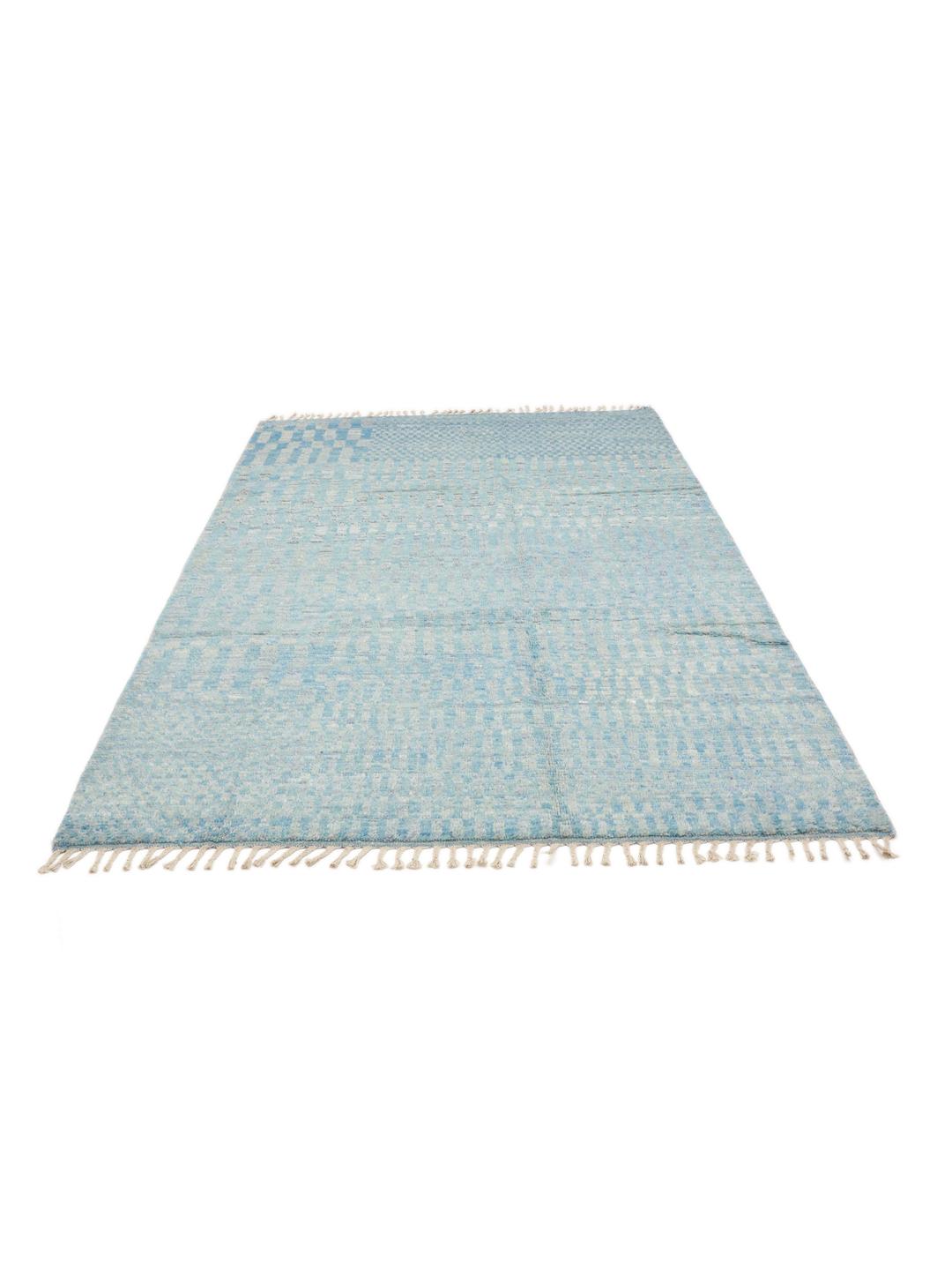
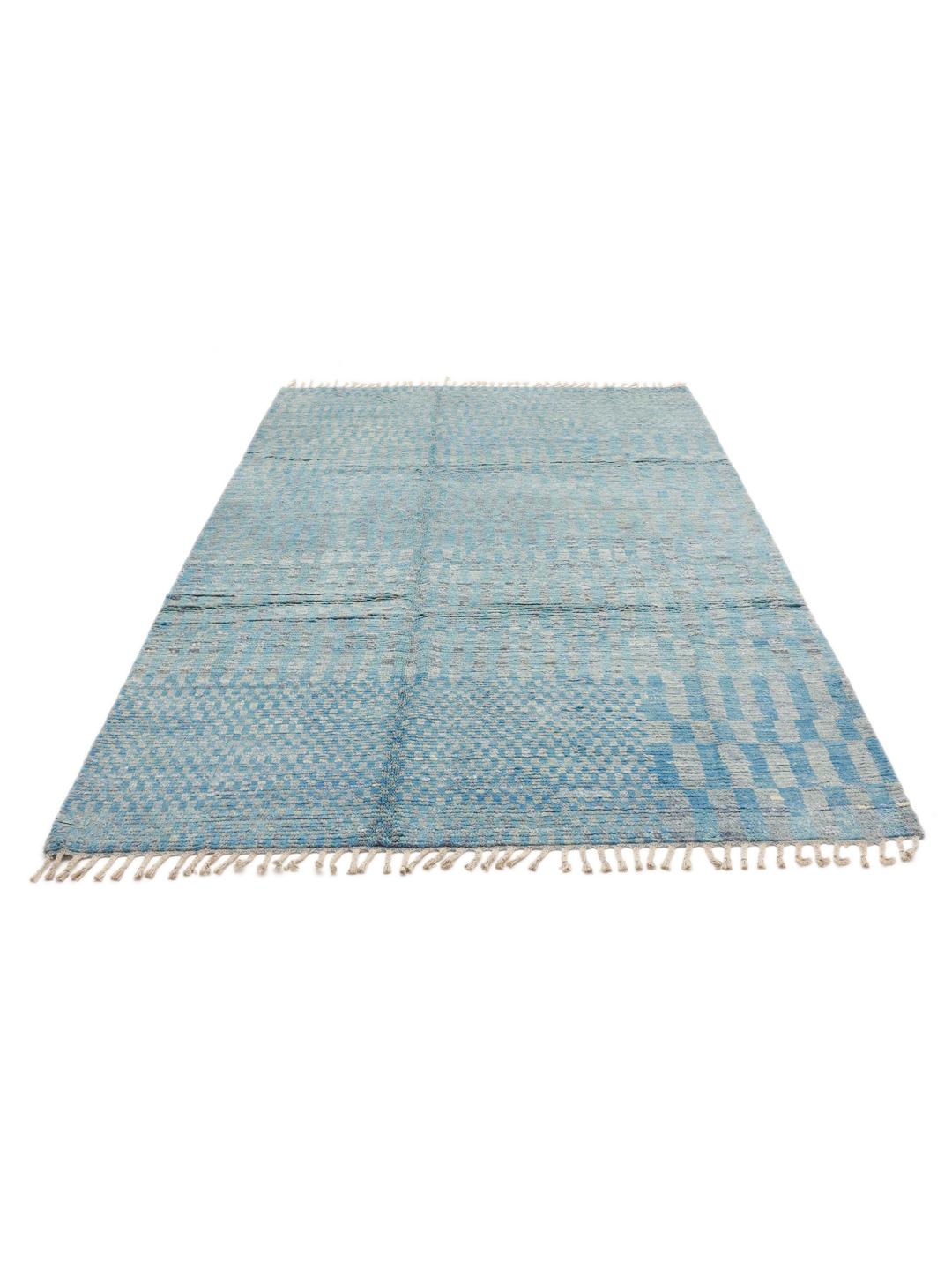
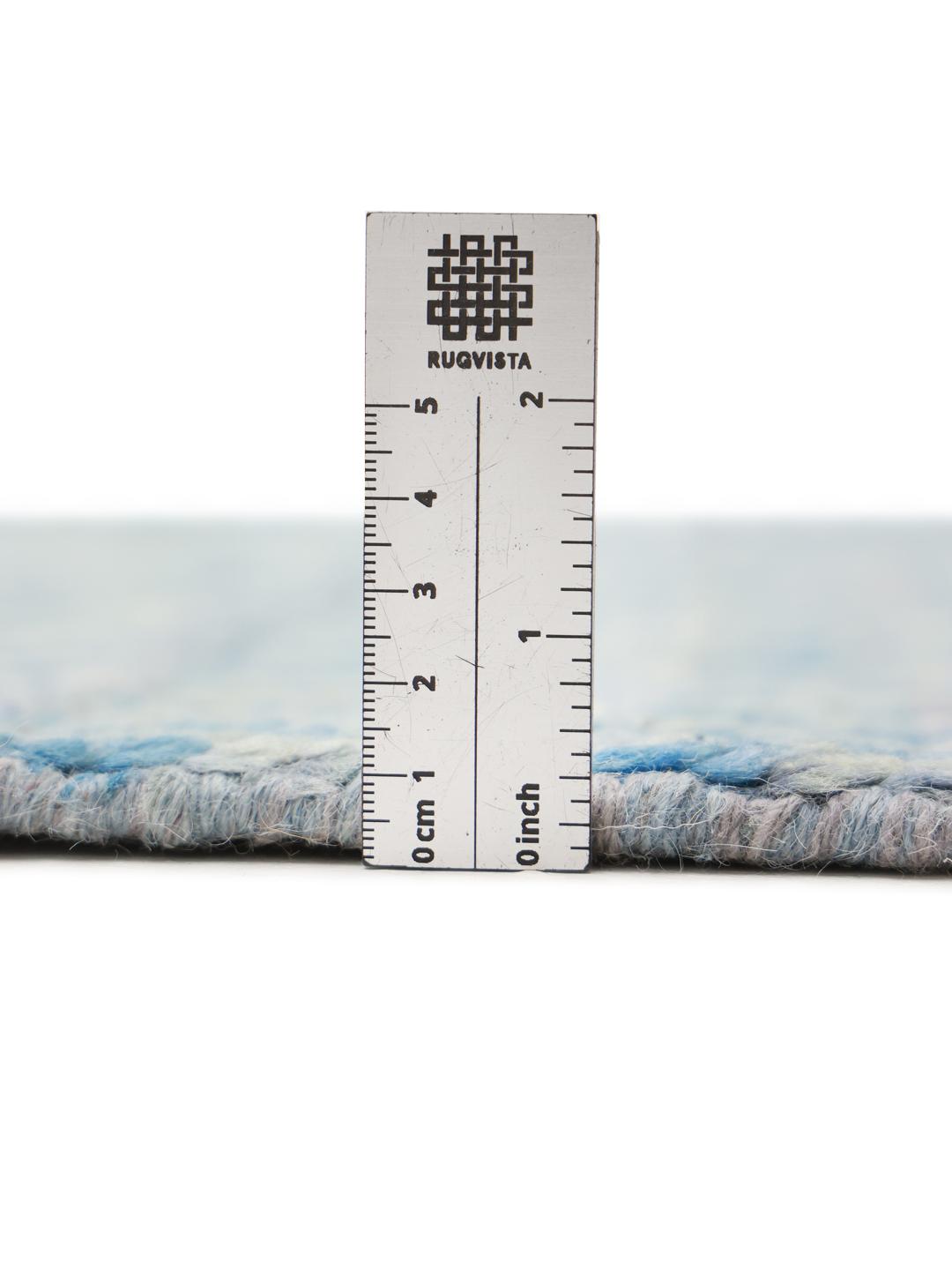
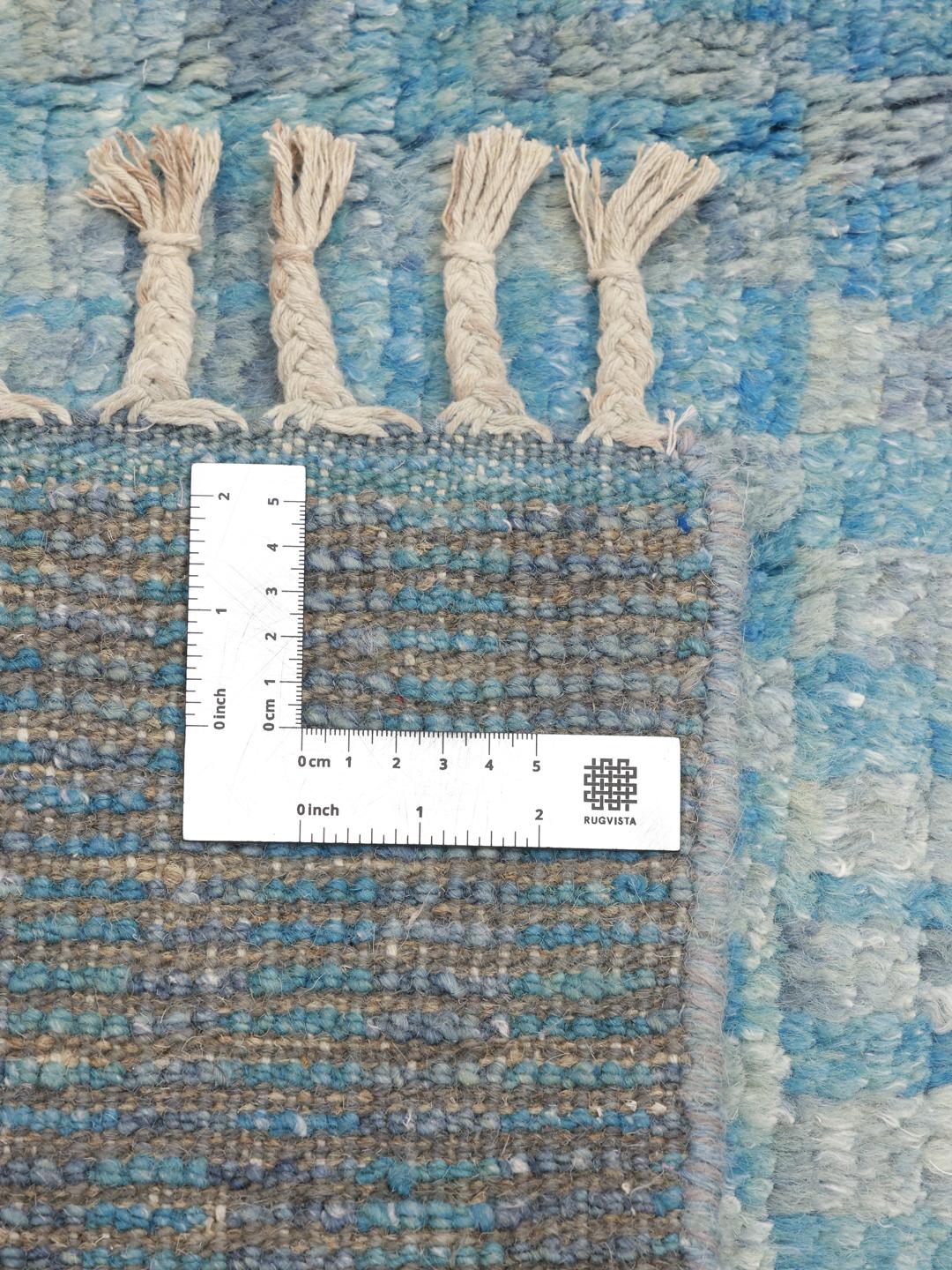
Berber rugs originate from the tribal traditions of the Middle East and North Africa, where they have been crafted for generations as functional items for nomadic and village life. While the style is deeply rooted in ancient customs, its evolution has led to a global appreciation for its minimalist and geometric aesthetics. Today, the tradition continues in regions like Afghanistan, where artisans adapt these classic designs with local techniques and materials.
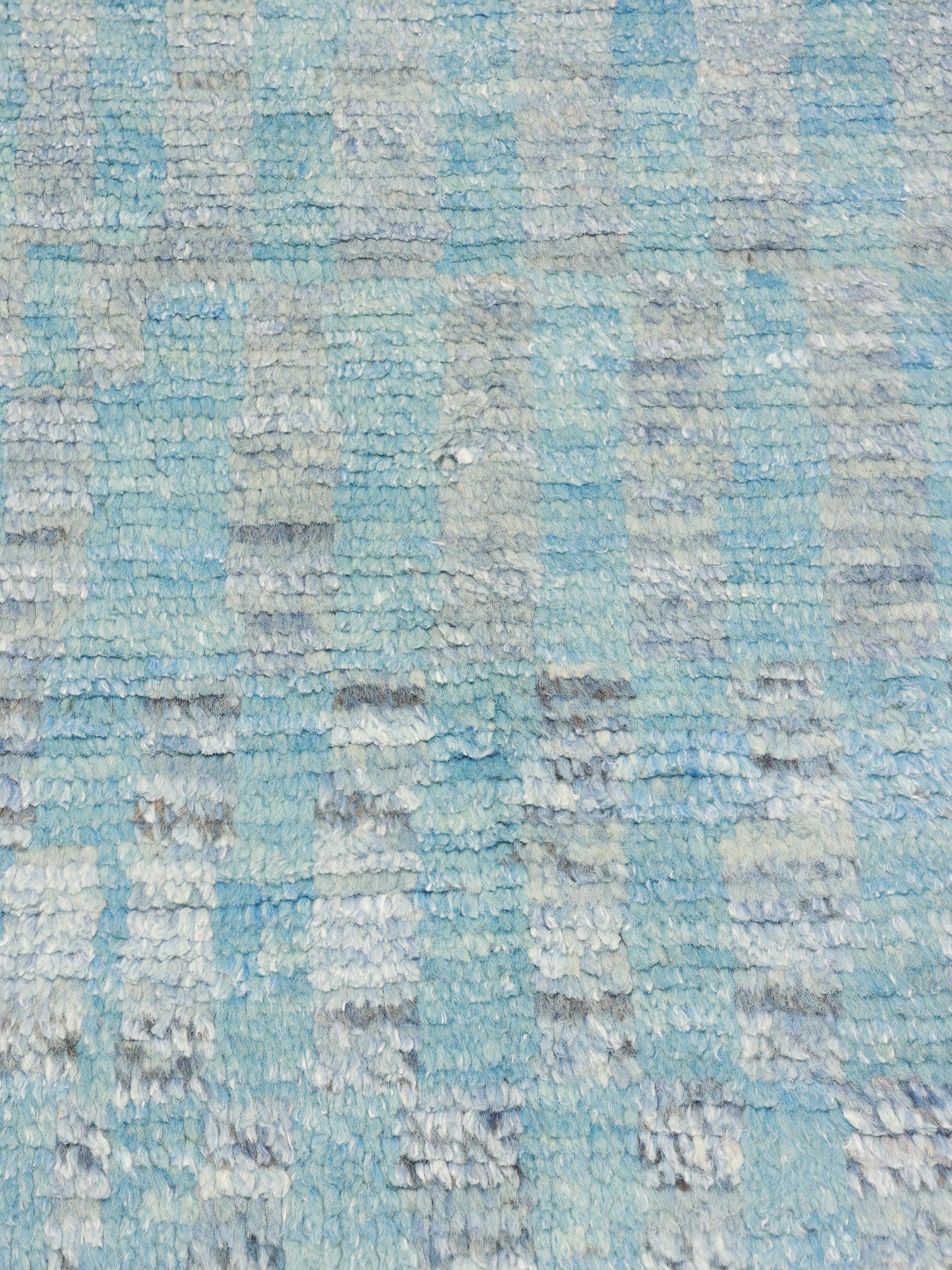
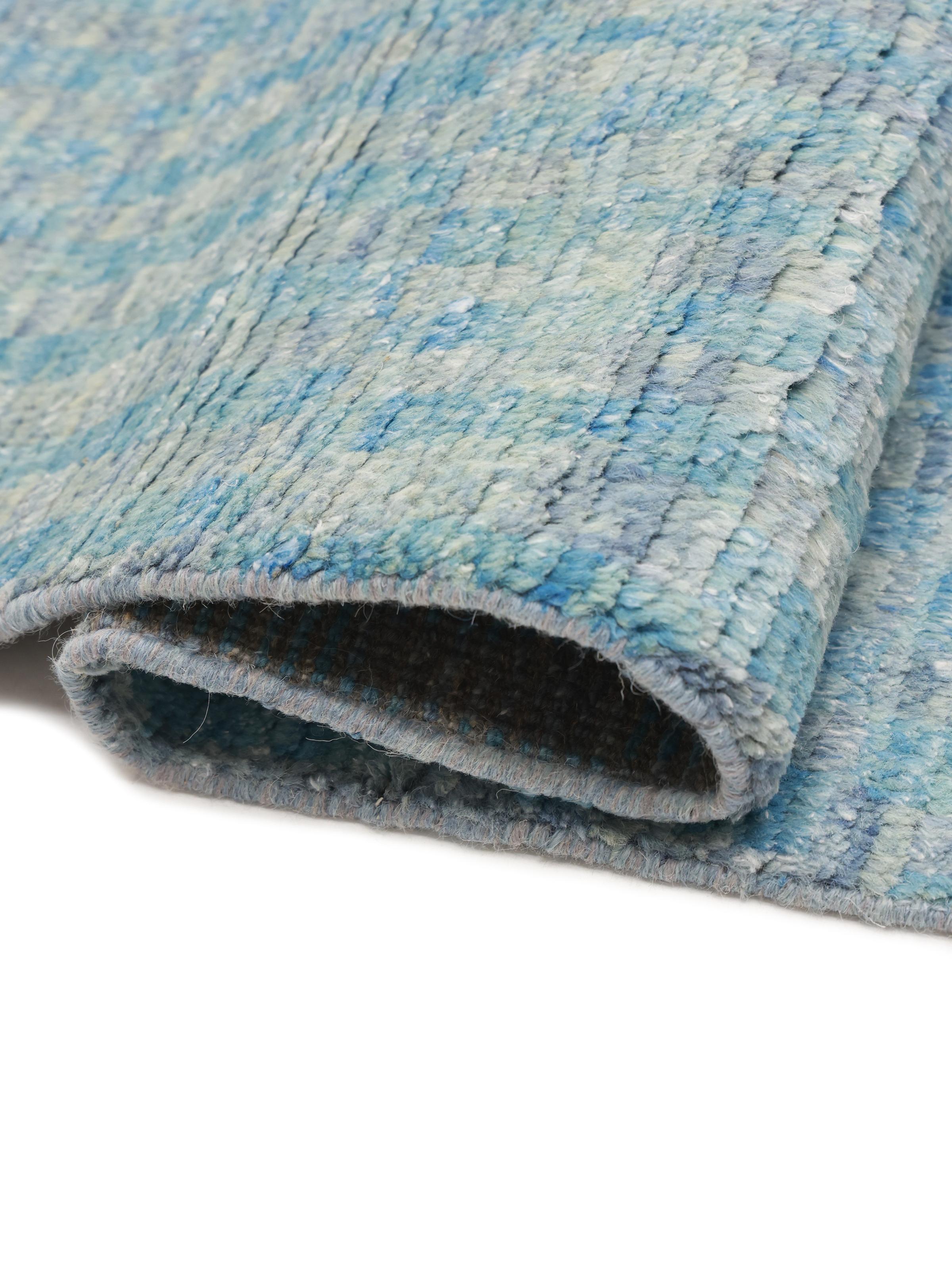
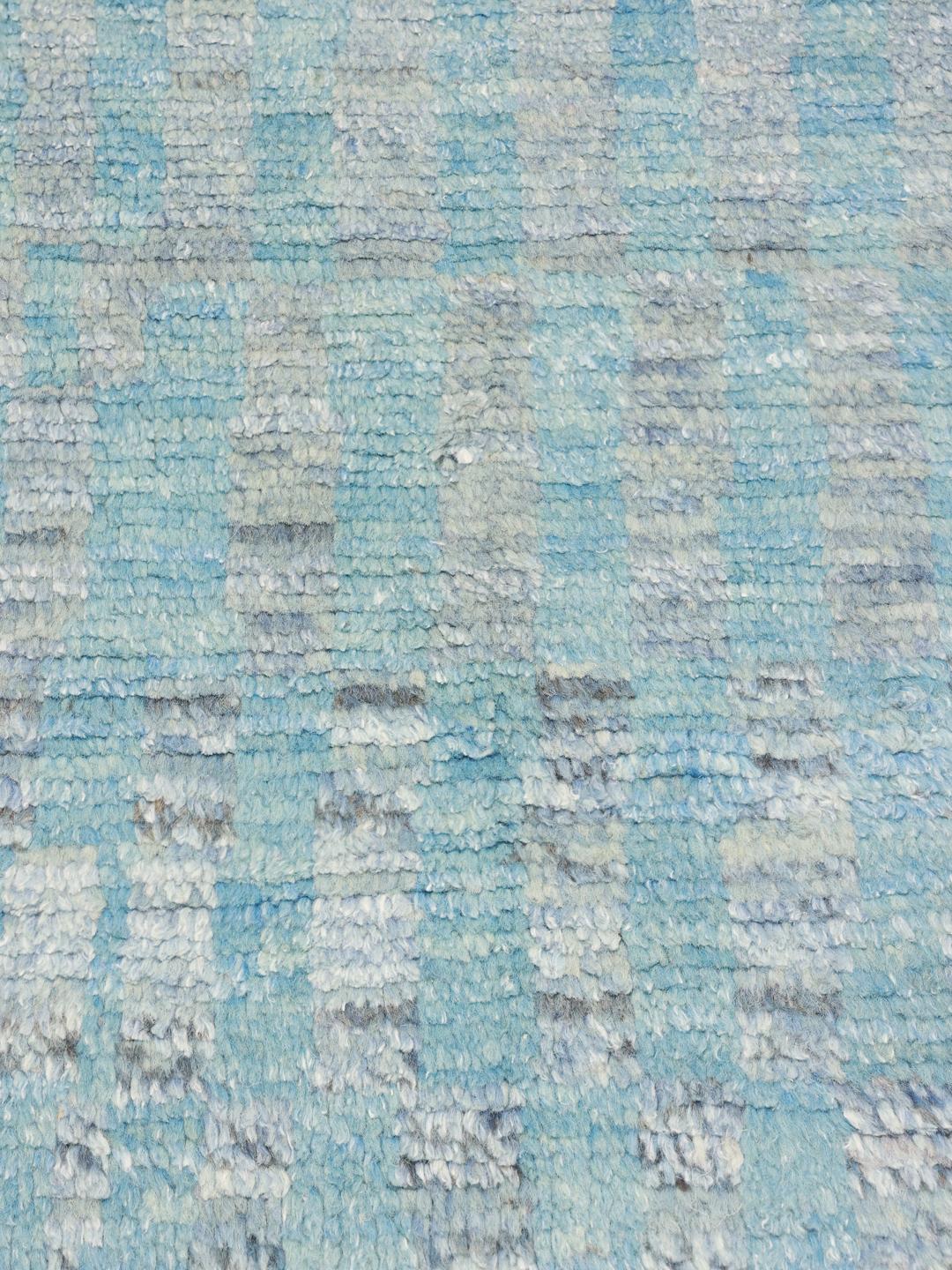
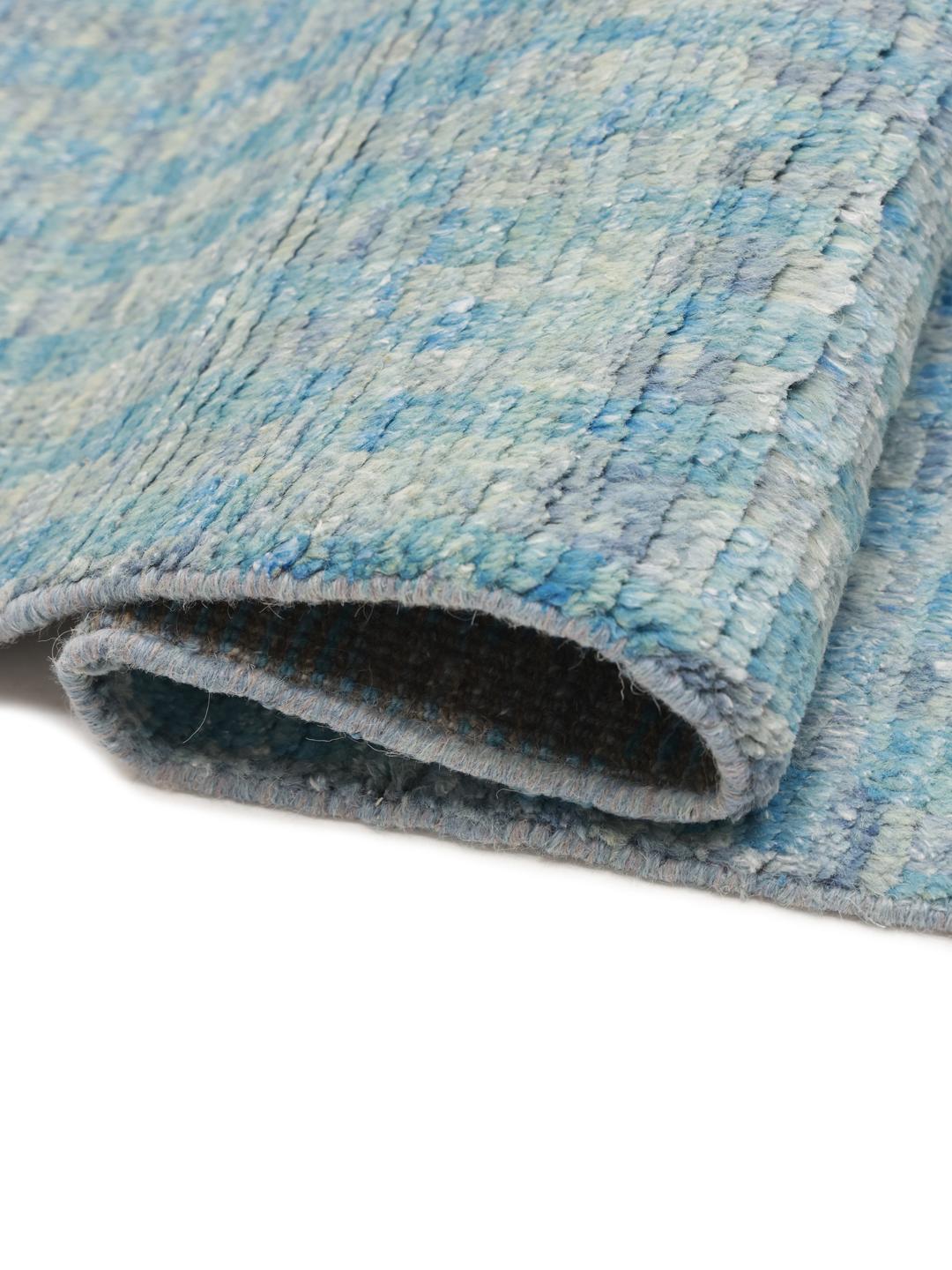
The term hand-knotted refers to the technique of tying individual strands of yarn to the foundation, a method that is far more labour-intensive and durable than machine-made alternatives. This process allows for greater control over the texture and density of the pile. For the customer, this means a rug that is not only visually stunning but also capable of holding its shape and softness through years of use.
Visually, these rugs are defined by their clean lines and geometric patterns, often celebrating the beauty of simplicity. While many traditional rugs are known for intricate floral medallions, the Berber style leans into a more understated, artistic language. This specific piece features a pattern that highlights the natural beauty of its colours, making it a versatile choice for a variety of home interiors.
Collecting a hand-knotted rug is an investment in cultural heritage and skill. Each rug serves as a bridge between the artisan's hands and your home, preserving a craft that values slow production and high-quality results. By bringing such a piece into your living space, you are celebrating a tradition of craftsmanship that prioritises both beauty and utility, ensuring that your home remains a place of character and warmth.