The Berber tradition represents one of the oldest and most enduring forms of textile art, historically rooted in the nomadic cultures of North Africa. Over centuries, these weaving techniques migrated and were adopted by artisans in other regions, including Afghanistan, where they have been adapted to local sensibilities and materials. This evolution has resulted in a style that honours ancient methods while embracing a distinct, regional aesthetic.
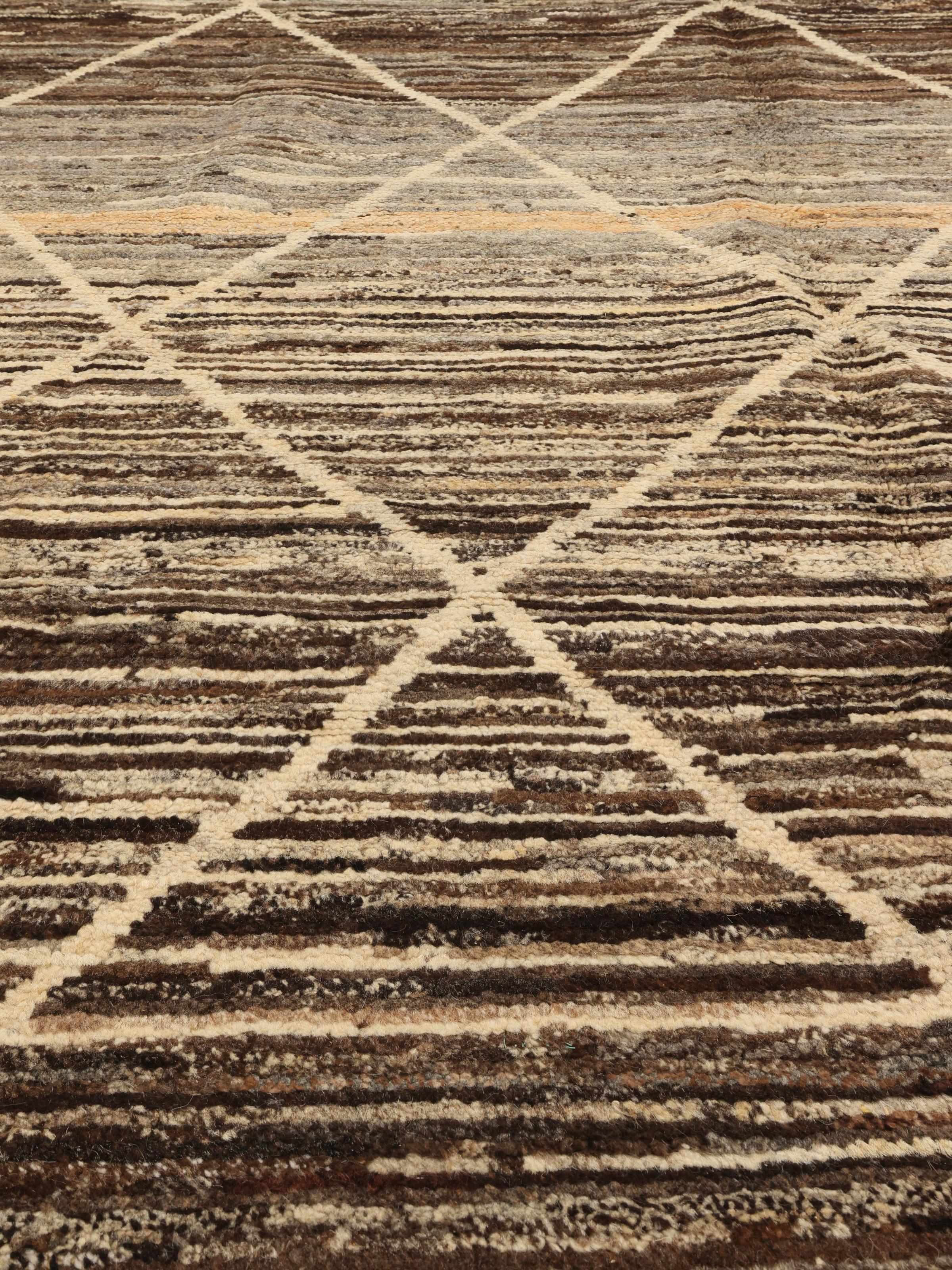
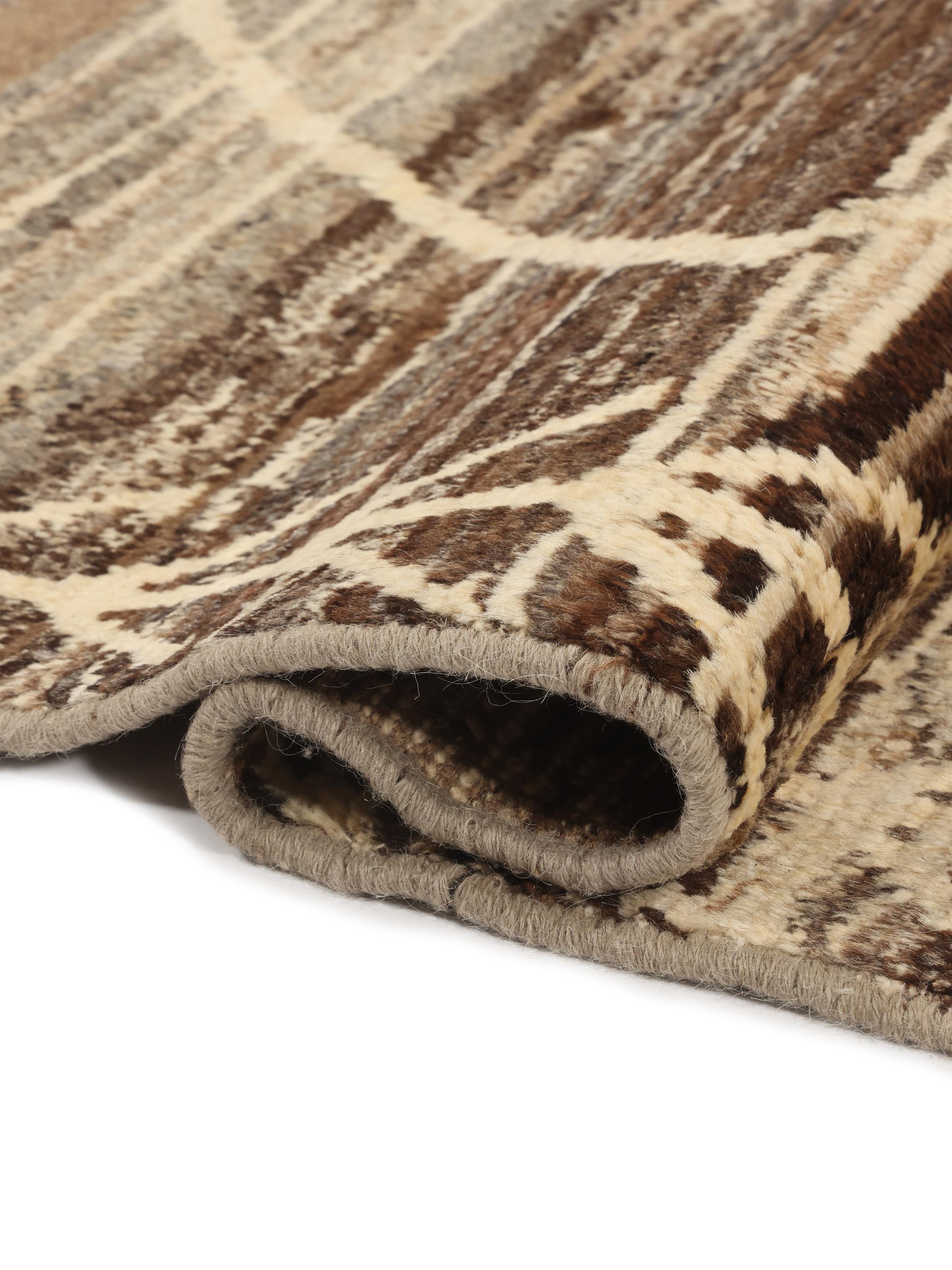
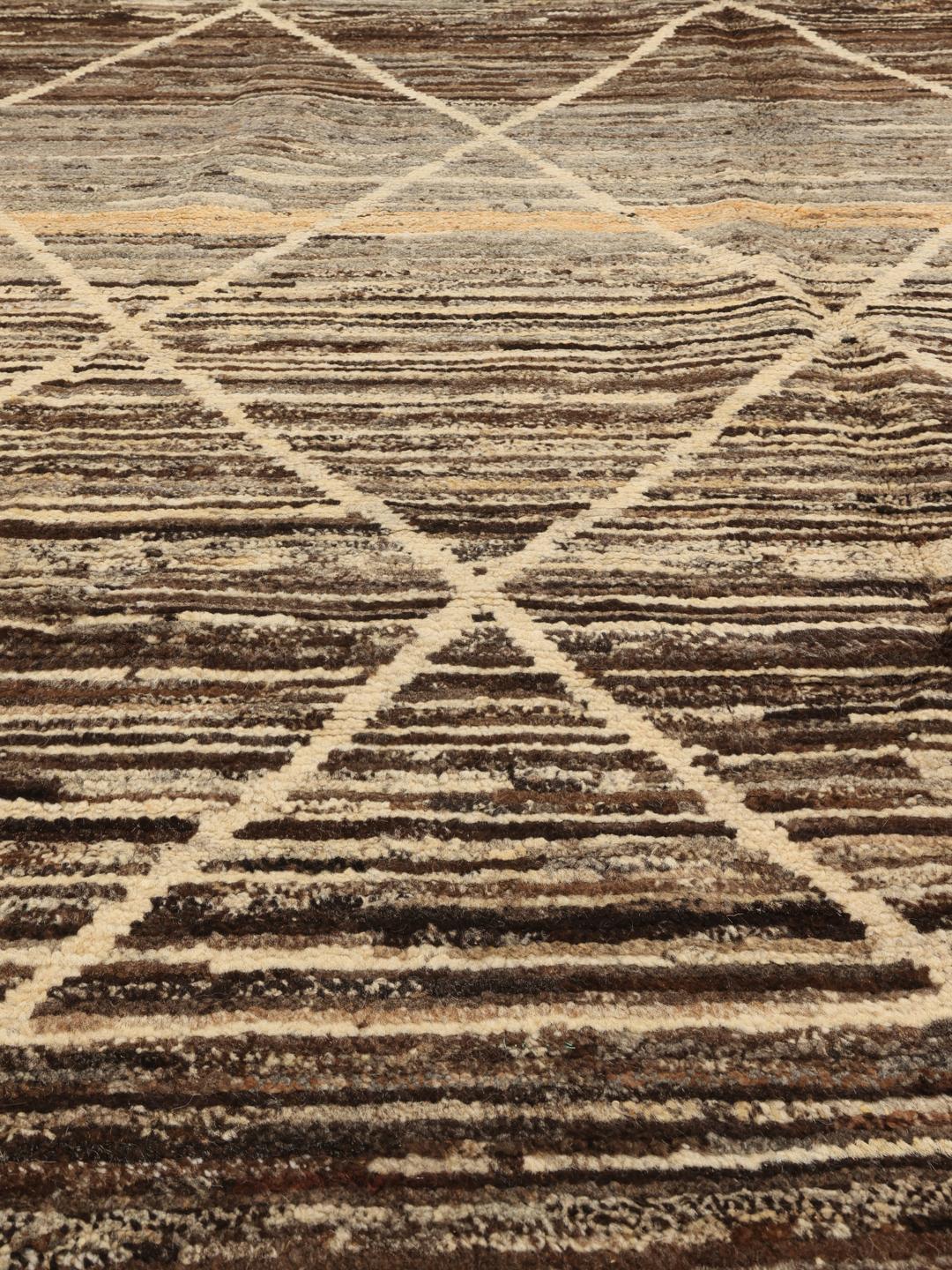
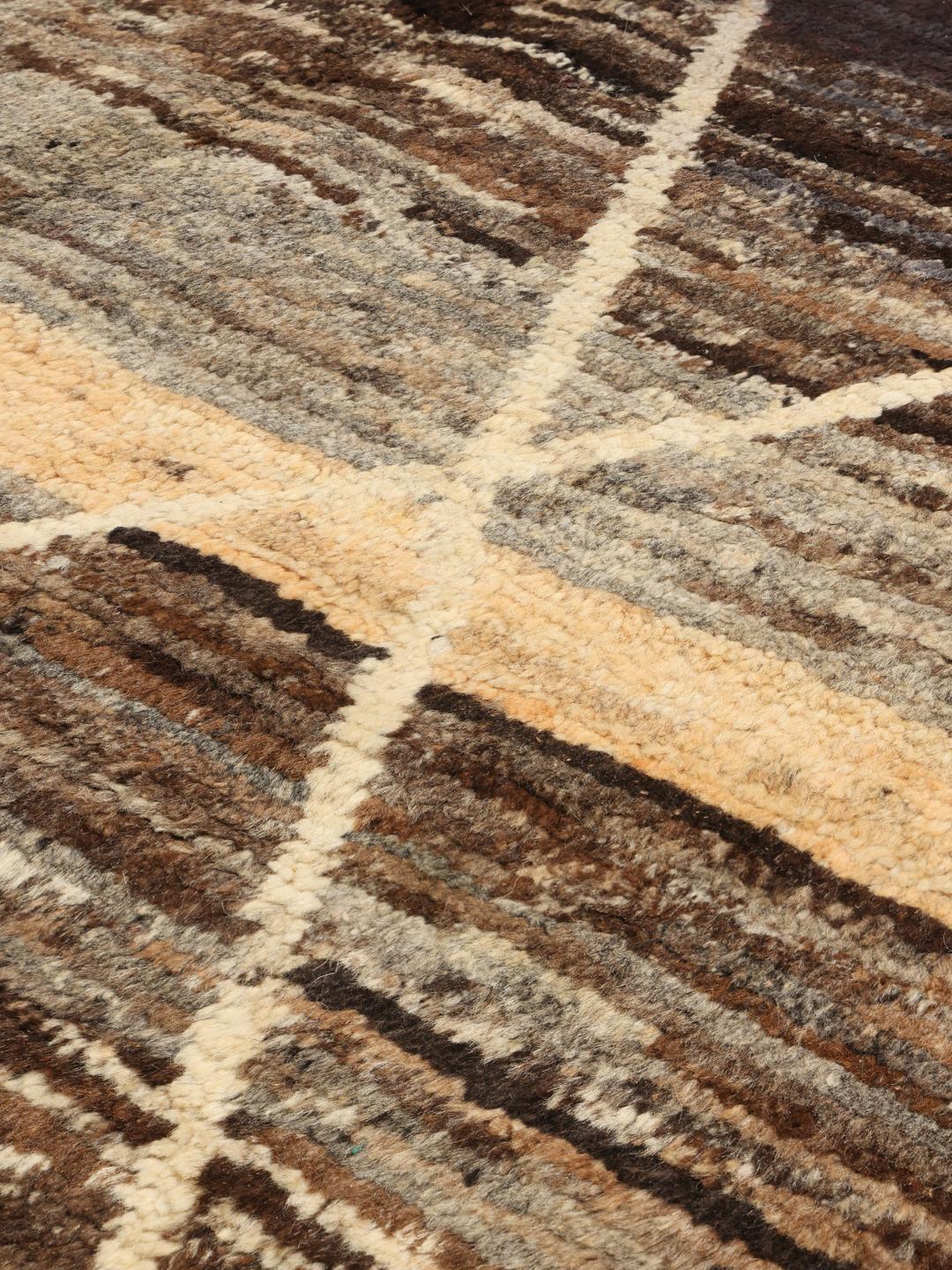
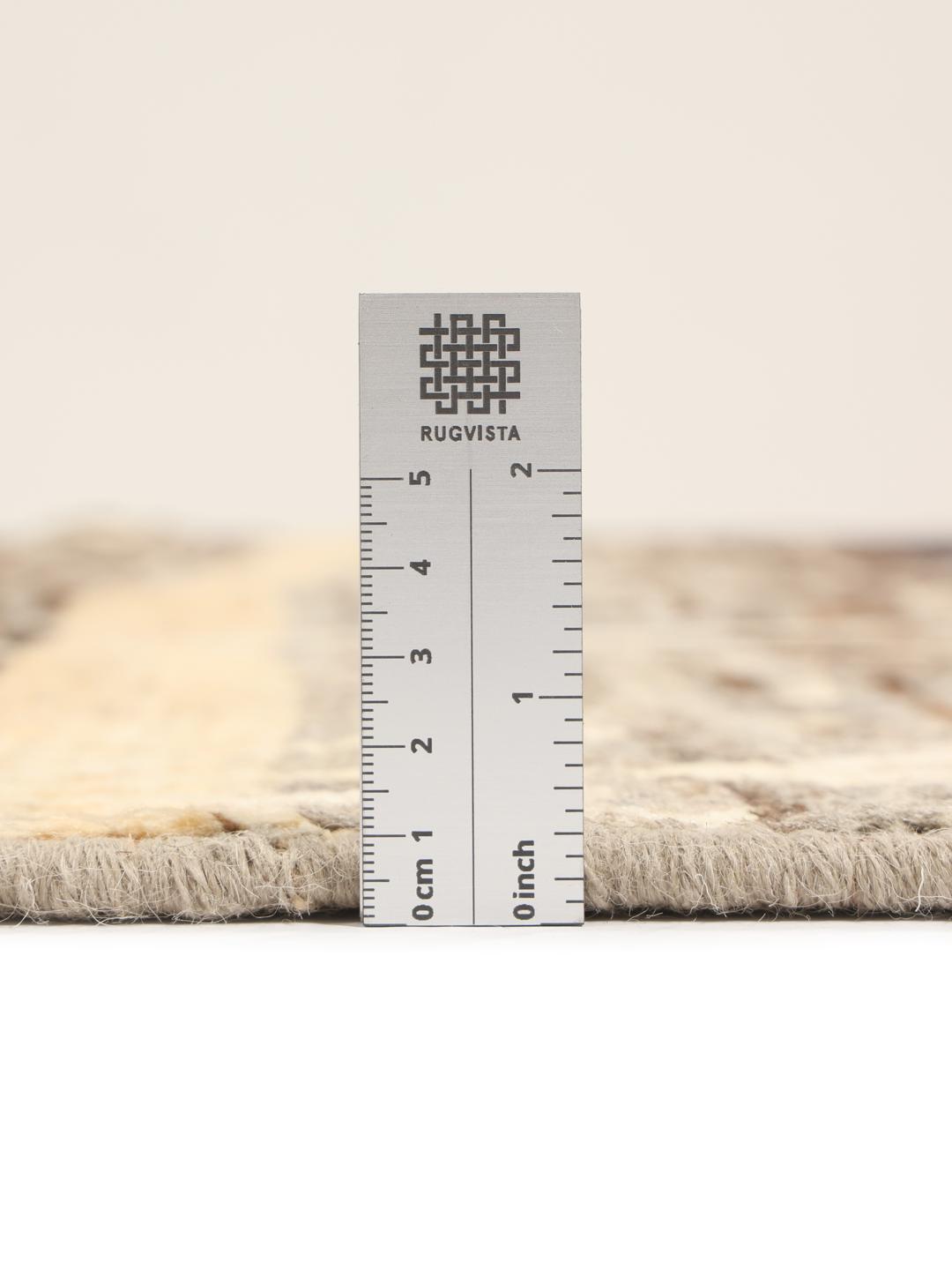
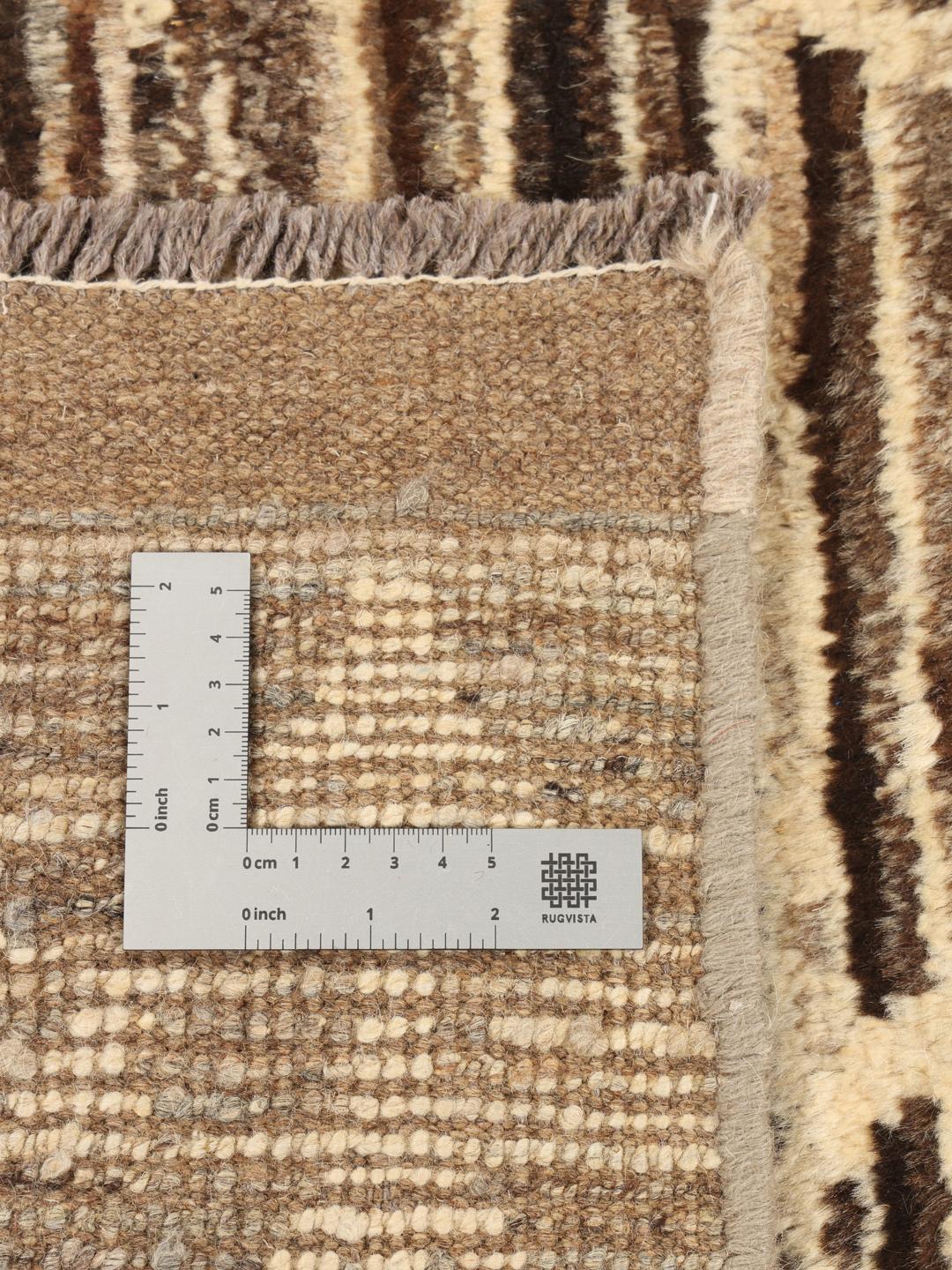
In rug making, the term hand-knotted refers to the traditional method of tying individual strands of wool onto the foundation. This technique is far more labour-intensive than other methods, requiring a high degree of technical mastery. The result is a pile that is exceptionally durable and capable of retaining its texture and colour for decades, making it a preferred choice for those who value longevity over mass production.
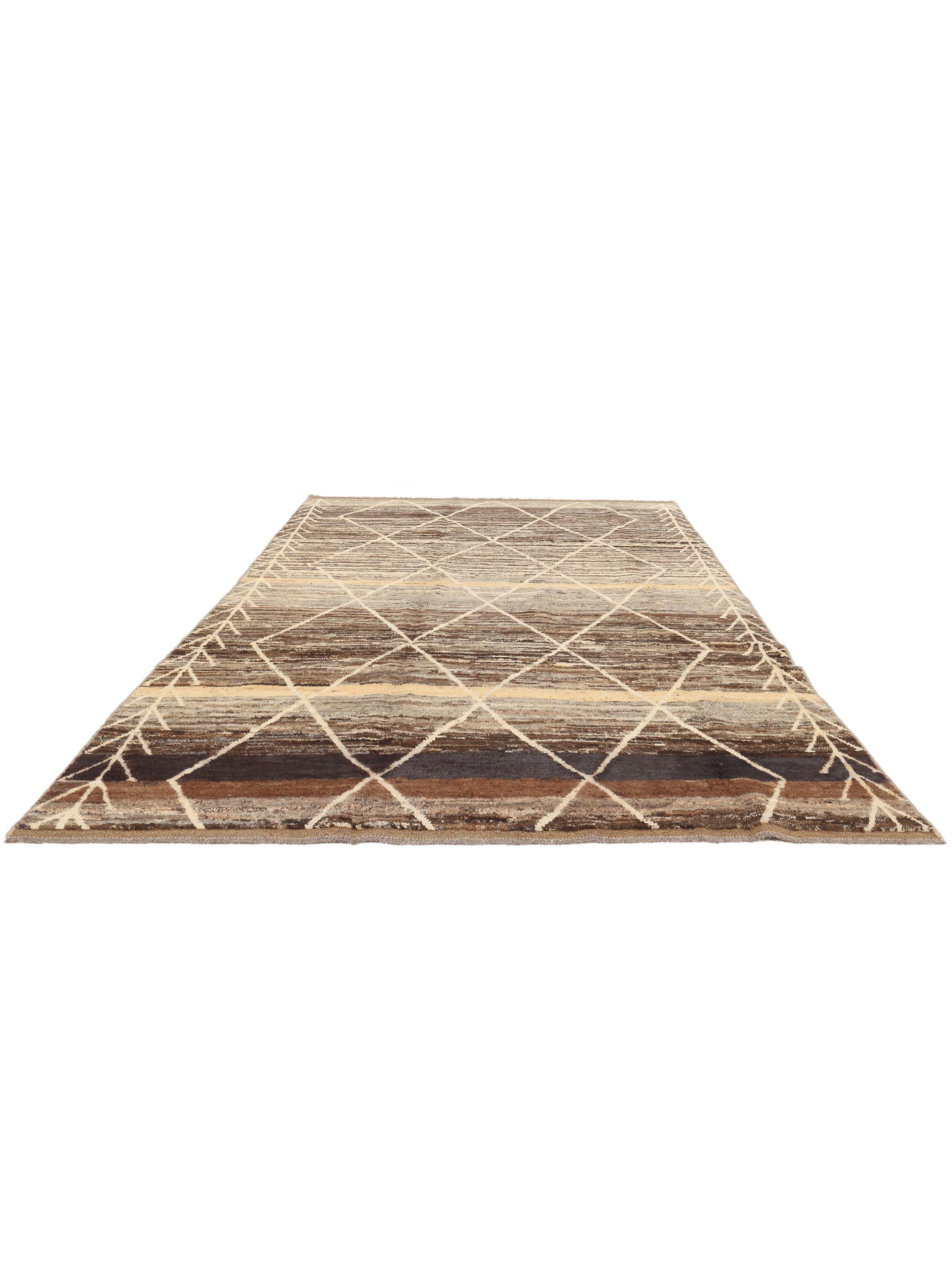
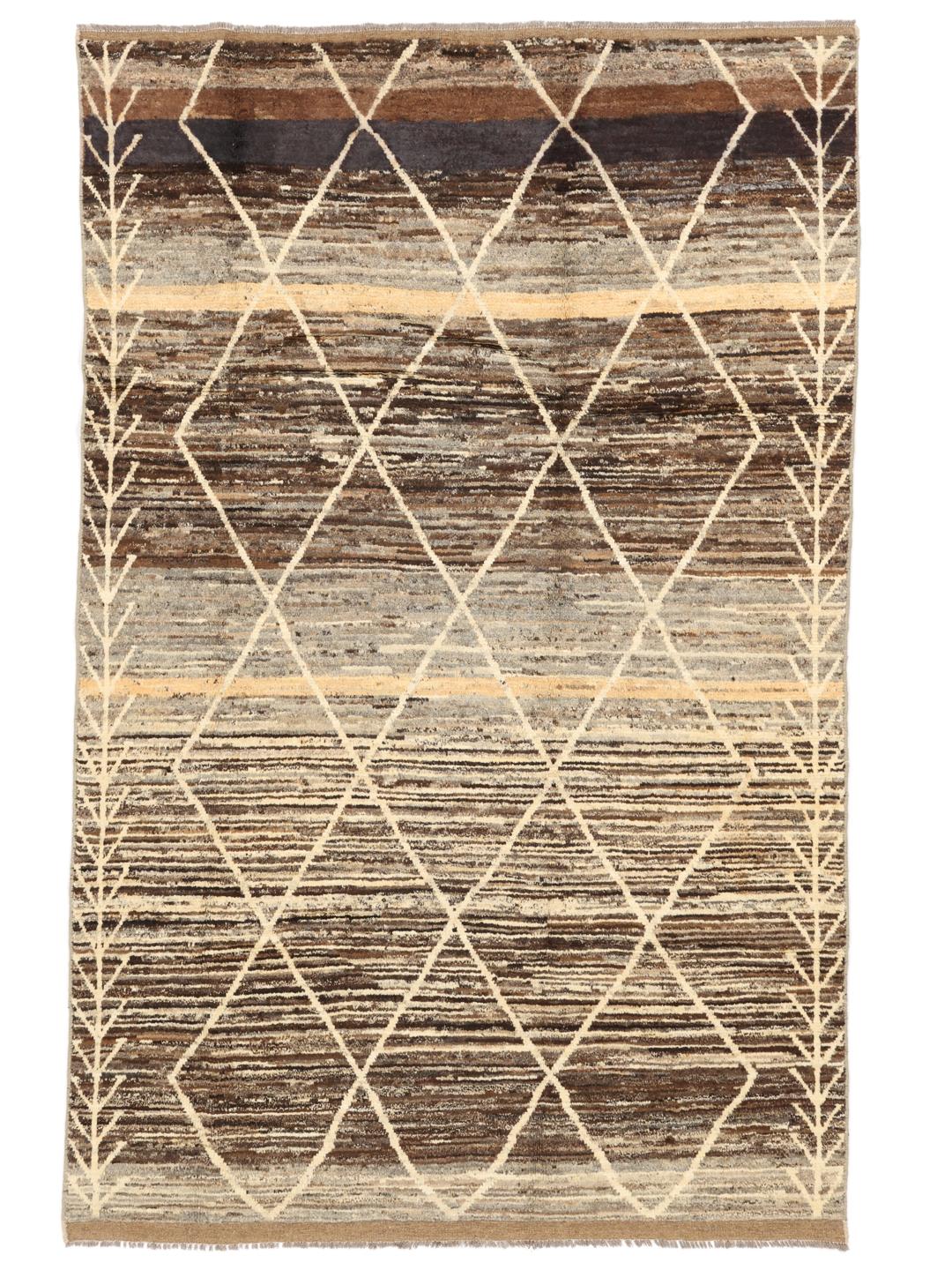
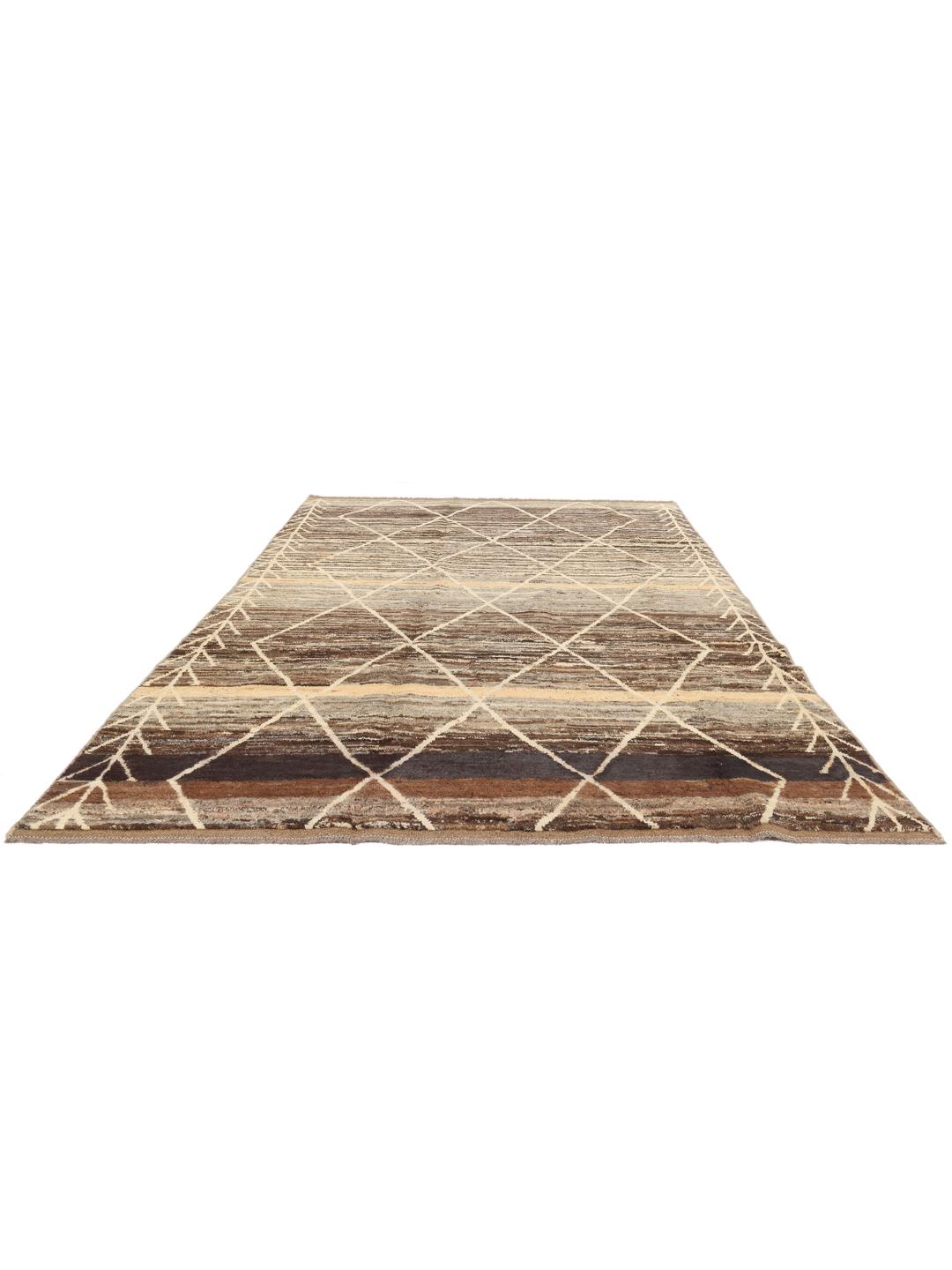
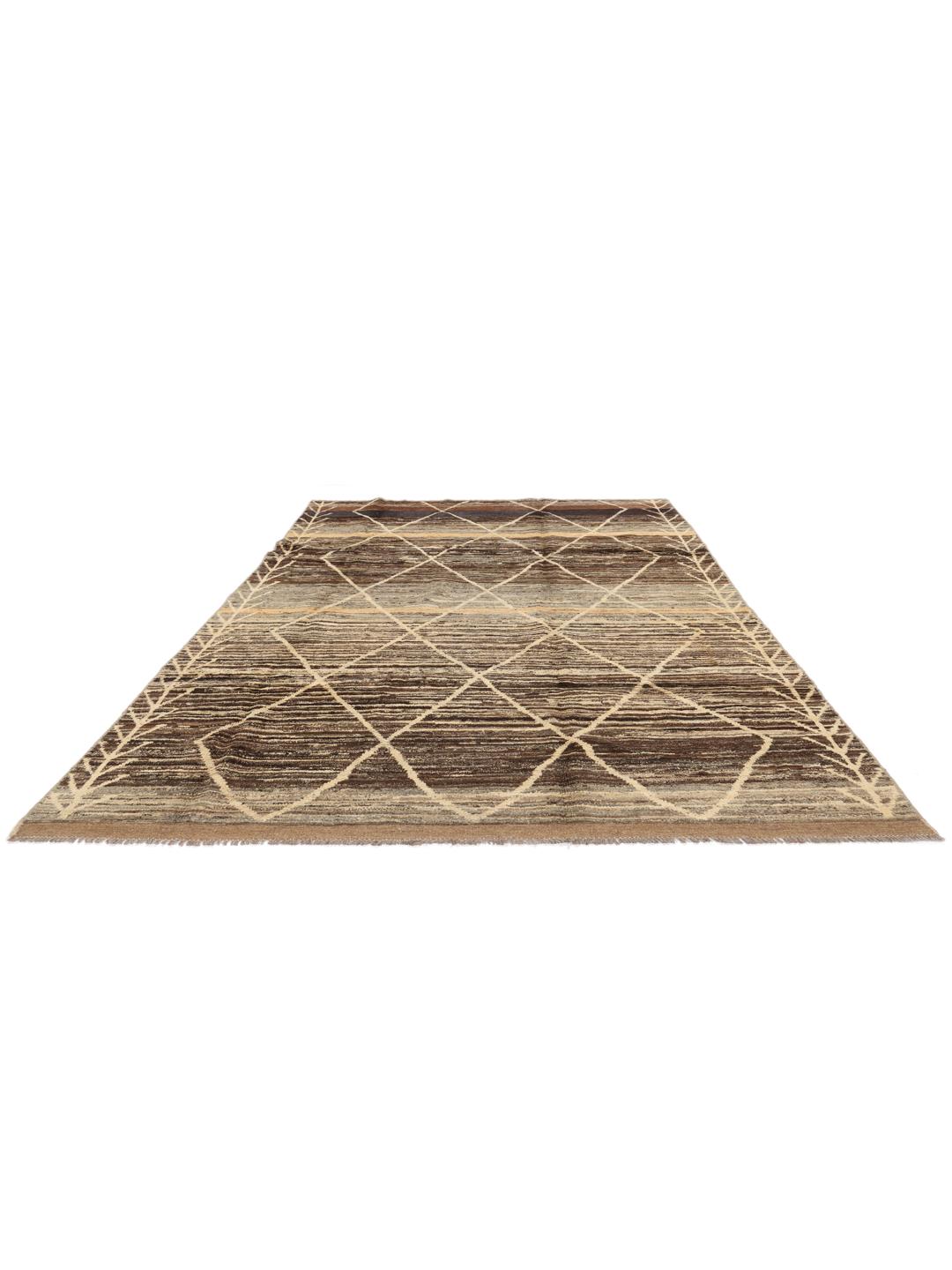
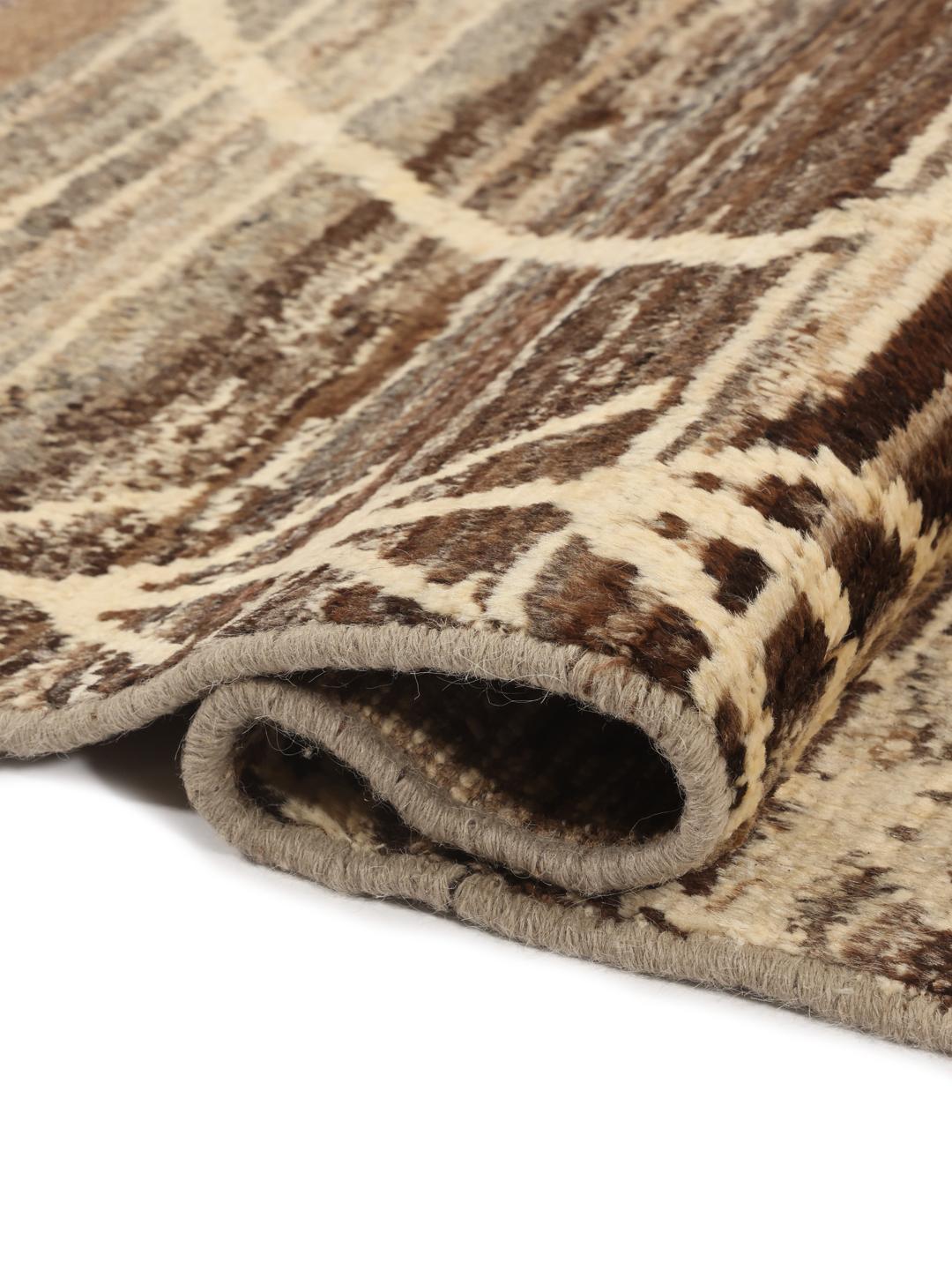
Visually, this tradition is known for its bold, geometric language. The diamond lattice seen here is a classic motif that symbolises protection and continuity, often interpreted through an organic, earthy colour palette. The variations in tone within this rug are characteristic of the traditional dyeing processes, which celebrate the natural nuances of the materials and add depth to the overall design.
Collecting a hand-knotted rug from this tradition is an act of preserving a living history. These pieces are not merely functional items; they are expressions of cultural heritage and individual skill. By bringing such a piece into your home, you are connecting with a craft that has been passed down through generations, ensuring that these stories of artistry and tradition continue to be told.