Berber rugs are rooted in the ancient traditions of North Africa, where they were originally created by tribal communities for protection against the cold. While the style began in the Atlas Mountains, the aesthetic of thick, tactile Wool and simple, geometric motifs has inspired weavers across the globe, including master artisans in Afghanistan.
The term 'Berber' refers to the cultural heritage of these weavers, whose techniques prioritise the natural qualities of Wool. These rugs are known for their honest construction, where the material is allowed to speak for itself. The evolution of this style has seen it move from purely functional utility to a celebrated design element in modern homes worldwide.
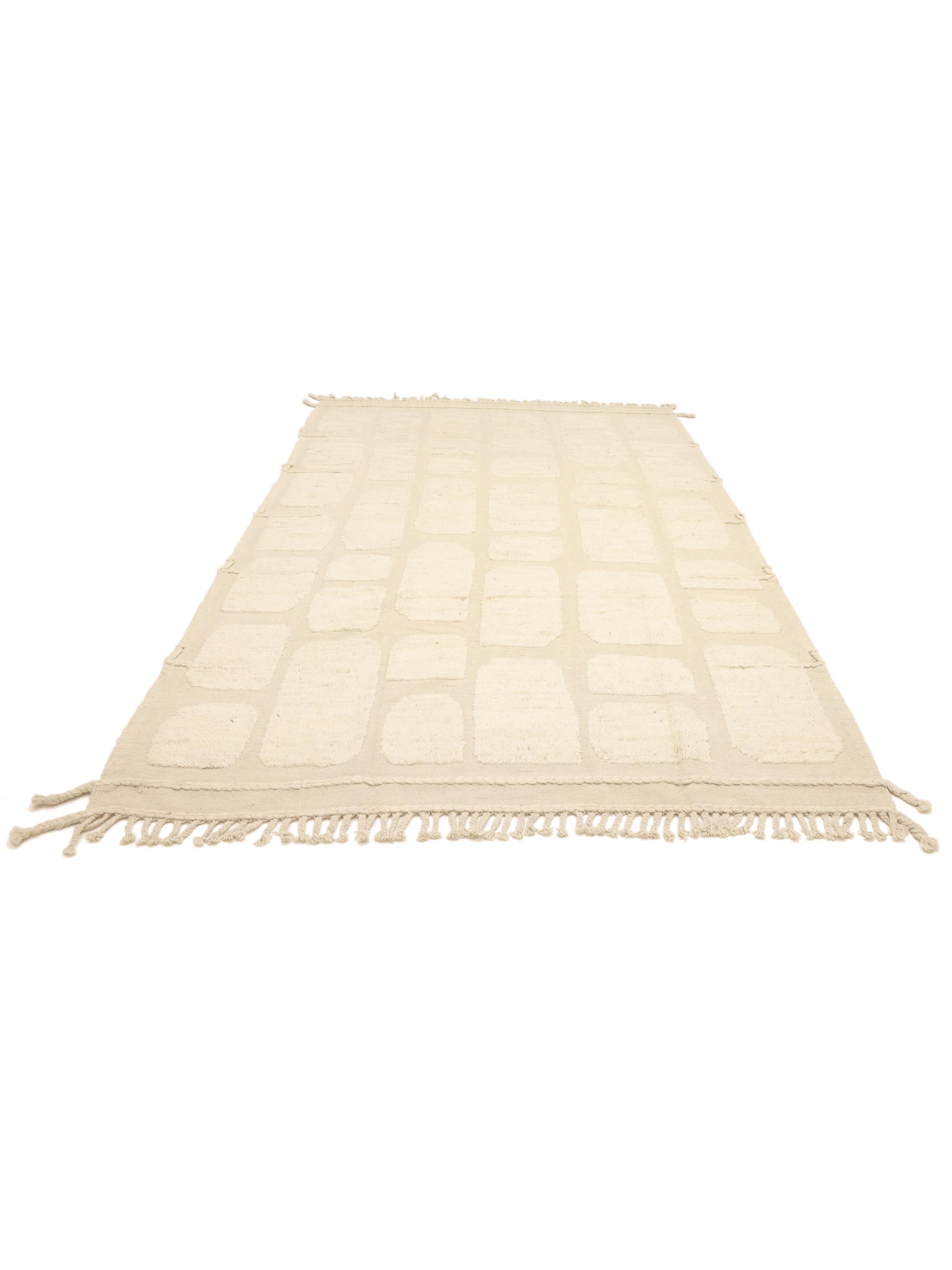
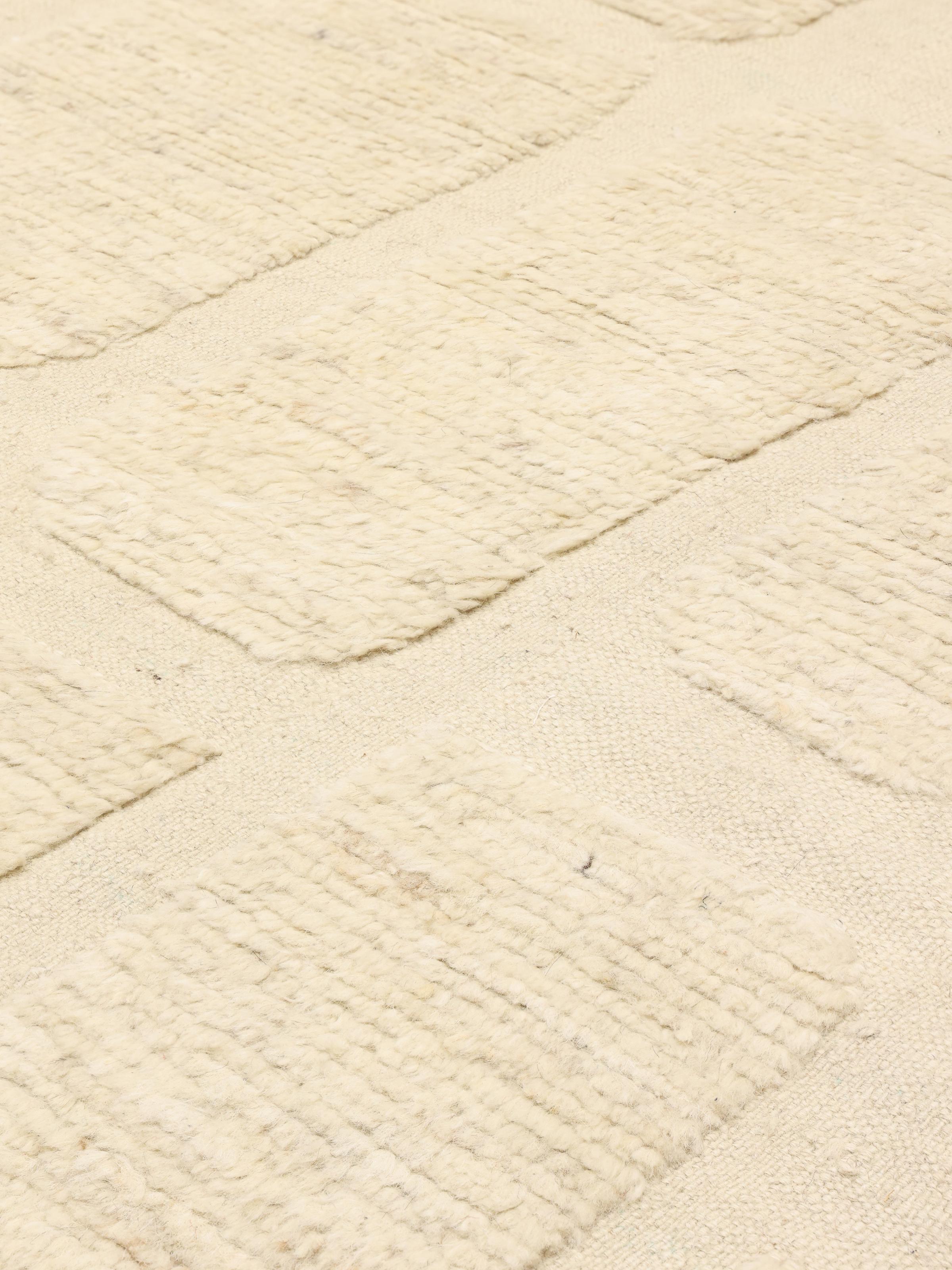
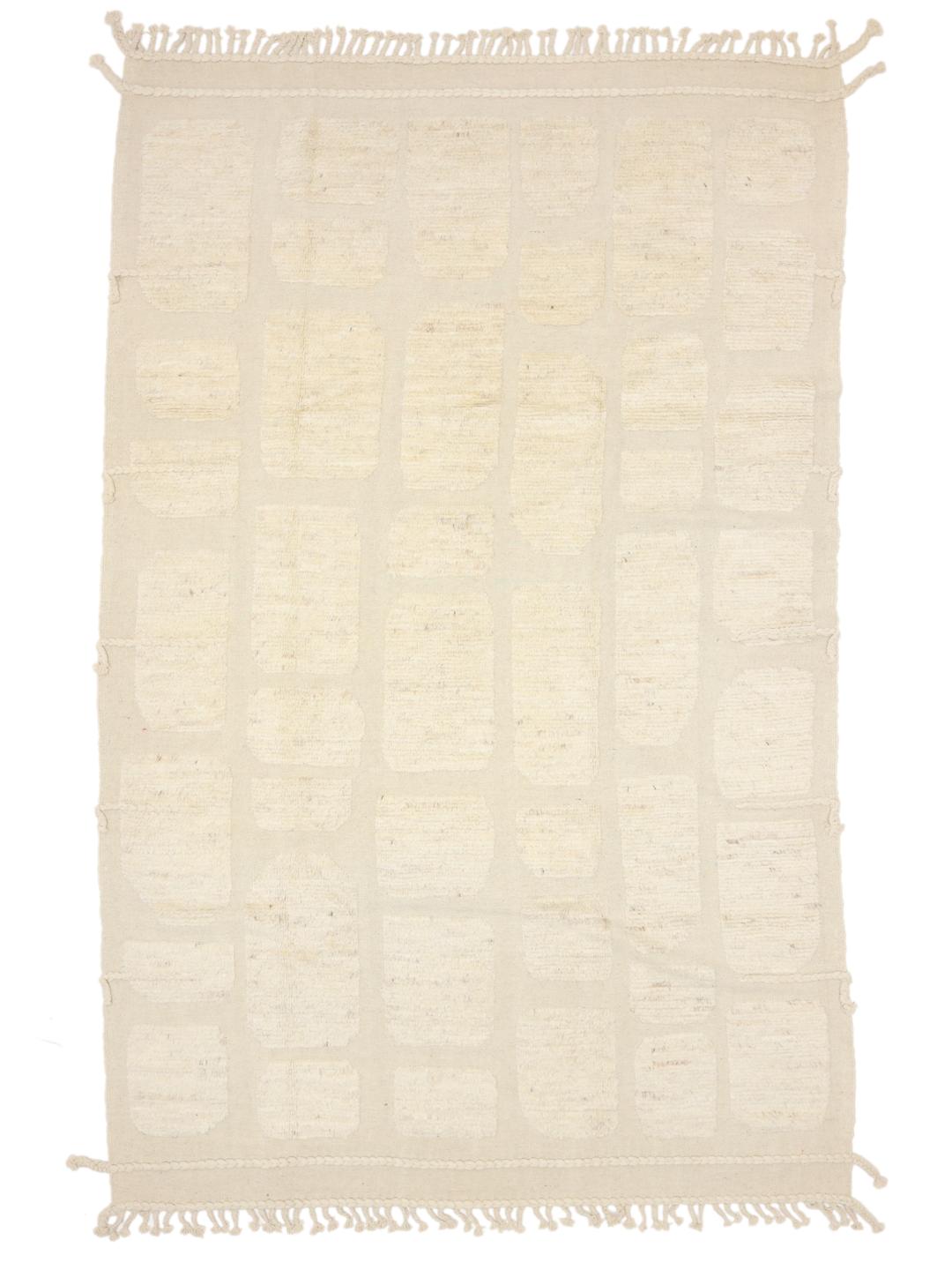
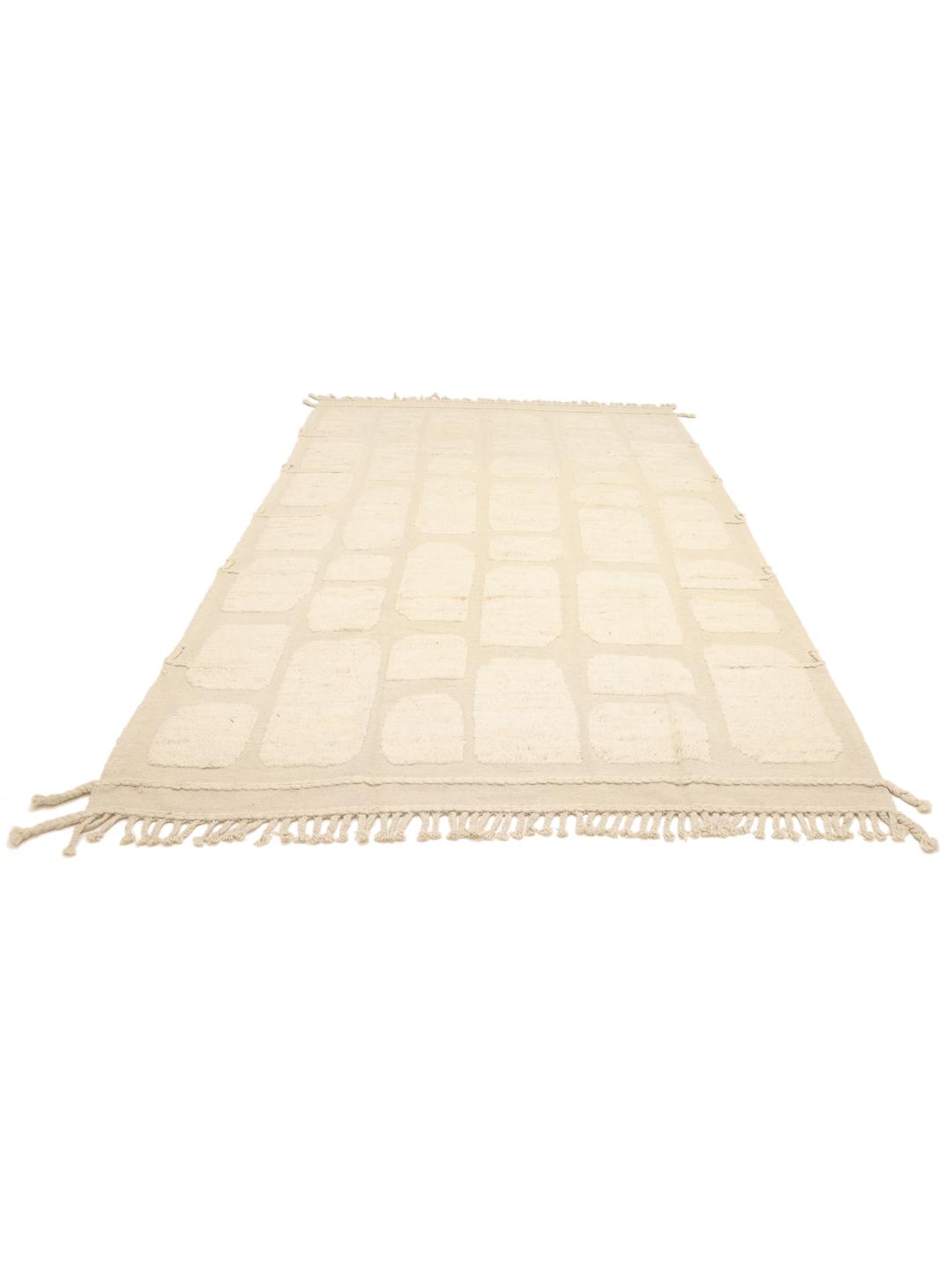
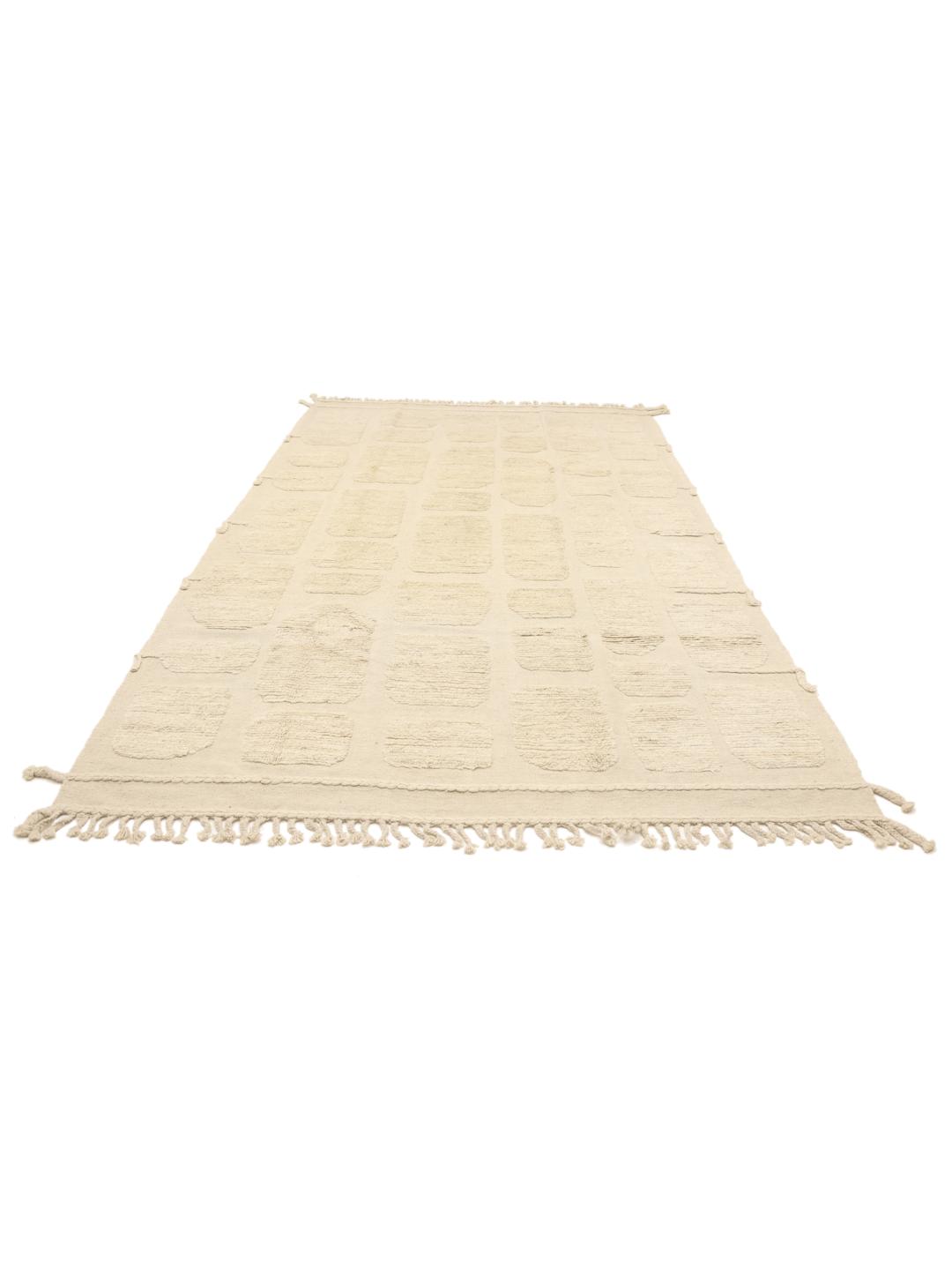
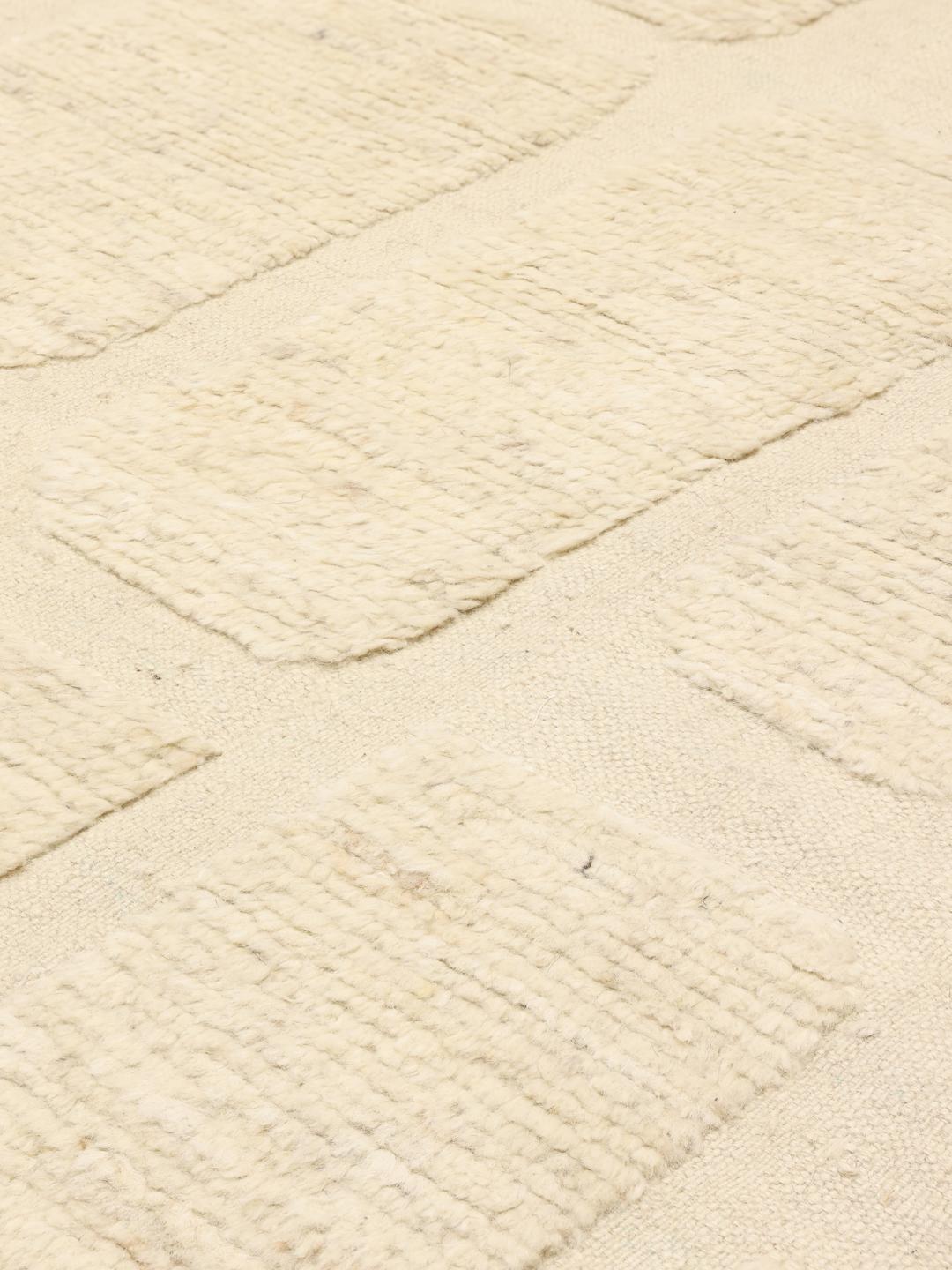
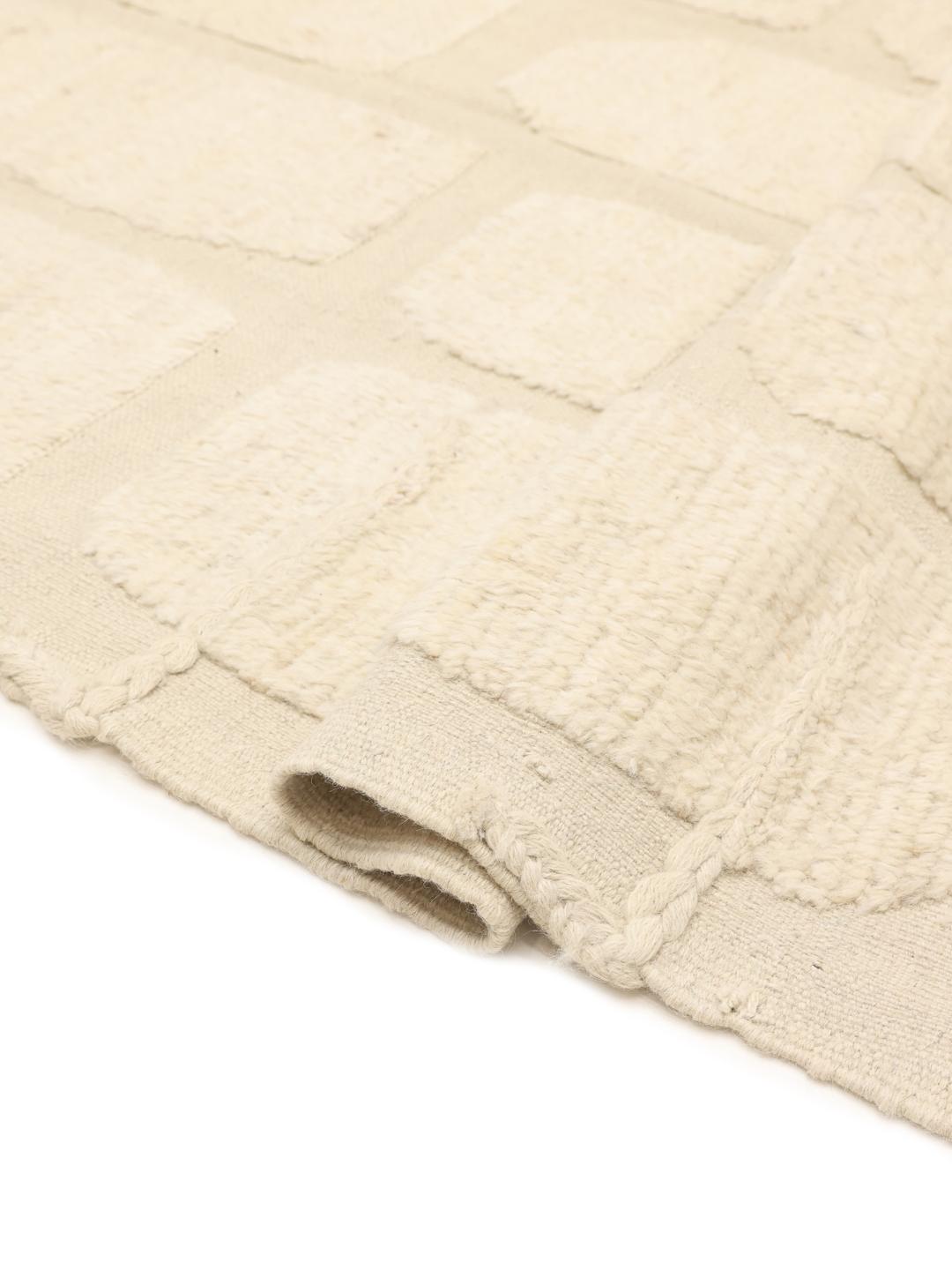
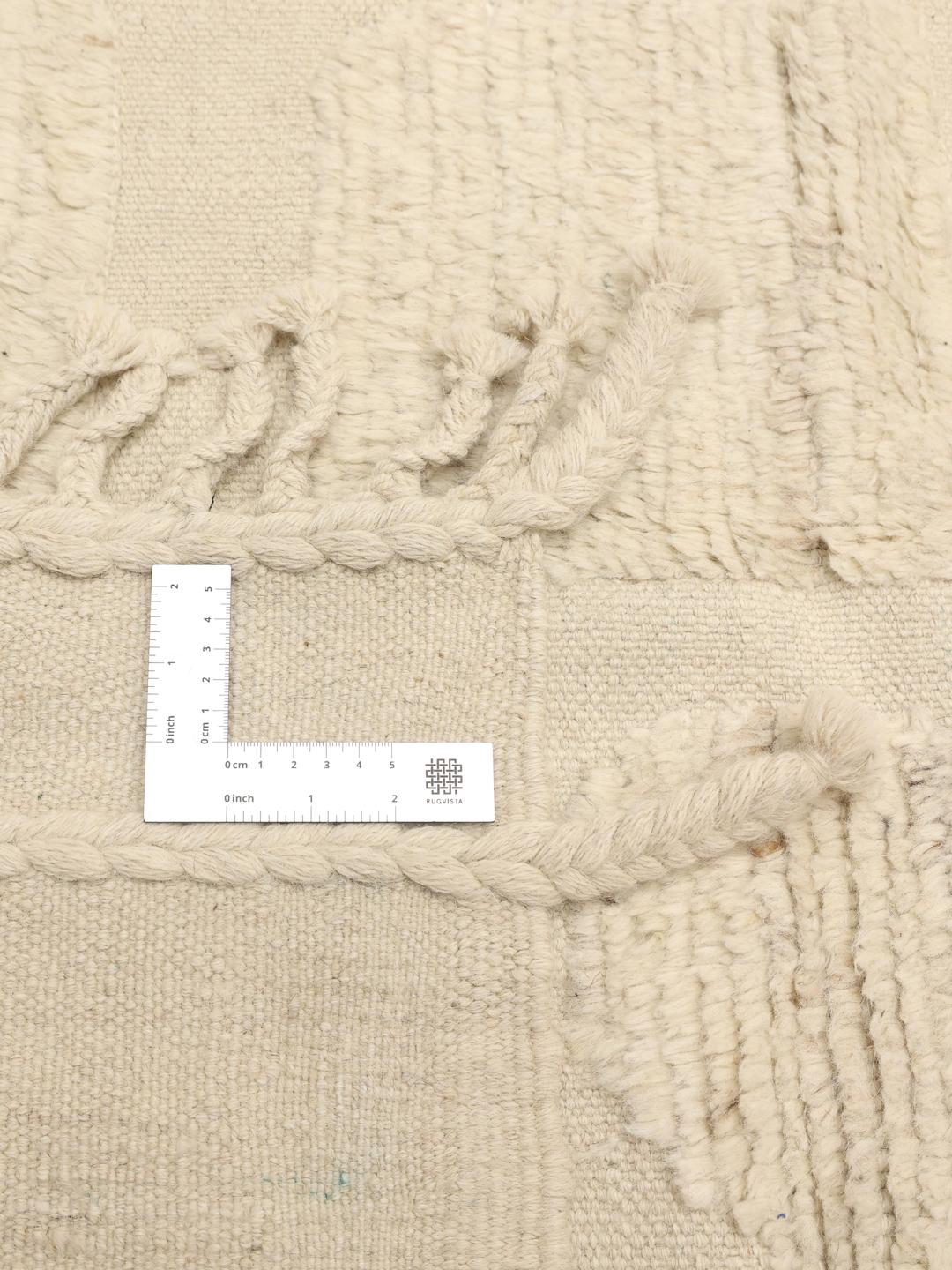
The design of this specific rug reflects a minimalist approach, utilising subtle variations in texture to form a repeating, block-like pattern. This focus on geometric rhythm rather than complex, colourful imagery is a hallmark of the tradition, emphasising the beauty of simplicity and the natural, undyed appearance of the Wool.
Collecting a rug from this tradition is an investment in cultural history and human skill. Because every piece is made by hand without the use of automated looms, each rug is a record of the weaver's personal touch and the unique properties of the Wool used. It is a way to connect your living space to a long-standing lineage of craft.