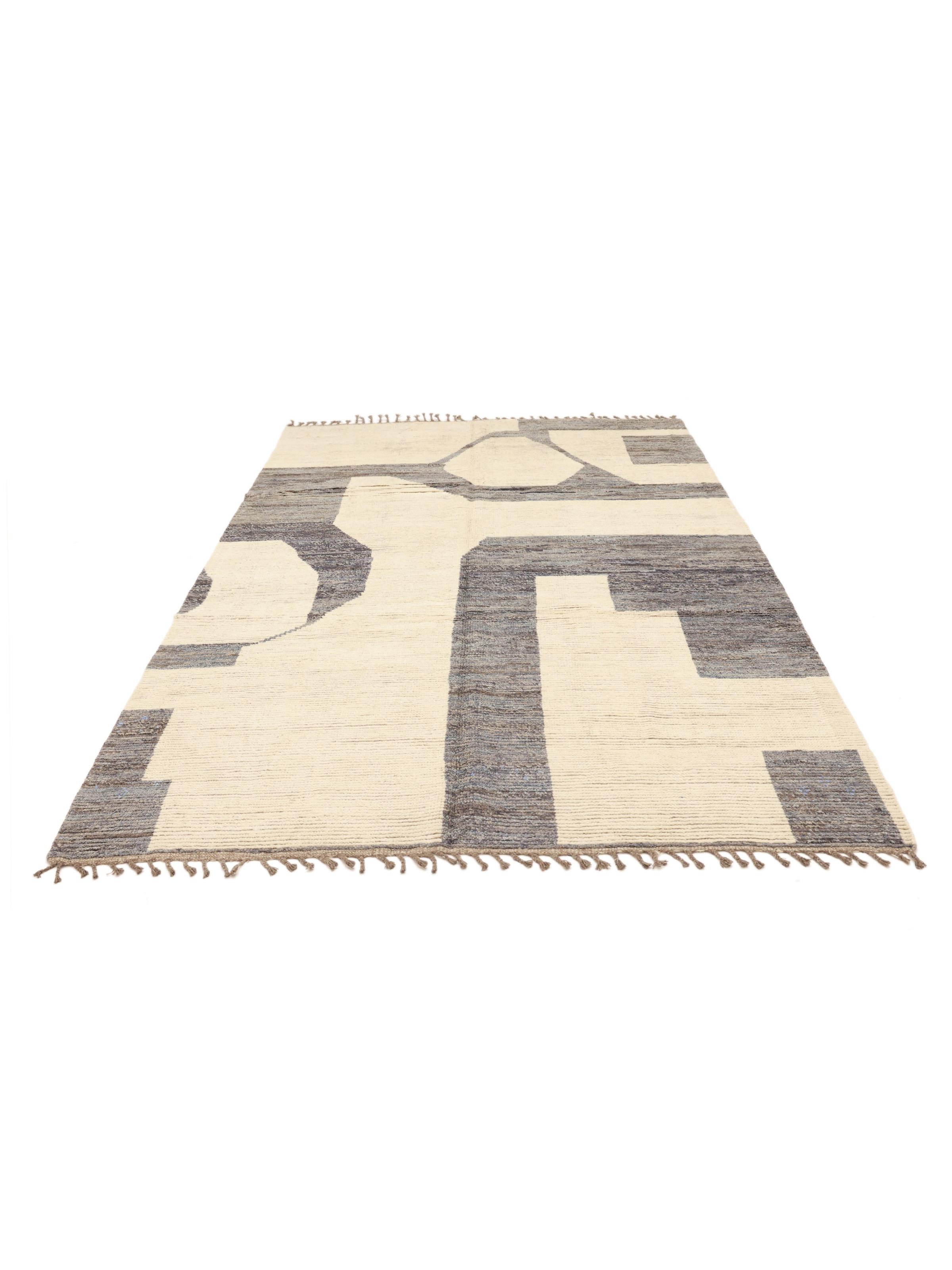
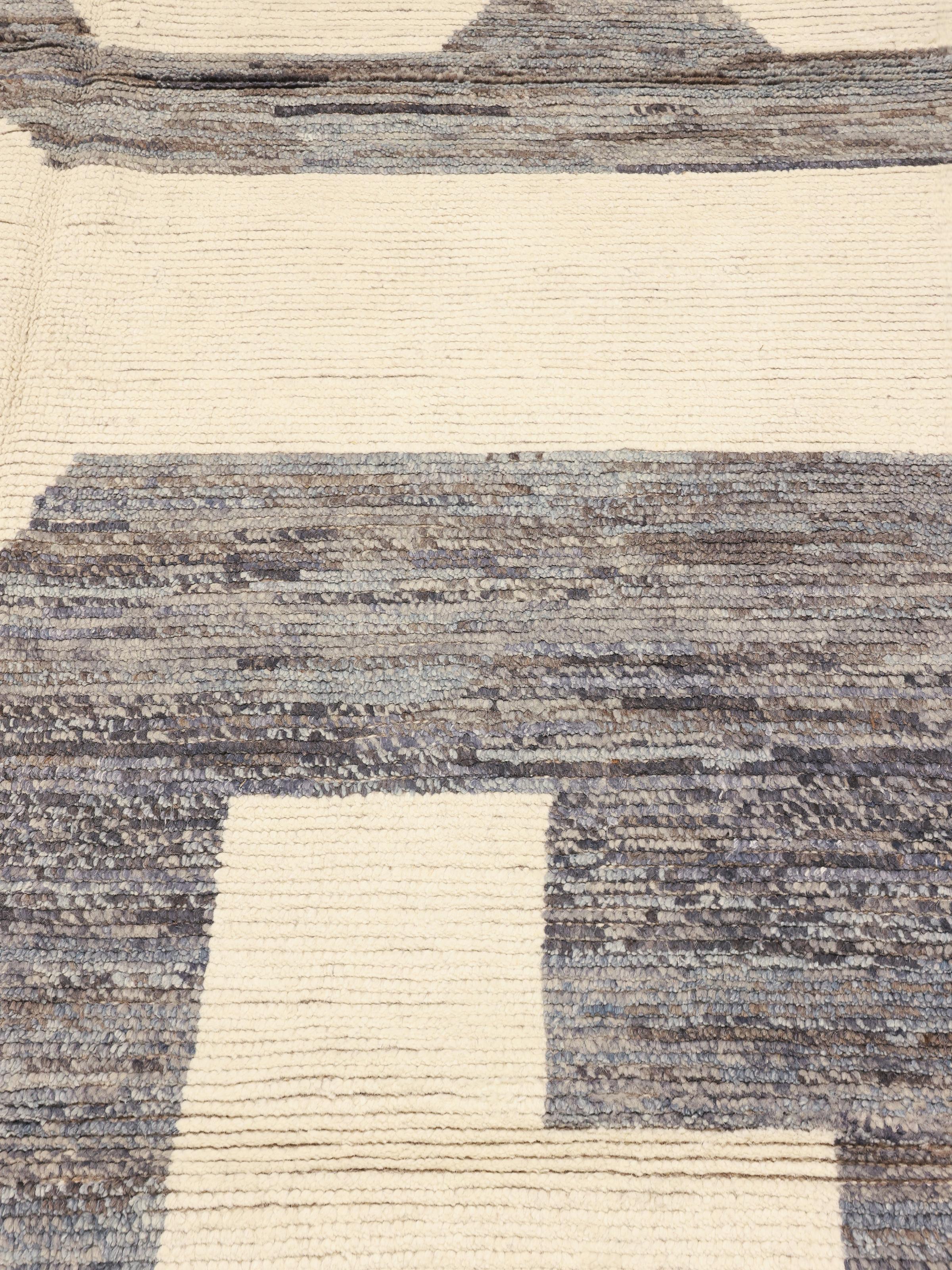
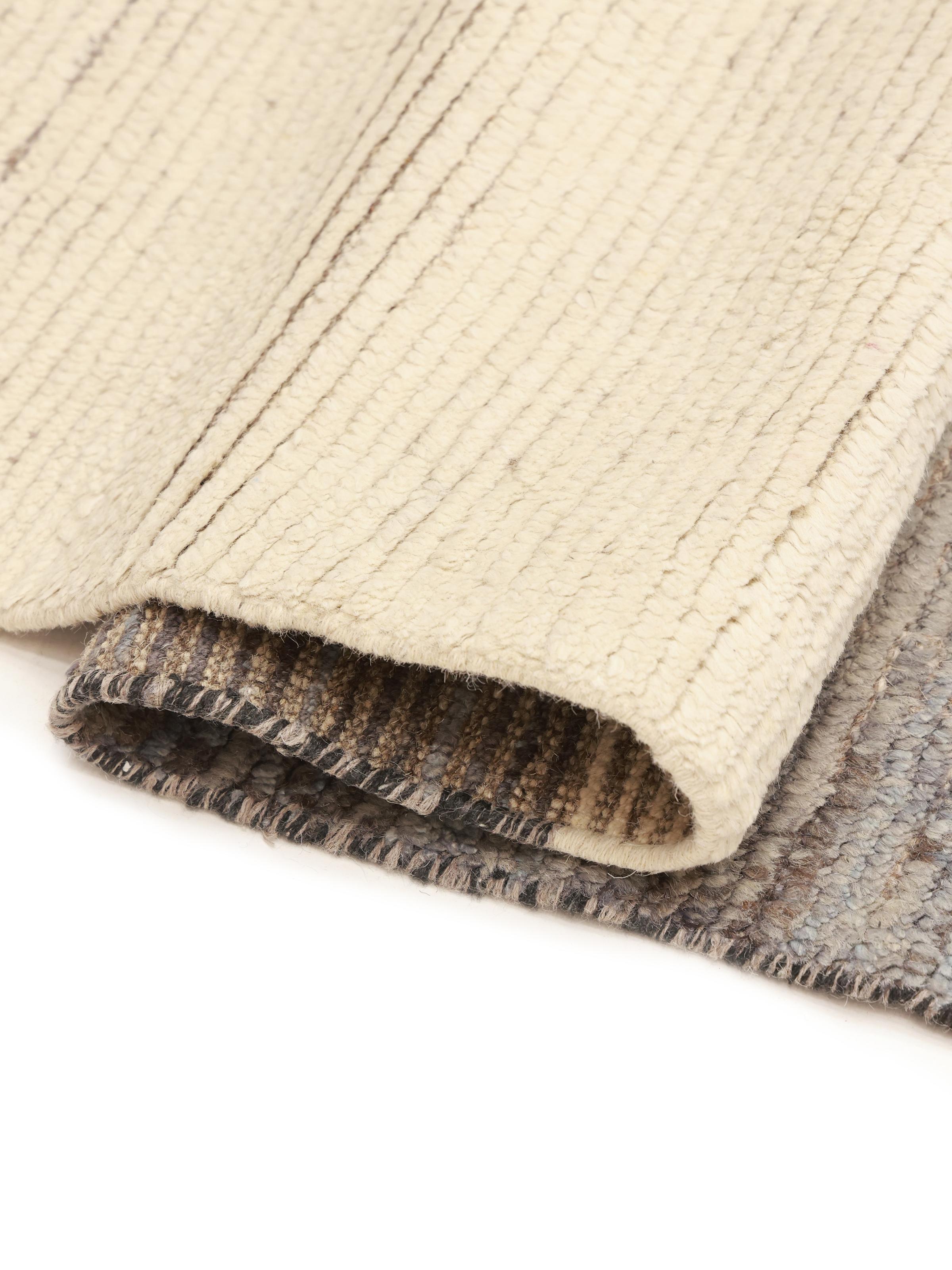
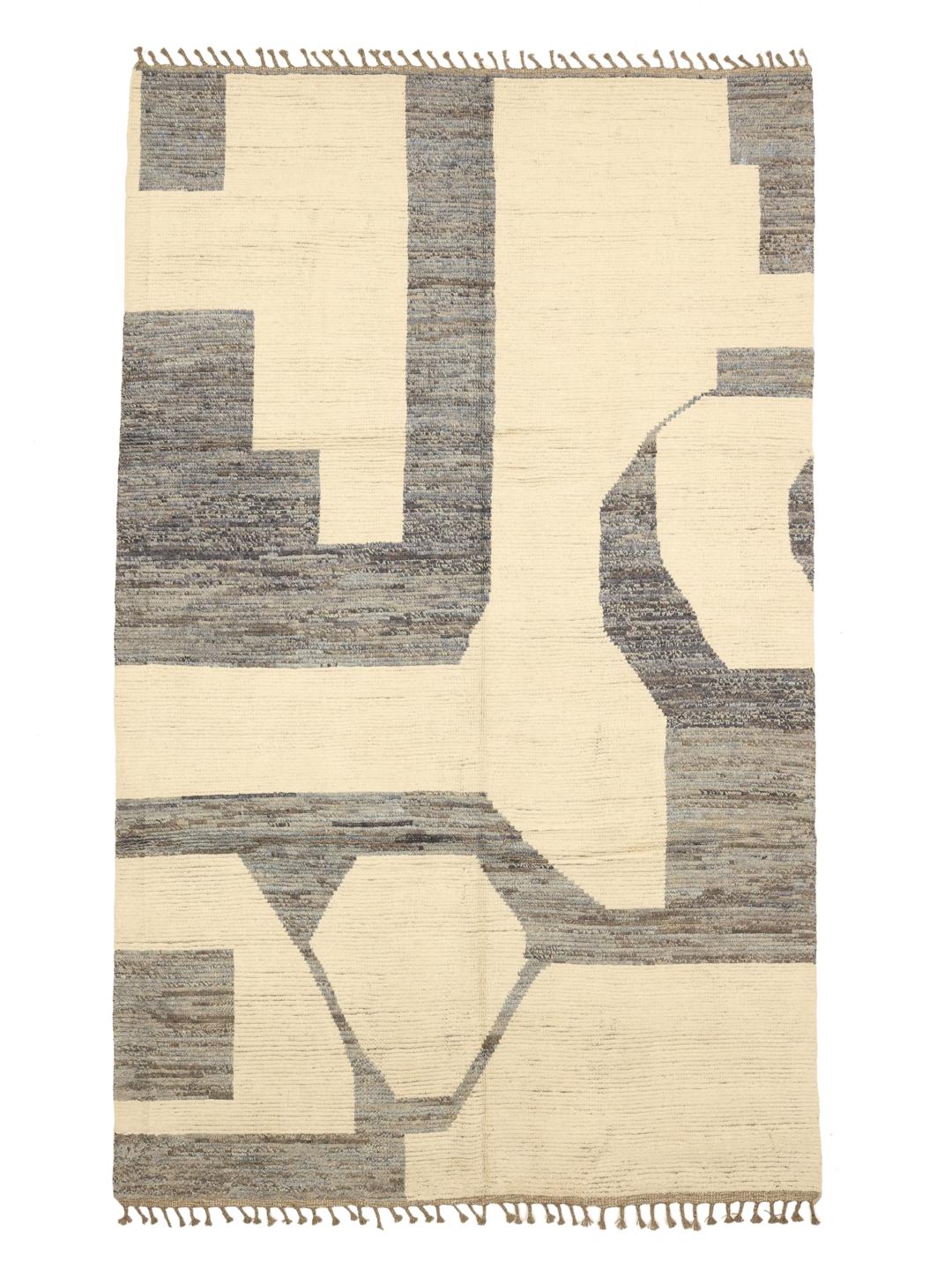
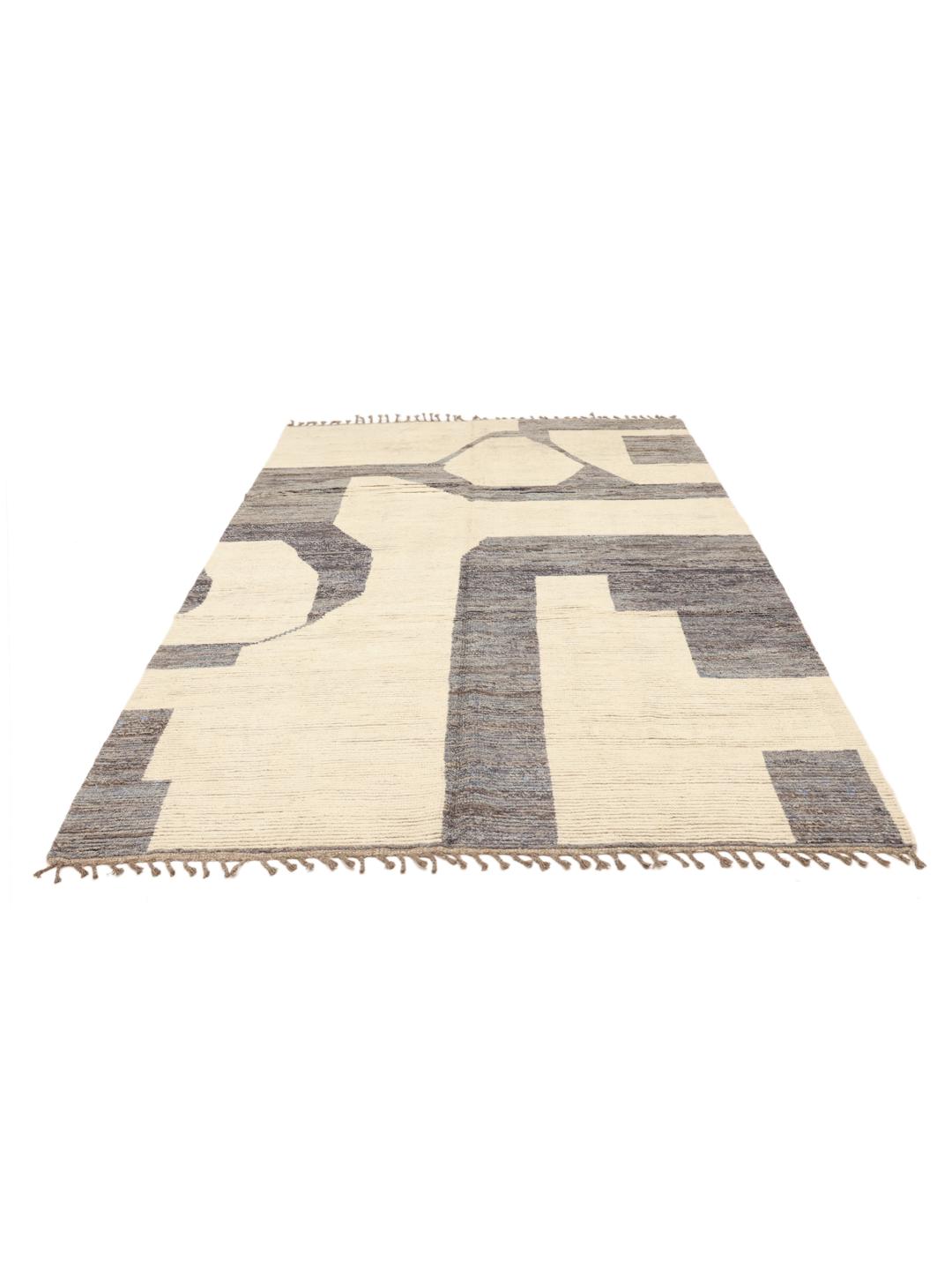
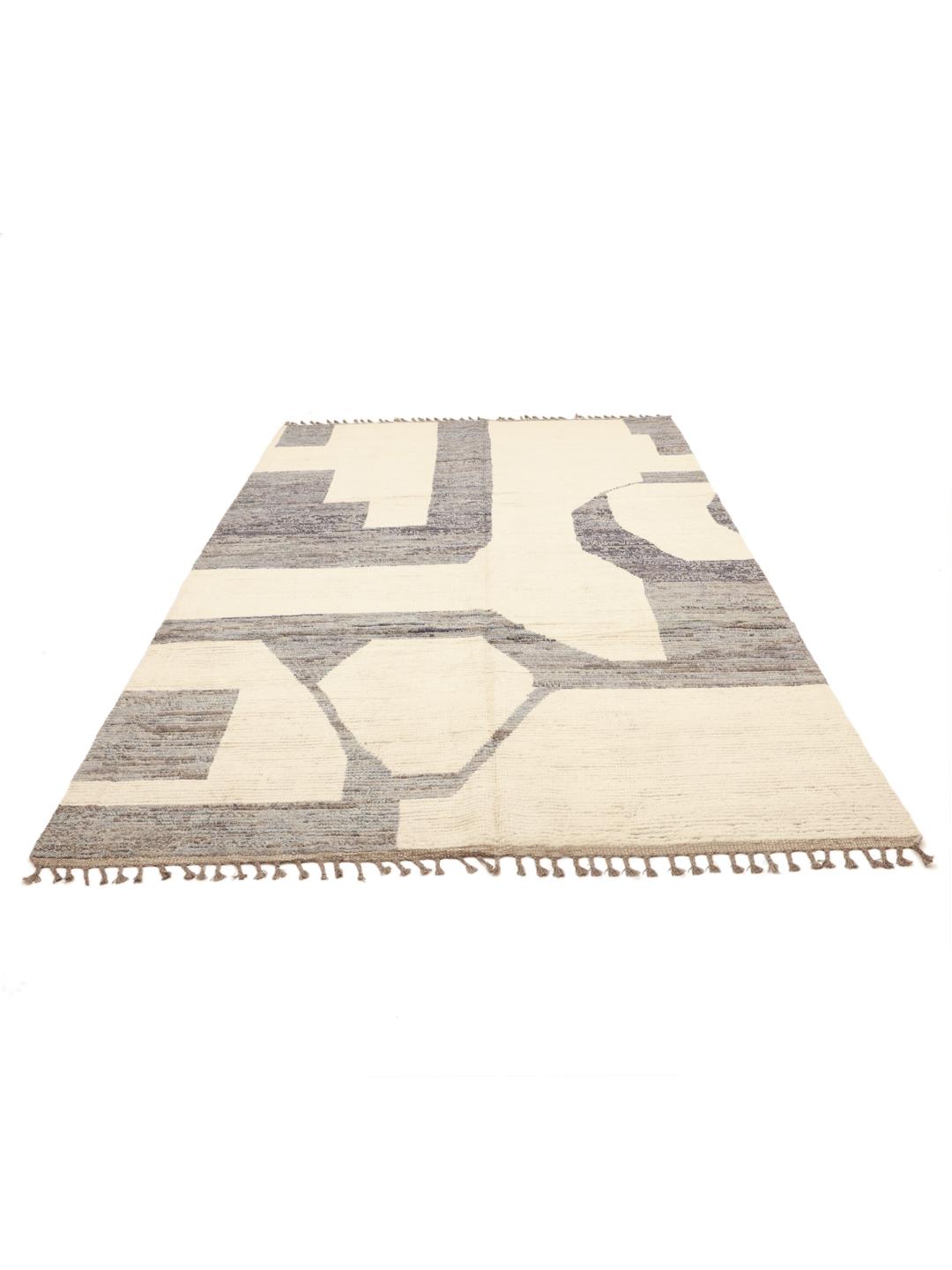
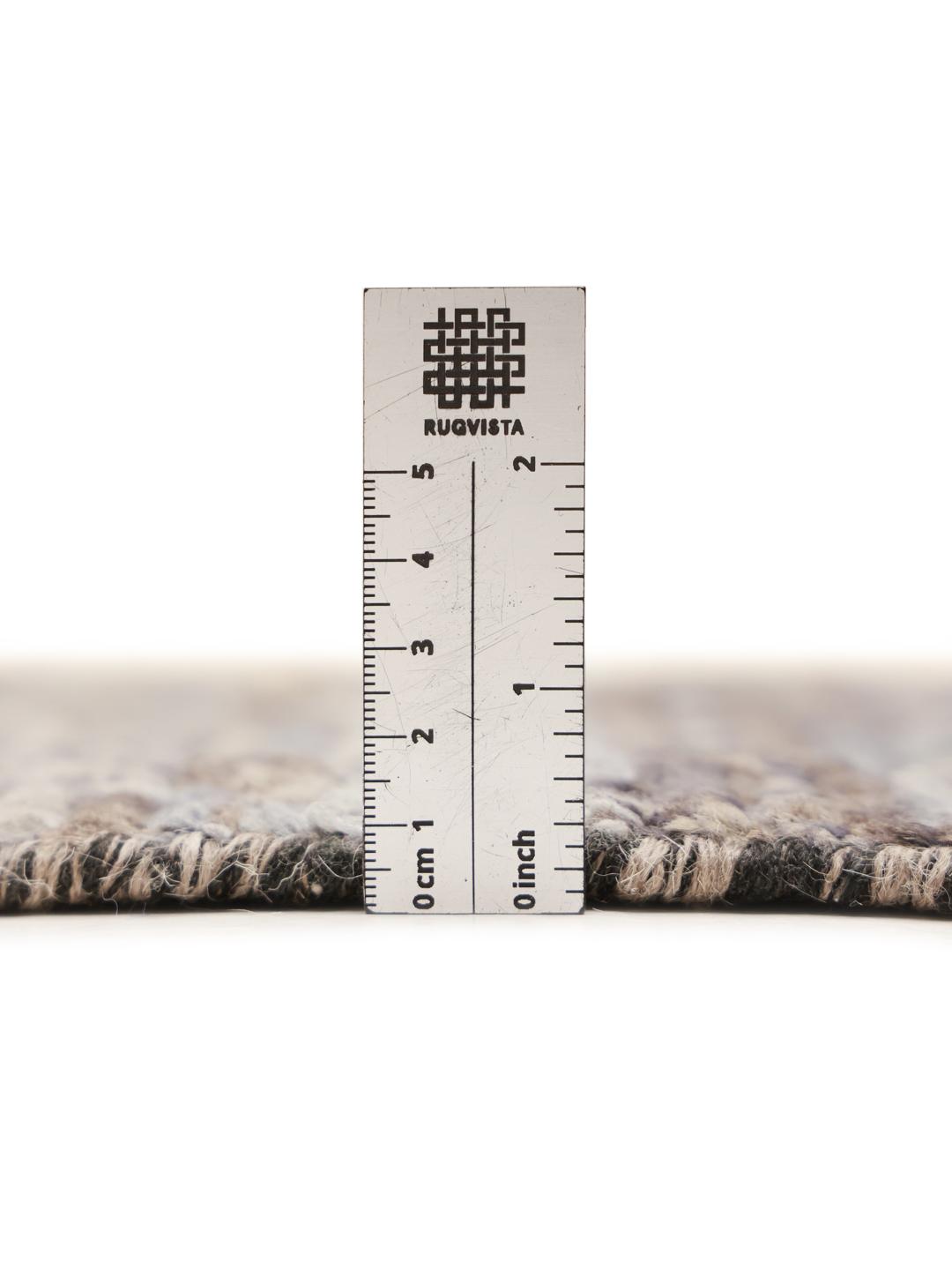
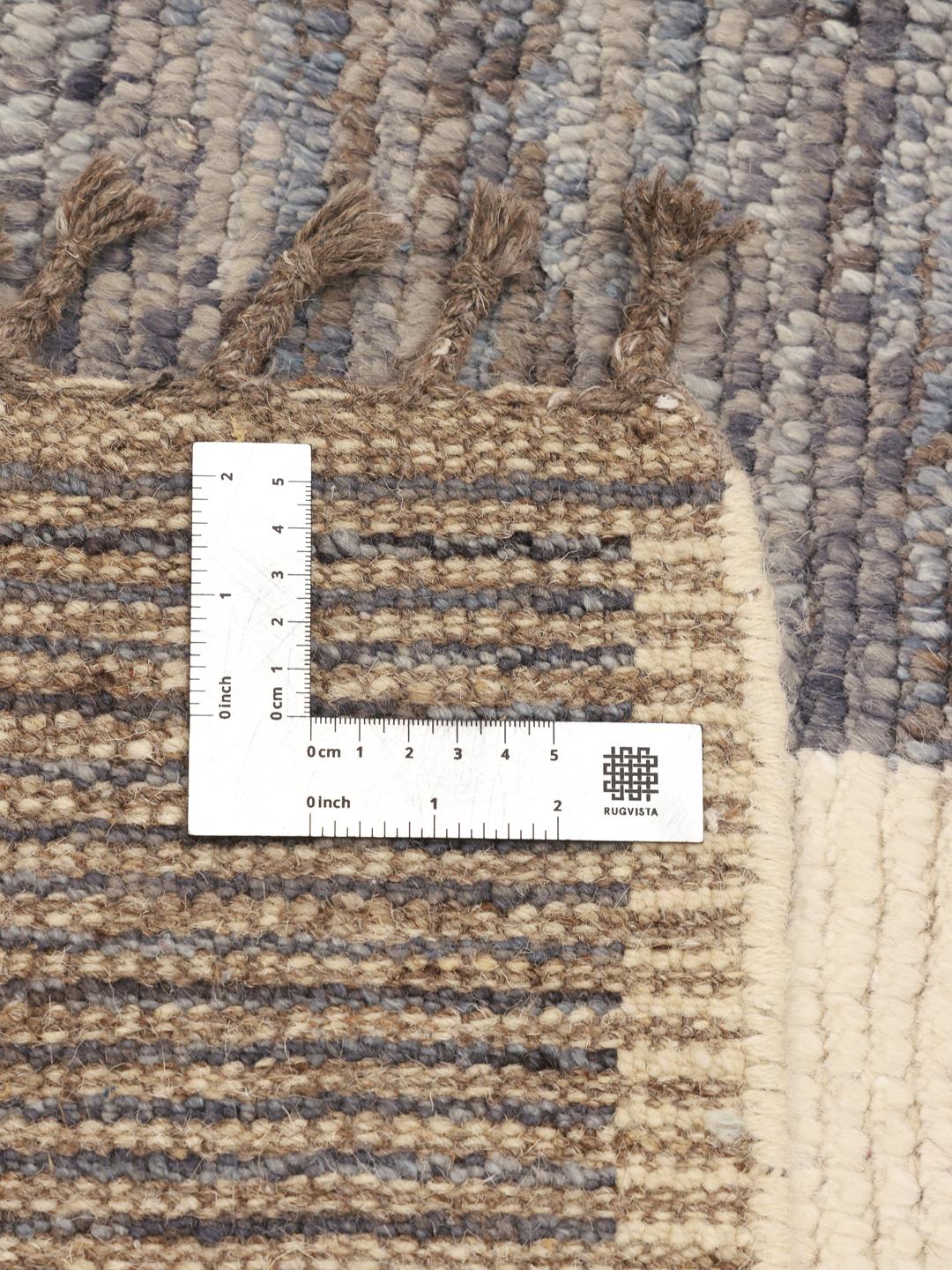
The Berber style originates from the nomadic traditions of the Middle East and North Africa, where rugs were historically woven for utility and warmth within harsh climates. Over centuries, these traditions have evolved and migrated, finding new expressions in the skilled hands of weavers in Afghanistan.
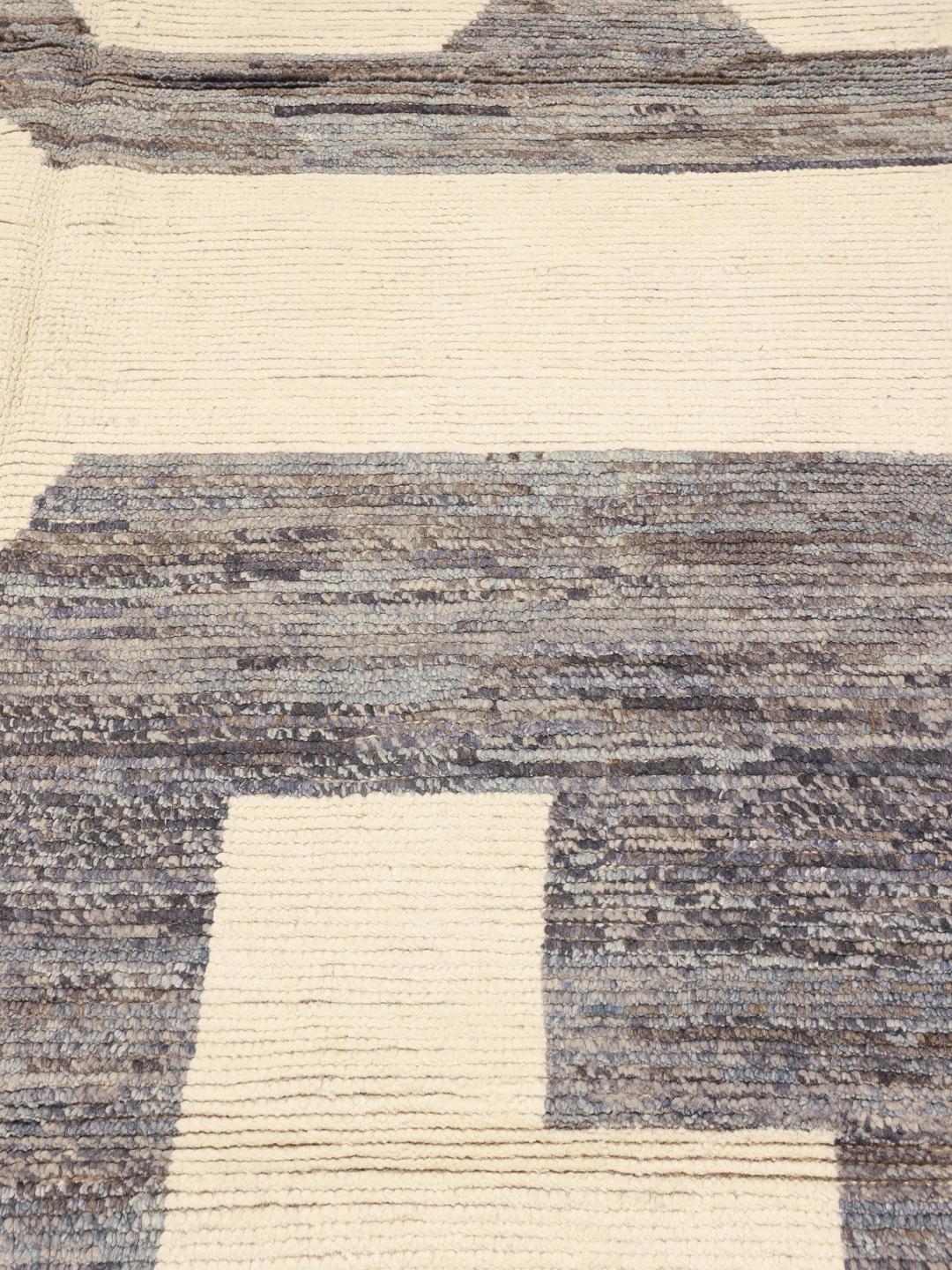
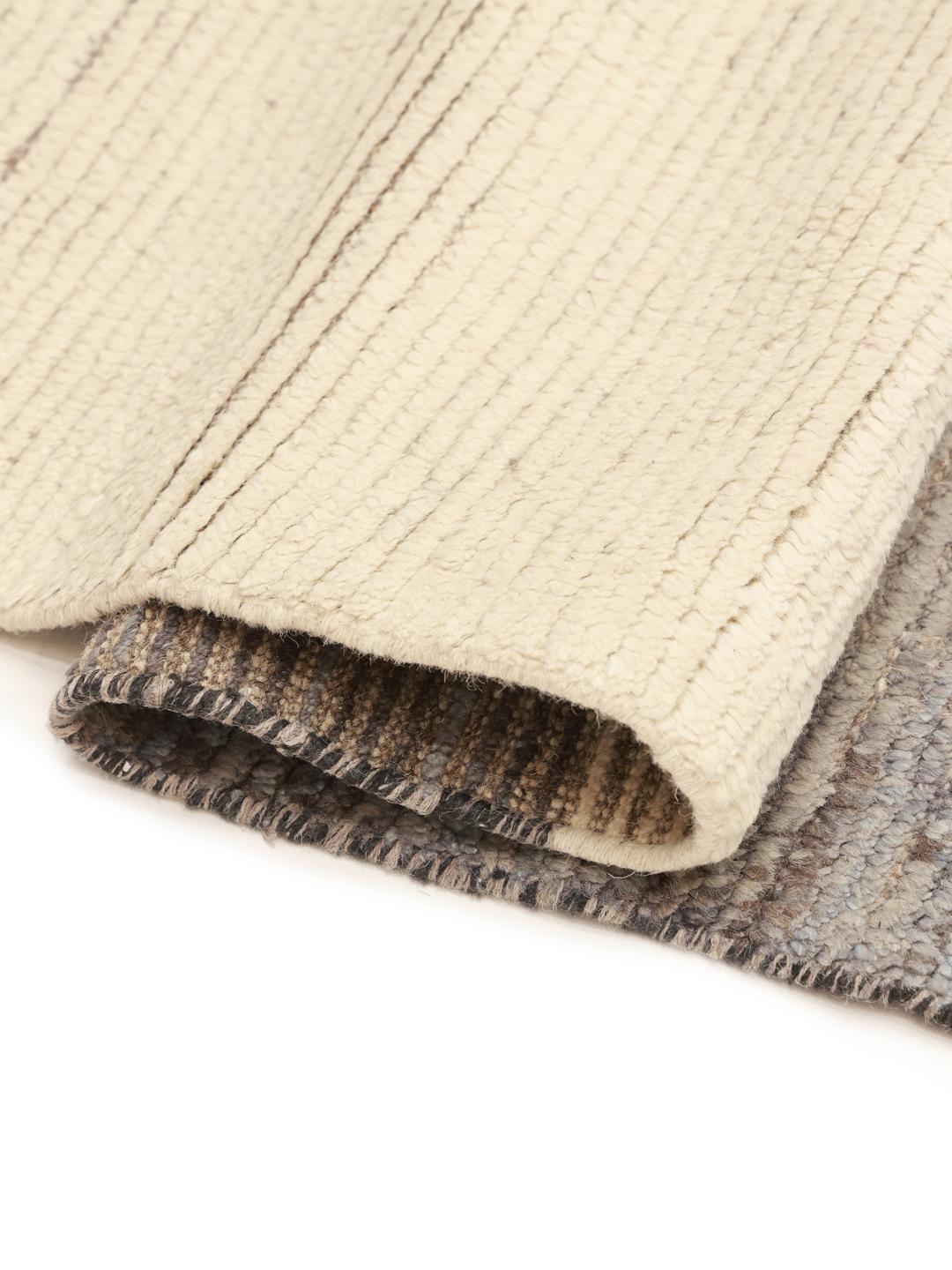
The craft relies on time-honoured techniques passed down through generations. While the term Berber originally referred to specific tribal weaving styles, today it represents a broader aesthetic language defined by deep pile, natural materials, and a focus on tactile comfort that remains central to its enduring popularity.
Design-wise, these rugs are celebrated for their bold, often geometric or abstract motifs that reflect the weaver's perspective and creative freedom. Unlike formal, symmetrical patterns found in other regions, this tradition favours a more organic and expressive approach, often utilising high-contrast colour palettes to make the design truly pop.
Owning a piece from this tradition is an act of preserving a rich cultural heritage. These rugs are highly valued by collectors and homeowners alike for their authenticity, the immense skill required to produce them, and their ability to bridge the gap between ancient craft and contemporary interior design.