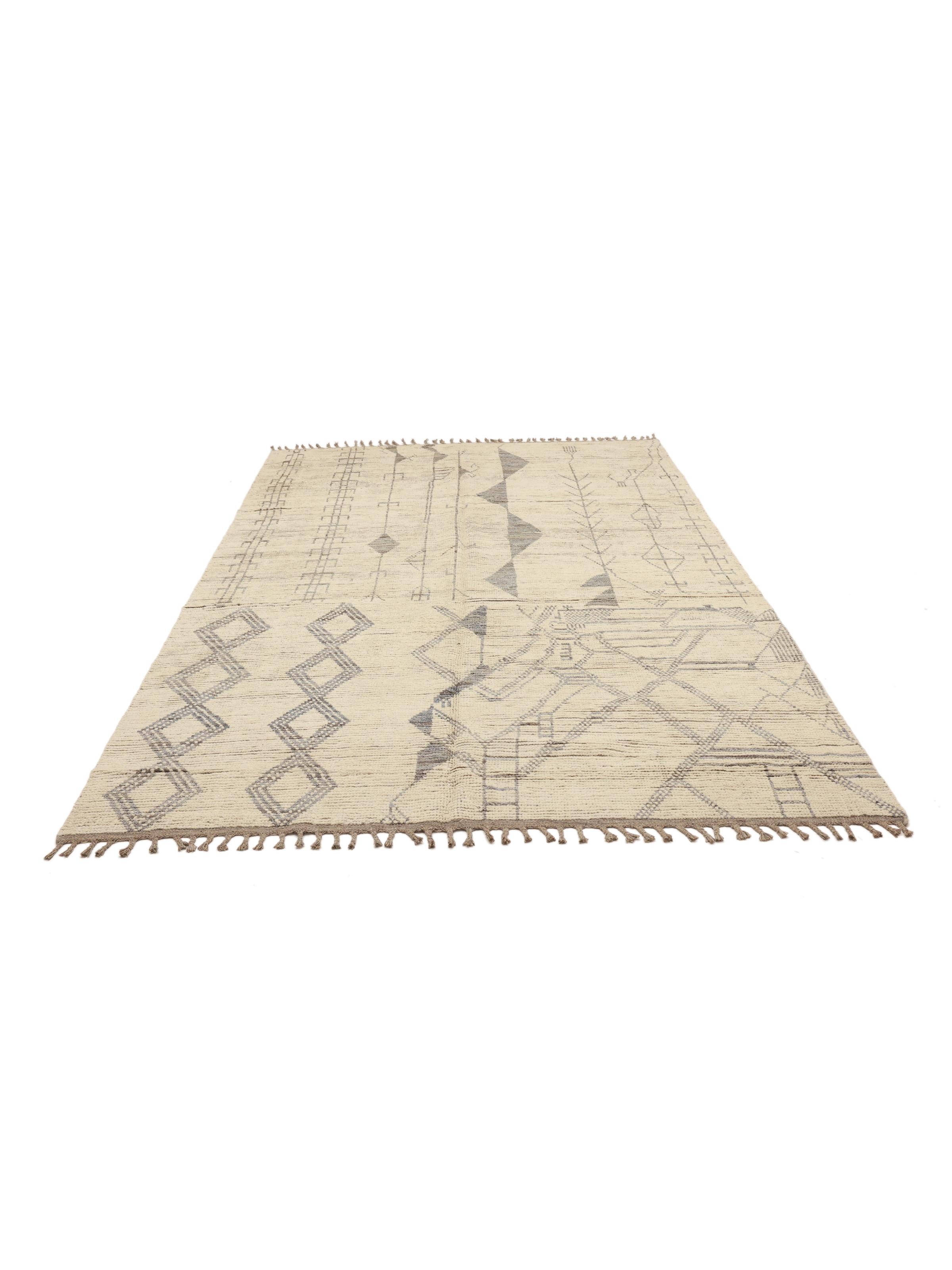
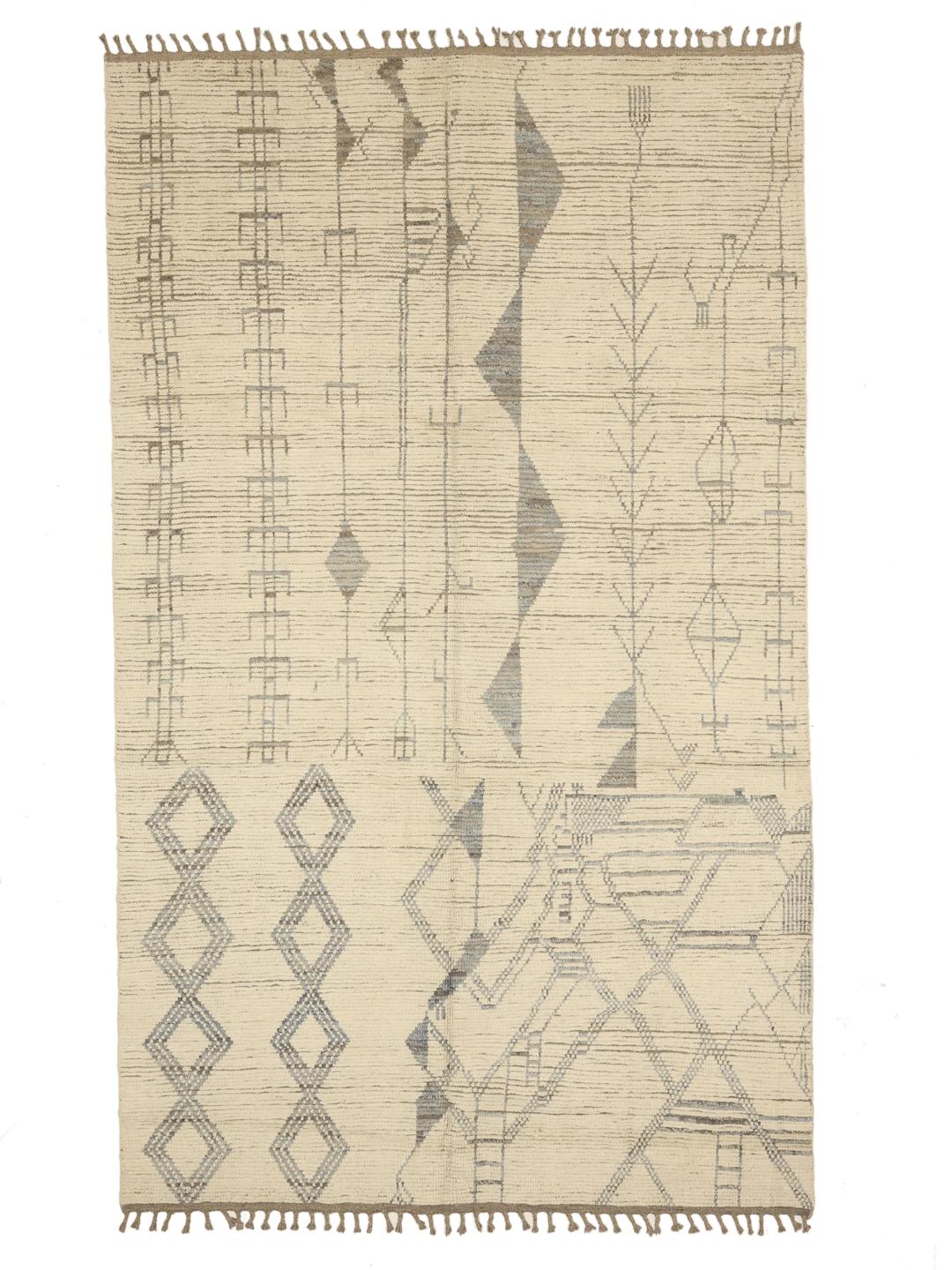
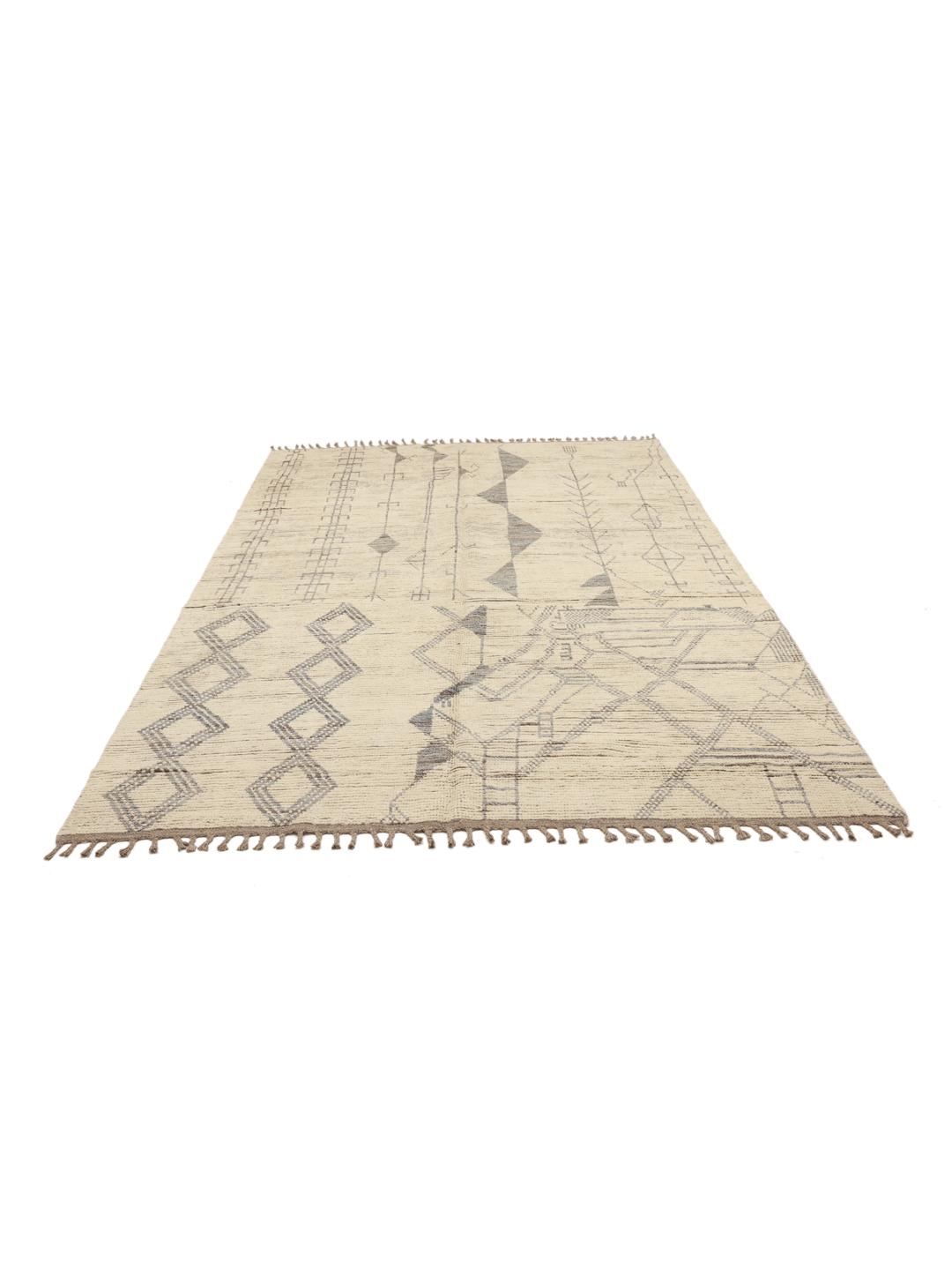
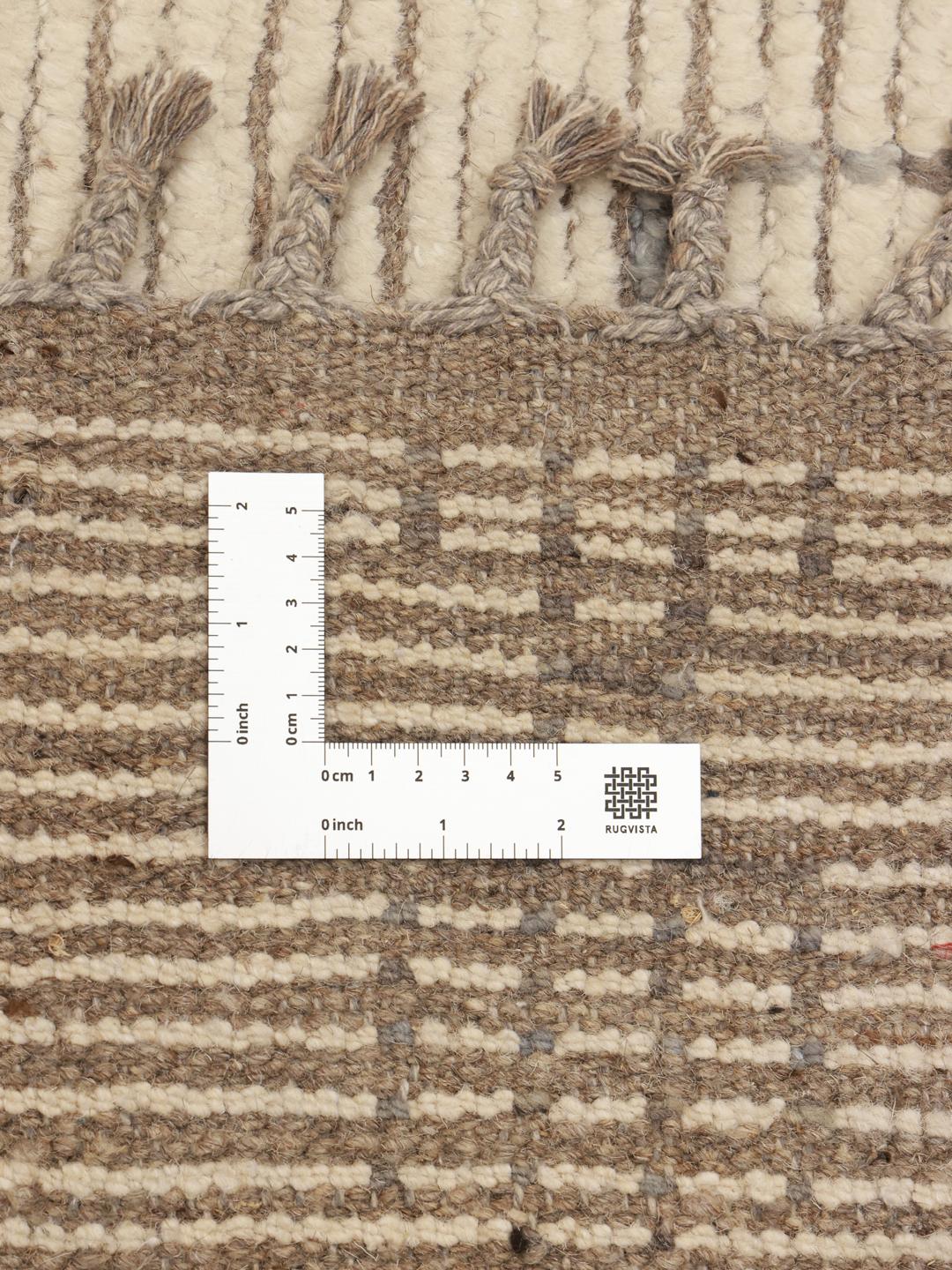
The origins of these rugs trace back to the rugged landscapes of the Middle East and Central Asia, where tribal weaving traditions have been passed down through generations. While often associated with the nomadic Berber tribes of North Africa, this specific style has been beautifully adapted and evolved by Afghan weavers, who infuse these ancient geometric patterns with their own regional techniques and cultural sensibilities.
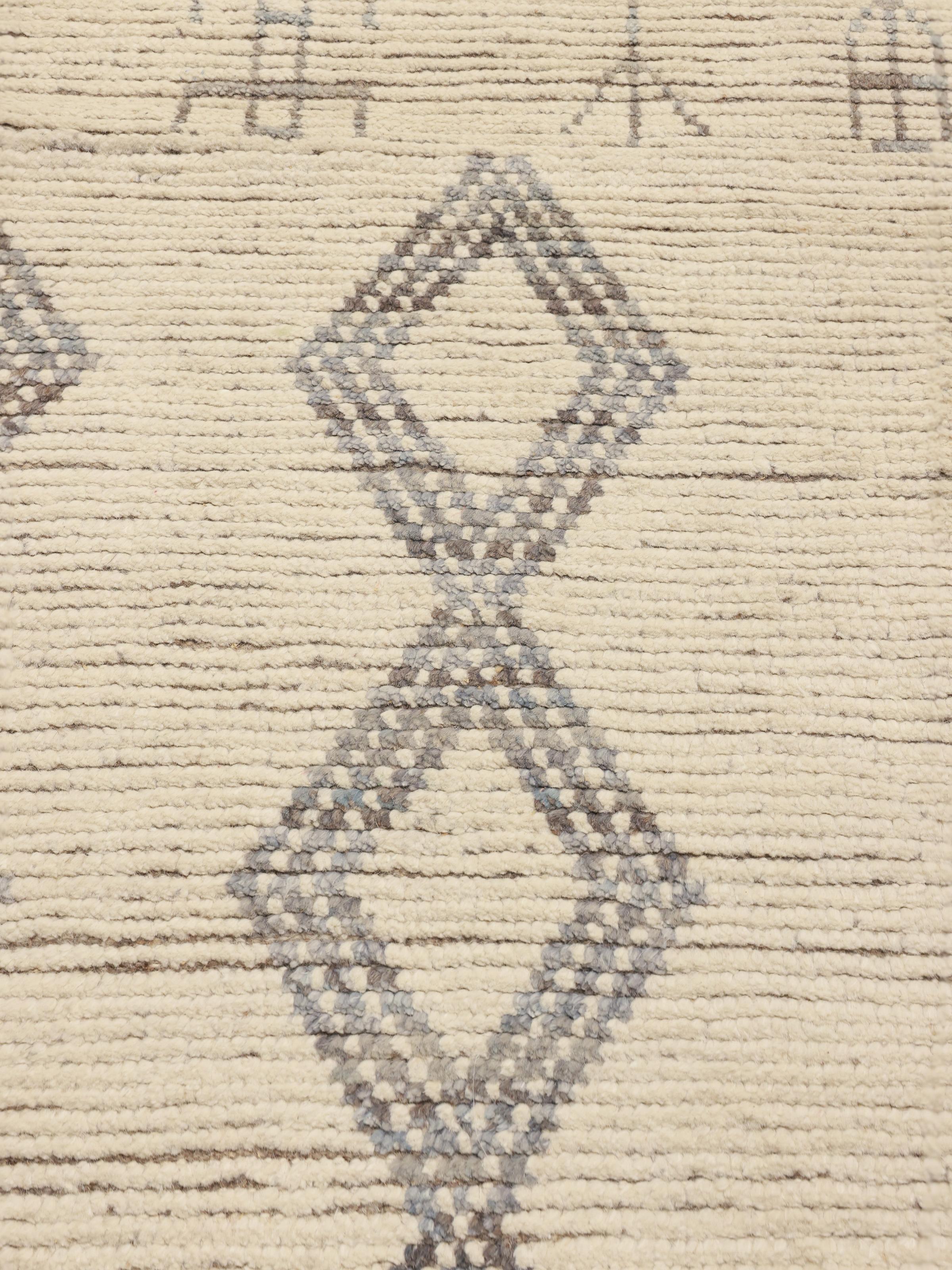
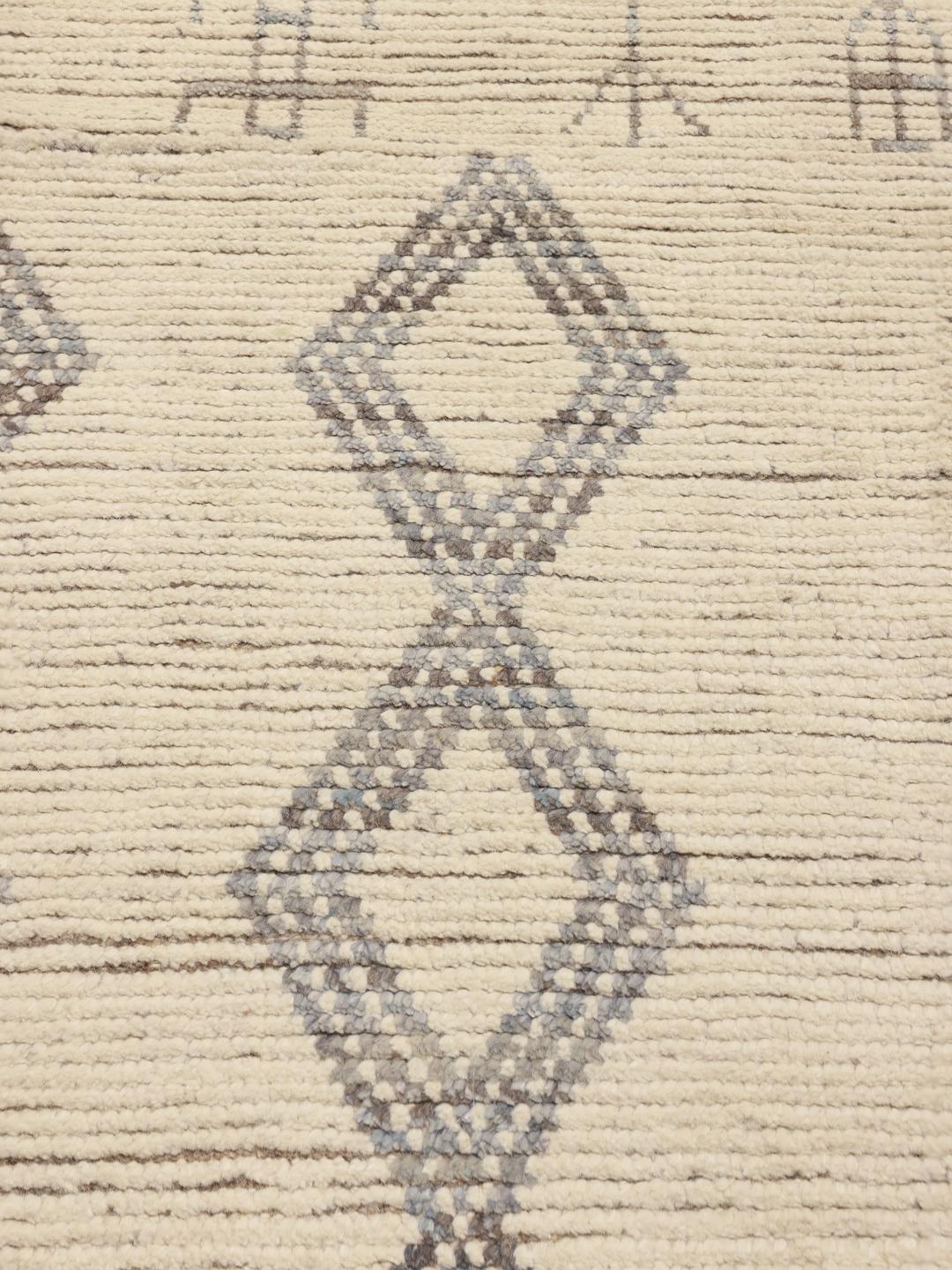
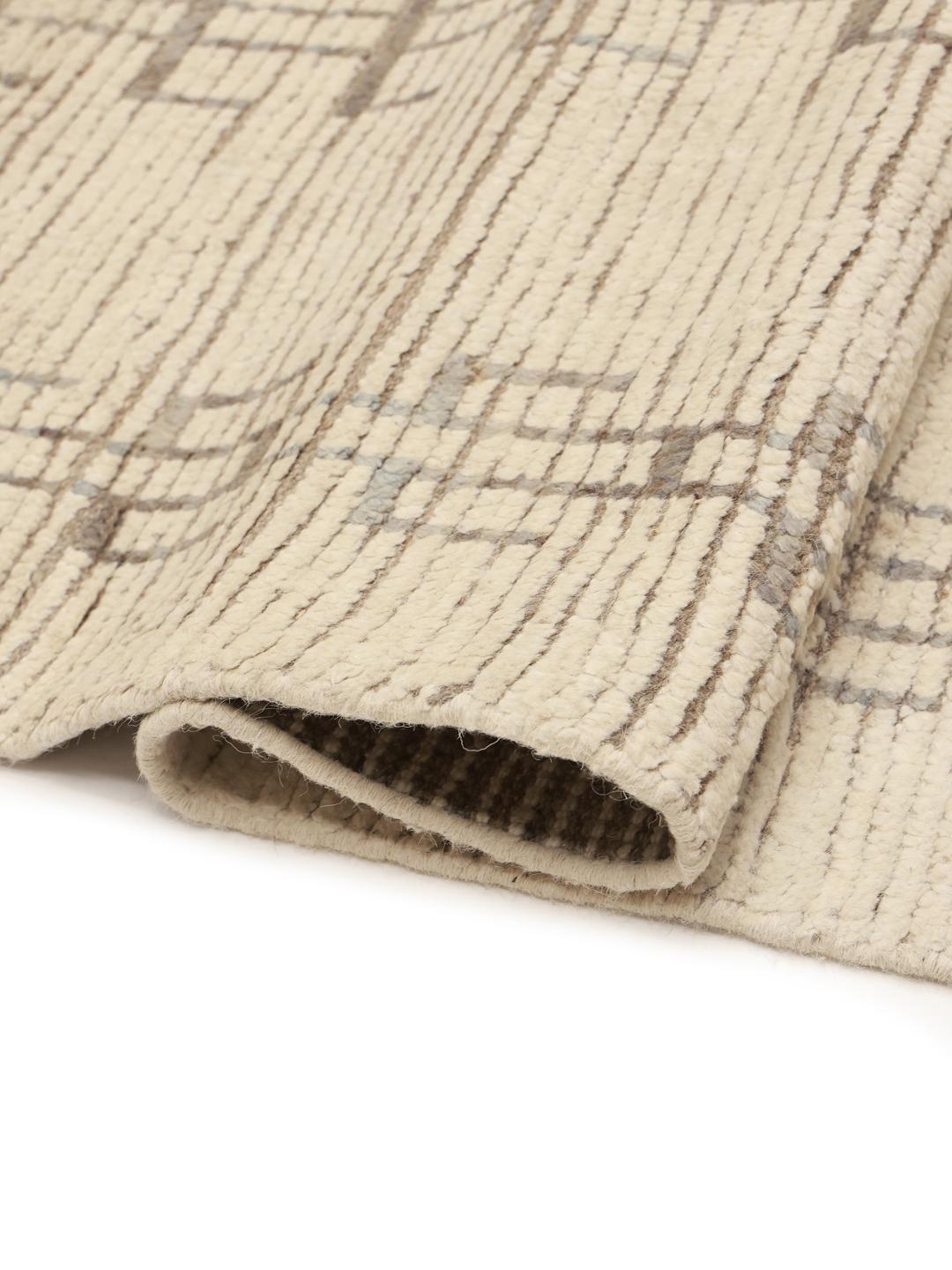
The term hand-knotted refers to the traditional method of looping individual threads of wool around the warp and weft foundations to create the pile. This approach is significantly more time-intensive than modern techniques, but it is the gold standard for quality. It creates a dense, durable, and highly resilient surface that stands up to years of use, growing more beautiful as it ages.
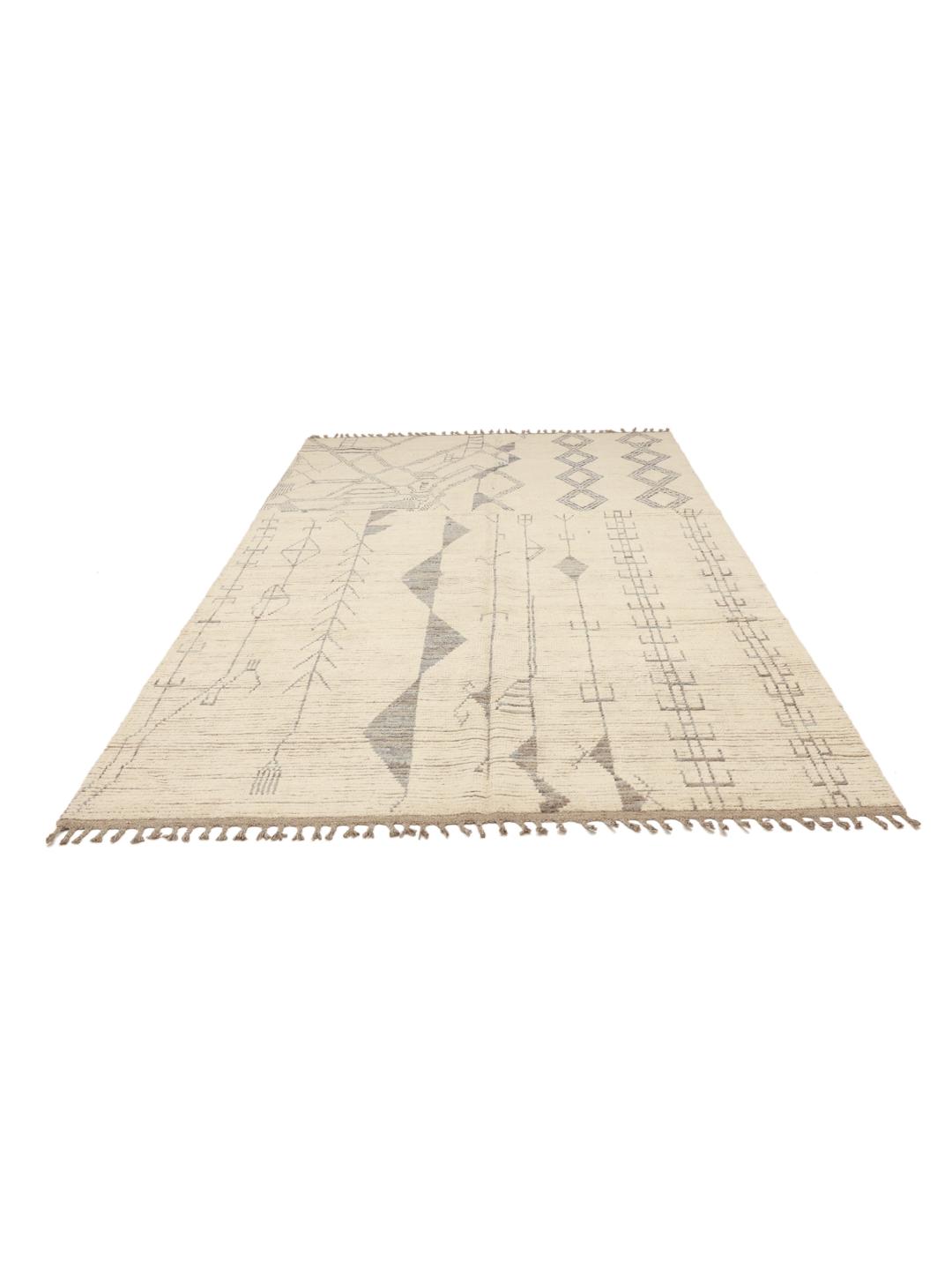
Visually, these rugs are defined by their minimalist, organic aesthetic. They often feature symbolic motifs, lines, and geometric shapes that reflect the weaver's environment and heritage. The use of a neutral colour palette is a hallmark of this tradition, allowing the focus to remain on the texture of the wool and the subtle variations in the pattern, which are typical of natural, hand-dyed materials.
Collecting these rugs is an investment in human heritage. They are valued not just for their utility, but for the skill they represent and the story they tell. By choosing a hand-knotted rug, you are preserving a legacy of craft and ensuring that these time-honoured methods continue to thrive in the modern world.