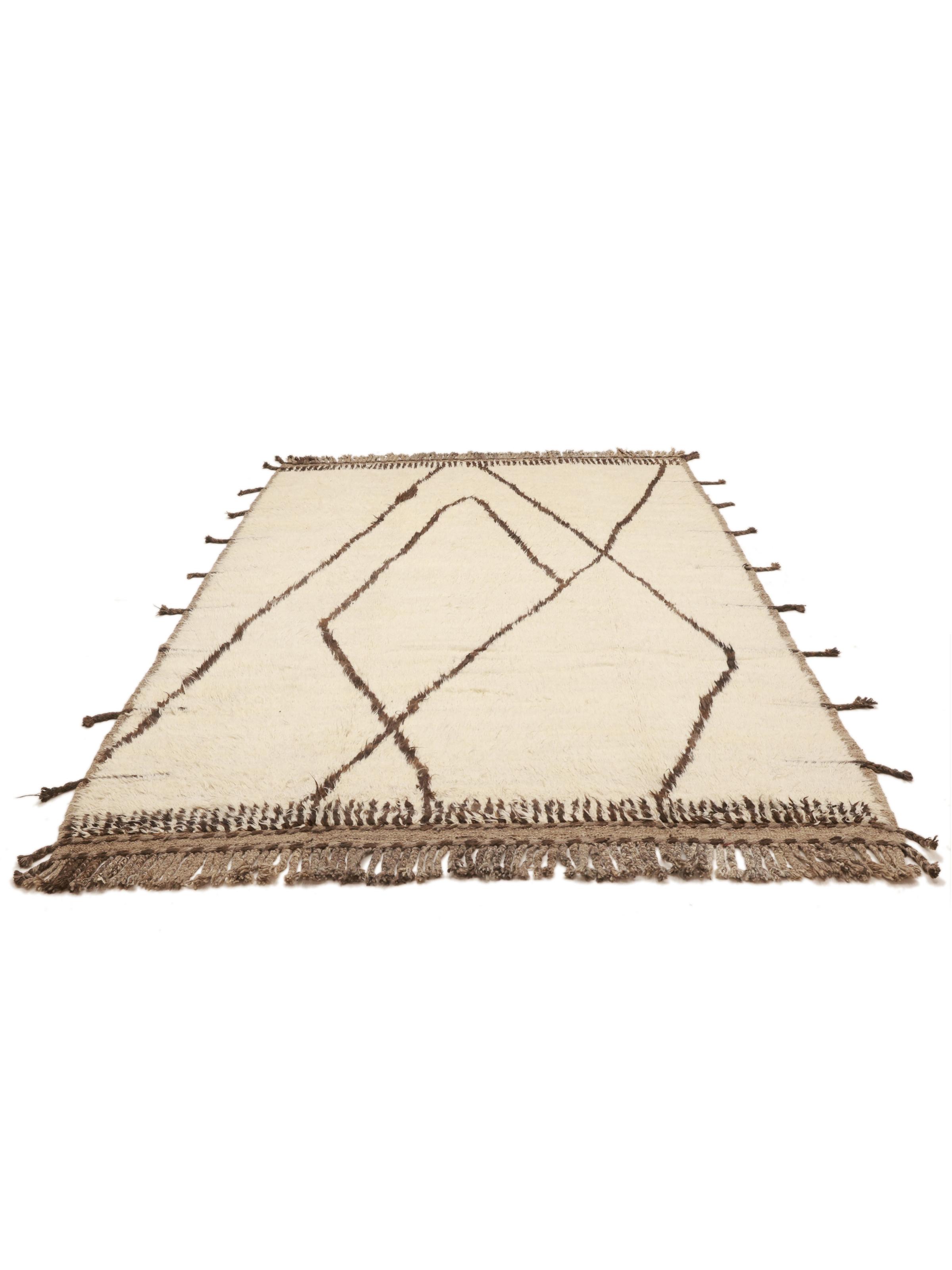
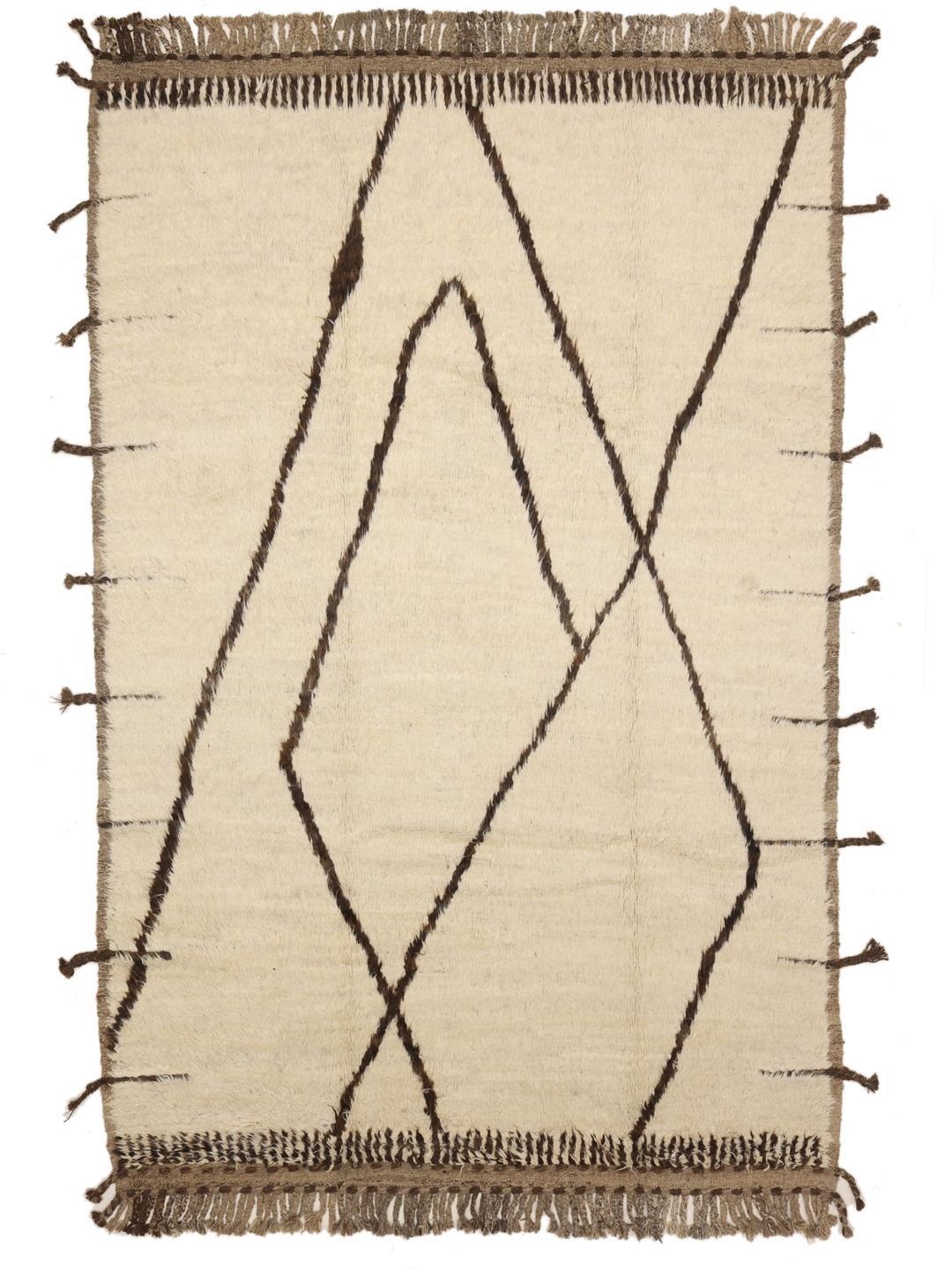
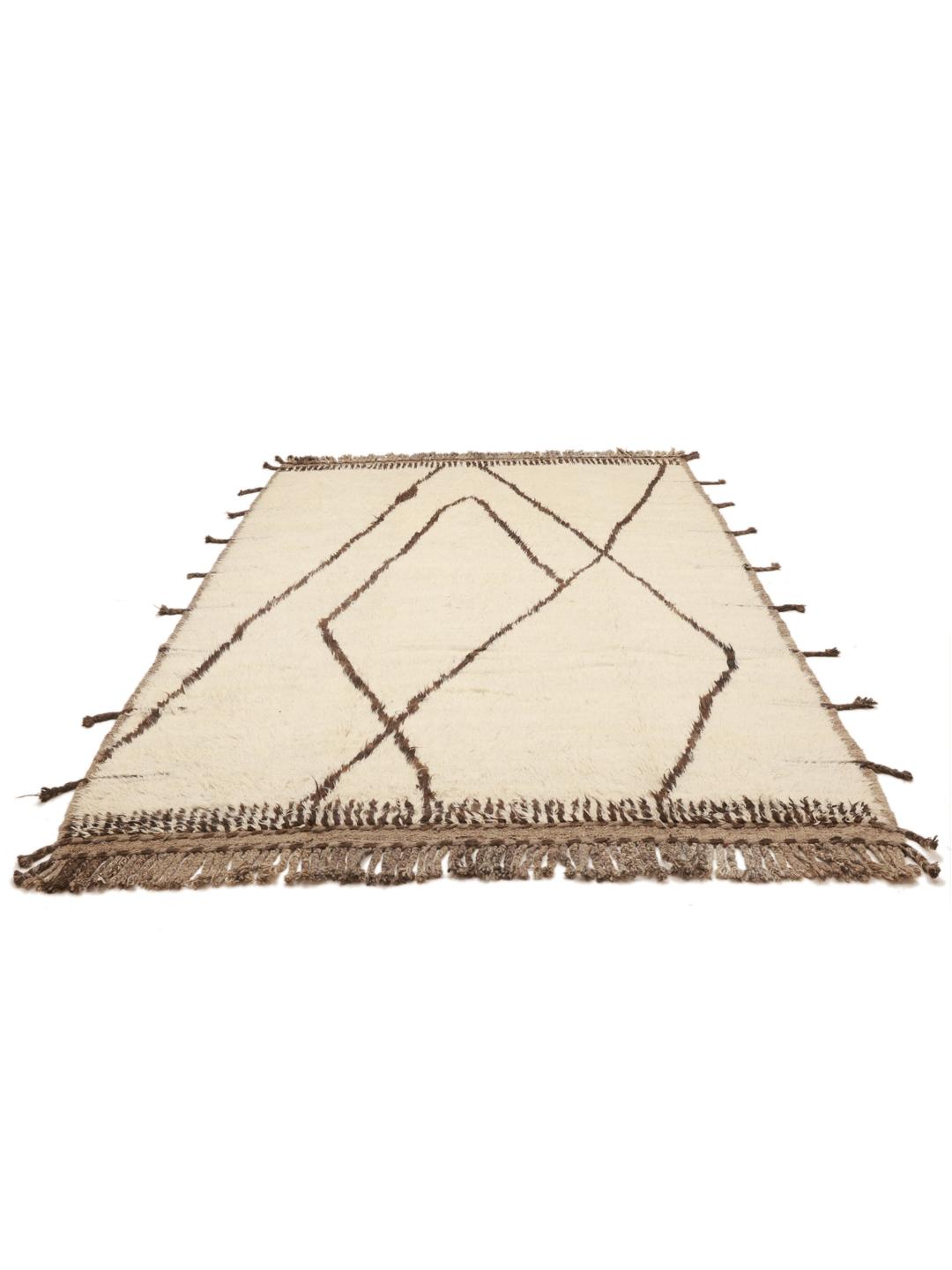
Berber rugs originate from the nomadic tribes of North Africa, but their influence has travelled far beyond those borders, finding a home in the workshops of Afghanistan. This migration of style has allowed Afghan artisans to reinterpret the classic, shaggy aesthetic, blending their own local weaving traditions with the iconic, minimalist look of the original Berber designs.
The term Berber historically refers to the indigenous peoples of North Africa, whose weaving techniques were passed down through generations. These rugs were traditionally made for functional use in harsh climates, designed to provide warmth and comfort in a home. The focus remains on the quality of the wool and the density of the knotting, which determines how well the rug will wear over time.
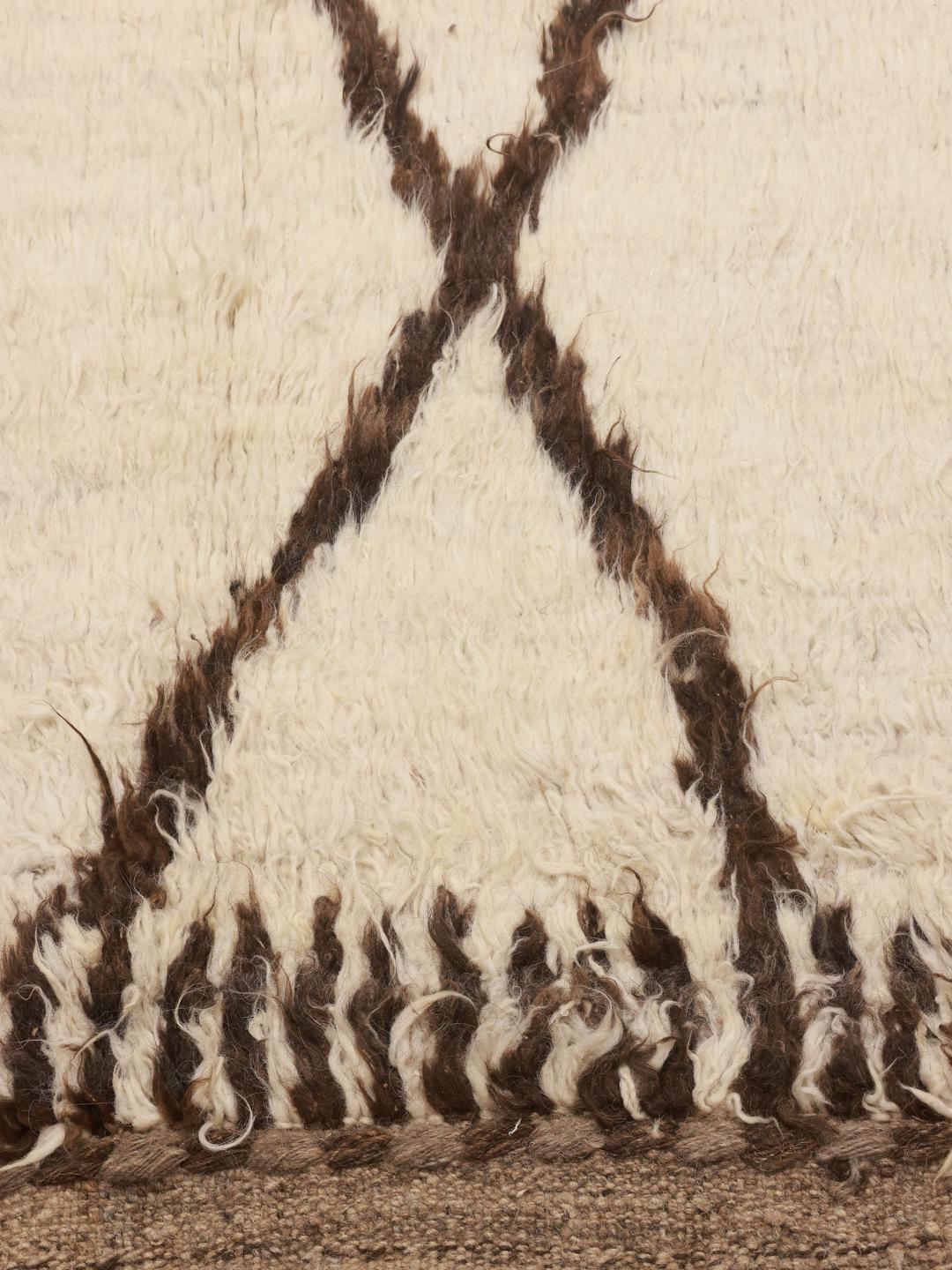
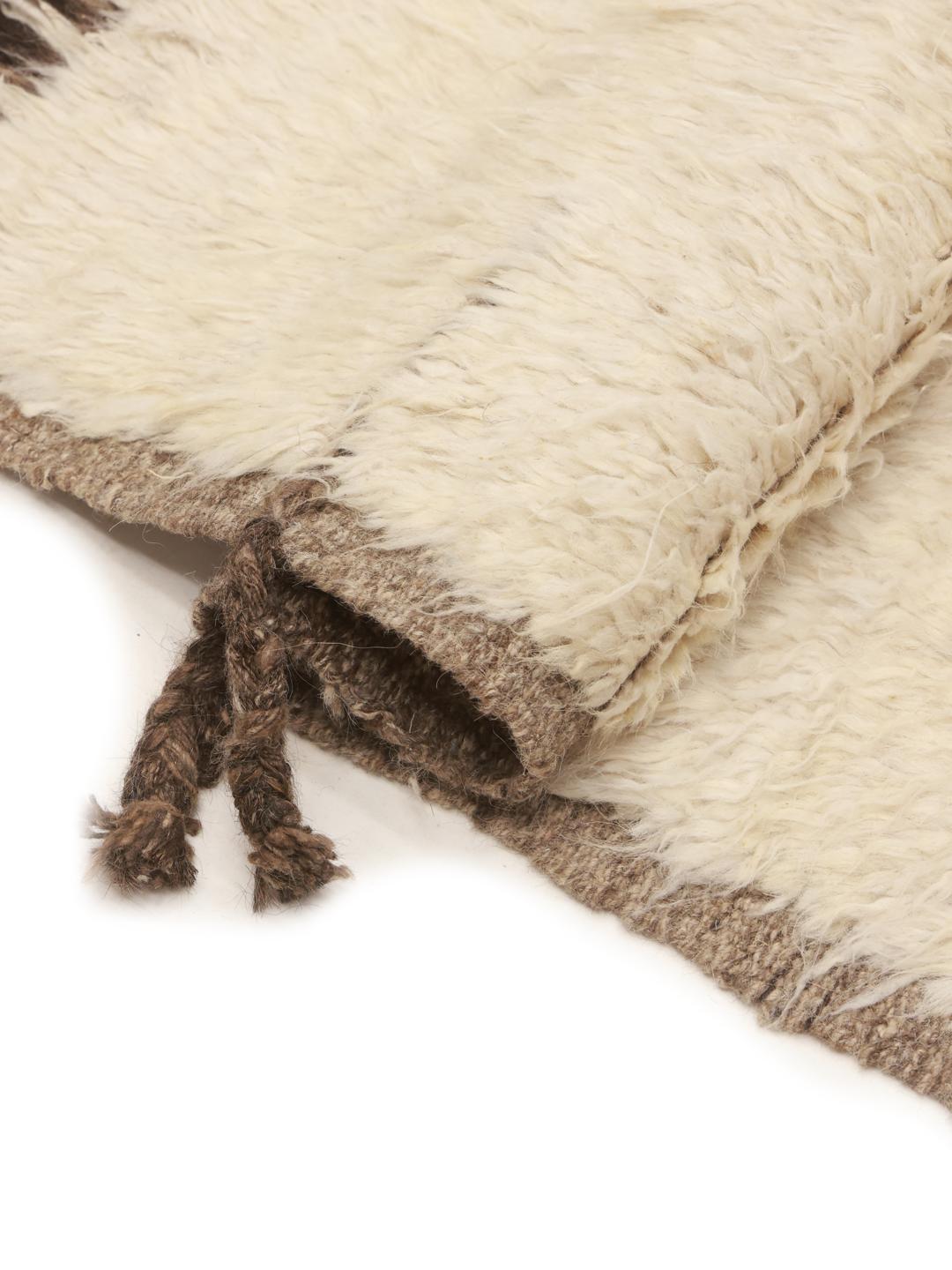
Visually, these rugs are defined by their simplicity. They often feature a neutral field adorned with subtle, abstract, or geometric lines that mirror the natural landscape. This piece stays true to that tradition, using a clean palette that allows the texture of the wool to take centre stage, creating a calm and grounded atmosphere in any room.
Collecting a rug from this tradition is an investment in human skill and cultural history. These pieces are valued not only for their visual appeal but for the stories they carry from the hands of the weaver to your floor. Owning one means participating in a long-standing tradition of craft that continues to be relevant and cherished in contemporary homes.