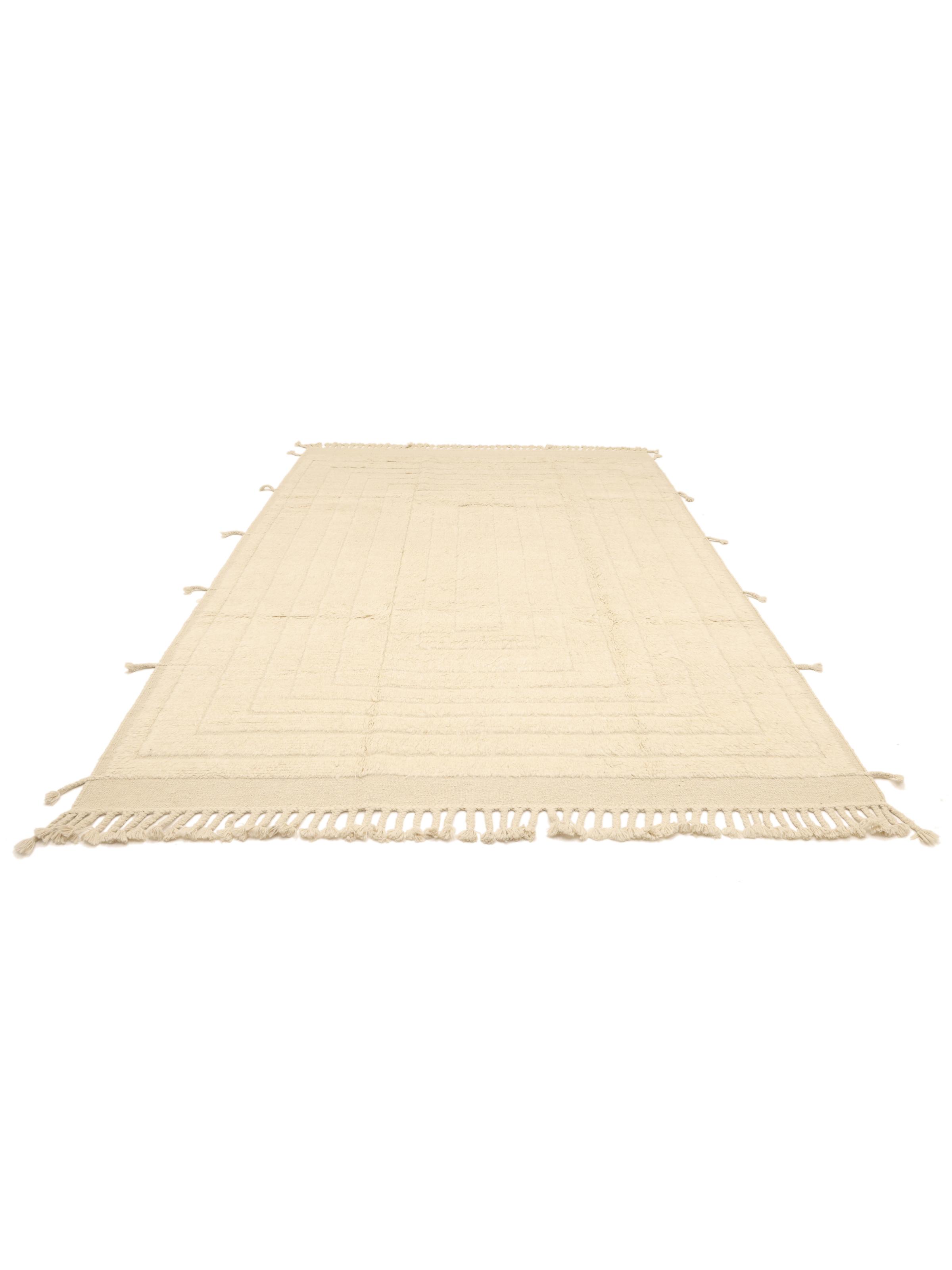
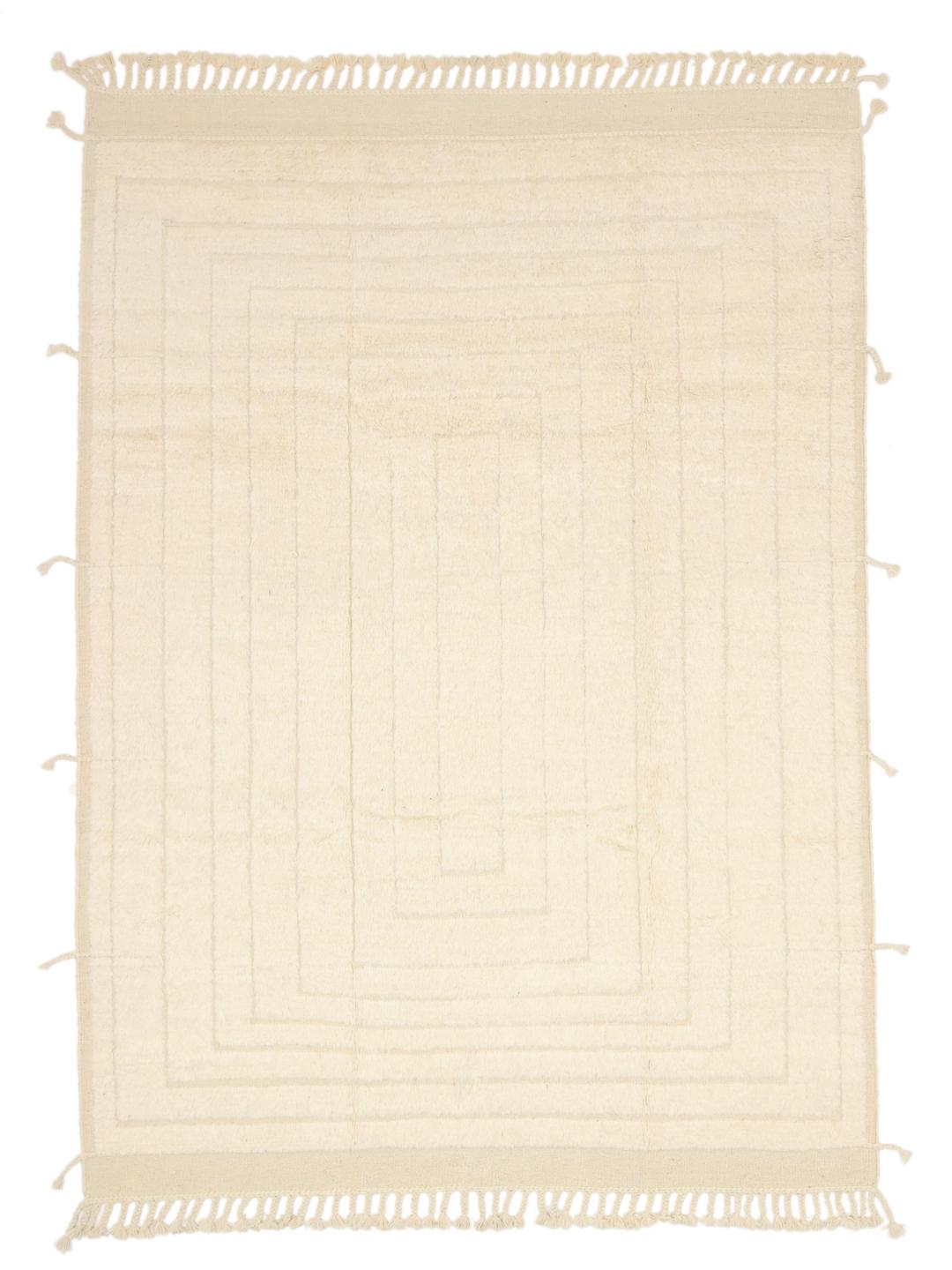
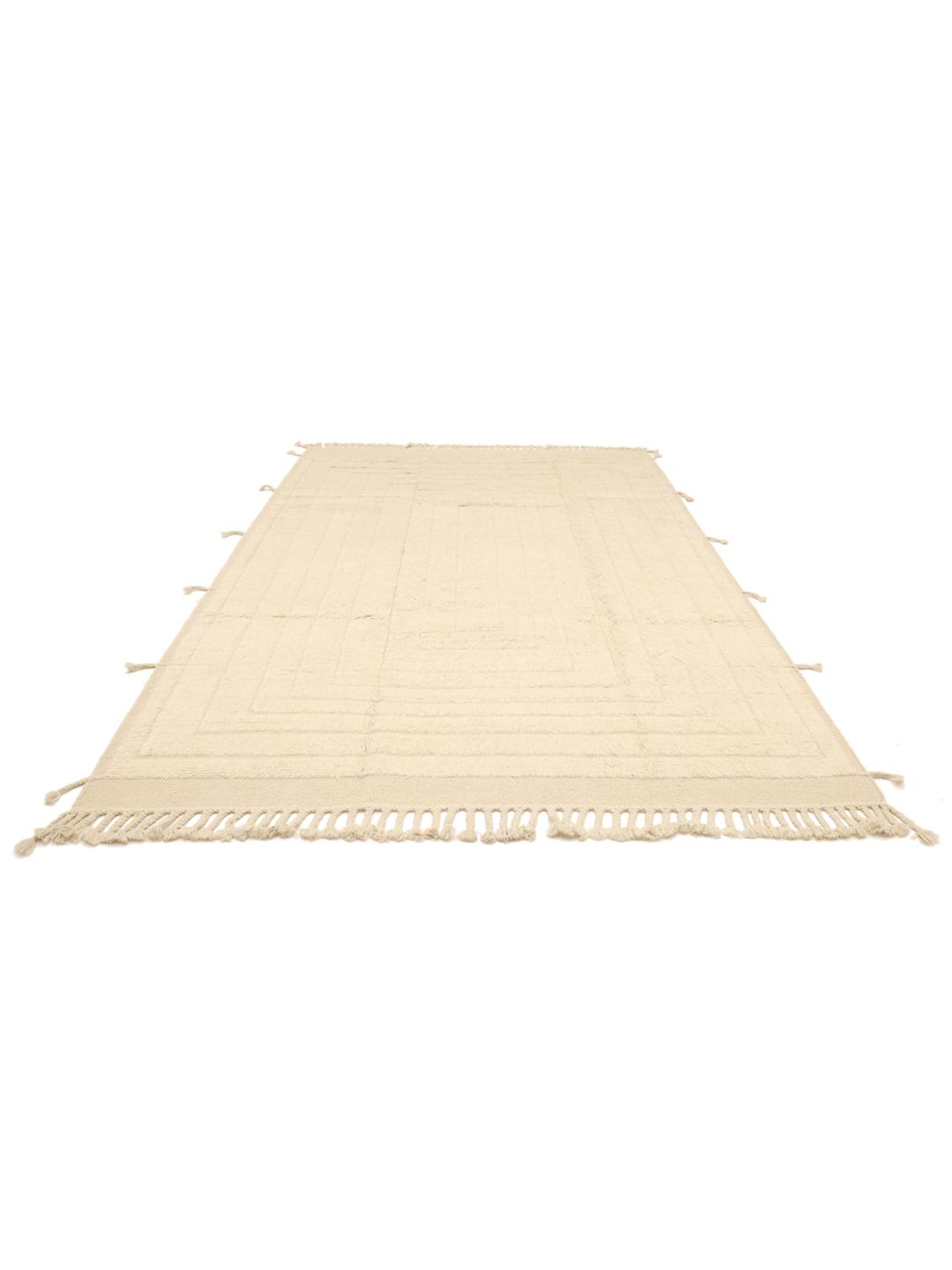
Berber-style rugs trace their origins to the nomadic tribes of North Africa, where they were traditionally woven for warmth and protection against the elements. Over generations, these iconic designs and weaving techniques have migrated and been embraced by artisans in various regions, including Afghanistan, where they are now interpreted with a focus on local wool quality and refined craftsmanship.
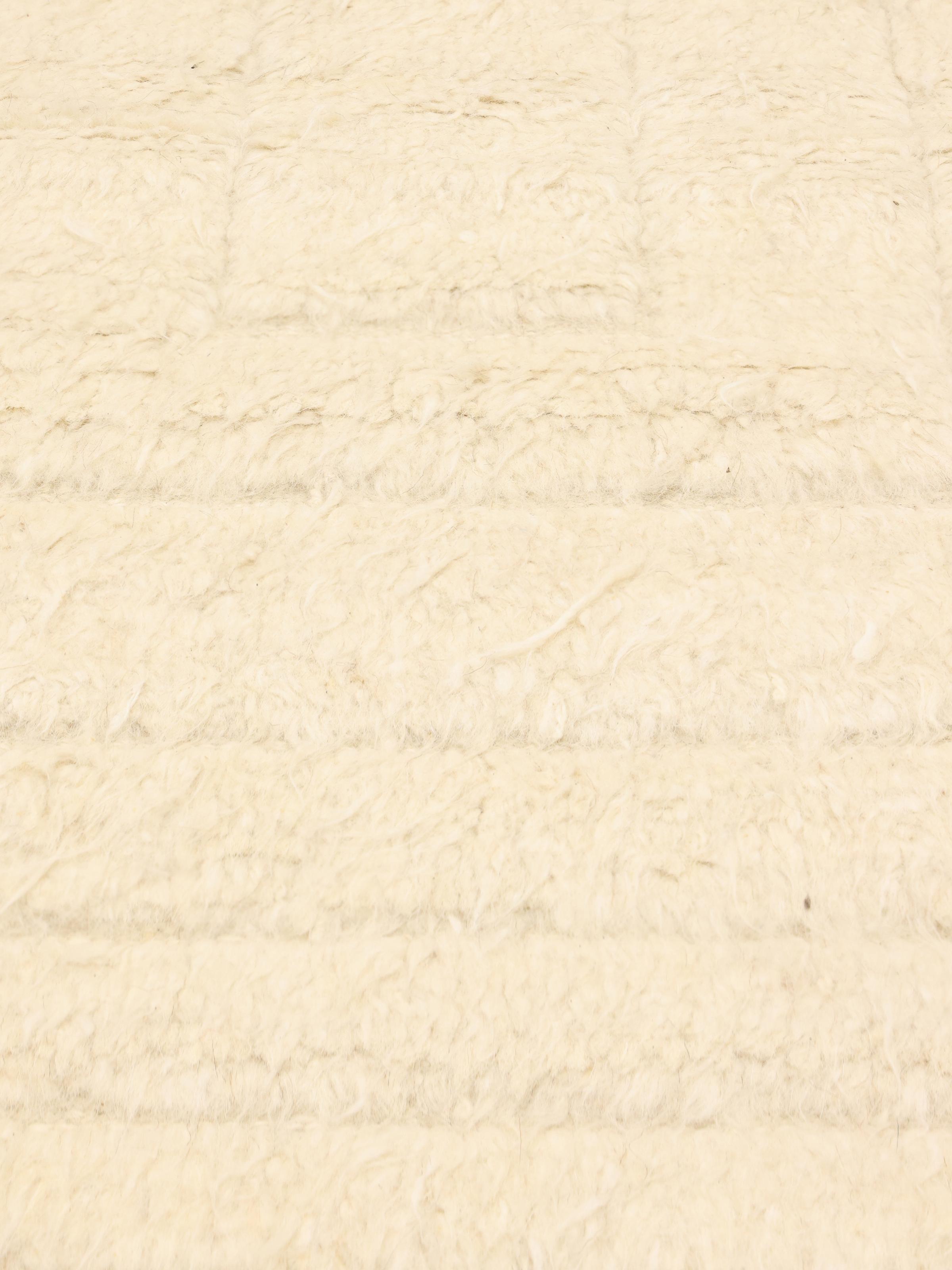
The term 'Berber' refers to the cultural heritage of these weavers, whose designs are often characterised by bold, geometric motifs or, as seen in this piece, a more stripped-back and minimalist aesthetic. The craft involves a deep understanding of the wool's natural properties, resulting in a pile that is inherently resilient and soft to the touch.
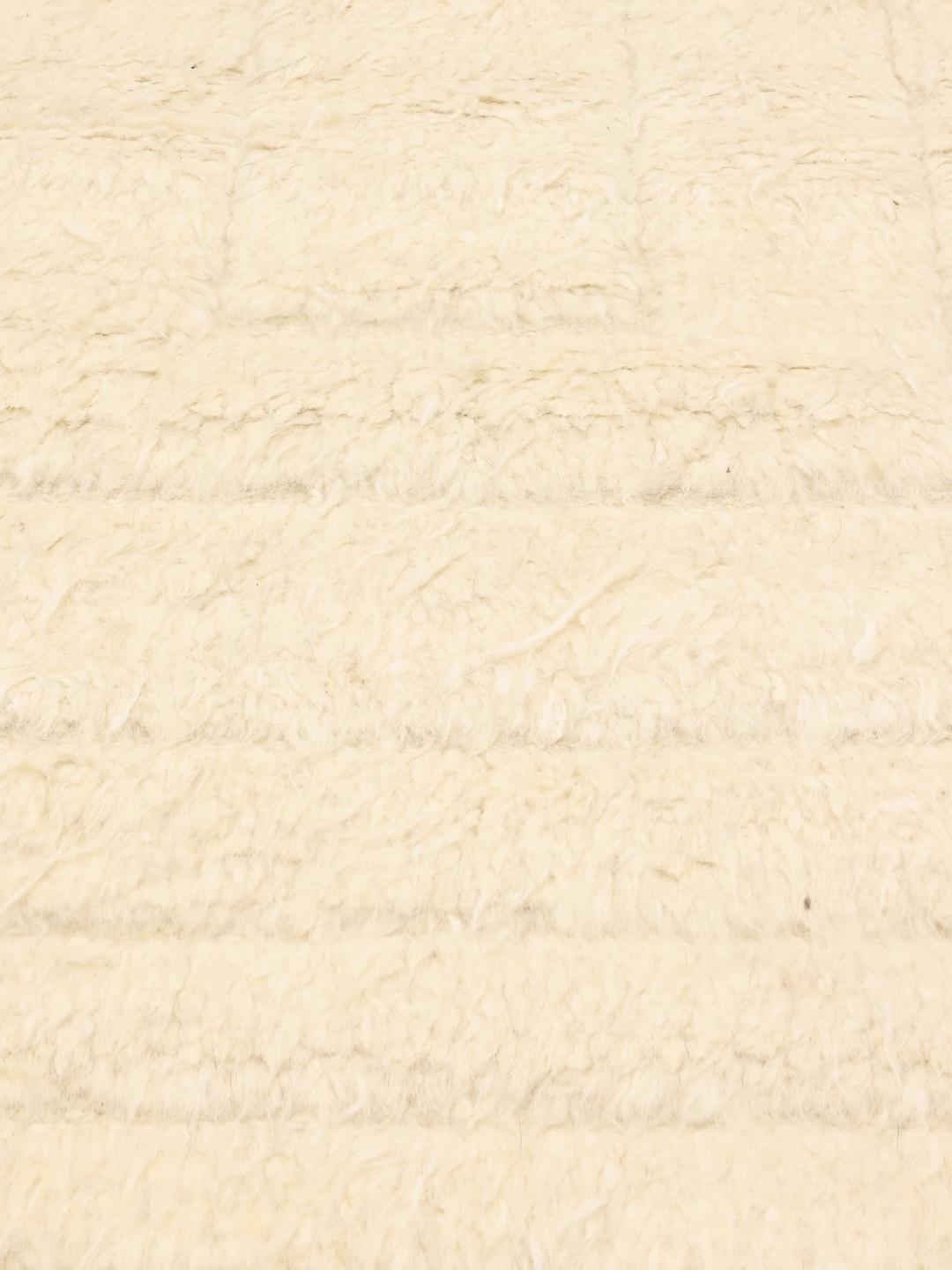
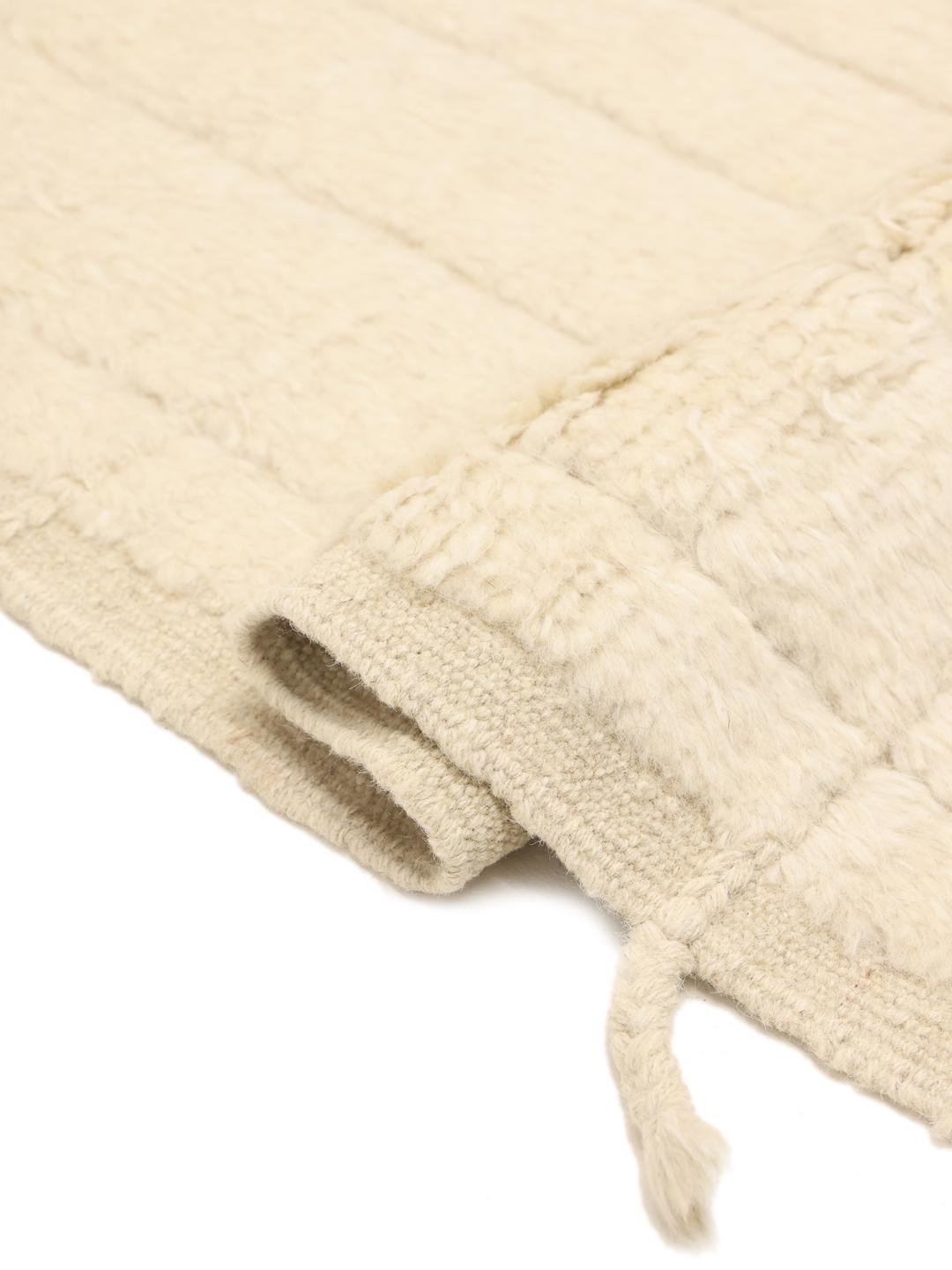
Signature elements of this tradition often include simple, linear patterns or symbolic motifs that tell a story of the weaver's environment. In this particular rug, the focus on clean, geometric lines highlights a modern evolution of the classic style, proving that traditional techniques can adapt to contemporary design sensibilities while retaining their authentic soul.
Collecting a rug from this tradition is an act of preserving a long-standing craft history. These pieces are valued not only for their aesthetic appeal but for the human story embedded in every strand of wool. Owning one is a way to bring a piece of cultural heritage into your home, celebrating the skill and tradition that have been passed down through countless generations.