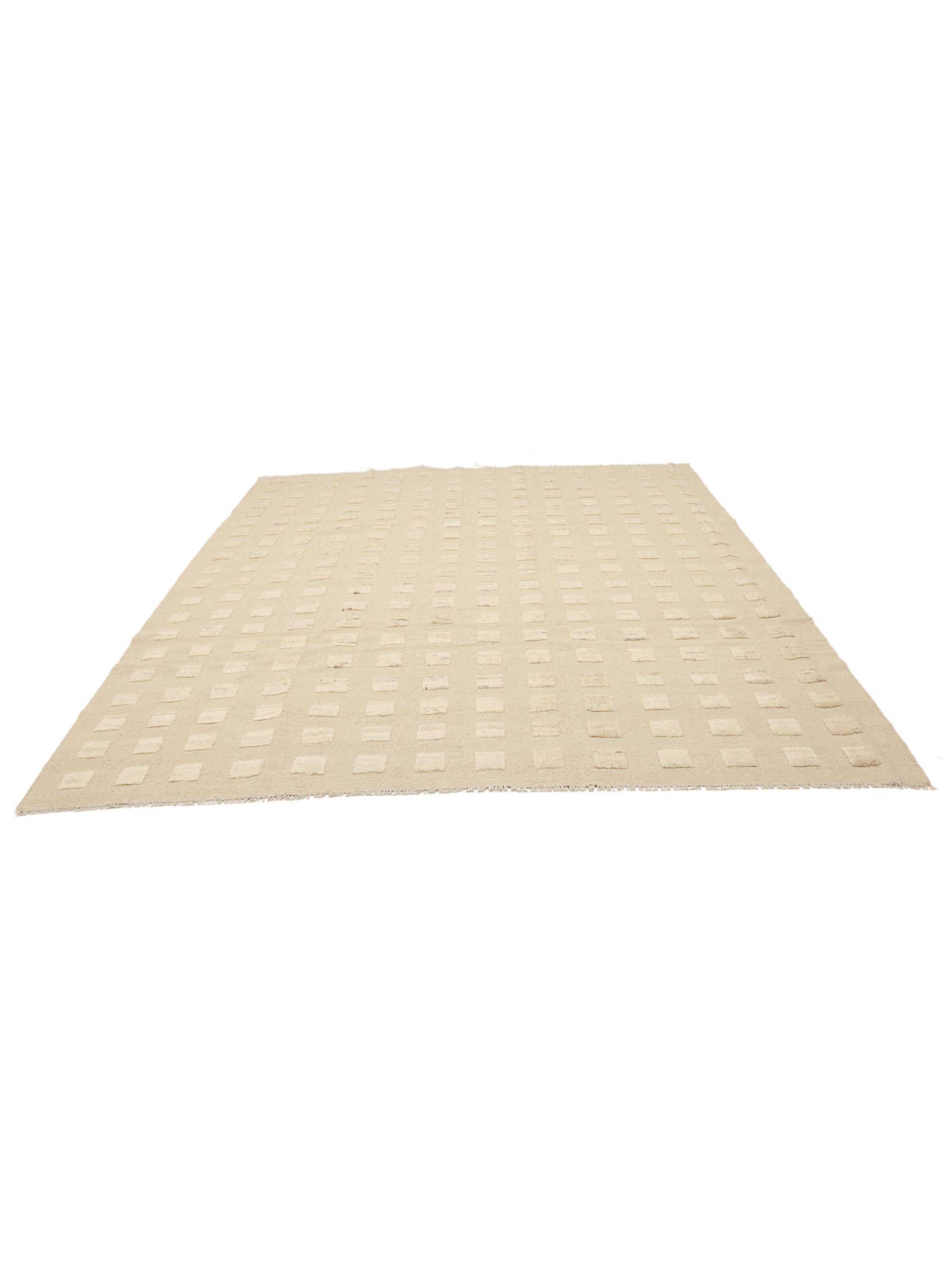
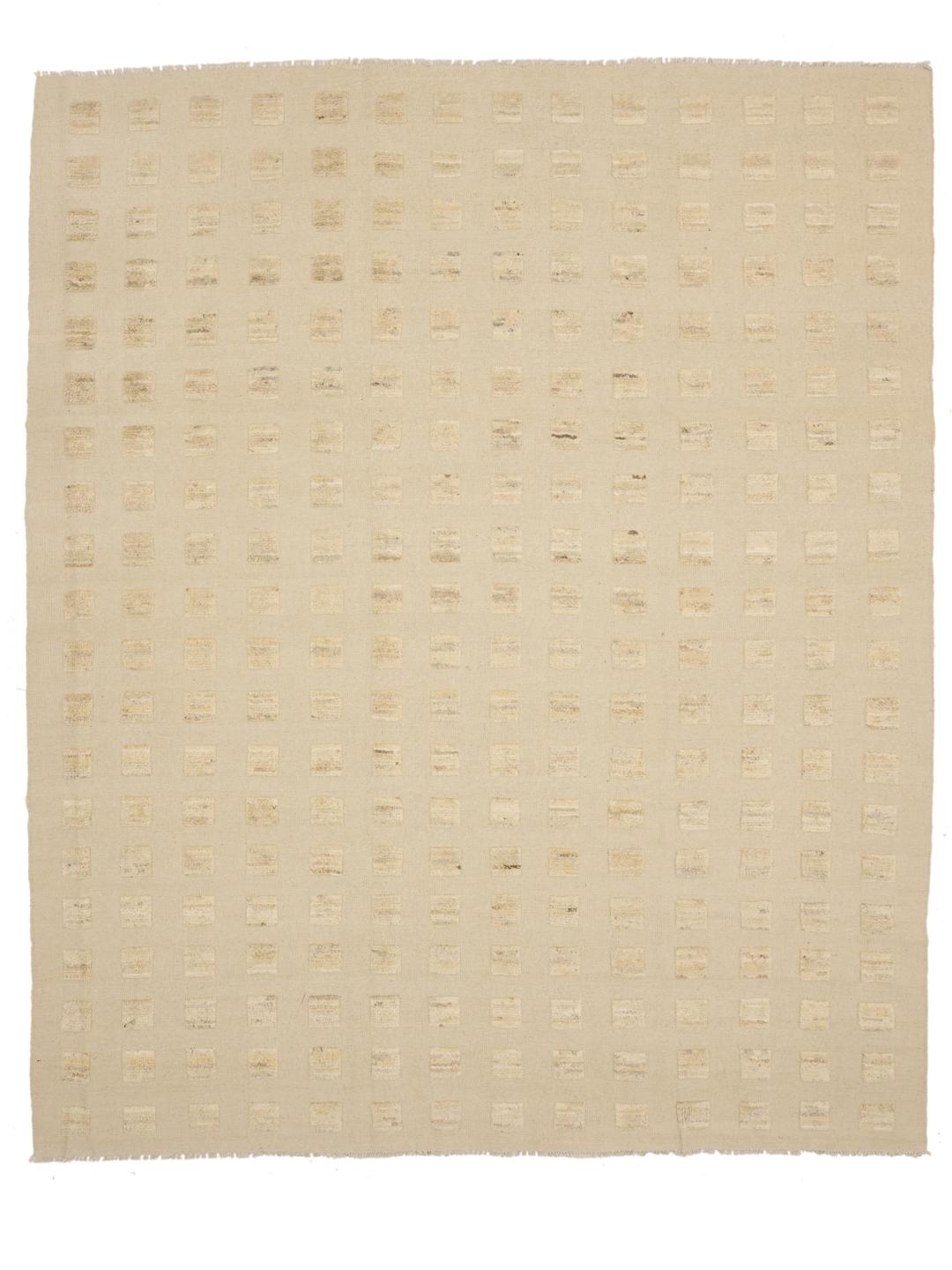
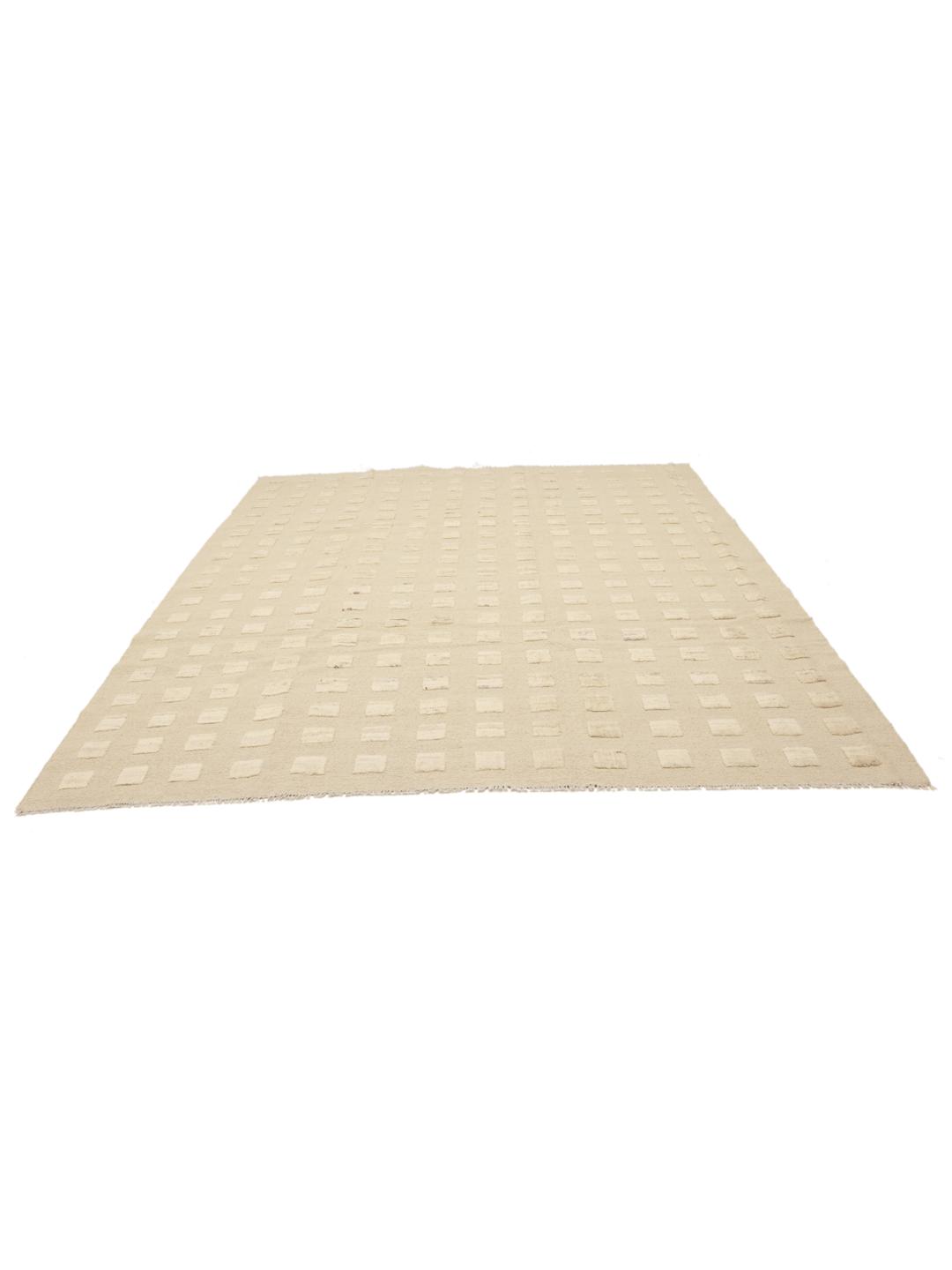
The Berber style has deep roots in North African traditions, characterised by its reliance on natural wool and simple, geometric motifs. While the aesthetic originated with nomadic tribes who created these rugs for warmth and utility, the style has evolved significantly over time. Today, the influence of these iconic designs has travelled far beyond their original regions, inspiring weavers in Afghanistan to adopt these techniques and motifs, resulting in a beautiful synthesis of regional craft traditions.
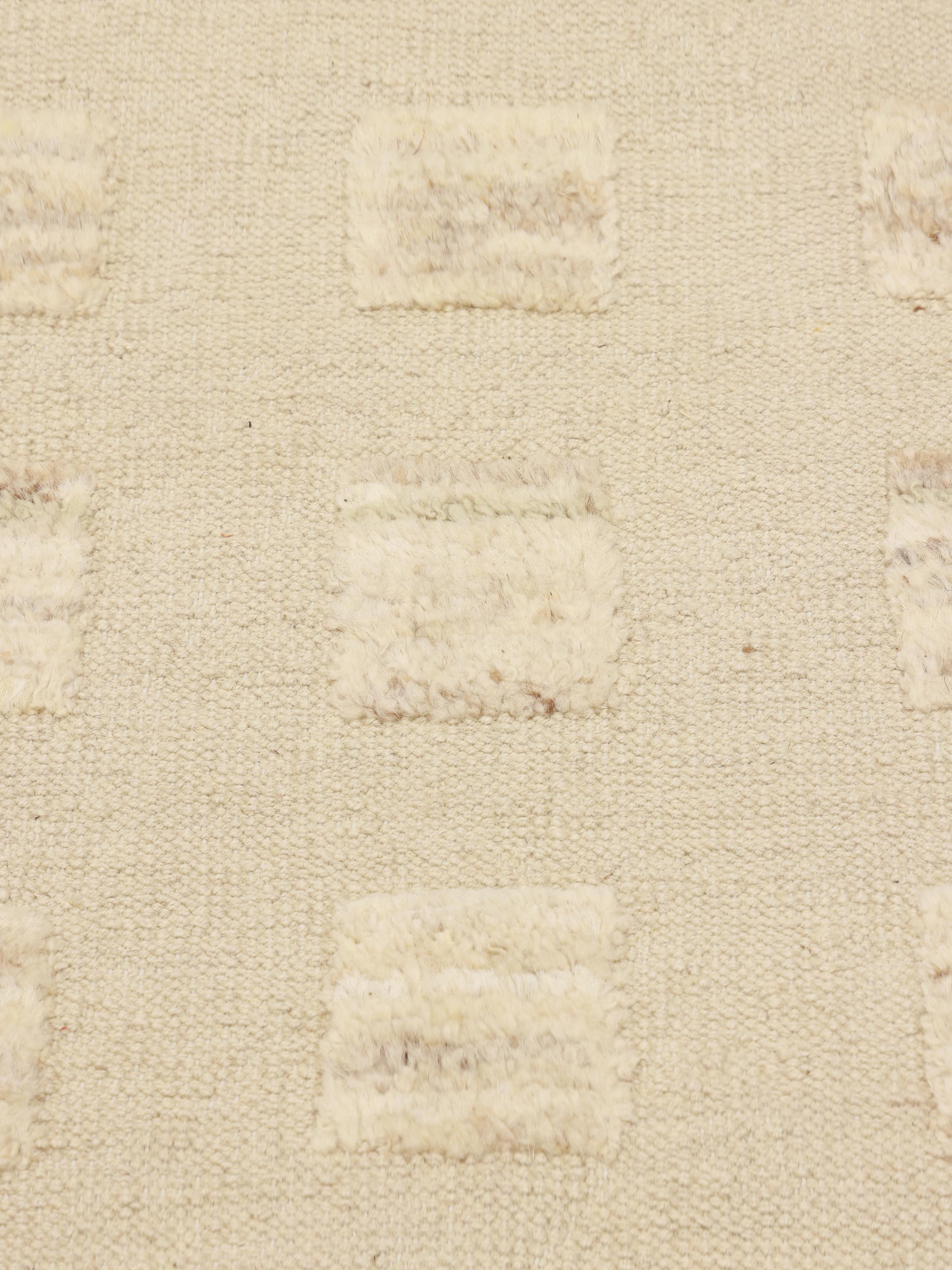
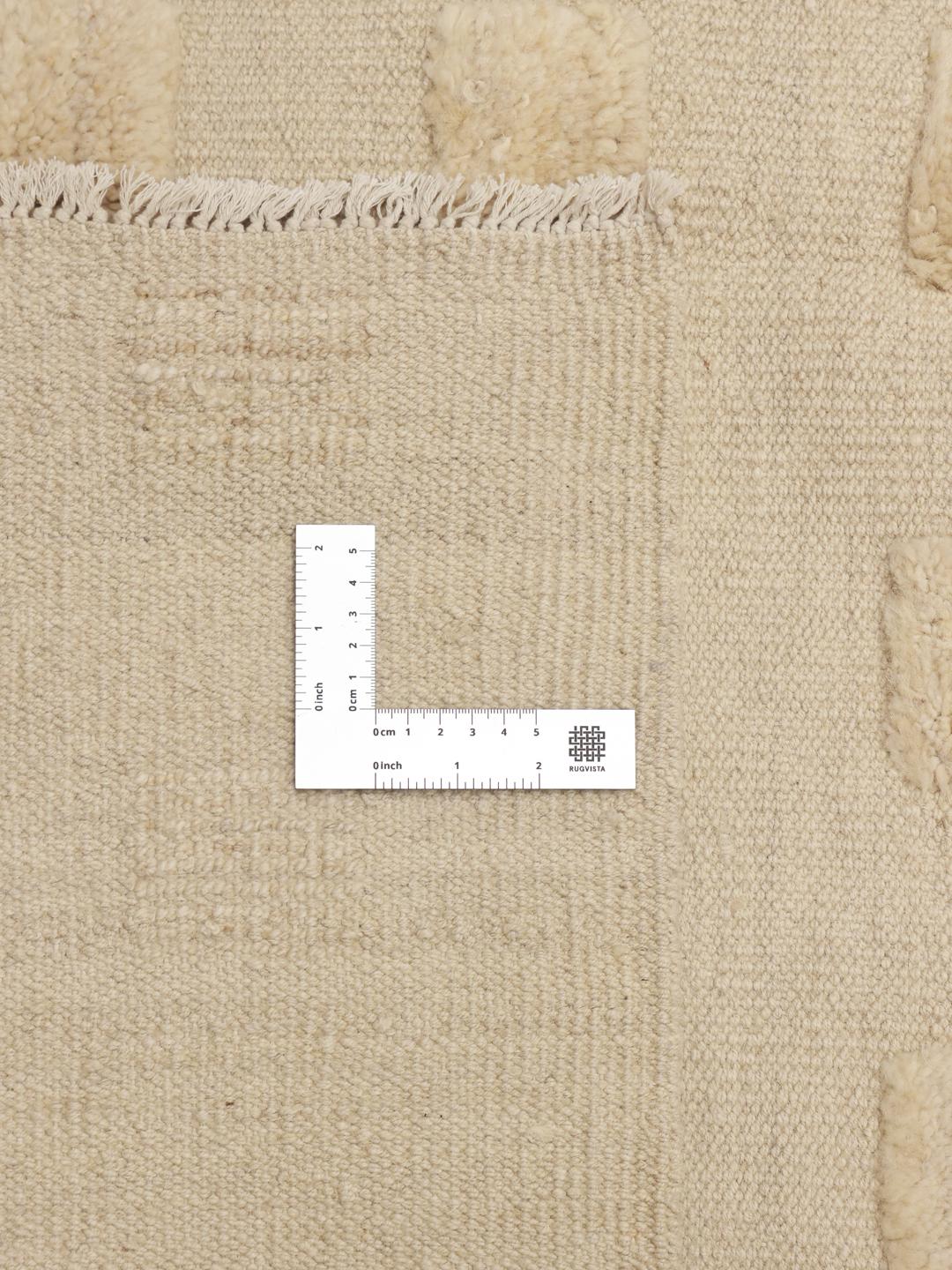
The term 'hand-knotted' refers to the most enduring and respected method of rug construction. In this tradition, each knot is tied by hand around the warp threads, a process that determines both the durability and the clarity of the pattern. This labour-intensive technique is a hallmark of quality, ensuring that the rug is not only resilient but also capable of developing a beautiful patina as it ages in your home.
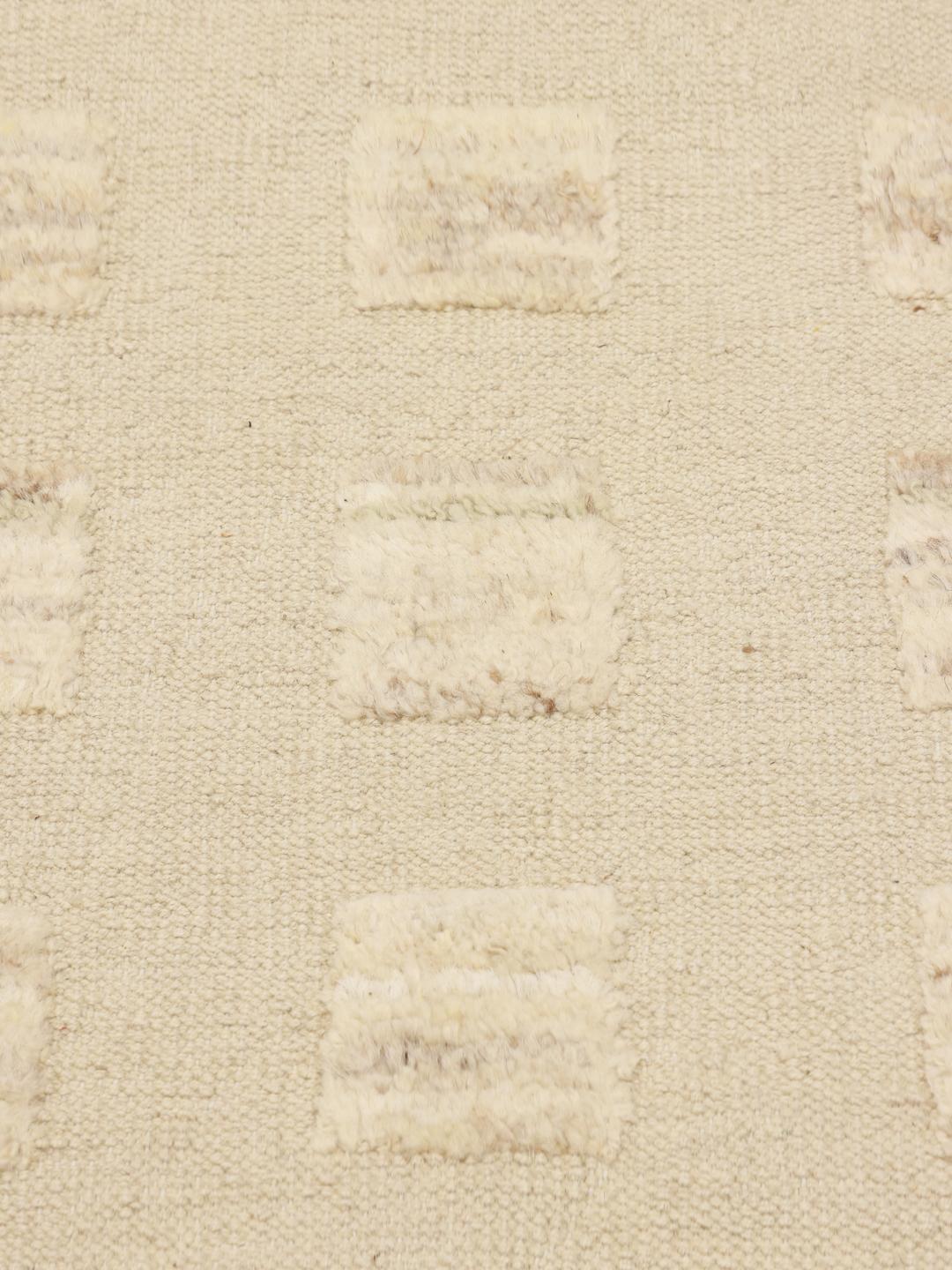
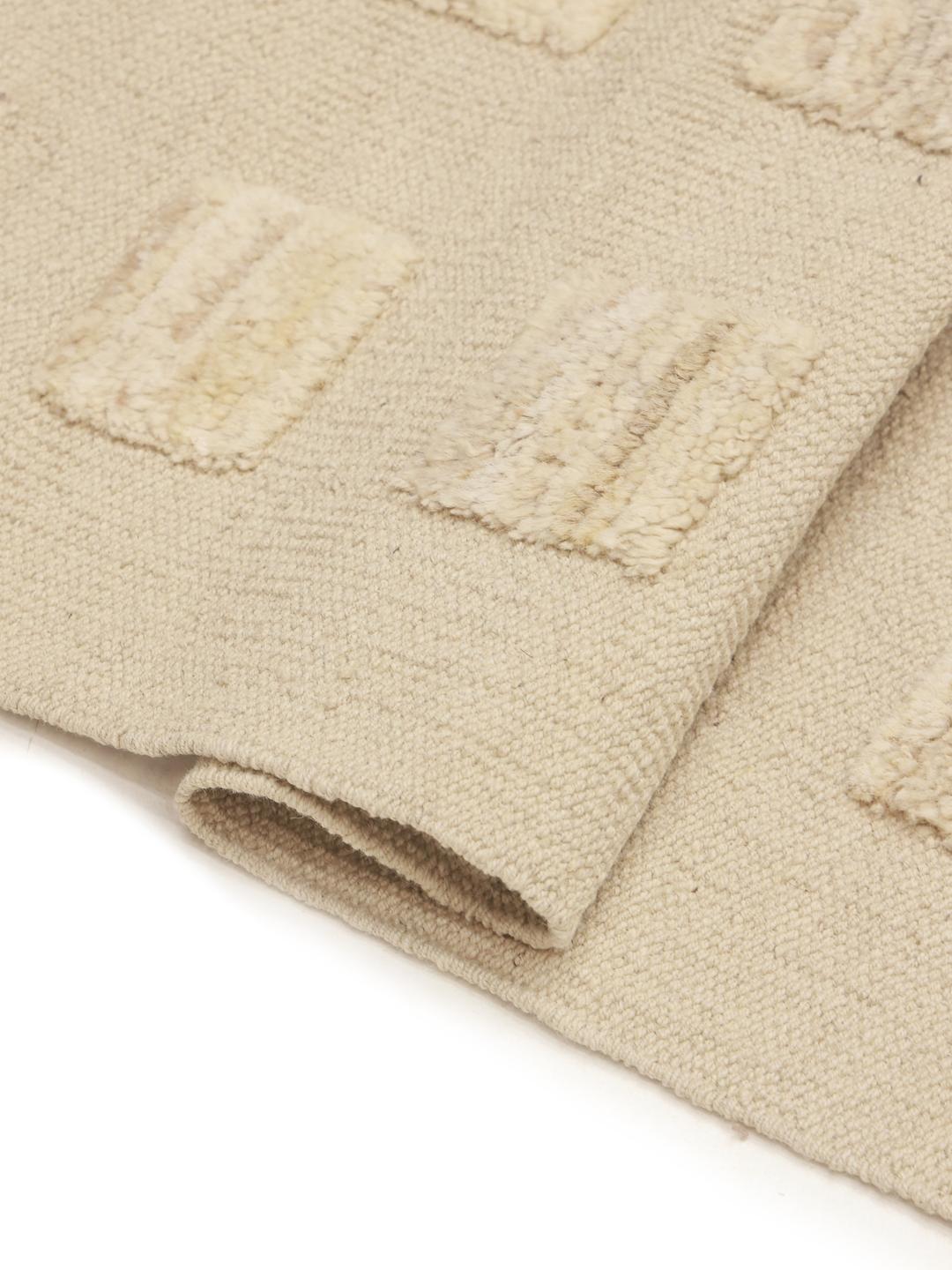
Design-wise, Berber-inspired rugs are celebrated for their minimalist, earthy charm. They often feature repeating geometric patterns or subtle, abstract motifs that draw inspiration from natural elements. The focus is on the interplay of texture and light, rather than complex or busy designs, which makes them perfect for creating a calm, uncluttered sanctuary in any room.
Owning an authentic hand-knotted rug is an investment in cultural history. These pieces are valued by collectors not just for their aesthetic appeal, but for the skill and heritage they represent. By bringing this rug into your home, you are participating in a long-standing tradition of craft that values human touch, natural materials, and the enduring beauty of handmade objects.