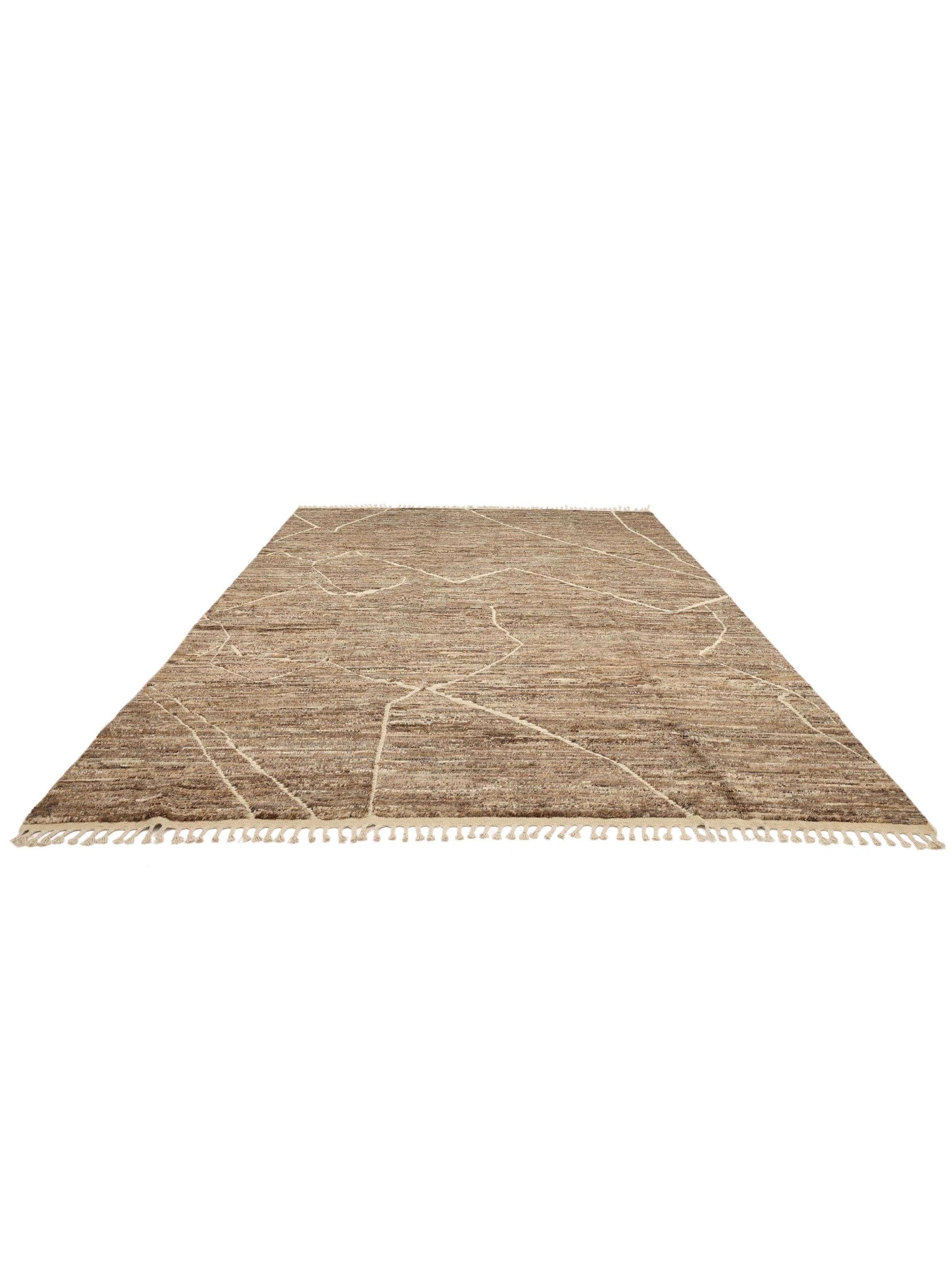
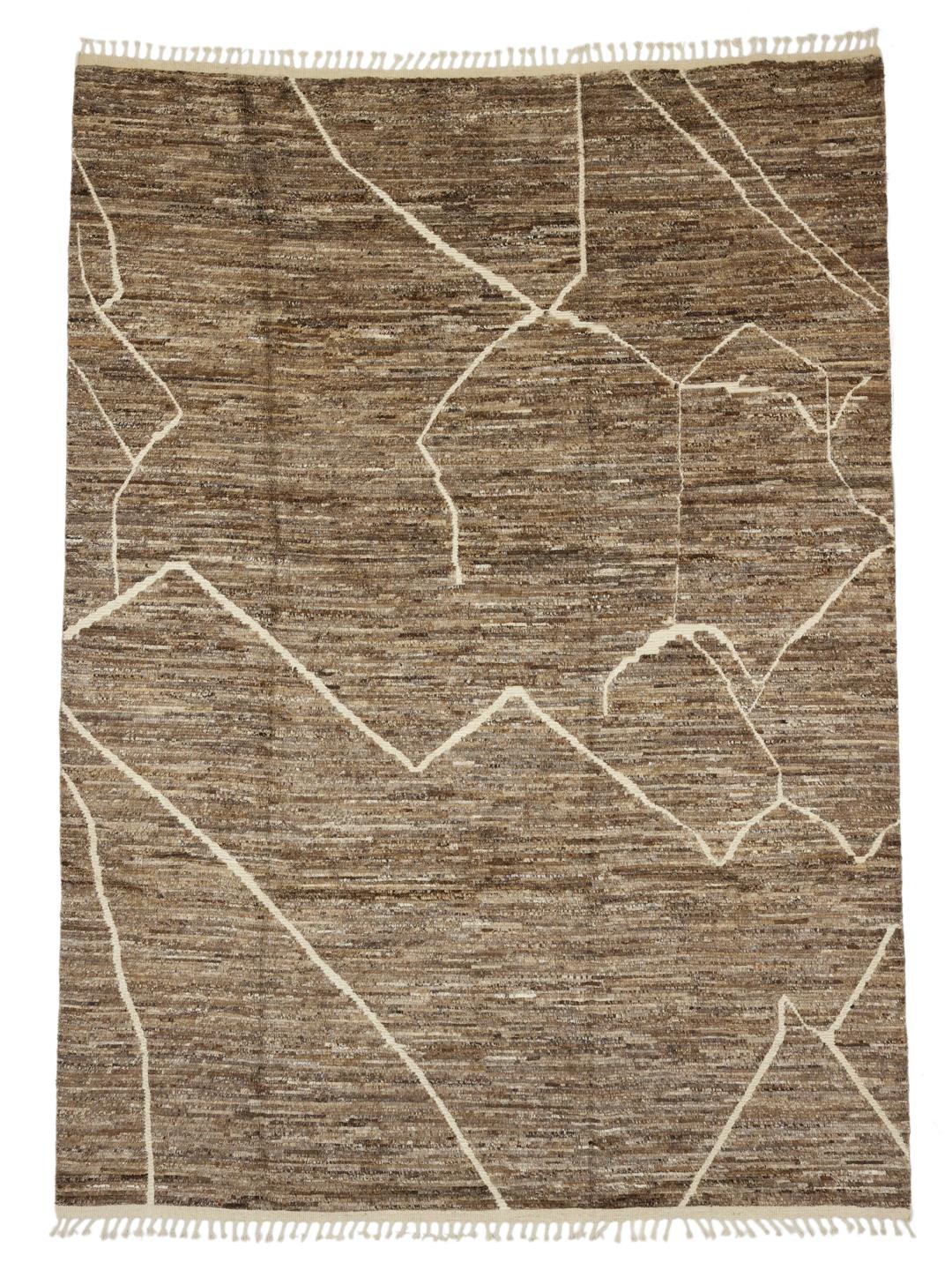
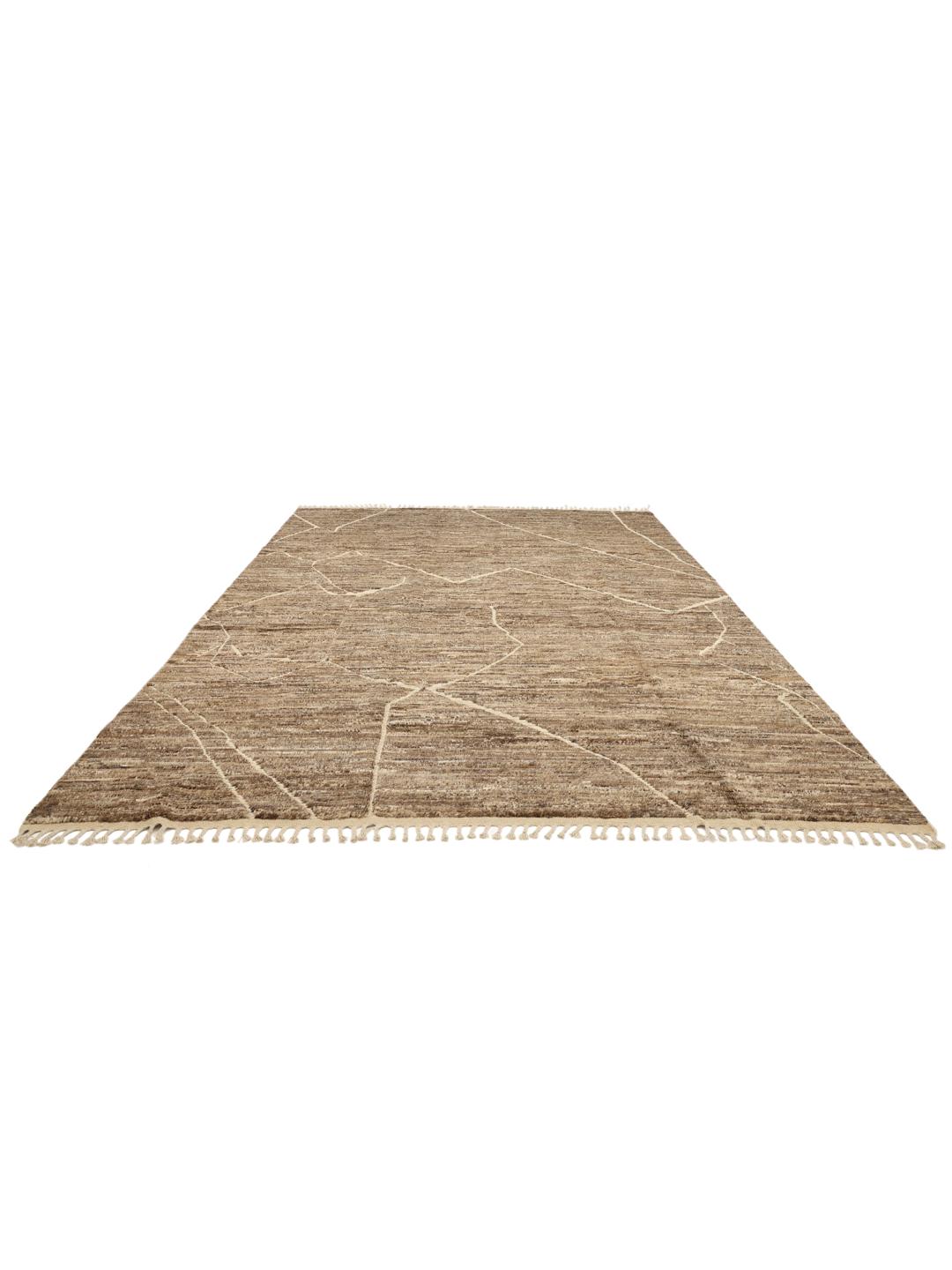
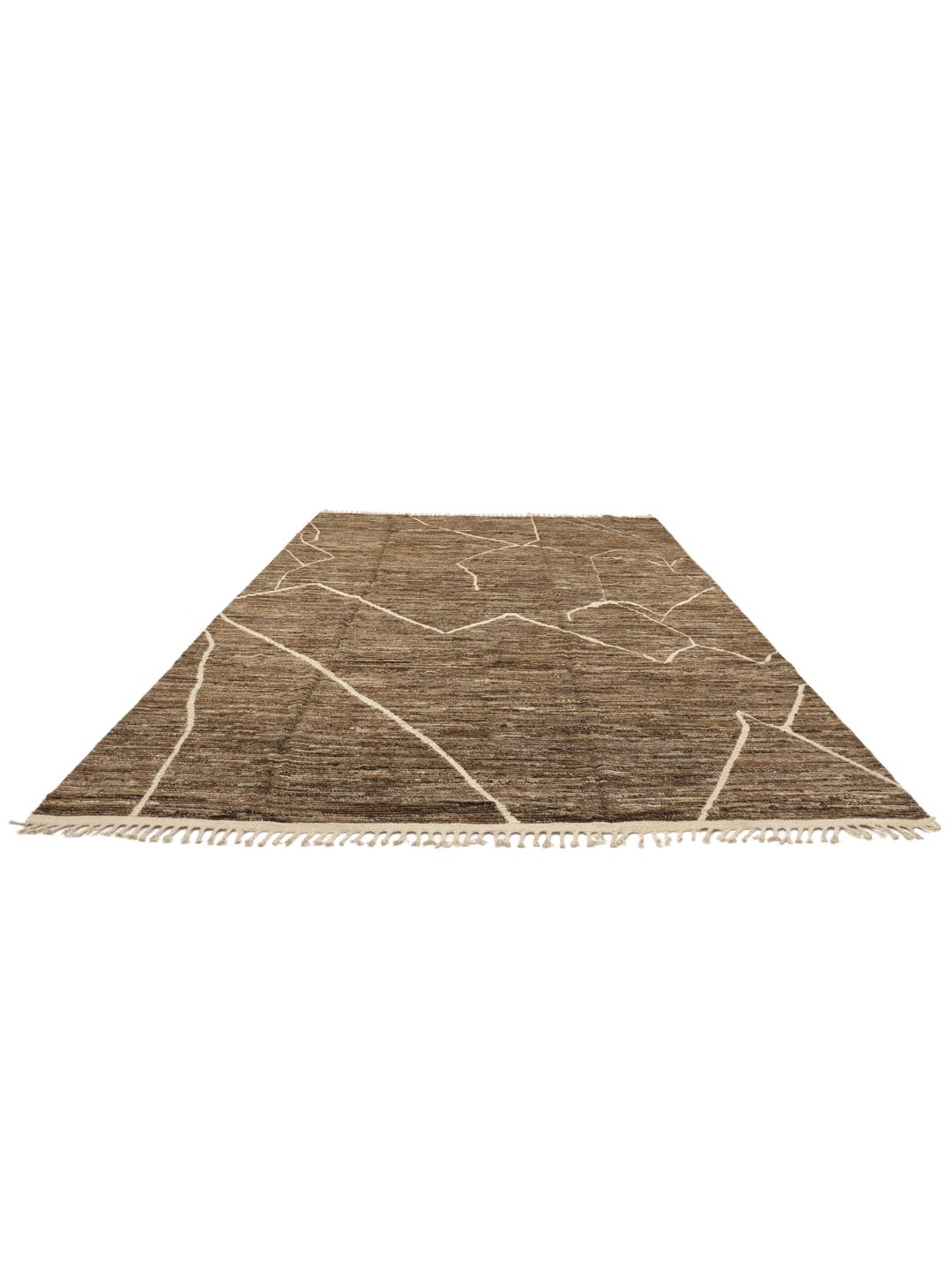
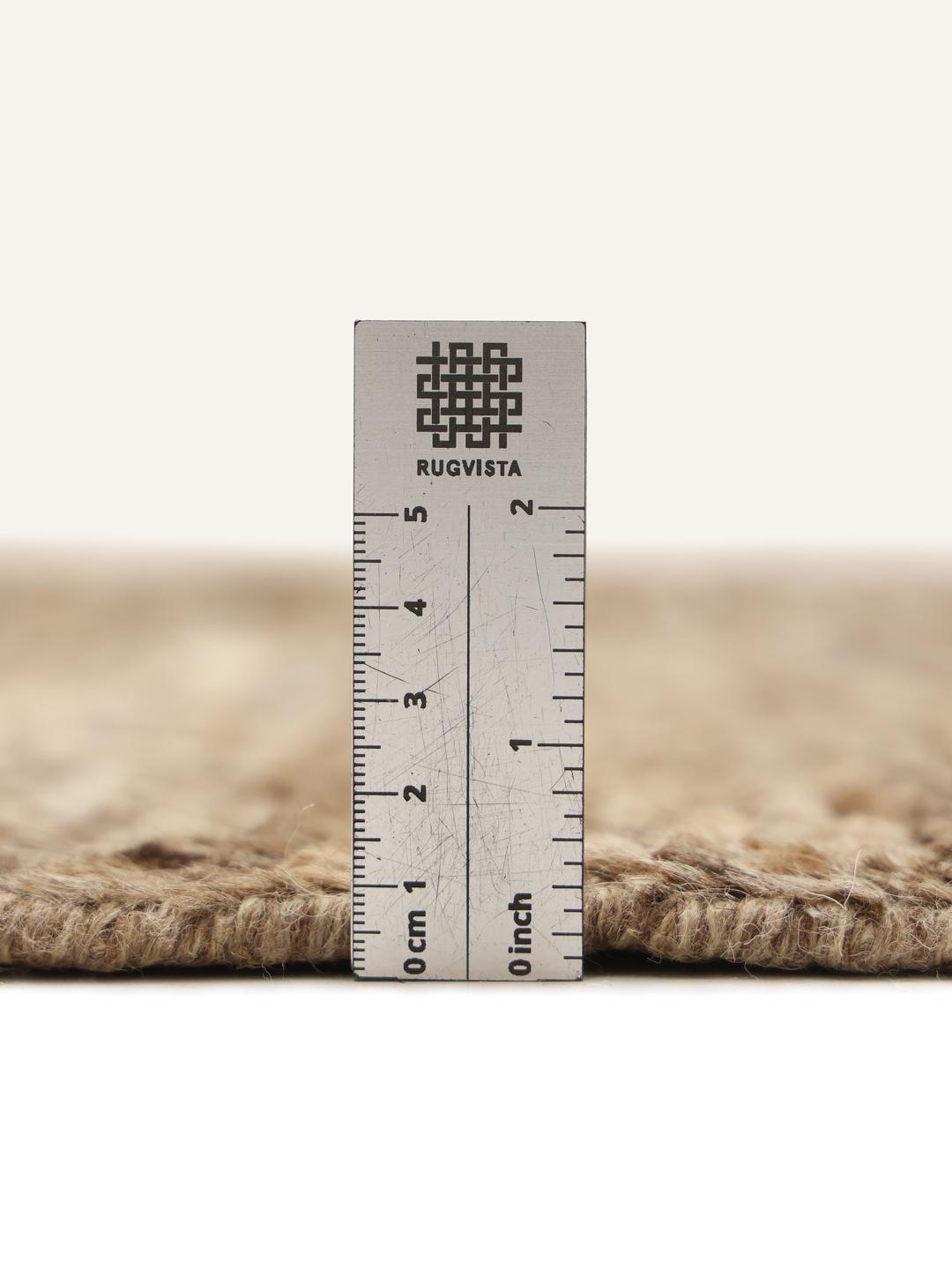
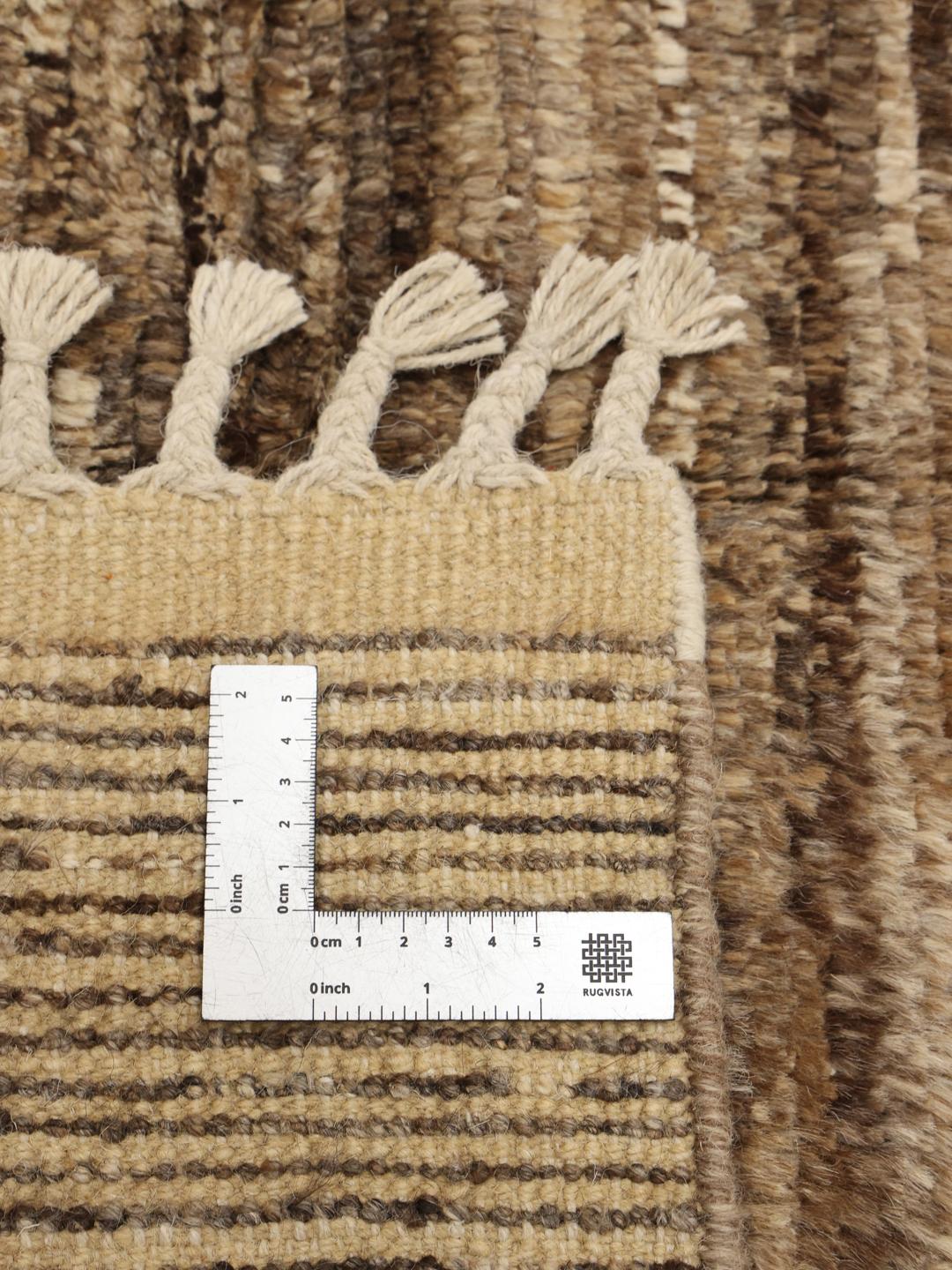
The Berber style rug tradition traces its roots to the indigenous populations of North Africa, where these textiles were originally crafted for warmth and practical use in the home. Over time, these weaving techniques have been adopted and reinterpreted by artisans in Afghanistan, who bring their own regional expertise and aesthetic sensibility to the form.
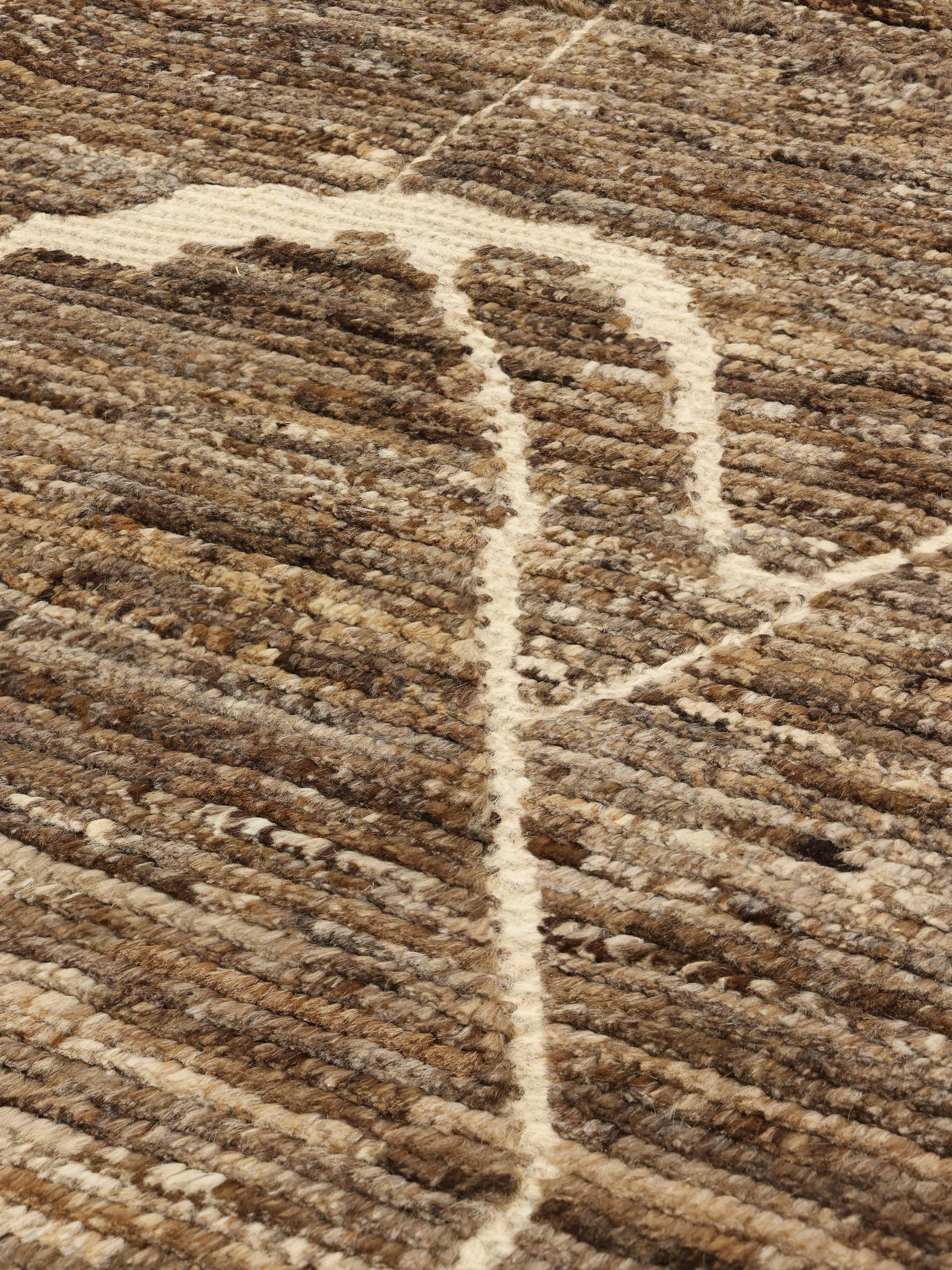
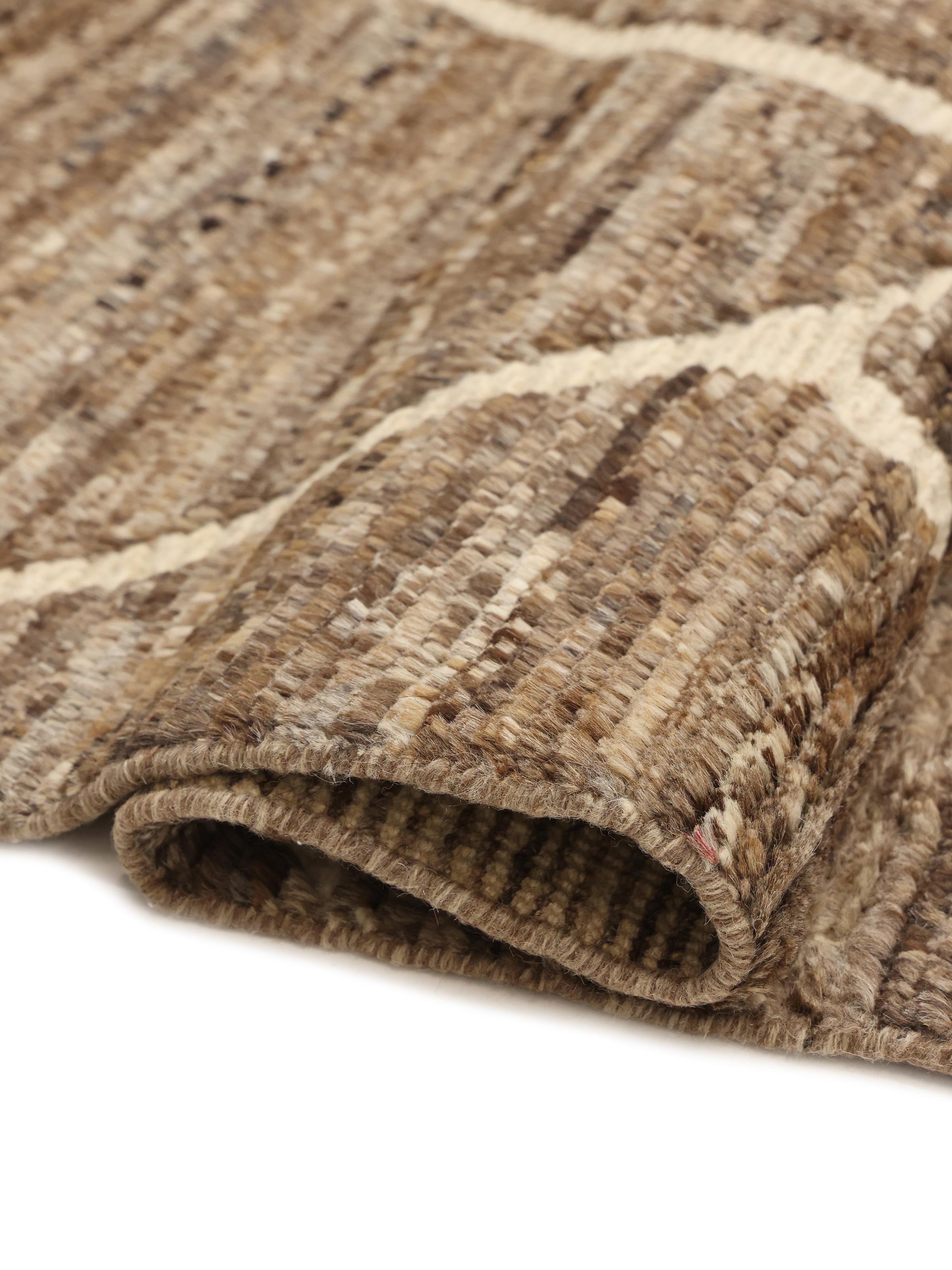
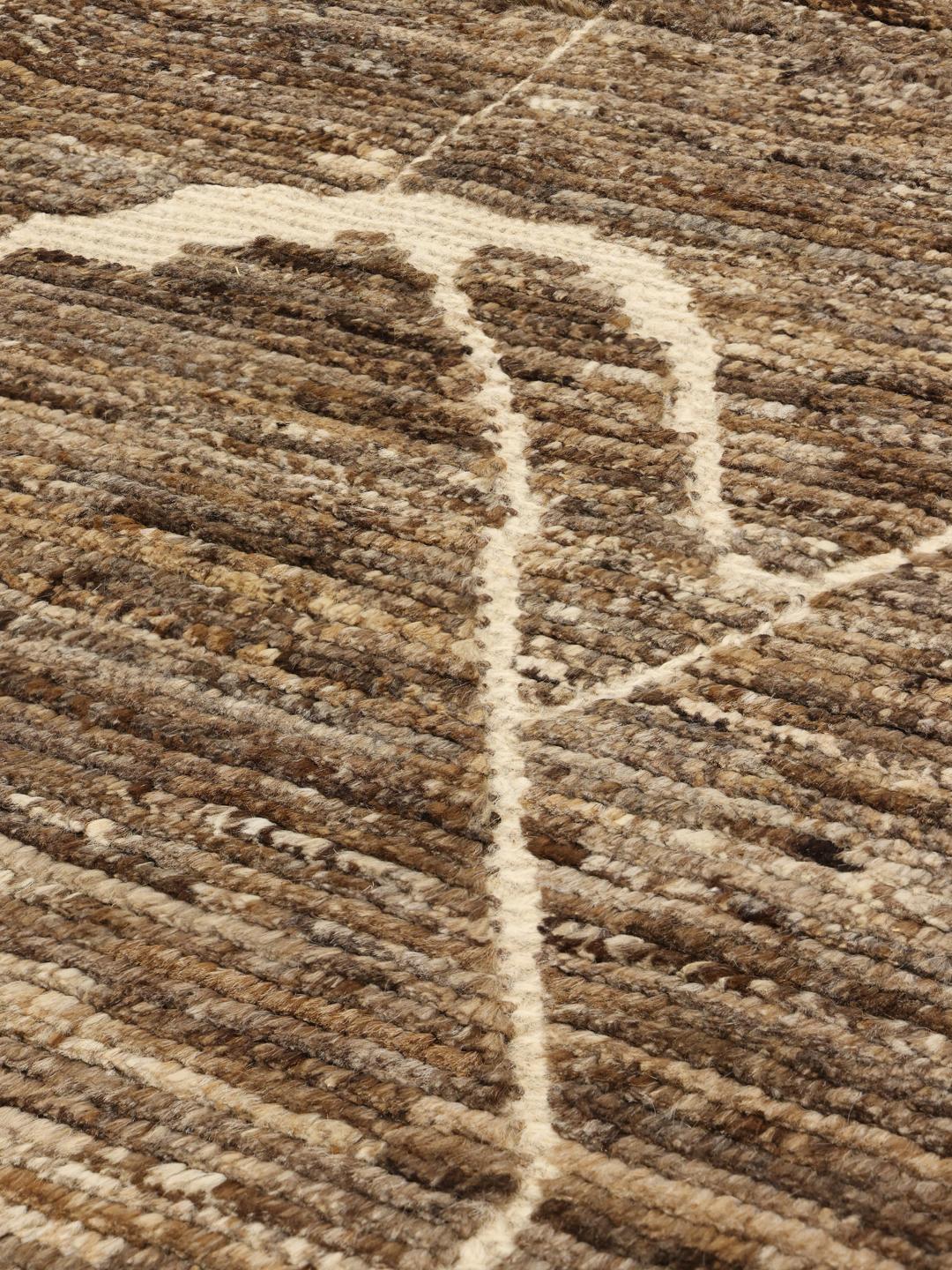
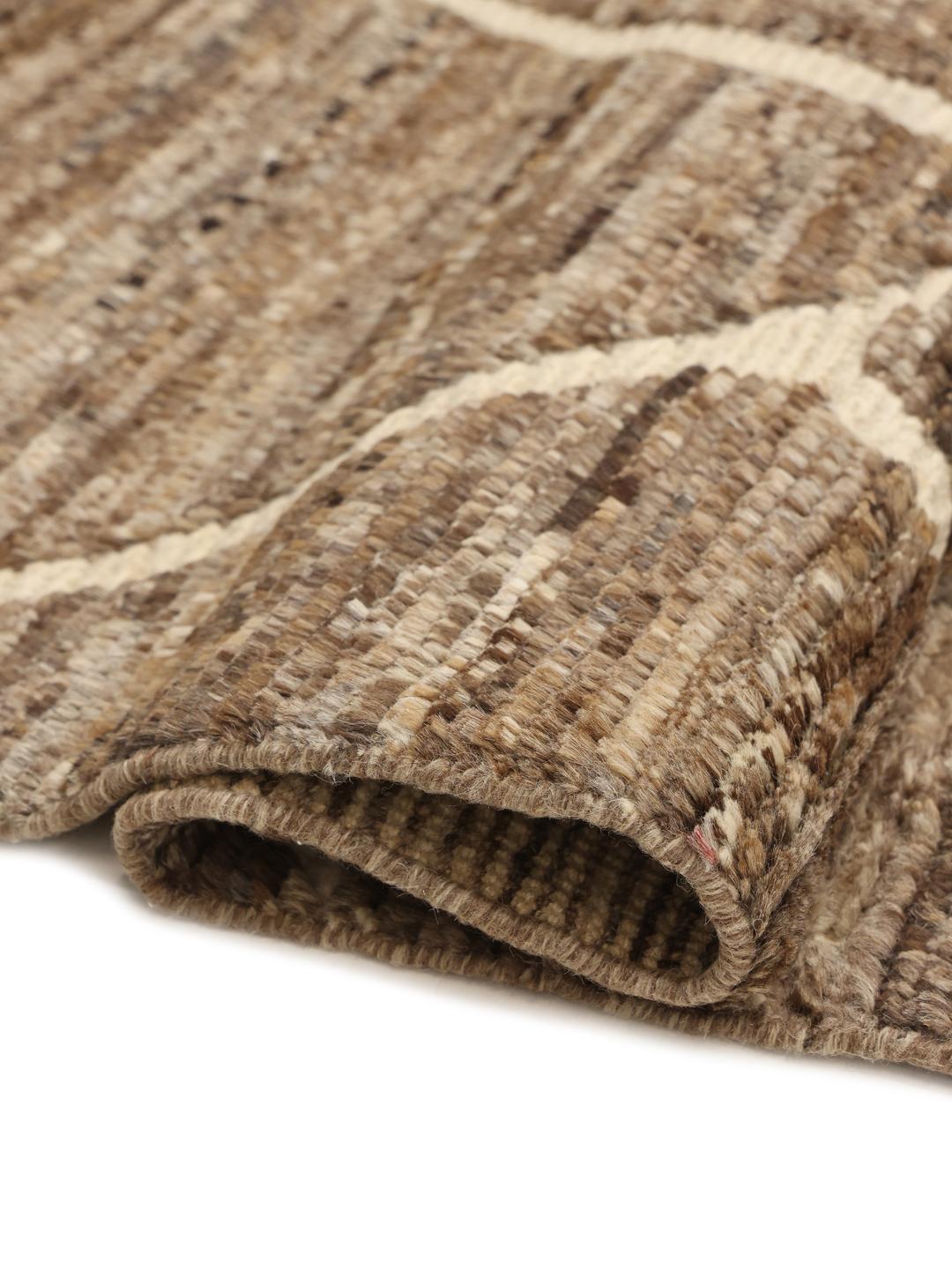
The term 'Berber' originally referred to the specific knotted-pile techniques that create the signature plush surface. When applied in an Afghan context, these methods produce a rug that is not only visually distinctive but also remarkably durable, as the wool is traditionally selected for its high lanolin content, providing a soft touch and natural resistance to wear.
Signature design elements of this tradition often revolve around minimalist, organic lines and a focus on natural, un-dyed wool colours. While many traditional rugs are defined by complex, repeating medallions, the Berber influence favours a more open, uncluttered field that highlights the texture of the material and the simplicity of the geometric motifs.
Owning a piece from this tradition is a way to connect with a long-standing history of textile artistry. These rugs are highly valued by collectors and homeowners alike, not just for their aesthetic versatility, but for the skill and heritage they represent. By choosing this rug, you are keeping a historic craft alive while adding a deeply personal and meaningful element to your home.