The Berber tradition has long been celebrated for its deep roots in North African culture, where nomadic tribes historically wove rugs for protection against the elements and as essential tools for daily life. Over time, these weaving techniques travelled across regions, finding a new, vibrant home in Afghanistan. Today, Afghan weavers bring their own unique perspective to this heritage, blending ancient skills with contemporary design sensibilities.
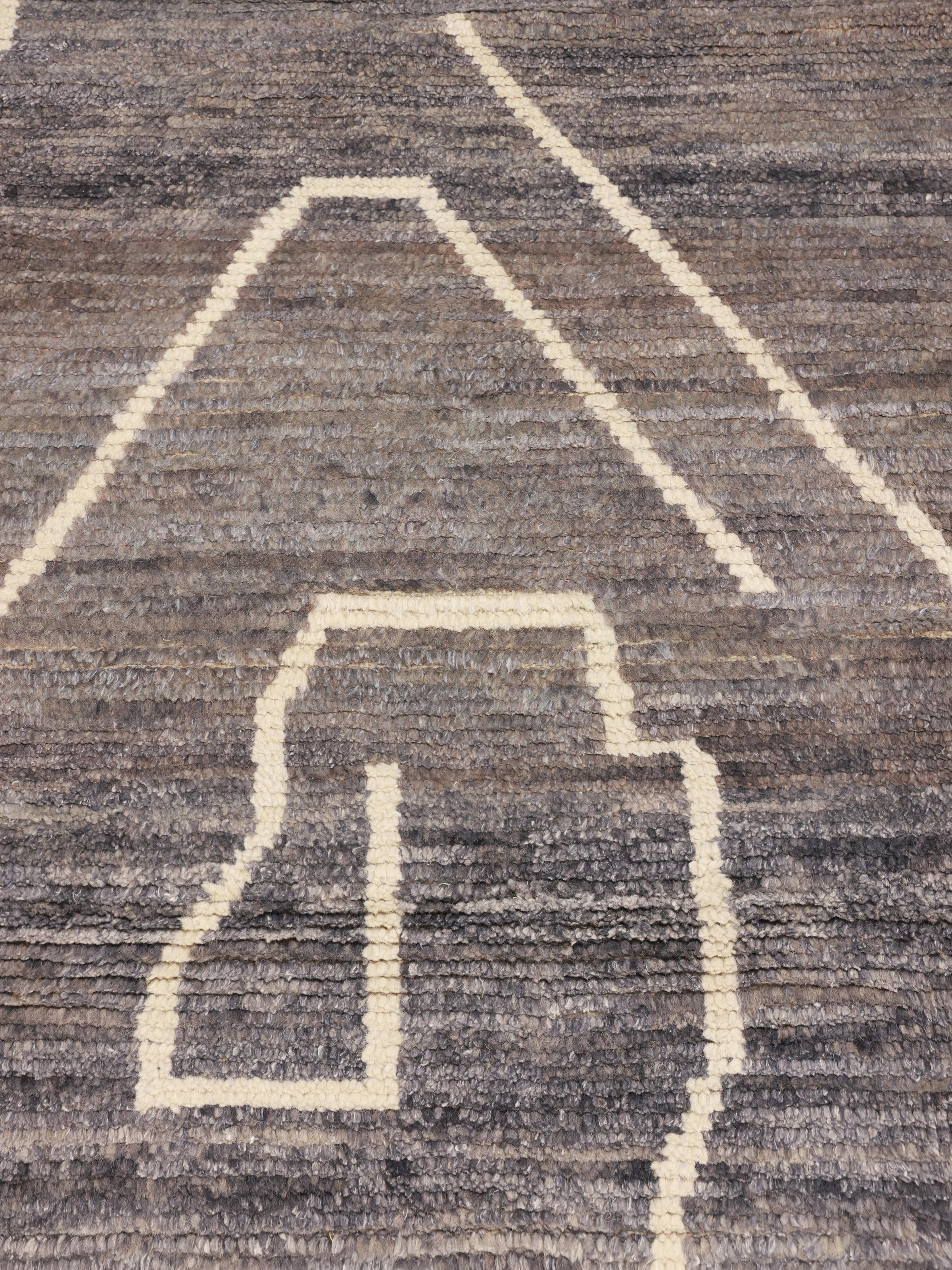
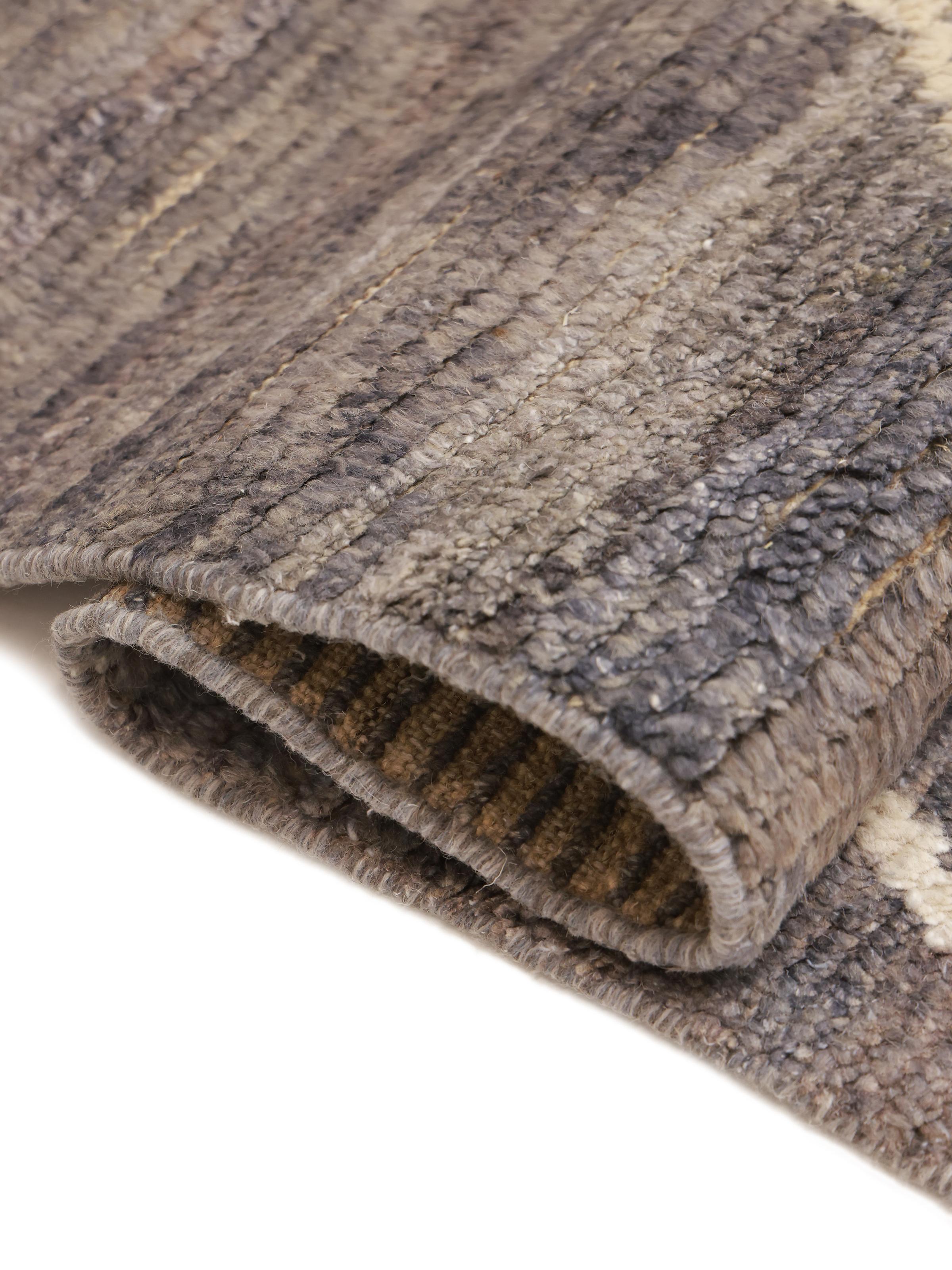
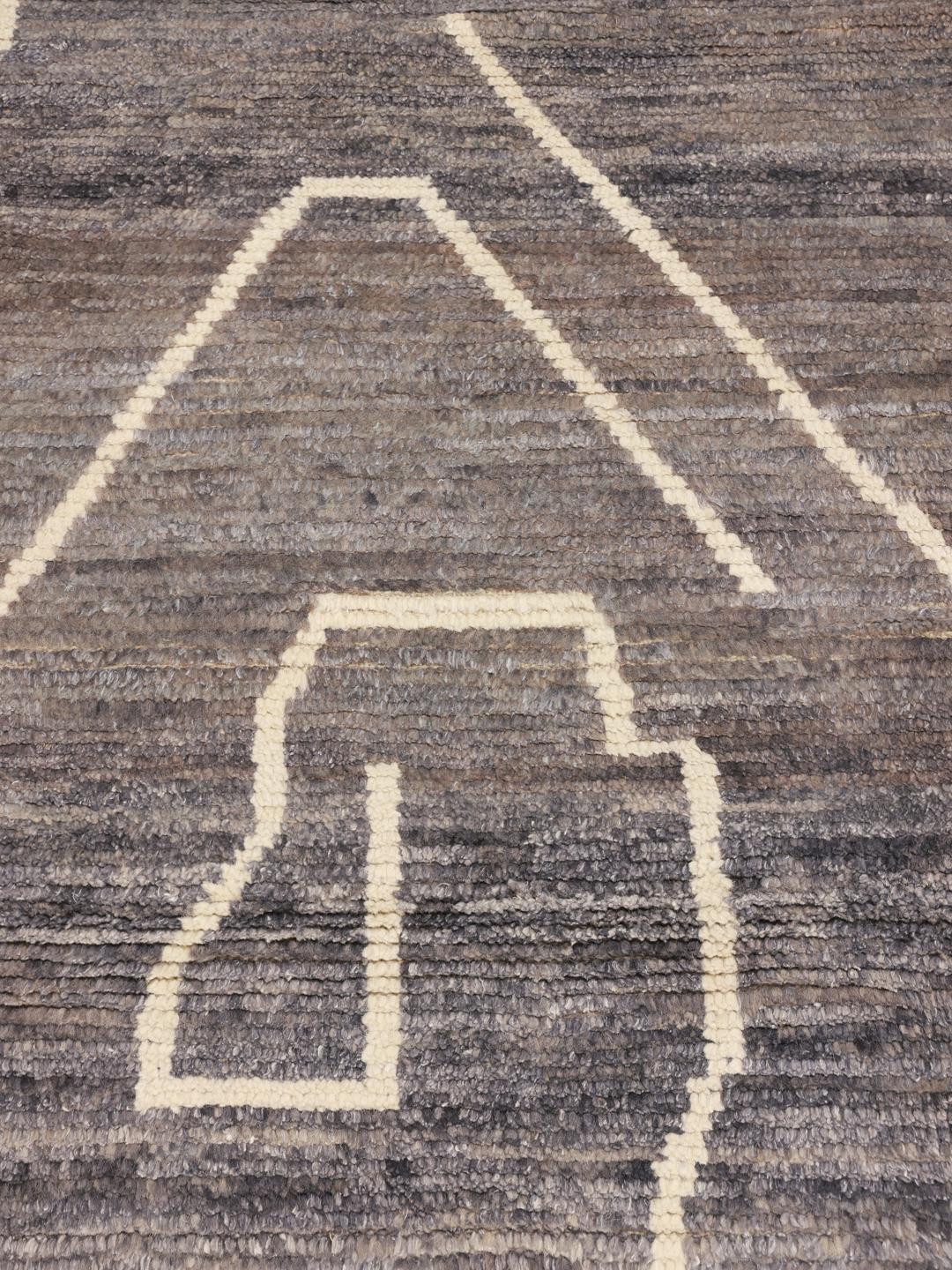
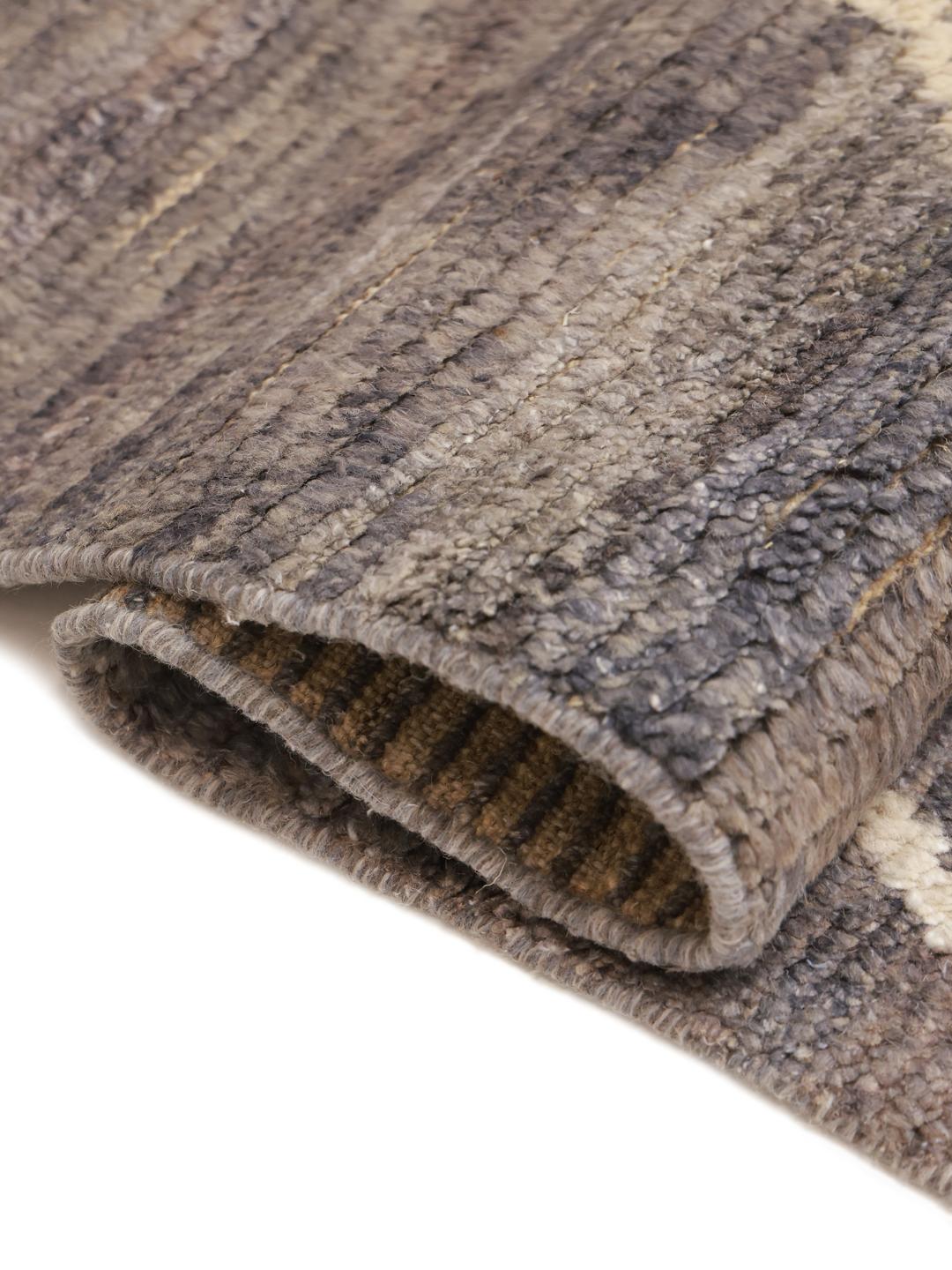
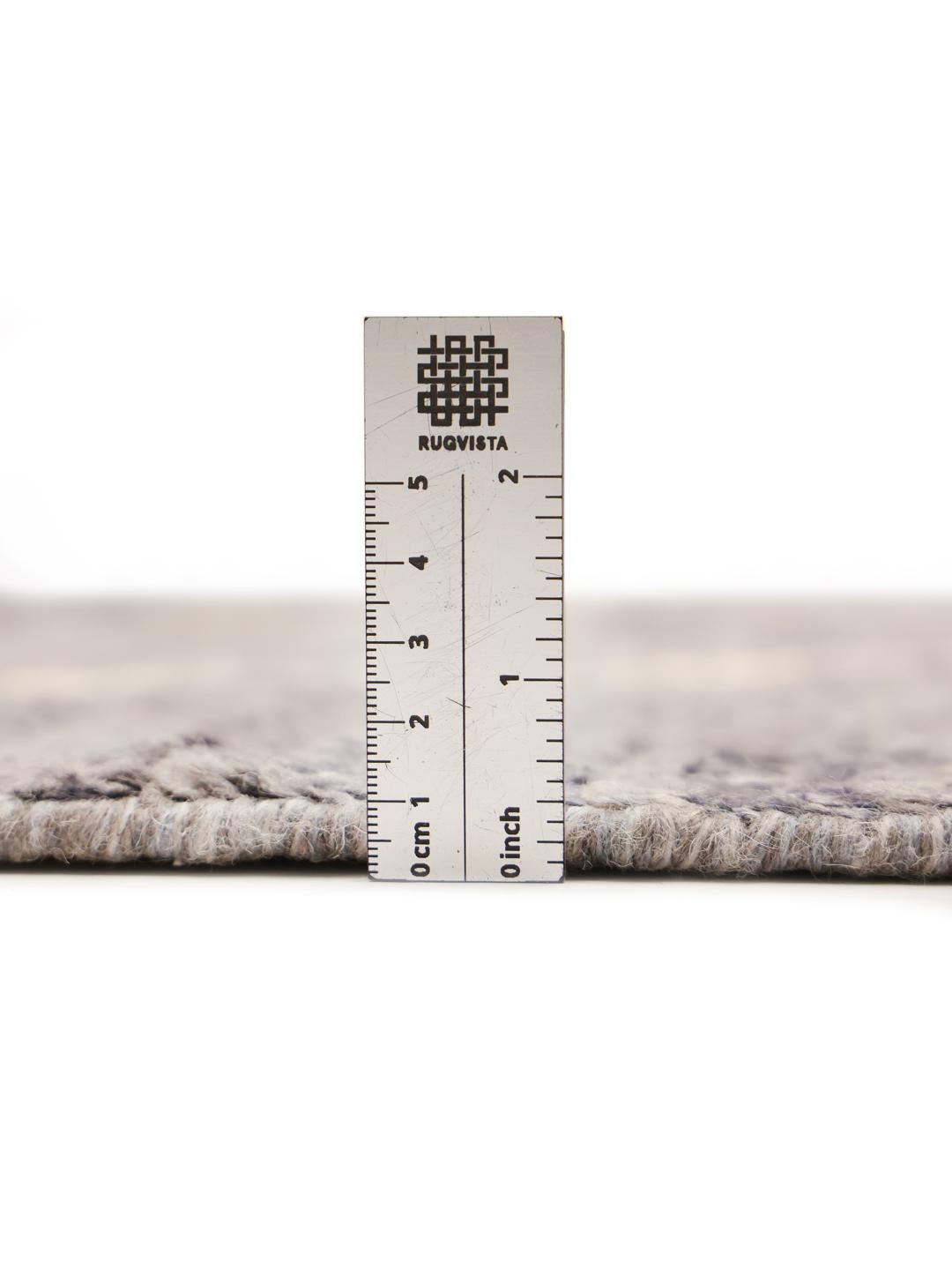
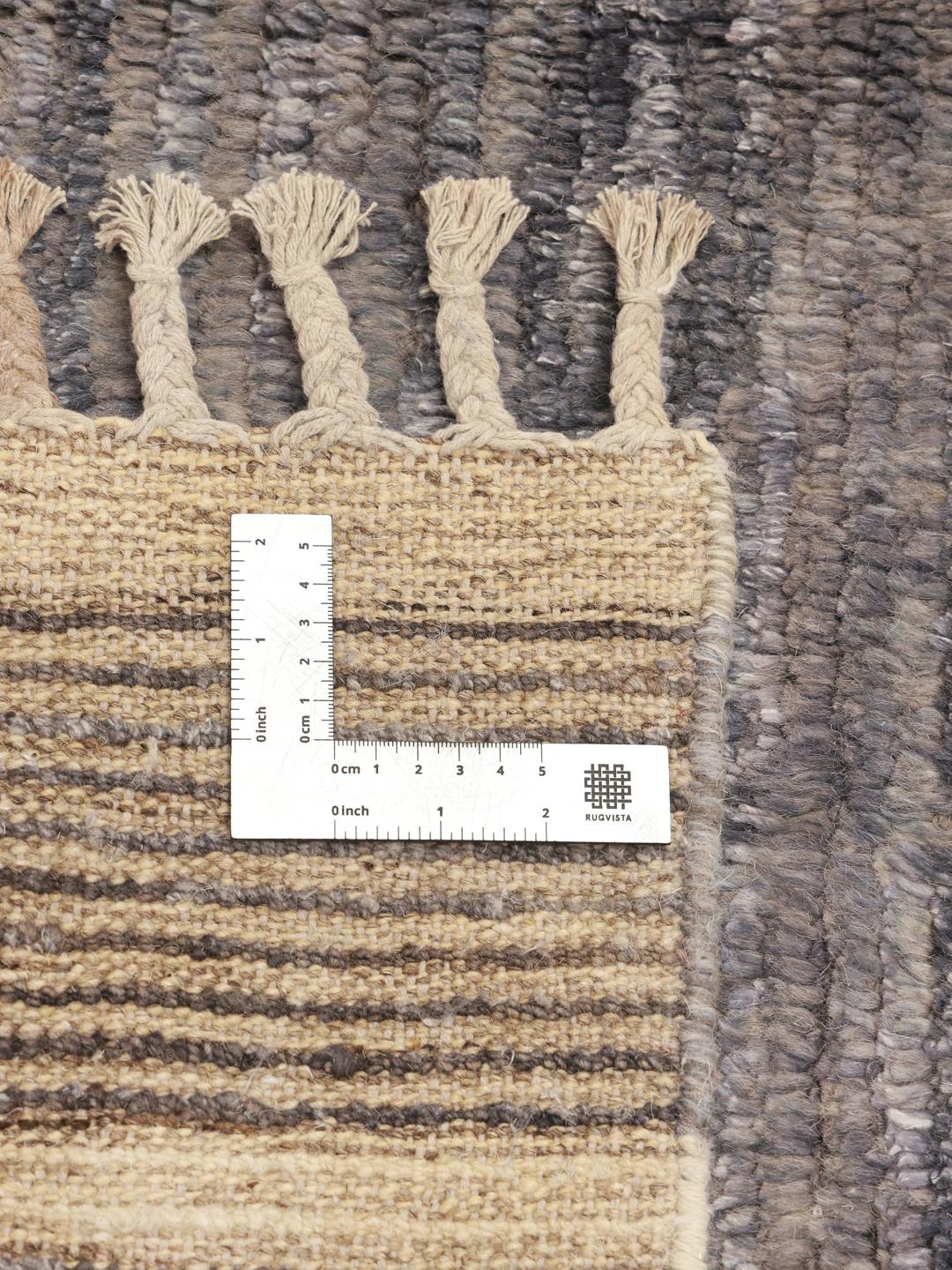
The term hand-knotted refers to the time-honoured method of tying individual strands of wool onto a foundation. This process is far more than just a technique; it is a commitment to quality. By securing each knot by hand, the artisan ensures that the pile remains dense and upright, which directly translates to a more lustrous appearance and a longer lifespan for the rug.
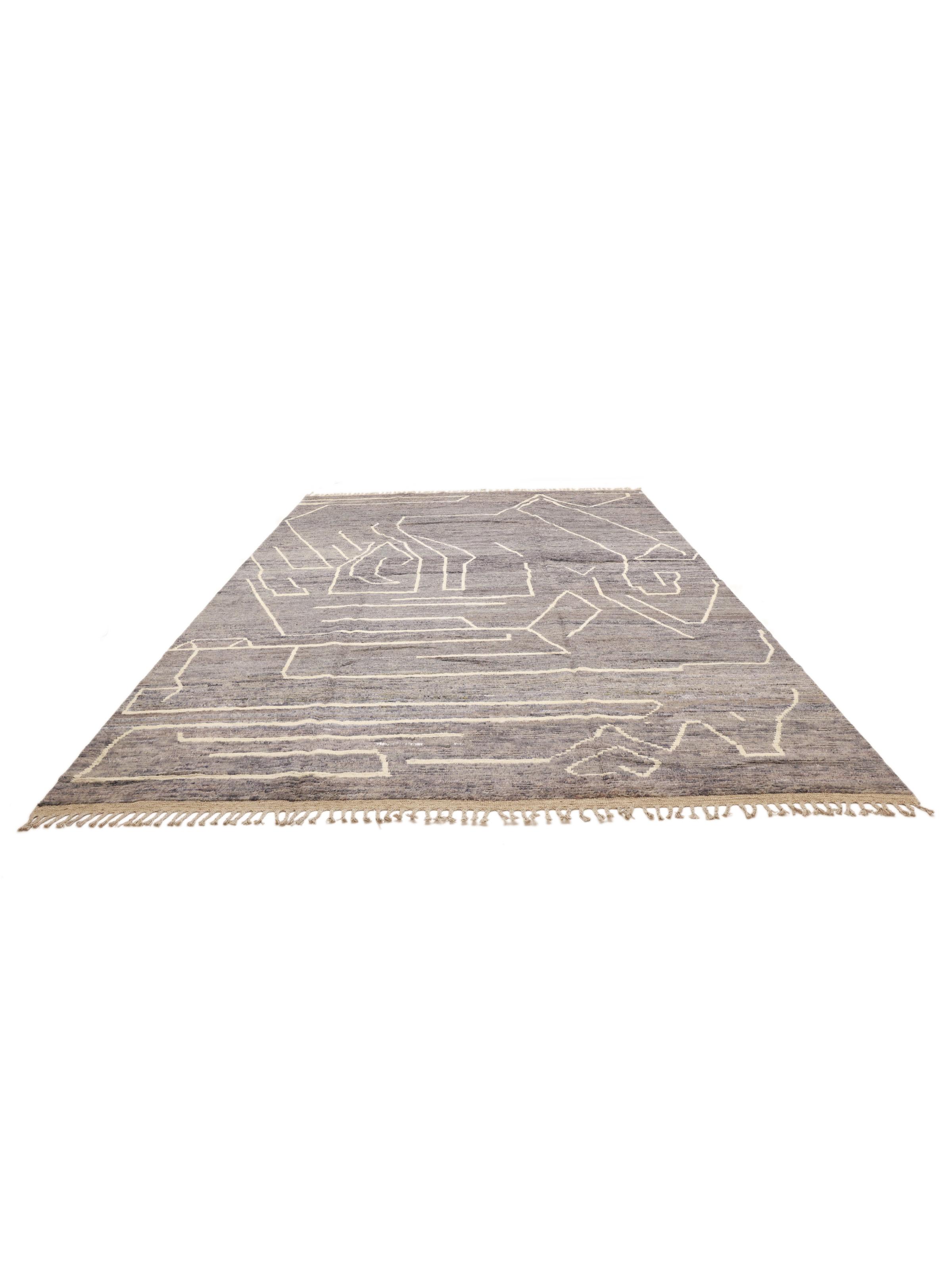
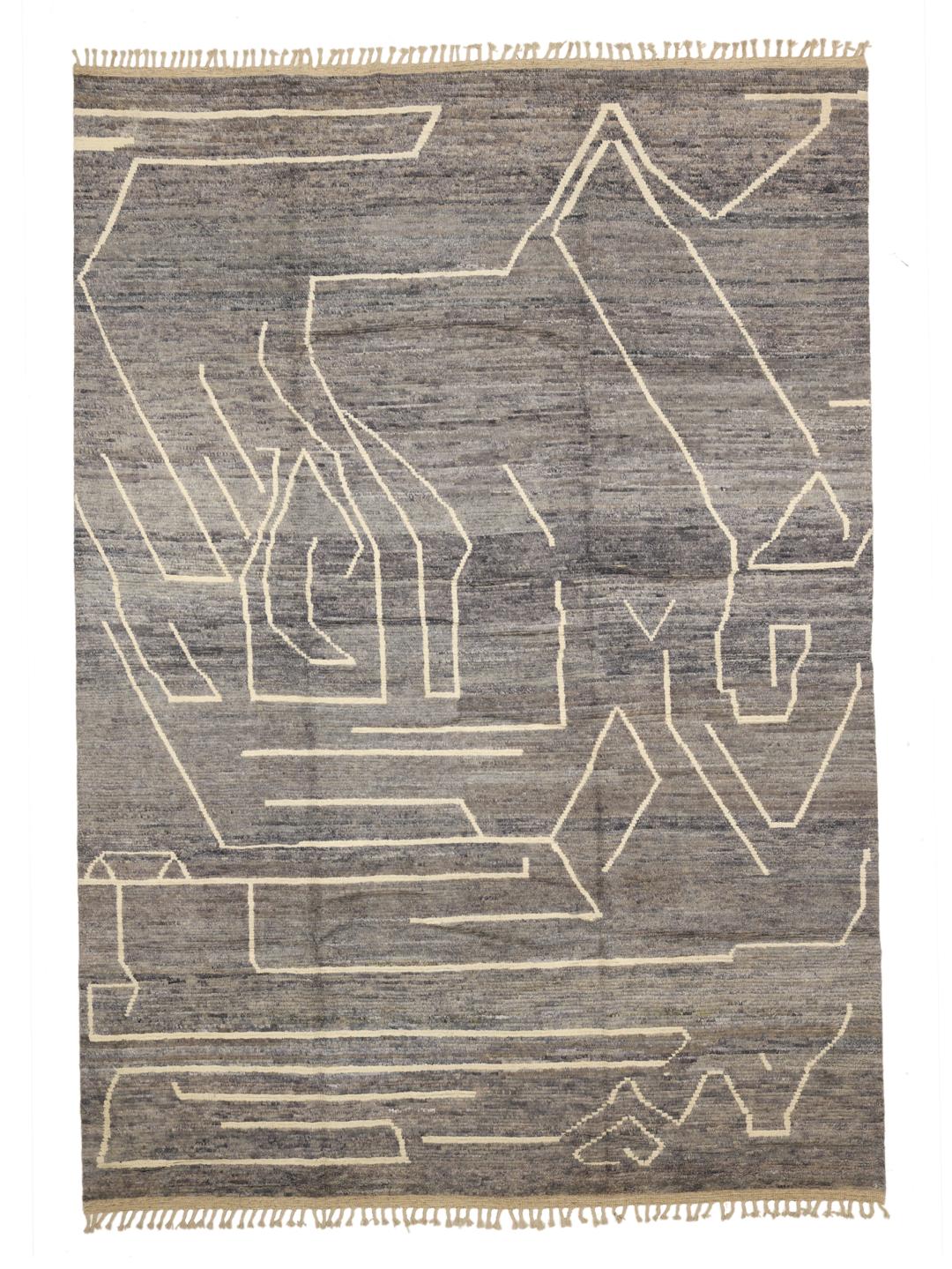
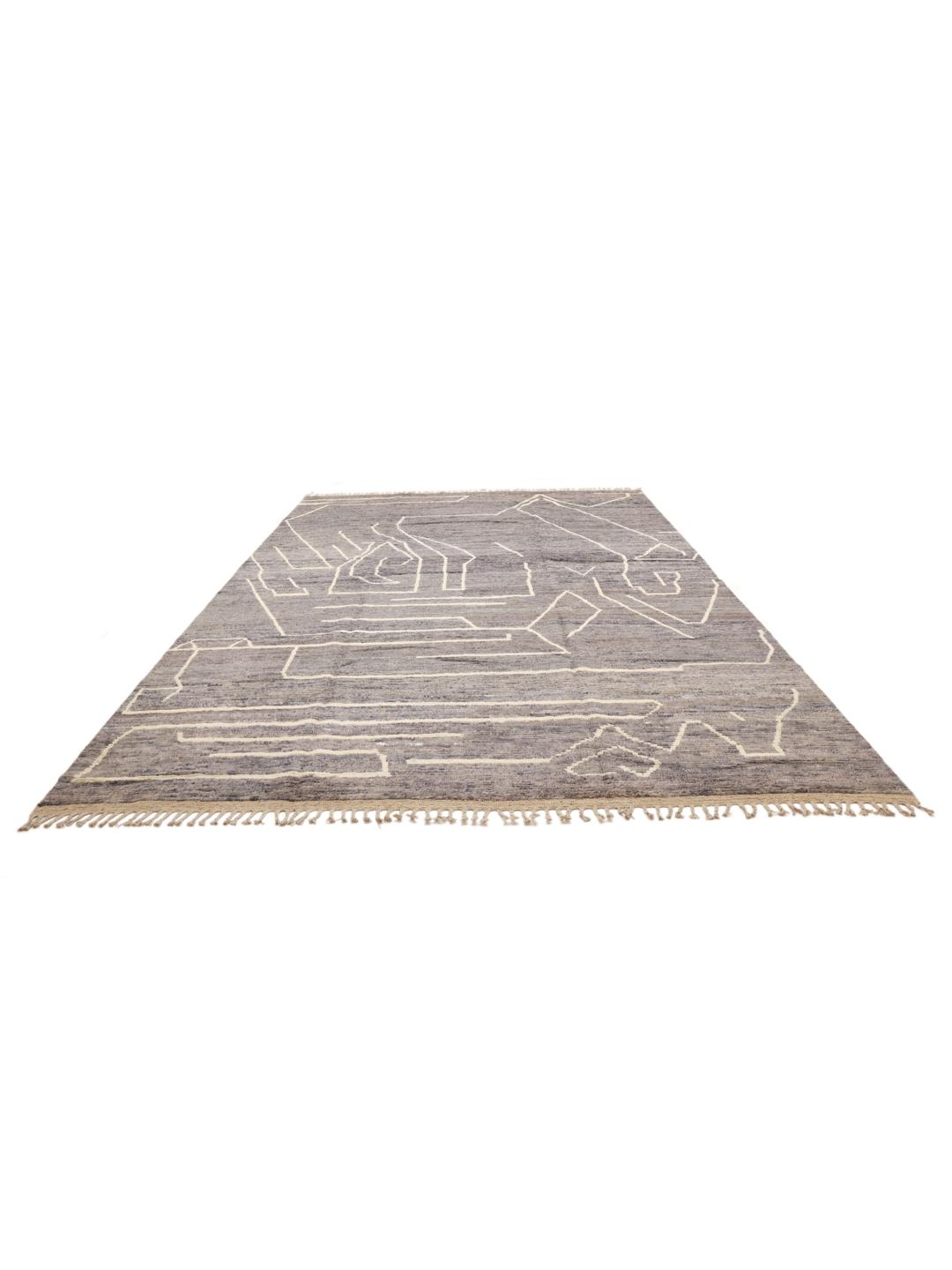
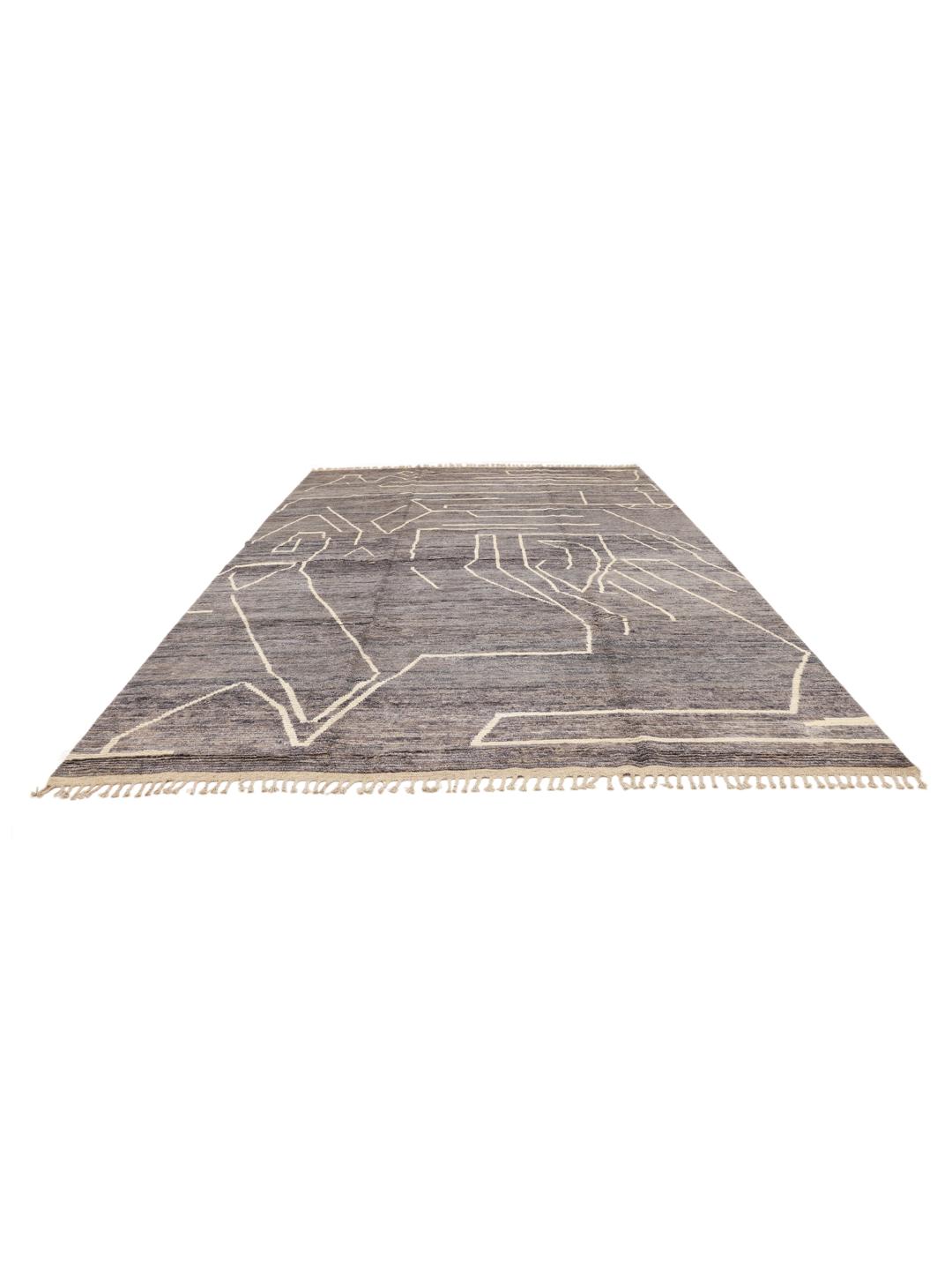
Visually, these rugs are defined by their expressive, often spontaneous designs. While traditional motifs often focus on tribal symbols or storytelling elements, this modern interpretation leans into abstract geometric lines. The contrast between the neutral, earthy tones and the crisp, linear patterns is a hallmark of the style, creating a sense of movement and balance that feels perfectly suited for today's interiors.
Owning a hand-knotted rug from this tradition is about more than just decoration; it is about connecting with a lineage of craft that values human touch over automation. These rugs are highly sought after by collectors and homeowners alike because they carry the mark of the maker in every stitch. They represent a lasting investment in heritage and skill, ensuring that your home feels curated with pieces that truly matter.