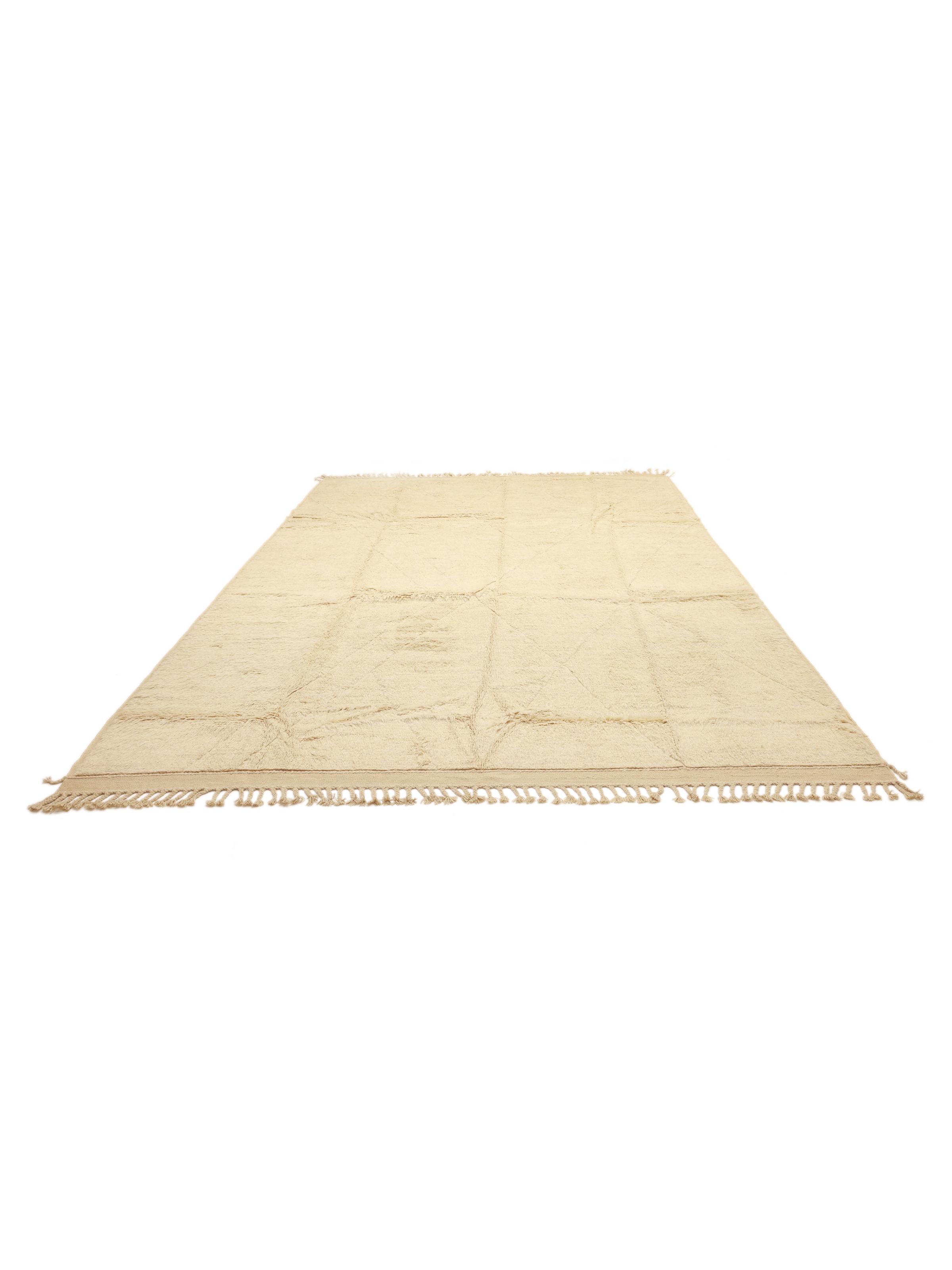
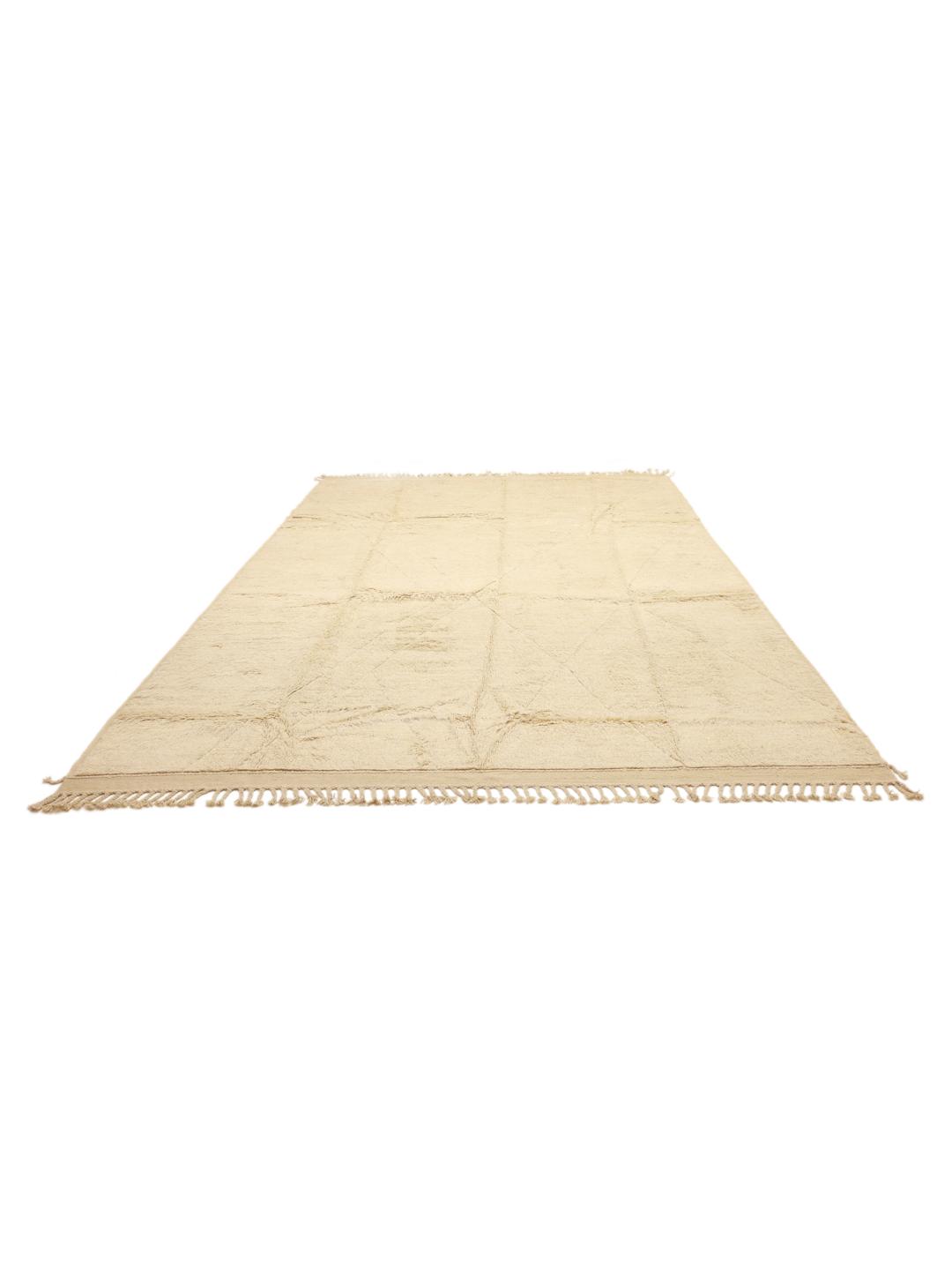
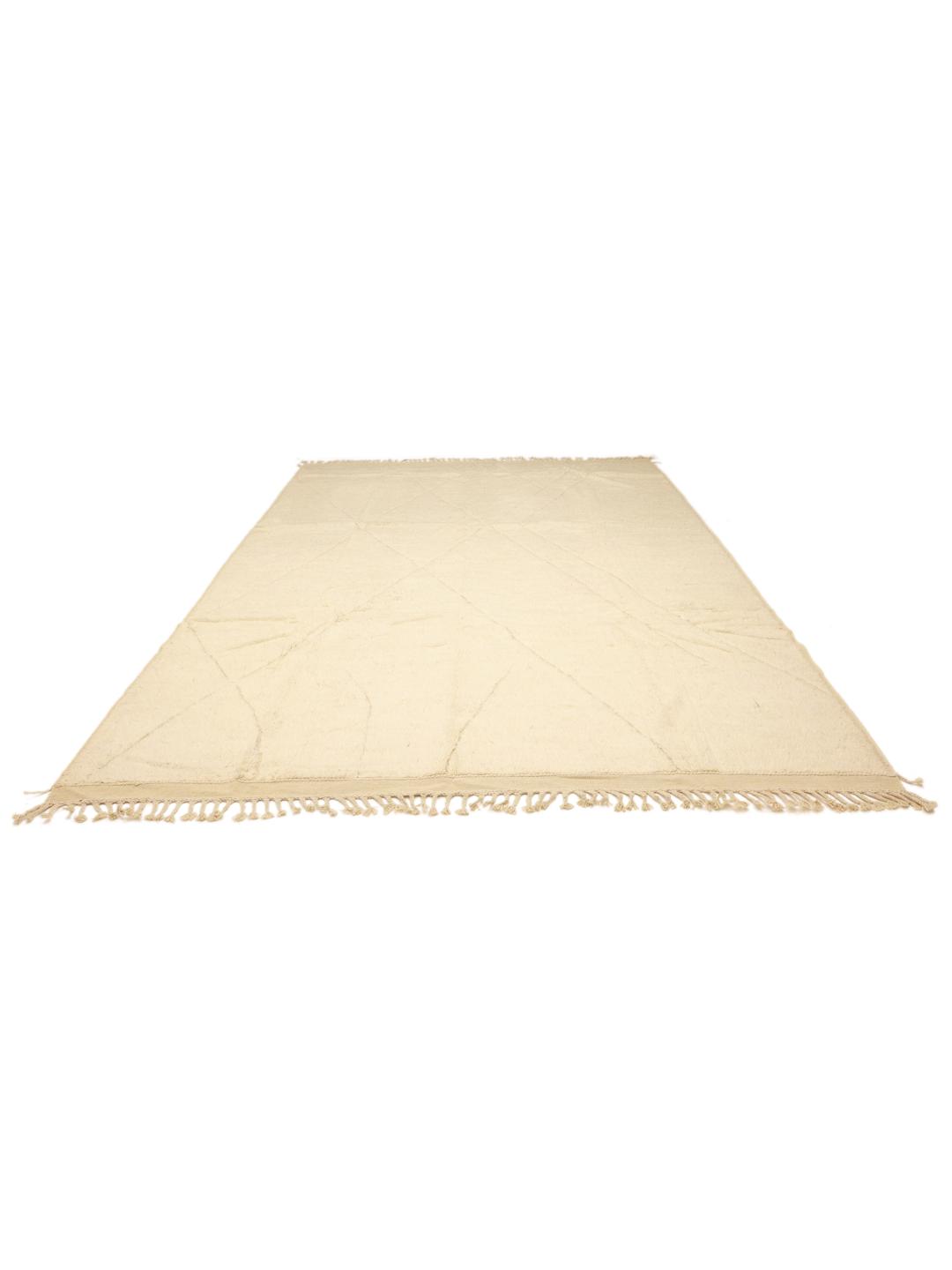
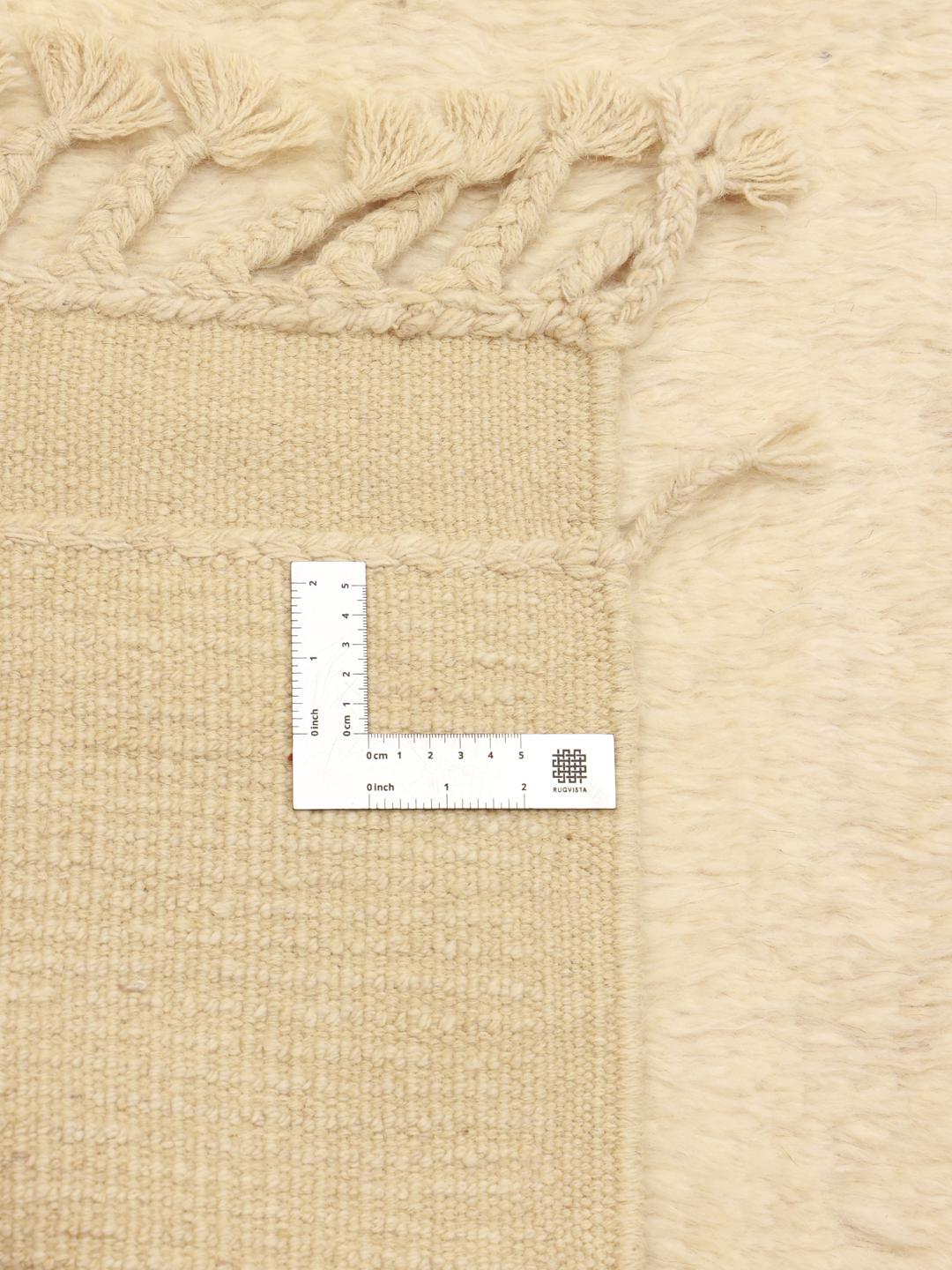
The tradition of Berber-style weaving finds its roots in the mountainous regions of North Africa, where nomadic tribes historically created these rugs for warmth and utility. Over time, the aesthetic has migrated and evolved, with artisans in Afghanistan now mastering the style by blending their own regional weaving techniques with these iconic, minimalist design principles.
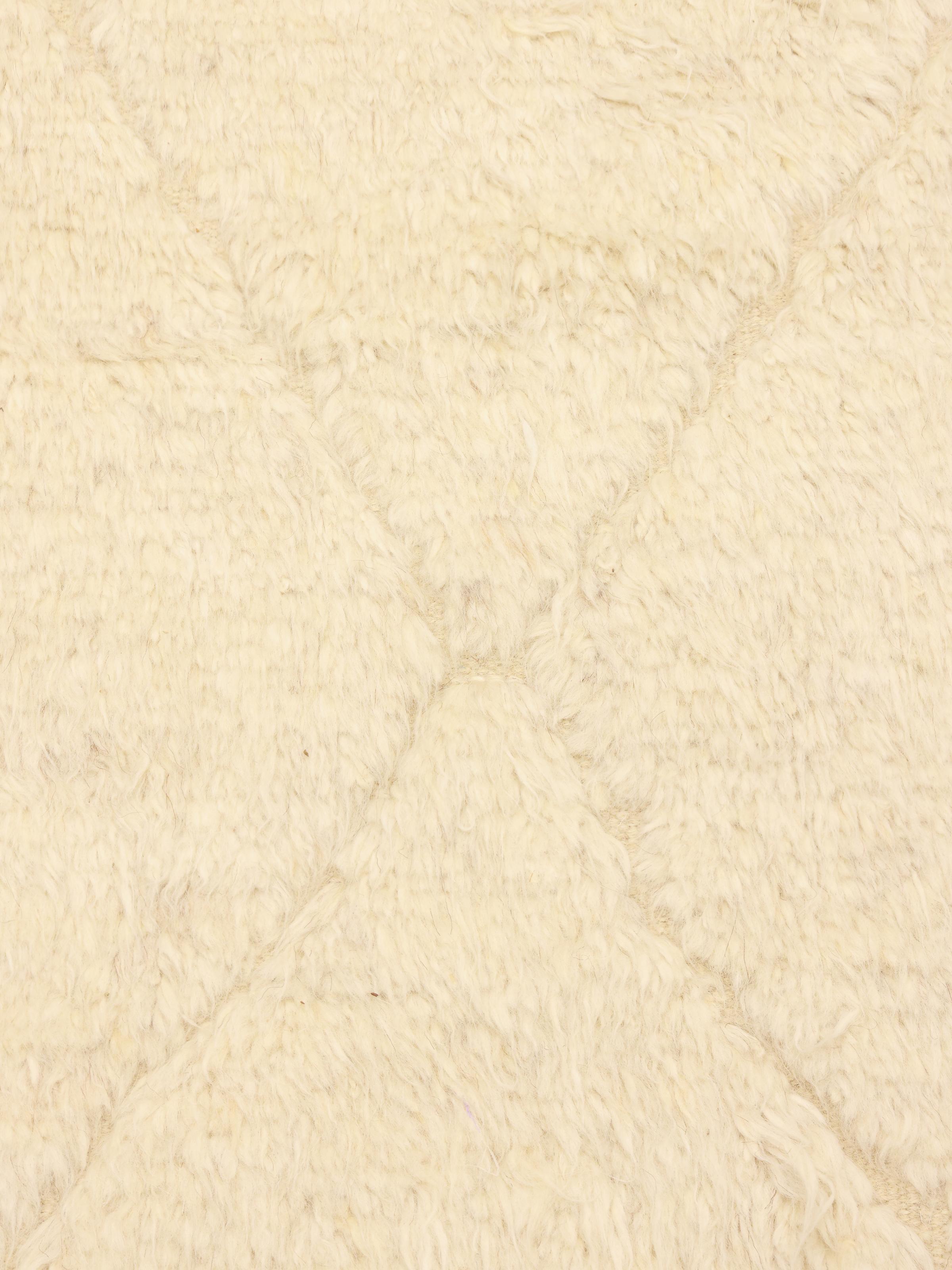
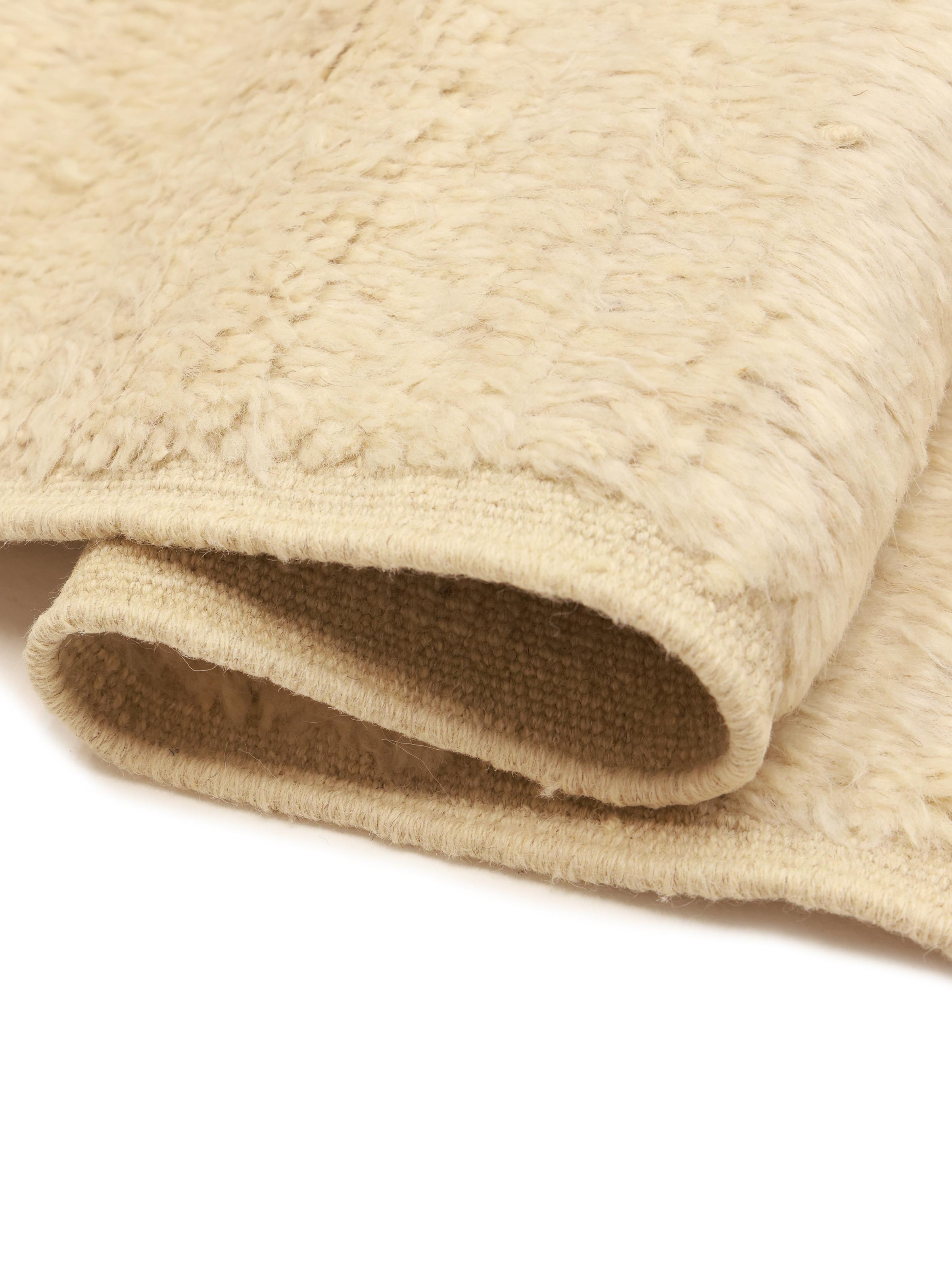
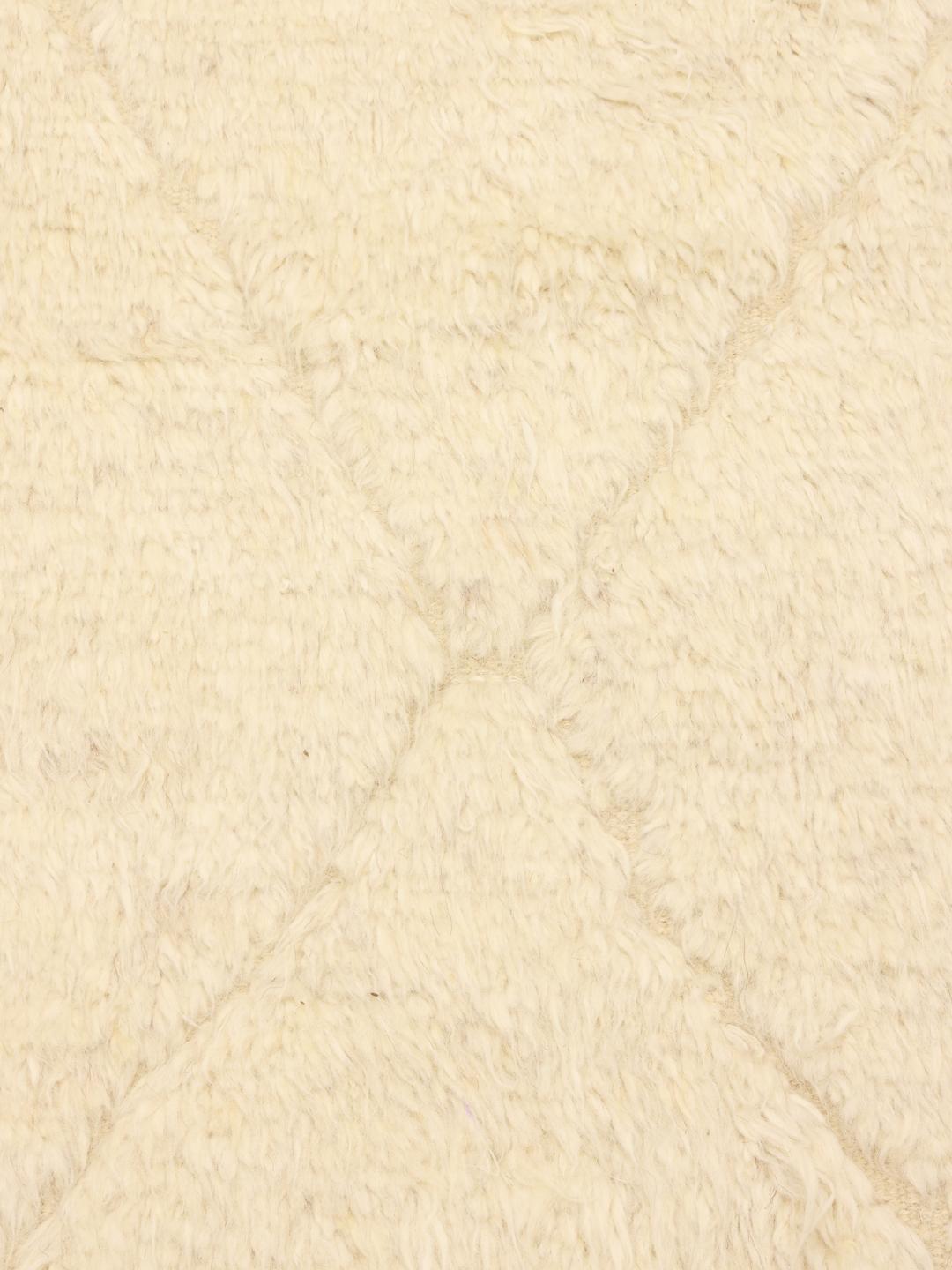
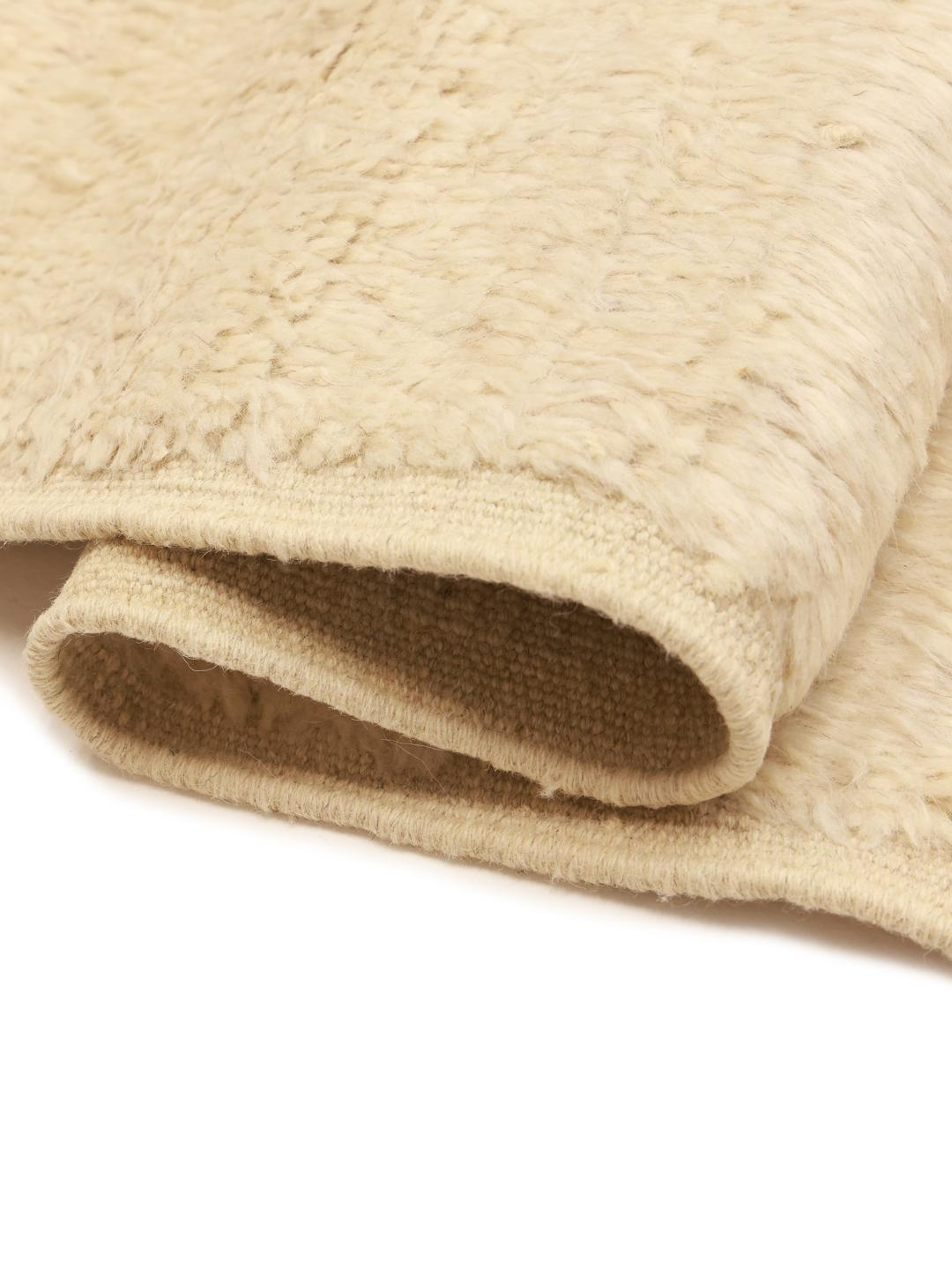
The term 'Berber' originally referred to the indigenous people of North Africa, but in the world of rug making, it has become synonymous with a specific, clean visual language. These rugs are celebrated for their focus on natural textures and simple, often abstract, geometric motifs. The use of high-quality wool is central to this tradition, providing a lustrous and durable pile that feels soft underfoot.
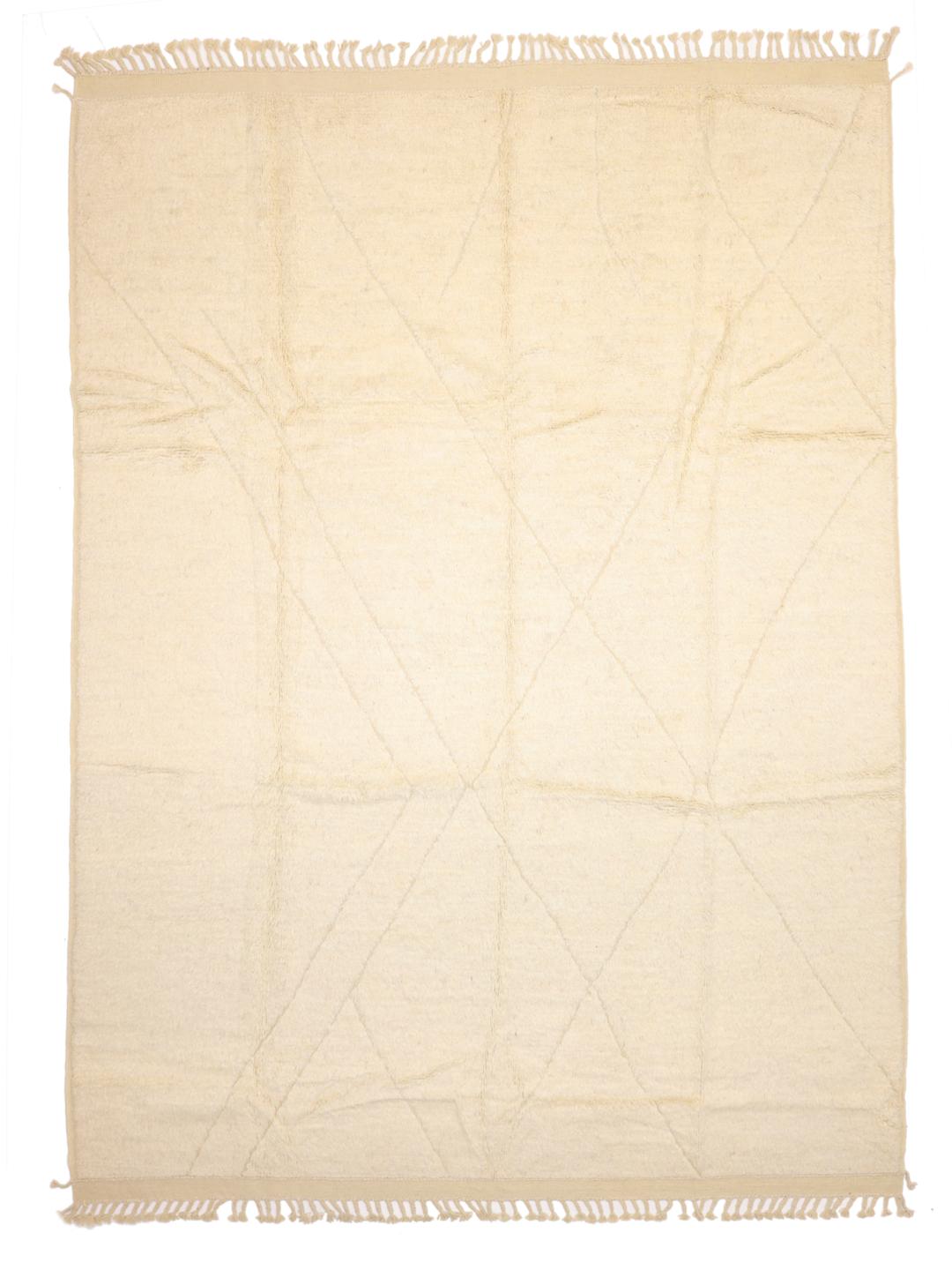
Visually, this tradition is known for its restraint. Unlike highly ornate rugs, this style relies on the interplay of natural tones and subtle line work. The geometric patterns seen here are often inspired by traditional tribal symbols, simplified to create a modern, rhythmic effect across the field. This balance of historic motifs and contemporary minimalism is what makes the style so versatile.
Collecting a rug from this tradition is an investment in both heritage and skill. These pieces are valued for their authenticity and the human effort required to create them. Owning such a rug connects your living space to a long history of craft, offering a sense of groundedness and cultural depth that mass-produced items cannot replicate.