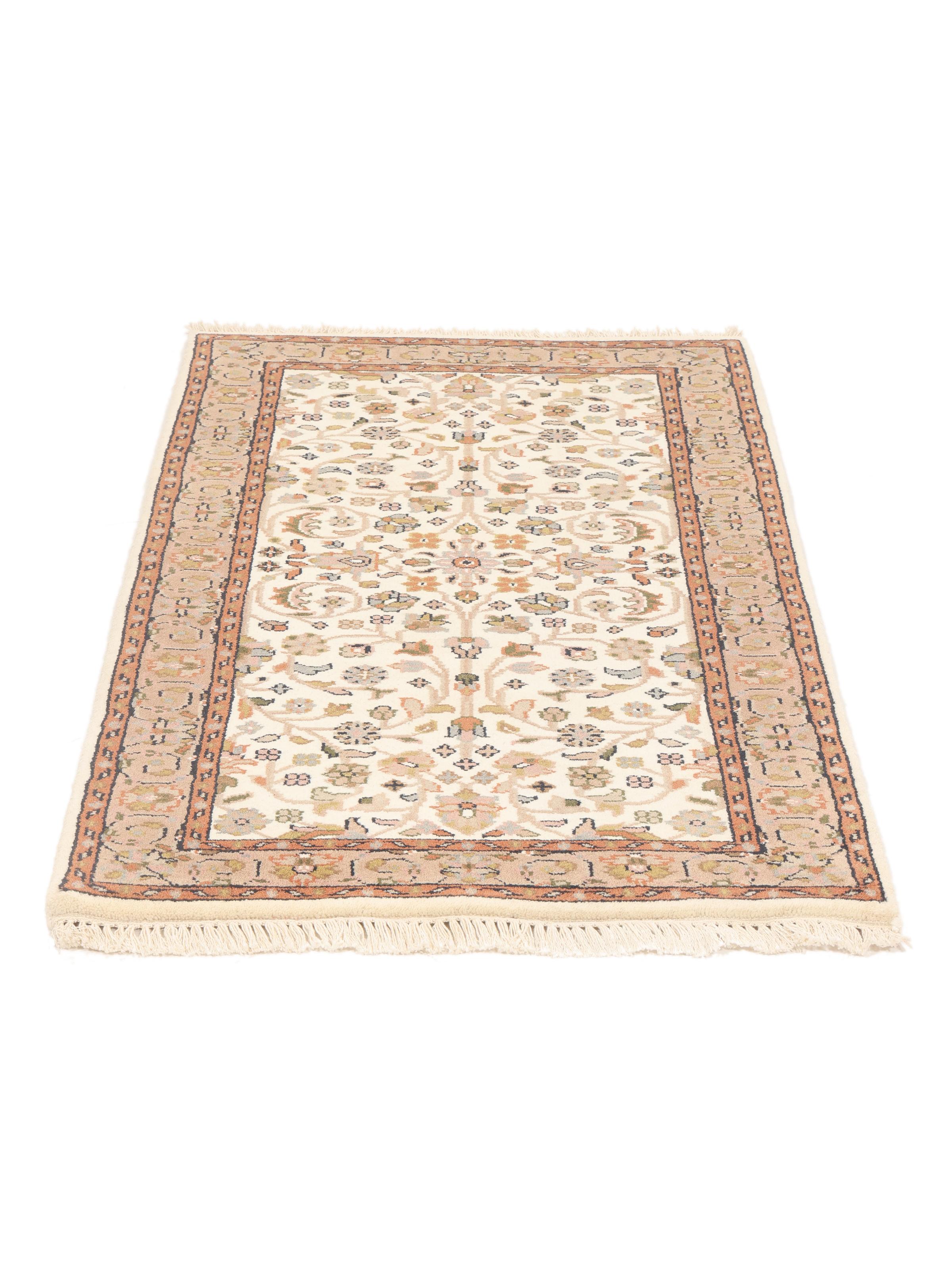
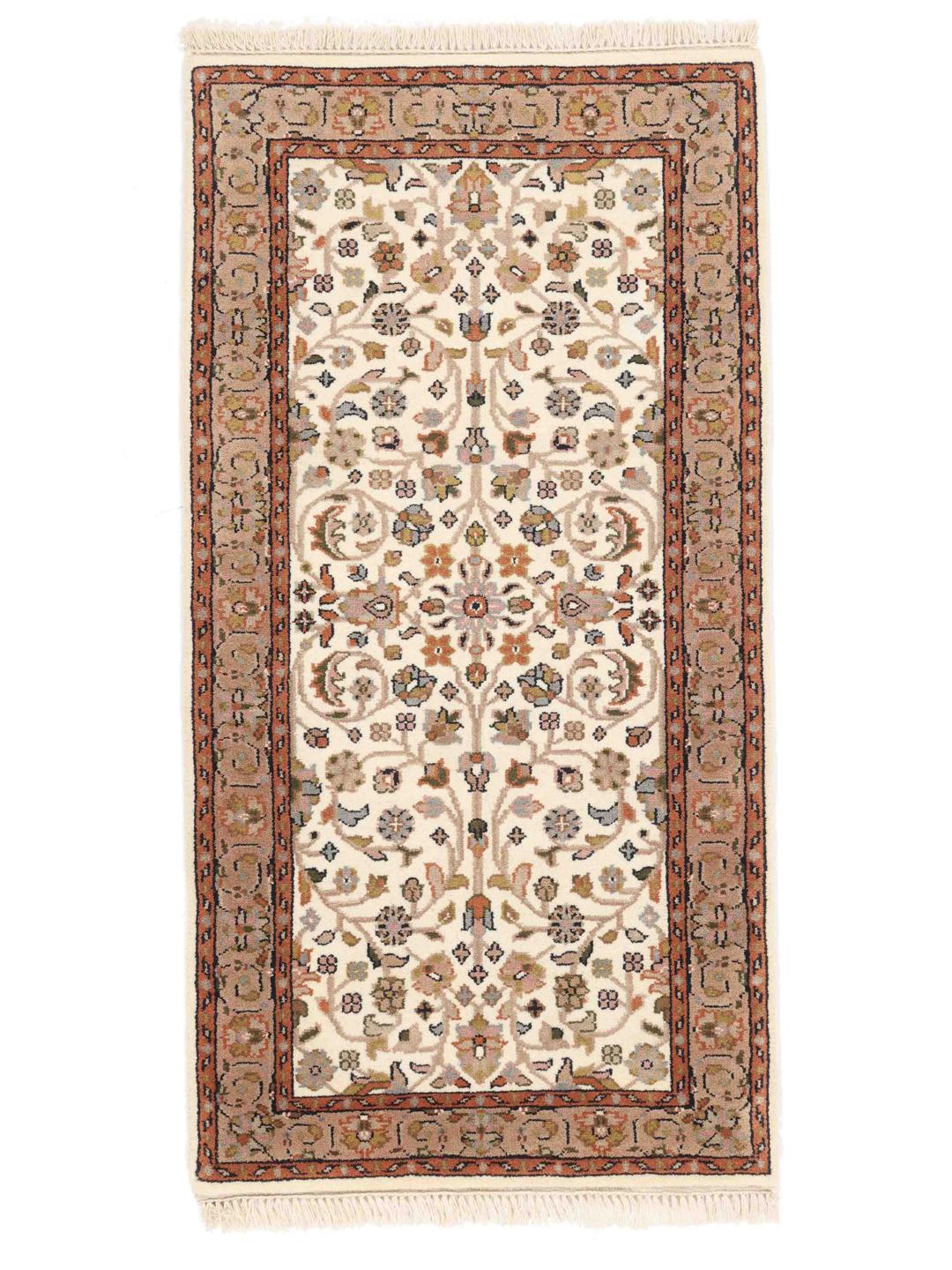
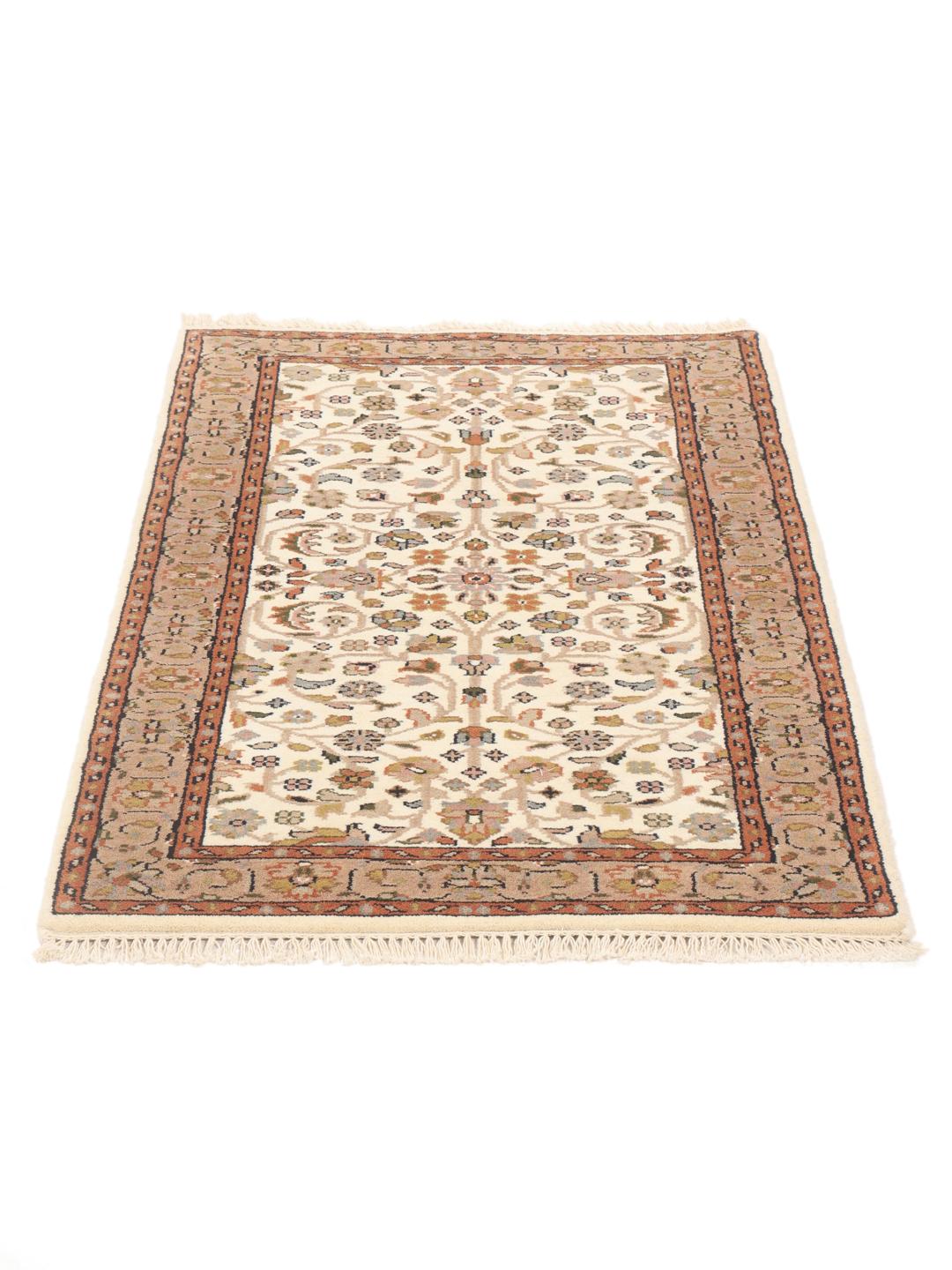
Bidjar rugs originate from the Kurdish region of the Middle East, a mountainous area known for its resilient and robust weaving traditions. While the style is deeply rooted in this historical geography, the name today is associated with a specific approach to design and construction that has been adopted and refined by master weavers across different regions, including India.
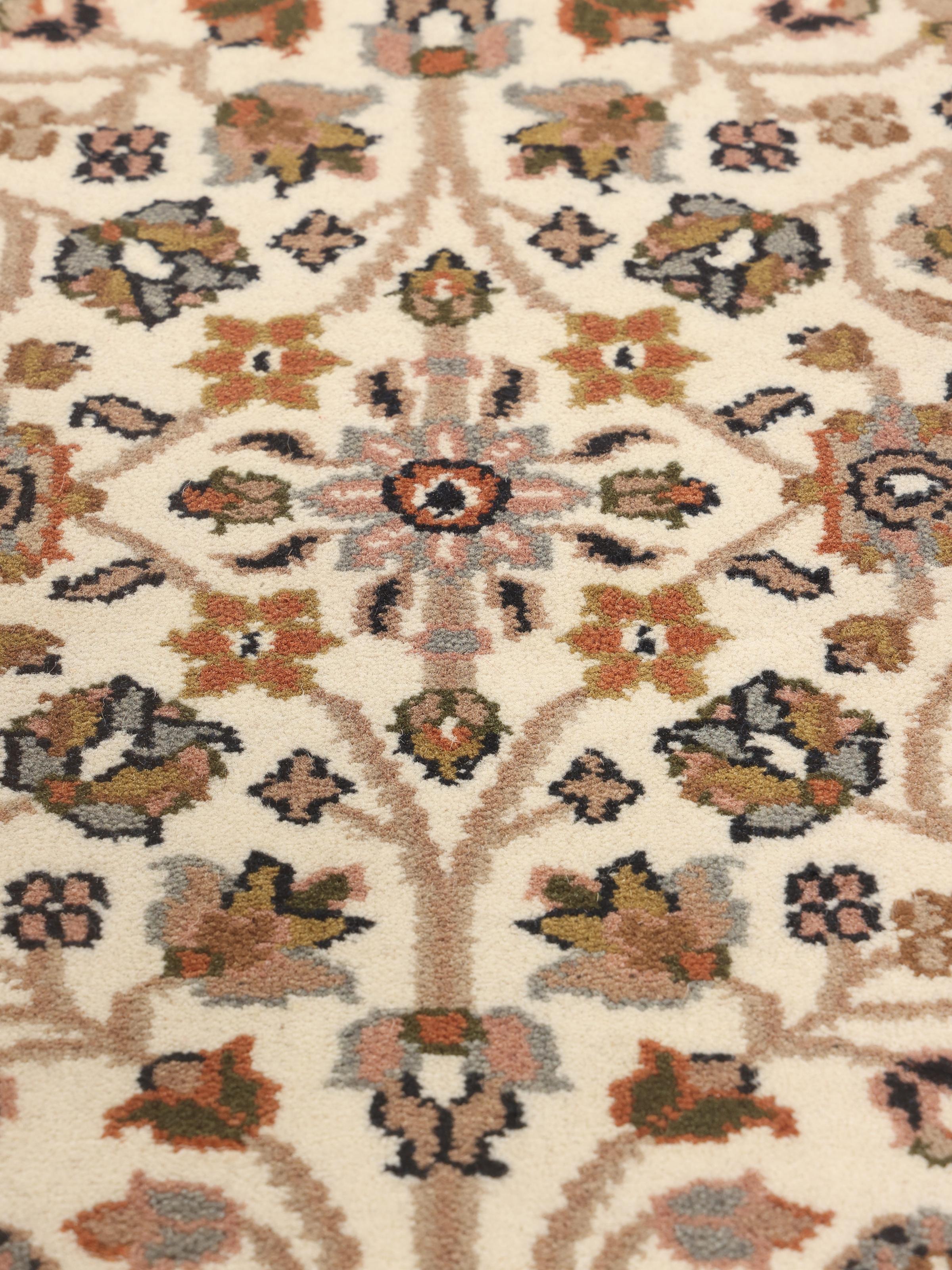
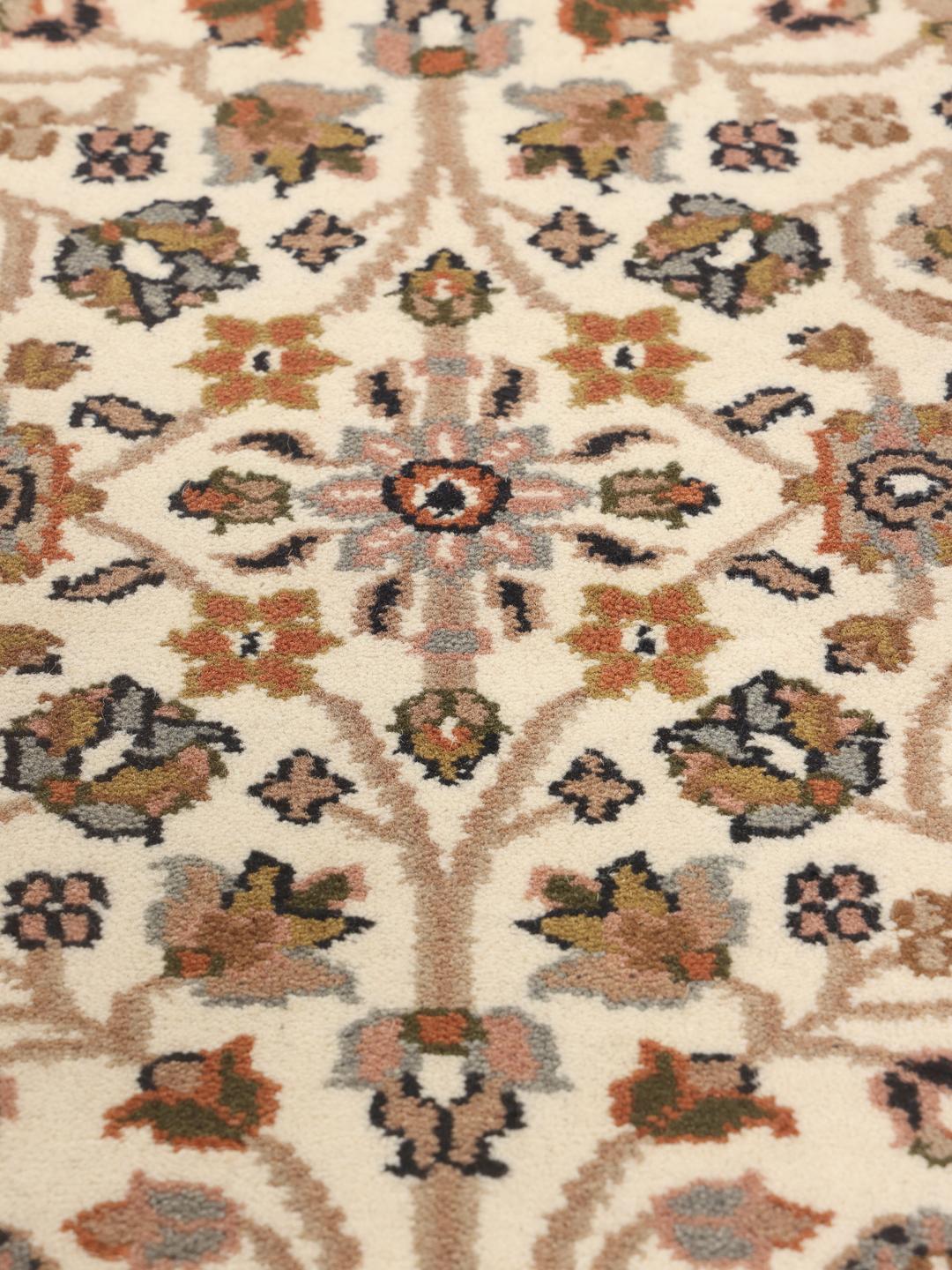
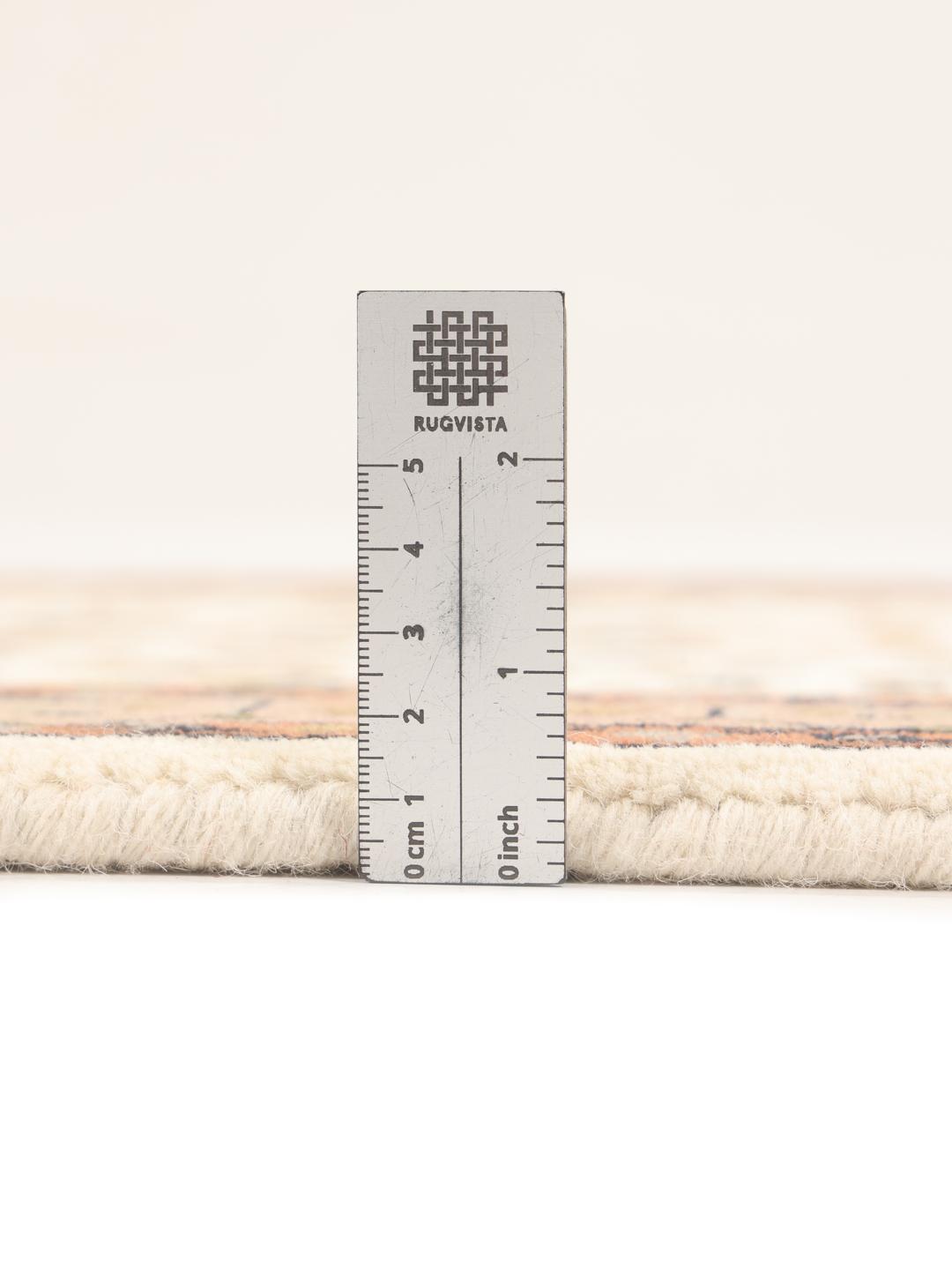
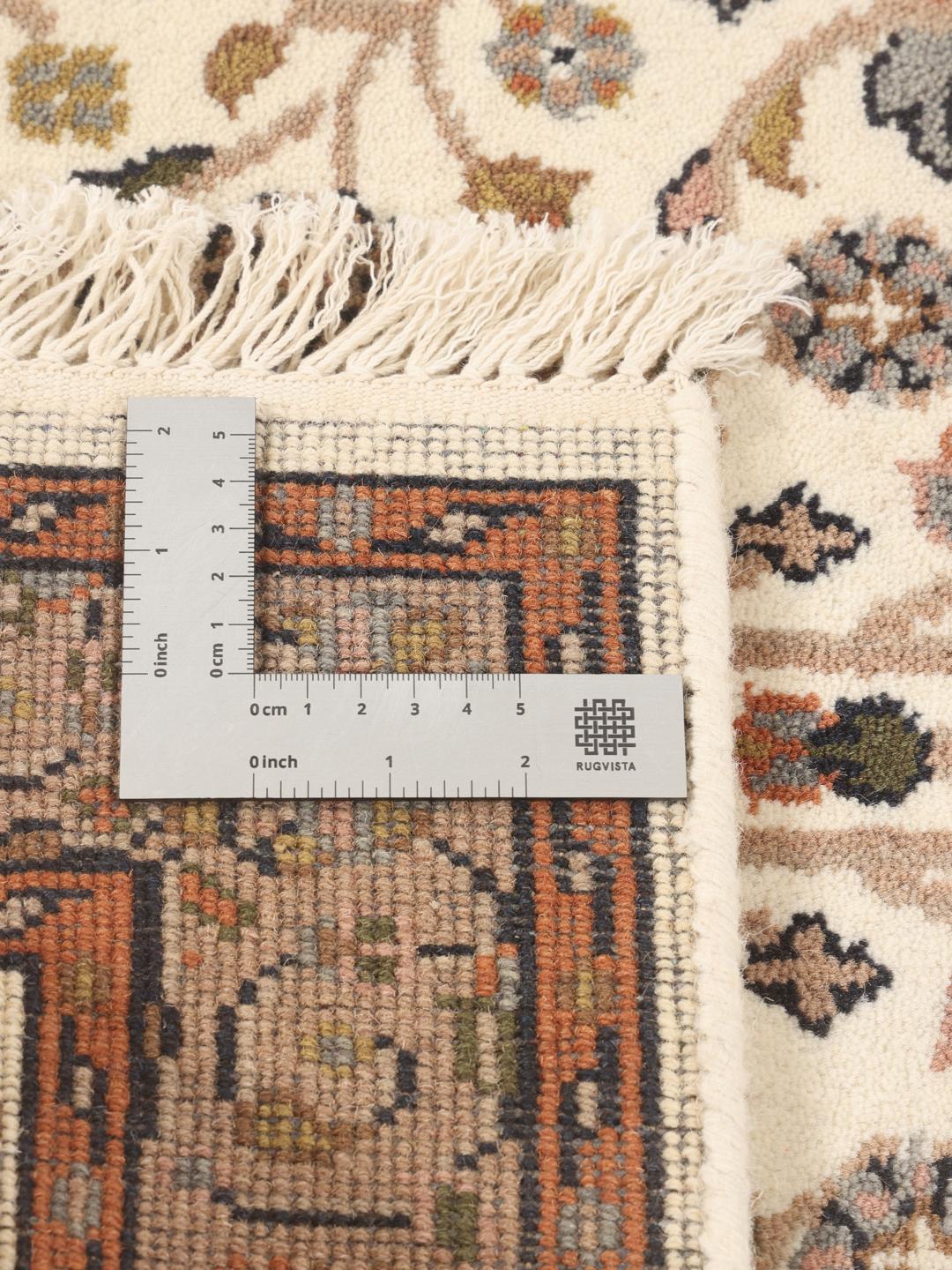
The defining characteristic of a Bidjar-style rug is its incredible density and structural integrity, often referred to as the iron rug of the industry. This reputation comes from the specialised technique of beating down the wefts with a metal comb, which pulls the knots into an exceptionally tight configuration. This creates a remarkably dense pile that is not only durable but also allows for highly detailed, crisp patterns.
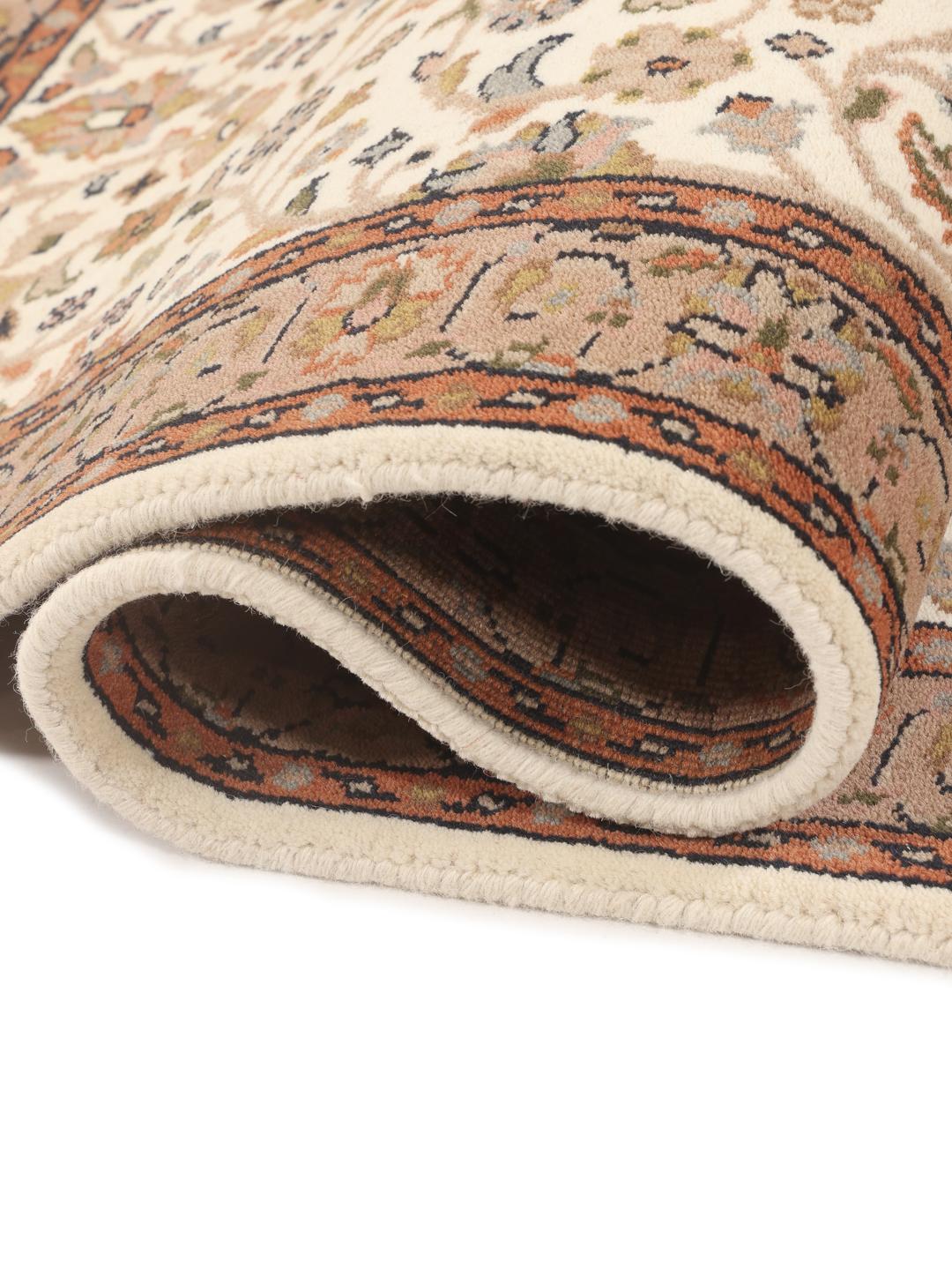
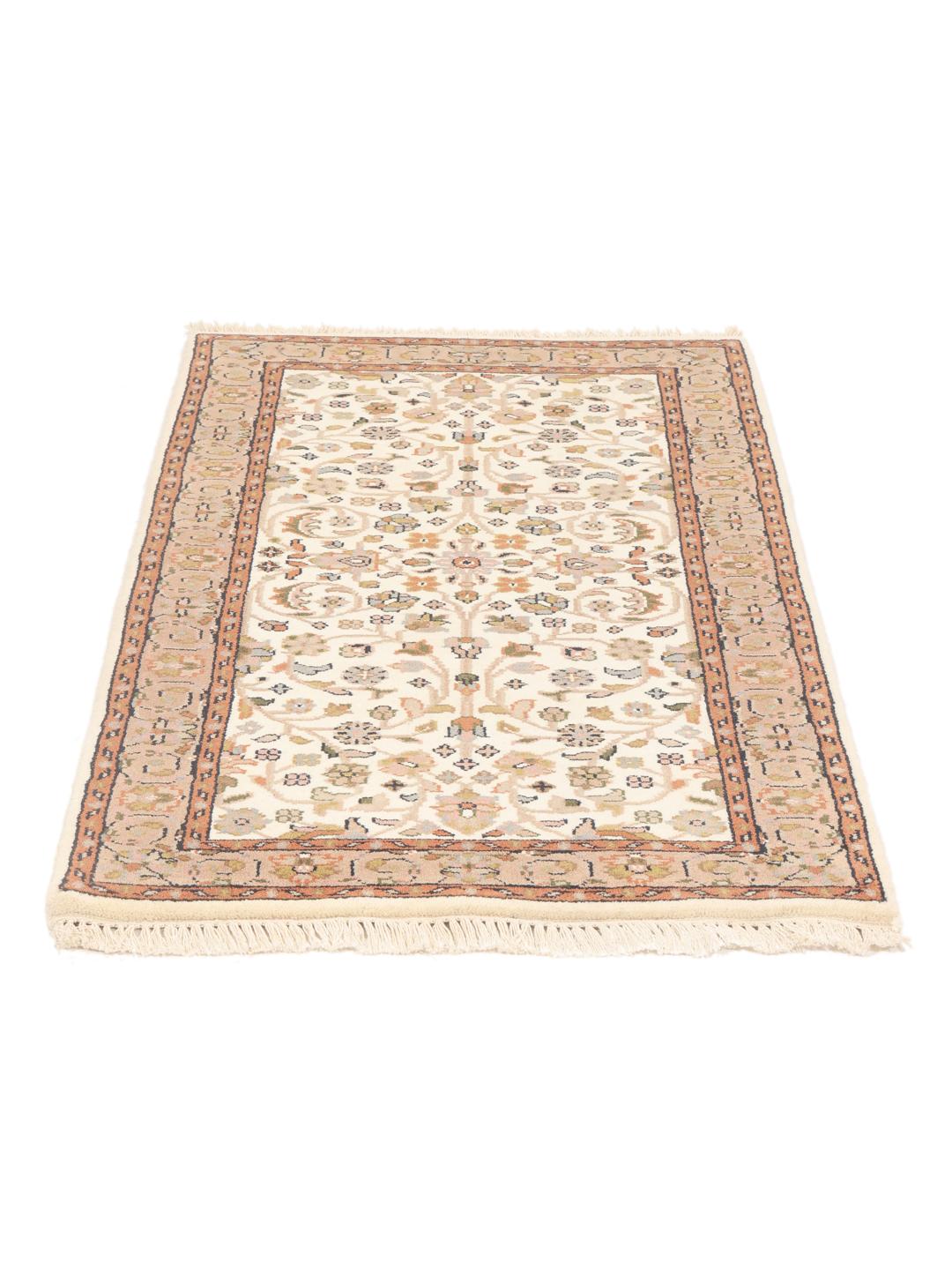
Visually, these rugs are celebrated for their sophisticated floral and medallion designs. They often feature complex, repeating motifs that draw the eye toward the centre of the field, framed by elaborate, multi-layered borders. The colour palettes tend to be rich and warm, drawing on natural dyes that have been used for generations to create depth and character in the finished product.
Collecting a rug from this tradition is an investment in skill and heritage. These pieces are valued for their ability to balance formal, artistic design with a heavy-duty construction that resists wear. Owning one means connecting to a long lineage of craftspeople who have spent centuries perfecting the balance between aesthetic beauty and functional strength.