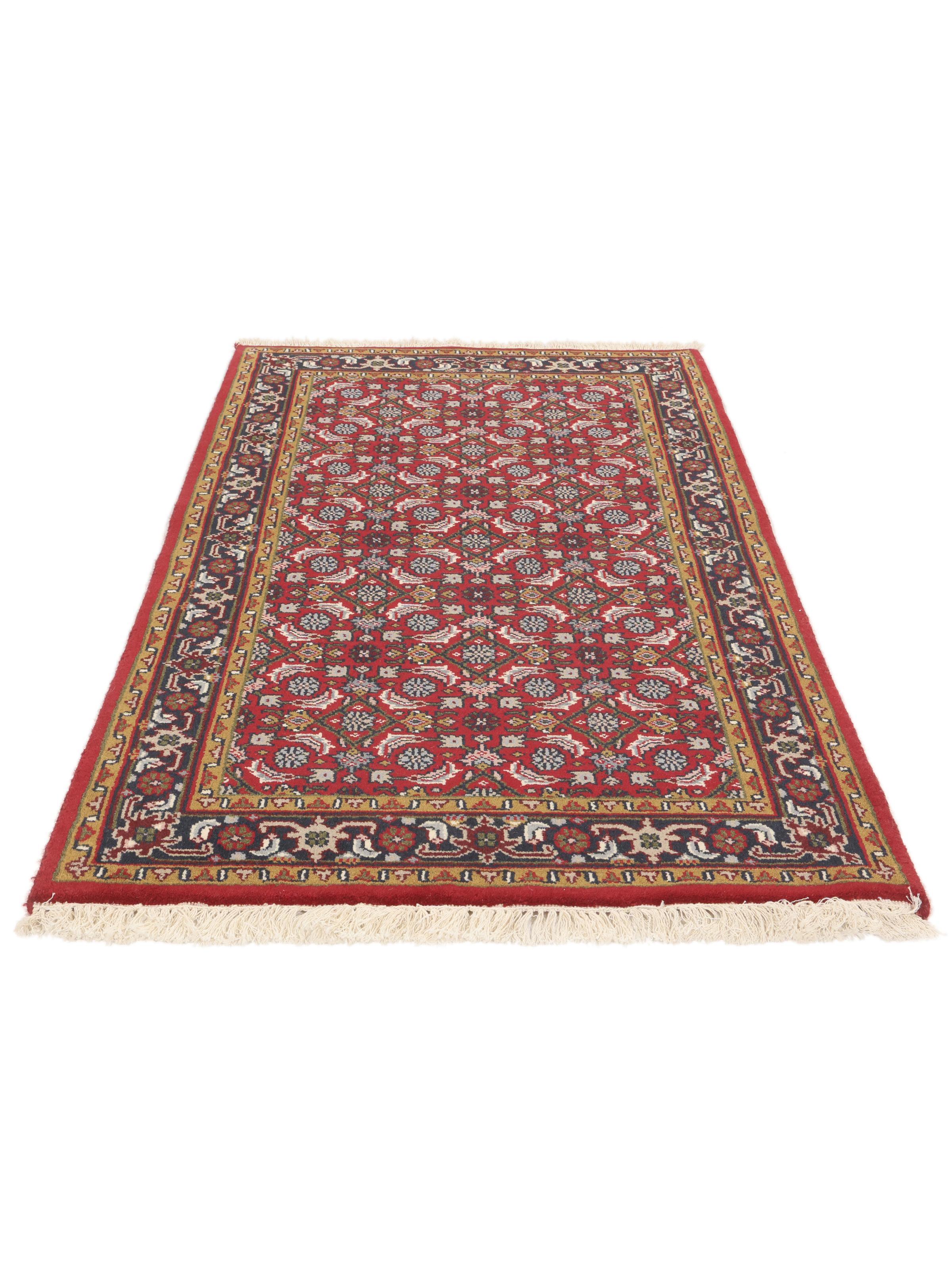
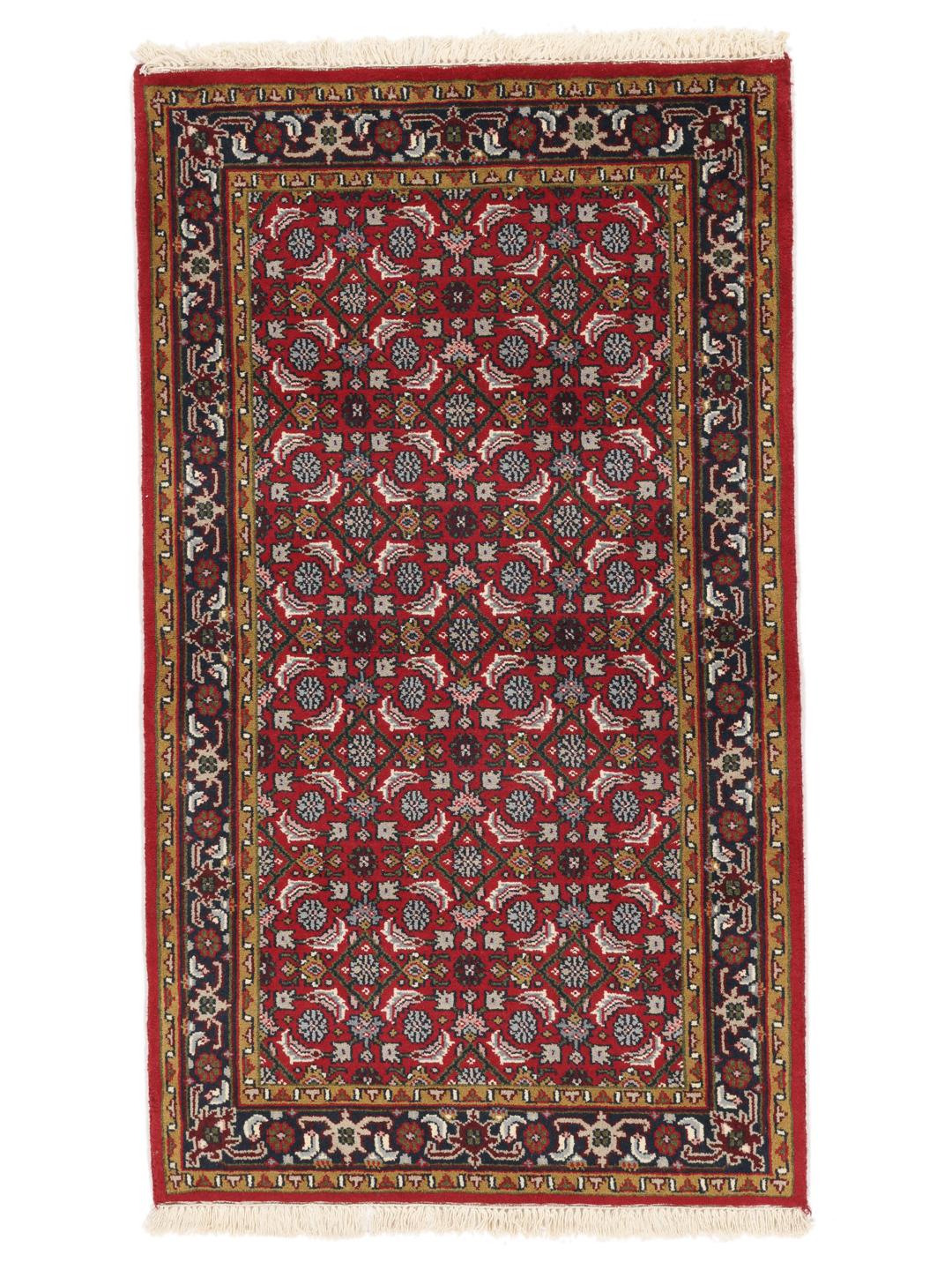
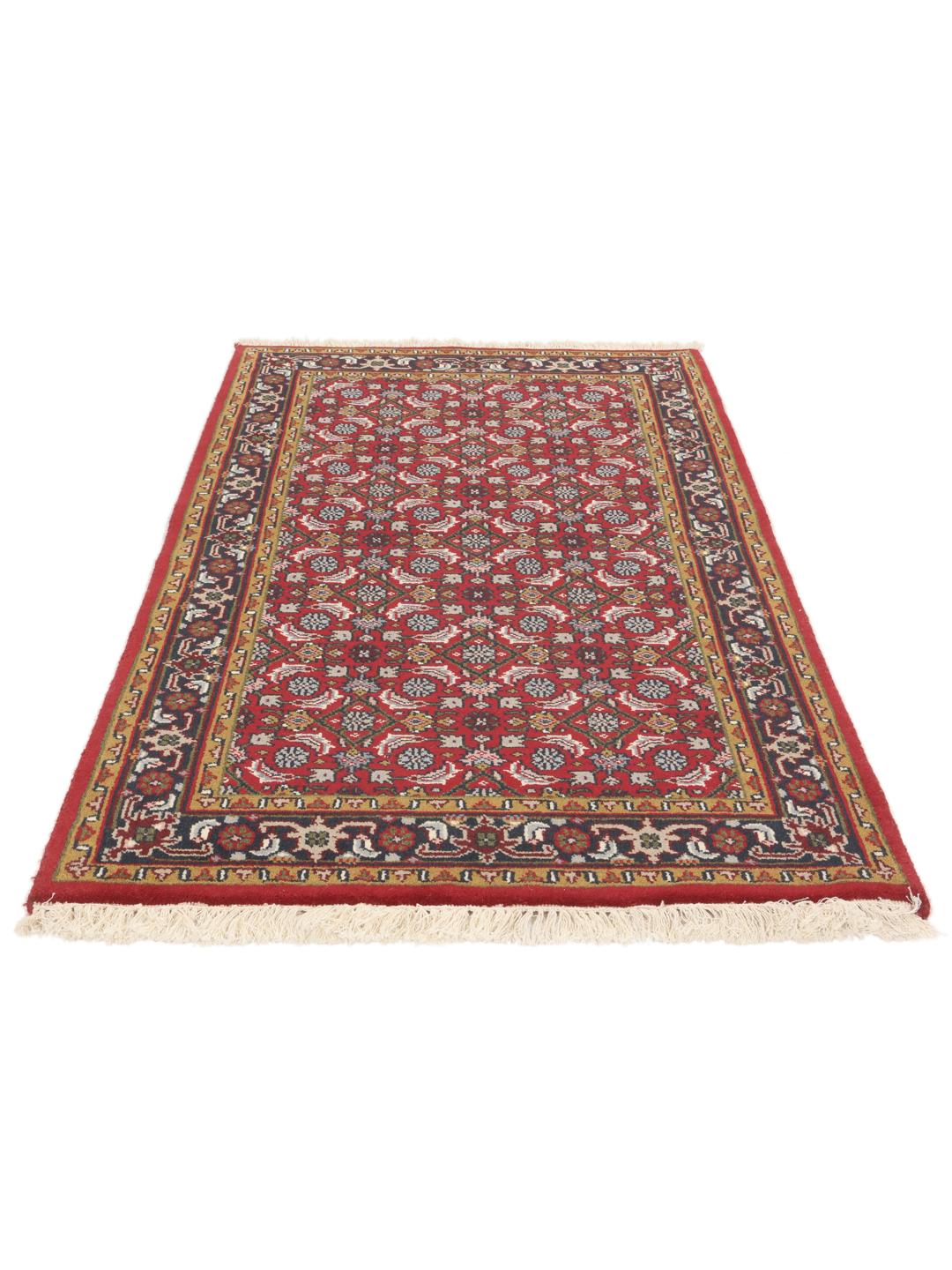
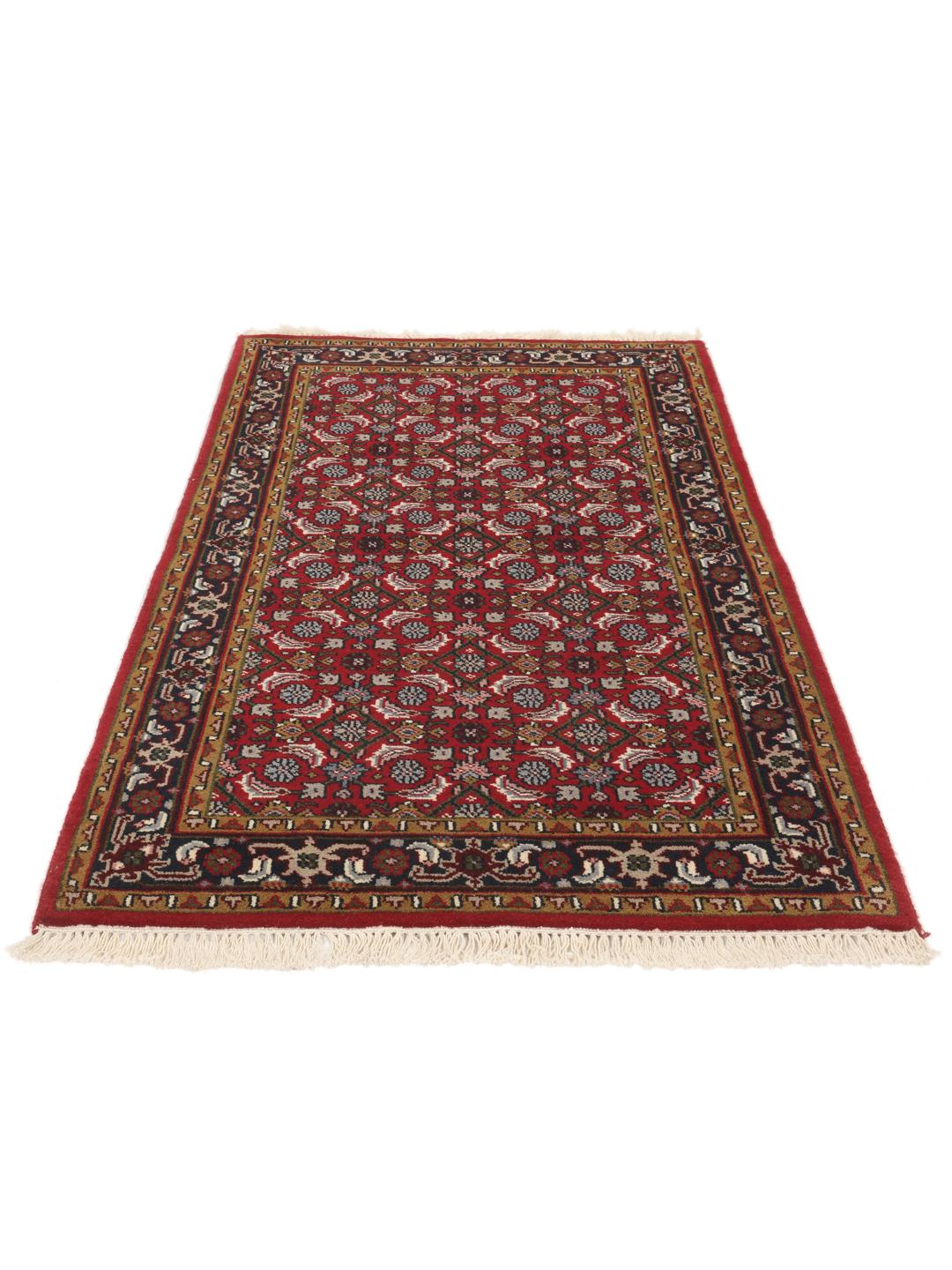
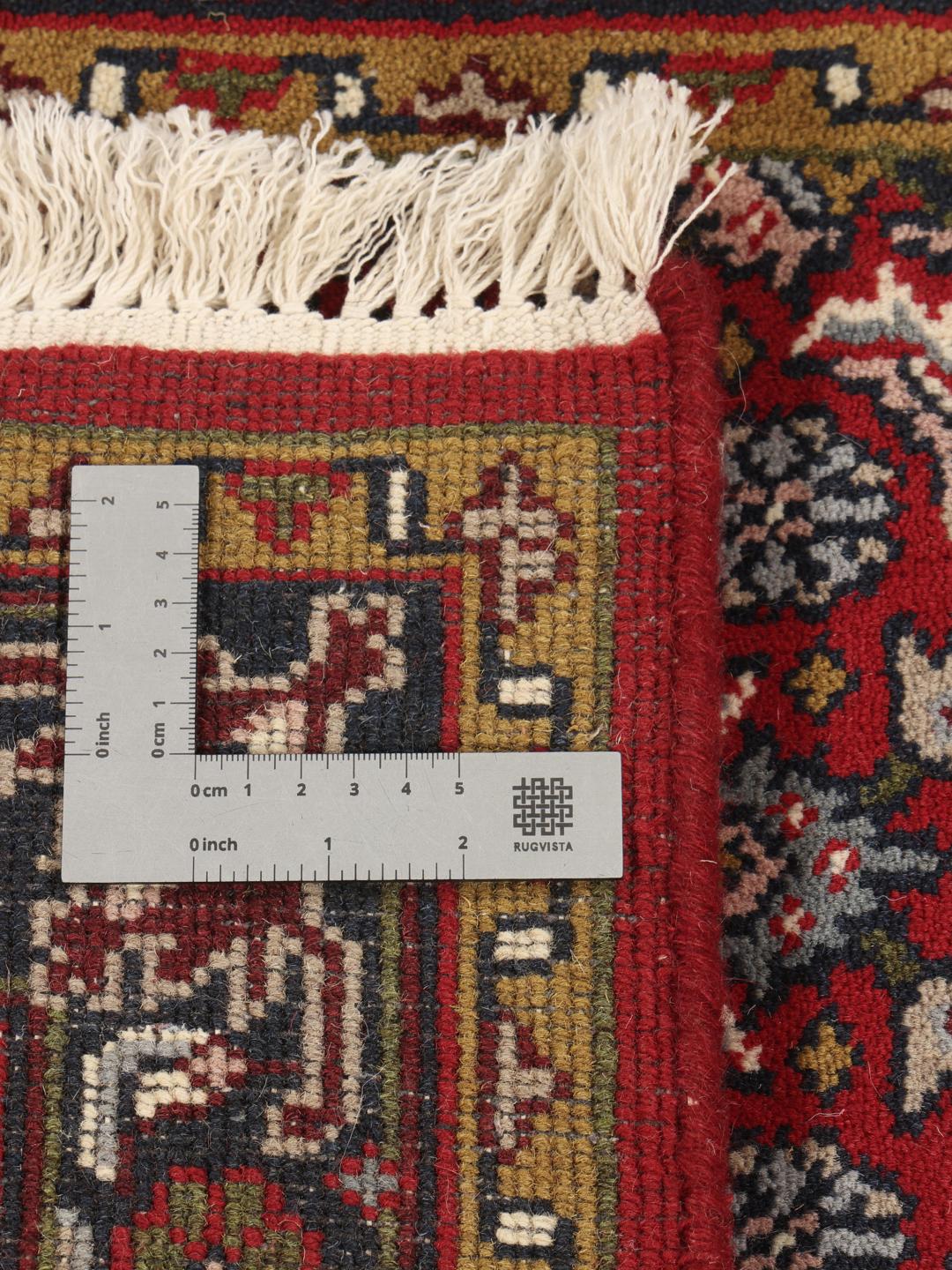
The Bidjar rug tradition traces its roots to the Kurdish region of the Middle East, where they earned a legendary reputation for their incredible density and structural strength. Often referred to as the iron rugs of the region, these pieces were historically crafted to be nearly indestructible, a quality that set them apart from other regional styles.
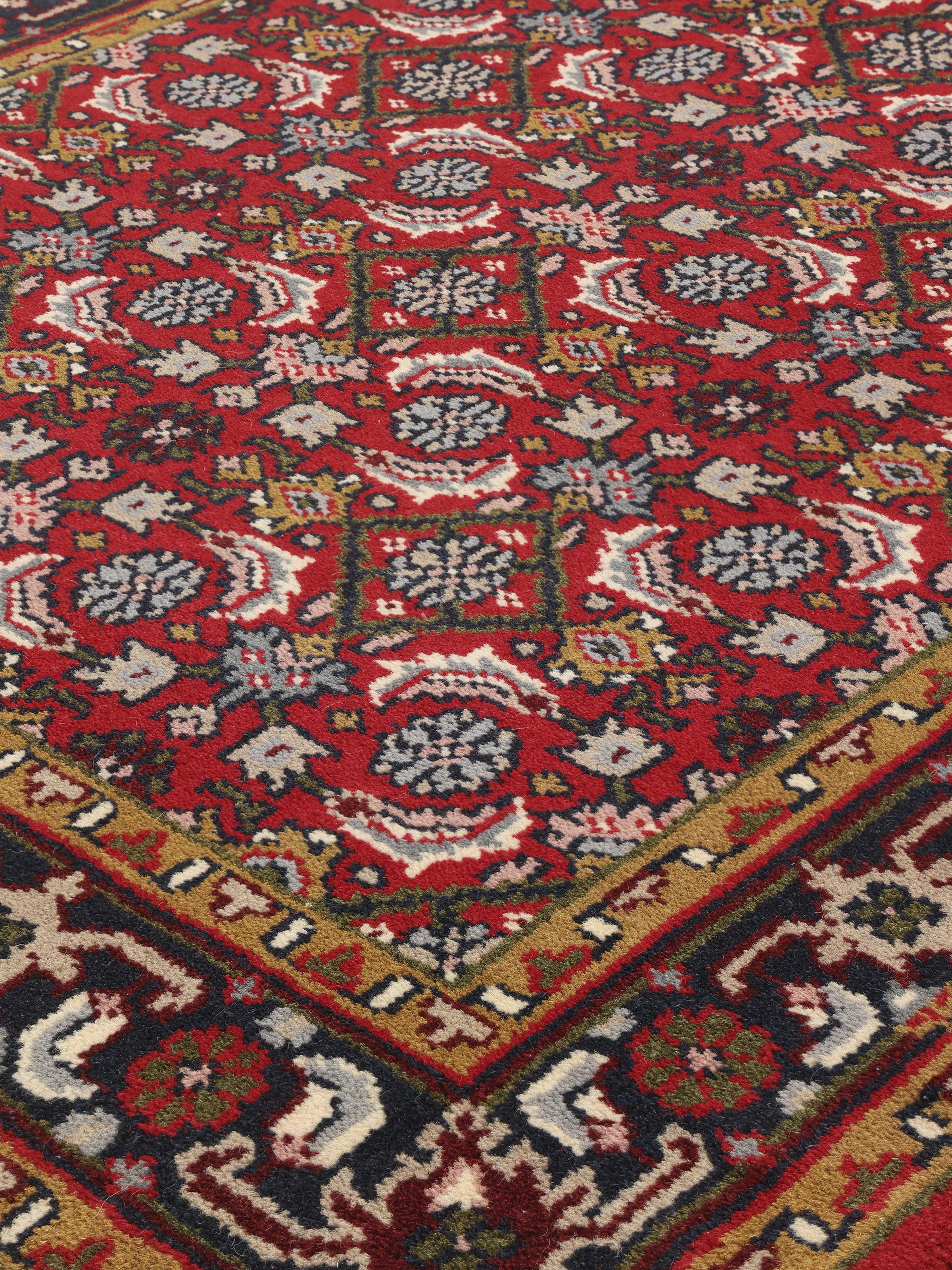
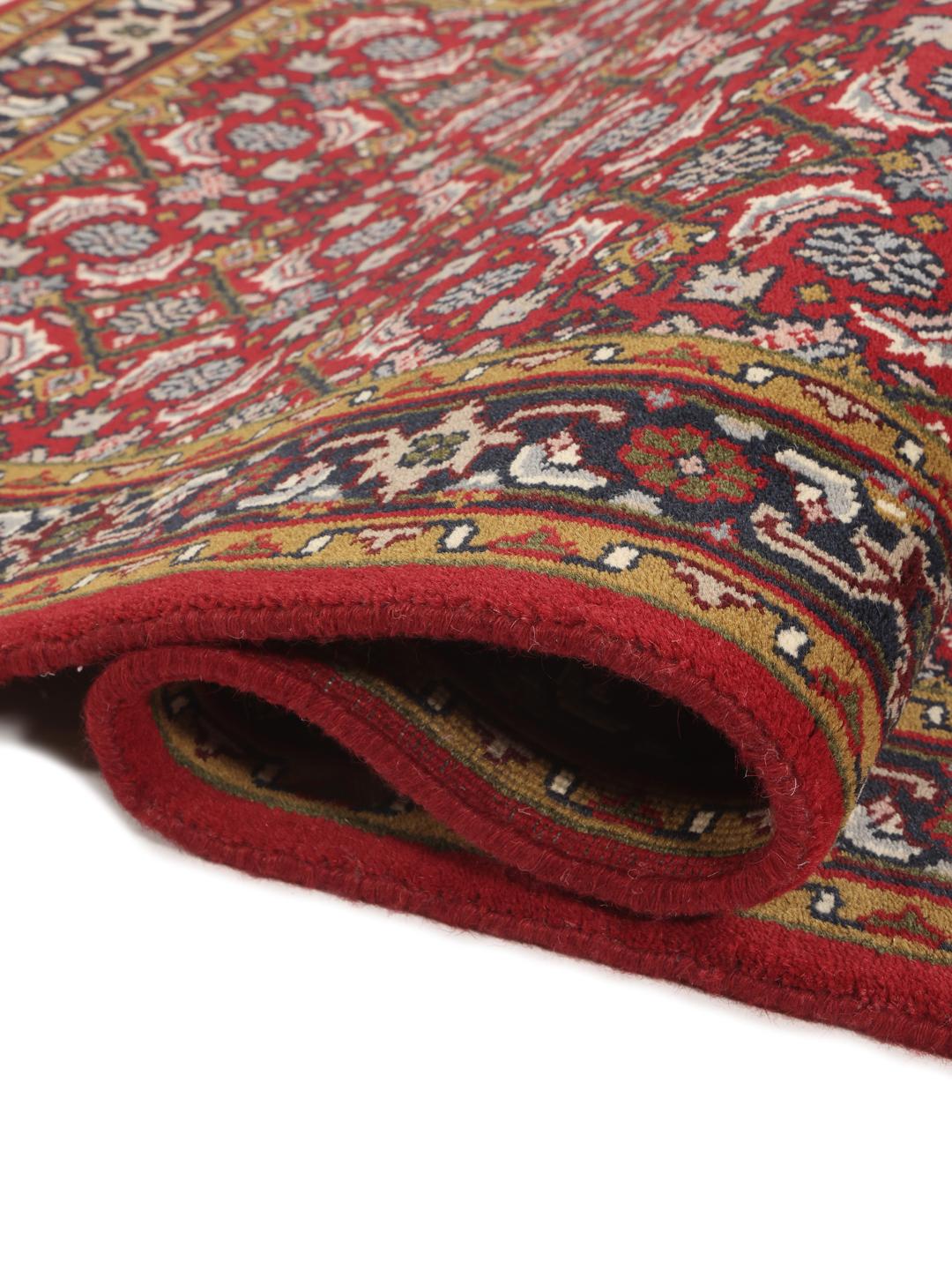
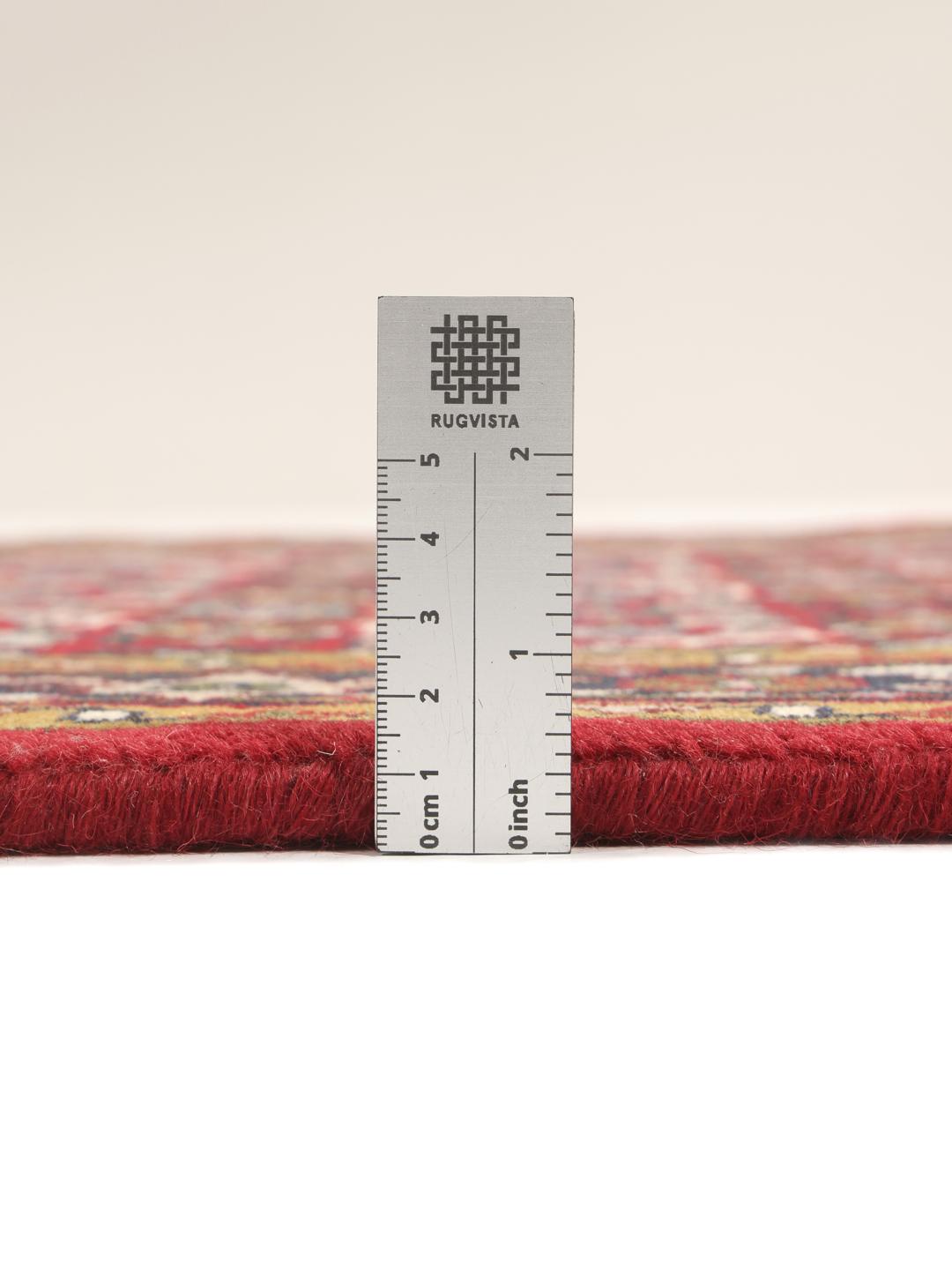
The term Bidjar refers to a specific approach to construction that focuses on extreme durability. The technique involves a unique method of beating the wefts down with a metal comb, which packs the knots so tightly that the pile stands upright, creating a firm and resilient surface that resists wear even in high-traffic areas.
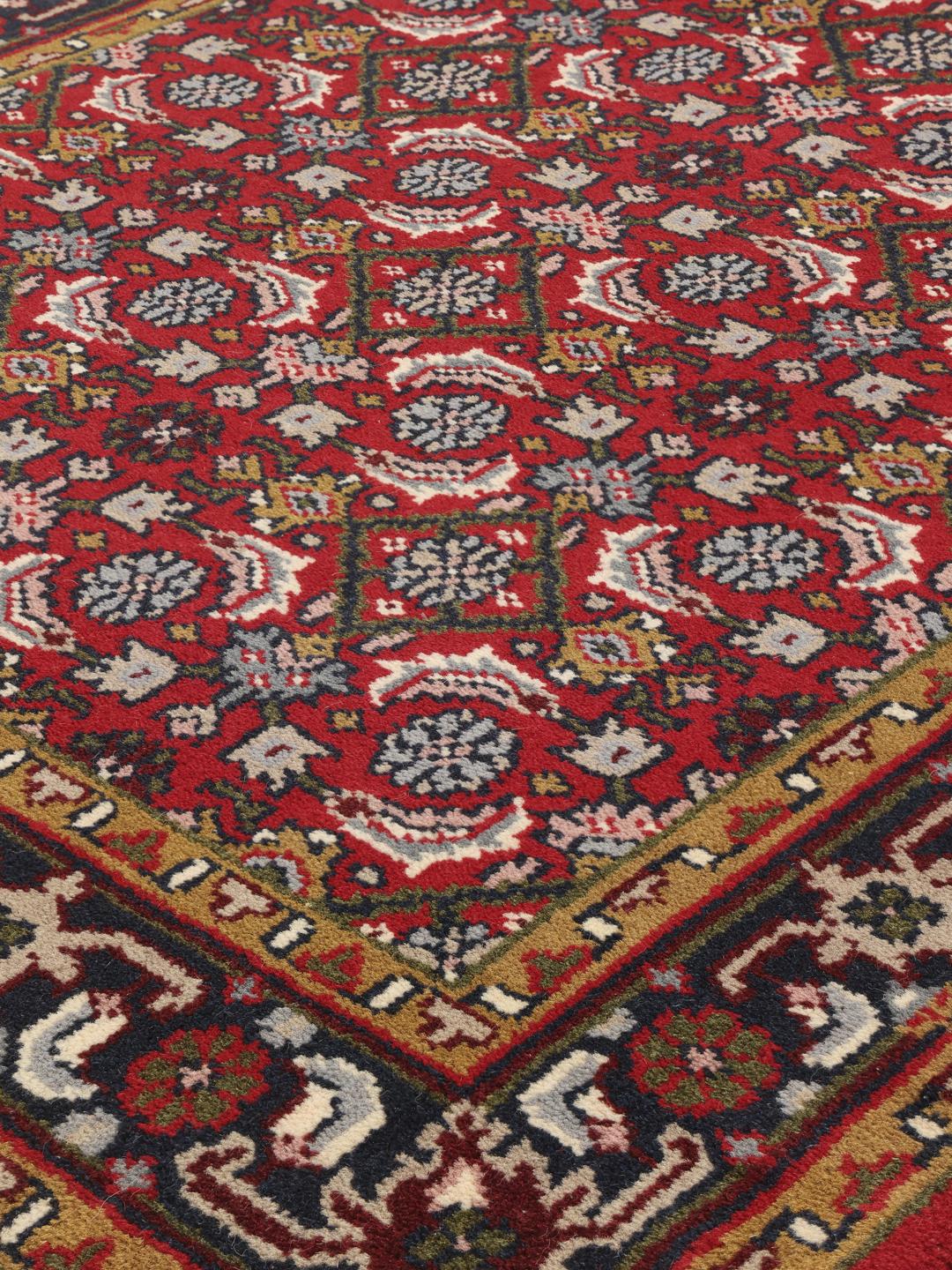
Visually, these rugs are known for their bold and sophisticated layouts. They frequently incorporate floral motifs, Herati patterns, or large central medallions, all framed by intricate, multi-layered borders. The colour palettes are often deep and saturated, relying on rich reds and blues to create a look that feels both grand and deeply grounded in tradition.
Today, this tradition is carried on by skilled weavers in India who honour these historical methods. Collecting a rug from this lineage is an investment in a storied craft that prioritises both beauty and longevity. It represents a connection to a long history of textile mastery, making it a valued addition to any home that appreciates the weight of heritage.