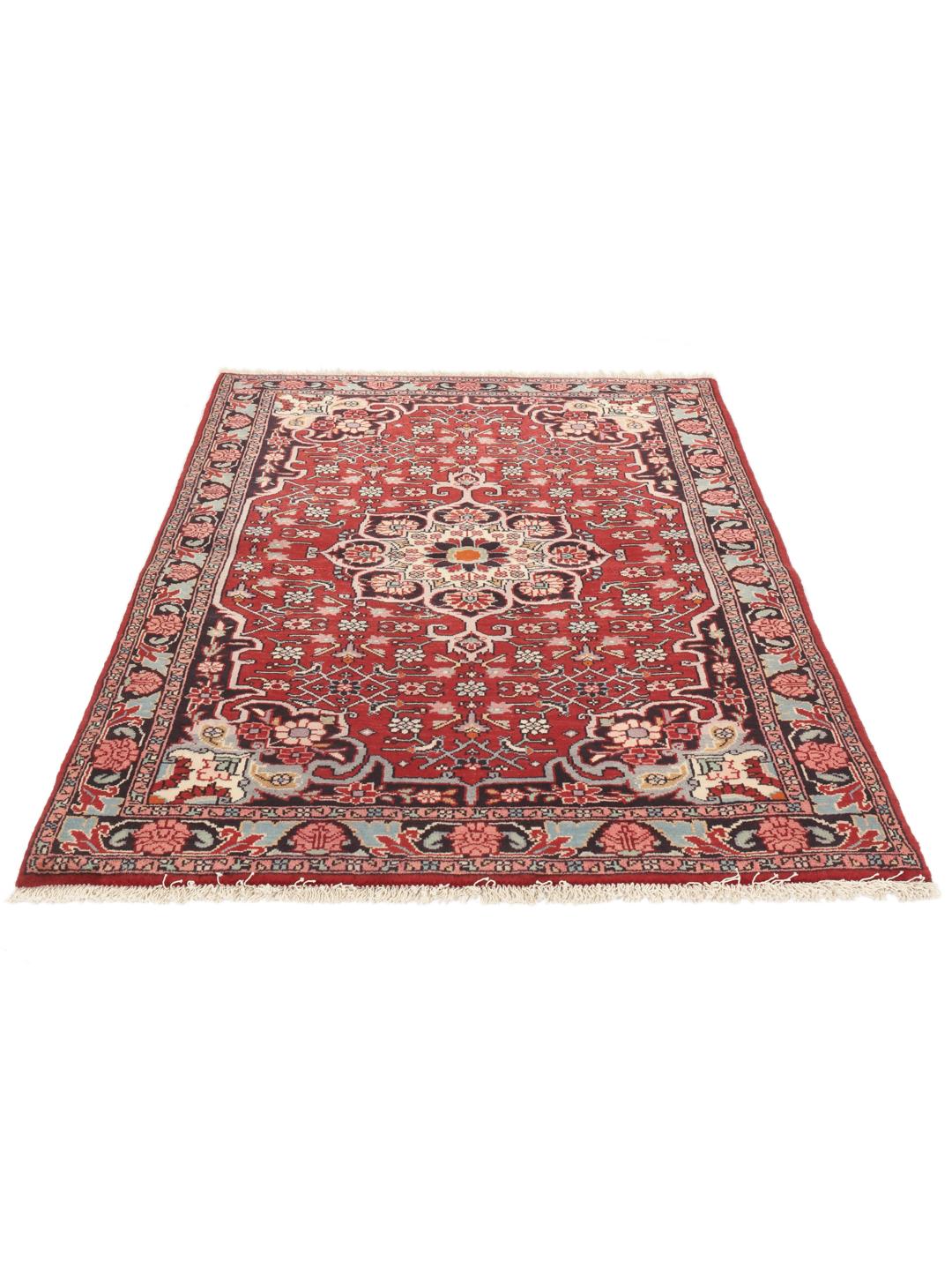
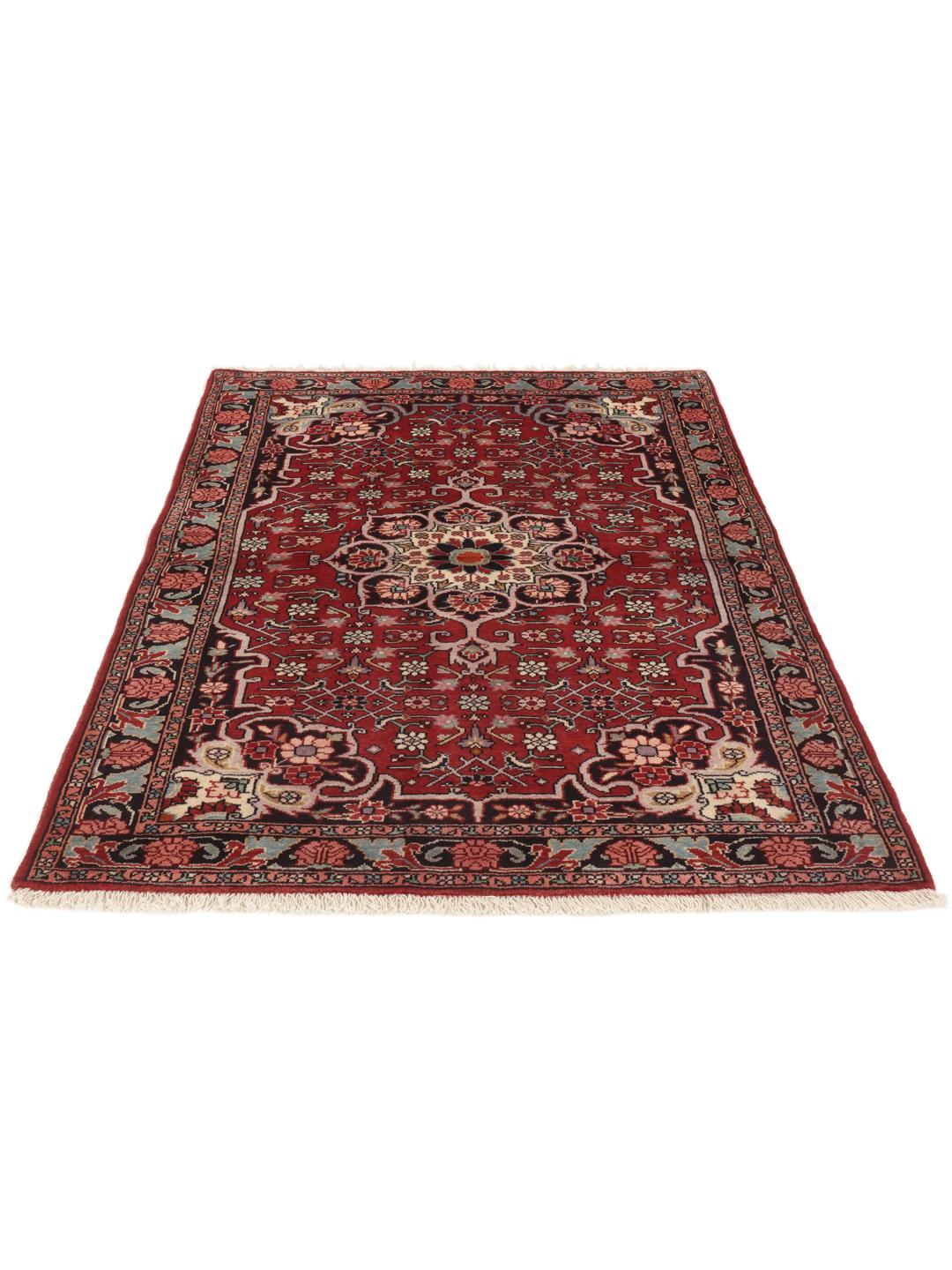
Bidjar rugs originate from the Kurdish town of the same name in the Middle East. Known historically as the 'Iron Rugs' of the region, they have earned a legendary reputation for their incredible density and structural integrity. This tradition of weaving is deeply ingrained in the local culture, with designs often passed down through generations of families who have perfected the art of creating such robust, heavy-duty floor coverings.
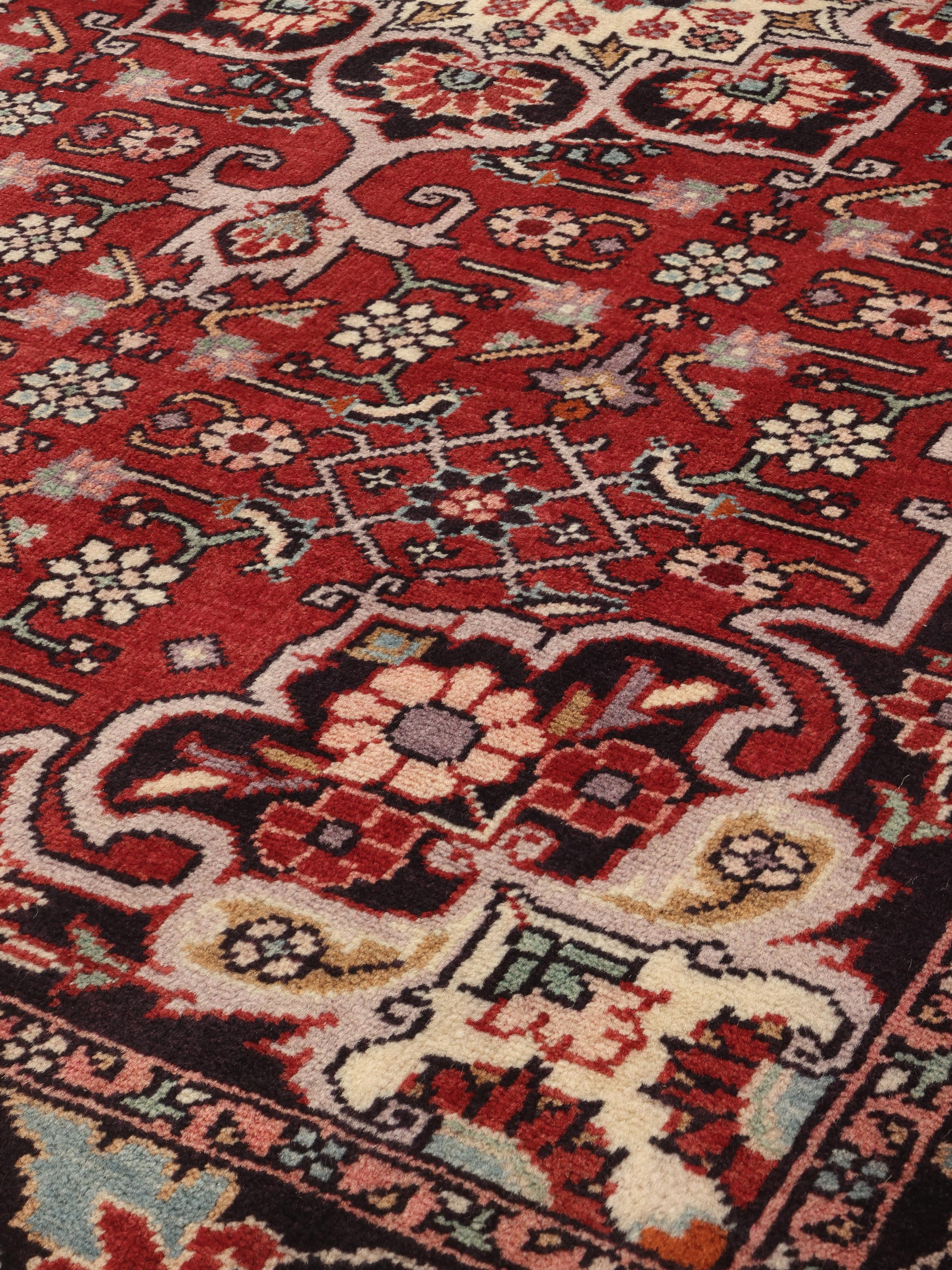
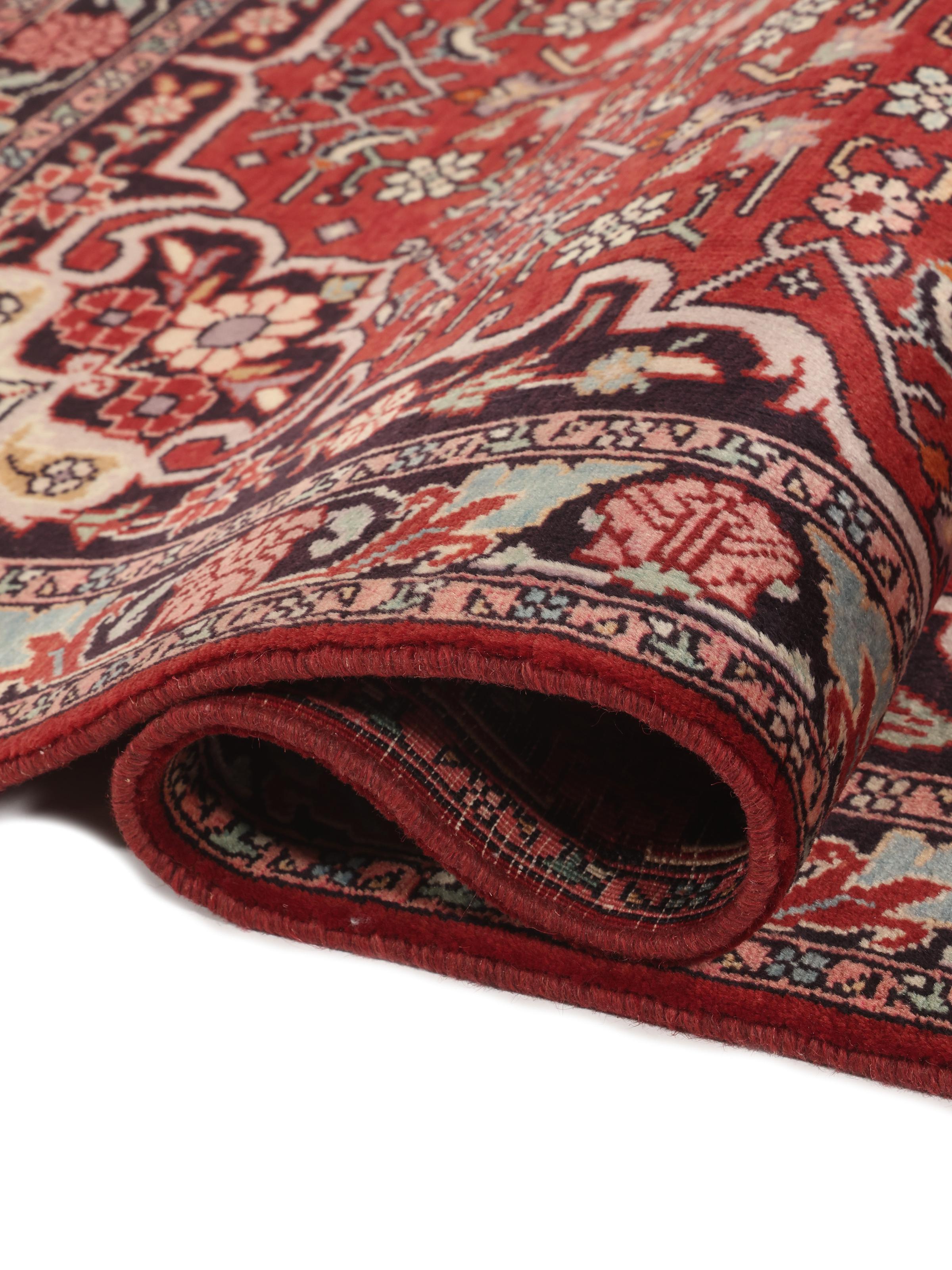
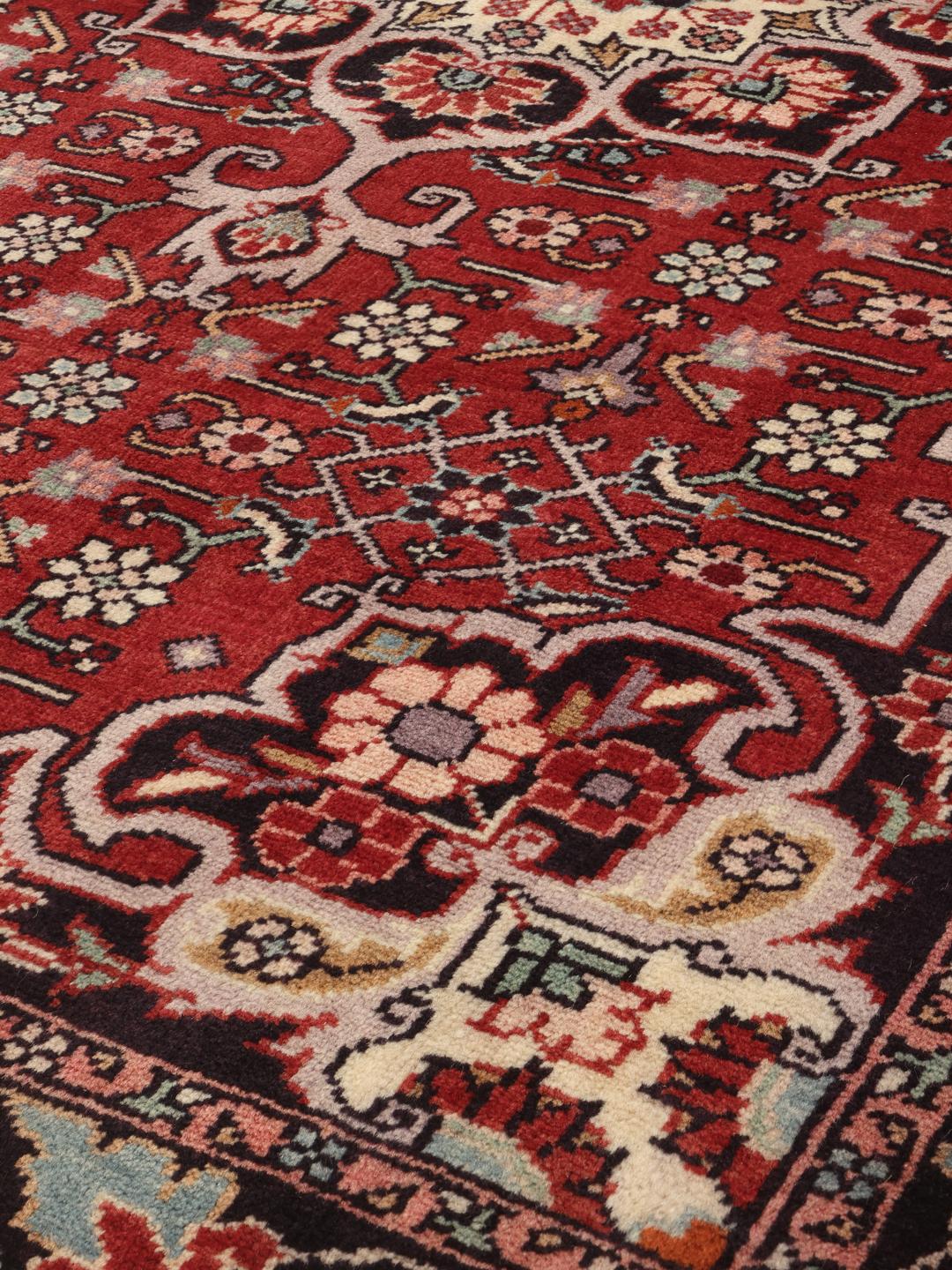
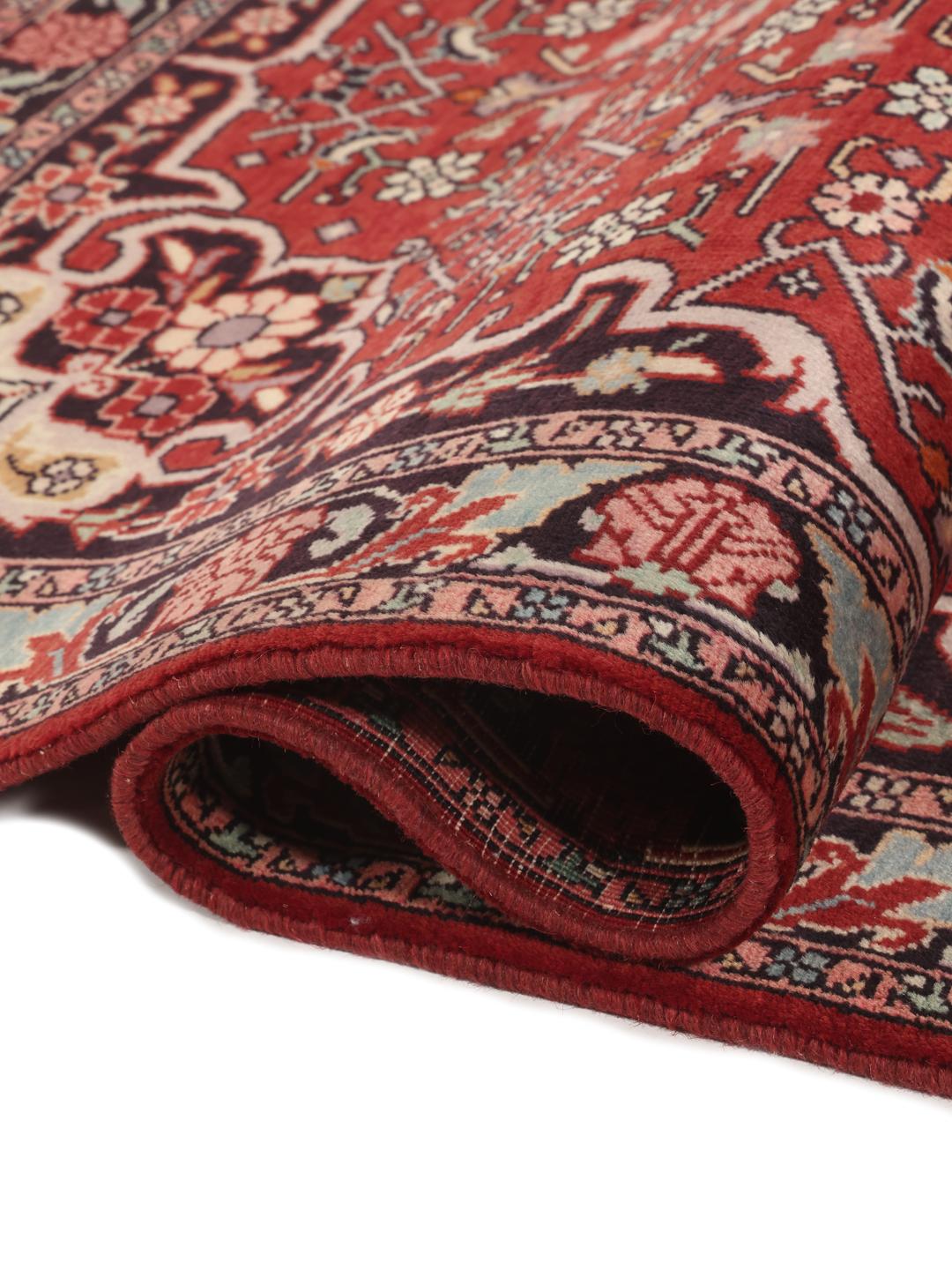
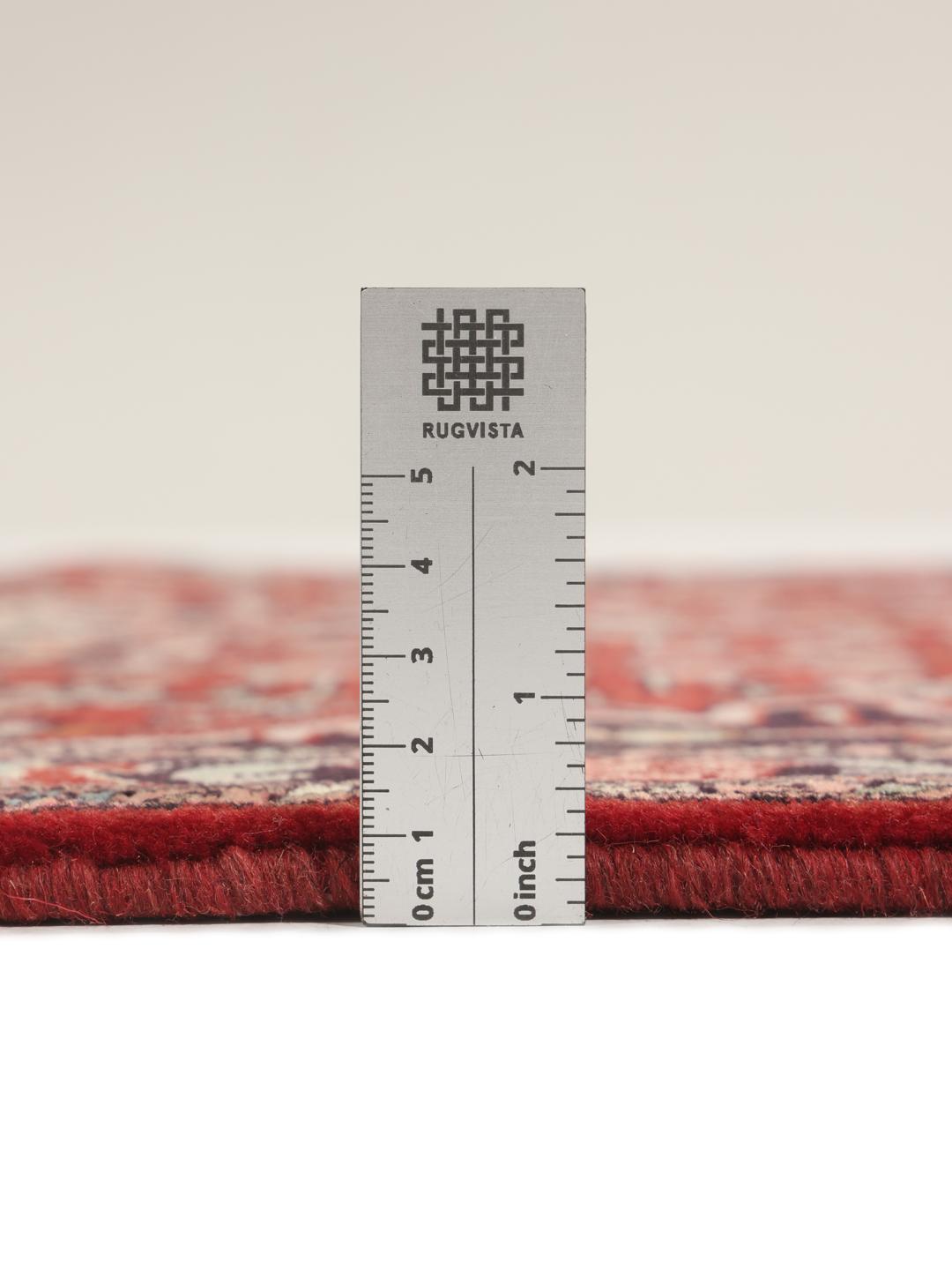
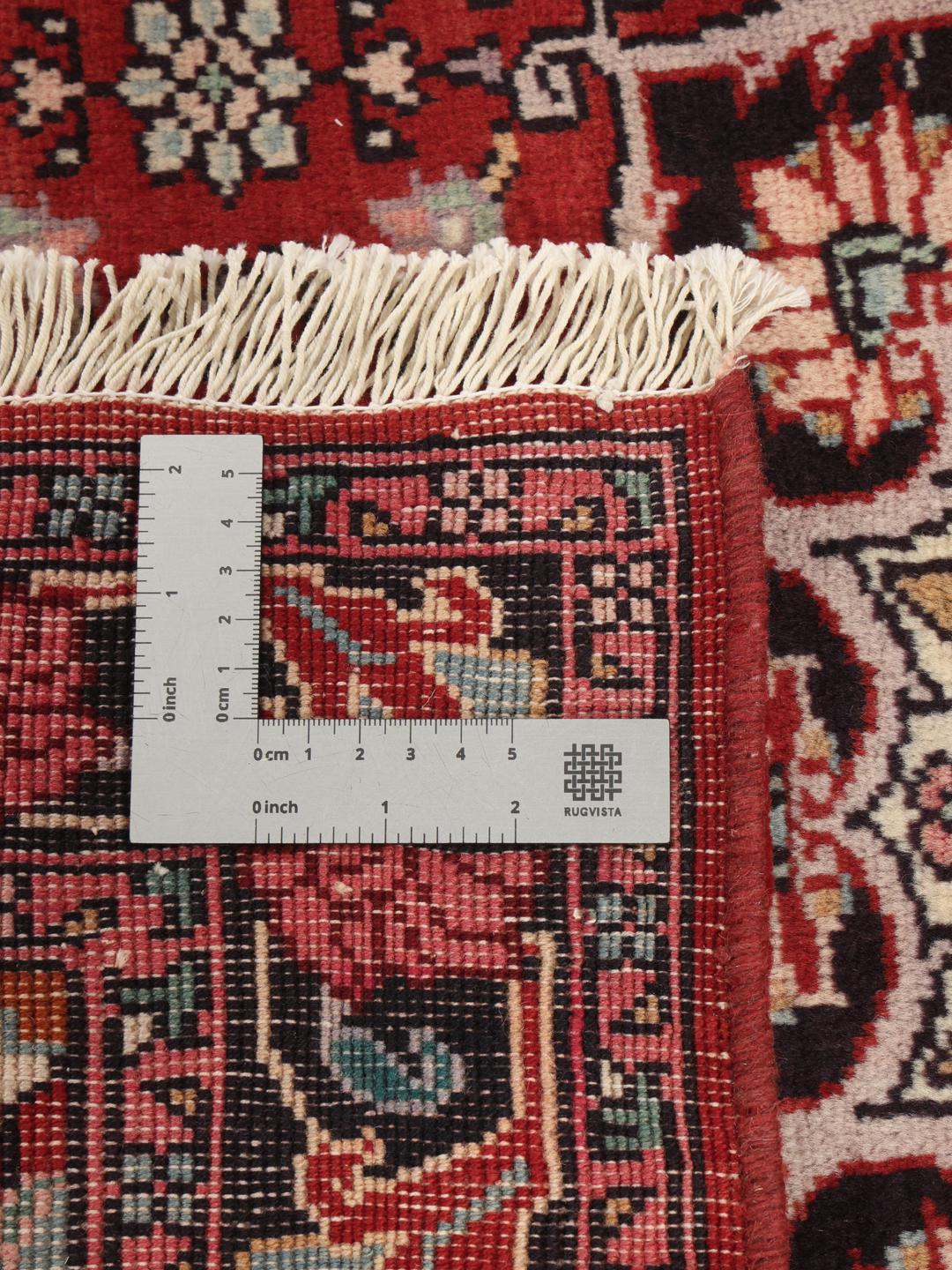
The term 'Iron Rug' refers specifically to the unique wet-weaving technique often employed in this tradition, where the foundation is dampened during the knotting process. As the materials dry, they contract, pulling the knots into an incredibly tight, dense formation. This results in a pile that is virtually indestructible and highly resistant to wear, making these rugs a hallmark of longevity and craft excellence.
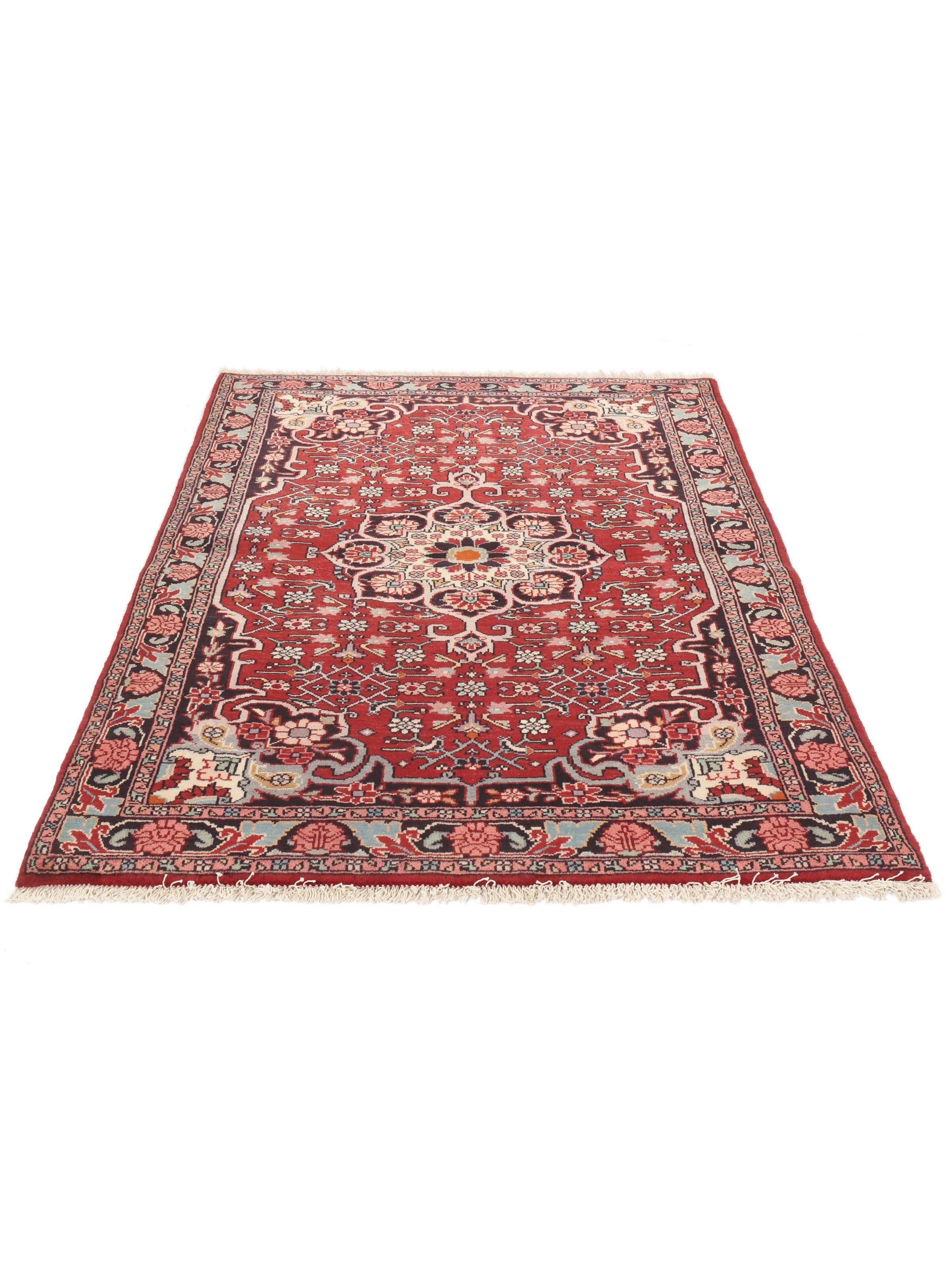
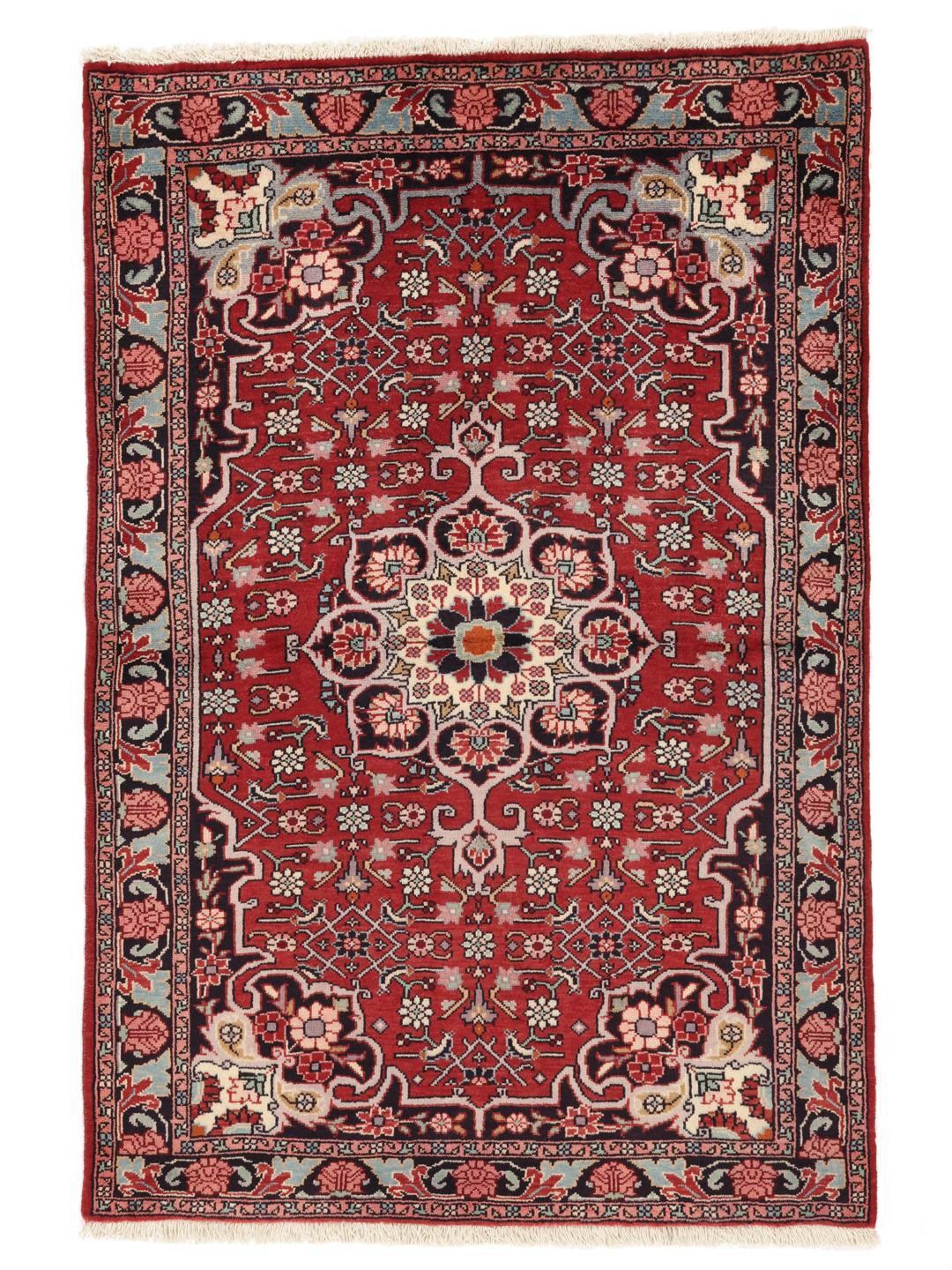
Visually, these rugs are defined by their vibrant, saturated colour palettes and complex, often curvilinear floral designs. A common signature is the Herati pattern, a diamond-shaped motif featuring a central rosette surrounded by four leaves, which repeats across the field. The borders are typically wide and ornate, providing a formal frame that contrasts beautifully with the intricate energy of the central field.
Collectors value these rugs not only for their immense durability but also for the profound sense of heritage they carry. To own a piece from this tradition is to possess a functional relic of Middle Eastern craftsmanship, where skill and patience are woven into every square centimetre. It is a choice for those who appreciate the intersection of utility and beauty, seeking a piece that will remain a cornerstone of their home for decades.