Bidjar rugs hail from the mountainous region of Kurdistan in the Middle East, a land known for its rugged terrain and a long-standing tradition of weaving that is as resilient as the people themselves. Often referred to as the Iron Rugs of the Middle East, these pieces are celebrated for their exceptionally tight construction and durability.
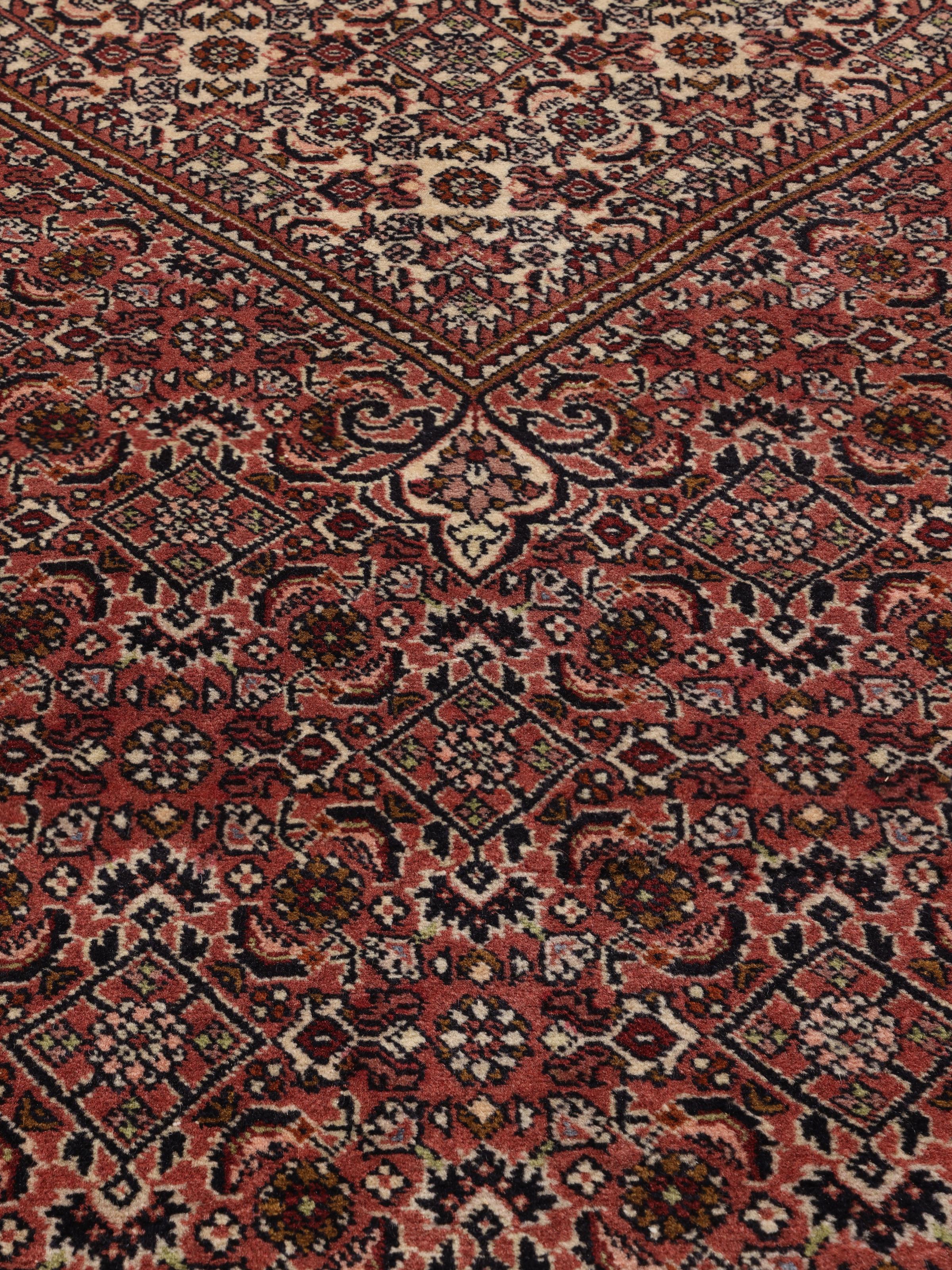
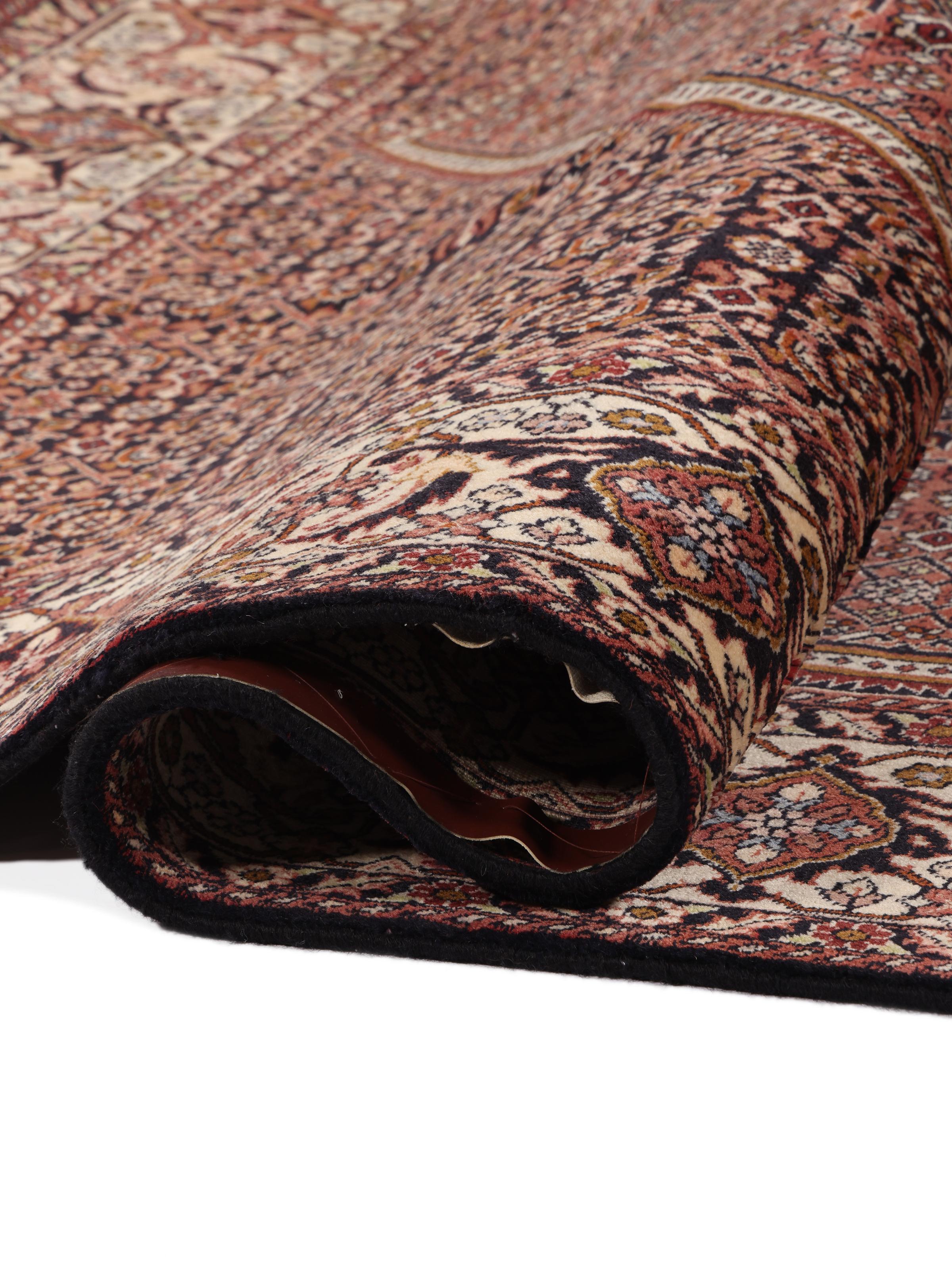
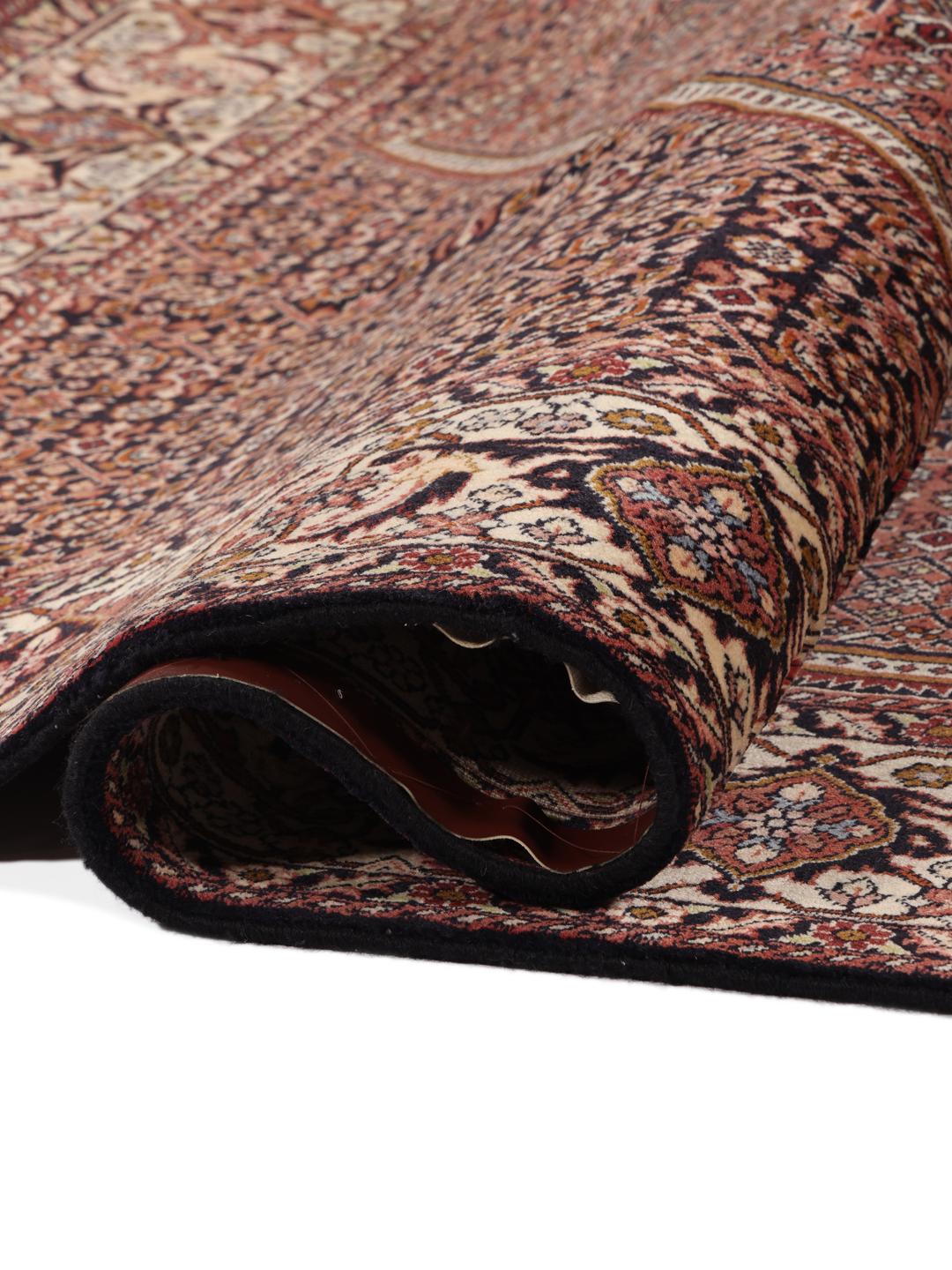
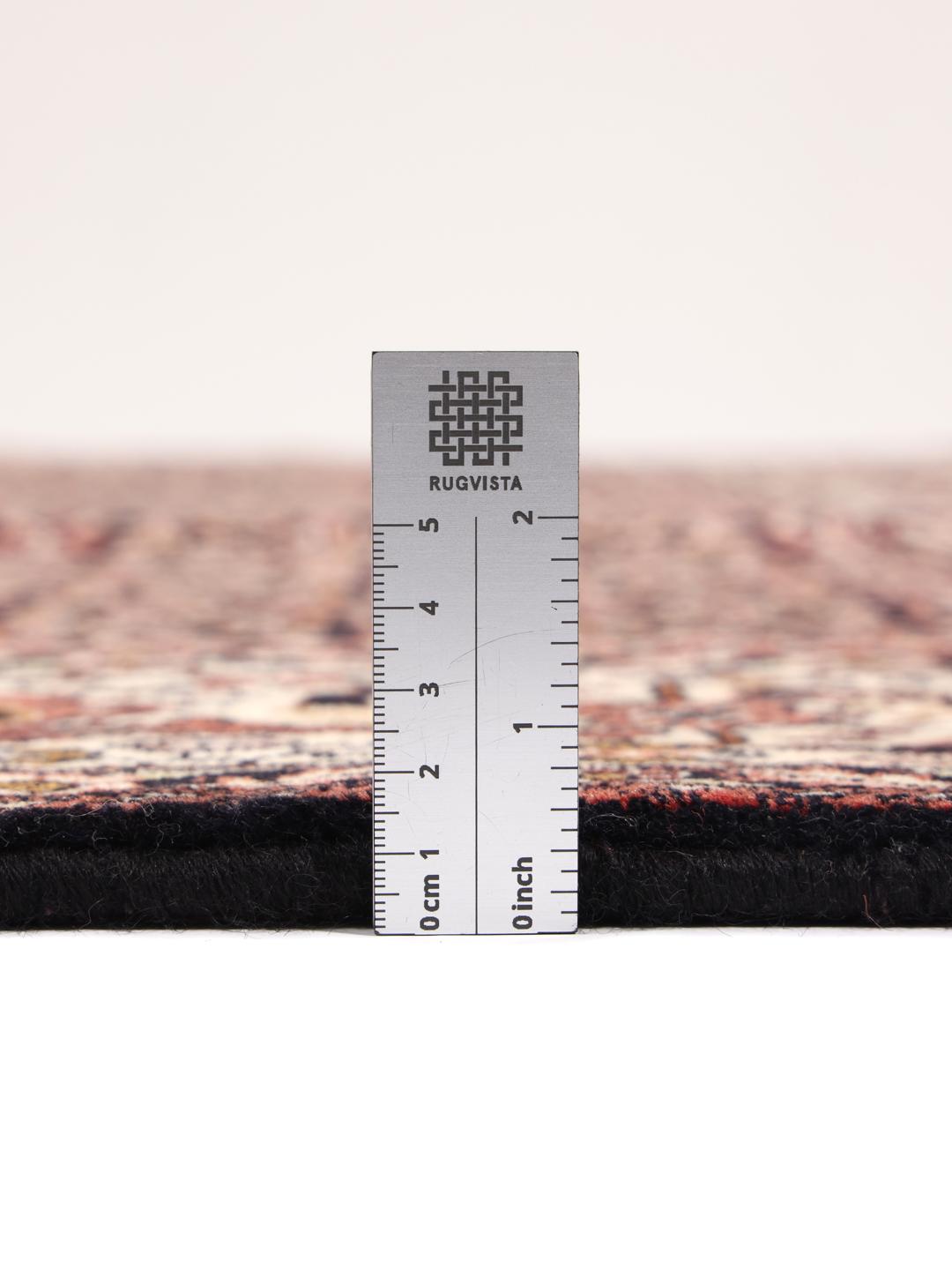
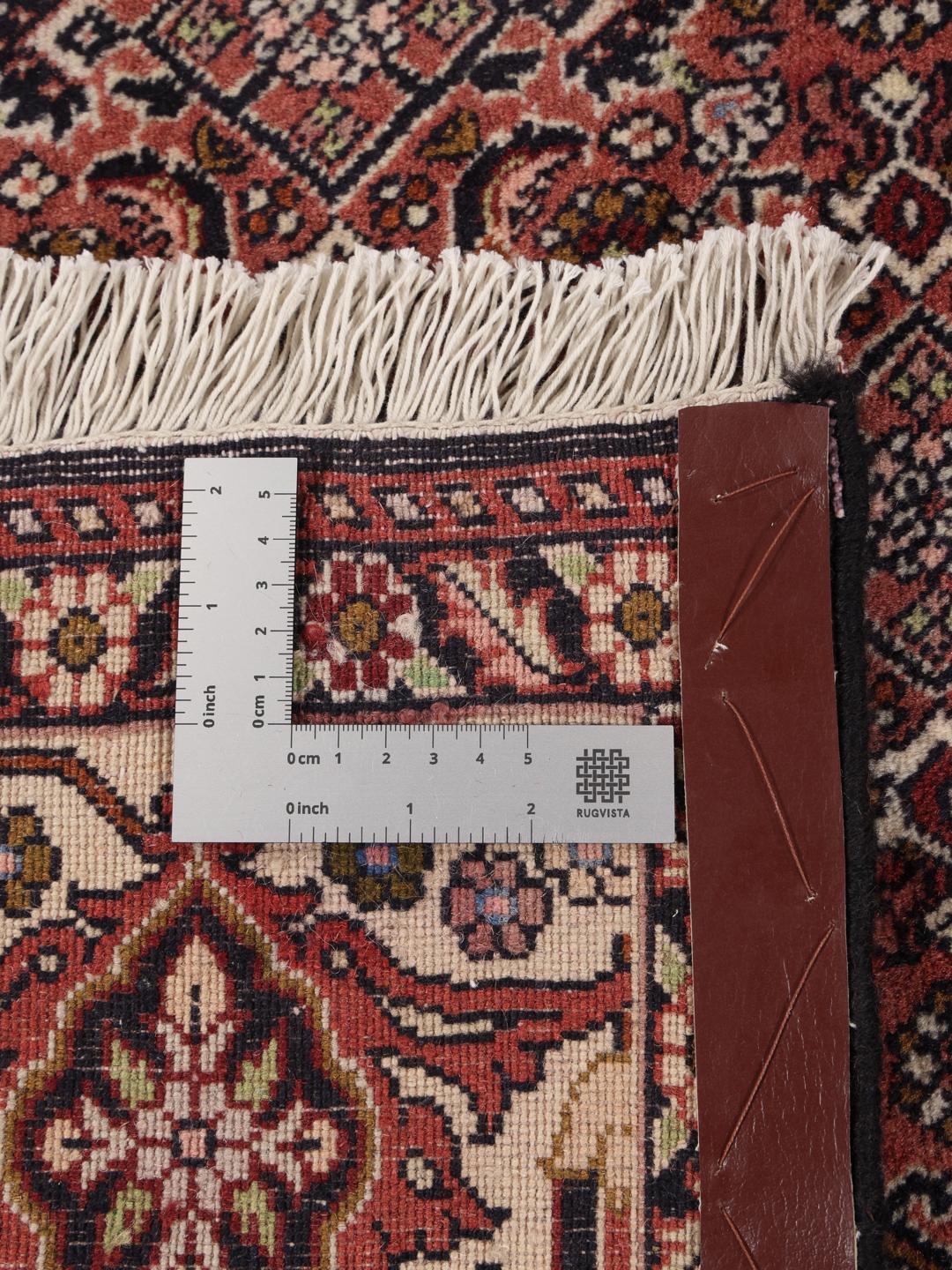
The hallmark of a traditional Bidjar lies in its unique weaving technique, which involves a specific method of dampening the cotton foundation and beating the wefts down with a heavy metal comb. This creates a foundation so dense that the pile stands almost vertically, resulting in a firm, long-lasting surface that is legendary in the world of rug collecting.
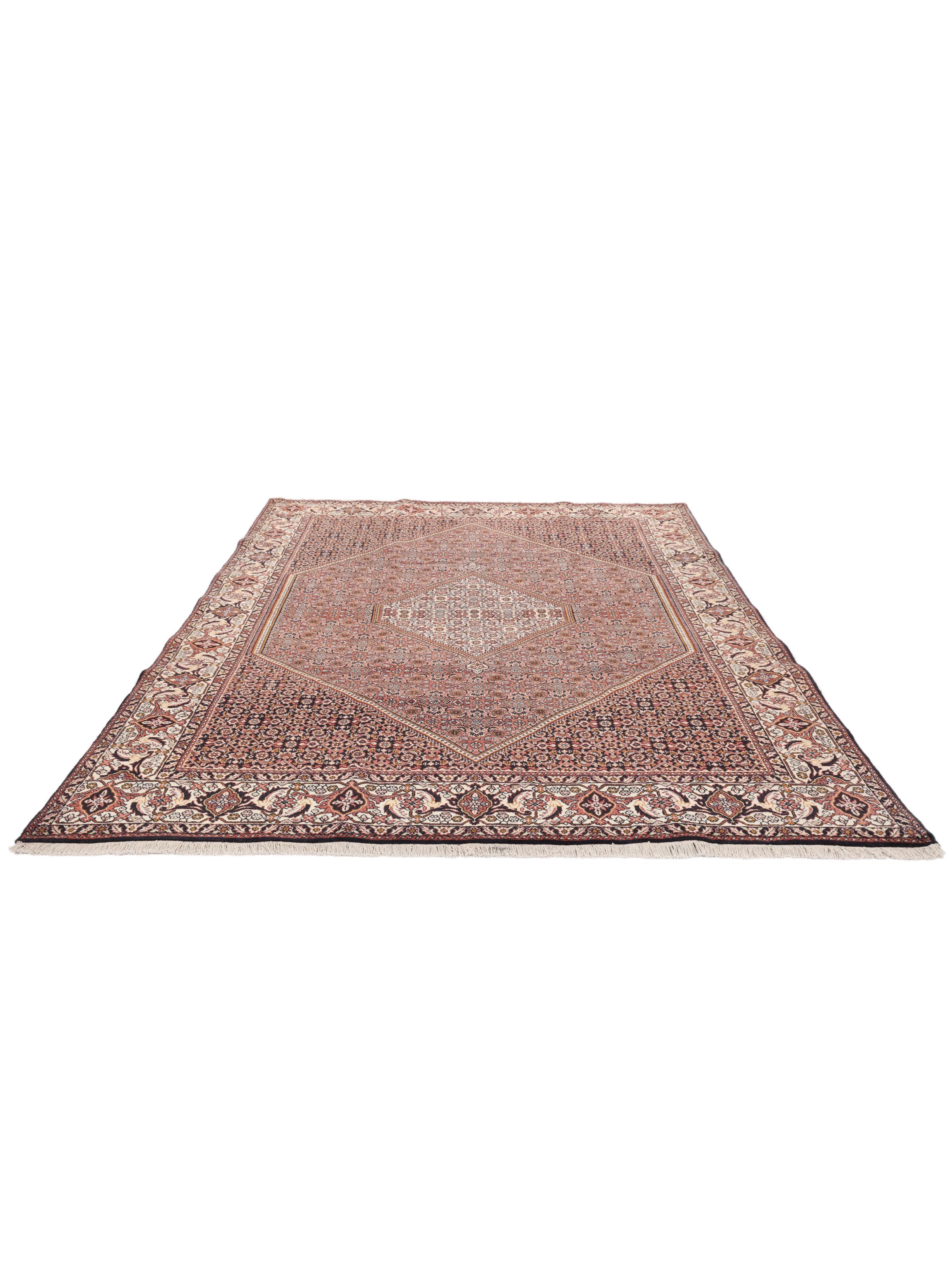
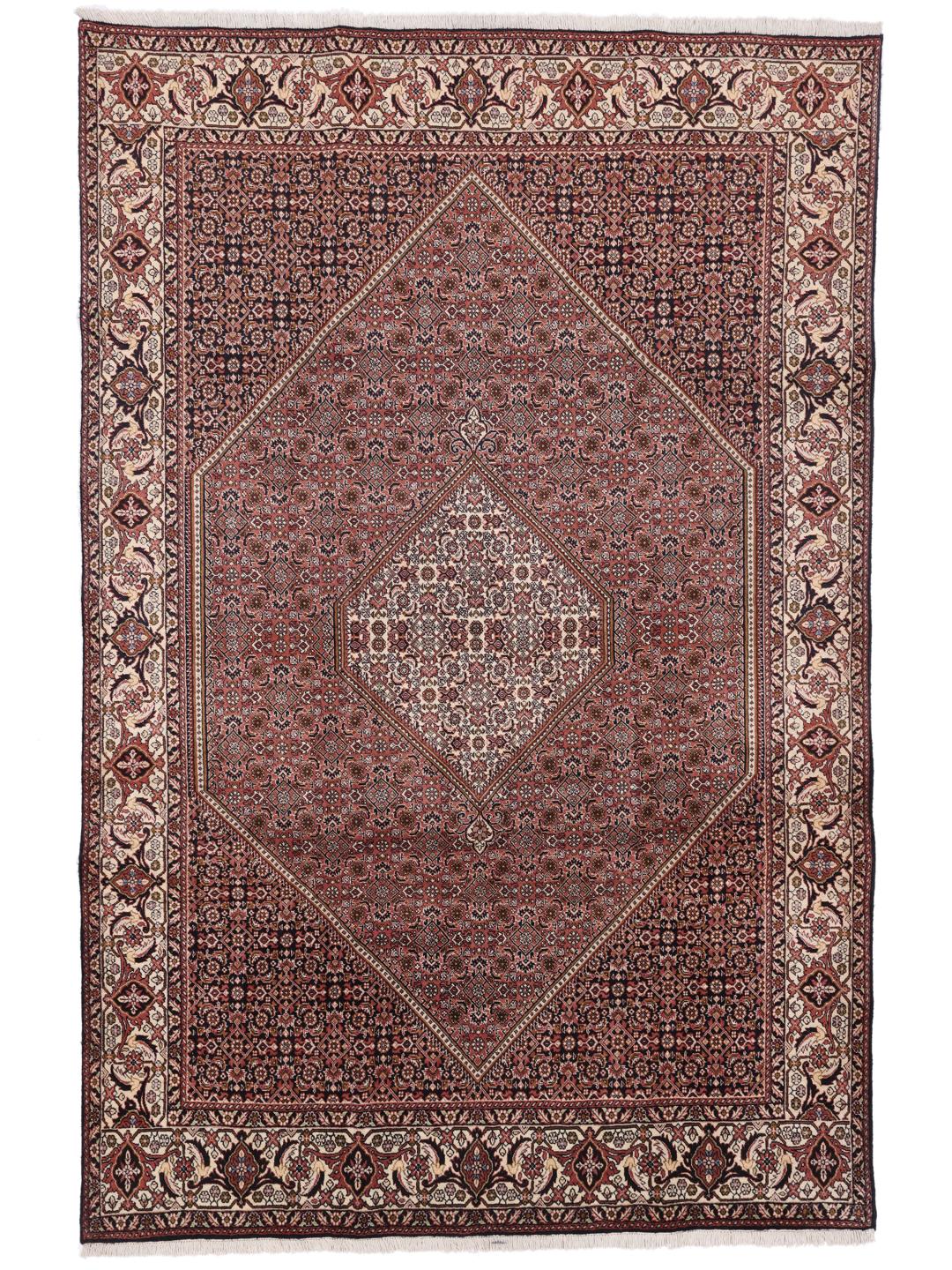
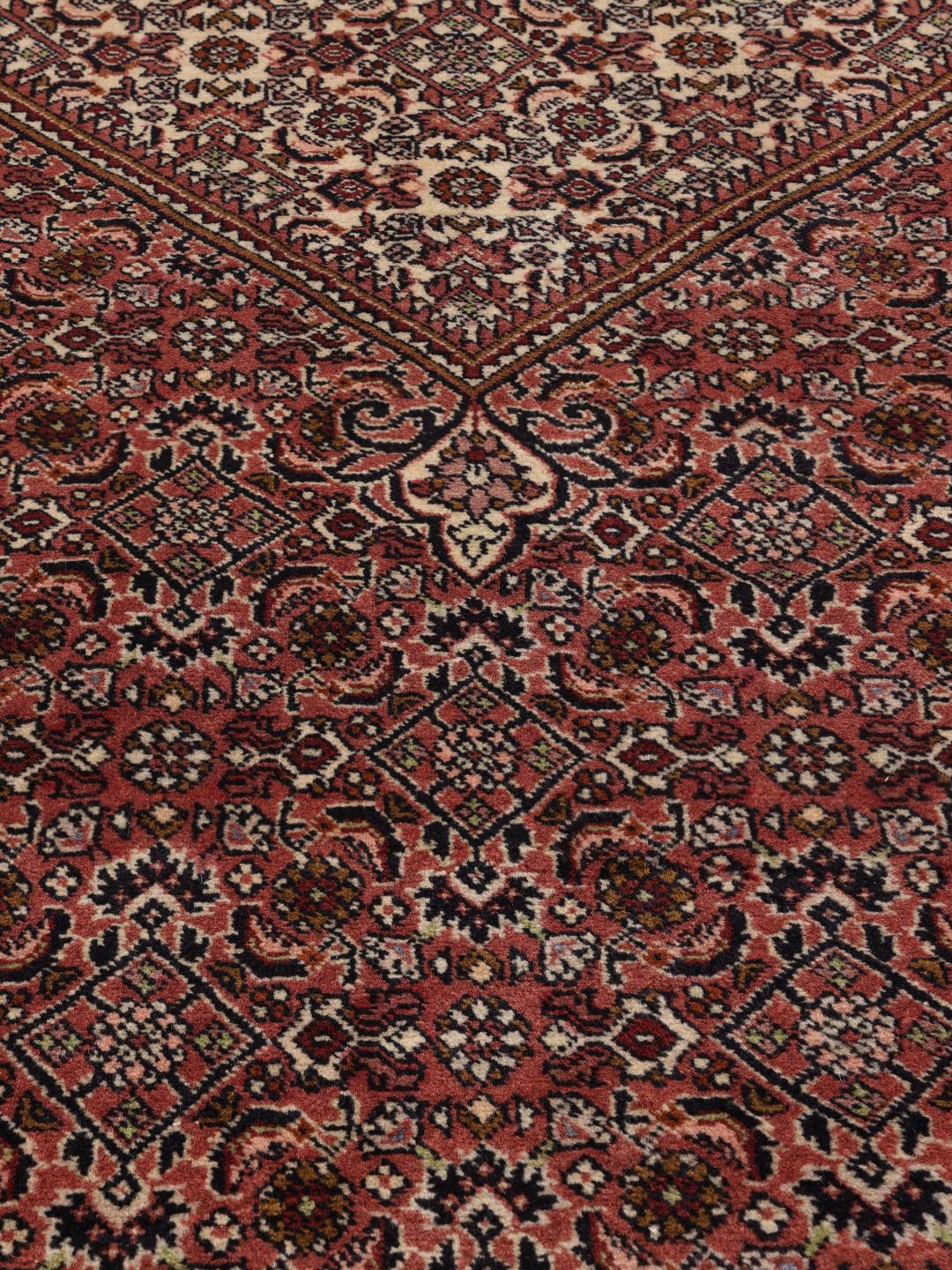
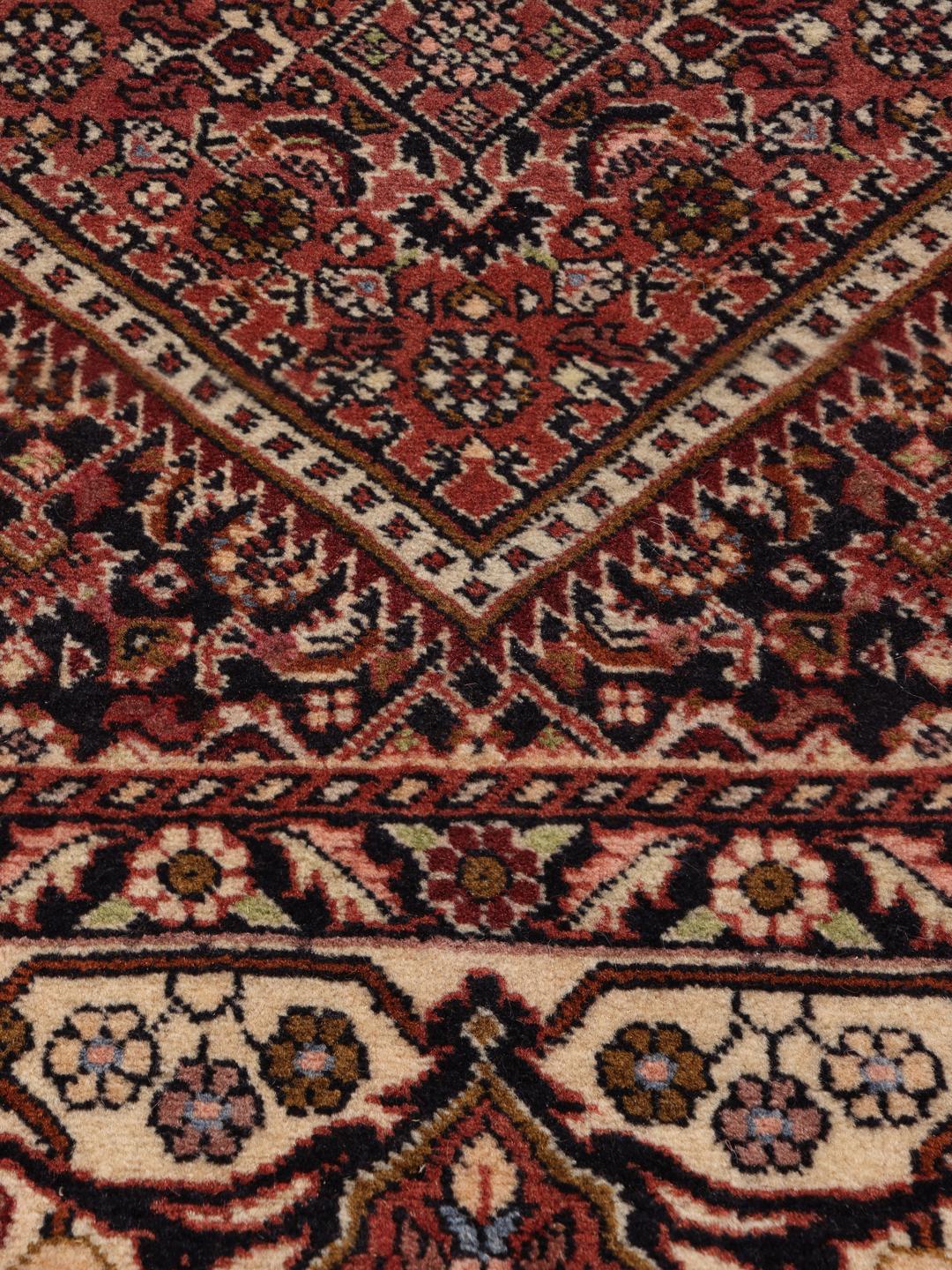
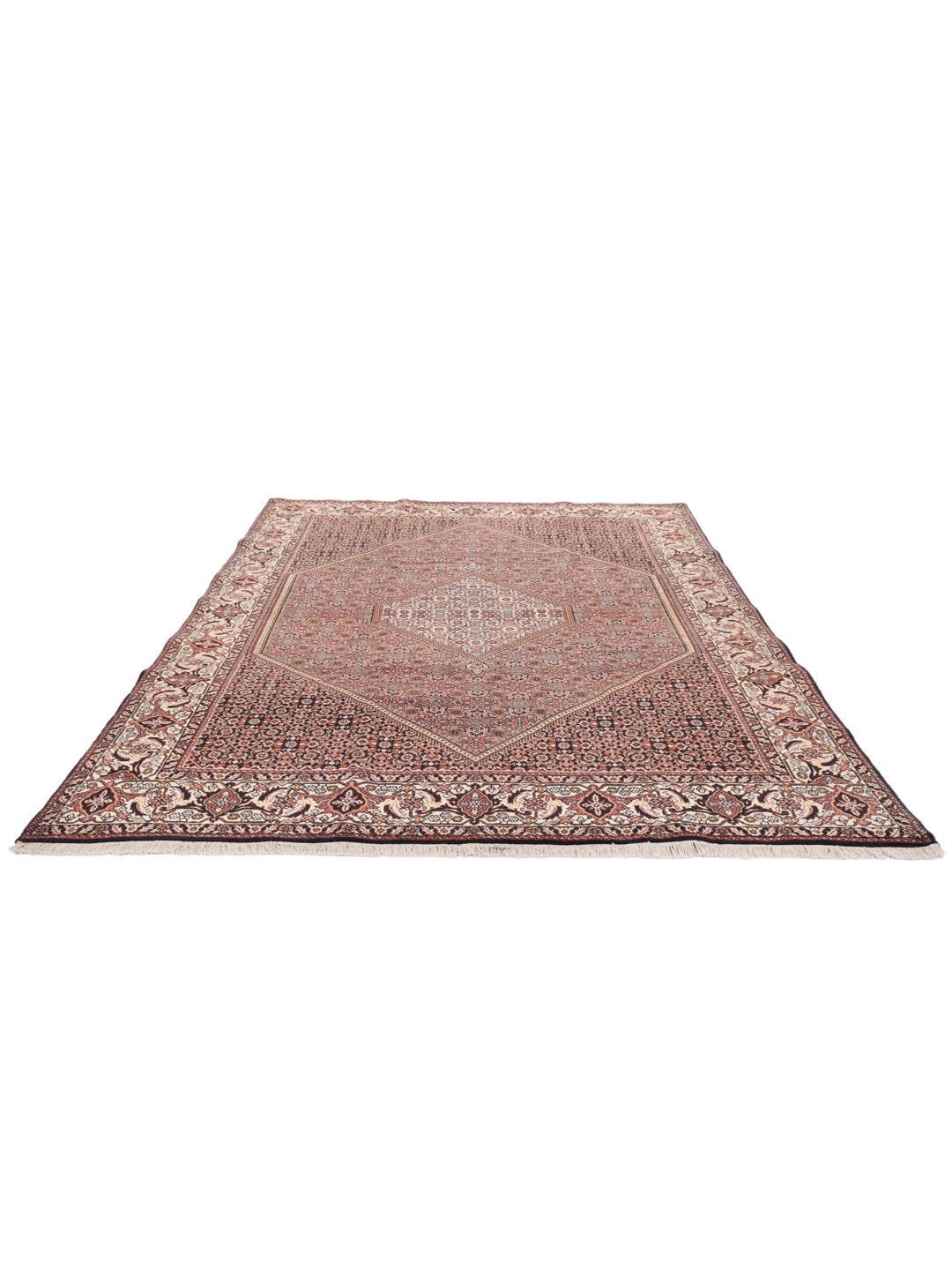
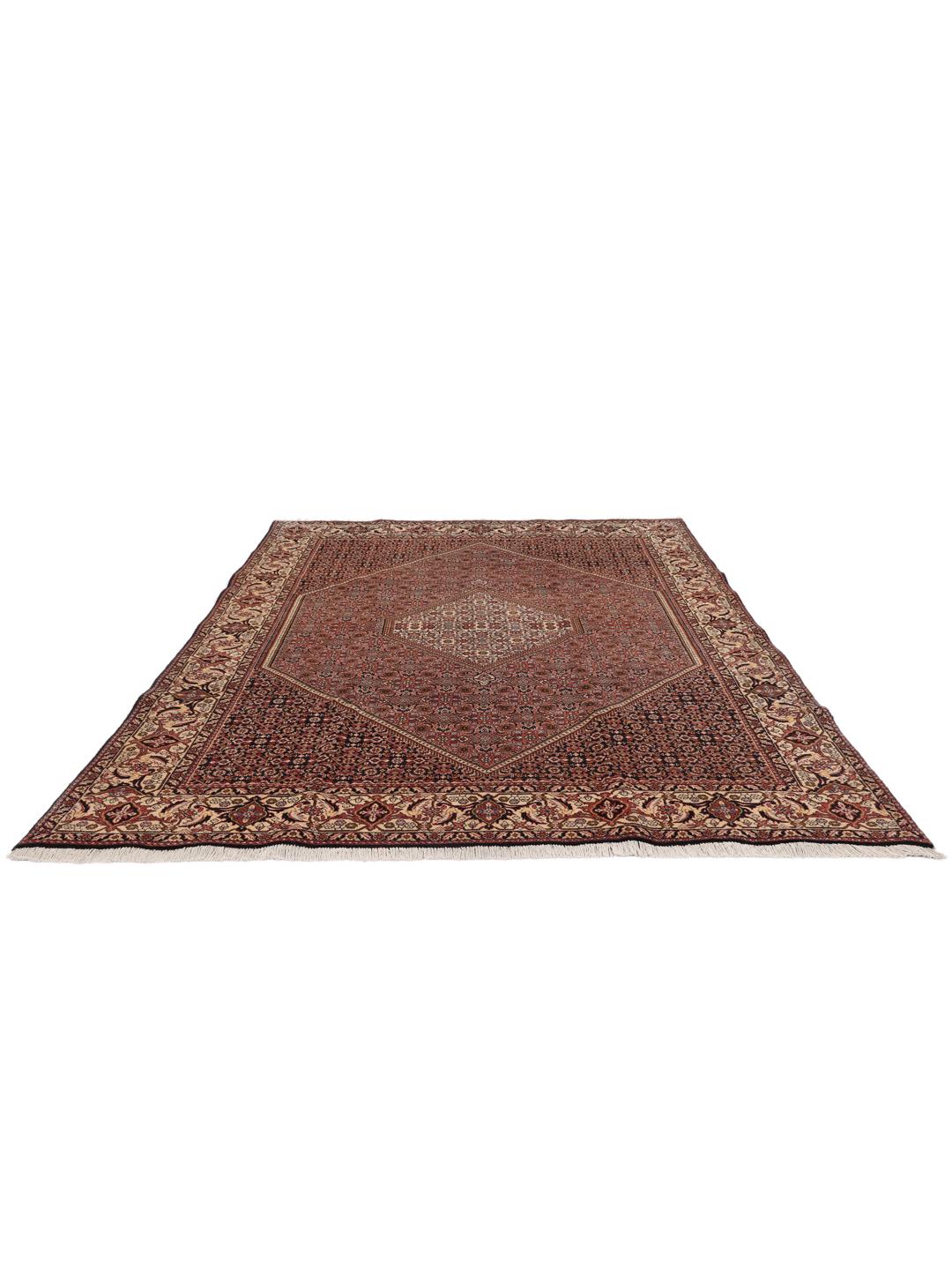
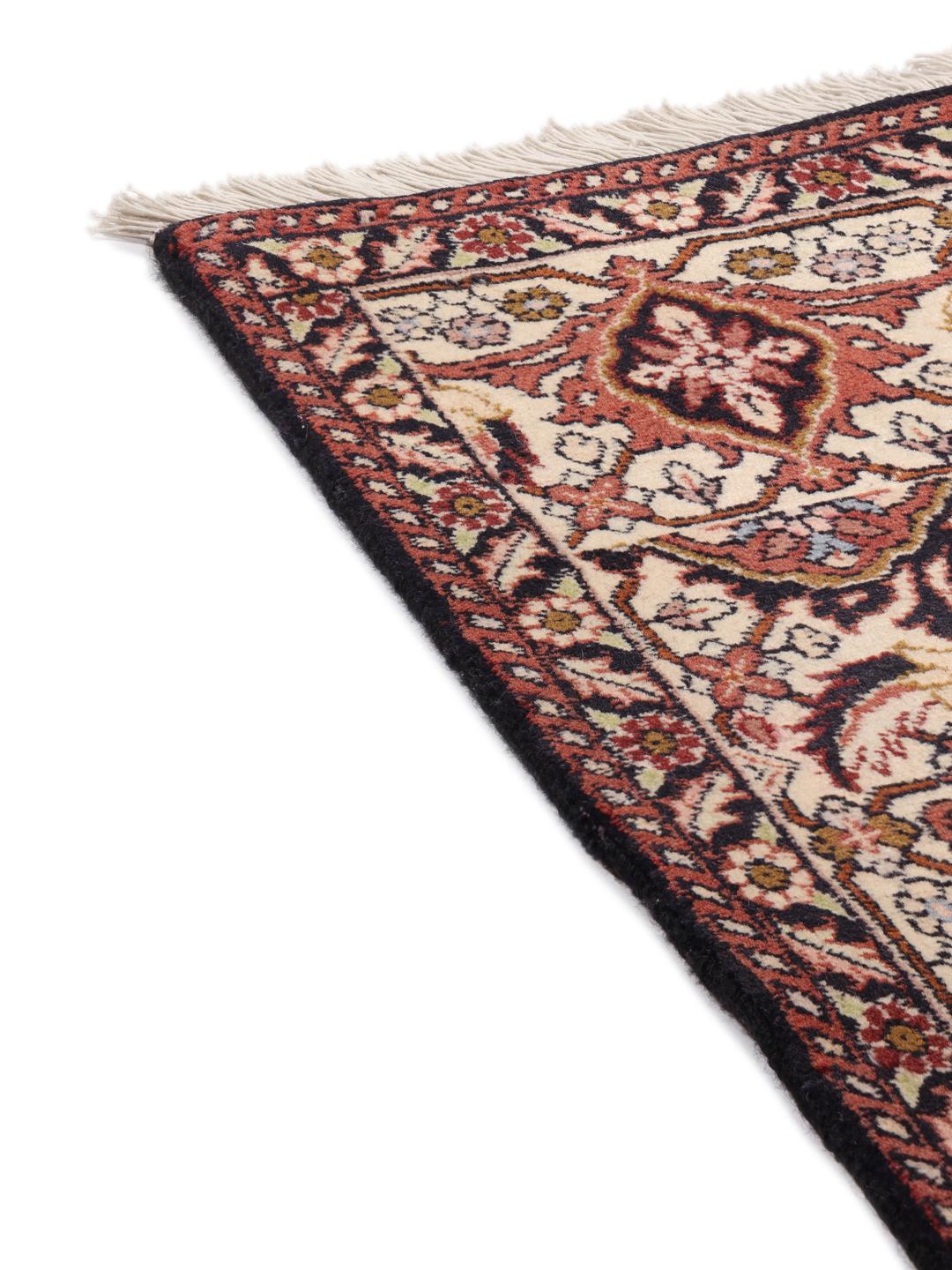
Visually, these rugs are defined by a sophisticated design language that often features intricate floral motifs and ornate medallions. The central diamond-shaped field seen here is a classic signature, often surrounded by elaborate borders that frame the composition. These patterns are deeply rooted in regional aesthetics, blending geometric precision with flowing, organic elements.
For collectors, acquiring a piece from this tradition is an opportunity to own a tangible slice of history. These rugs are highly valued not only for their striking beauty but for the immense skill required to produce them, serving as a testament to a heritage that prioritises substance, longevity, and artistic expression.