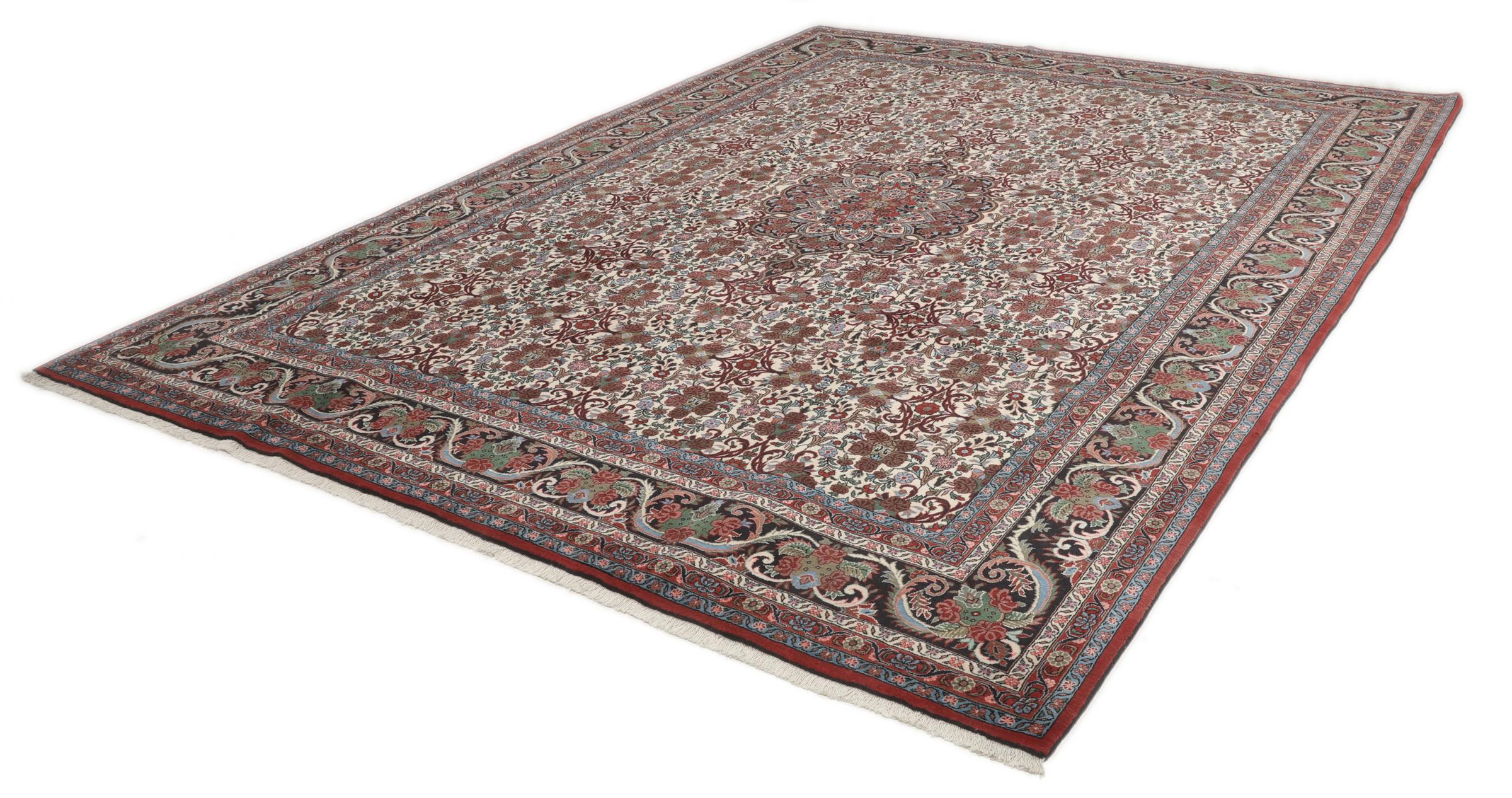
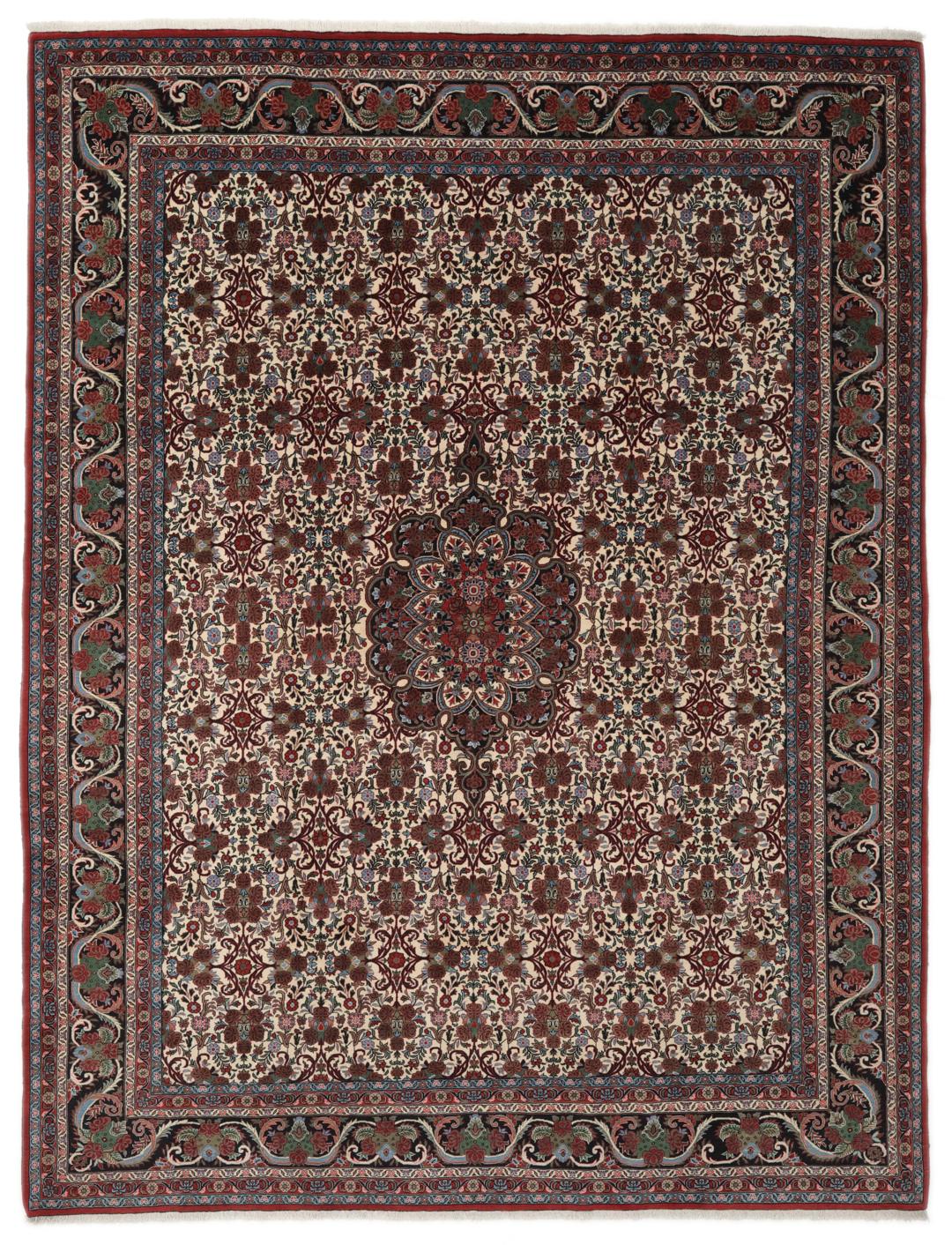
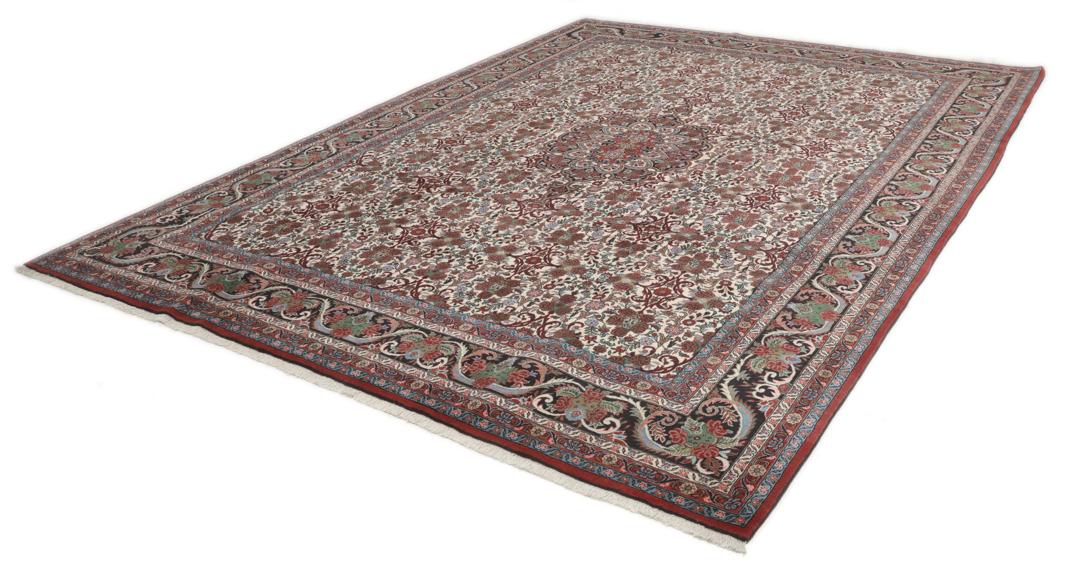
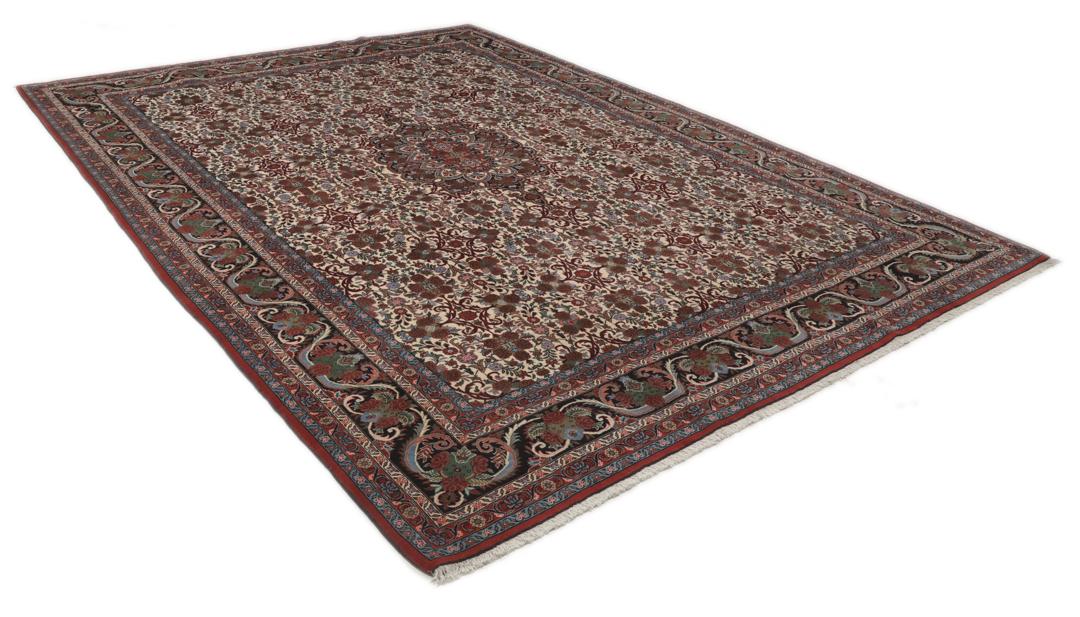
Bidjar rugs originate from the Kurdish town of the same name in the Middle East, often referred to as the 'Iron Rugs of the East'. This nickname is well-earned, as they are renowned for their incredible durability and heavy, dense construction. The weaving tradition in this region is deeply influenced by Kurdish culture, which emphasises strength and structural integrity in their textile arts.
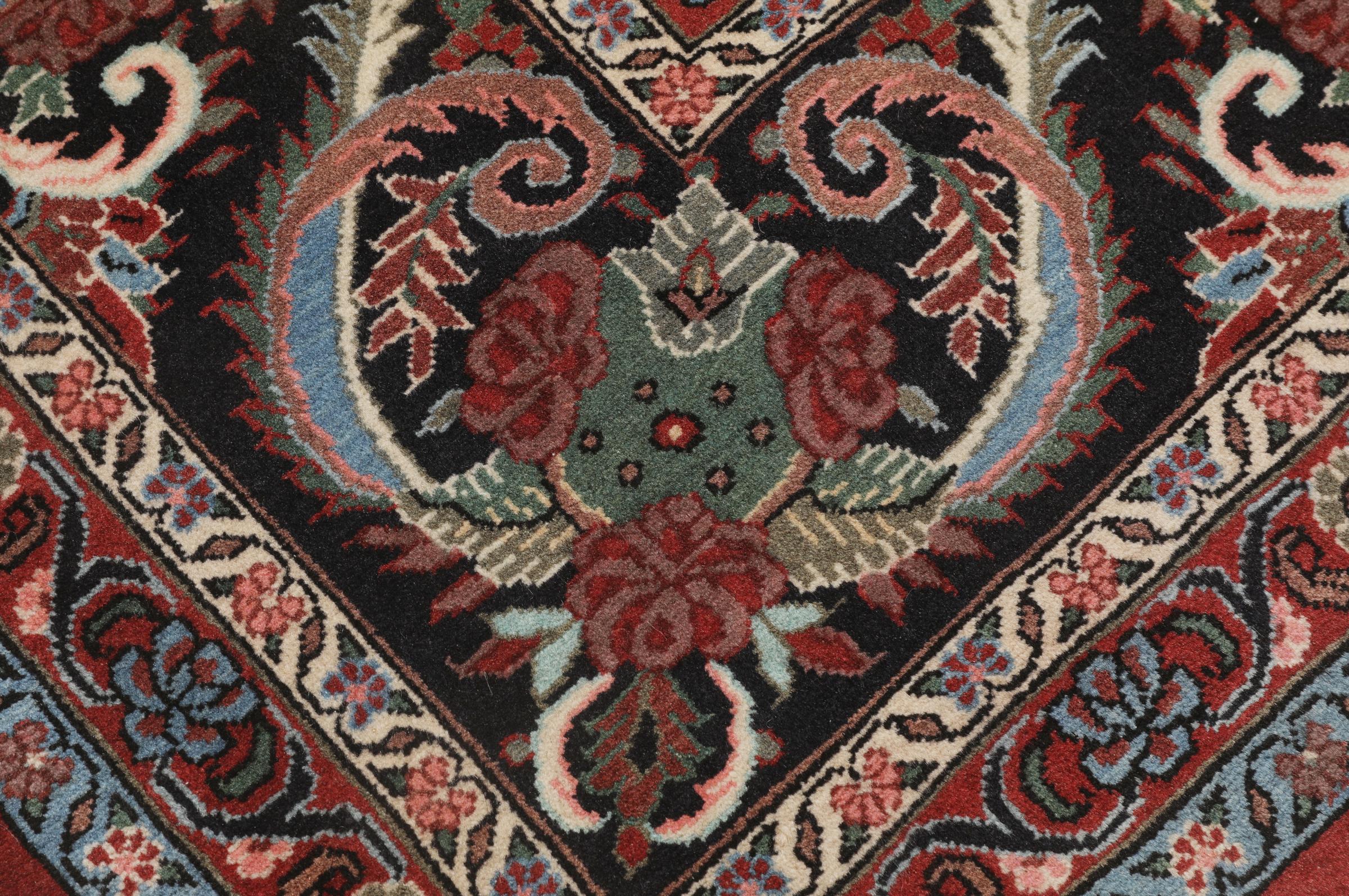
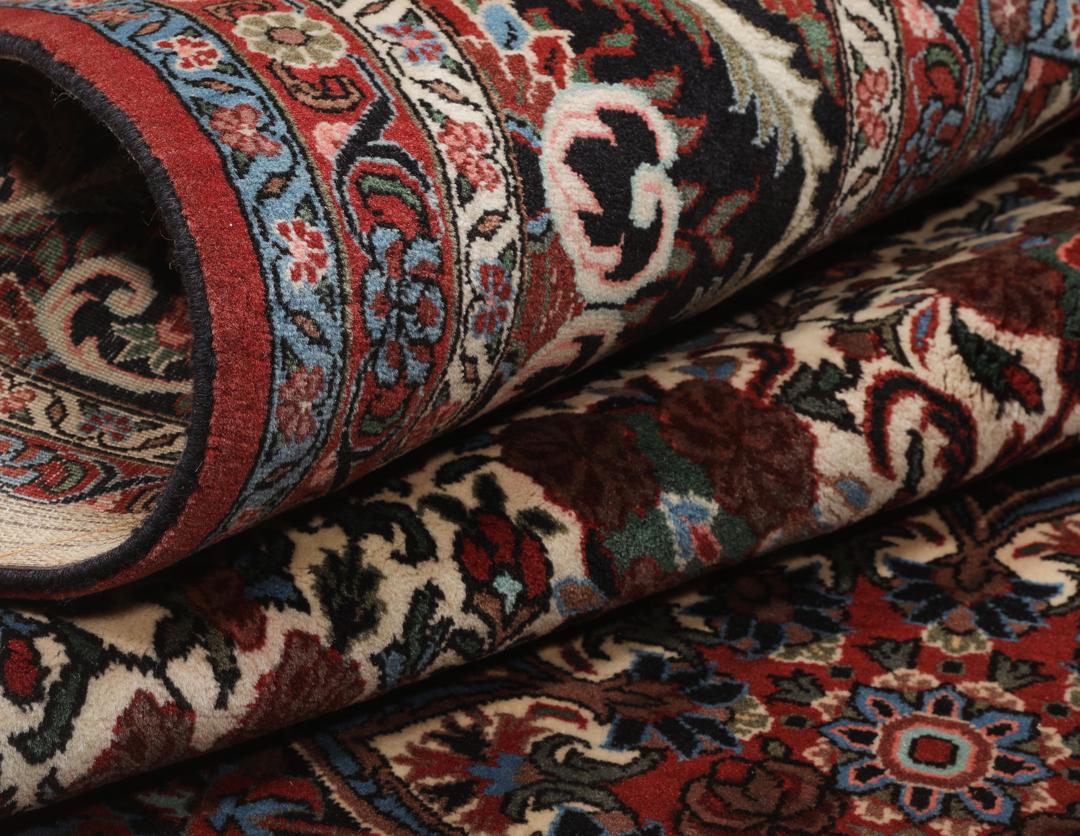
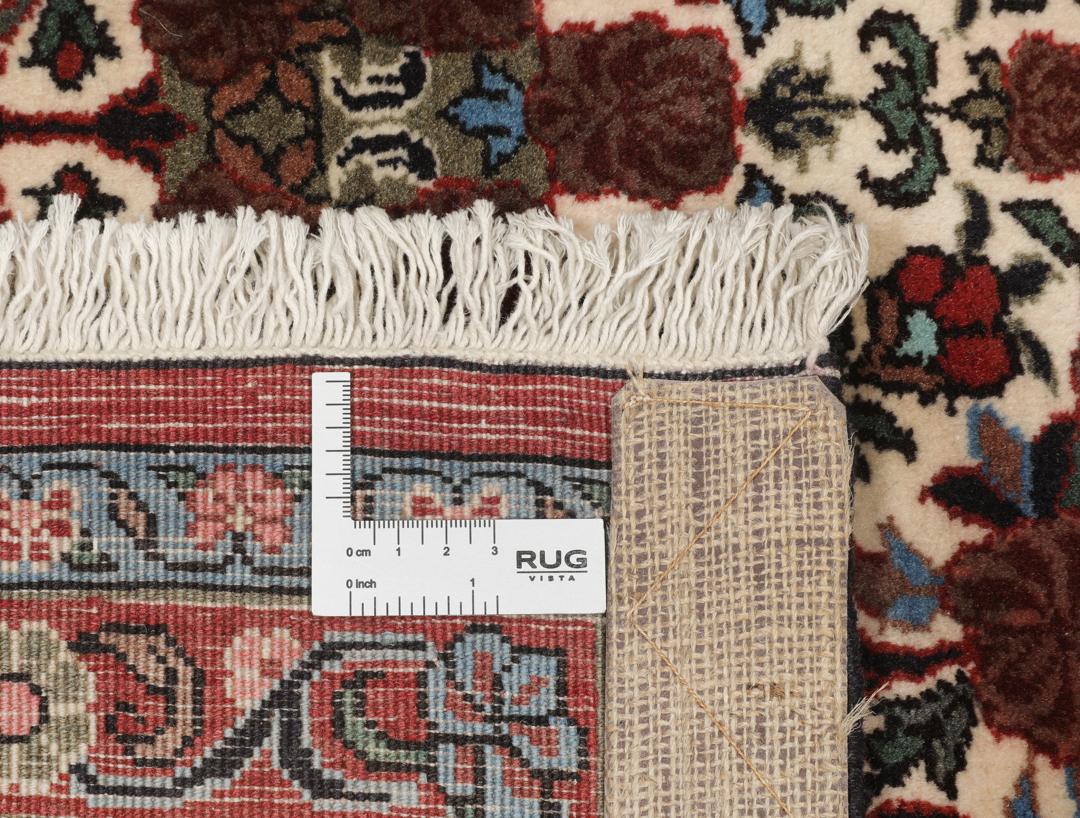
The distinctive quality of a Bidjar rug lies in its unique weaving technique. During the production process, the foundation is kept extremely taut, and the wool is beaten down with a heavy metal comb. This creates a foundation so firm that the rug feels almost rigid, a characteristic that makes it one of the most long-lasting types of rugs available to collectors and homeowners alike.
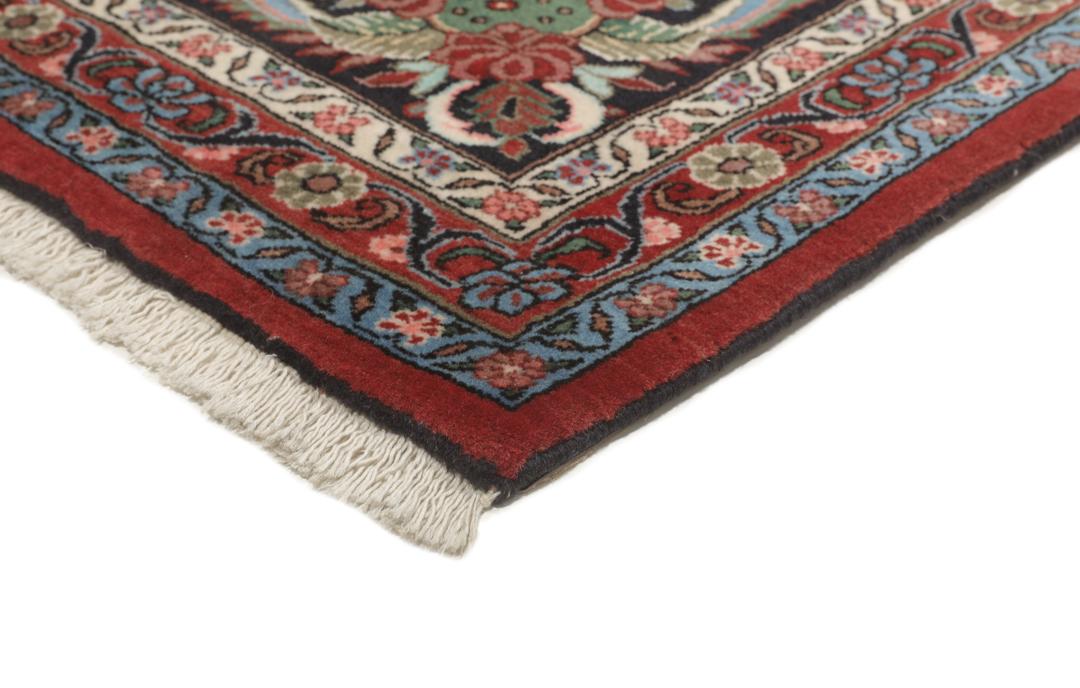
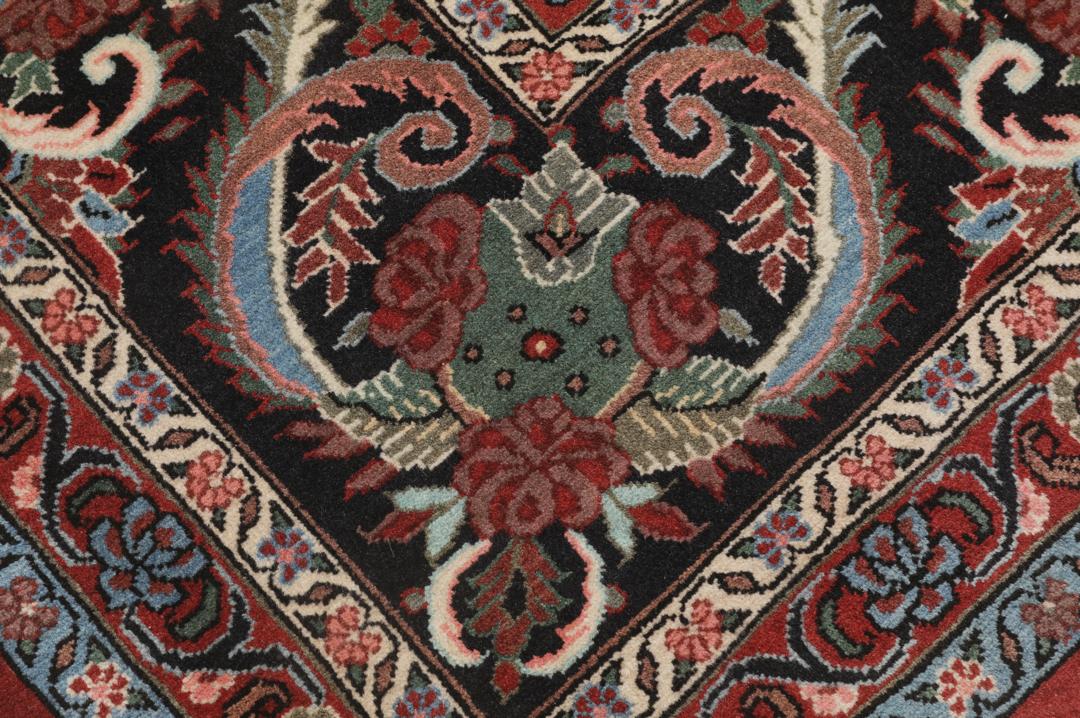
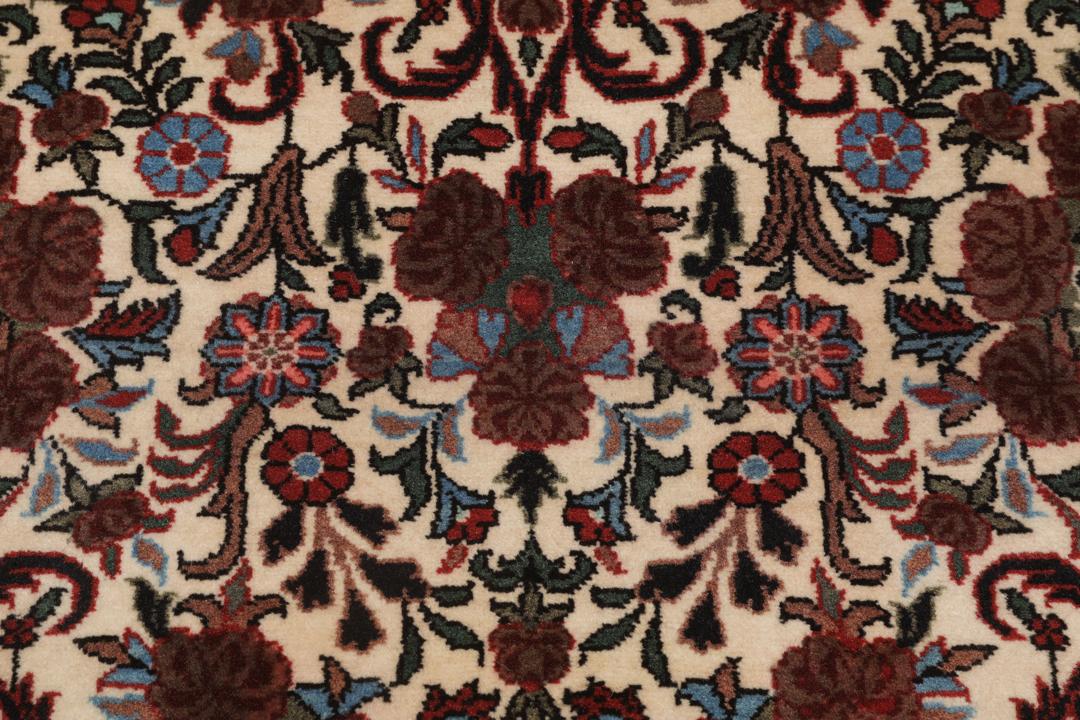
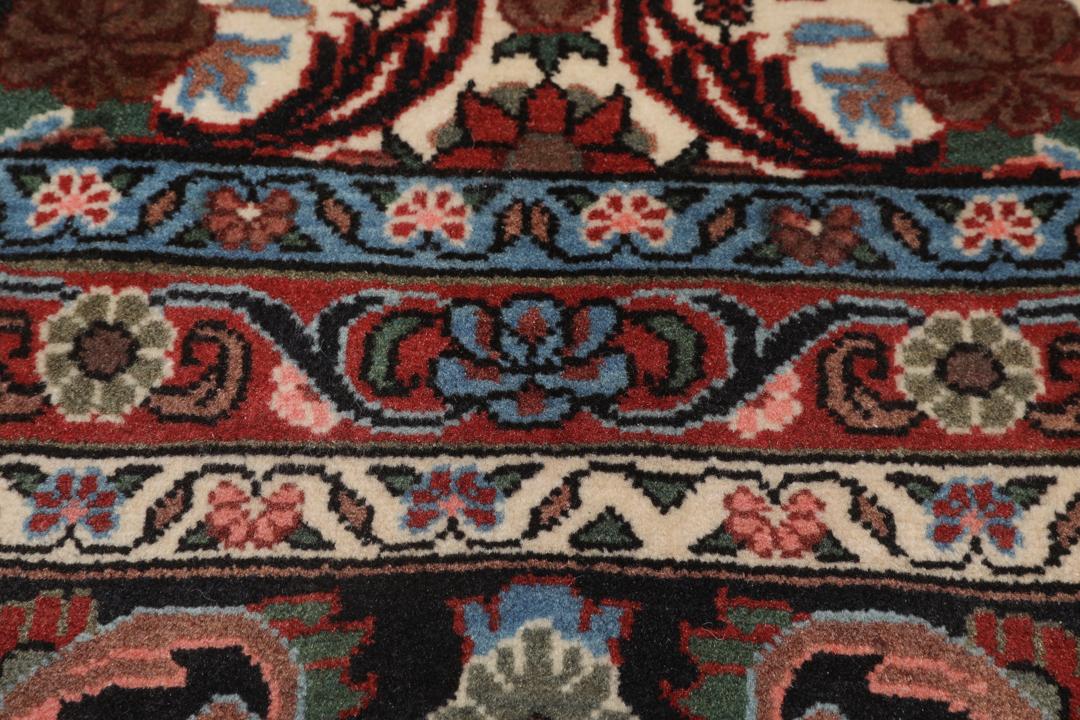
Visually, these rugs are celebrated for their intricate floral motifs, often featuring a central medallion surrounded by a sea of delicate, stylized blossoms and vines. The border designs are typically wide and ornate, providing a formal frame for the complex field. While the patterns are traditional, each weaver brings their own artistic interpretation to the loom, resulting in subtle variations that make every rug a unique reflection of its maker's vision.
Owning a Bidjar rug is an investment in a storied tradition that has survived for centuries. These rugs are highly prized by collectors for their combination of aesthetic beauty and near-legendary toughness. They represent a bridge between the nomadic roots of the region and the settled, refined traditions of urban craft, making them a significant addition to any home that values history and expert handiwork.