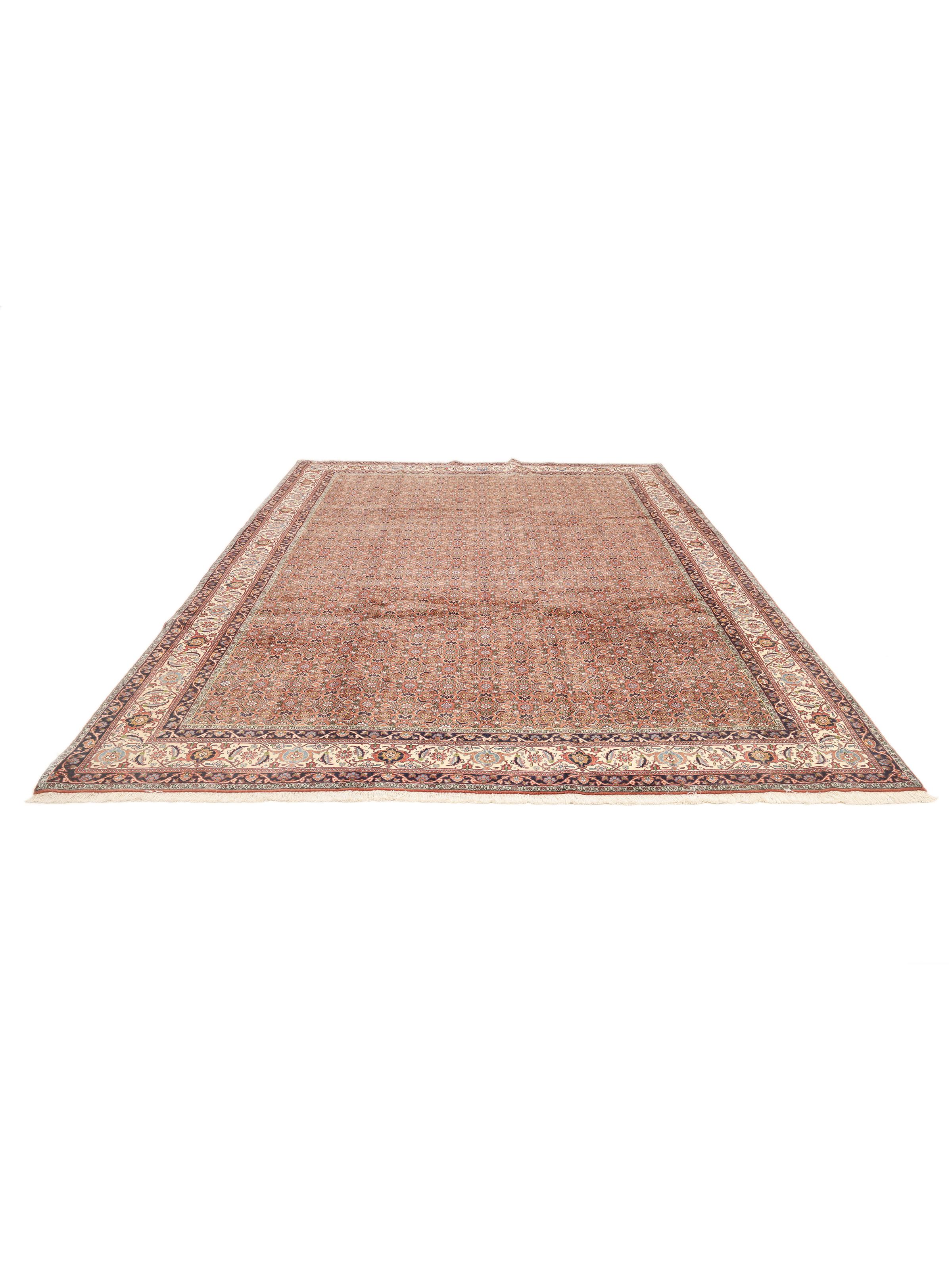
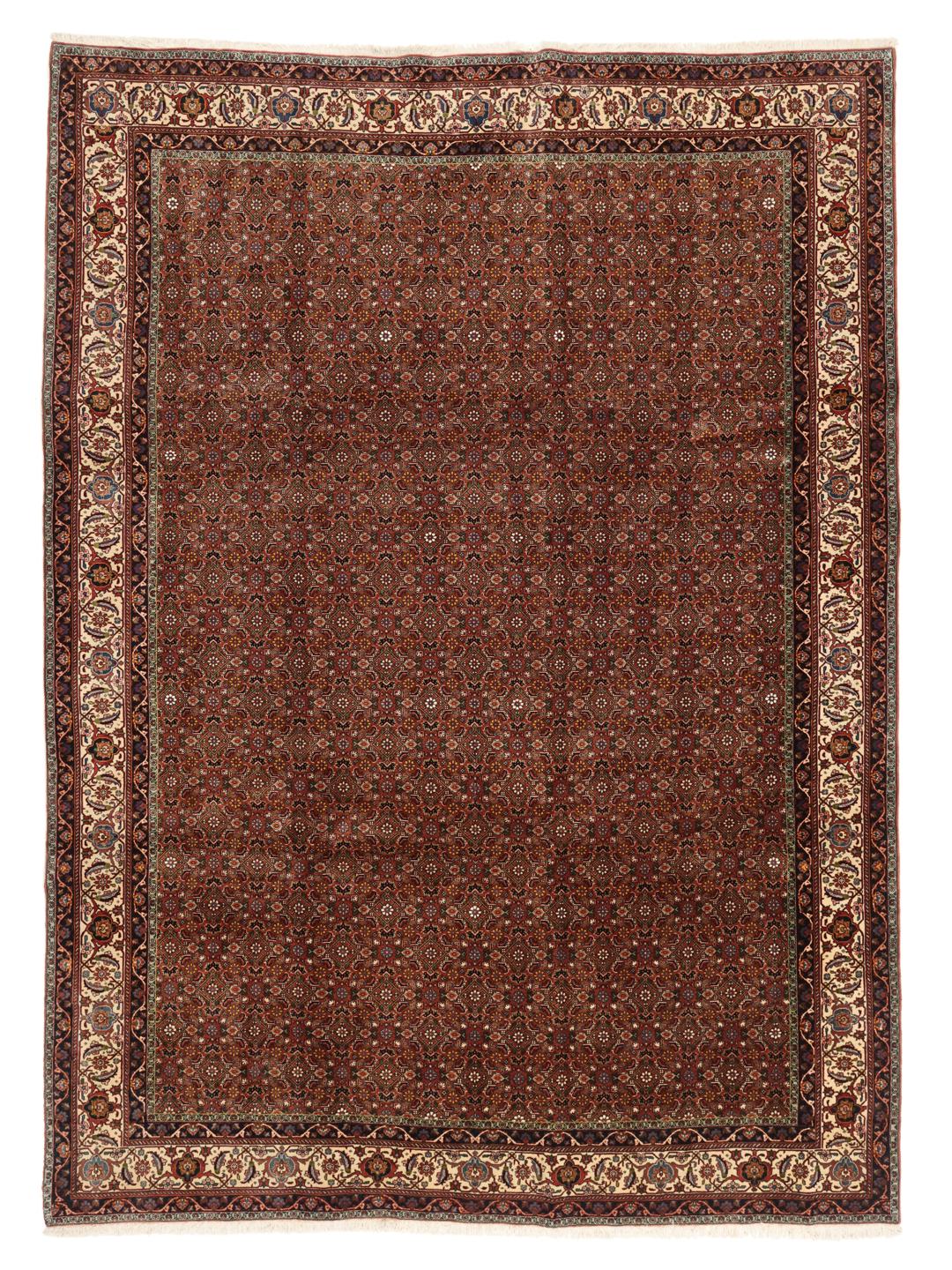
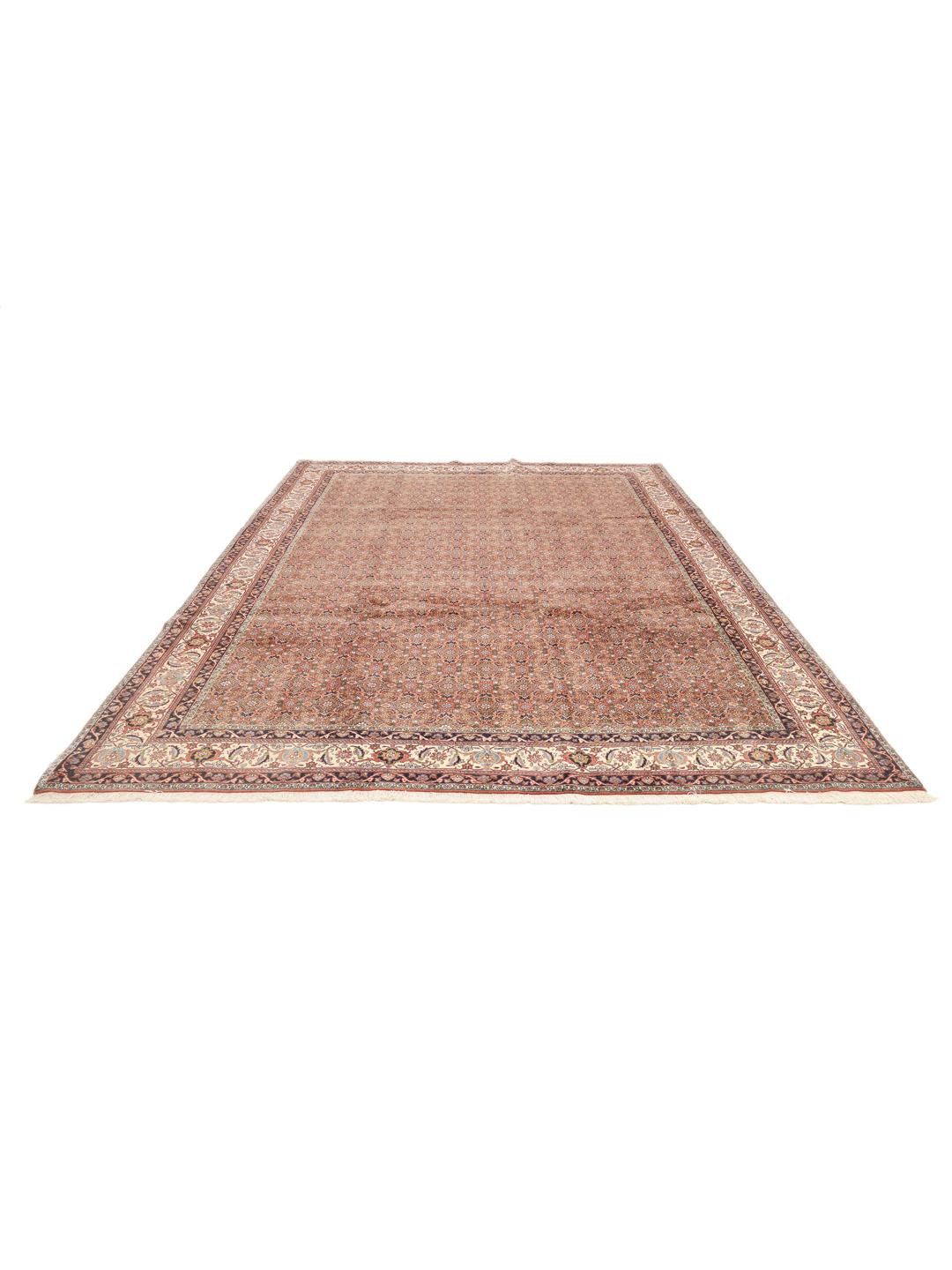
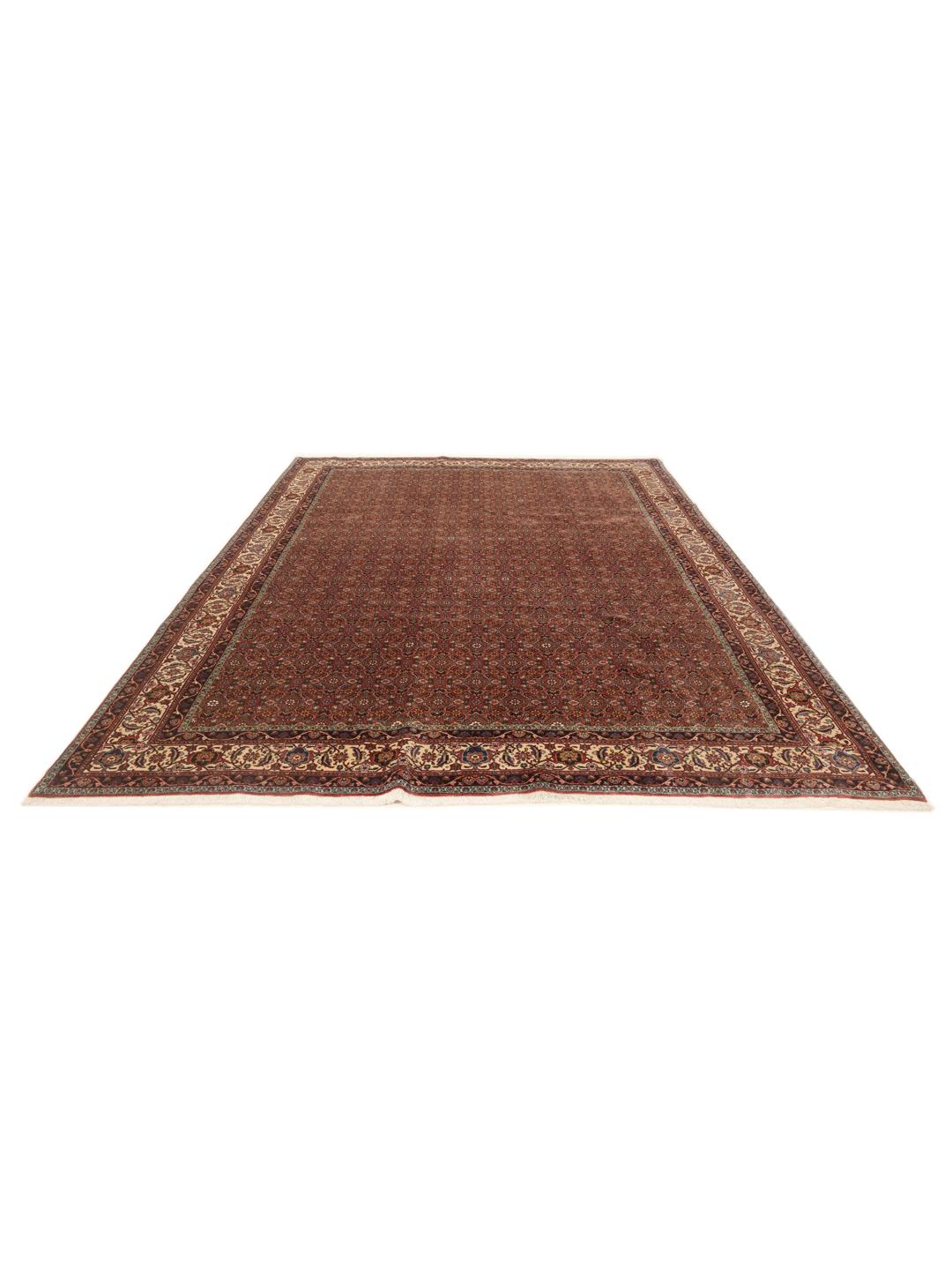
Bidjar rugs hail from the Kurdish region of the Middle East, specifically the town of Bidjar and its surrounding villages. This area has long been known as the 'Iron Rug' capital of the world, a title earned through the legendary durability and structural integrity of its weaving. The history of these rugs is deeply intertwined with the nomadic and settled Kurdish tribes who have maintained their unique aesthetic traditions for centuries.
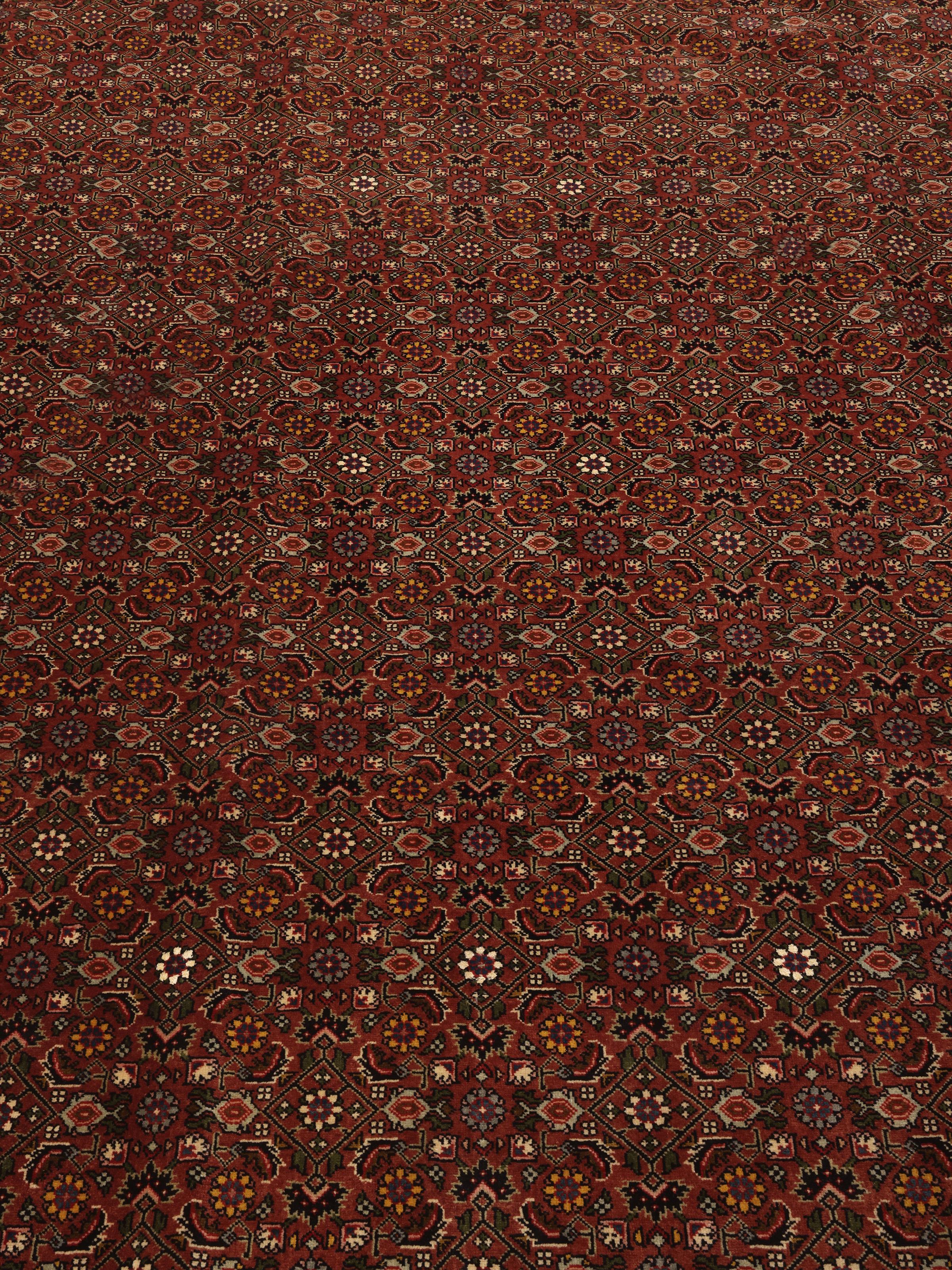
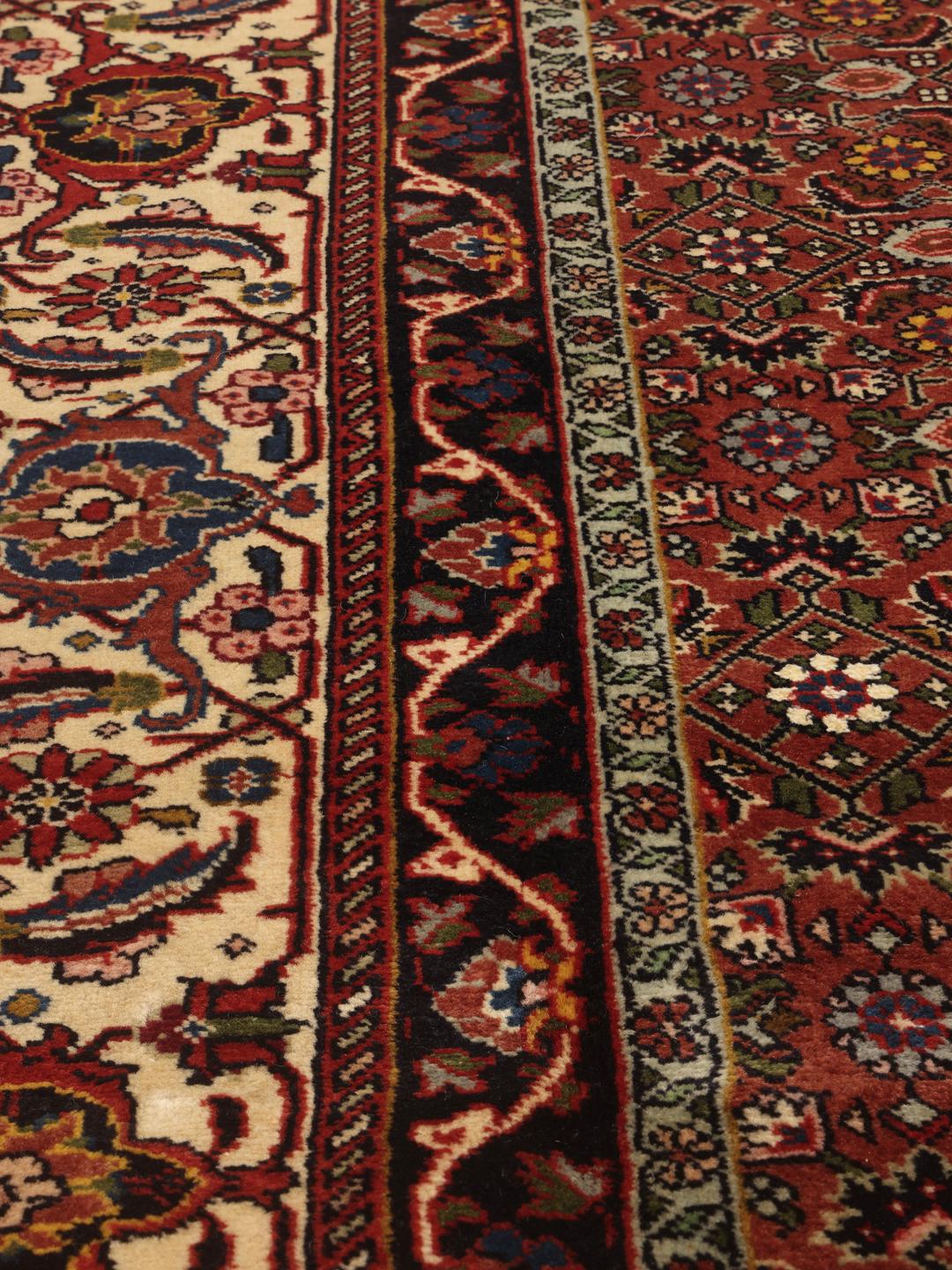
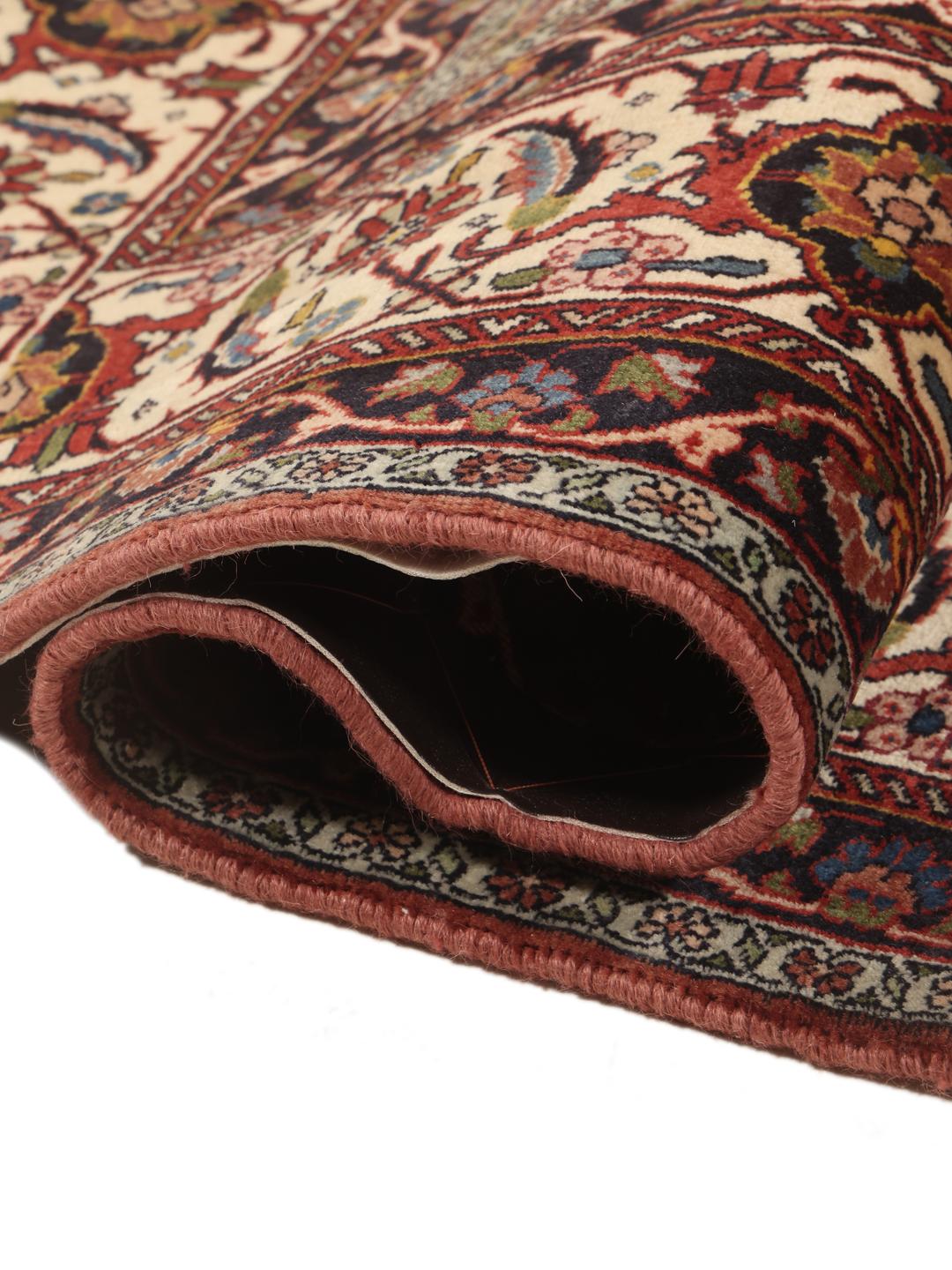
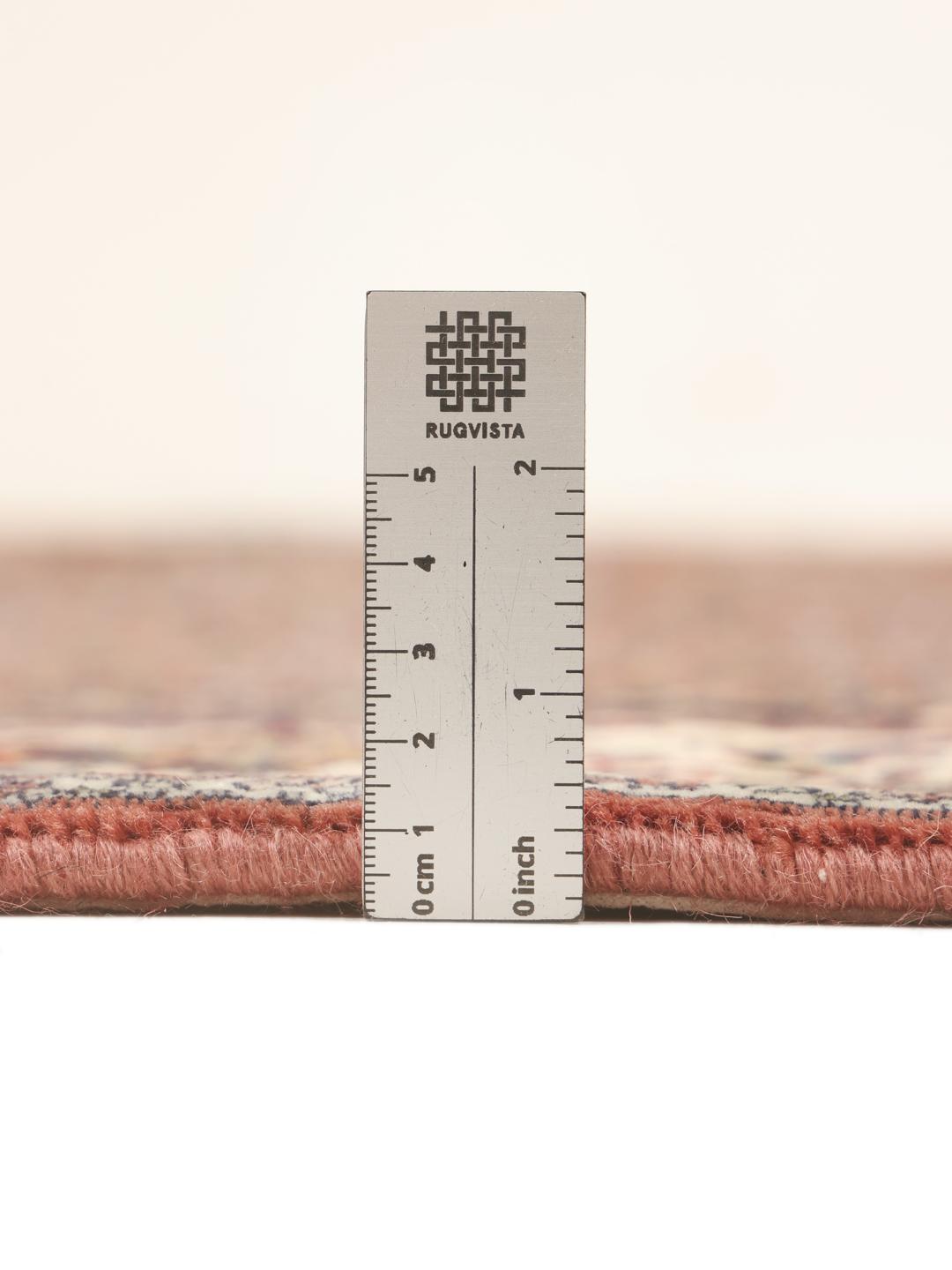
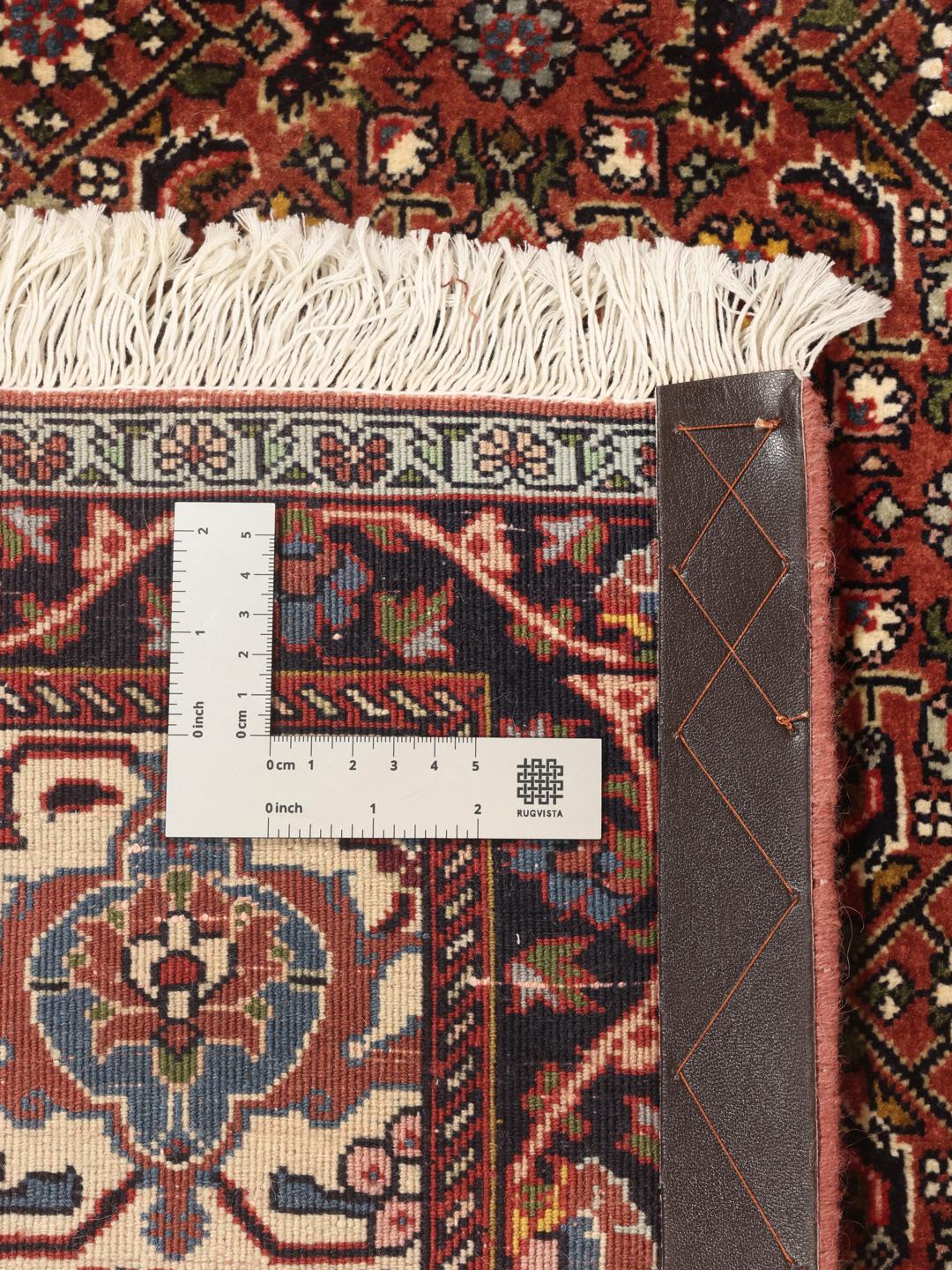
The technical prowess behind a Bidjar rug is found in its signature 'weft-hammering' technique. By using a heavy, metallic tool to beat the wefts down with immense force, the weavers create a foundation so tight that the pile stands almost vertically. This creates a remarkably dense, stiff rug that is famously resistant to wear, making it a favourite among collectors who prioritise longevity alongside beauty.
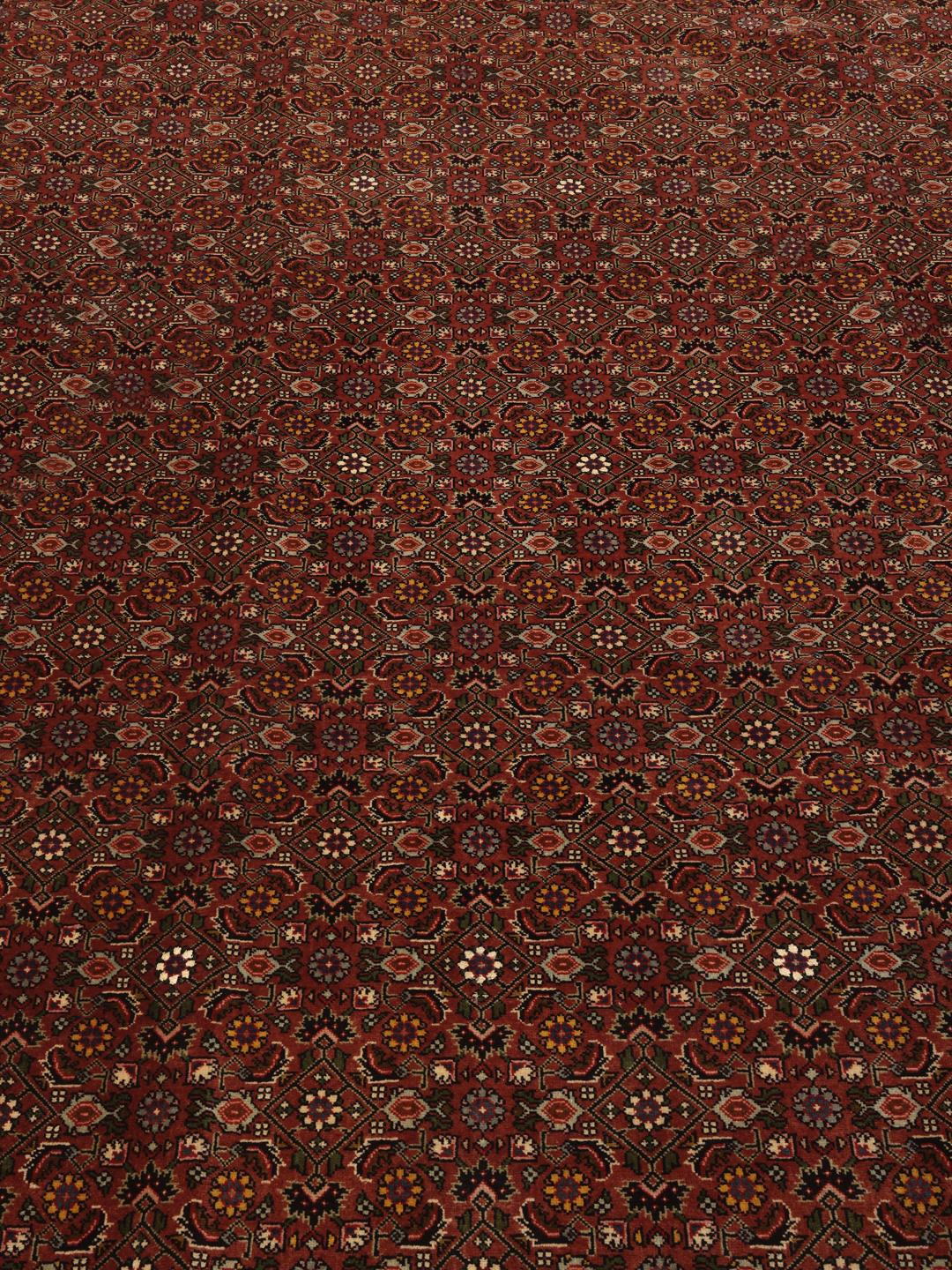
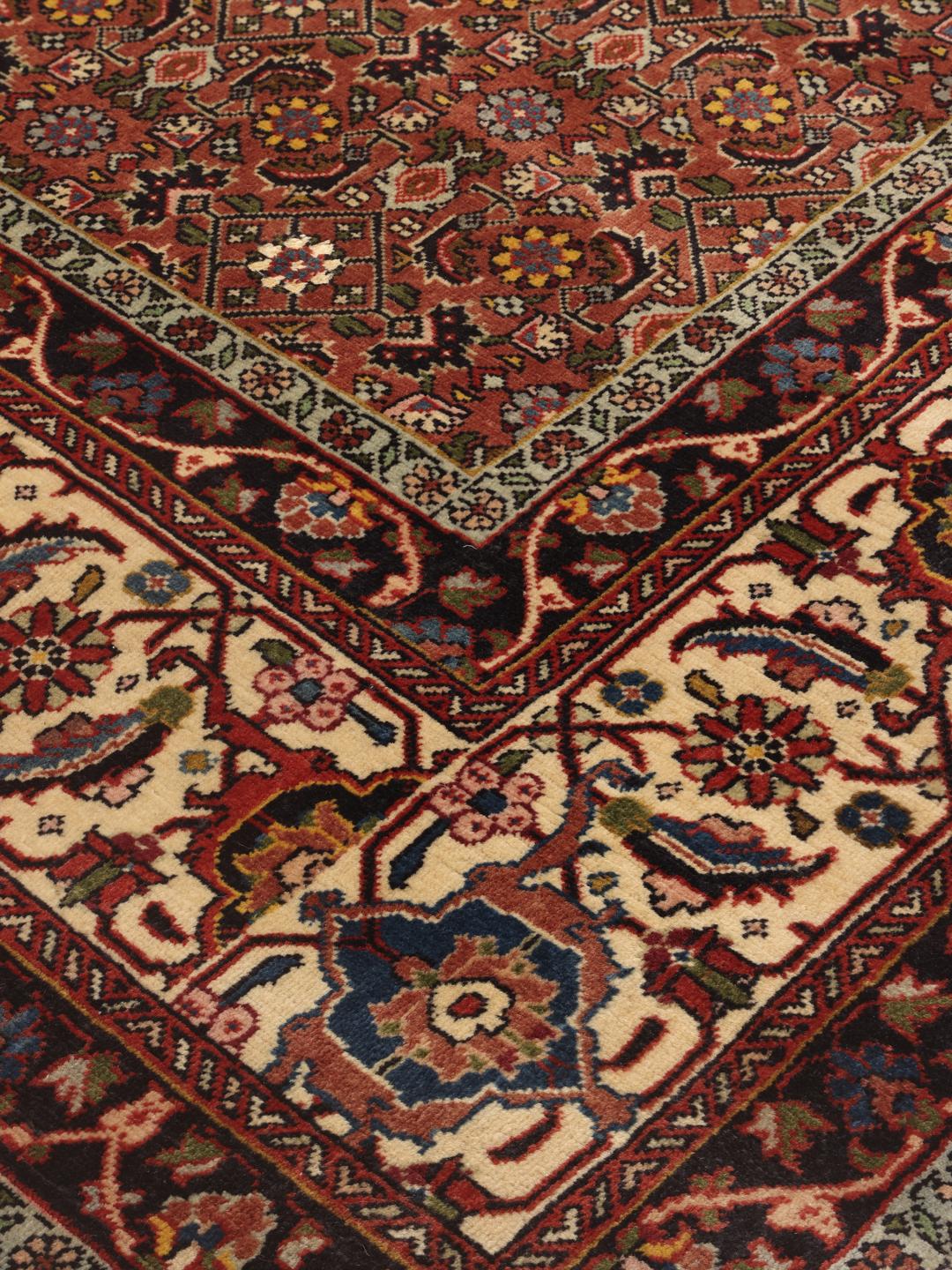
Visually, these rugs are celebrated for their sophisticated floral and geometric motifs, often featuring a central medallion surrounded by dense, repeating patterns known as the Herati design. The inclusion of silk within the wool pile is a sign of prestige, used to highlight specific details and catch the light, adding a subtle shimmer that contrasts beautifully with the deep, saturated tones of the wool.
Owning a Bidjar is an investment in a storied craft tradition. These rugs are highly sought after by collectors for their ability to maintain their character and structural quality over decades of use. By acquiring this piece, you are not just selecting a floor covering, but securing a fragment of a design heritage that emphasises resilience, skill, and the pursuit of perfection in every single knot.