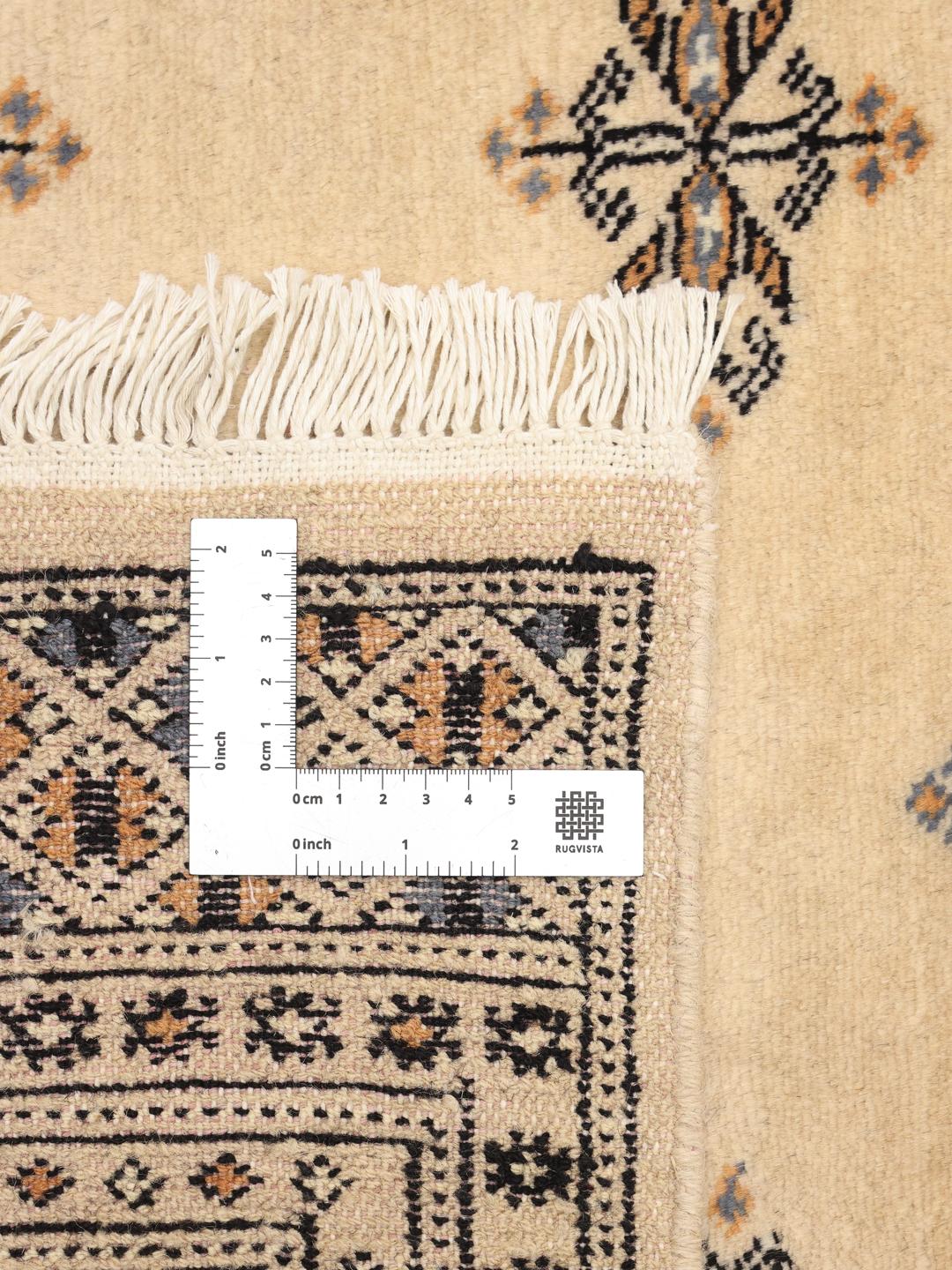
The Bokhara rug tradition is deeply rooted in the history of Central Asian nomadic tribes, though the finest examples today are primarily crafted in Pakistan. These rugs take their name from the ancient Silk Road city of Bukhara, which historically served as a vital trade hub where these intricate textiles were exchanged and admired by travellers and merchants from across the globe.
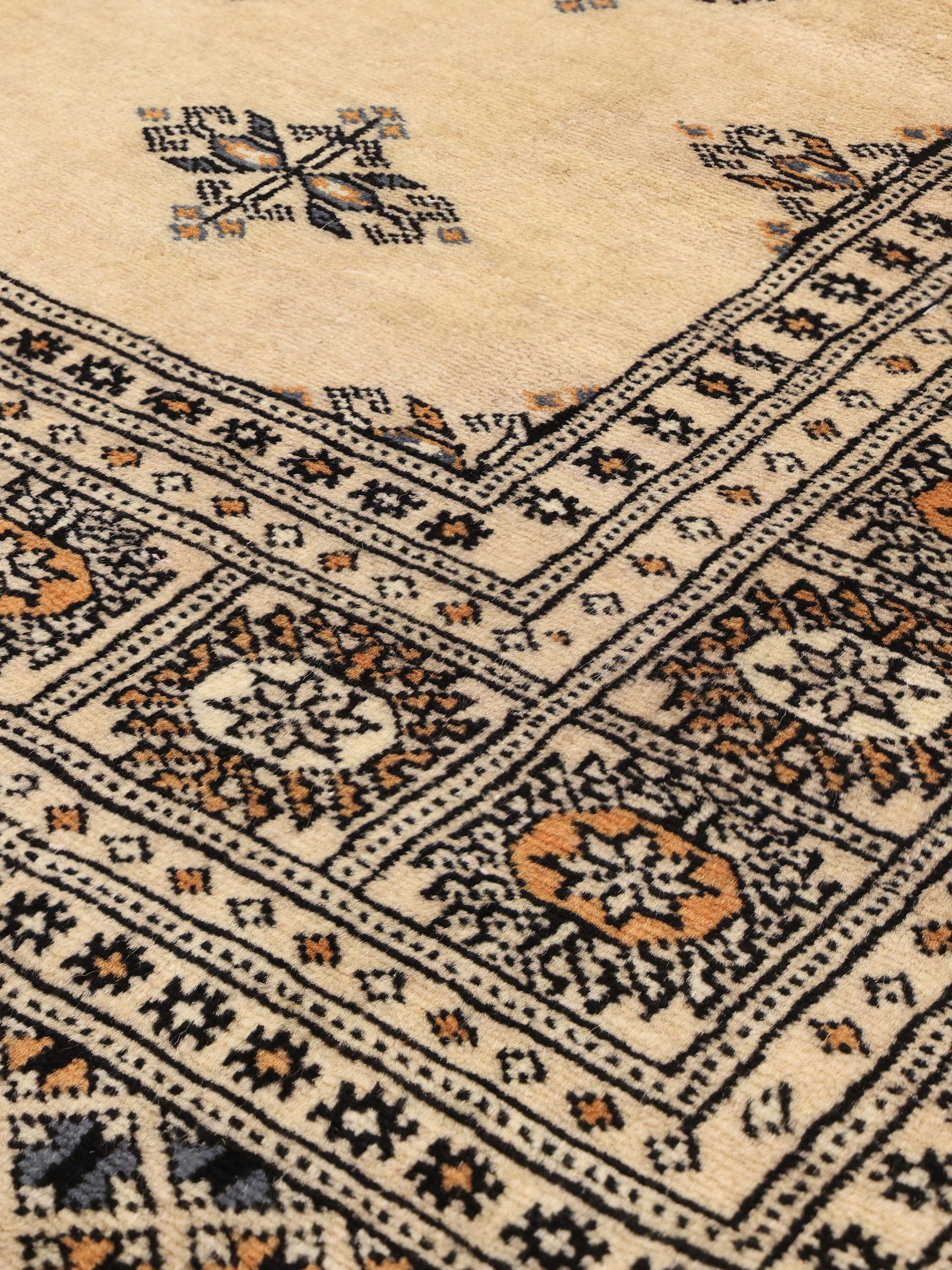
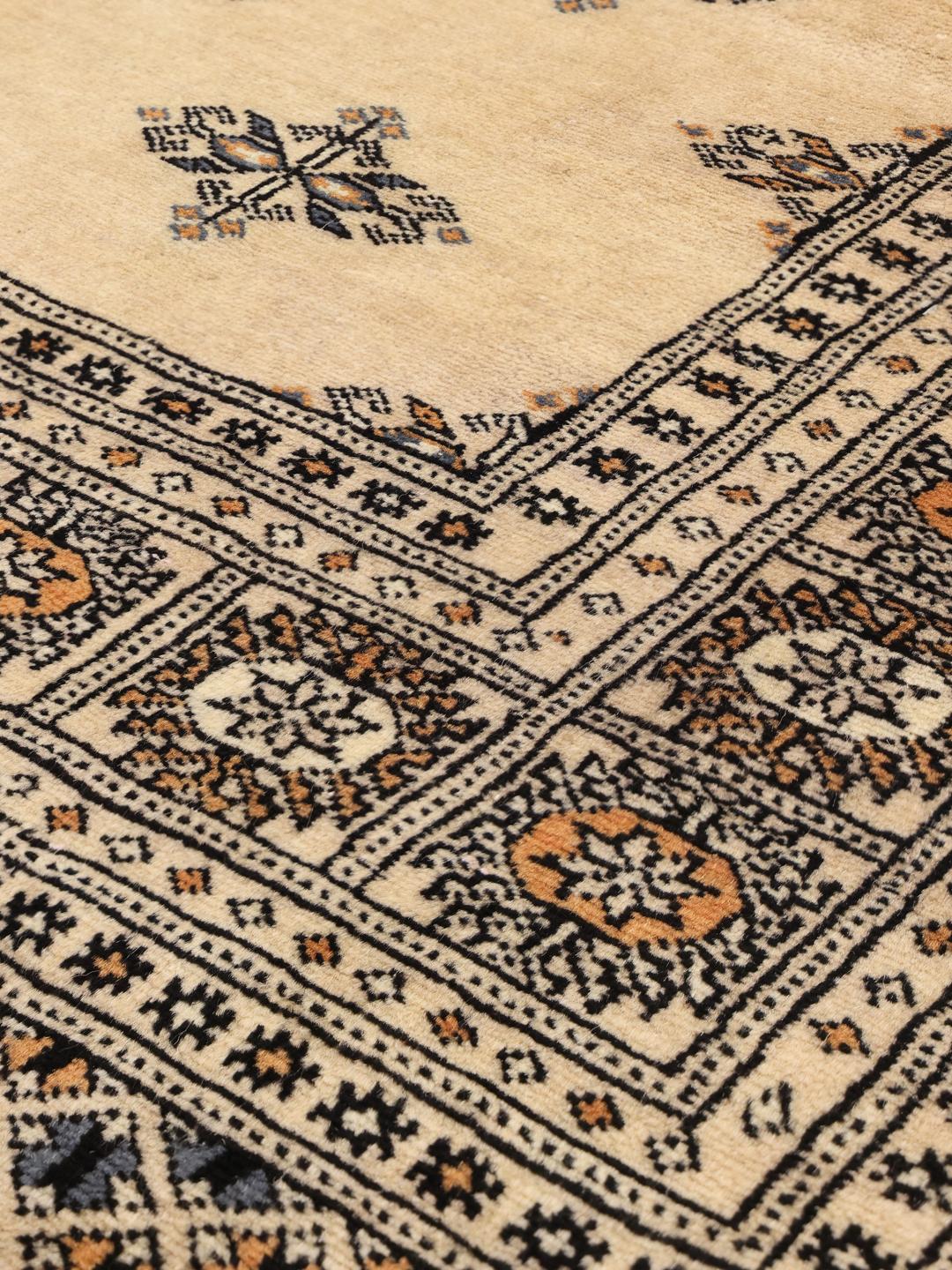
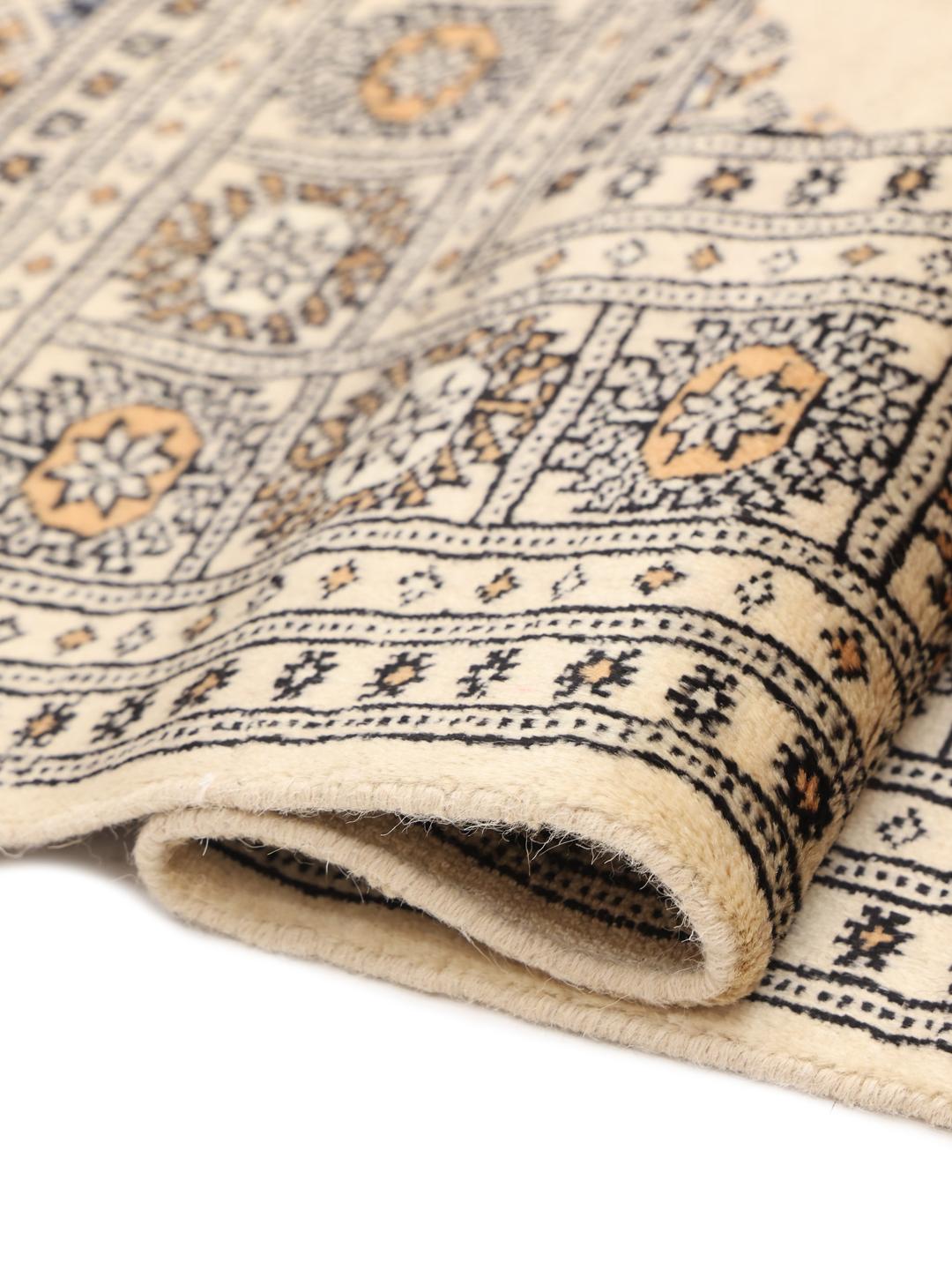
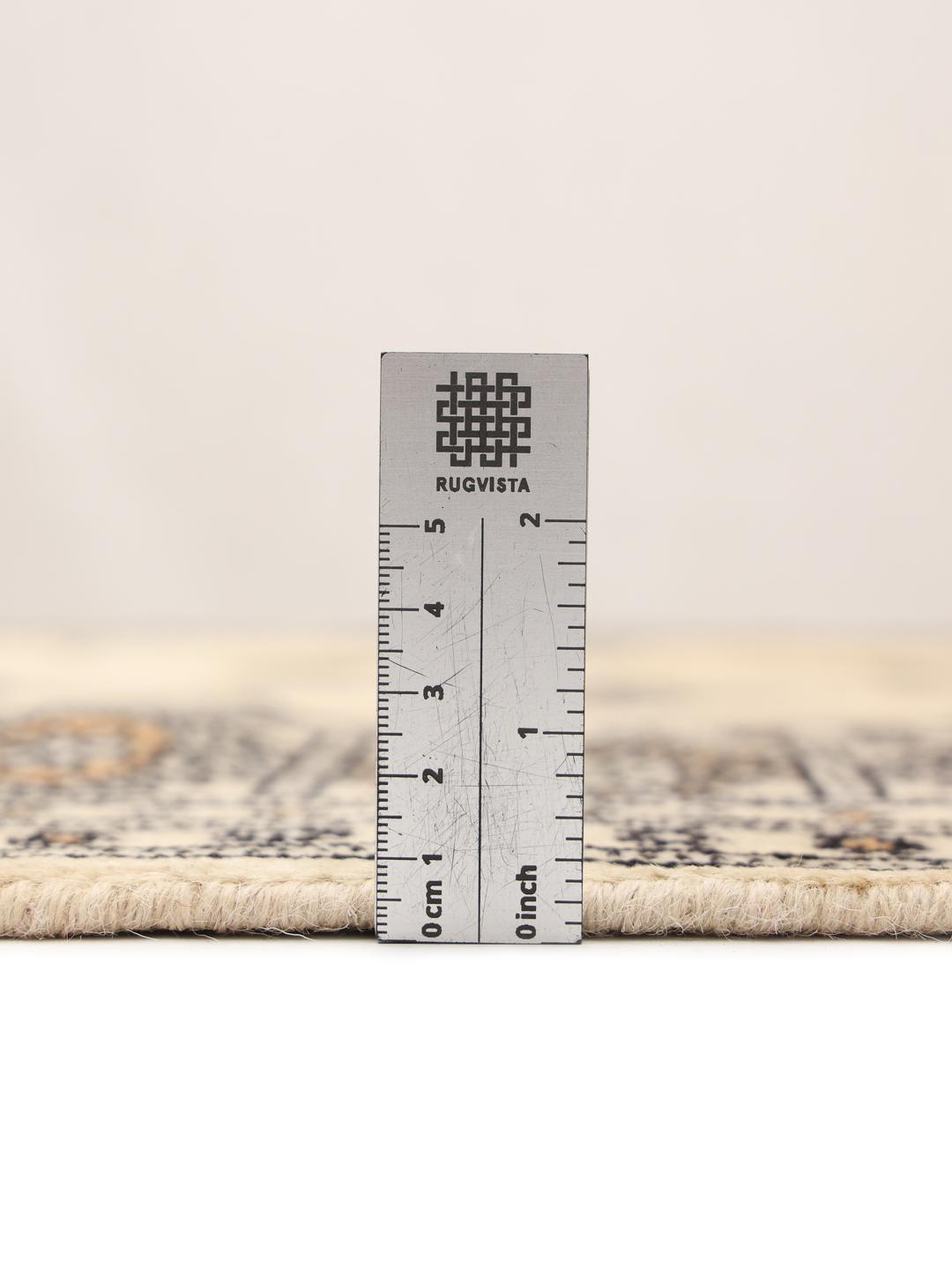
The '2ply' designation refers to the specific way the wool is prepared for the pile. By twisting two strands of wool together before knotting, the resulting yarn is significantly more robust and lustrous. This technique is essential for achieving the signature soft, velvet-like feel that Bokhara rugs are famous for, while also ensuring the rug remains durable enough for daily use in a modern home.
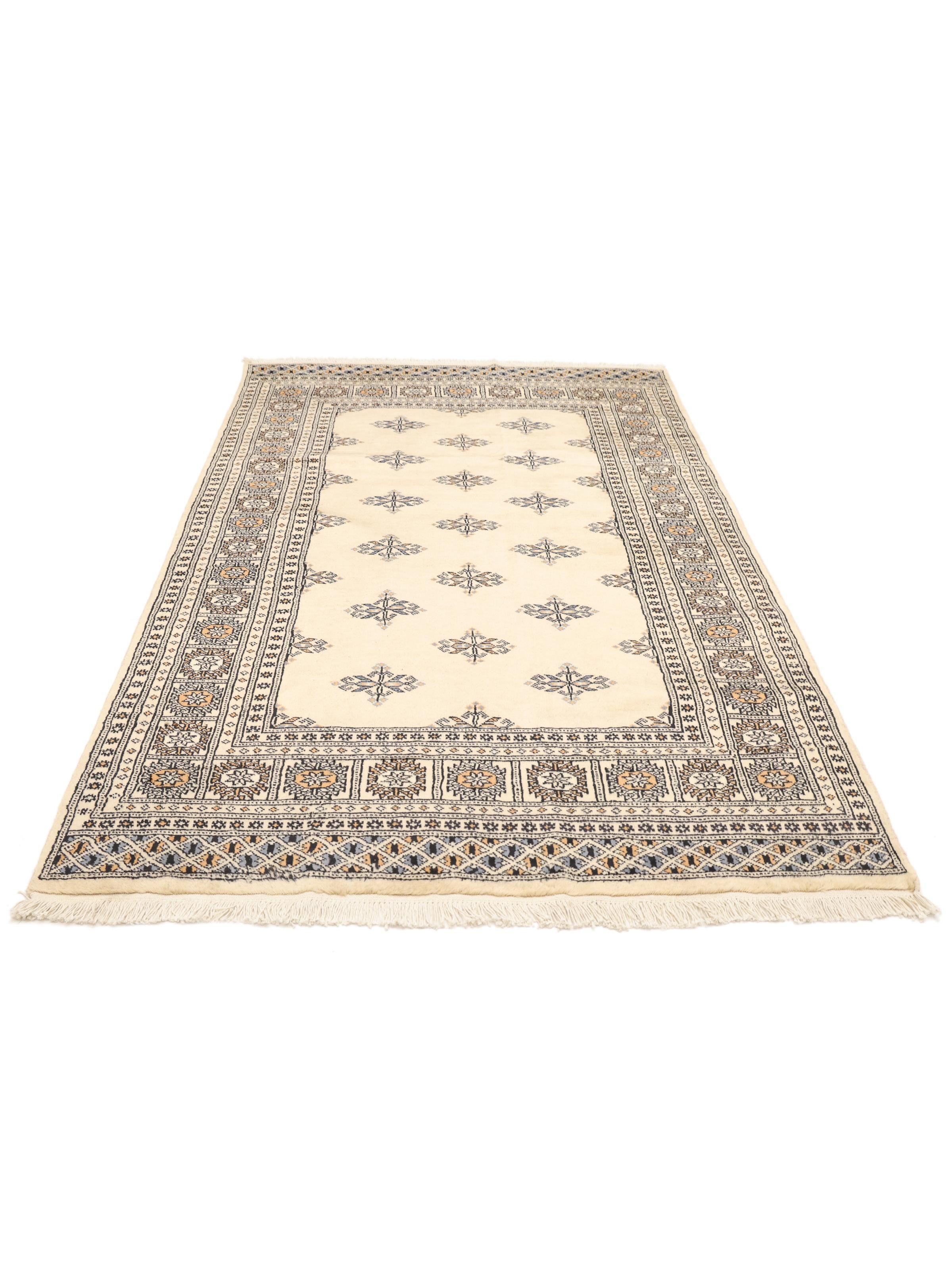
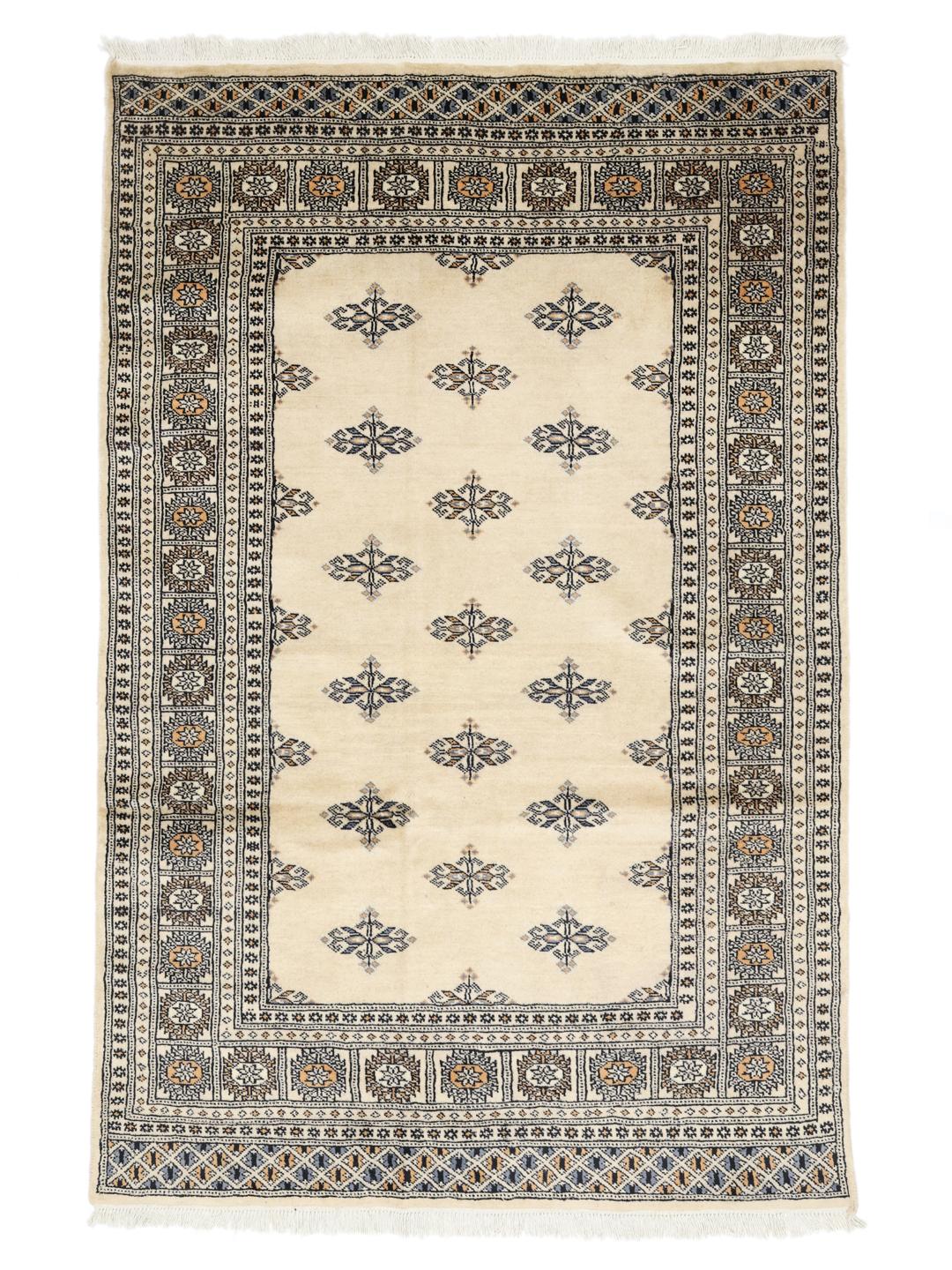
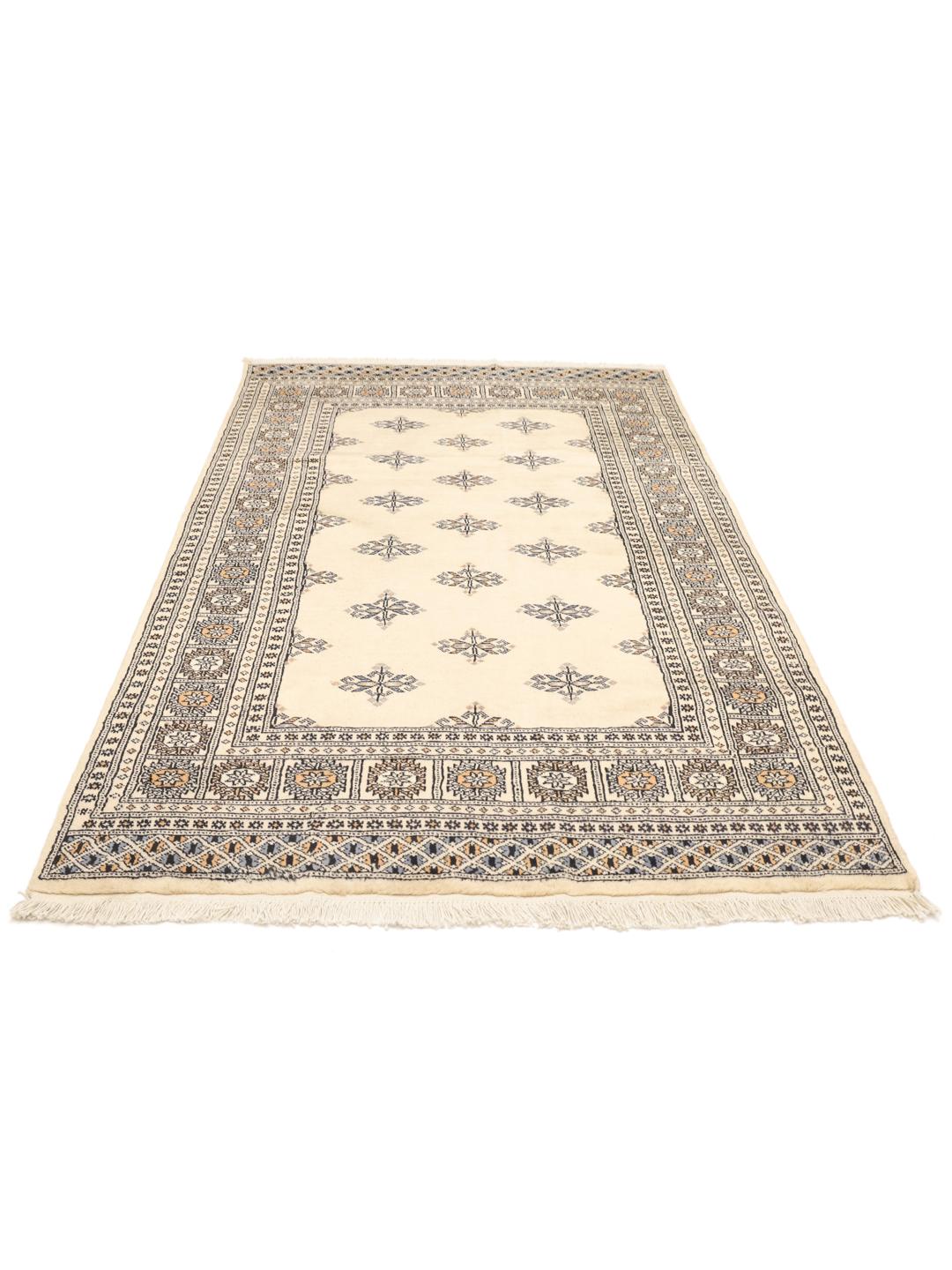
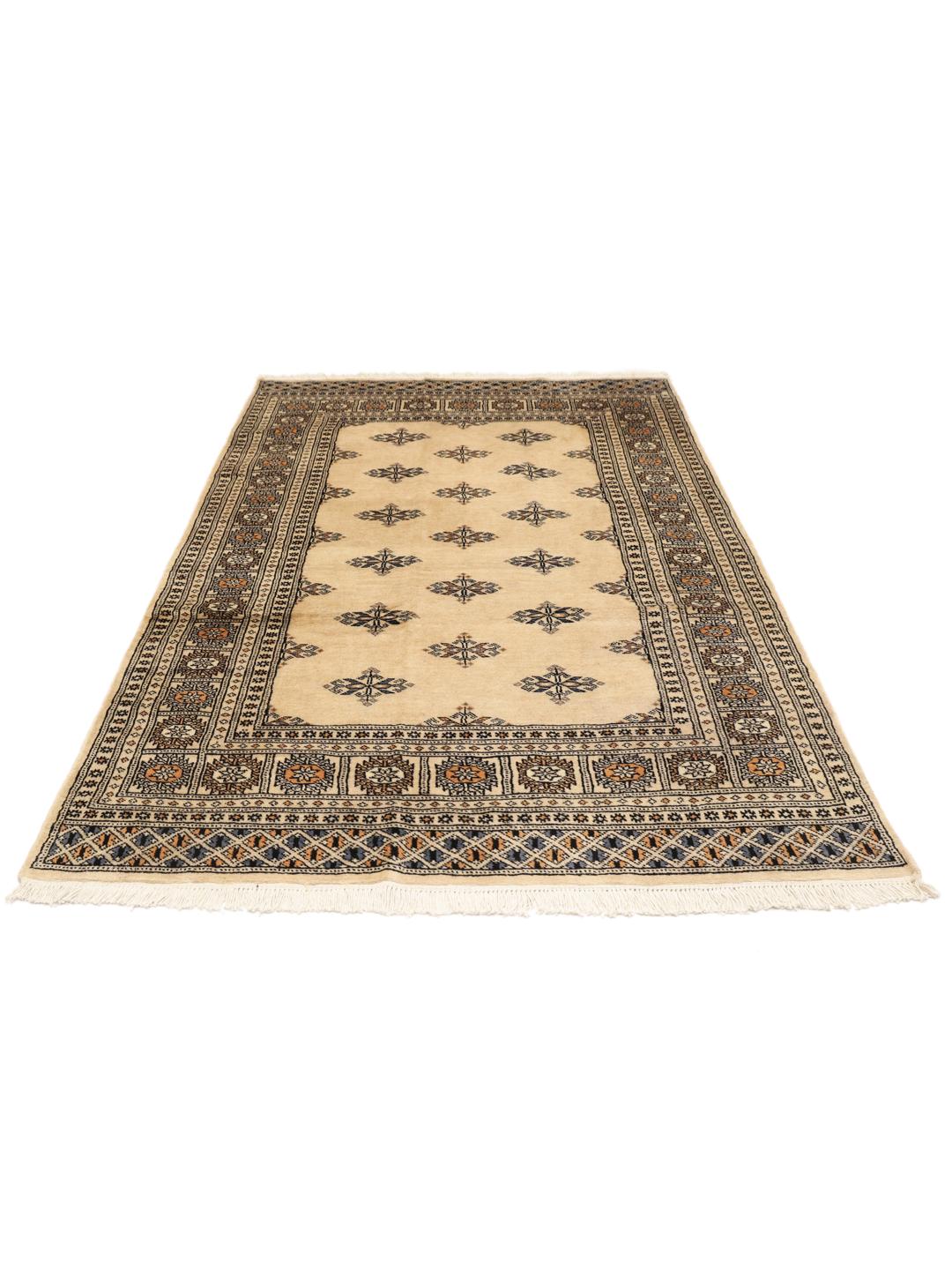
Visually, these rugs are defined by the repeating 'gul' motif, which often resembles a stylised elephant foot or a geometric flower. These medallions are typically arranged in clean, symmetrical rows across the field, framed by elaborate, multi-layered borders. The use of a neutral base with darker, contrasting accents is a classic choice that highlights the precision of the repeating patterns.
Collecting a hand-knotted rug of this tradition is an appreciation of a heritage that has been passed down through generations. These pieces are valued not only for their immediate visual impact but for the cultural weight they carry. By bringing a piece like this into your home, you are preserving a legacy of skill and continuing a tradition of quality that has been celebrated for centuries.