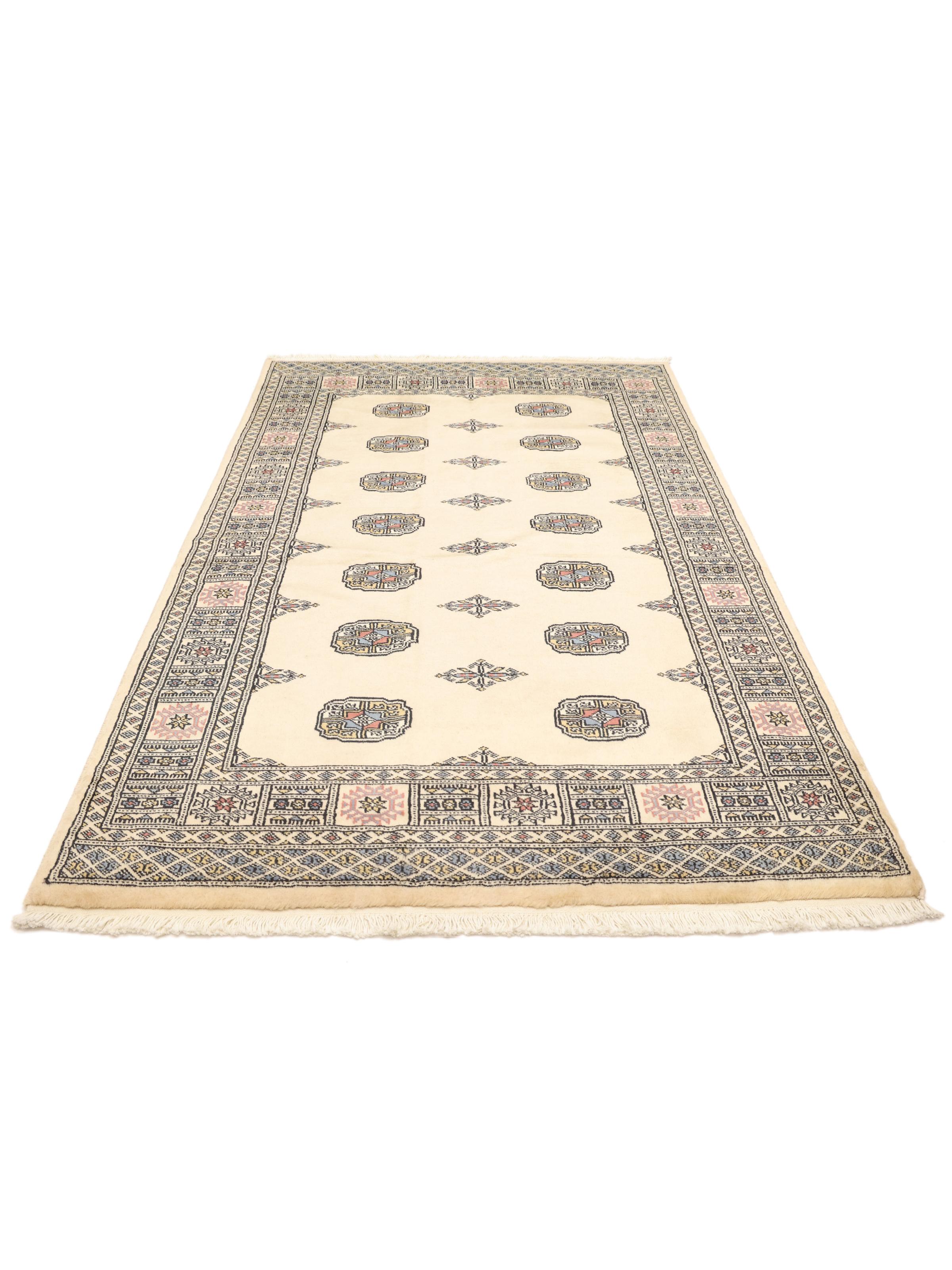
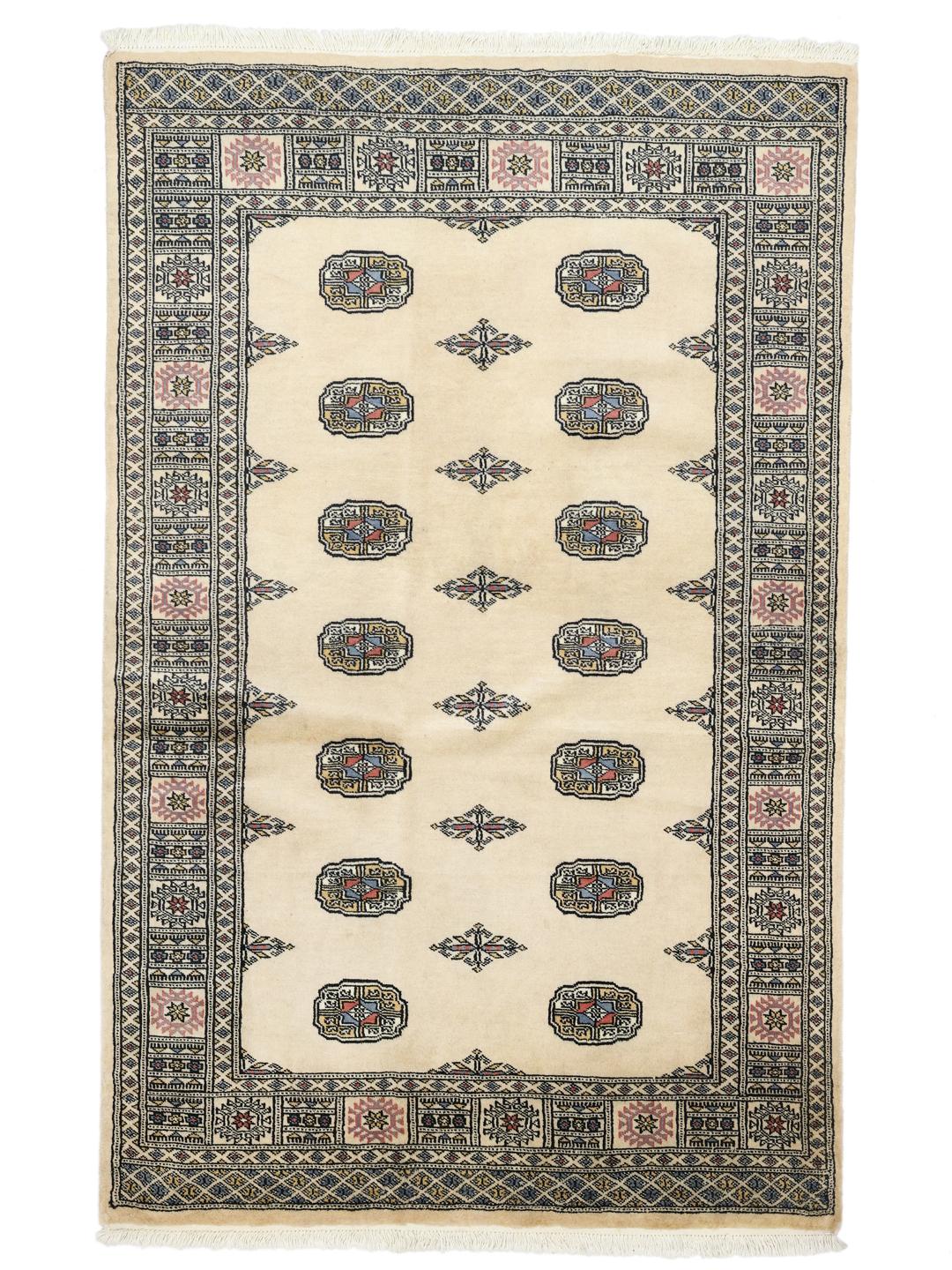
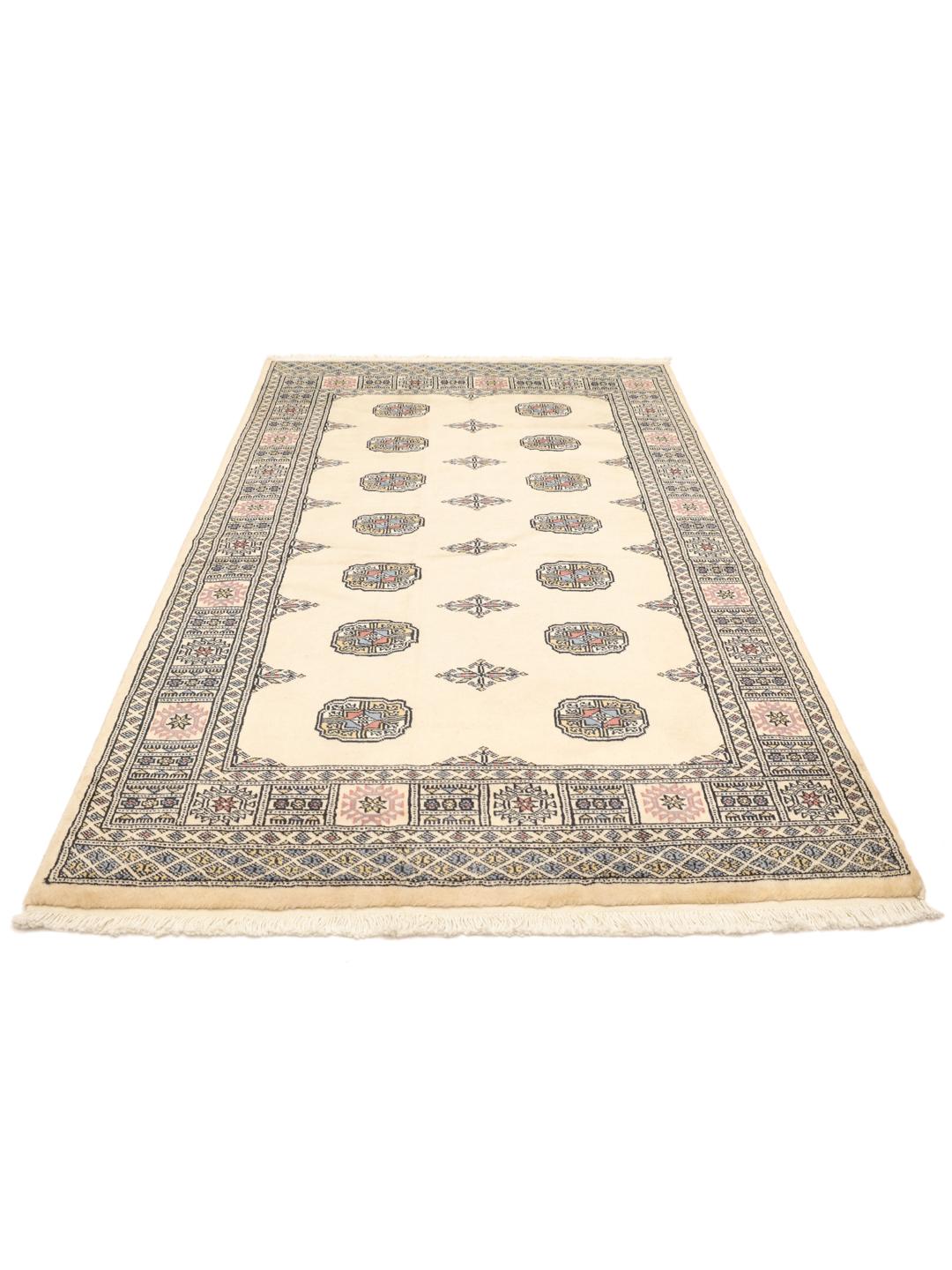
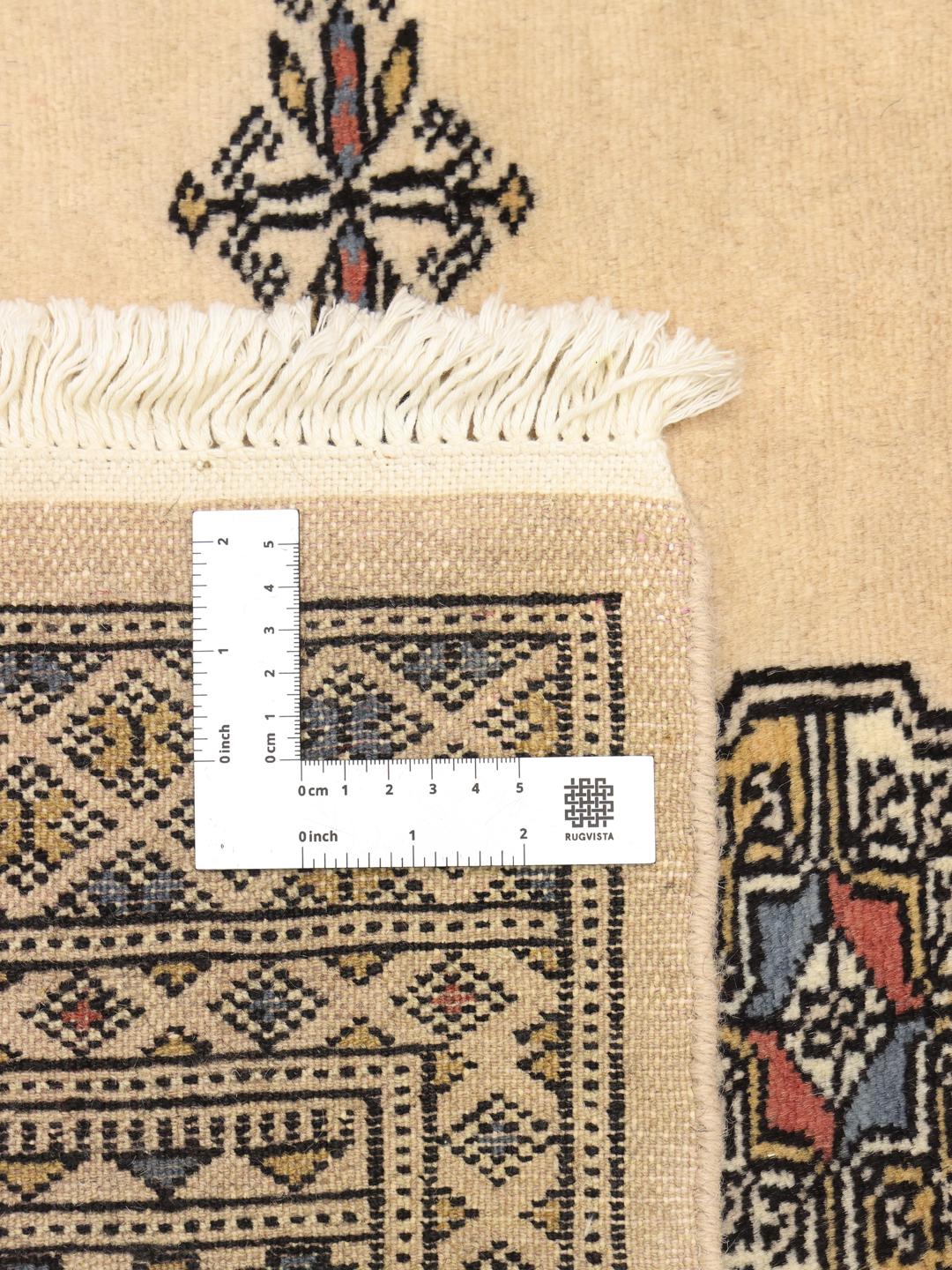
Bokhara rugs take their name from the ancient Silk Road city of Bukhara in Central Asia, a historic hub of trade and culture. While the style has deep roots in Central Asian weaving traditions, the finest examples today are primarily crafted in Pakistan. This migration of techniques occurred over generations, as weavers moved and adapted their skills, leading to the highly refined, soft-pile rugs we recognise today.
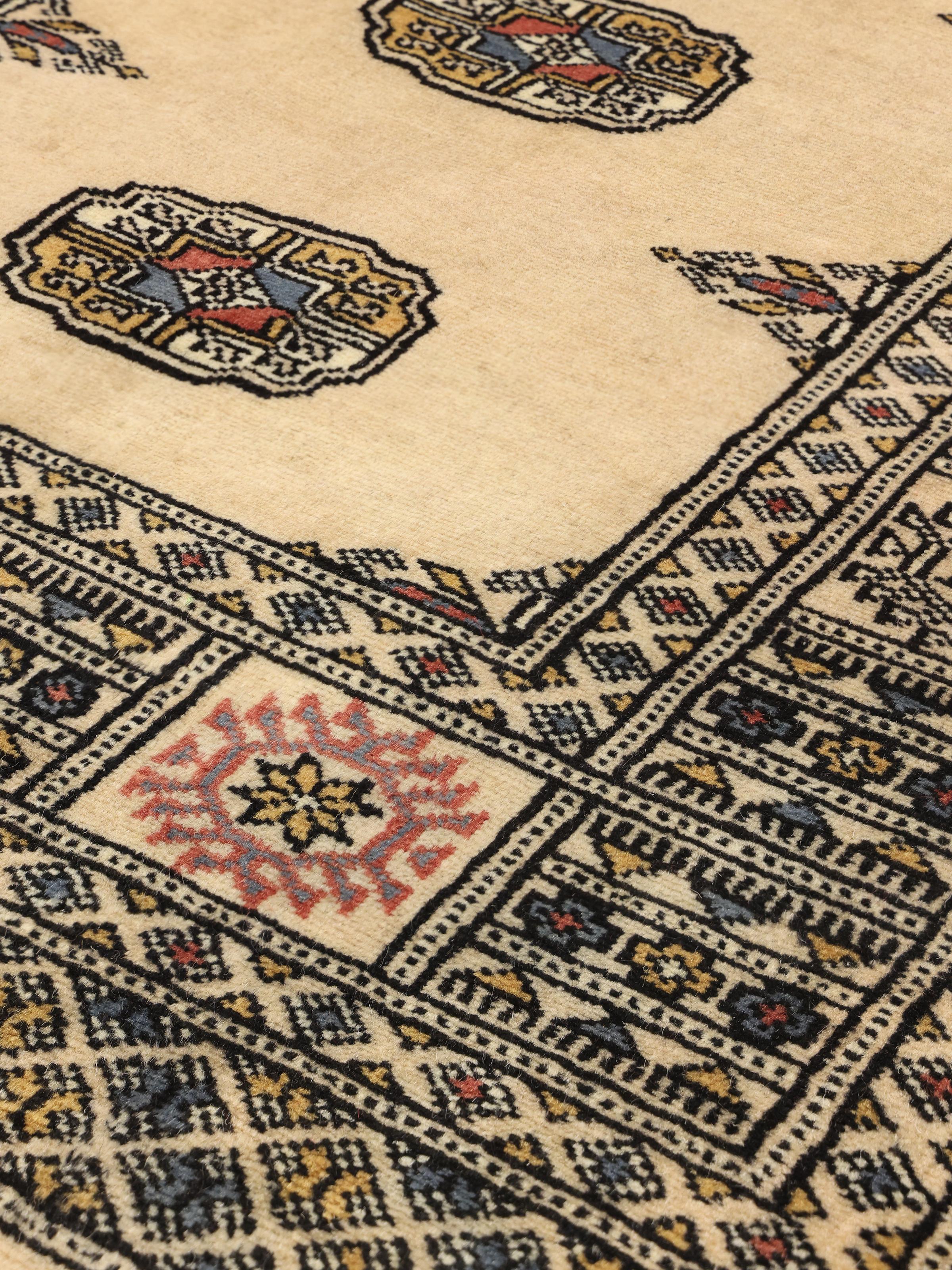
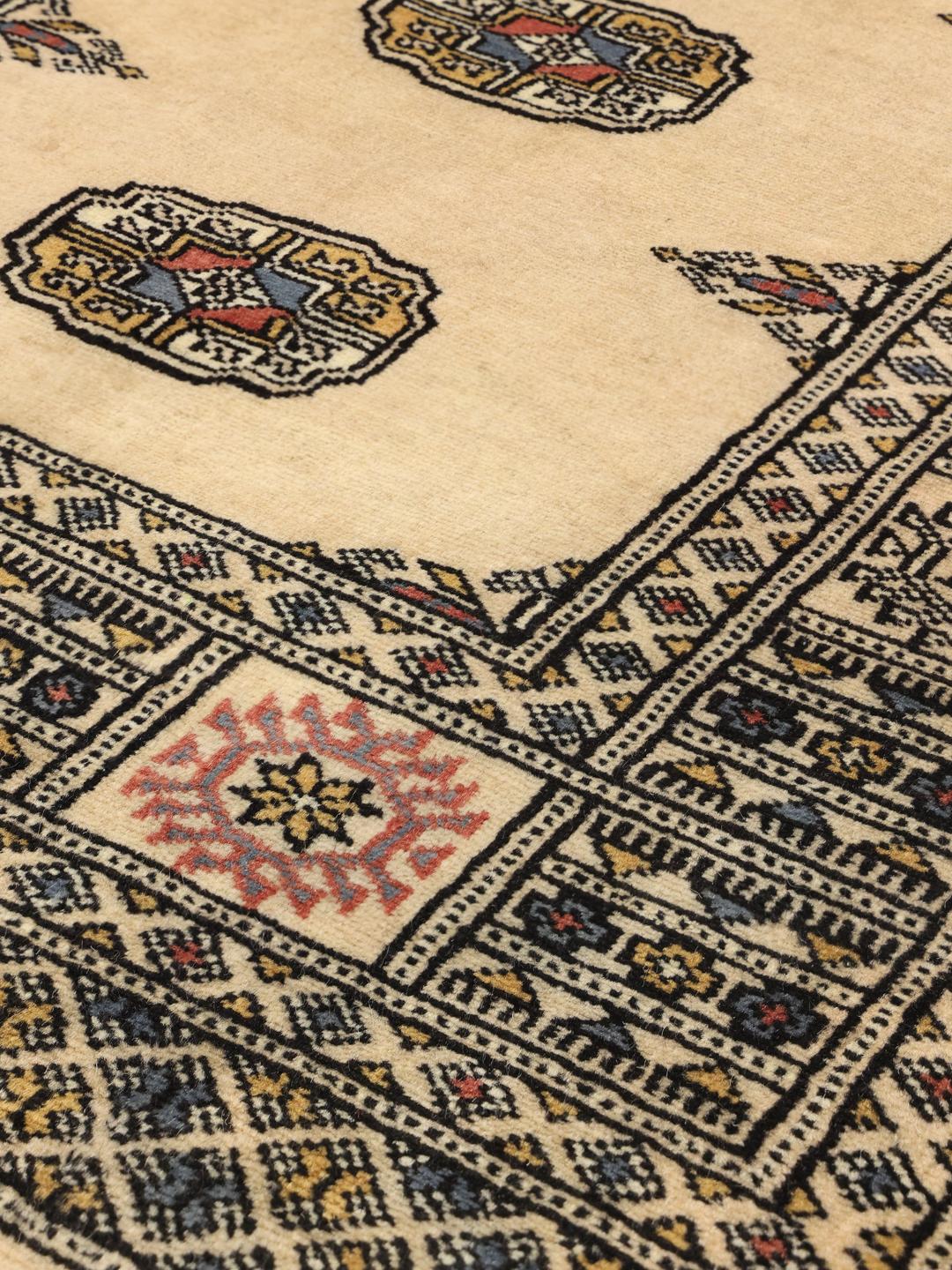
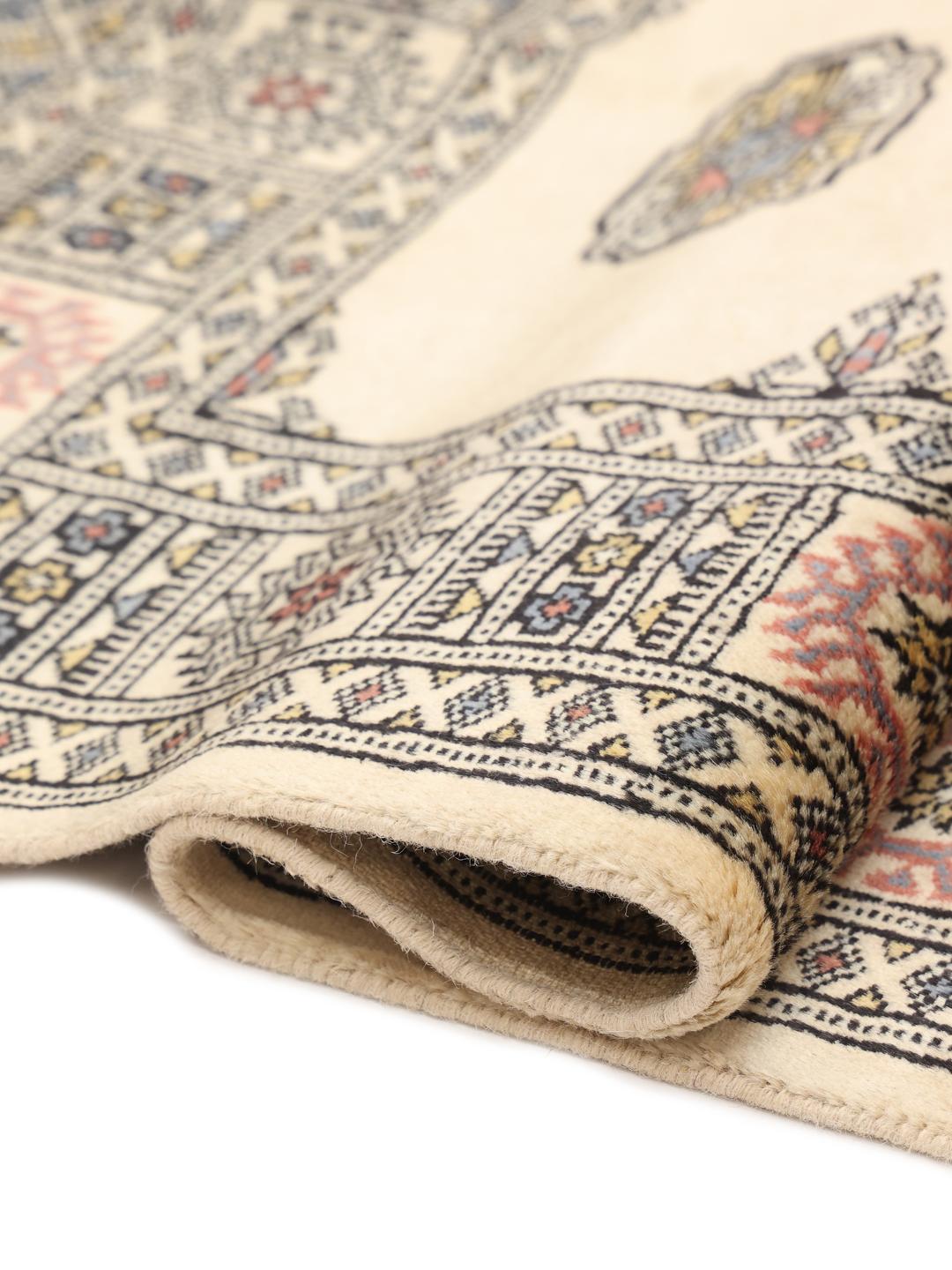
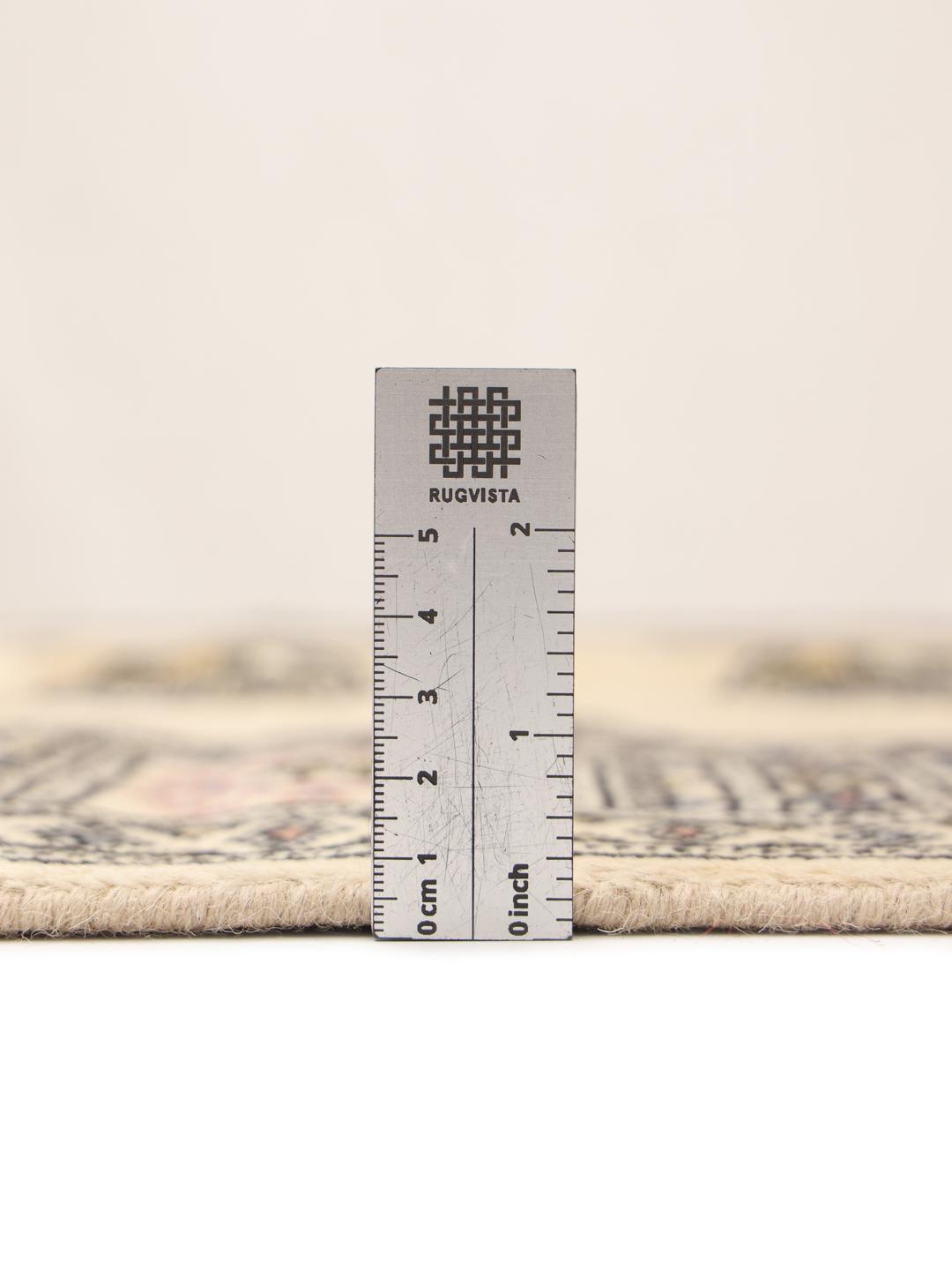
The '2ply' designation is a mark of quality and texture. It means the wool pile is spun from two strands twisted together before being knotted. This specific technique creates a thicker, more lustrous, and remarkably durable yarn. For the owner, this translates into a rug that not only feels exceptionally plush but also stands up better to regular use than those made with single-ply yarn.
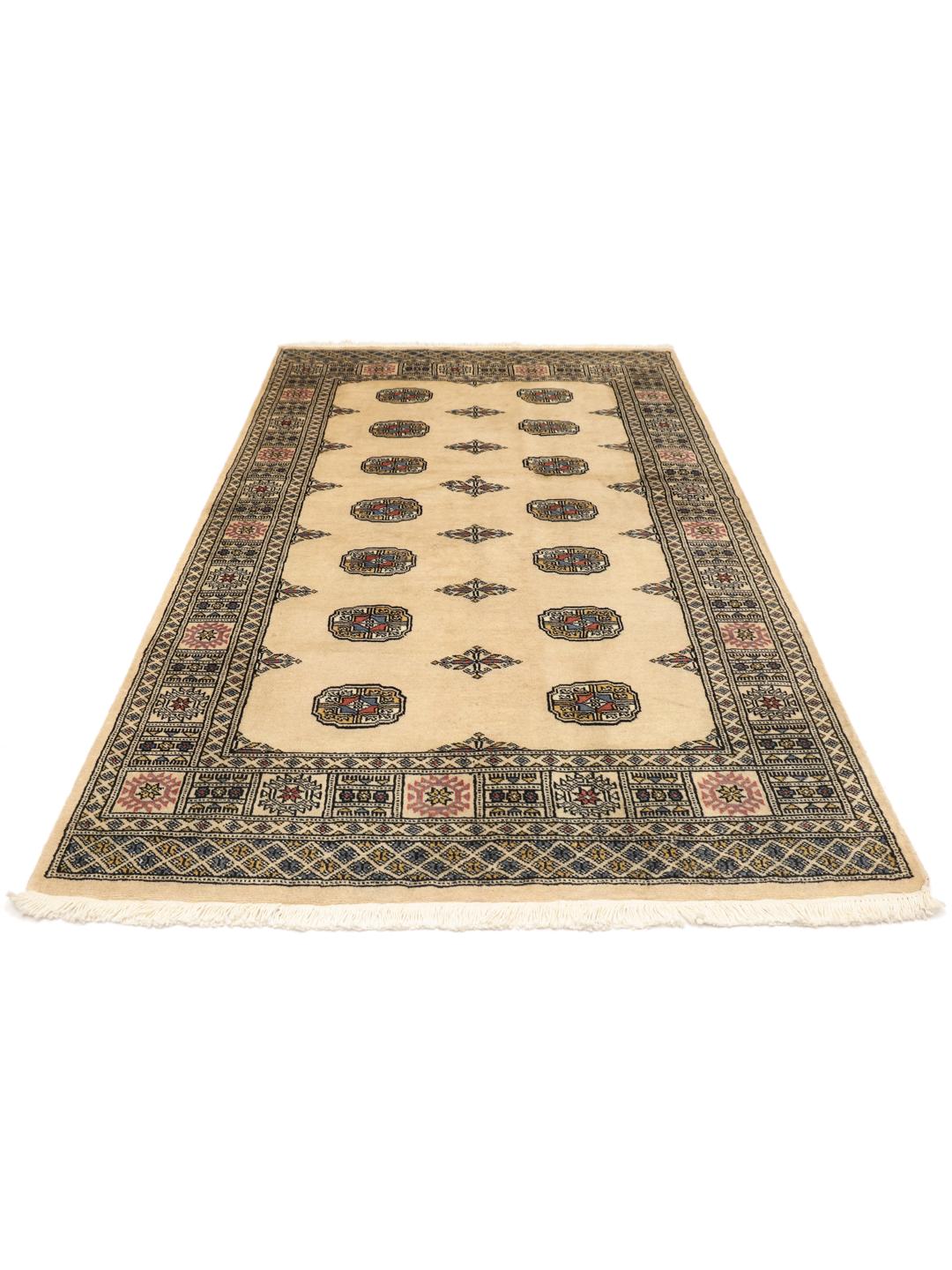
Signature design elements of the Bokhara style include a field filled with repeating 'gul' motifs, which are often octagonal or elephant-foot shaped medallions arranged in precise rows. These are framed by intricate, formal borders that mirror the geometric discipline of the centre. The colour palettes are traditionally warm and grounded, designed to evoke a sense of heritage and calm.
Owning a hand-knotted rug from this tradition is an invitation to appreciate historical skill and cultural continuity. These rugs are highly valued by collectors because they represent a living craft that relies on human experience rather than automation. When you place this rug in your home, you are continuing a long tradition of artistry that prizes both beauty and long-term utility.