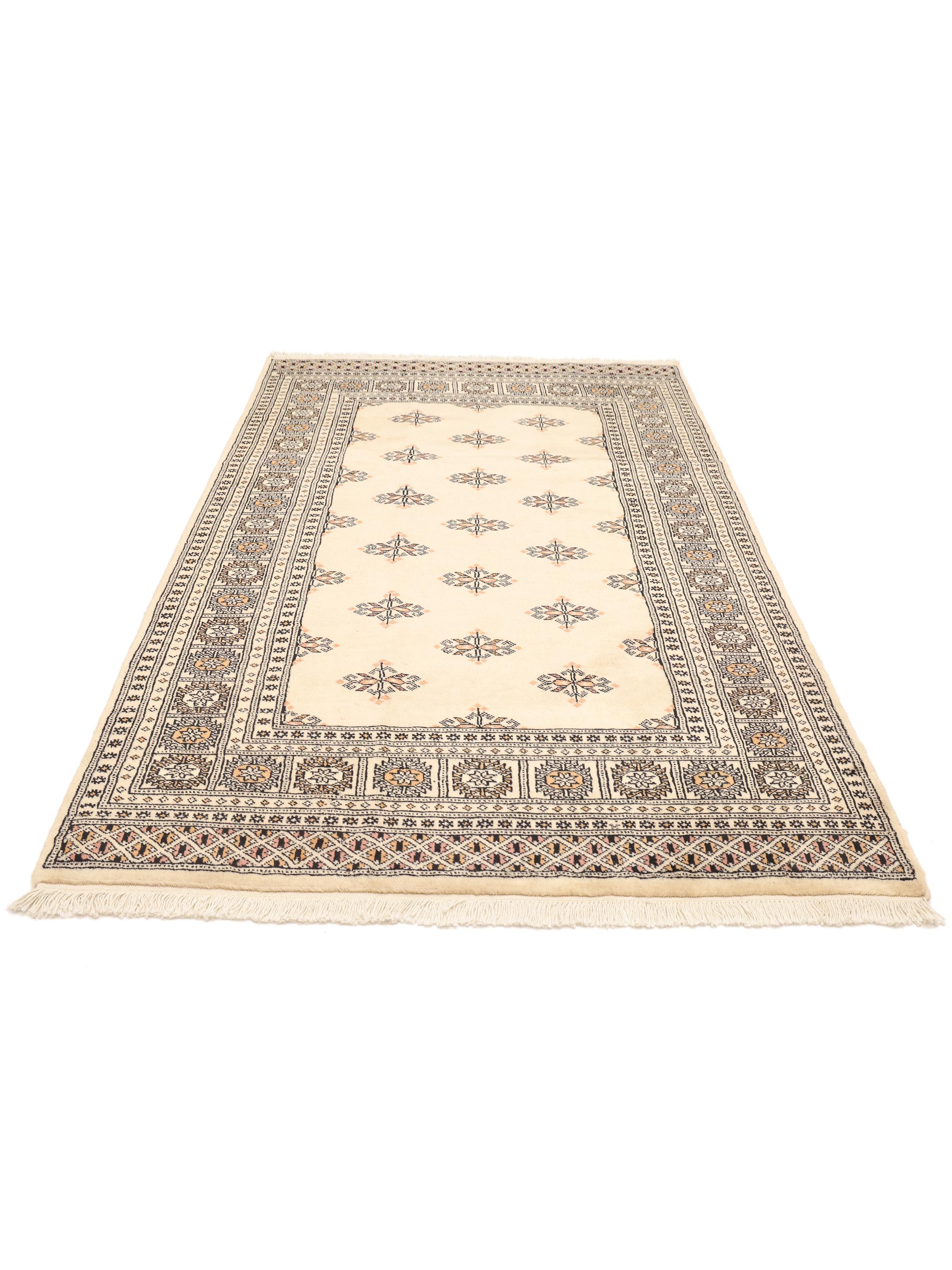
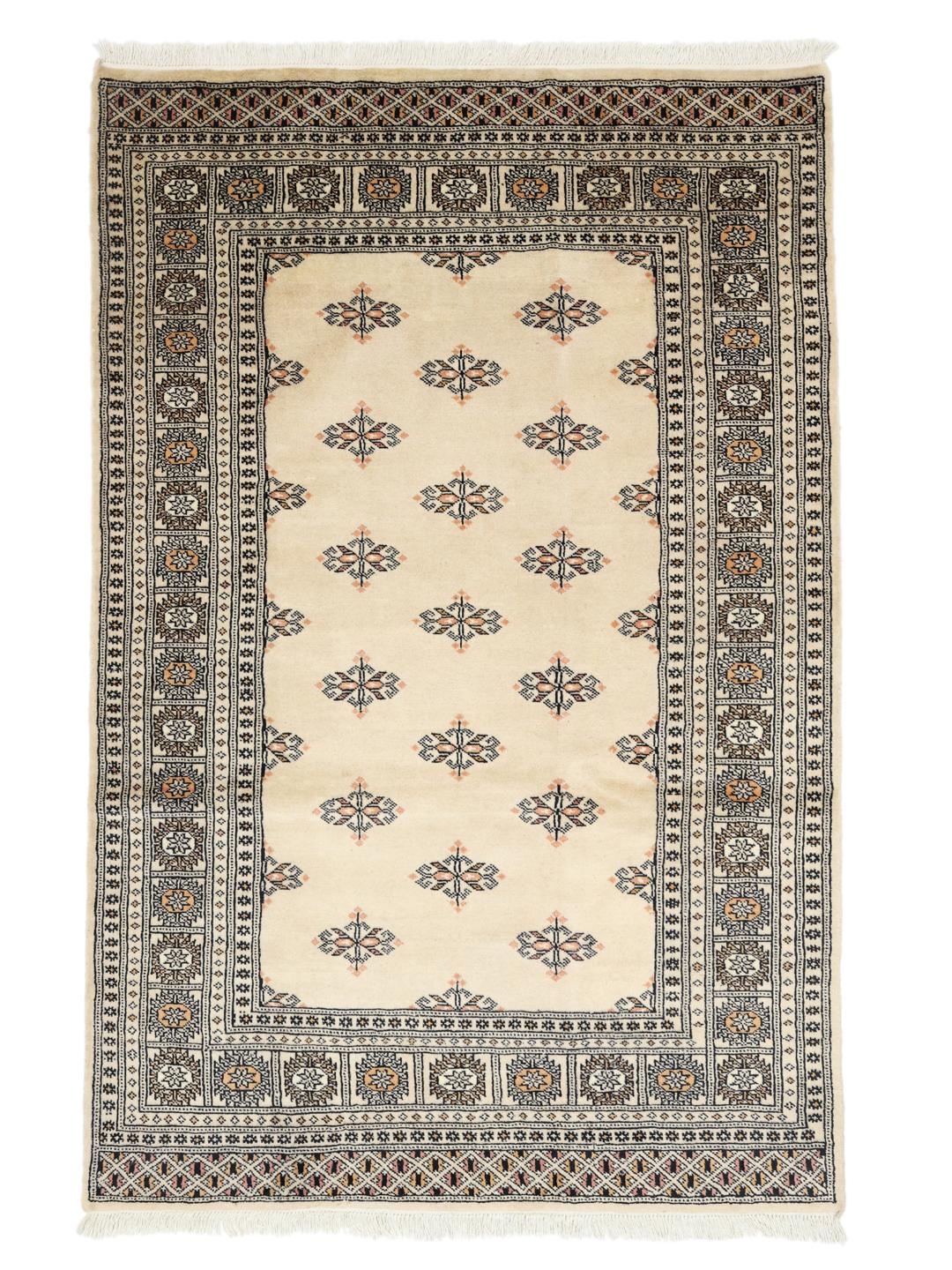
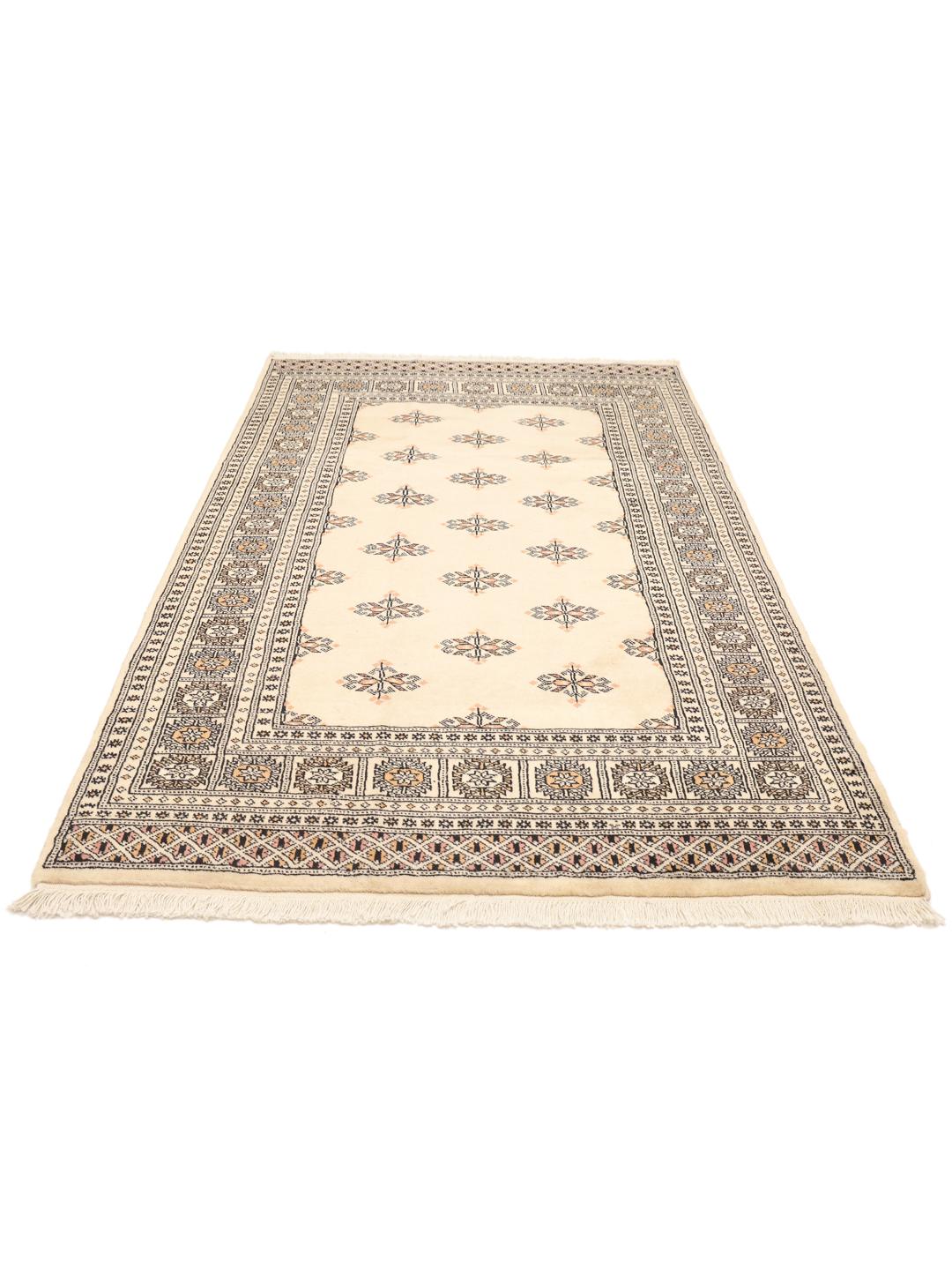
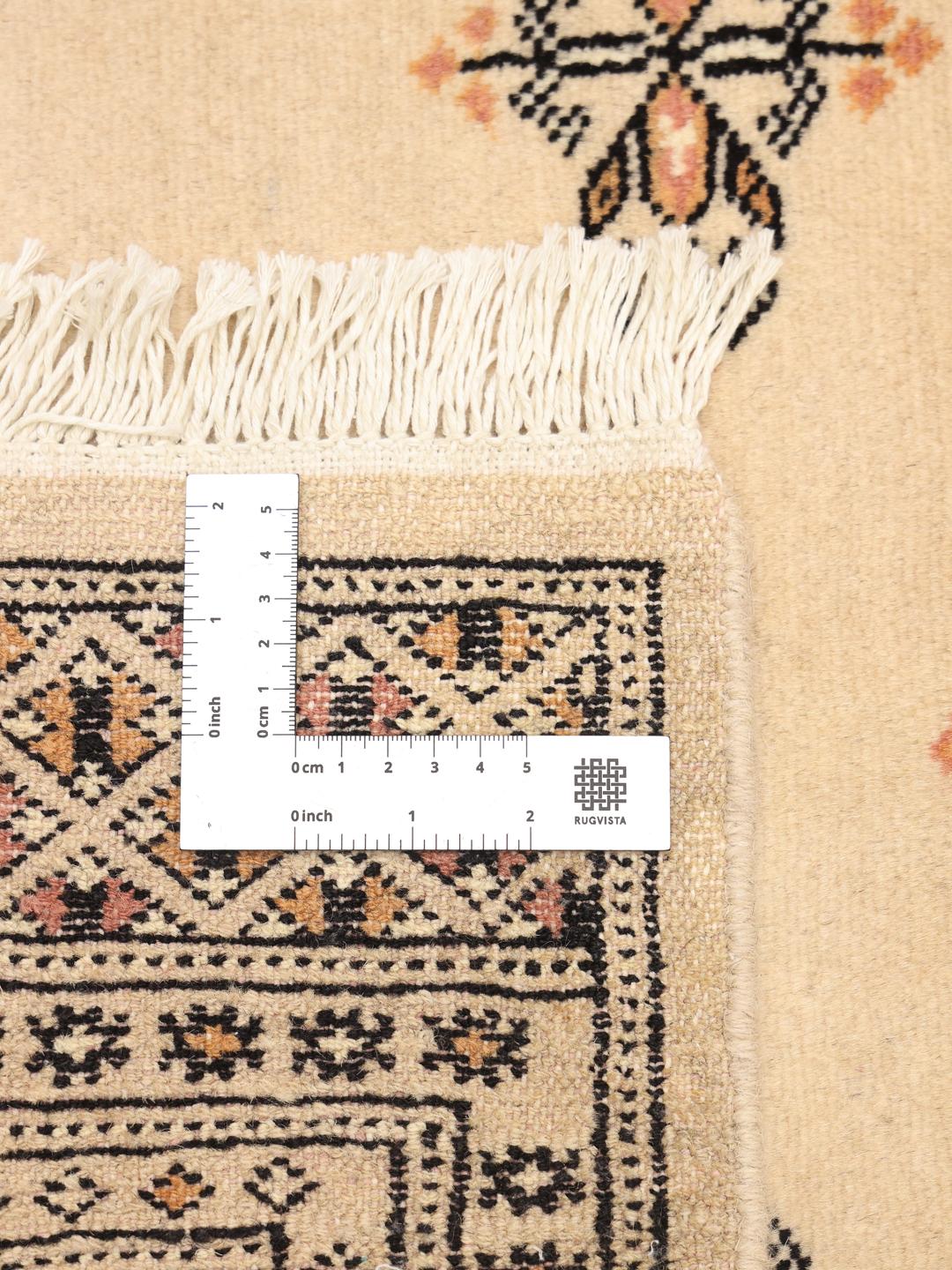
Bokhara rugs are deeply rooted in the historical tapestry of the ancient Silk Road. While the name itself pays homage to the legendary city of Bukhara, the most refined examples today are produced in Pakistan. This evolution reflects the migration of weaving skills across Central Asia, where generations of artisans have perfected the art of the Bokhara style to suit modern tastes while respecting ancient traditions.
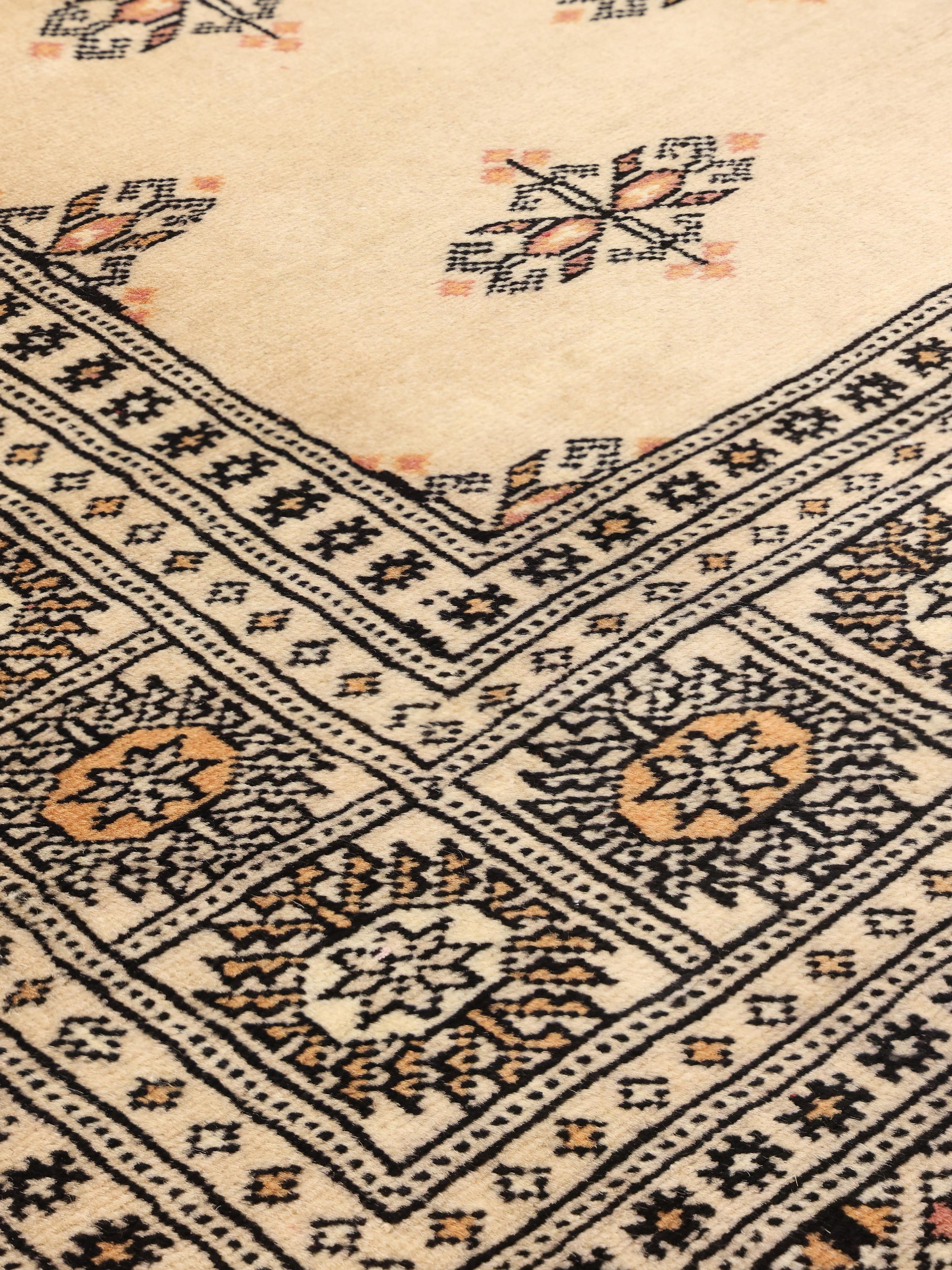
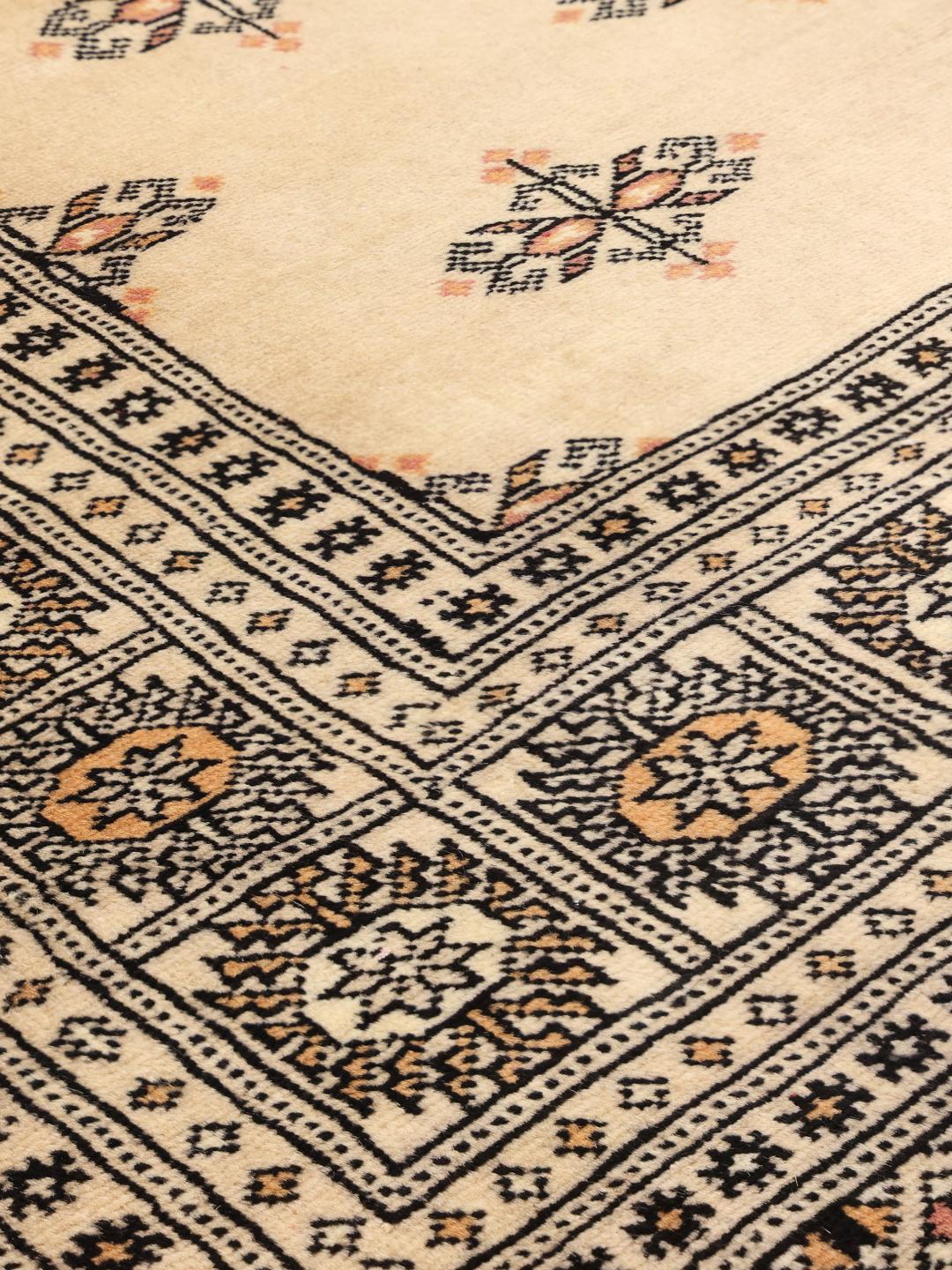
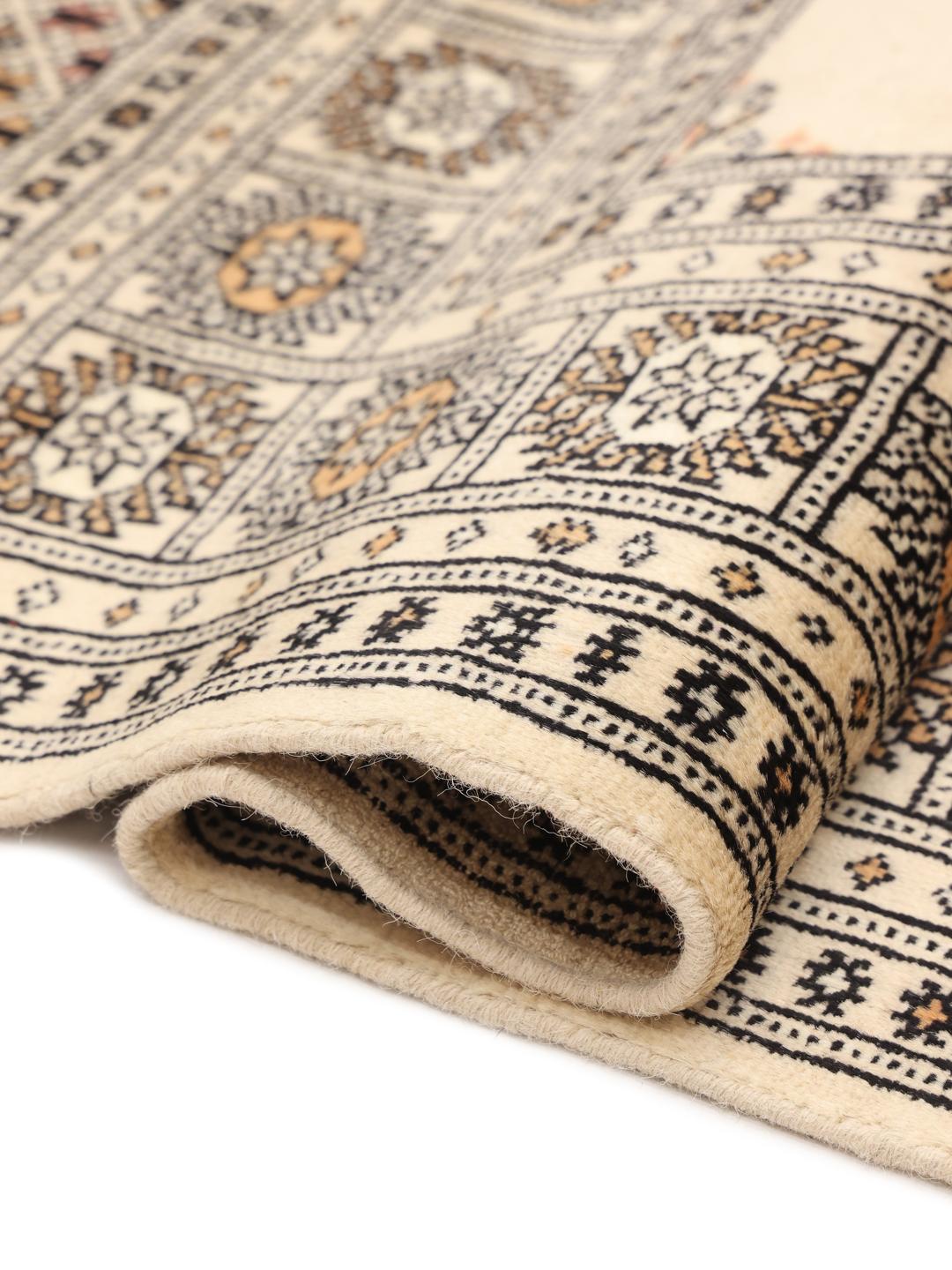
The 2ply construction is a hallmark of quality in this tradition, referring to the use of two strands of wool twisted together to form the pile. This technique is significant because it results in a thicker, more lustrous, and exceptionally durable surface. It creates a pile that feels substantial and rich, offering a level of longevity that single-ply alternatives simply cannot match.
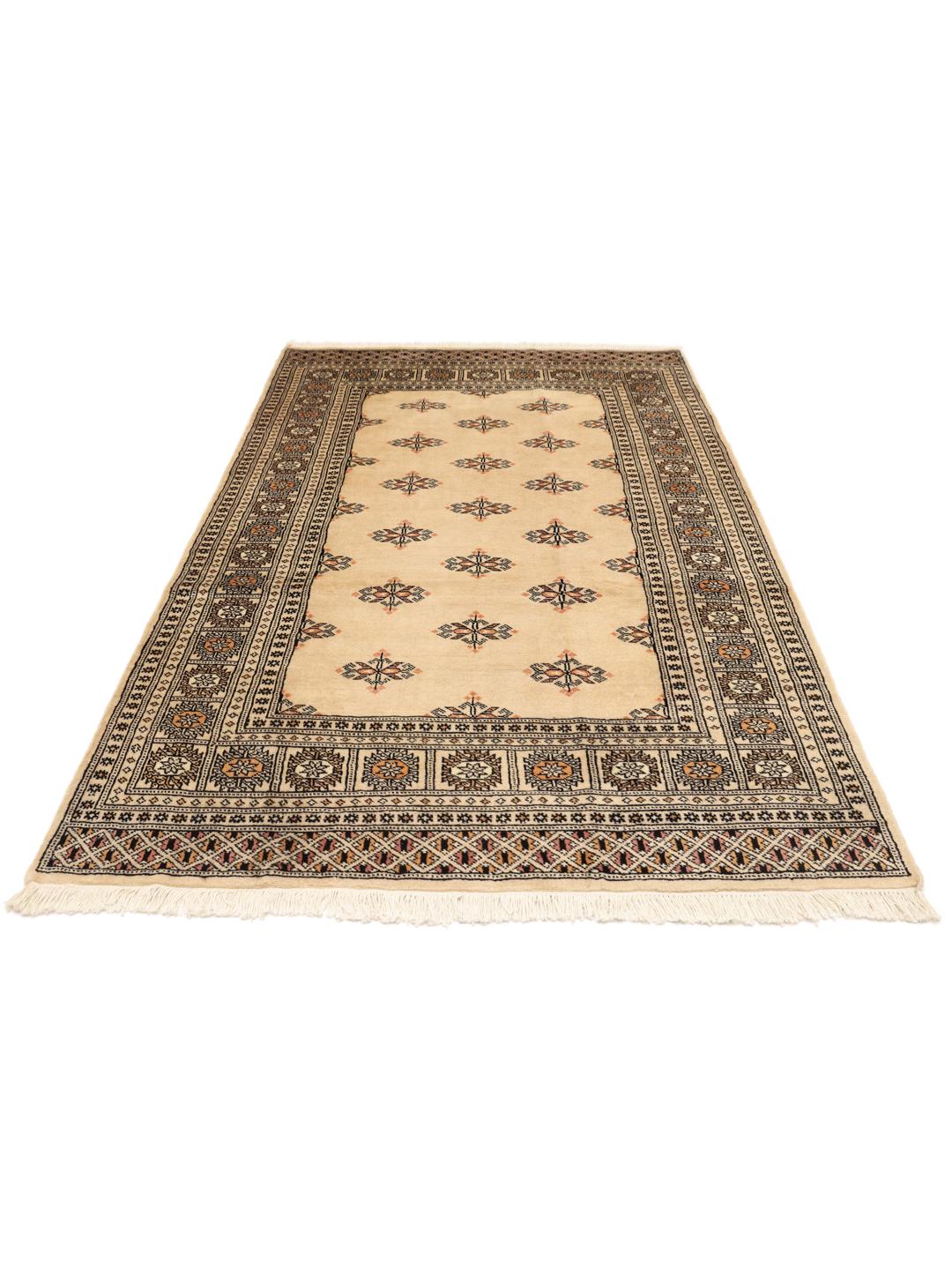
Visually, these rugs are defined by their iconic repeating gul motifs, which are often described as elephant-foot medallions. These are typically arranged in clean, symmetrical rows across the field, framed by elaborate, formal borders. The balance of these geometric shapes creates a sense of order and harmony, making them a staple for those who appreciate traditional, structured design.
Collecting a Pakistani Bokhara is an investment in heritage and skill. These rugs are highly valued for their ability to blend intricate, time-honoured patterns with a grounded, warm aesthetic. To own one is to participate in a centuries-old tradition, bringing a piece of cultural history and genuine craft into your home that will be appreciated for years to come.