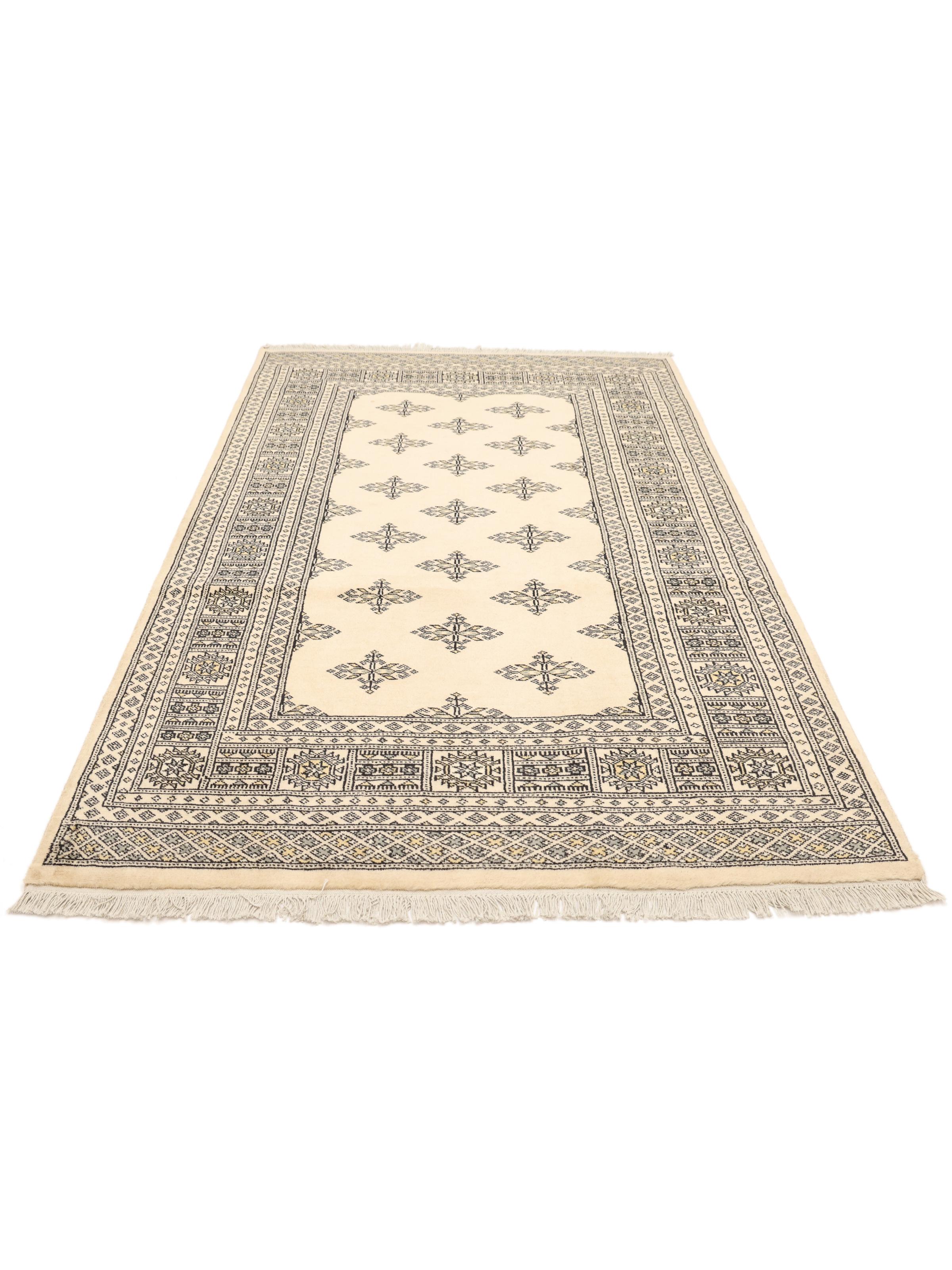
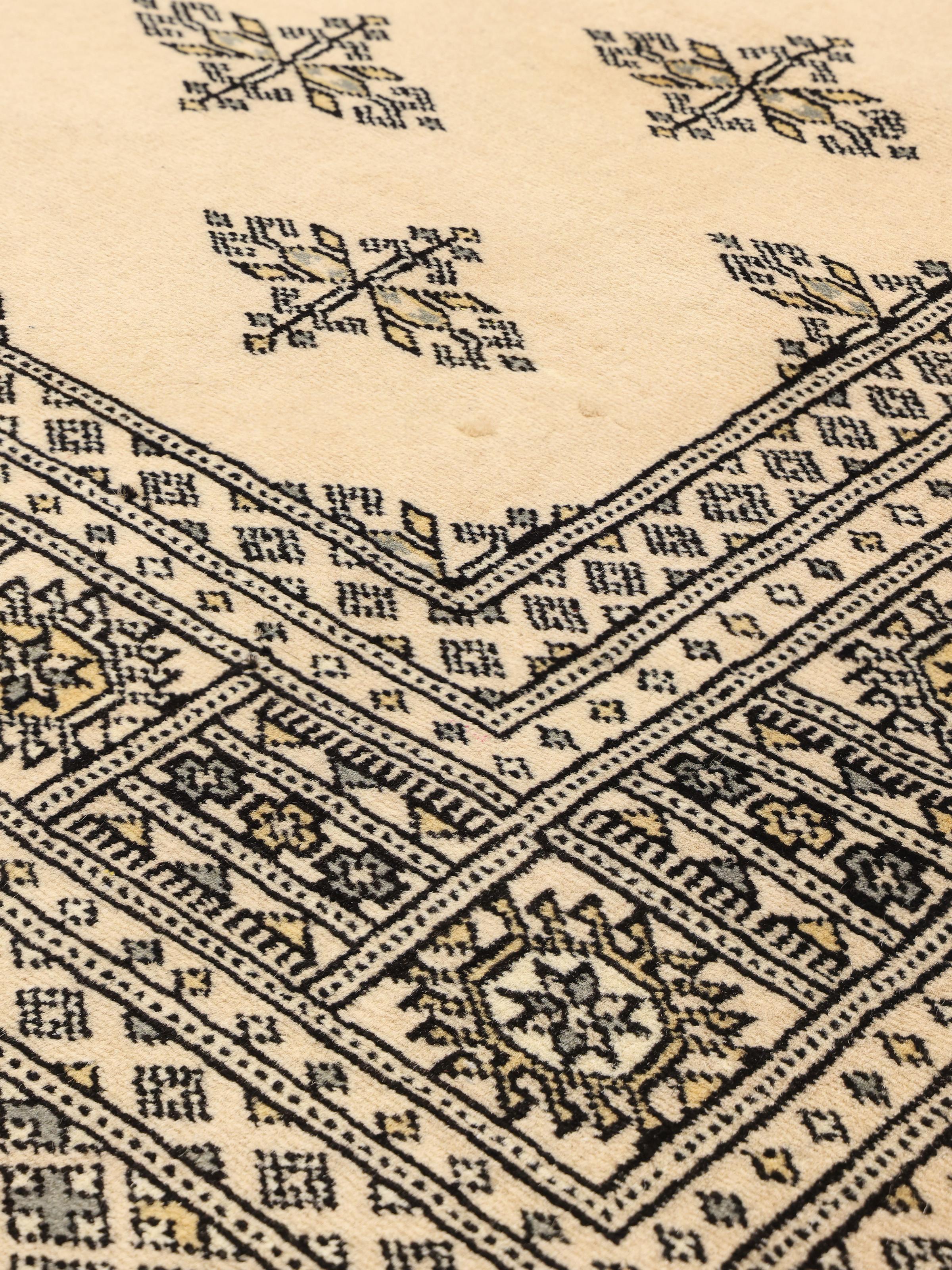
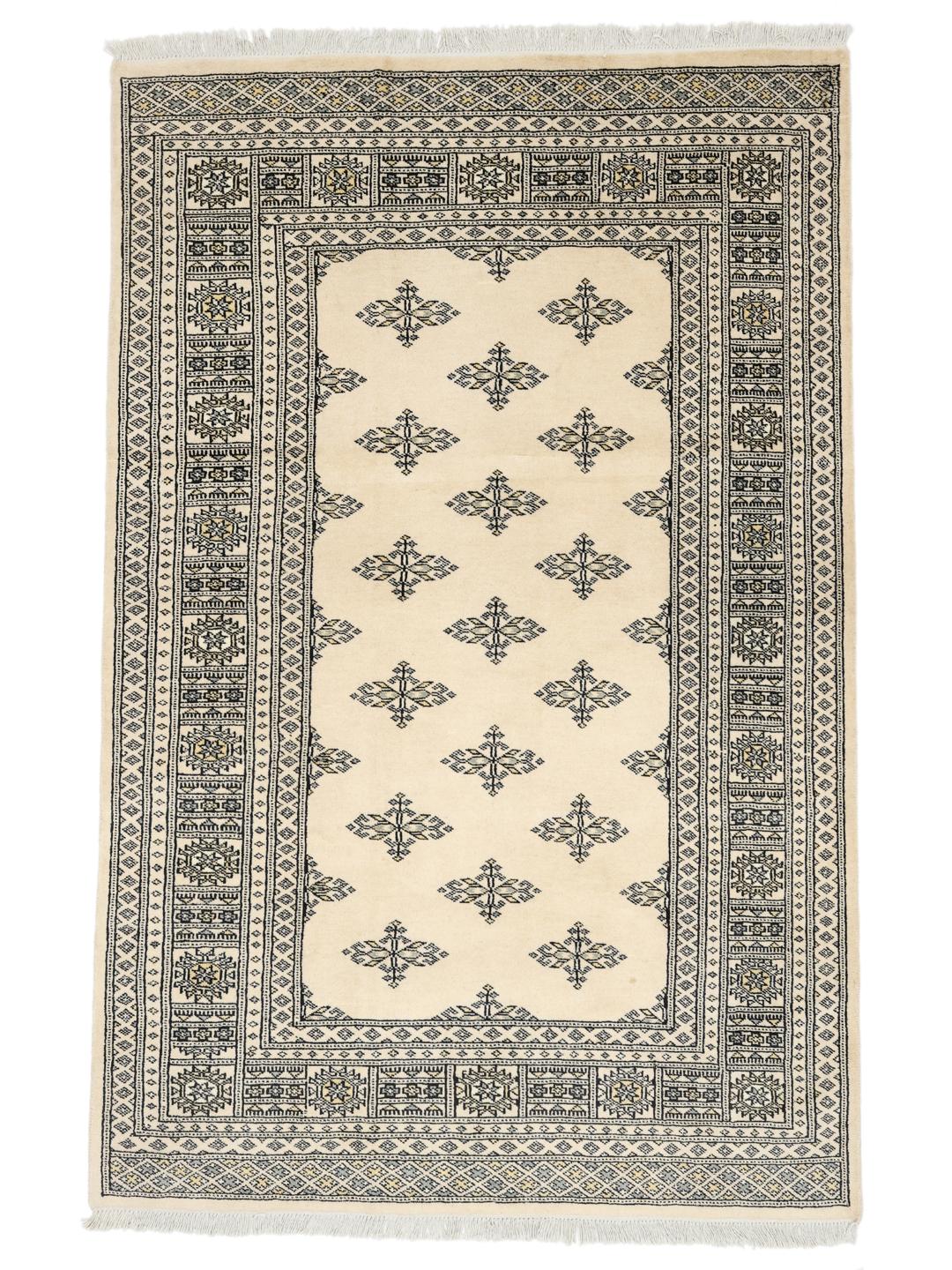
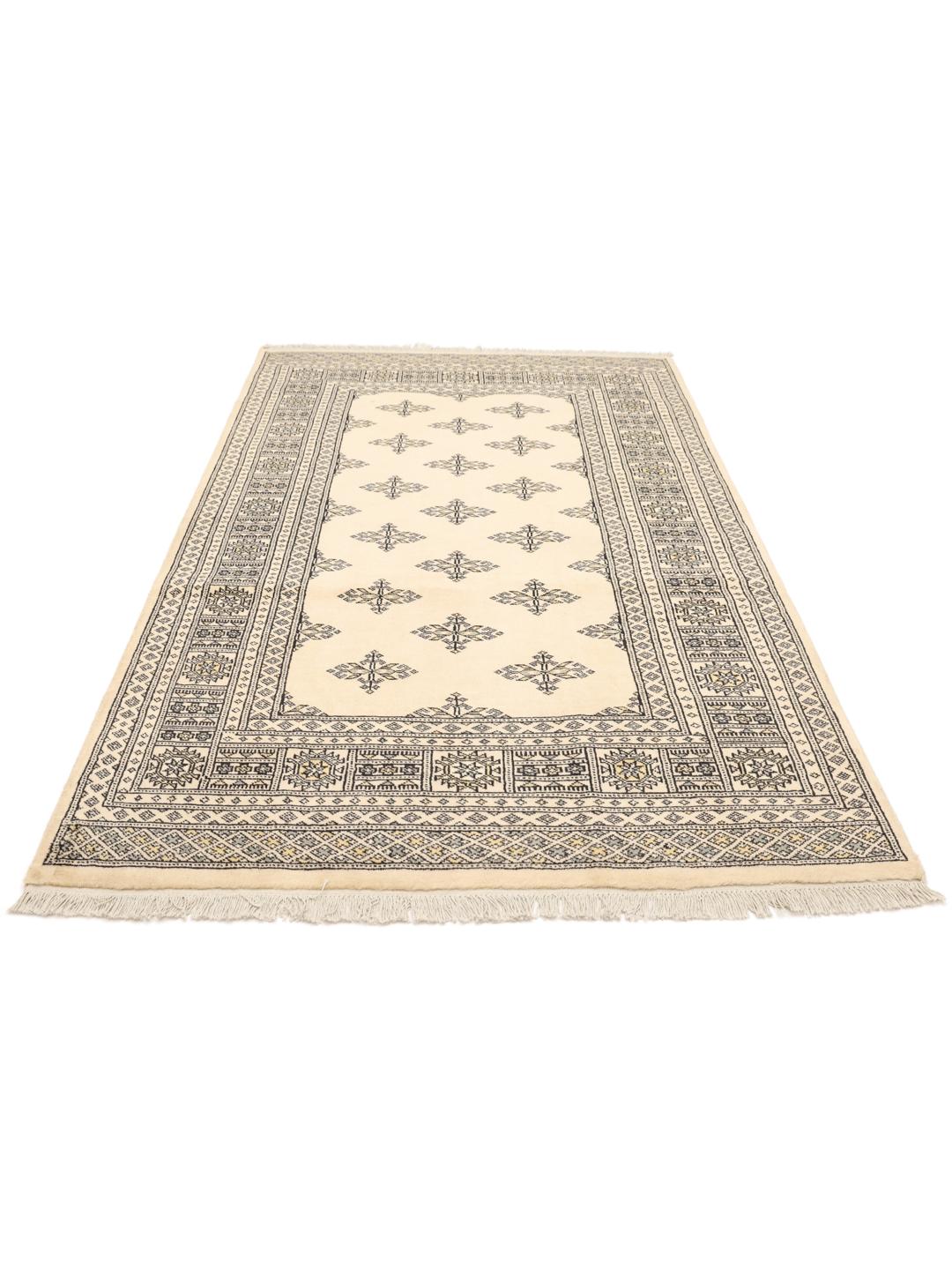
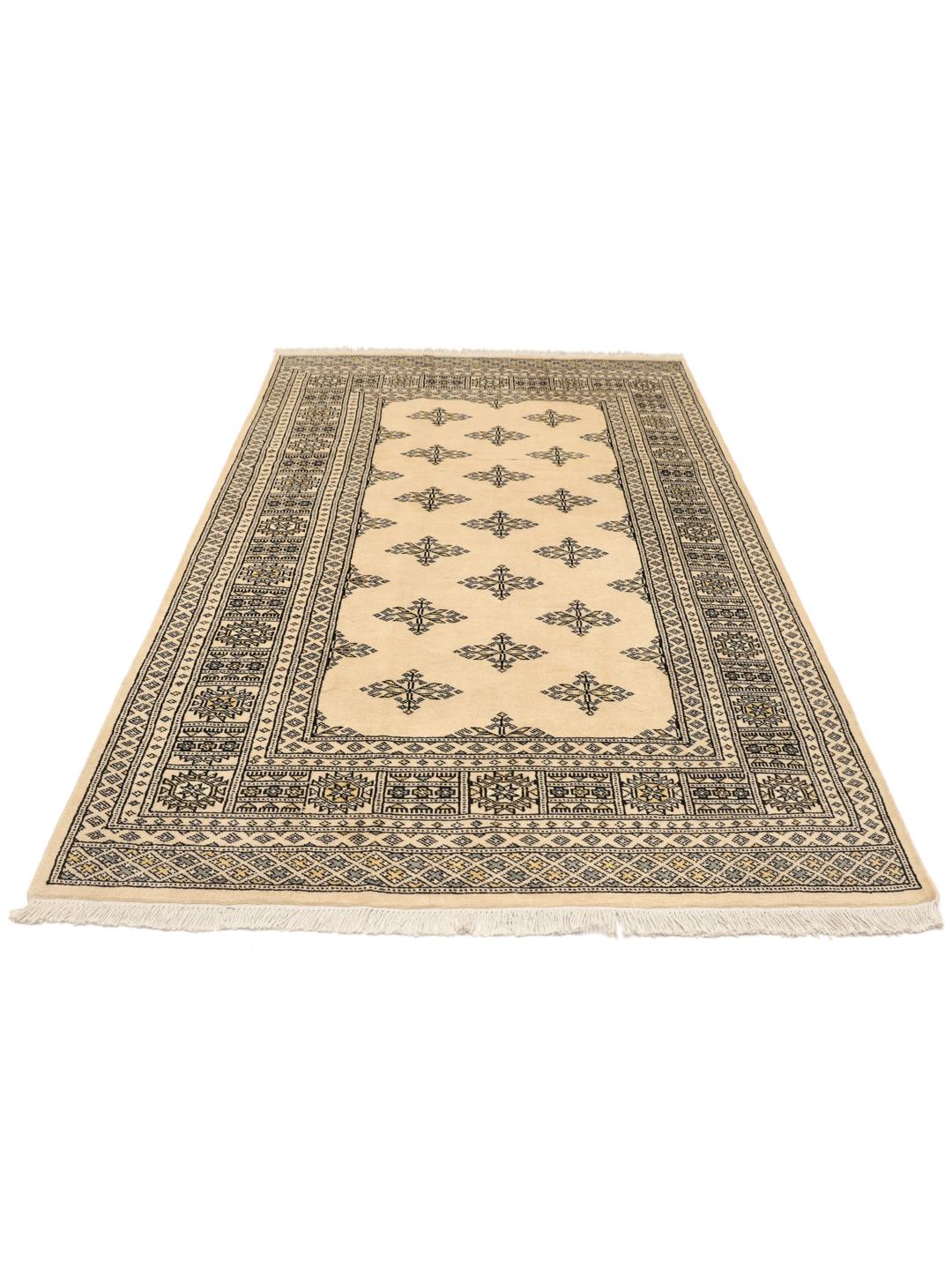
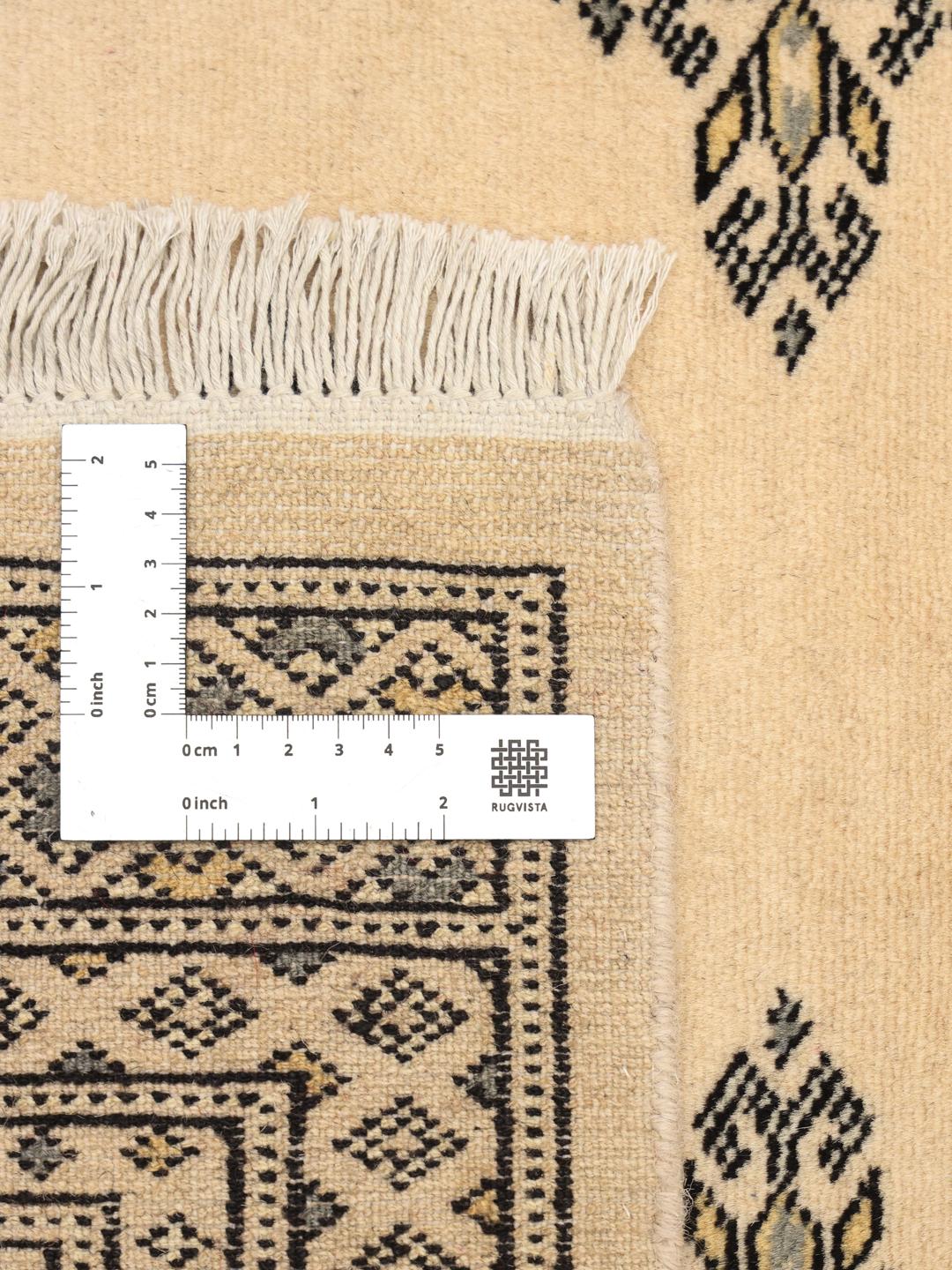
The Bokhara rug tradition is deeply rooted in the history of the Silk Road, taking its name from the ancient city of Bukhara. While these designs have their origins in the nomadic cultures of Central Asia, the finest examples today are woven in Pakistan. This evolution has allowed the tradition to flourish, blending ancient techniques with refined finishes that suit modern homes.
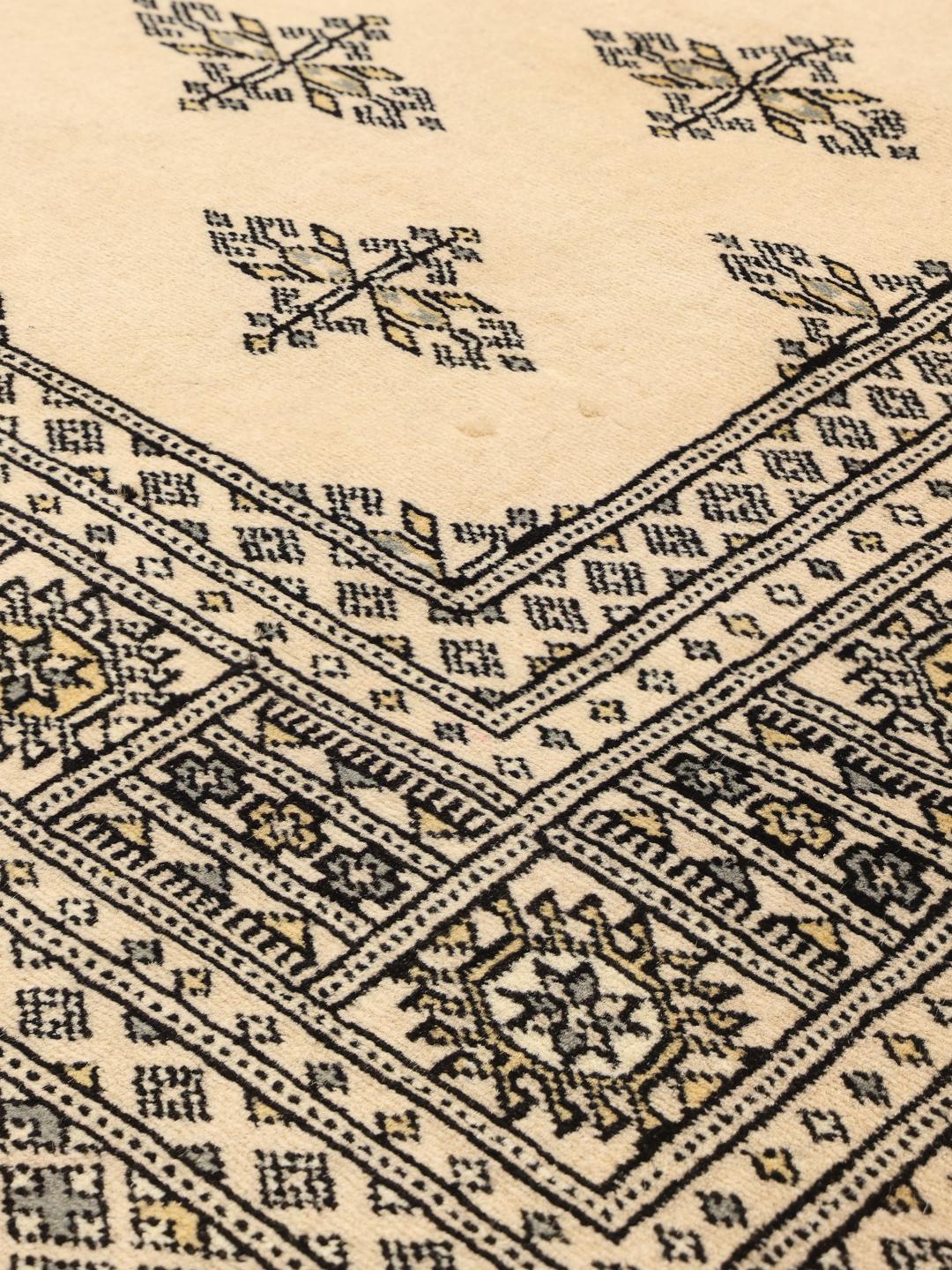
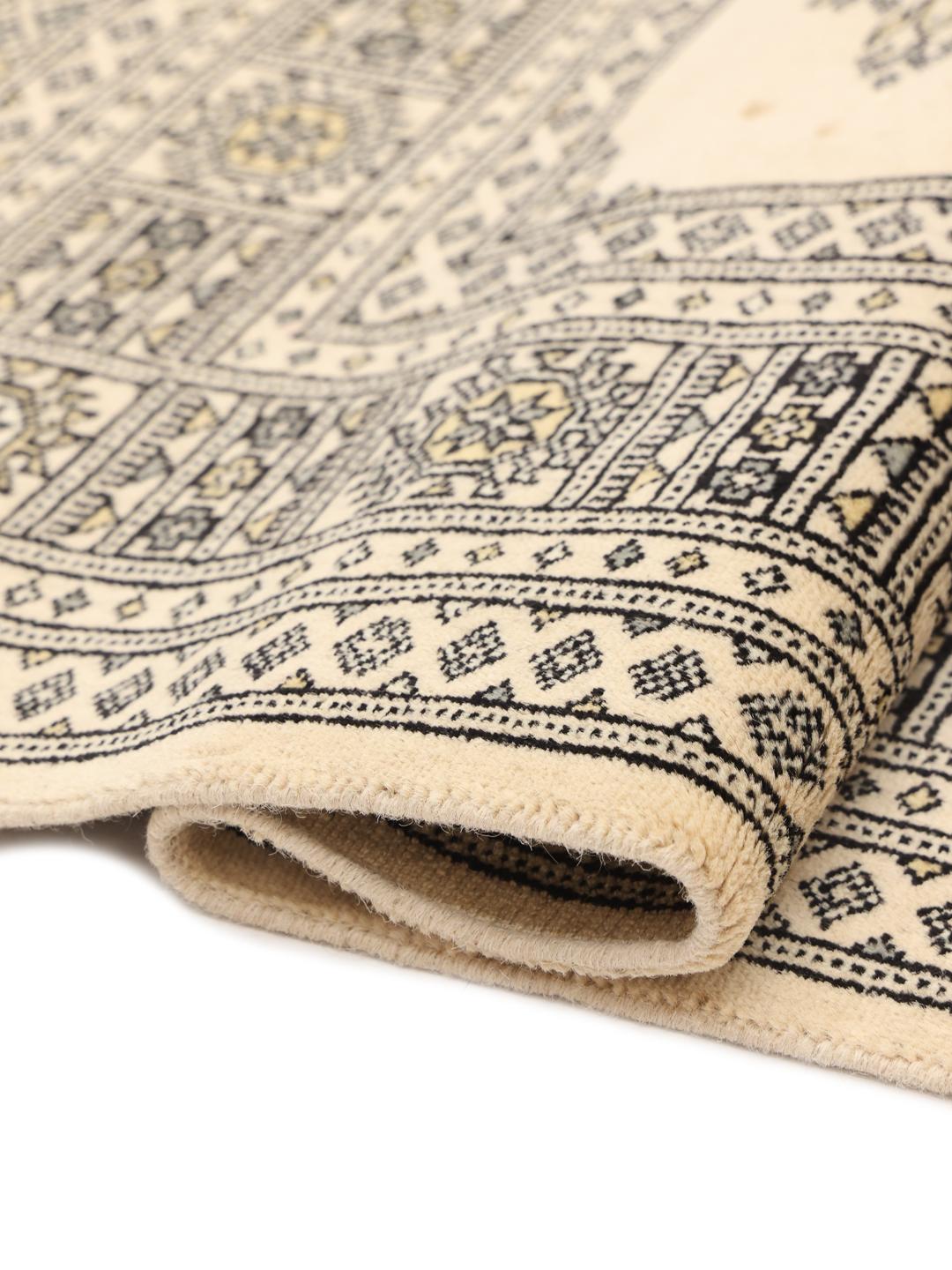
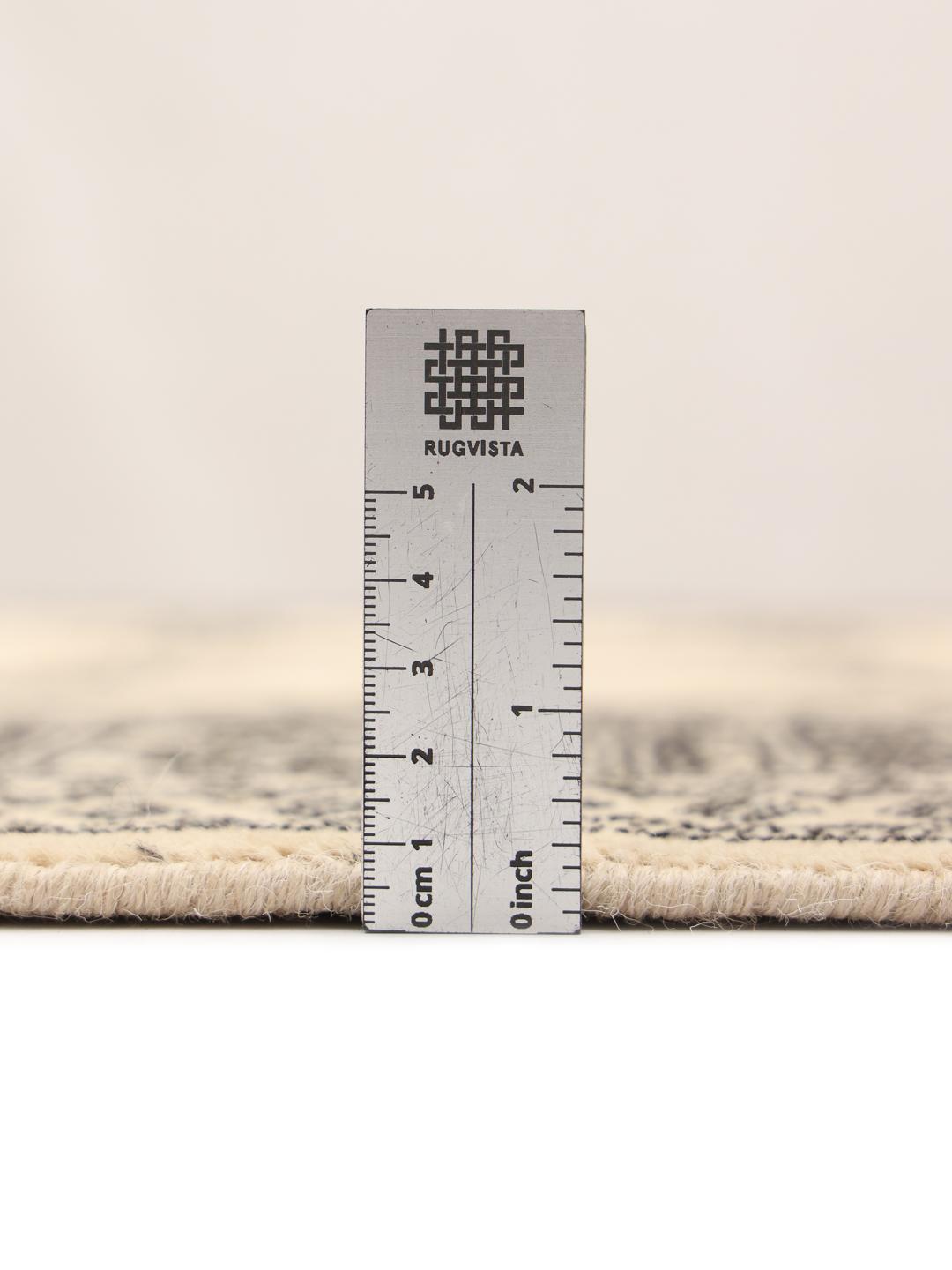
The '2ply' designation is a key indicator of quality, referring to the use of two strands of wool twisted together before being knotted into the rug. This technique is significant because it creates a more lustrous, dense, and resilient pile than single-ply construction. It allows the rug to withstand daily wear while maintaining a soft, luxurious texture that feels substantial underfoot.
Visually, these rugs are defined by the 'gul' motif, which are repeating, stylized medallions that resemble elephant footprints or octagons. These are traditionally arranged in rows across the field, often enclosed by multiple borders filled with geometric patterns. The balanced, harmonious arrangement is designed to draw the eye and provide a sense of visual stability to any interior.
Owning a hand-knotted Bokhara is more than just a decor choice; it is an investment in a living tradition. These rugs are highly valued by collectors for their consistency, skill, and the cultural narrative they carry from the hands of the weaver to your home. To possess one is to appreciate the enduring importance of slow, manual craft in an increasingly fast-paced world.