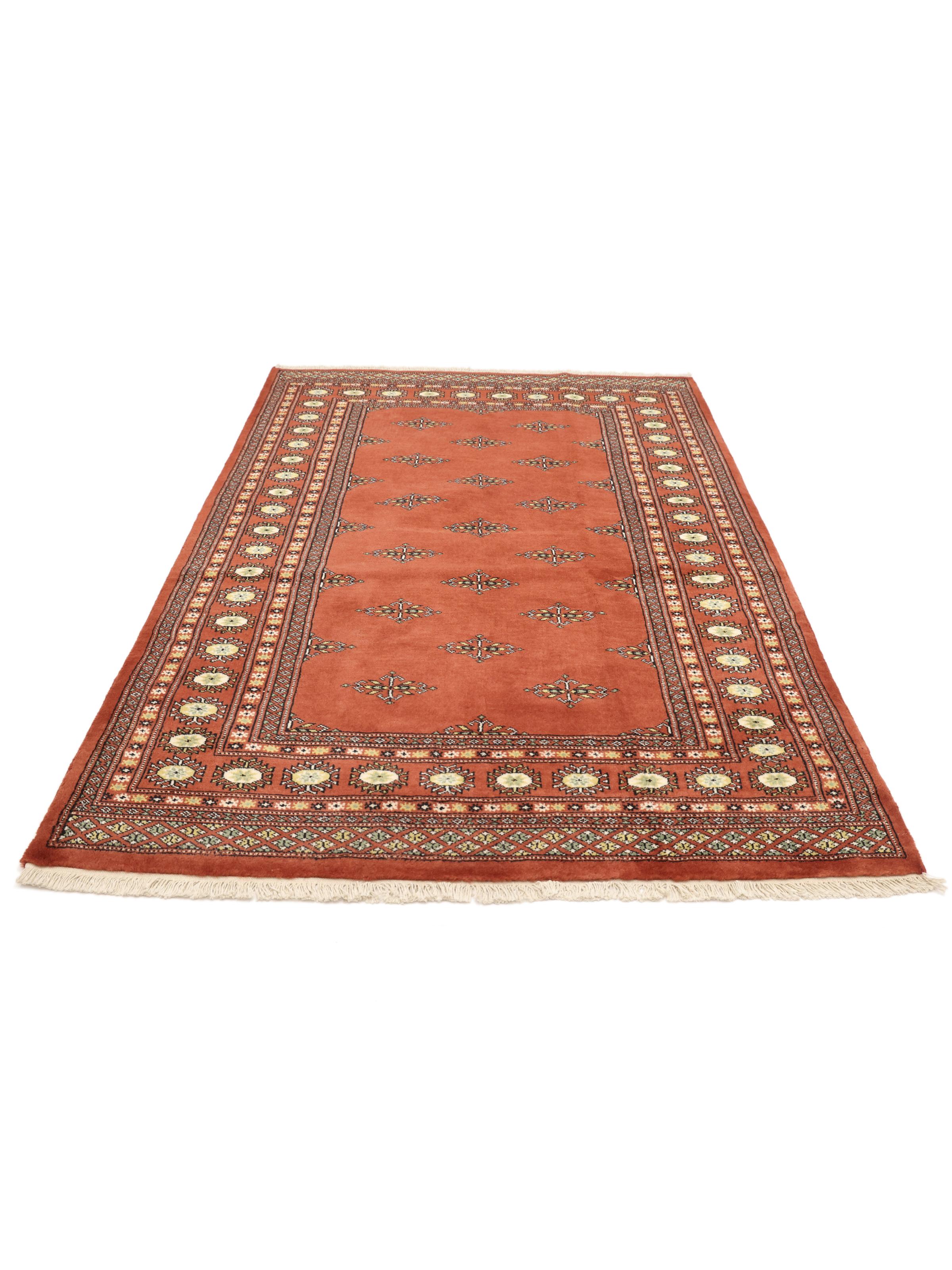
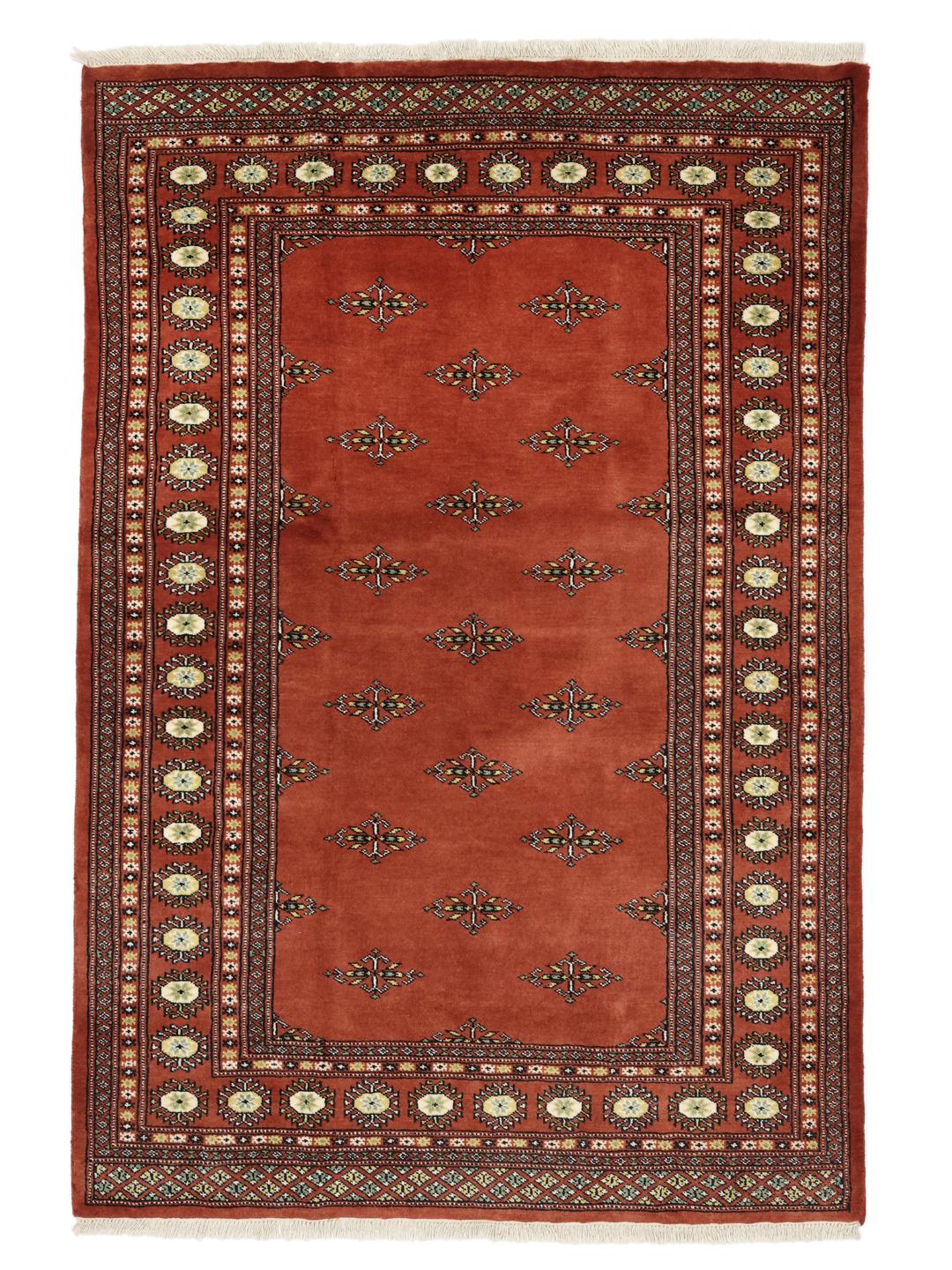
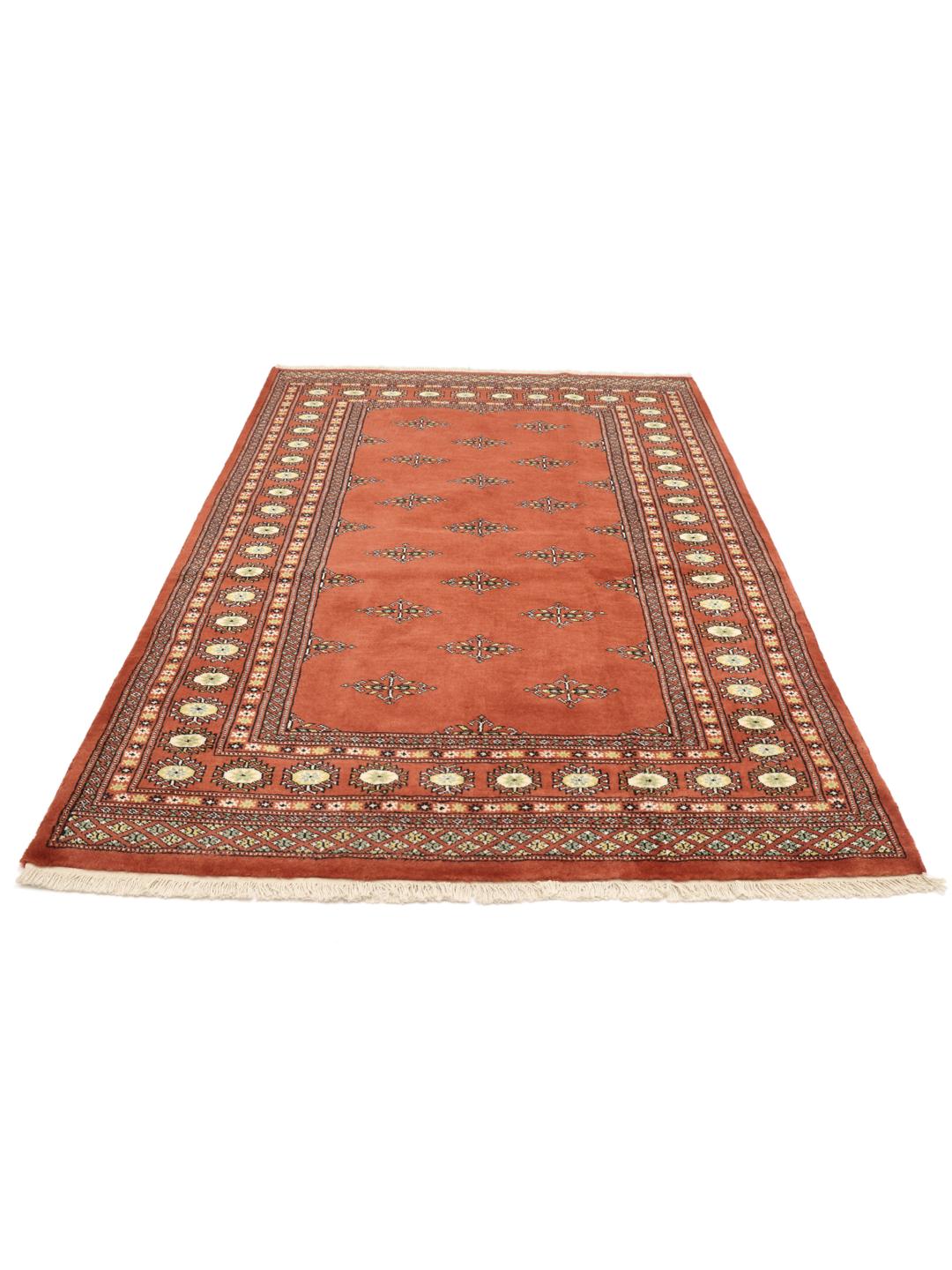
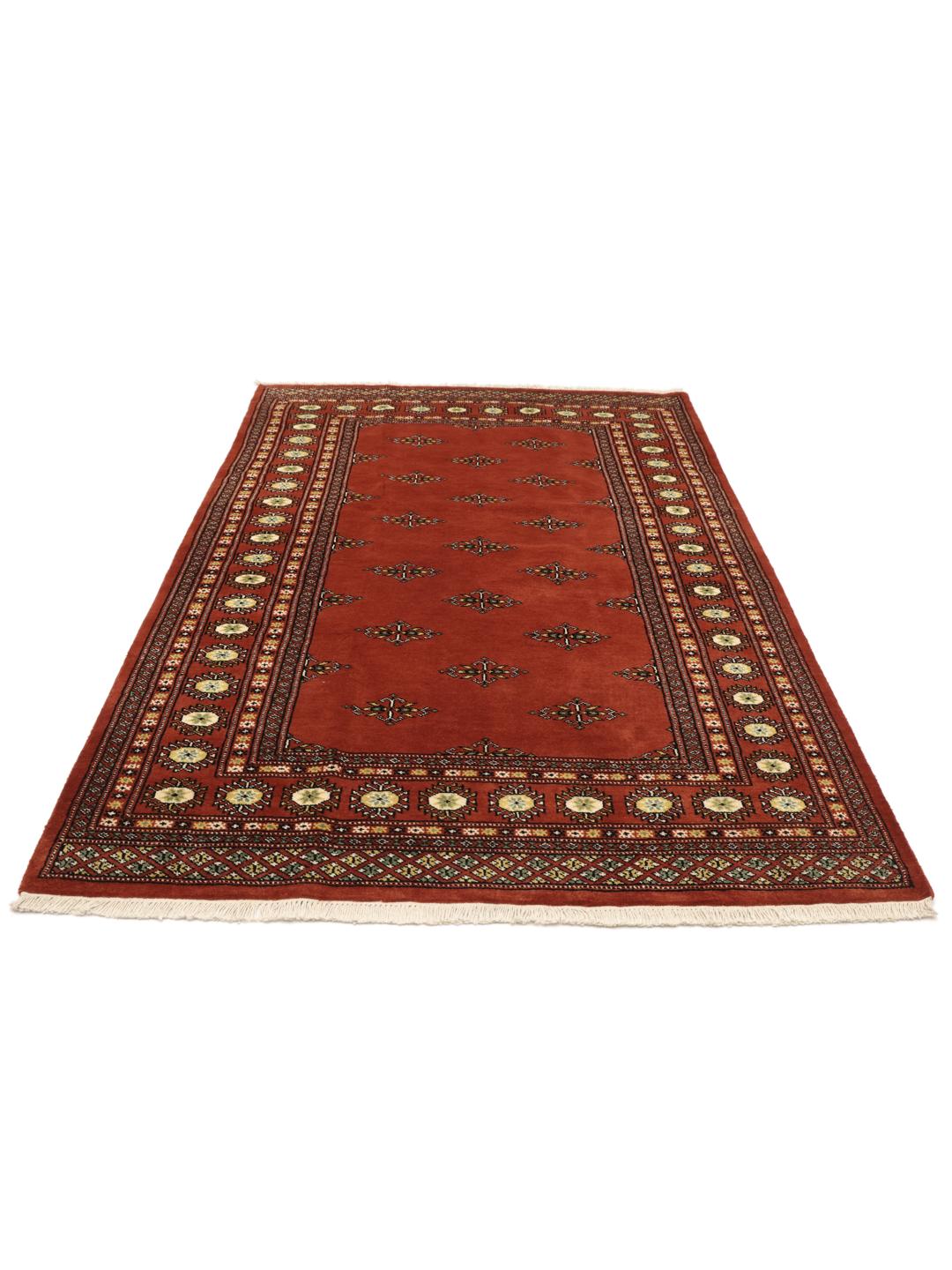
The Bokhara rug tradition is deeply rooted in the history of Central Asia, taking its name from the ancient Silk Road city of Bukhara. While these rugs were historically woven by nomadic tribes as functional, portable items, the craft eventually flourished in Pakistan, where artisans refined the techniques to create the sophisticated, high-pile rugs recognised today.
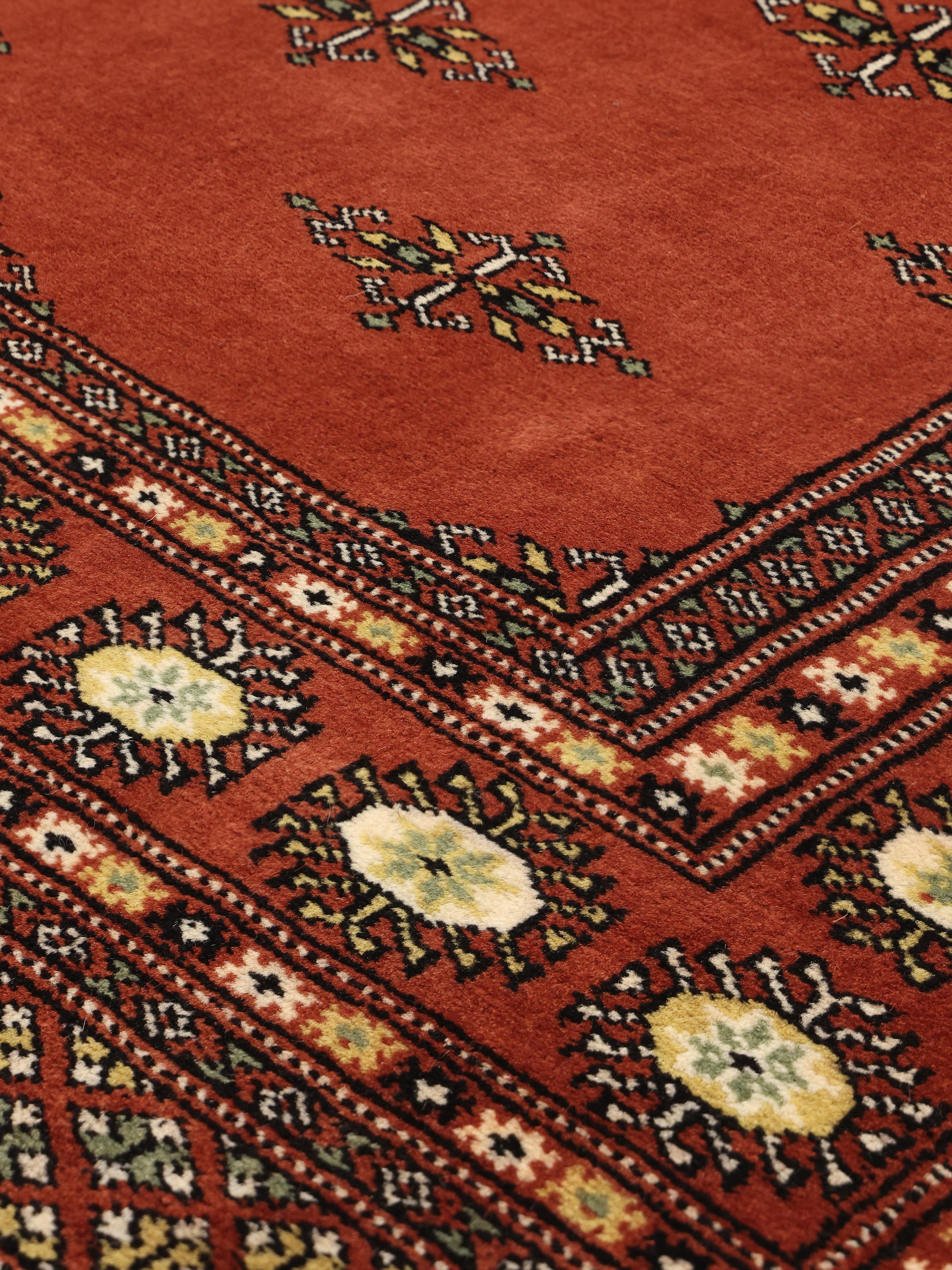
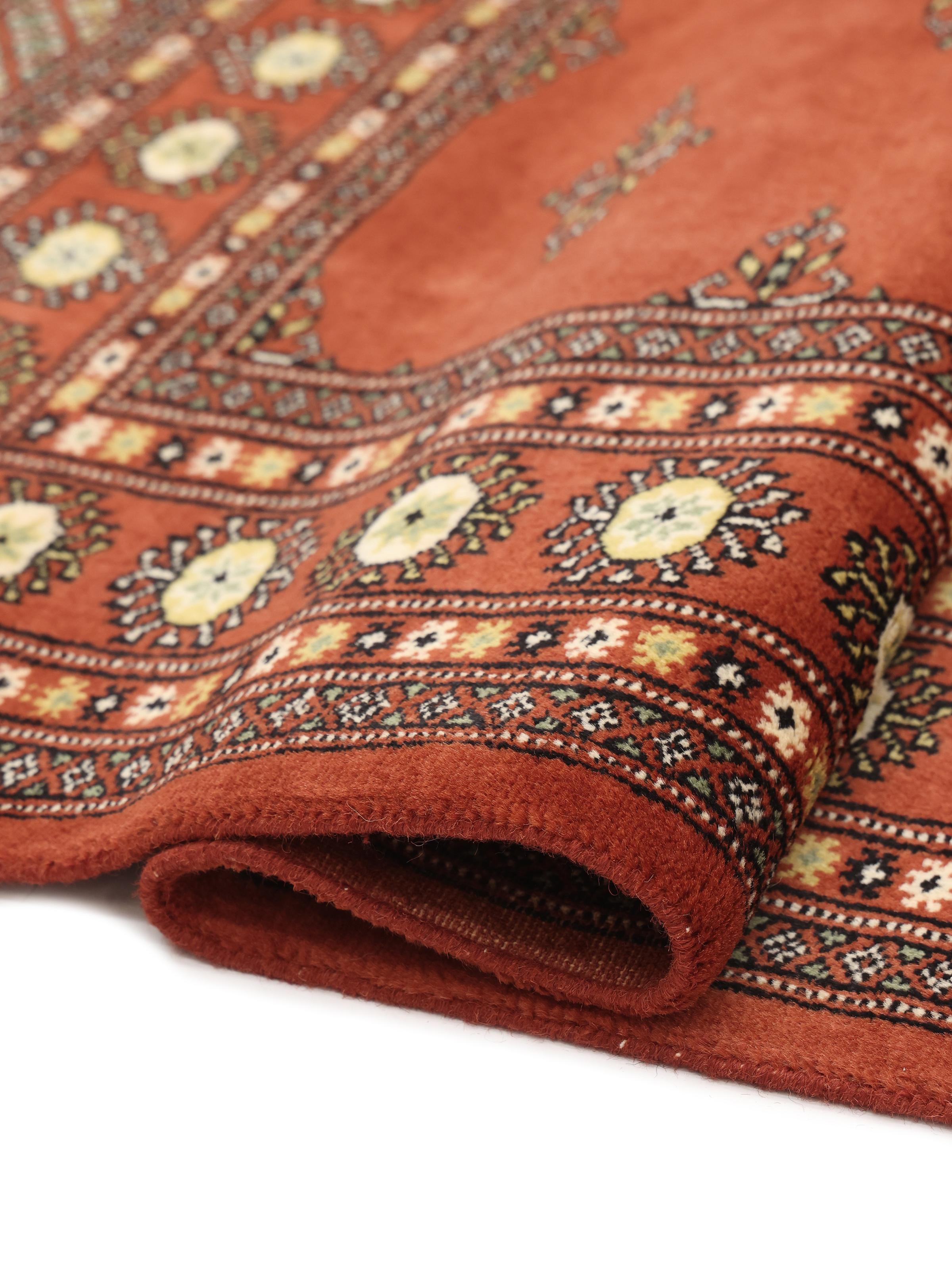
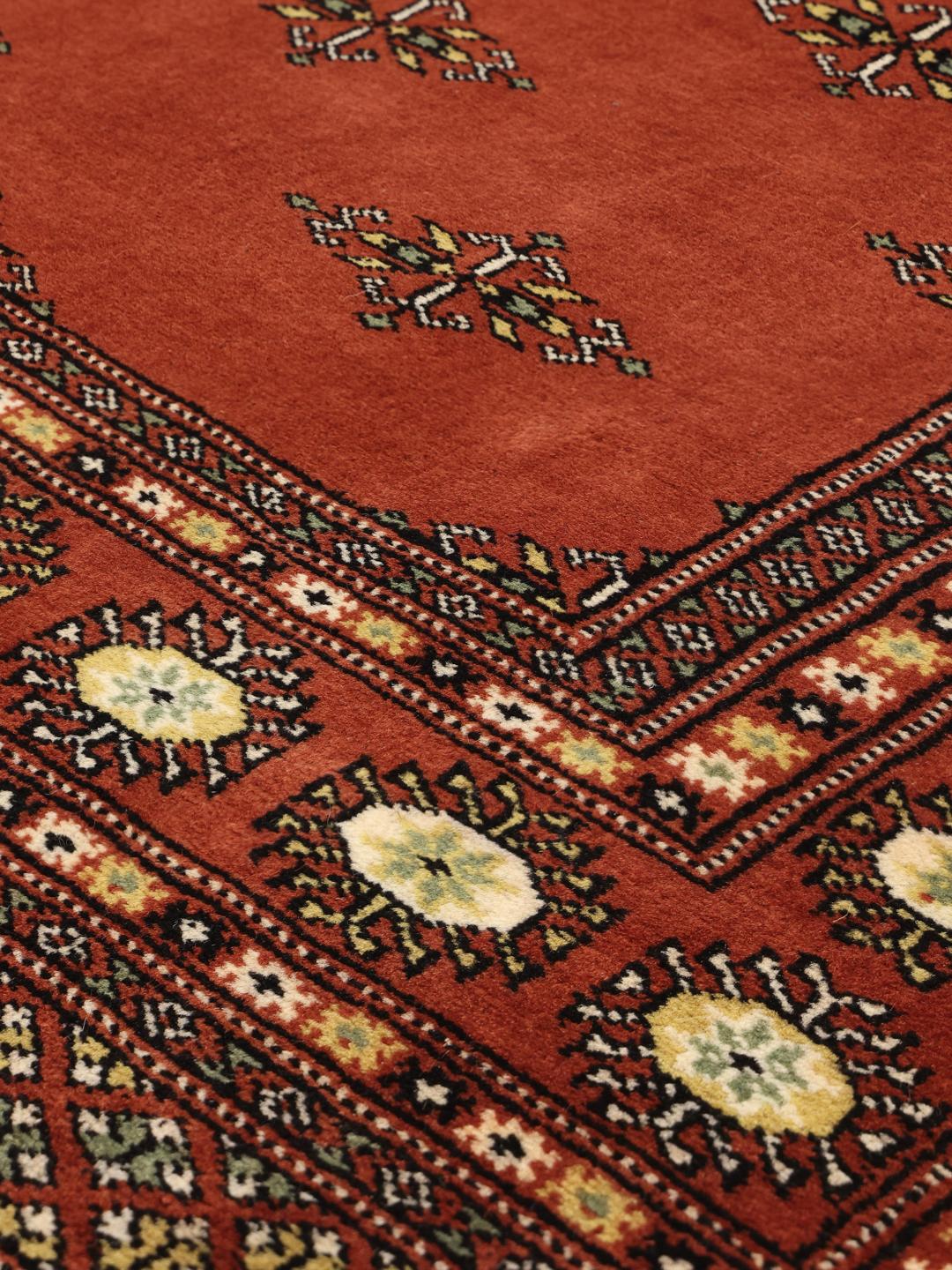
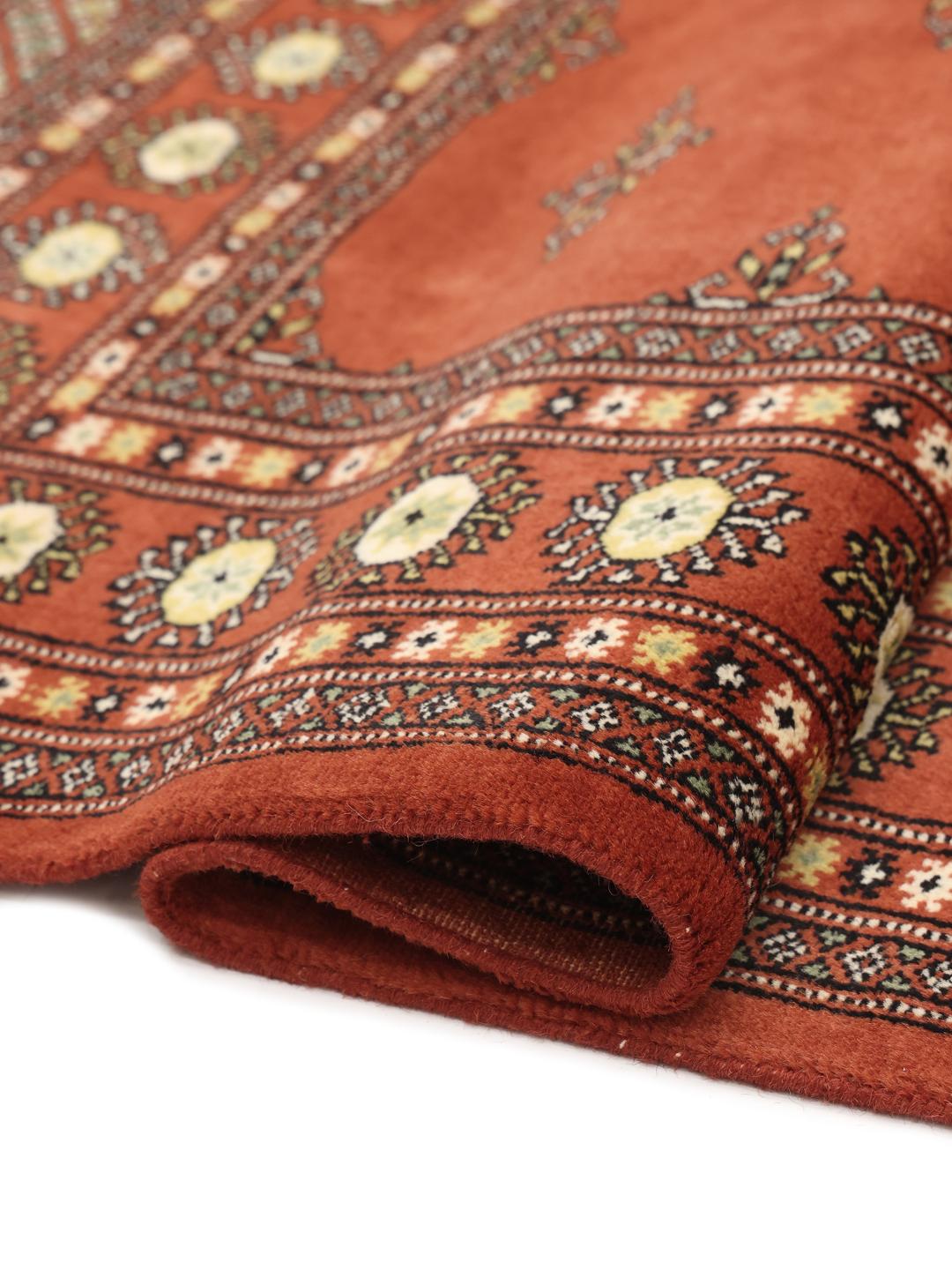
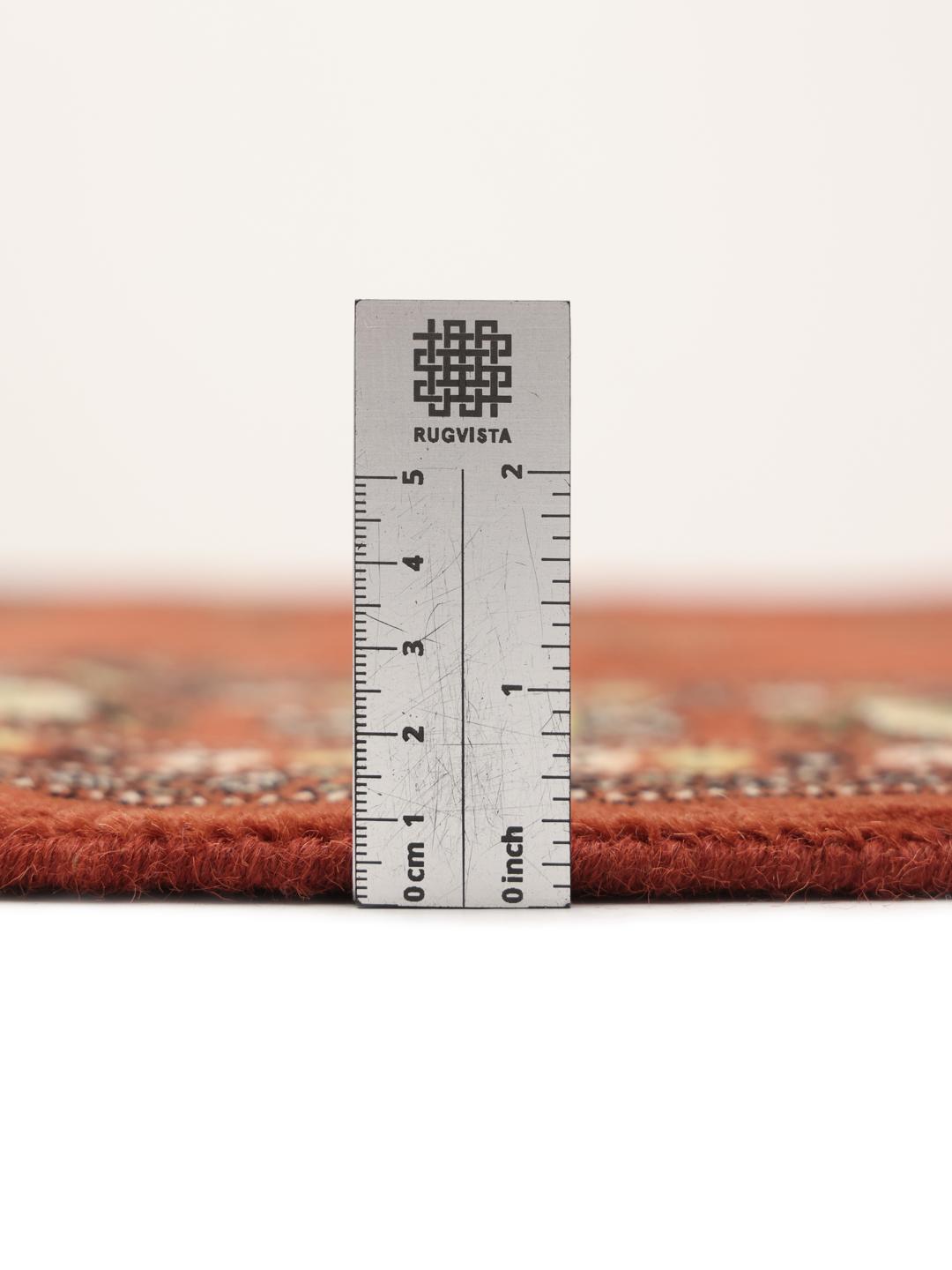
The term 2ply refers to the construction of the wool pile, where two individual strands are twisted together before being knotted. This technique is significant because it produces a pile that is not only denser and more lustrous but also far more resilient to daily wear, ensuring the rug retains its plush feel over time.
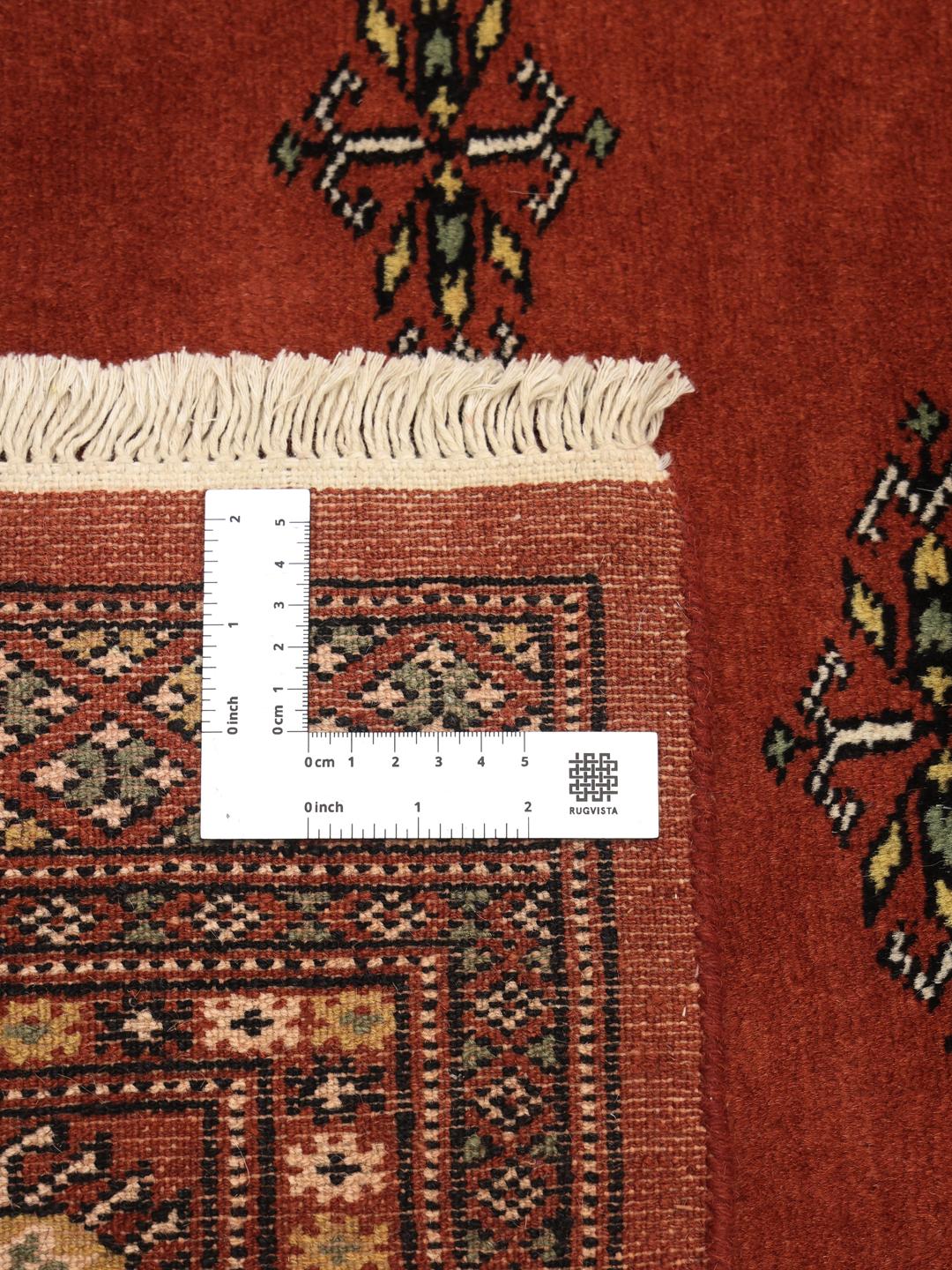
Visually, these rugs are defined by their signature gul motifs—often octagonal or elephant-foot shaped medallions—arranged in orderly, repeating rows across the field. Enclosed by complex, geometric borders, this design language creates a sense of balance and harmony that is a hallmark of the tradition.
Owning a hand-knotted rug from this lineage is an opportunity to connect with a storied craft tradition. These pieces are highly valued by collectors and enthusiasts alike, not just for their aesthetic grace, but for the human skill and cultural heritage woven into every inch of their construction.