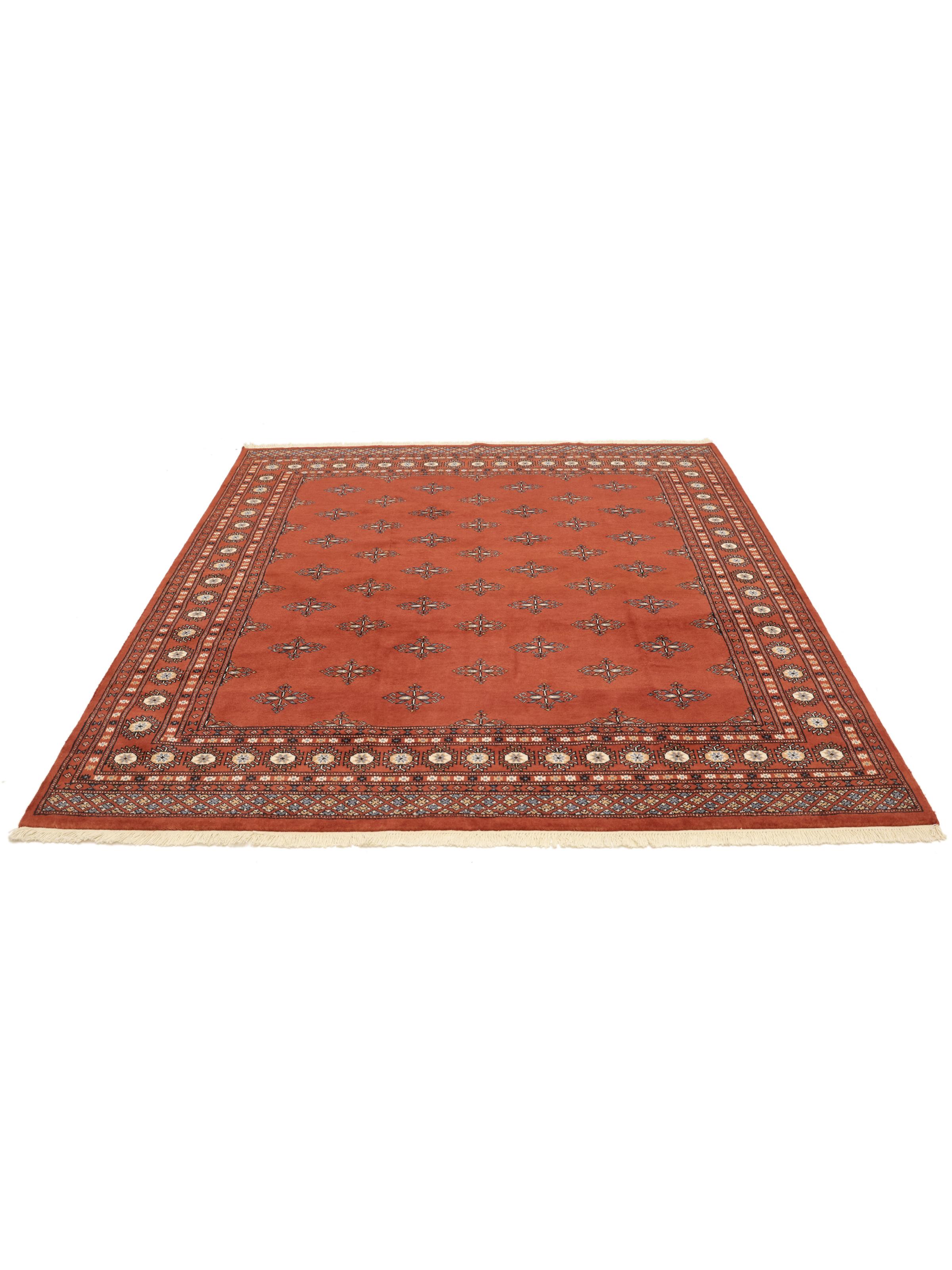
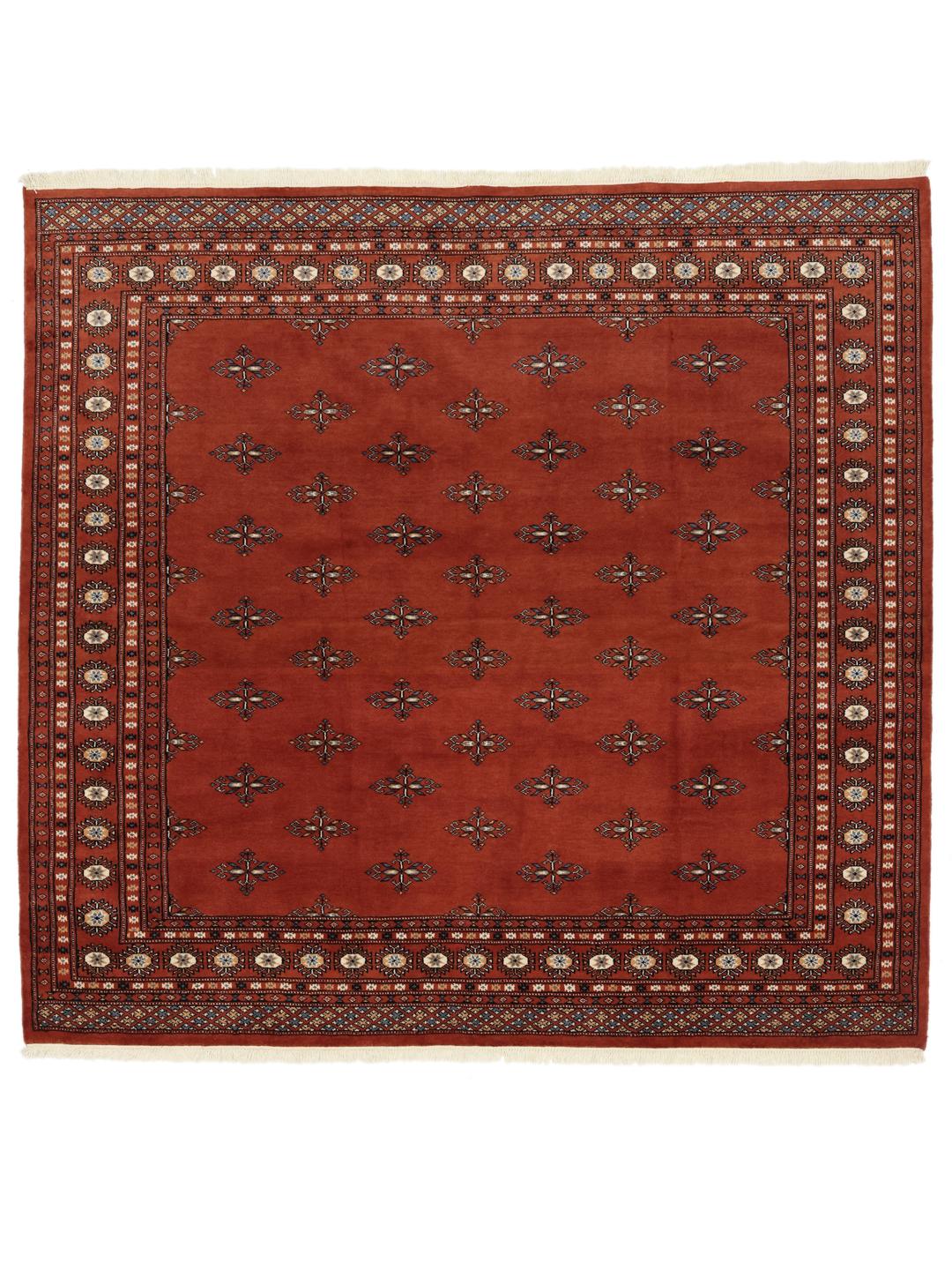
The Bokhara rug tradition traces its roots back to the ancient Silk Road city of Bukhara, once a vibrant hub of trade and culture in Central Asia. Over centuries, these designs evolved and migrated as weaving families moved across borders, eventually finding a new, thriving home in Pakistan. Today, Pakistani weavers are renowned for perfecting the Bokhara style, blending historical techniques with exceptional material quality.
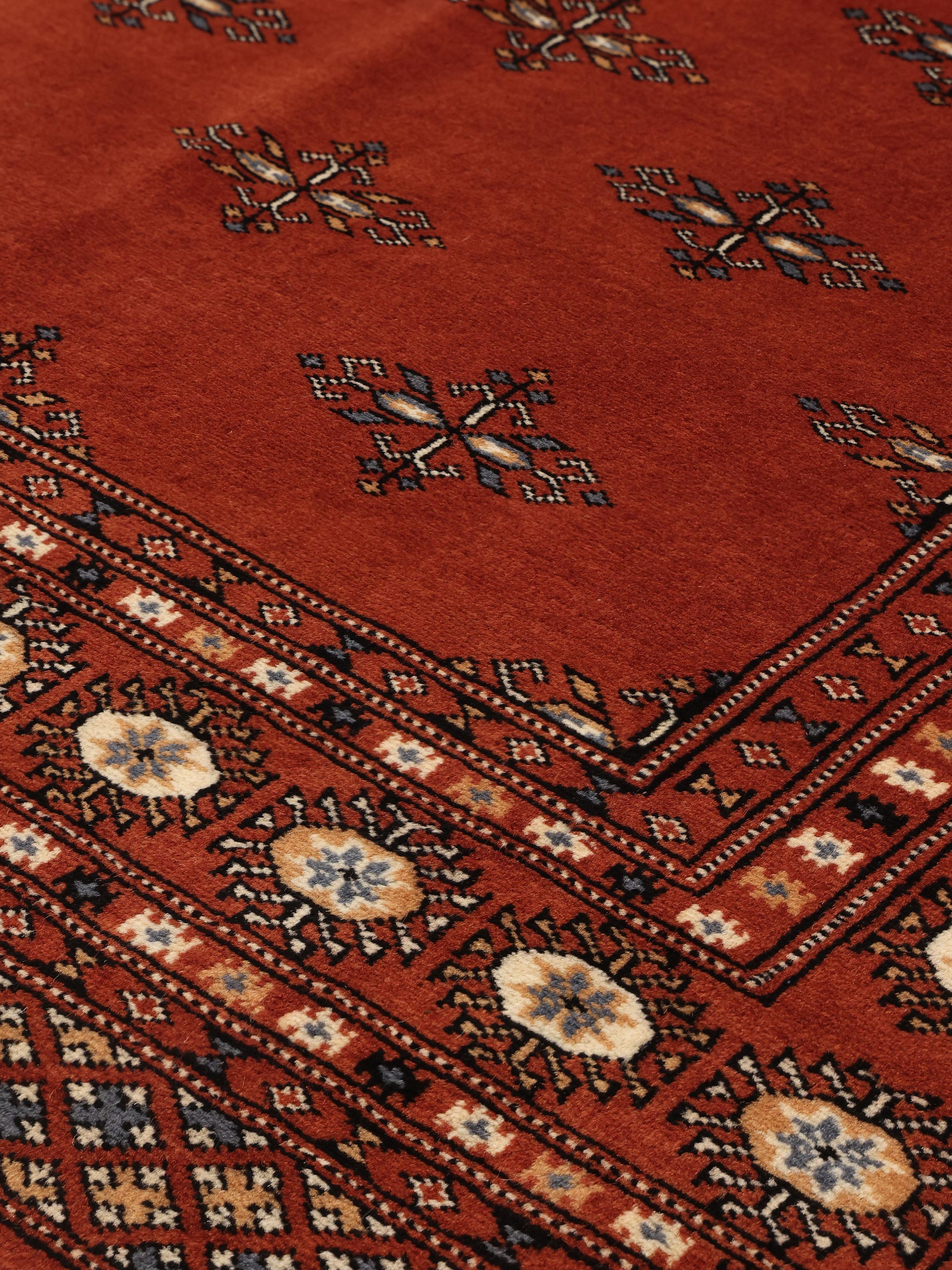
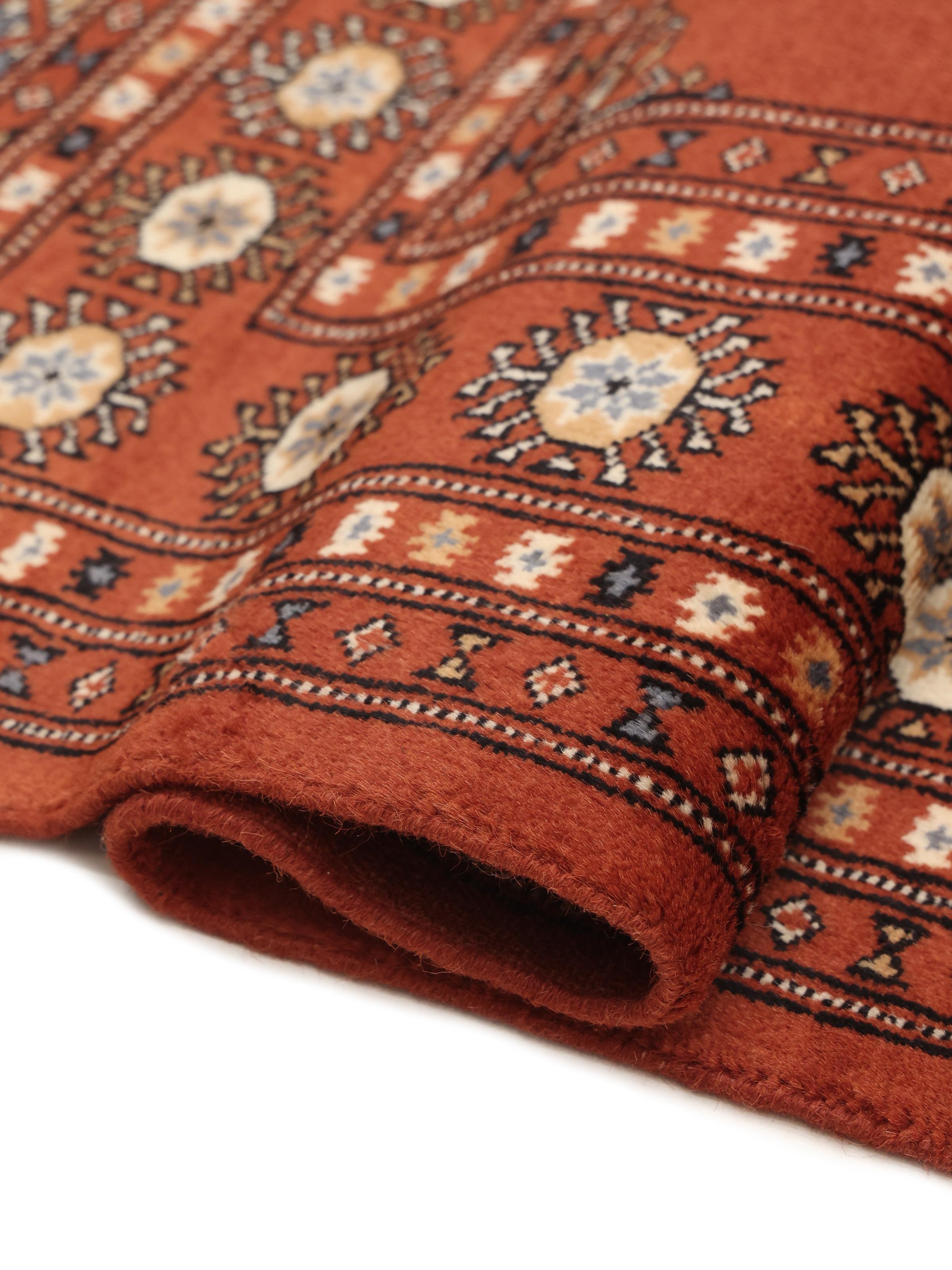
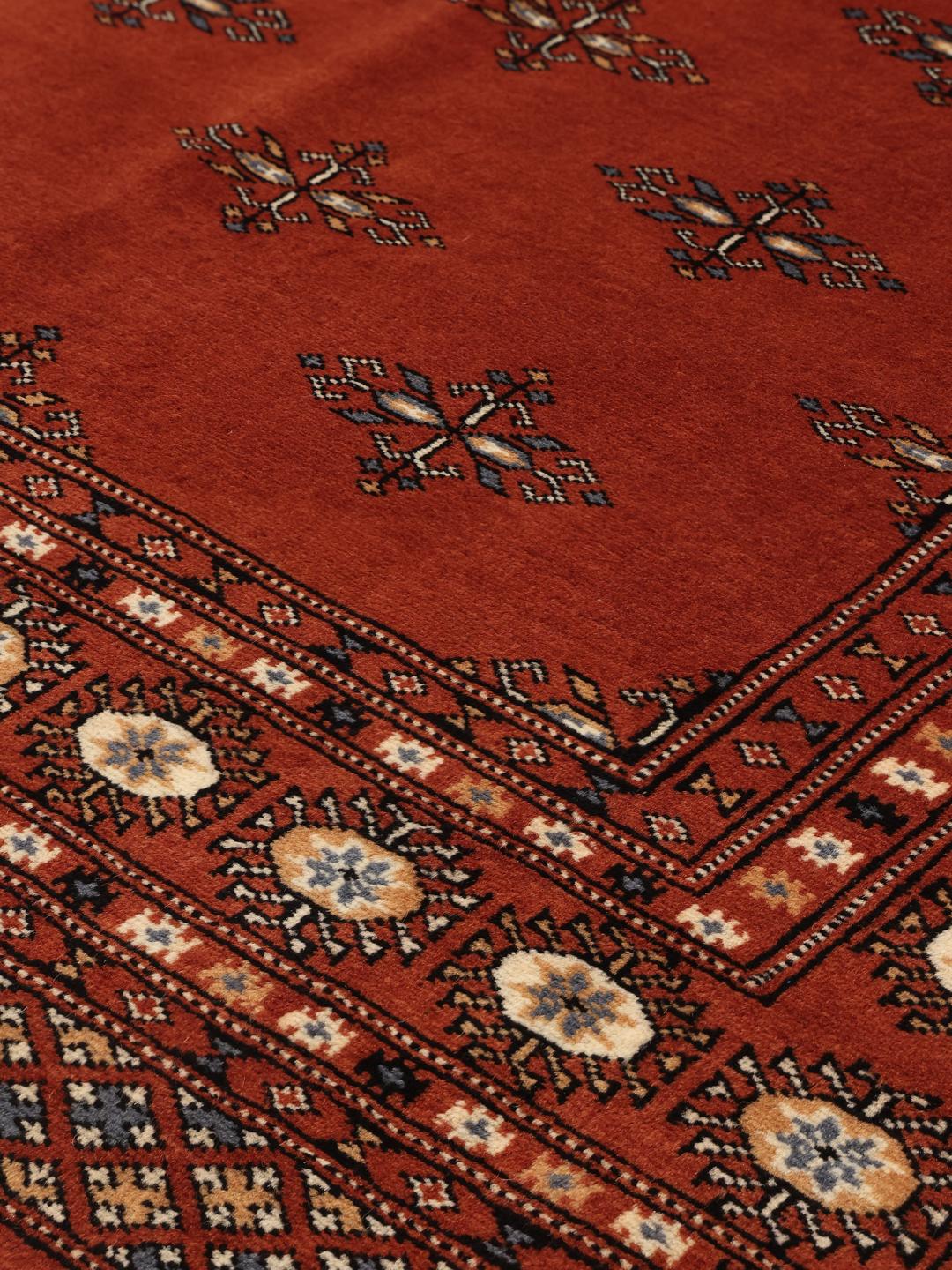
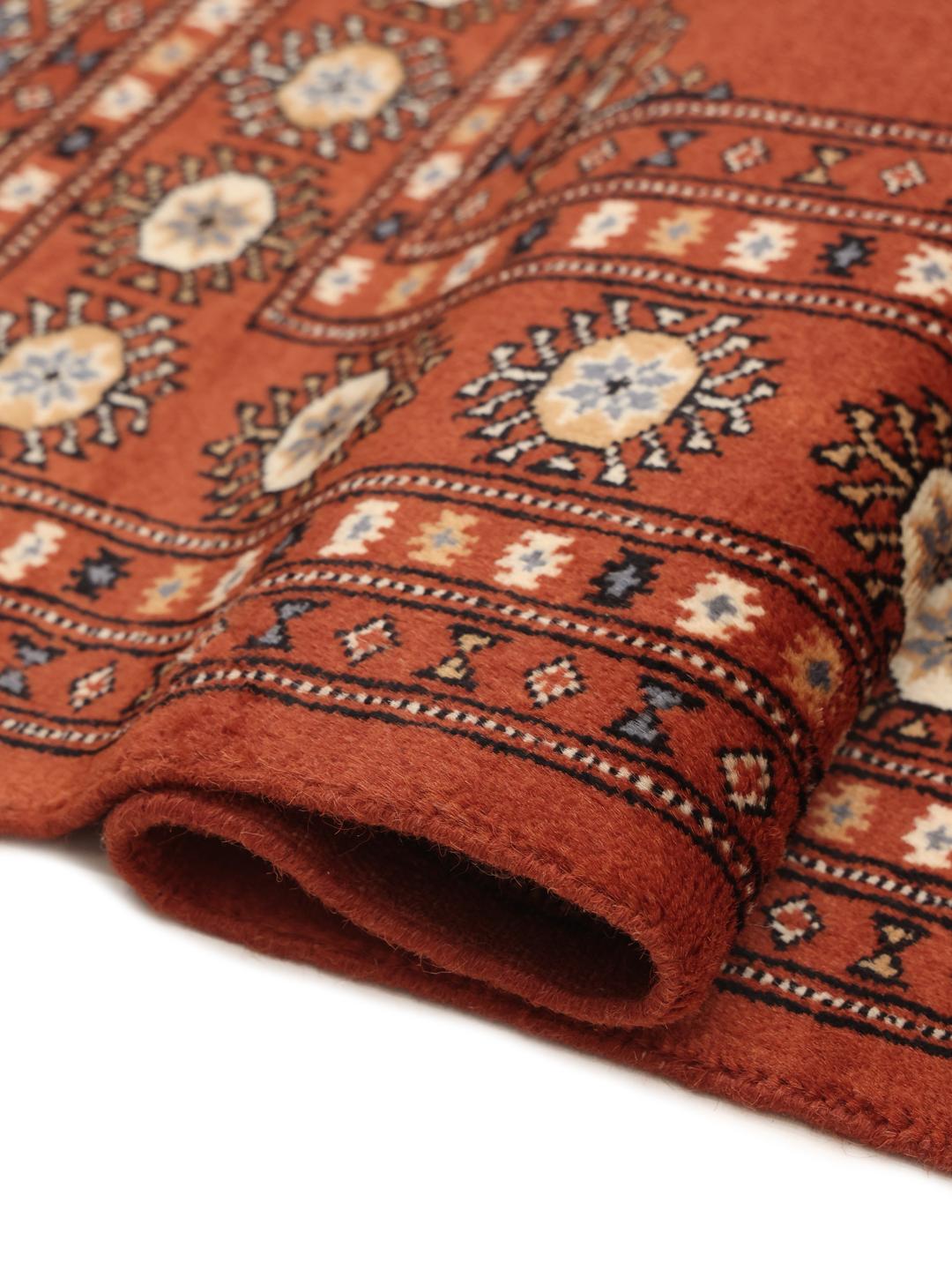
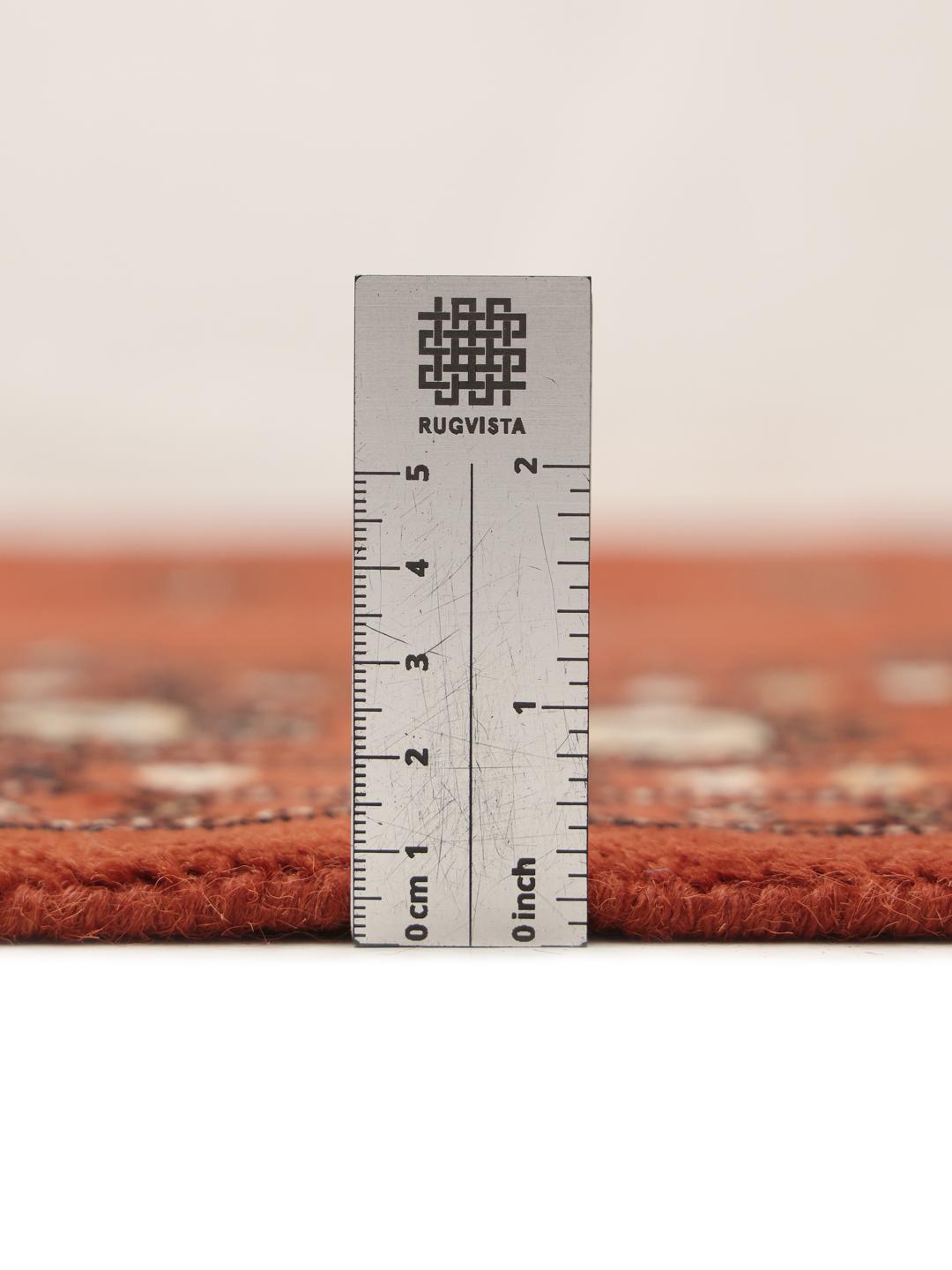
The '2ply' designation refers to the specific way the wool is prepared before weaving. By twisting two strands of wool together, the artisan creates a yarn that is more resilient and lustrous than single-ply alternatives. This technique not only enhances the depth of the colour but also creates a pile that is exceptionally soft to the touch and resistant to the wear of daily life, making it a functional choice for busy households.
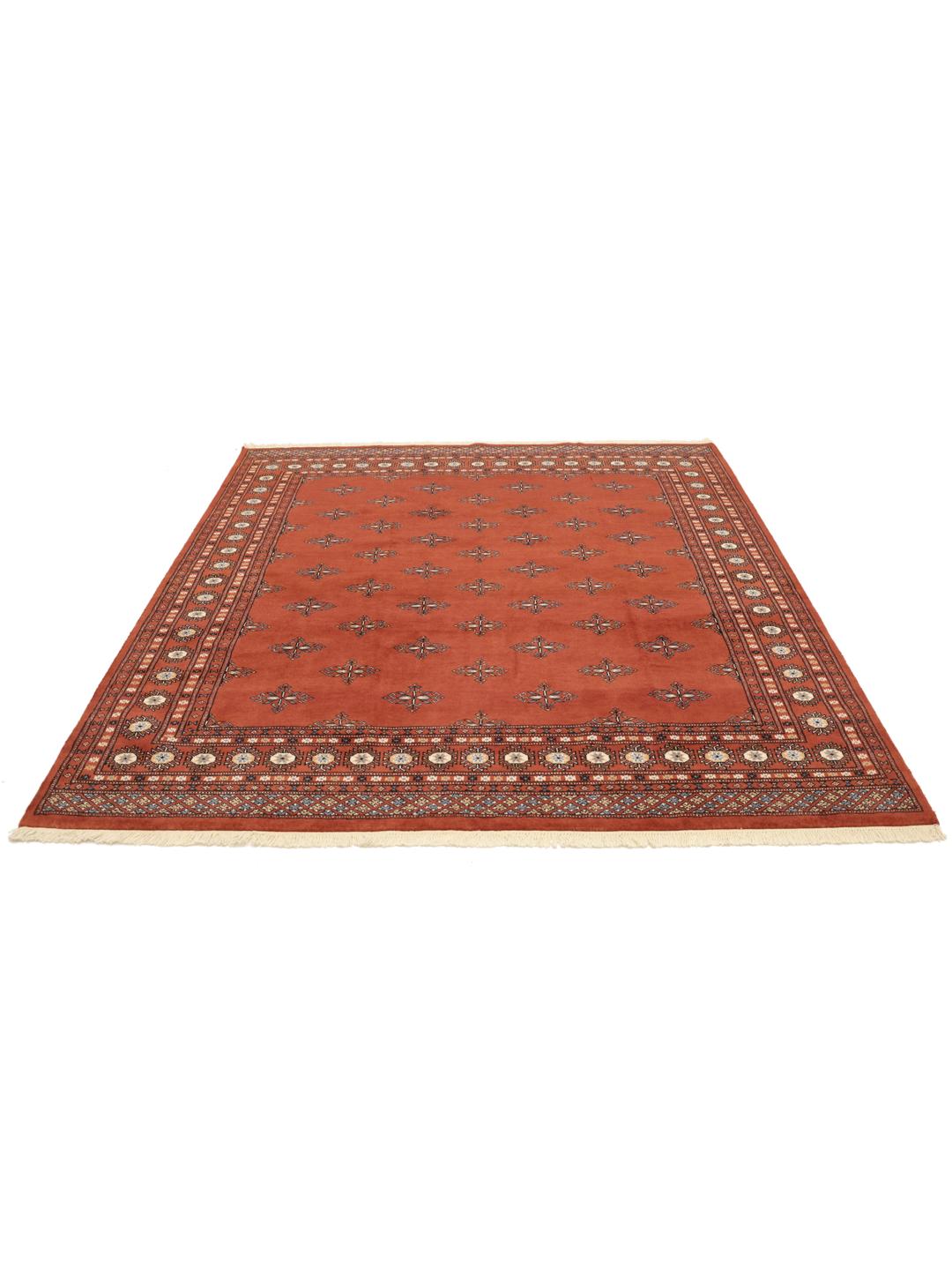
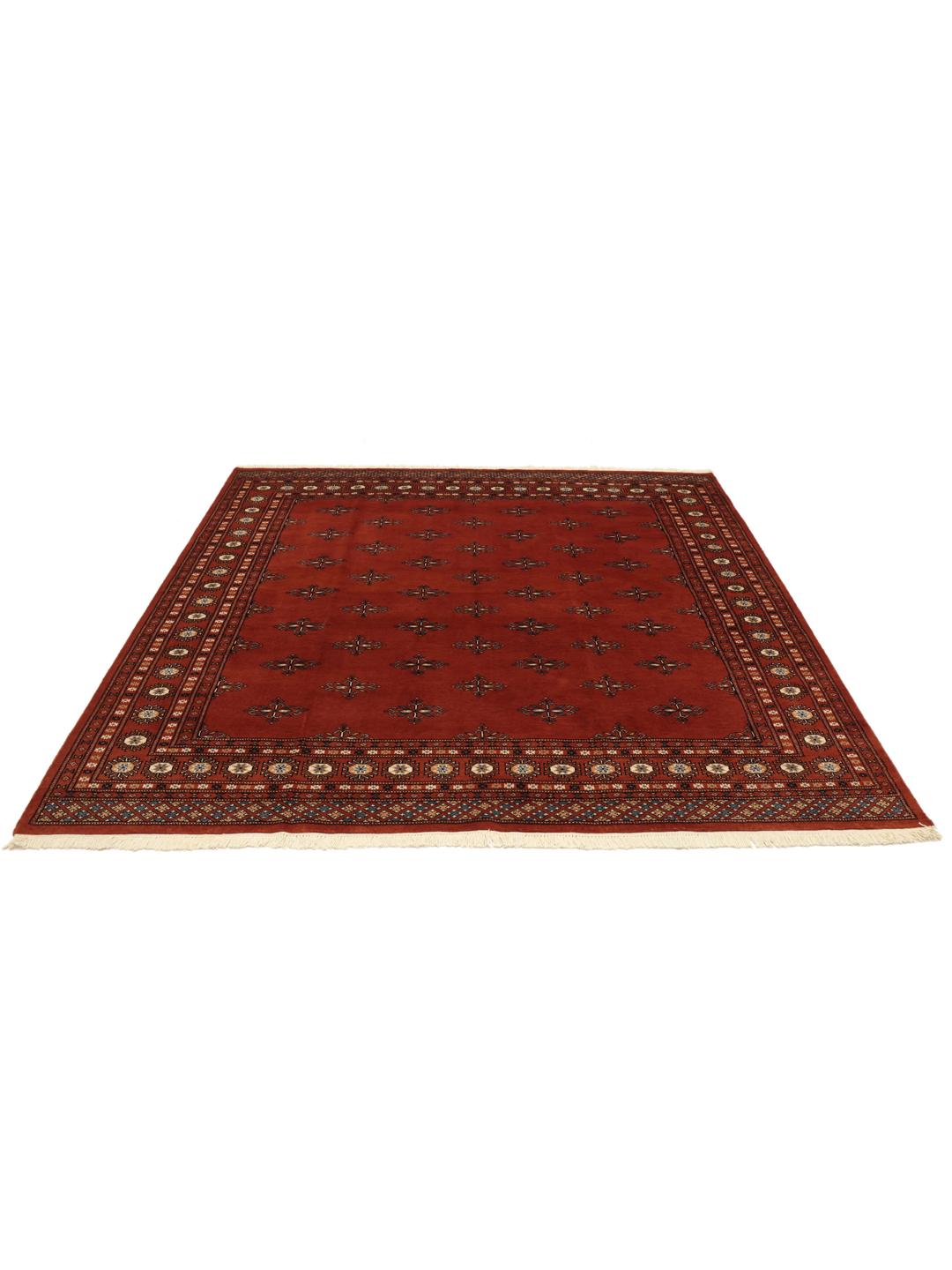
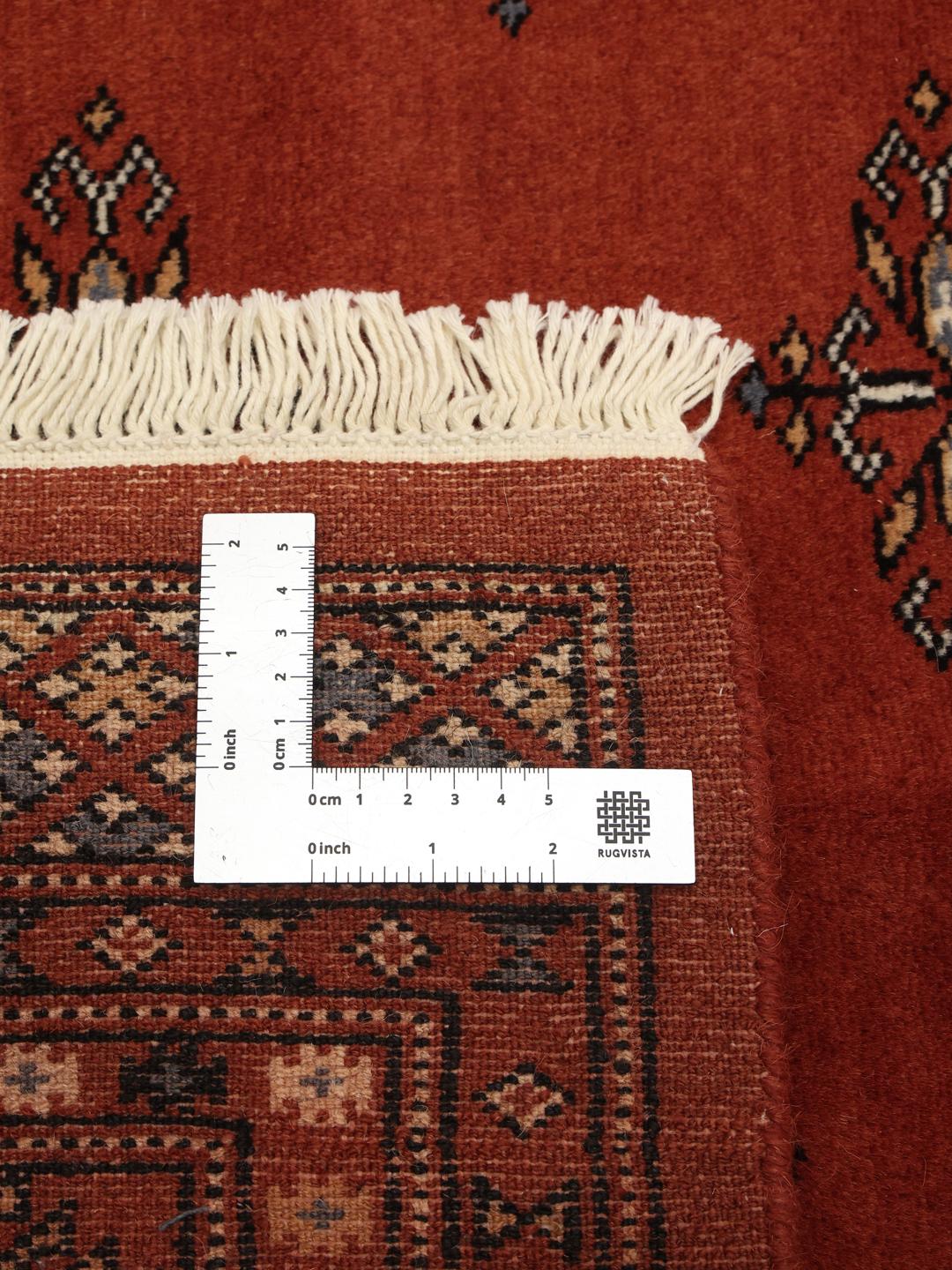
Visually, these rugs are defined by the repeating 'gul' motif, which often resembles an elephant foot or a stylised flower. These medallions are arranged in precise, symmetrical rows across the field, framed by elaborate borders that often feature geometric patterns. The dark-red hue seen here is a classic signature of the style, traditionally associated with warmth and prosperity in the cultures where these rugs originated.
Owning a hand-knotted Bokhara is an opportunity to connect with a long-standing heritage of craftsmanship. These rugs are highly valued by collectors not only for their beauty but for the immense skill required to produce them. By choosing this piece, you are preserving a tradition of excellence and bringing a meaningful, culturally significant work of art into your daily environment.