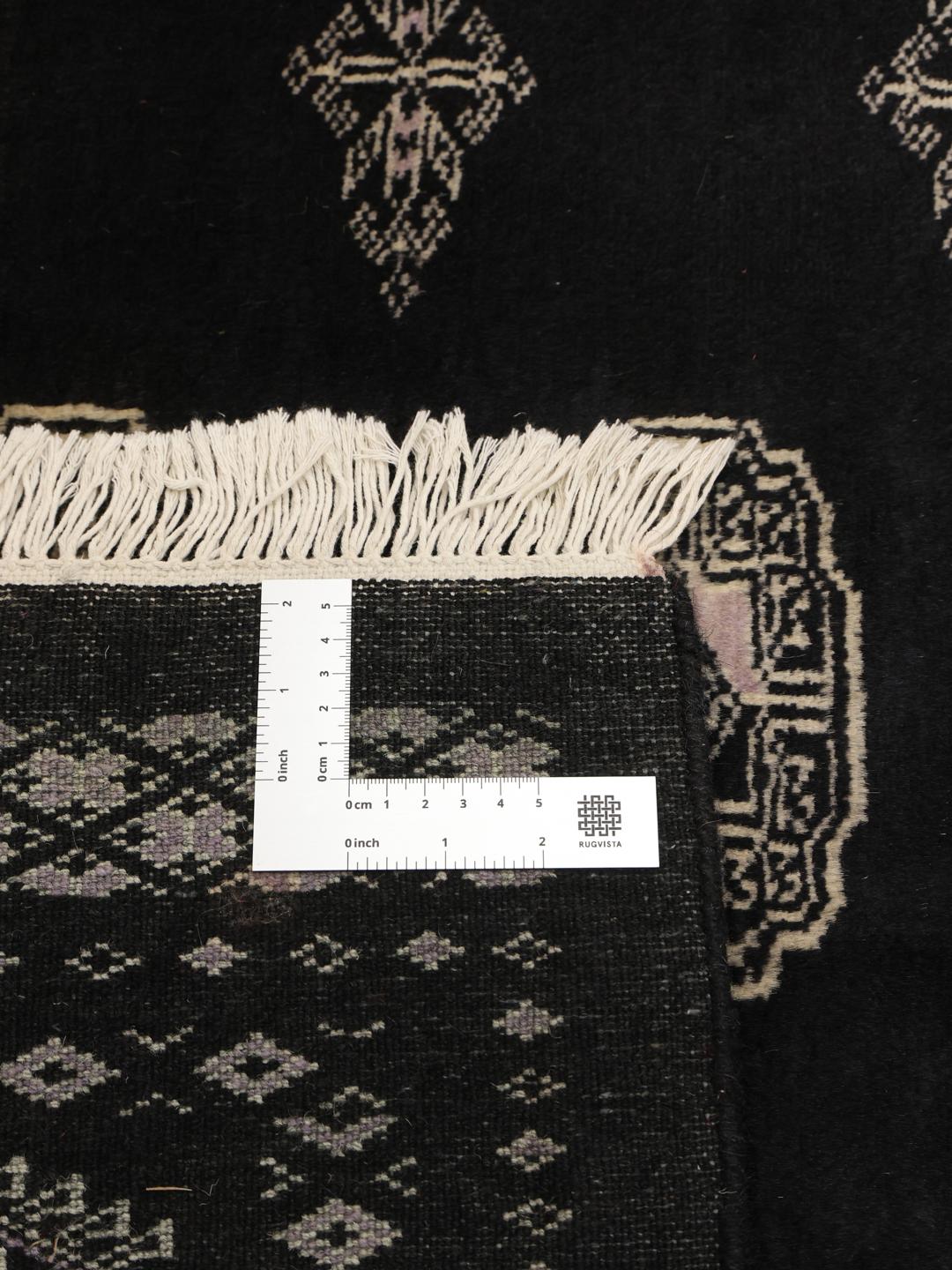
Bokhara rugs derive their name from the legendary Silk Road city of Bukhara, which served as a vital hub for trade and culture in Central Asia. While the design tradition is rooted in nomadic history, today the most refined and sought-after examples are crafted in Pakistan, where artisans have elevated the technique to an art form.
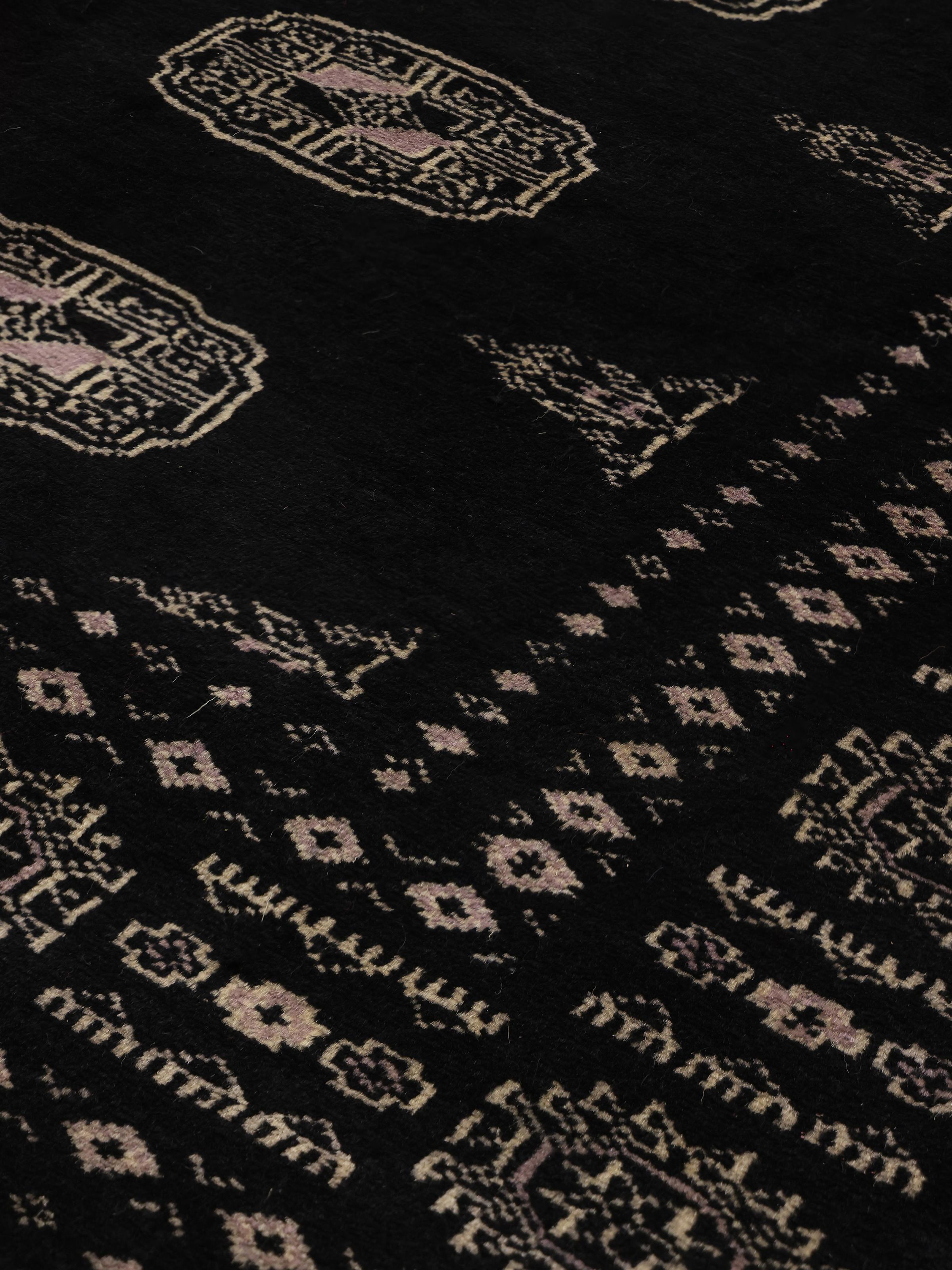
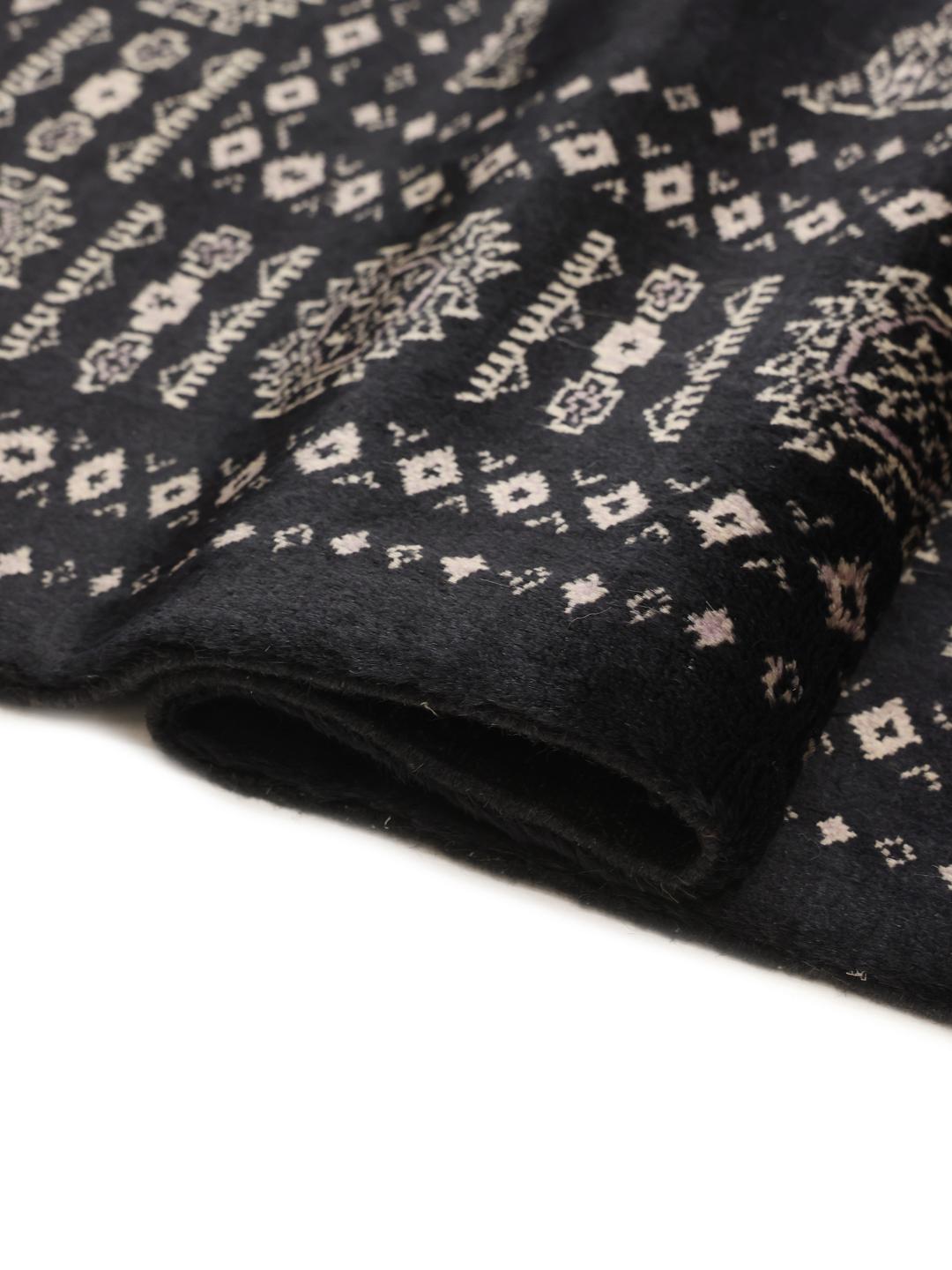
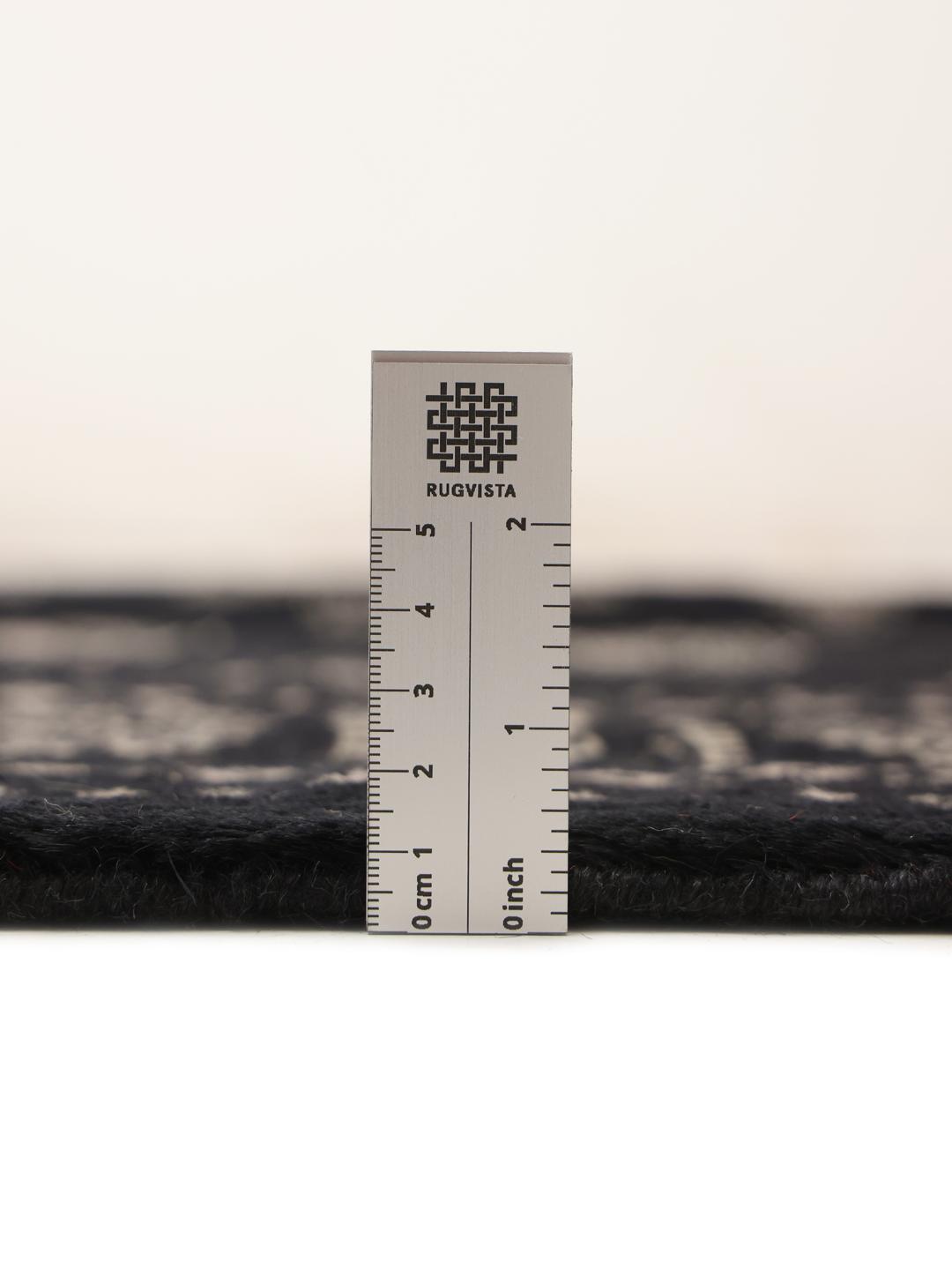
The term 2ply refers to the construction of the pile, where two strands of wool are twisted together before being knotted. This technique is essential for quality, as it creates a denser, more resilient, and lustrous pile that is far more durable than single-ply alternatives. It is this specific construction that gives the rug its signature soft feel and deep, rich appearance.
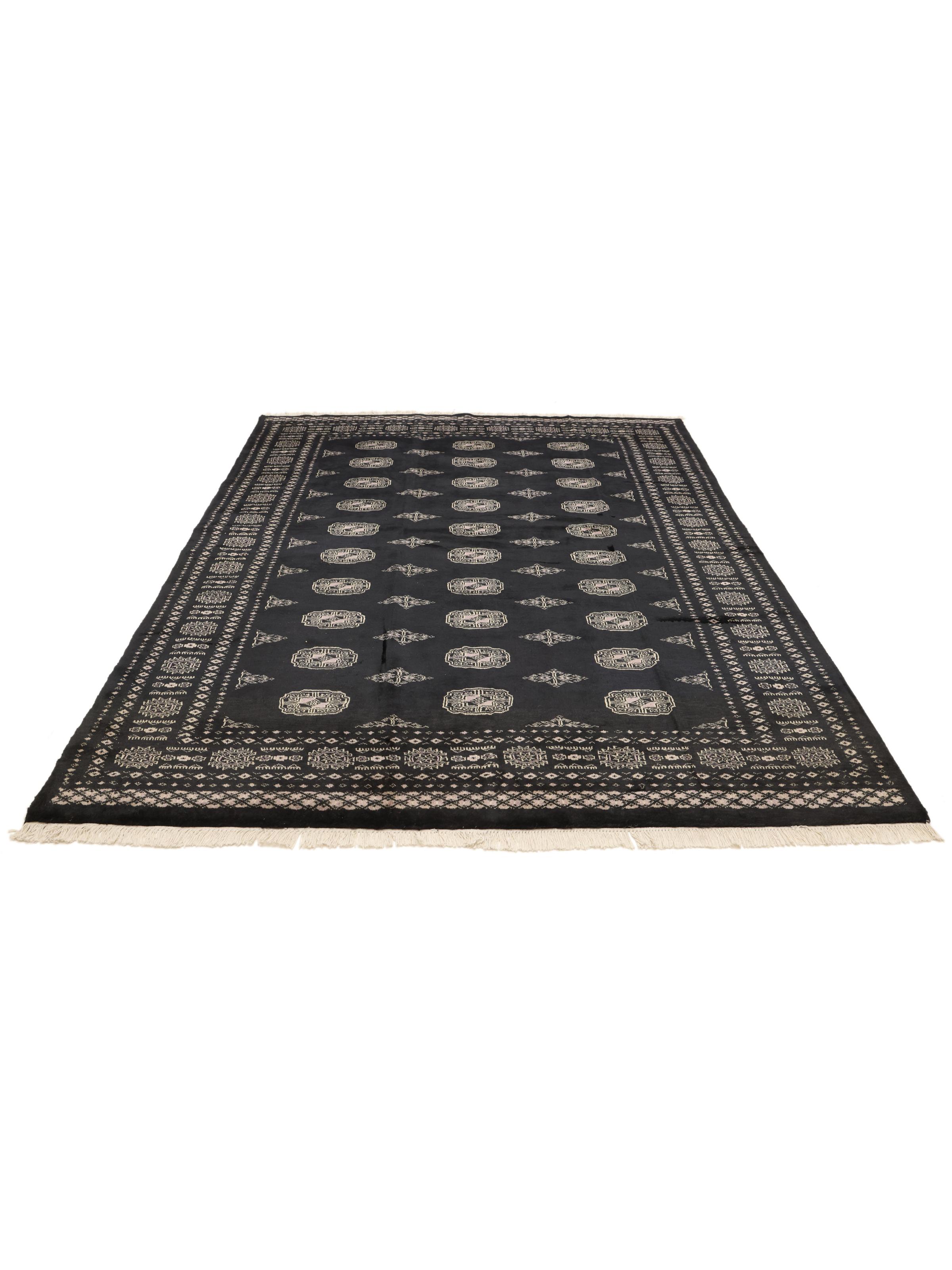
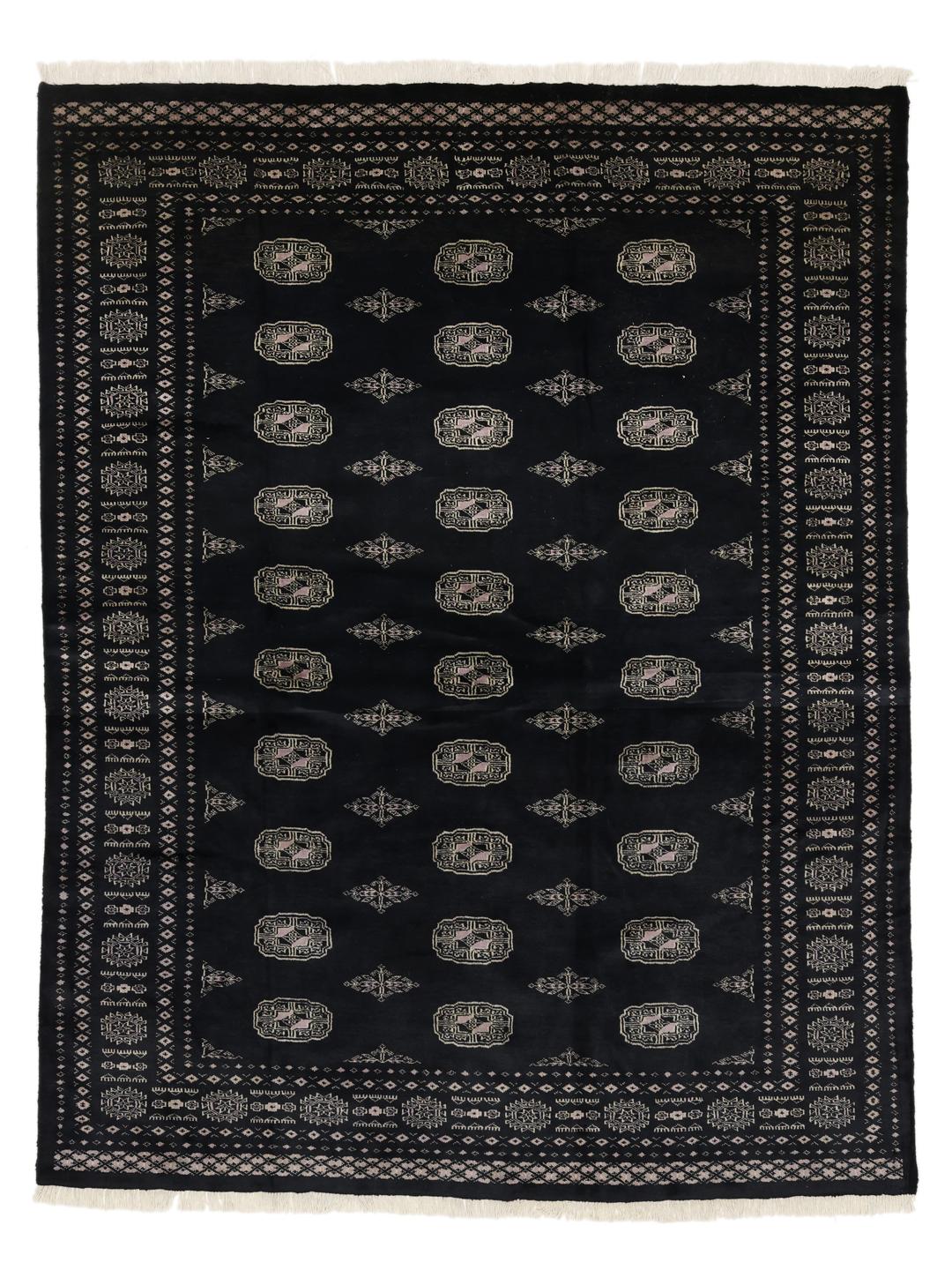
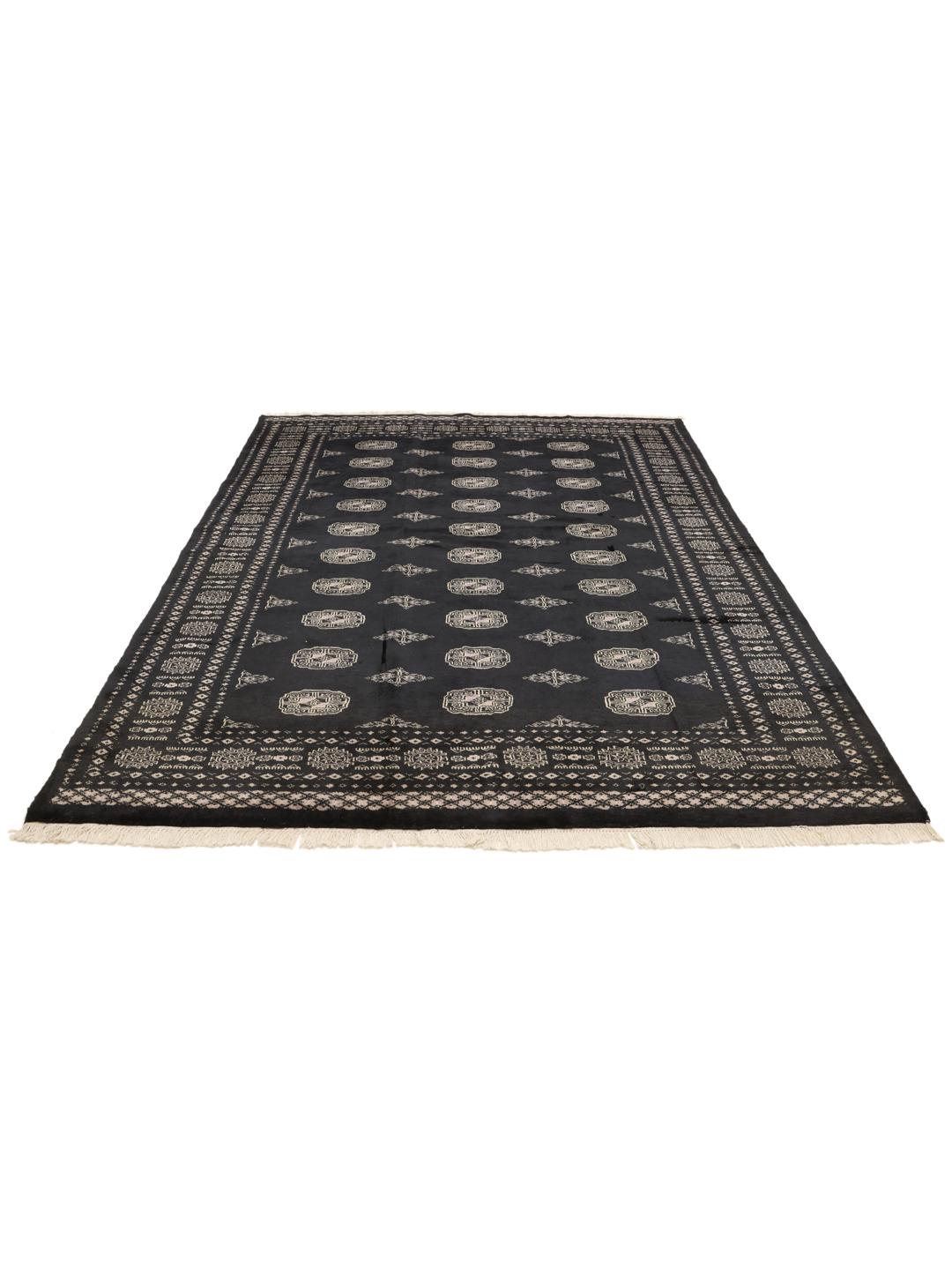
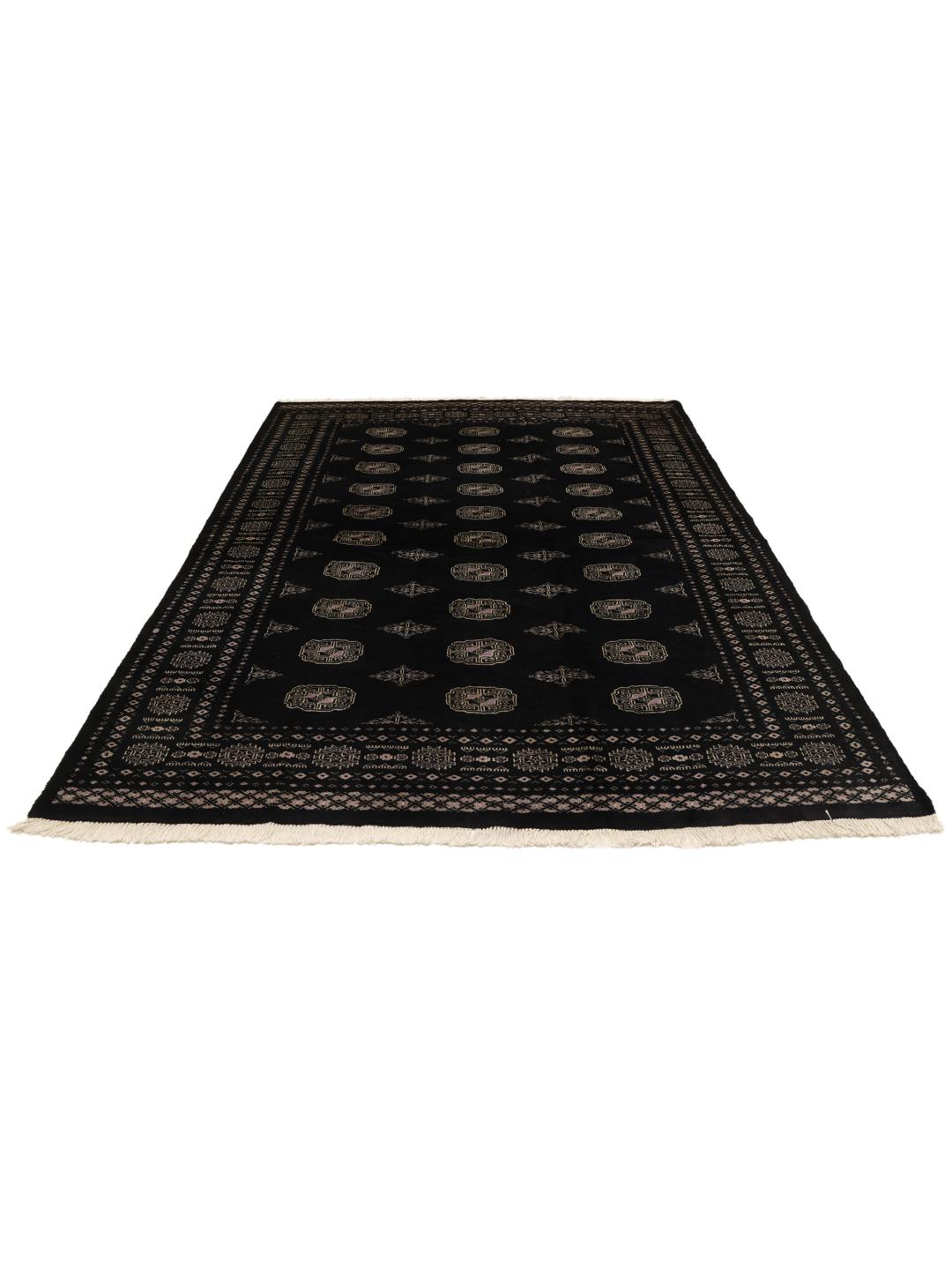
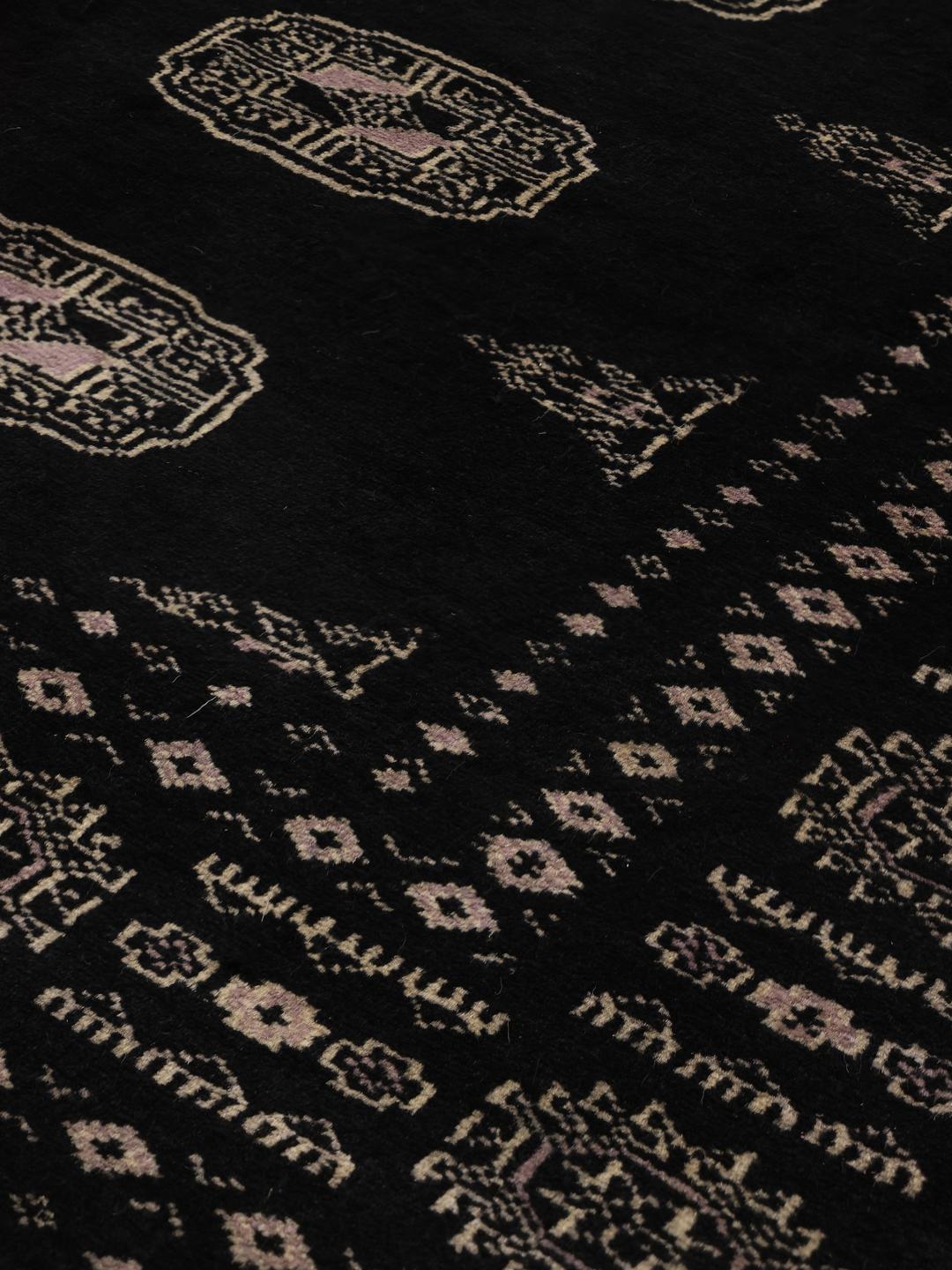
The visual language of the Bokhara is defined by its repetitive gul motifs, which are stylized, octagonal shapes often compared to elephant footprints. These are arranged in precise, rhythmic rows across the field, usually enclosed by complex, decorative borders. While traditional examples often feature earthy reds, this black variation offers a modern, dramatic twist on a classic aesthetic.
Owning a hand-knotted Bokhara is an investment in cultural heritage and human skill. These rugs are highly valued by collectors because they represent a living tradition that prioritises longevity and precision over mass production. By bringing such a piece into your home, you are continuing a legacy of craftsmanship that has been passed down through generations of weavers.