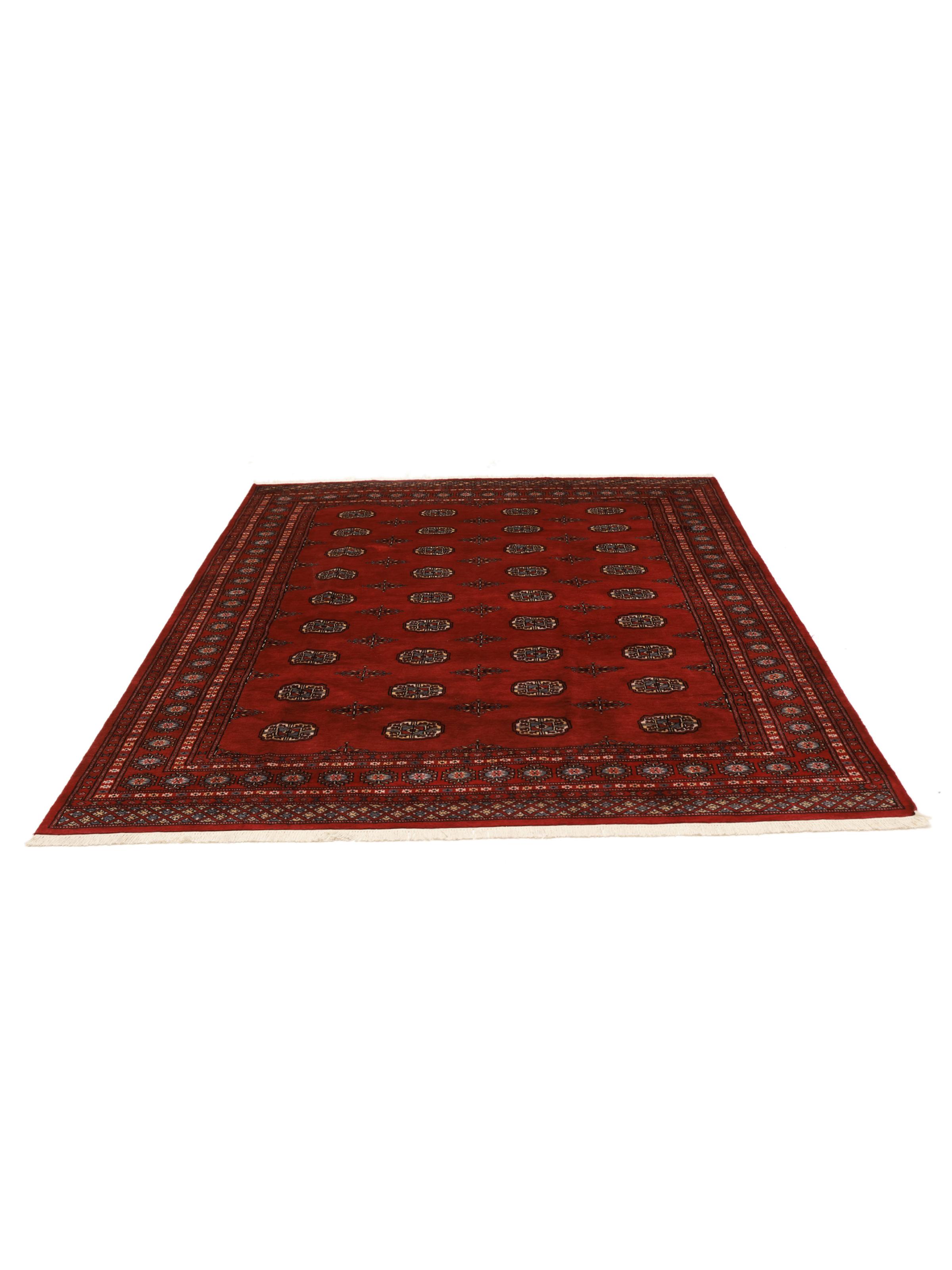
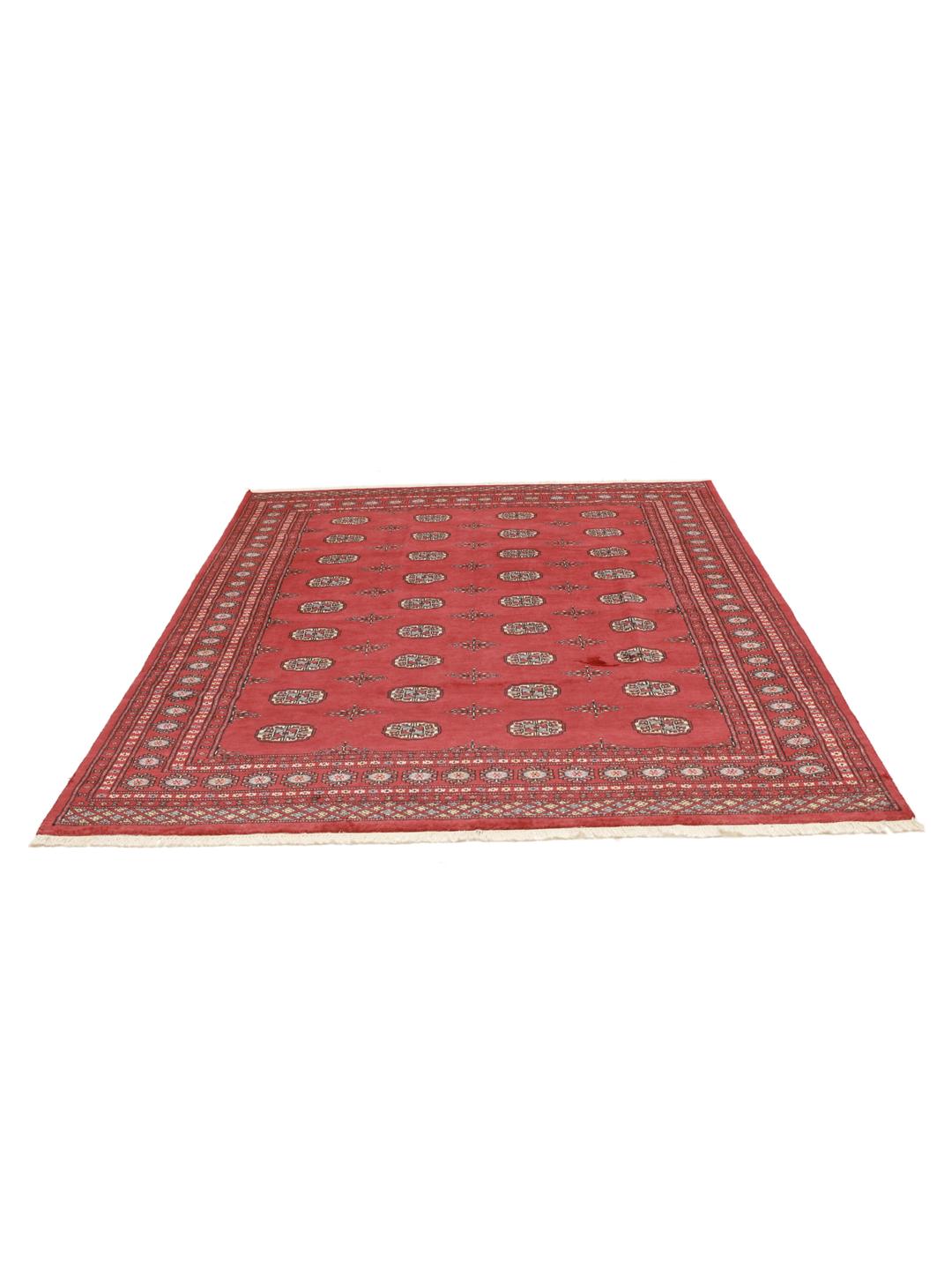
Bokhara rugs take their name from the ancient Silk Road city of Bukhara in Central Asia, a historical hub of trade and culture. While the design roots are deeply embedded in the traditions of nomadic tribes, the finest examples of these rugs are today masterfully woven in Pakistan. This migration of craft has allowed the tradition to evolve, blending ancient aesthetics with contemporary precision.
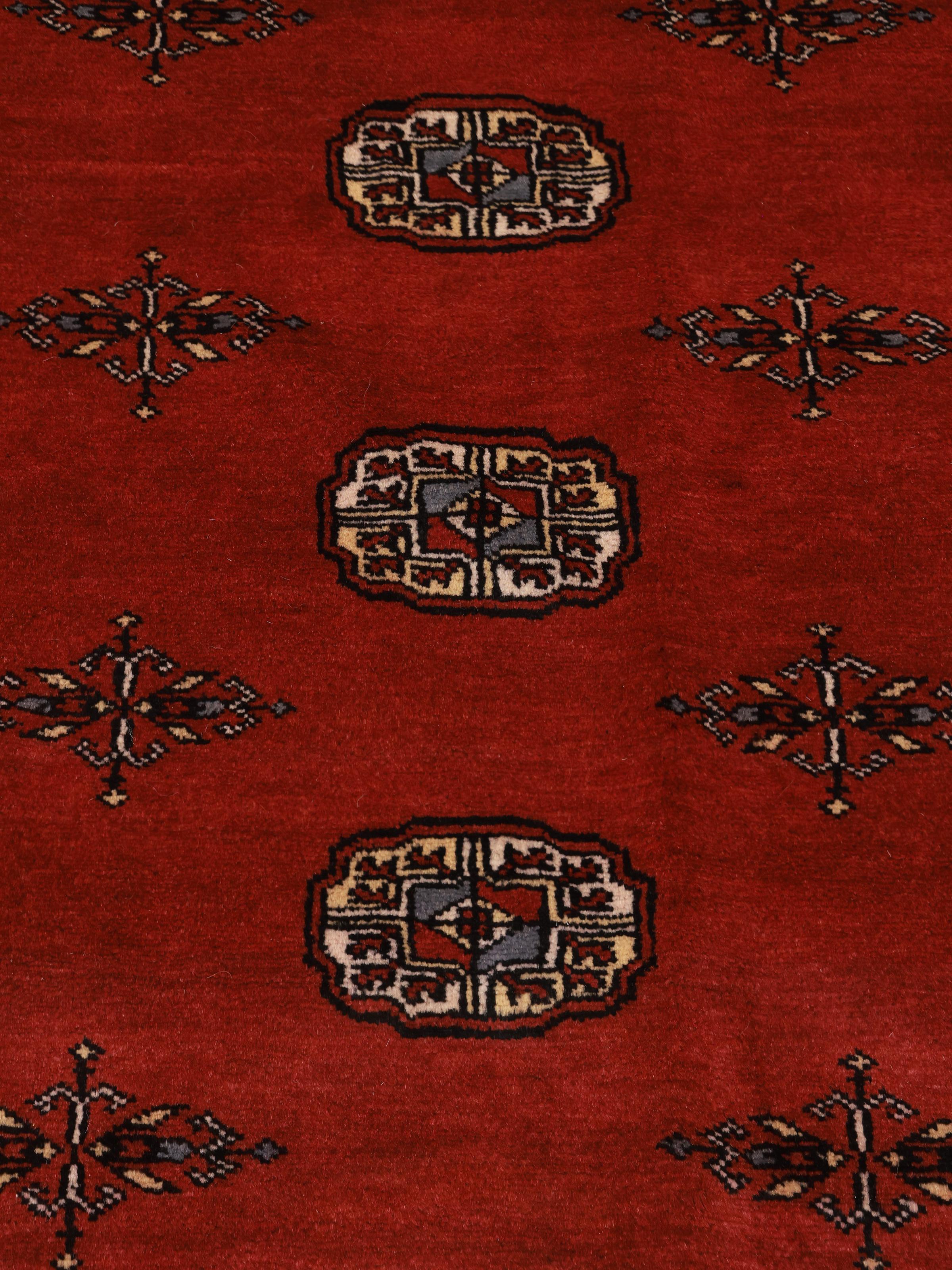
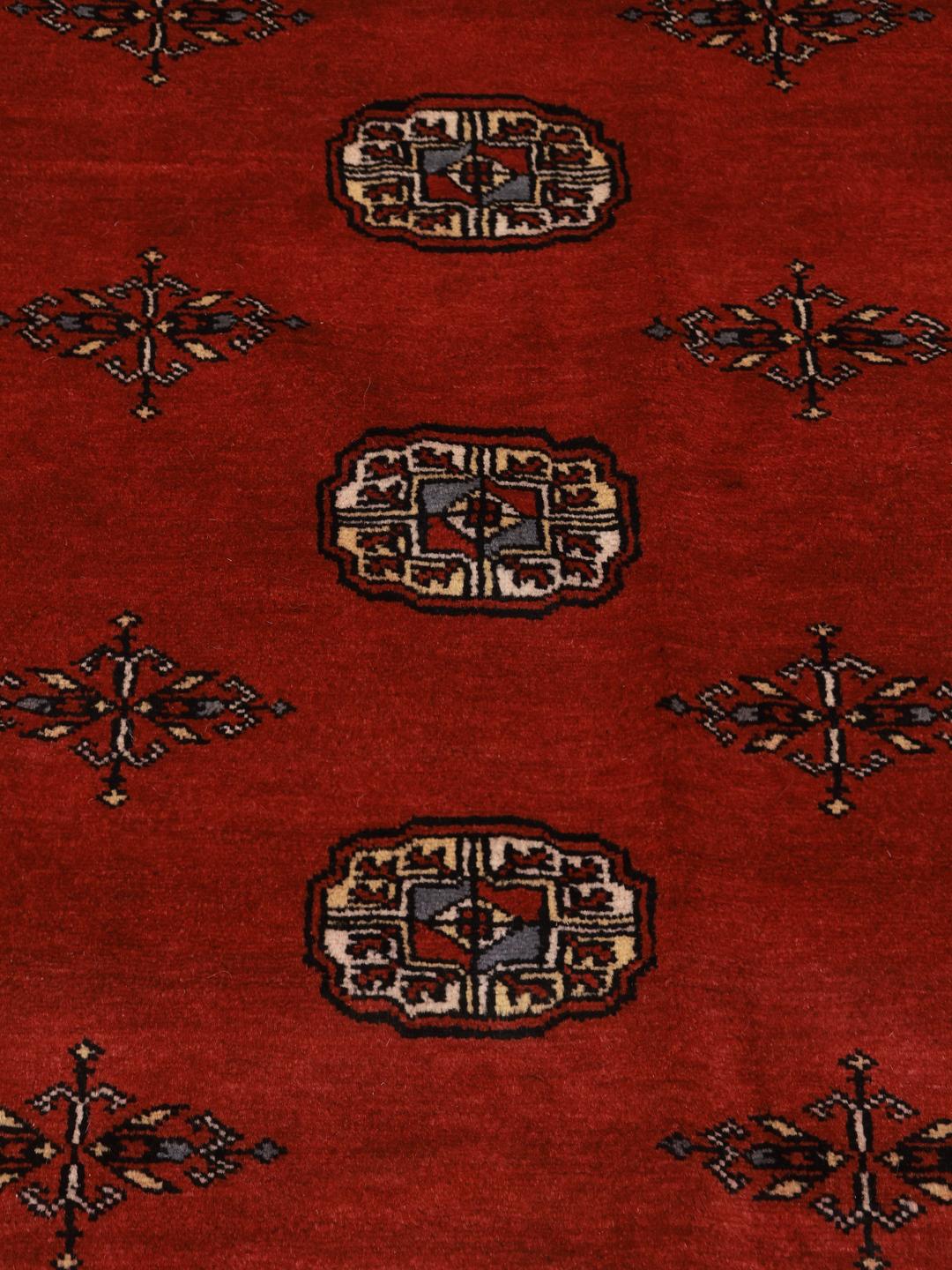
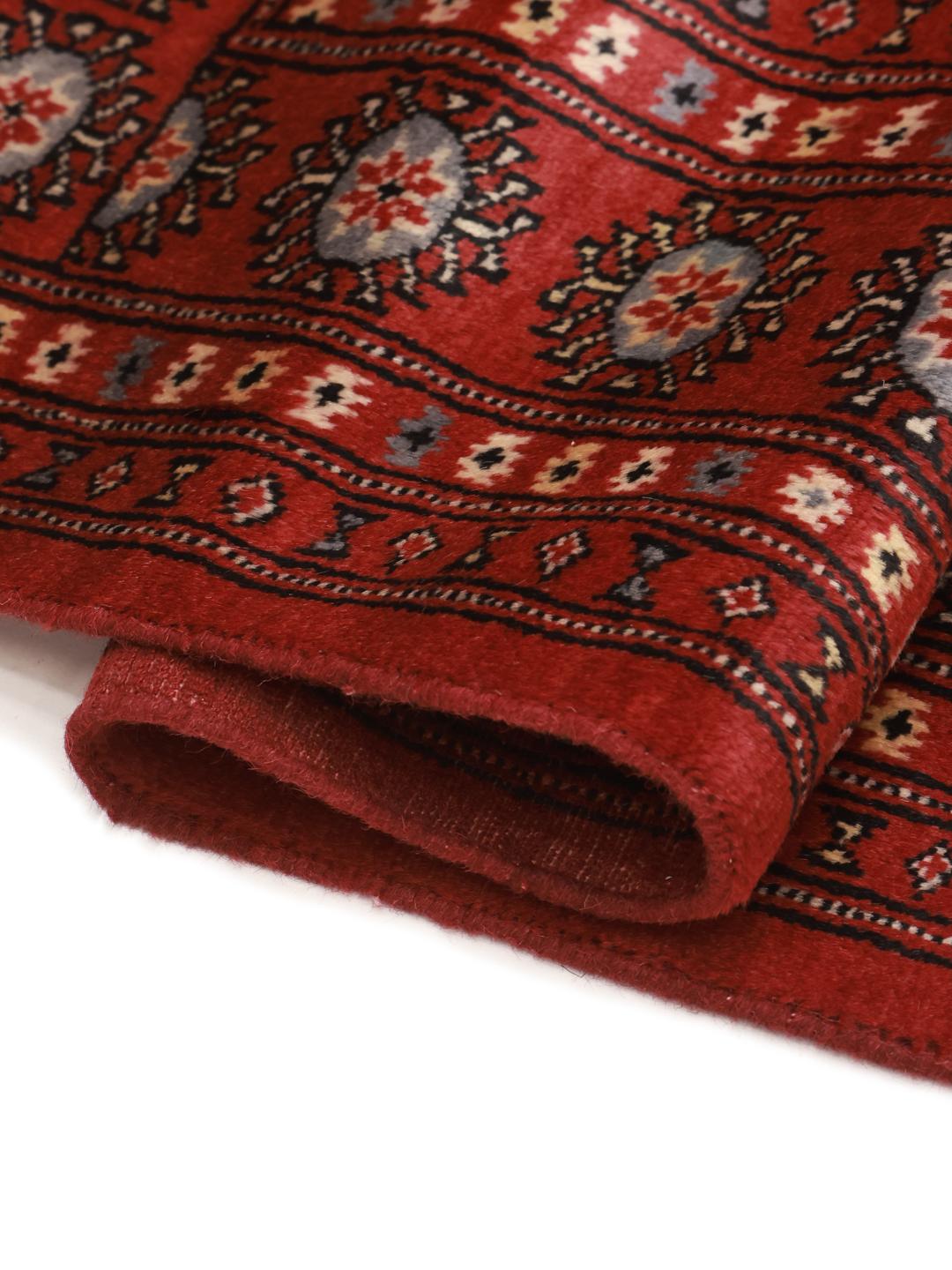
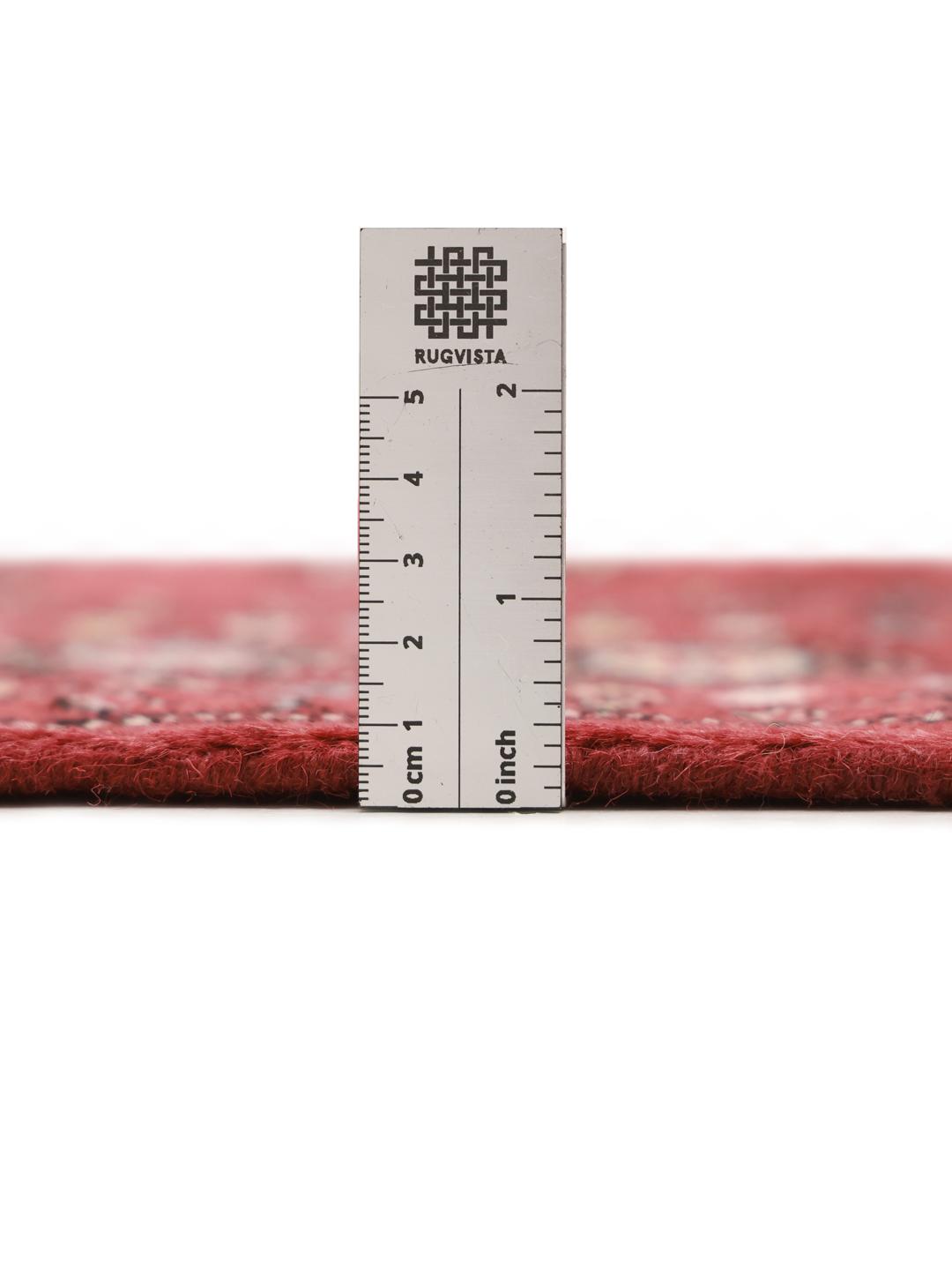
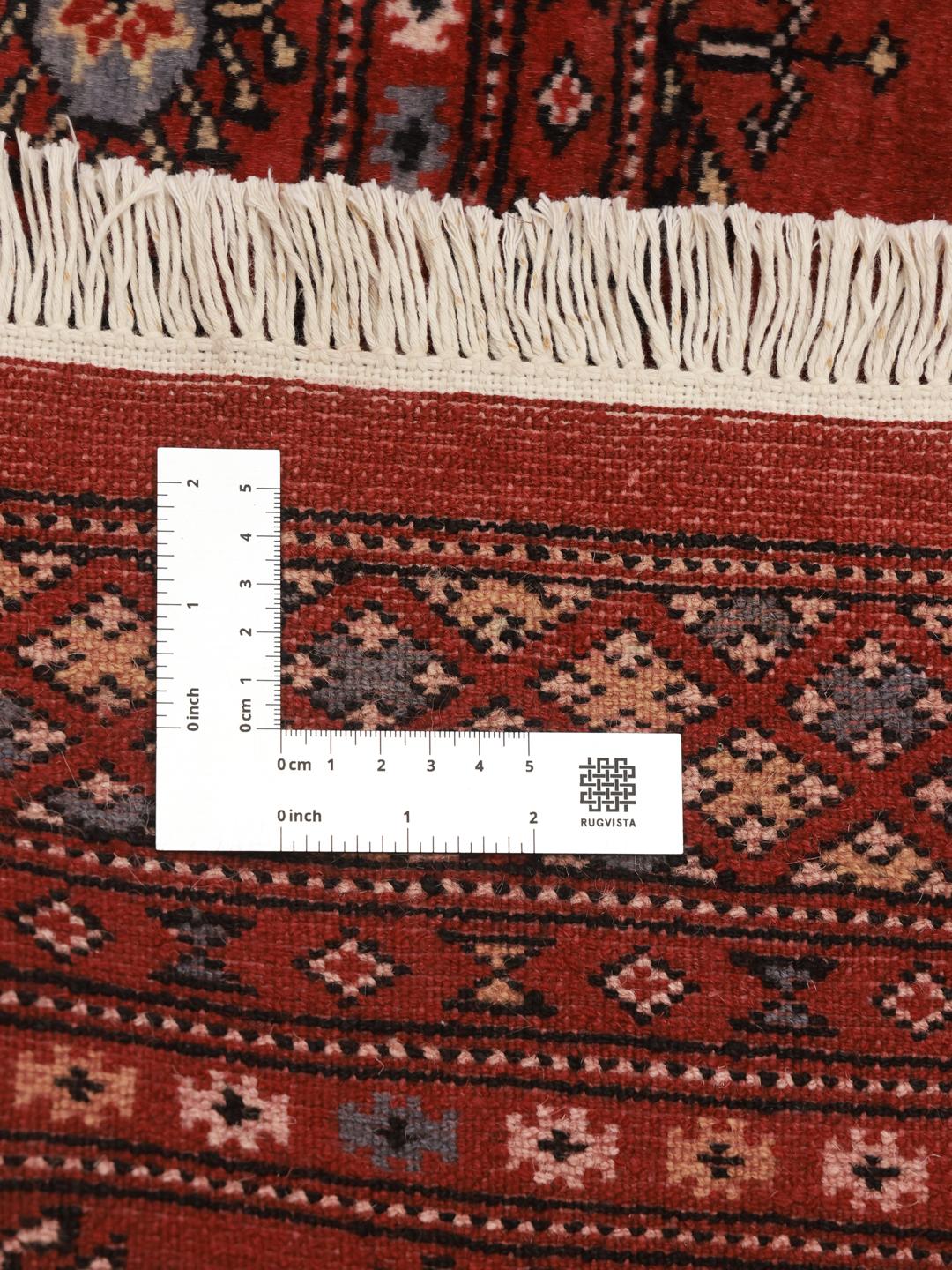
The term 2ply refers to the specific way the pile yarn is prepared, where two strands of wool are twisted together before being knotted. This technique is significant because it results in a pile that is notably denser, more lustrous, and more durable than single-ply construction. For the owner, this means a rug that not only feels exceptionally soft and plush but also retains its vibrant colour and structure over many years.
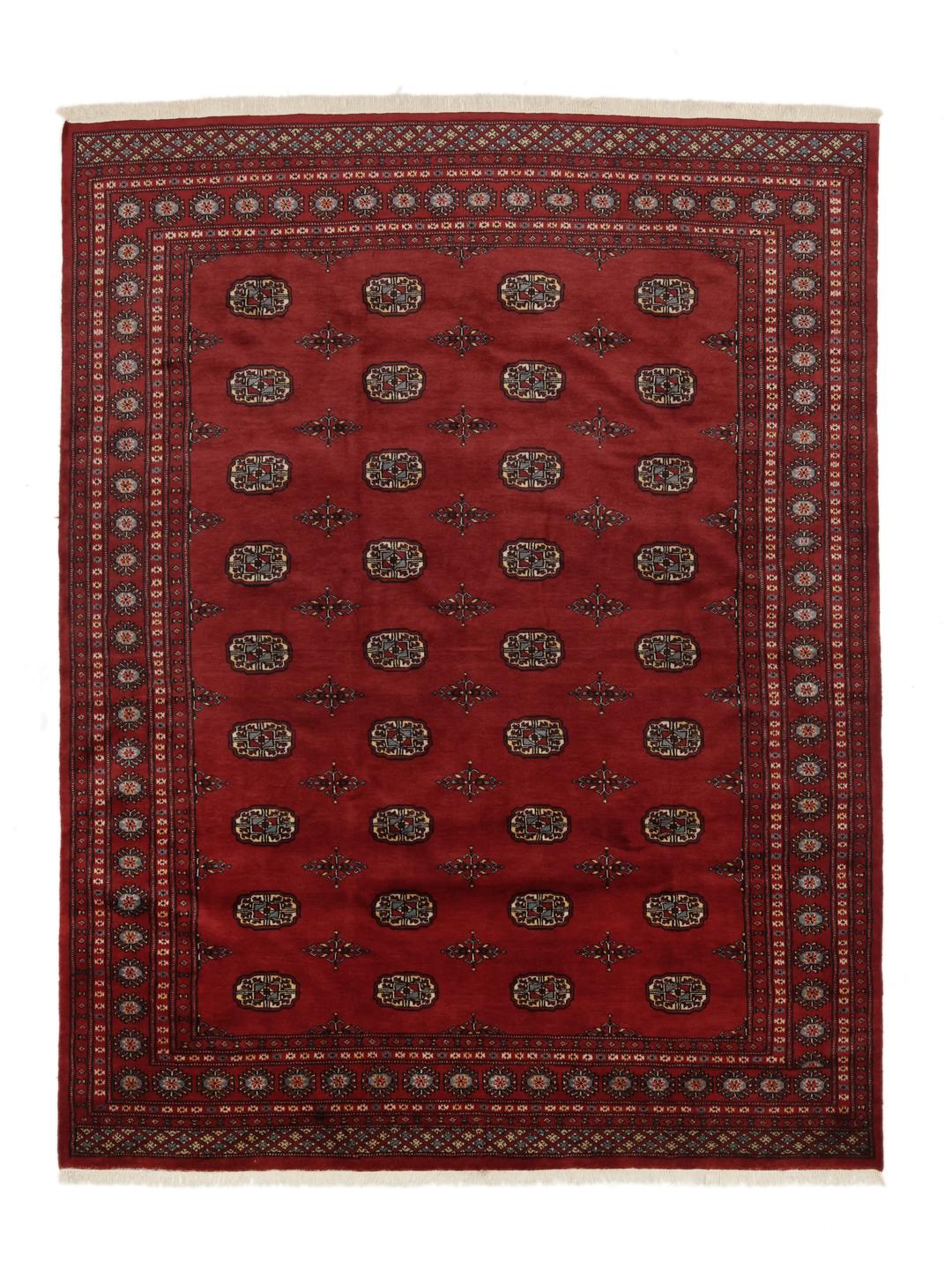
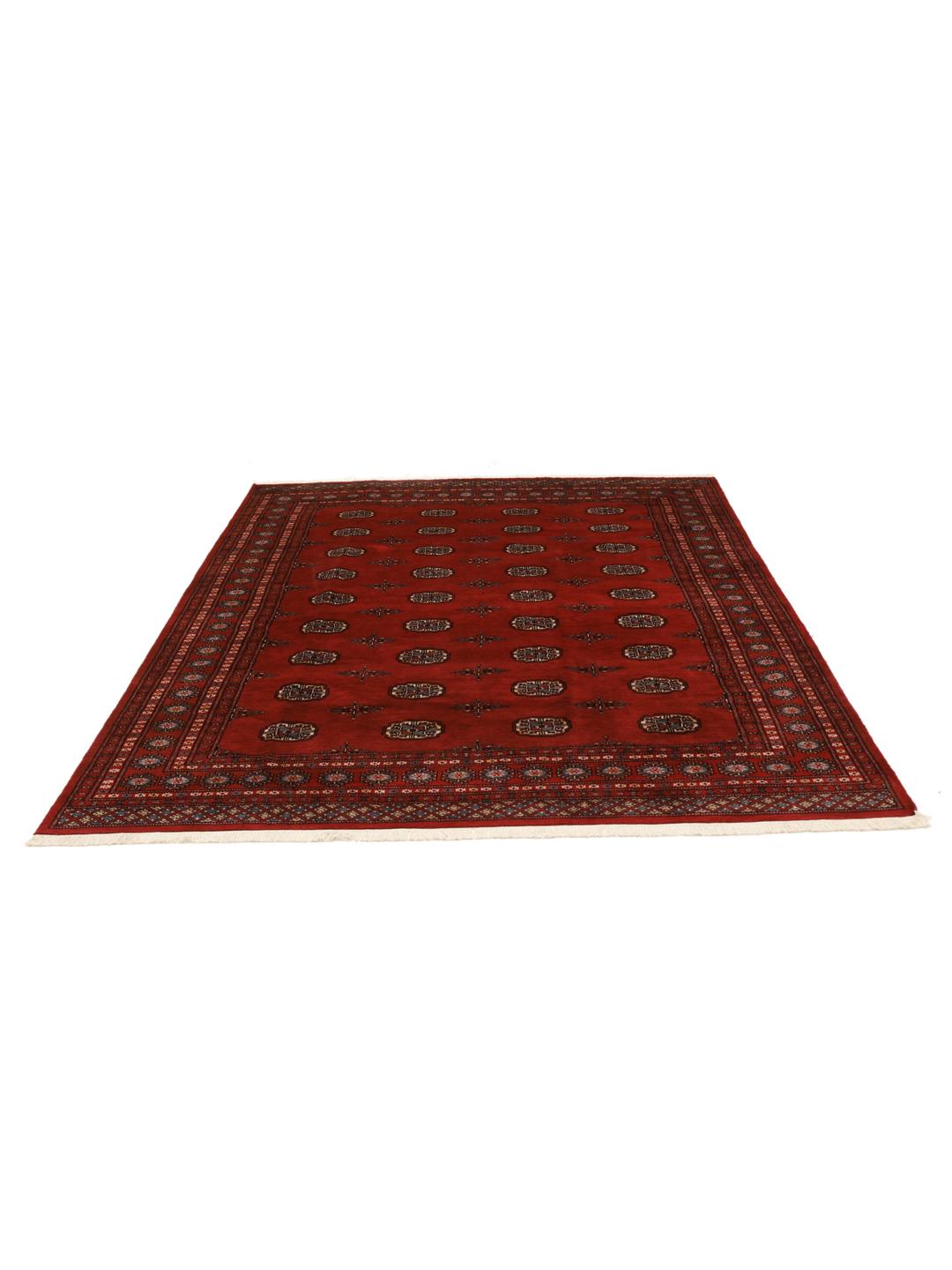
The signature design of a Bokhara rug is defined by the repeating gul motifs, which are elegant, octagonal, or elephant-foot shaped medallions arranged in clean, horizontal rows. These motifs are framed by intricate, geometric borders that echo the symmetry of the field. The deep, warm red hue is the most iconic colour choice for this style, representing a classic look that has been admired for centuries.
Collecting a rug from this tradition is an investment in cultural heritage and human skill. Each piece is valued for its ability to bridge the gap between historical artistry and modern home comfort. Owning such a rug is a statement of appreciation for the patience and expertise required to create something so enduringly beautiful and culturally significant.