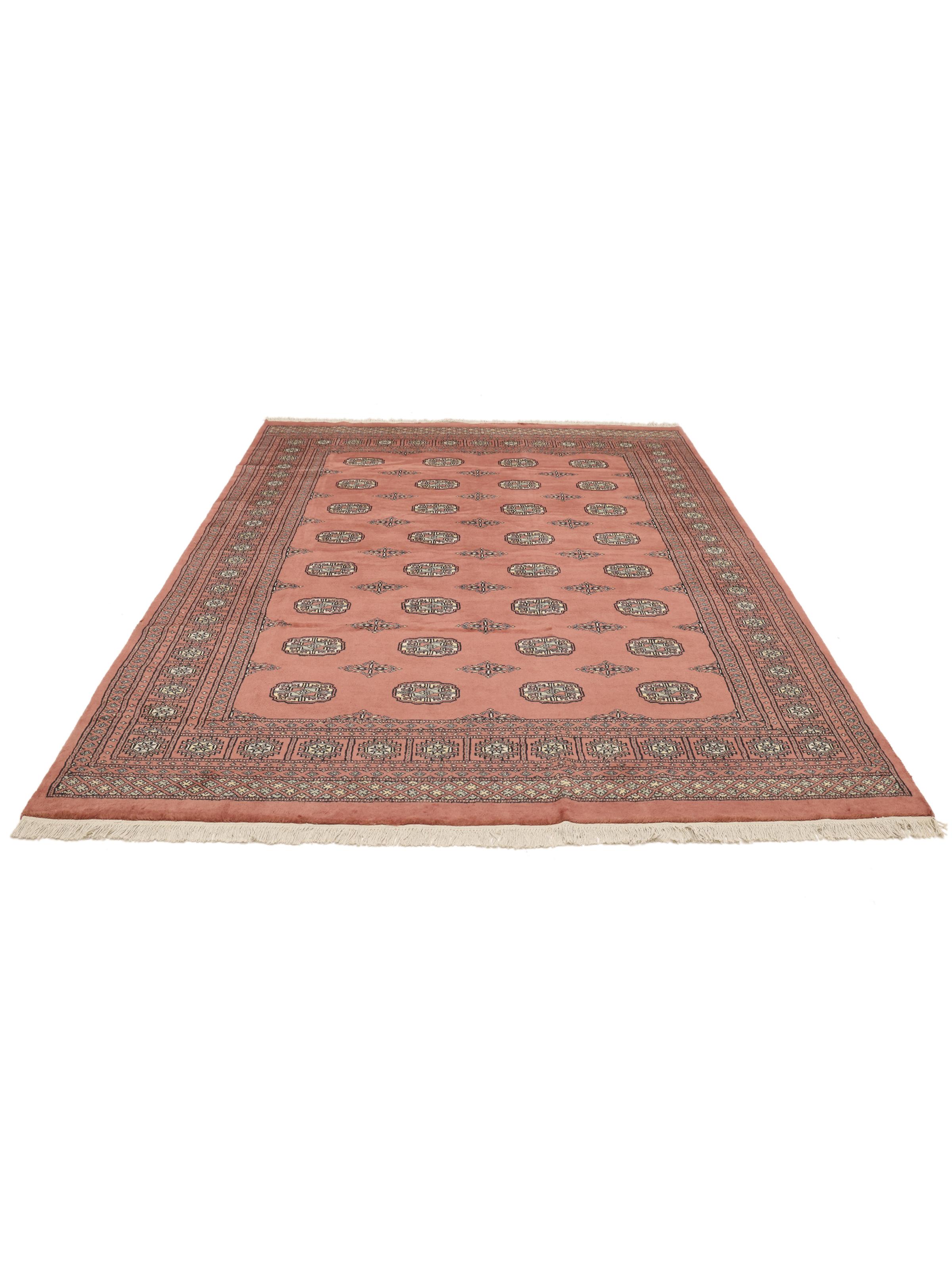
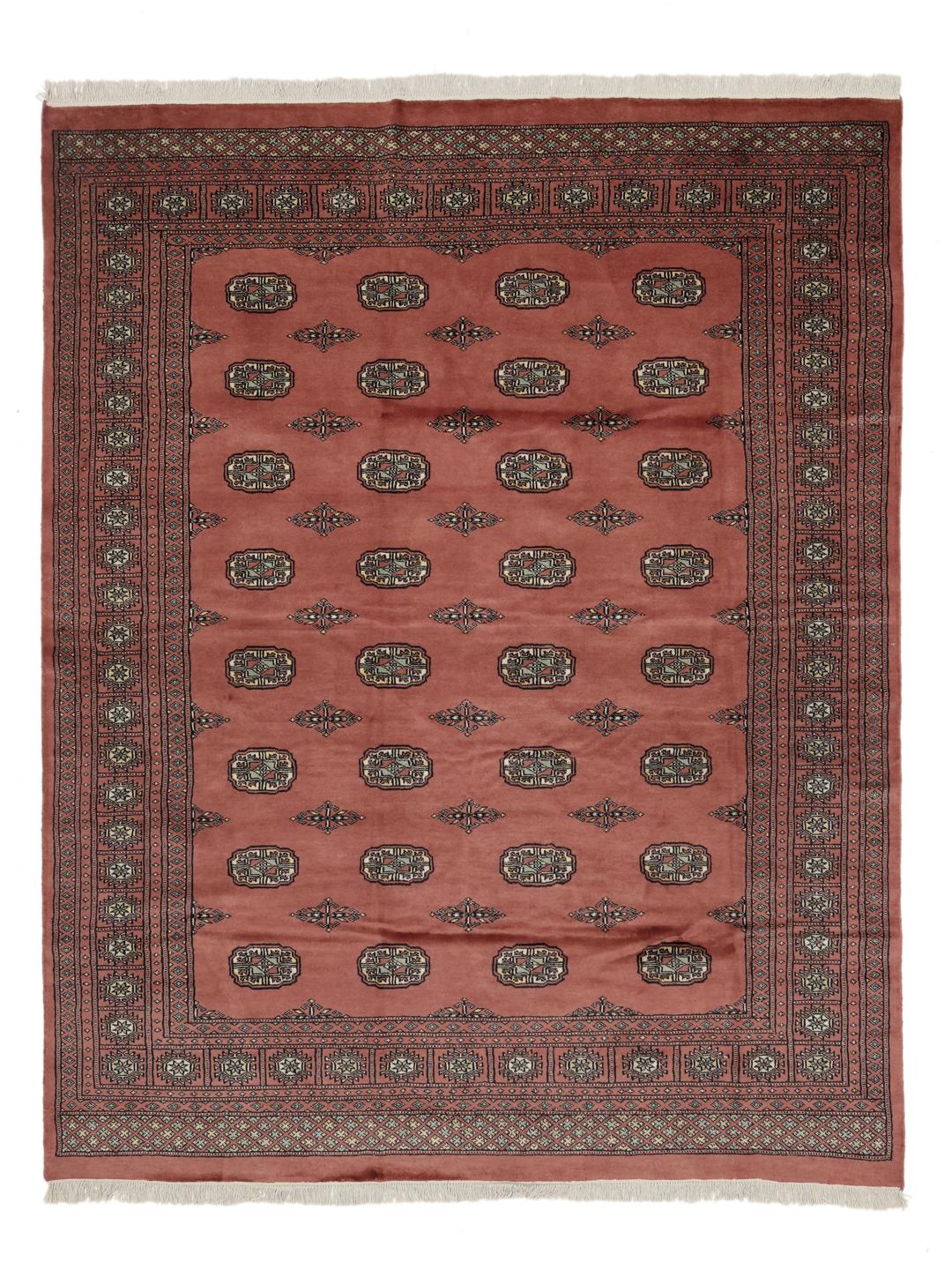
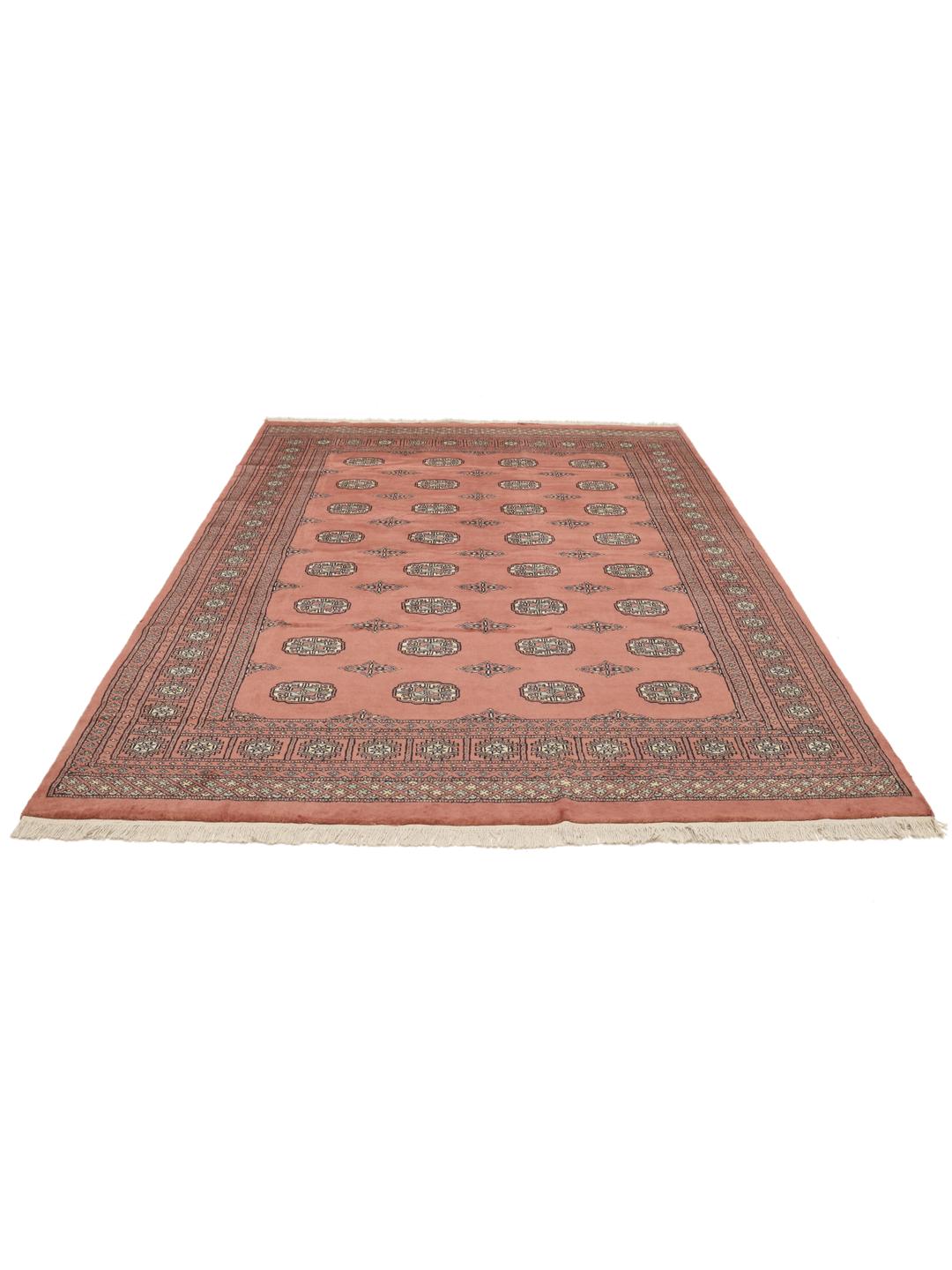
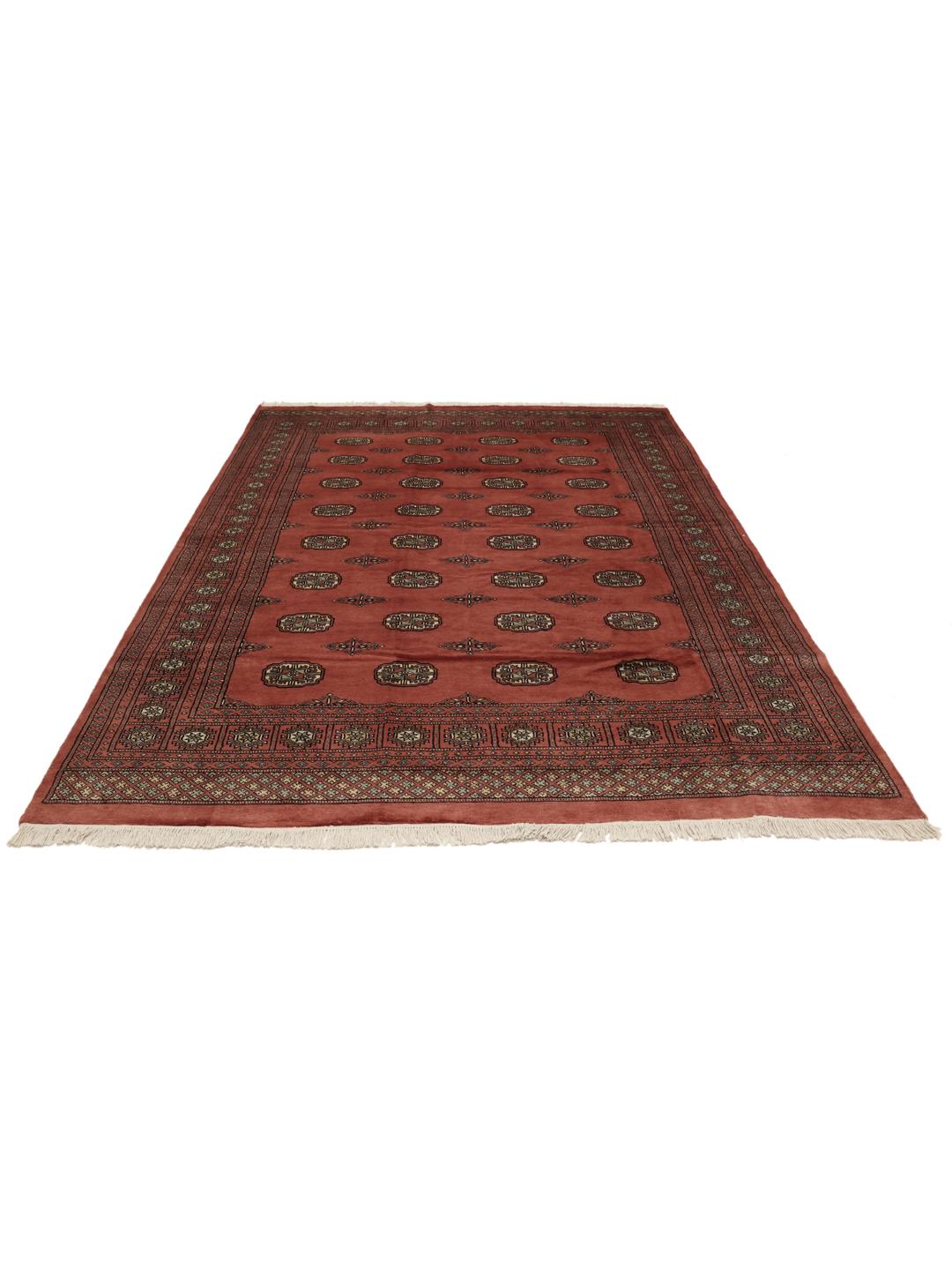
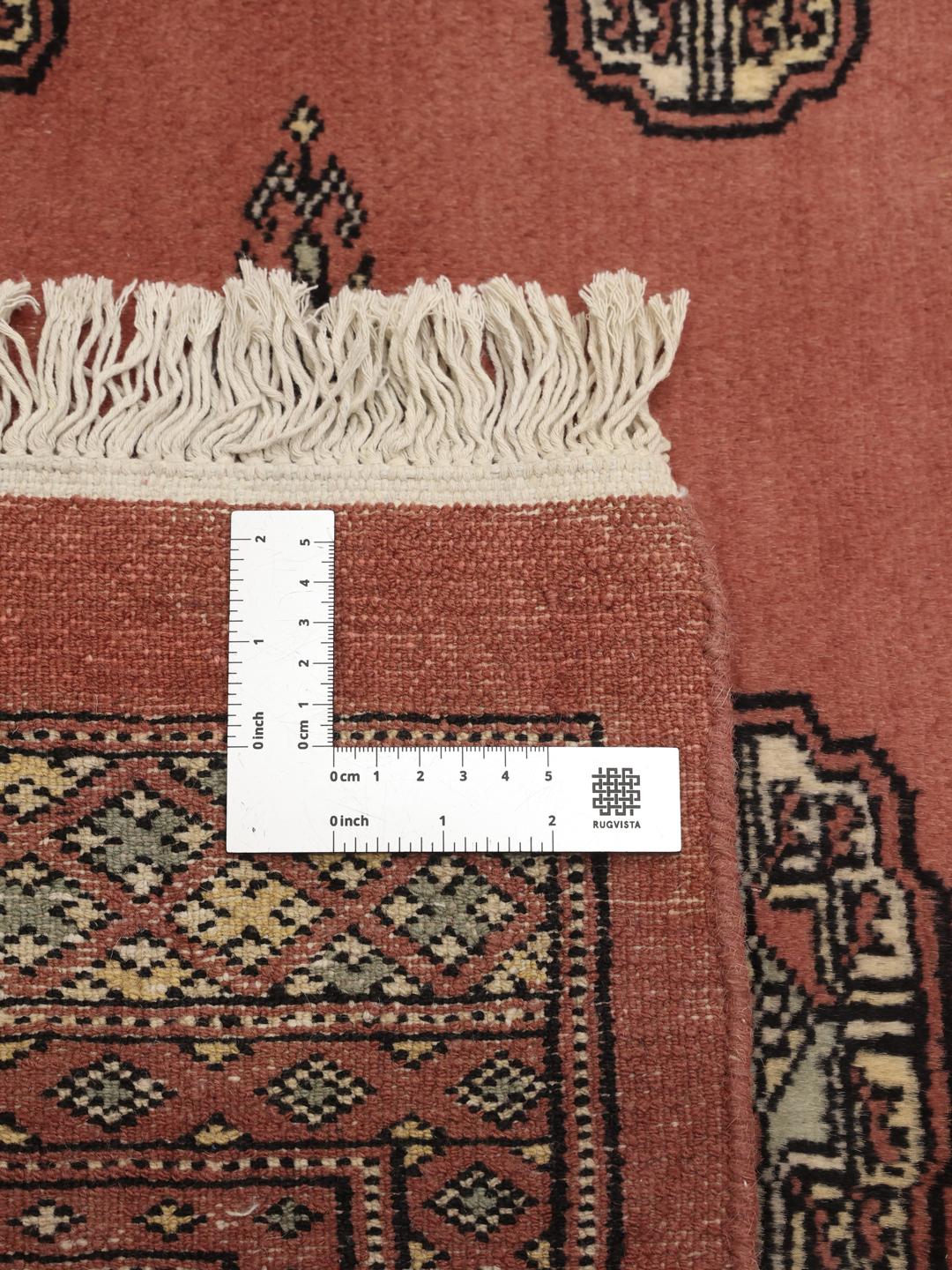
Bokhara rugs take their name from the ancient Silk Road city of Bukhara, a historic hub of trade and cultural exchange in Central Asia. While the tradition is rooted in this region, the finest examples today are primarily crafted in Pakistan, where weavers have perfected the art of the Bokhara style over generations, maintaining its historic appeal while ensuring exceptional quality.
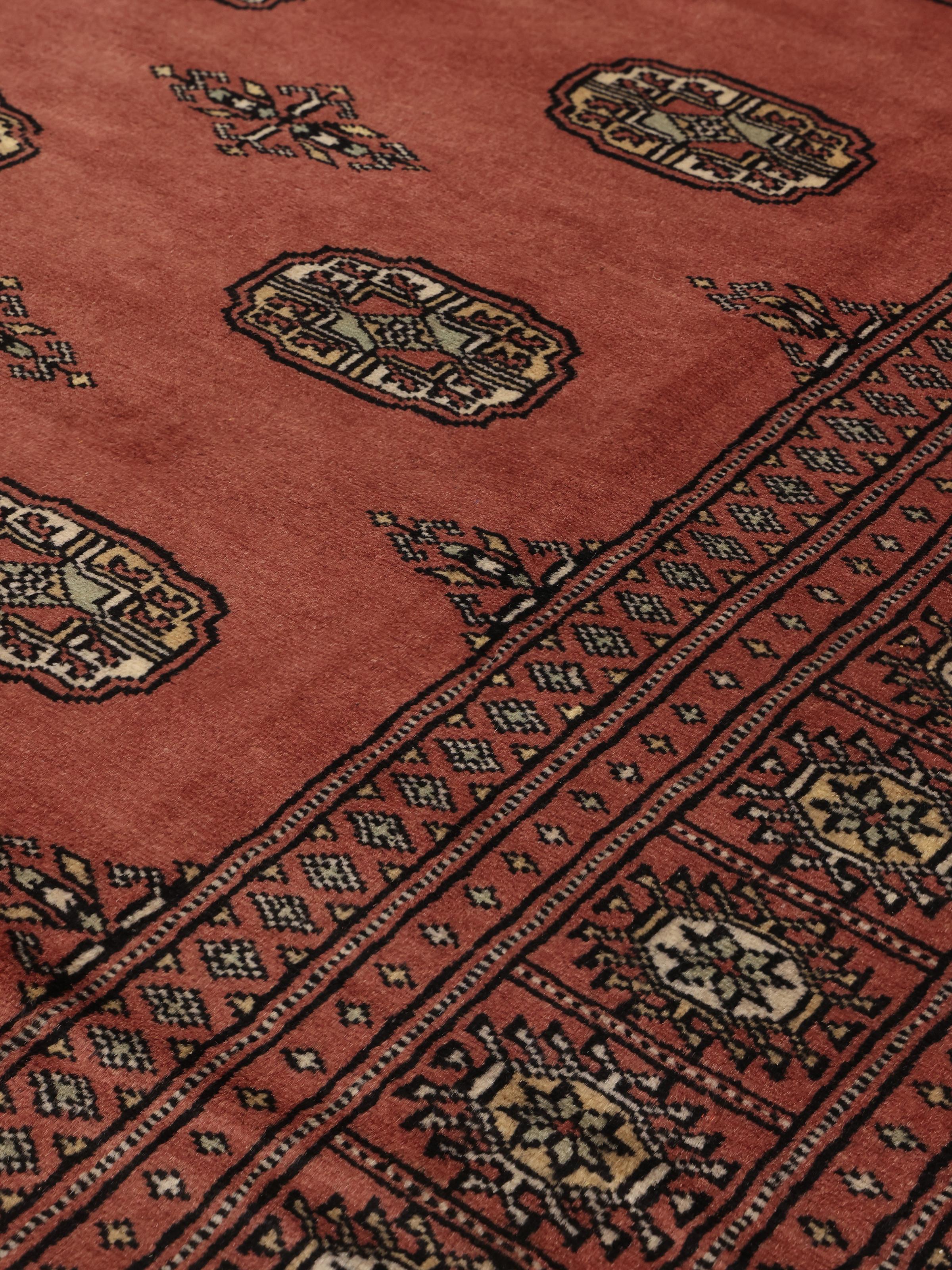
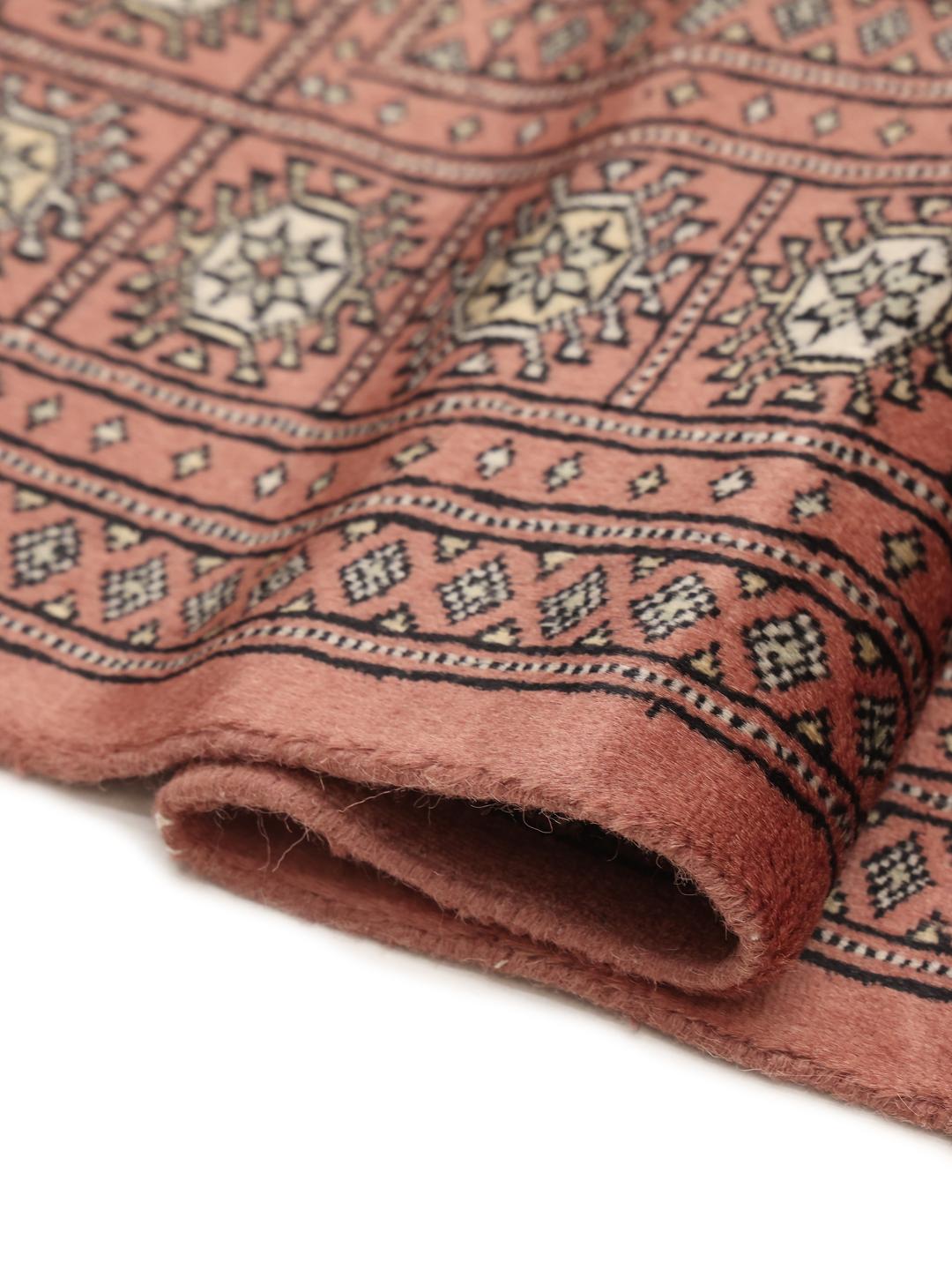
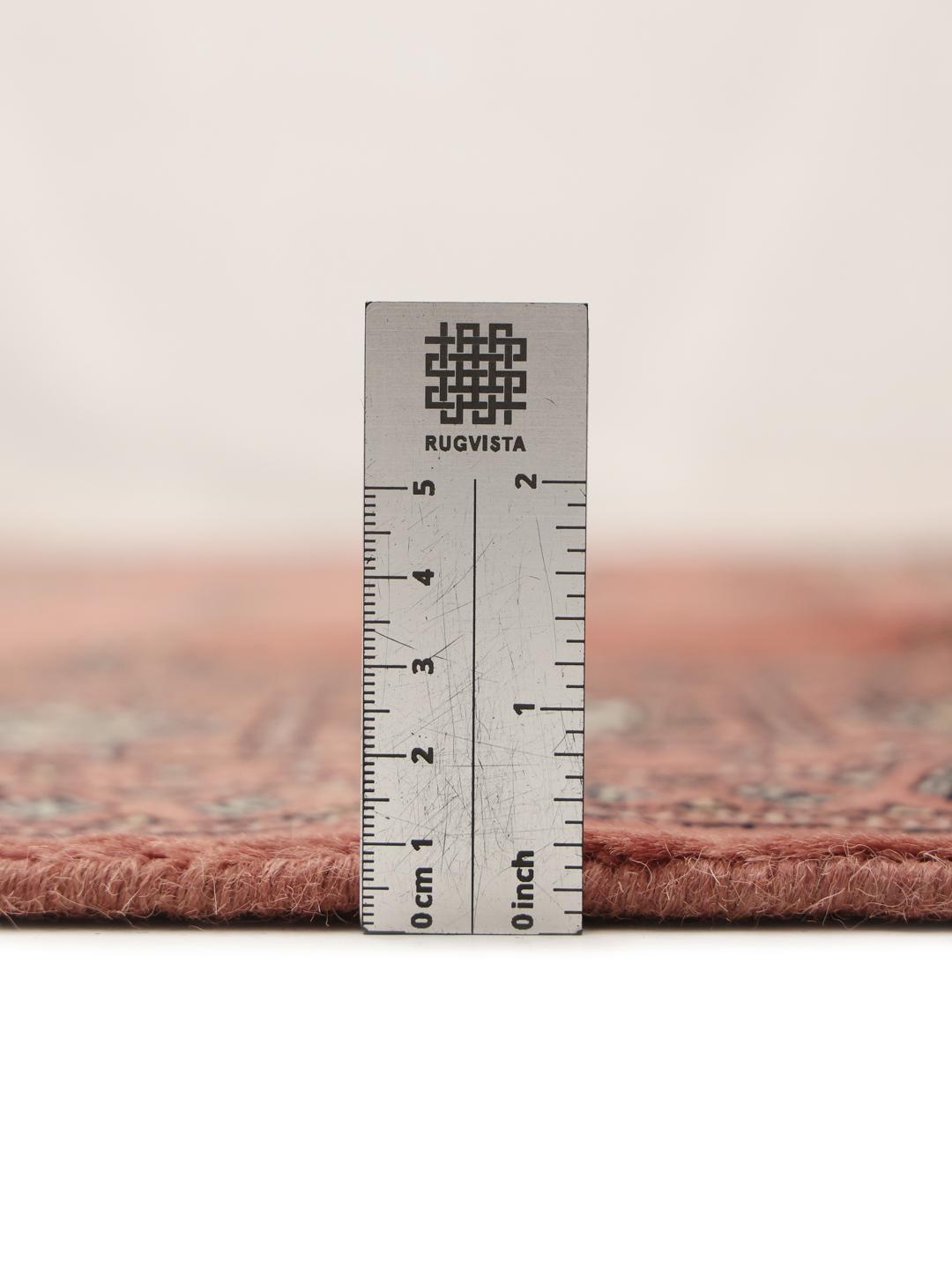
The term 2ply refers to the construction of the pile, where two strands of wool are twisted together before being knotted. This technique is significant because it creates a pile that is noticeably denser, more lustrous, and more resilient than single-ply alternatives. It provides a deeper, more cushioned surface that stands up to wear while enhancing the richness of the colours.
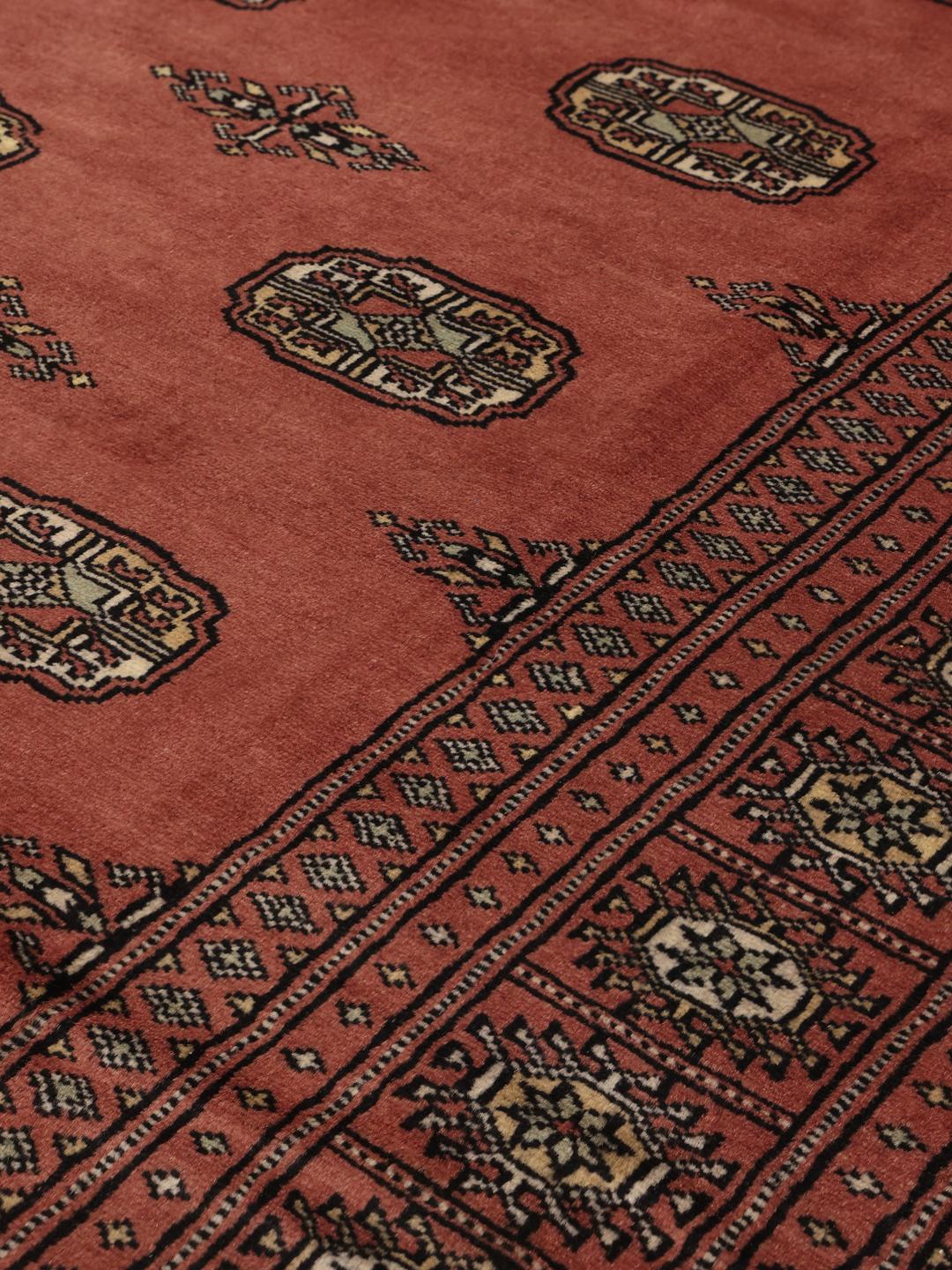
Visually, these rugs are defined by their elegant, repeating gul motifs—often described as elephant-foot medallions—which are arranged in orderly rows across the field. These motifs are typically framed by elaborate, geometric borders. The design language is one of balance and symmetry, which creates a sense of calm and order in any interior setting.
Owning a hand-knotted rug from this tradition is an opportunity to connect with a long-standing heritage of craftsmanship. These pieces are highly valued by collectors and homeowners alike for their blend of technical skill and enduring design. By choosing this rug, you are welcoming a piece of cultural history into your home that celebrates human effort and artistic expression.