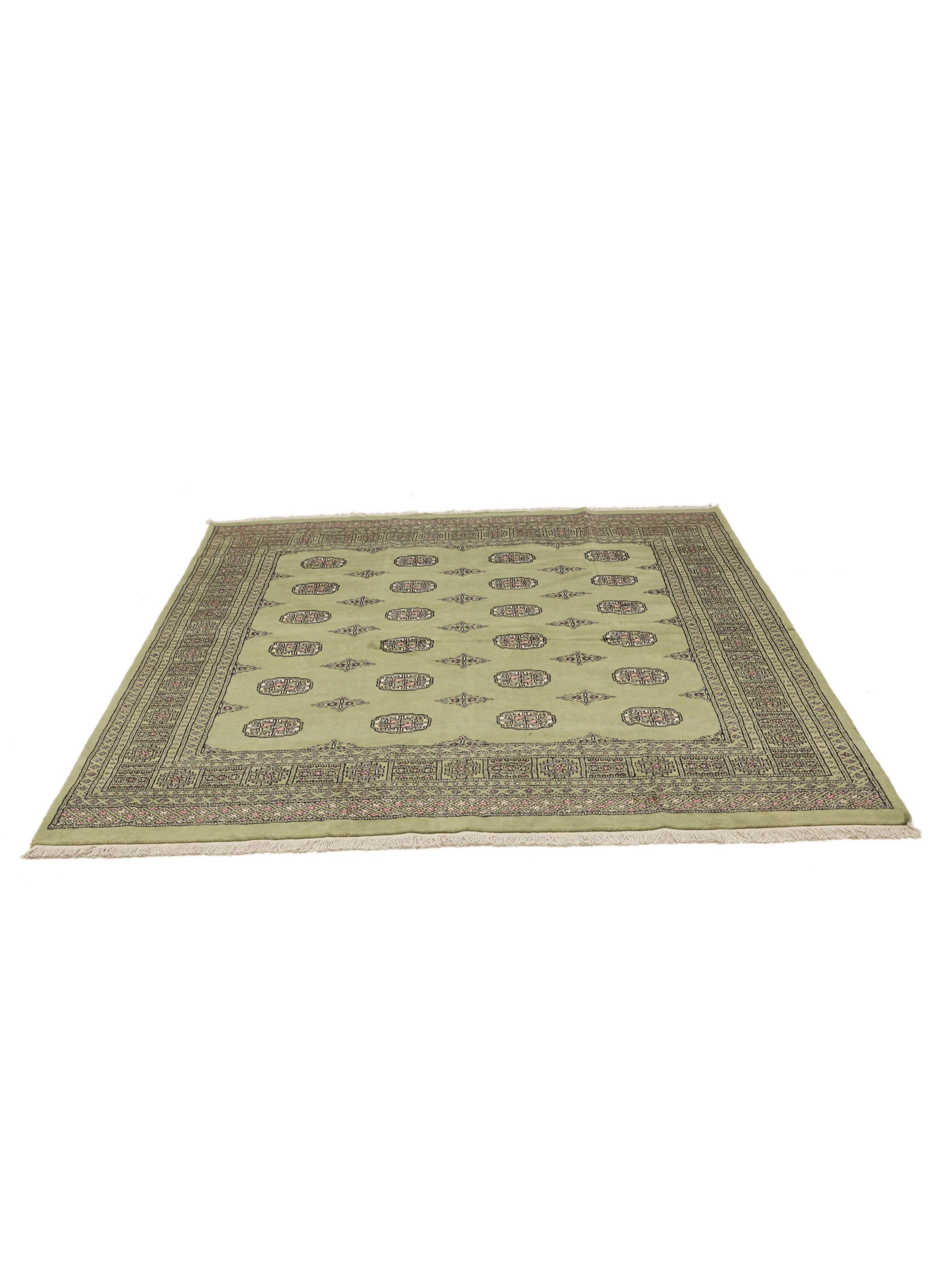
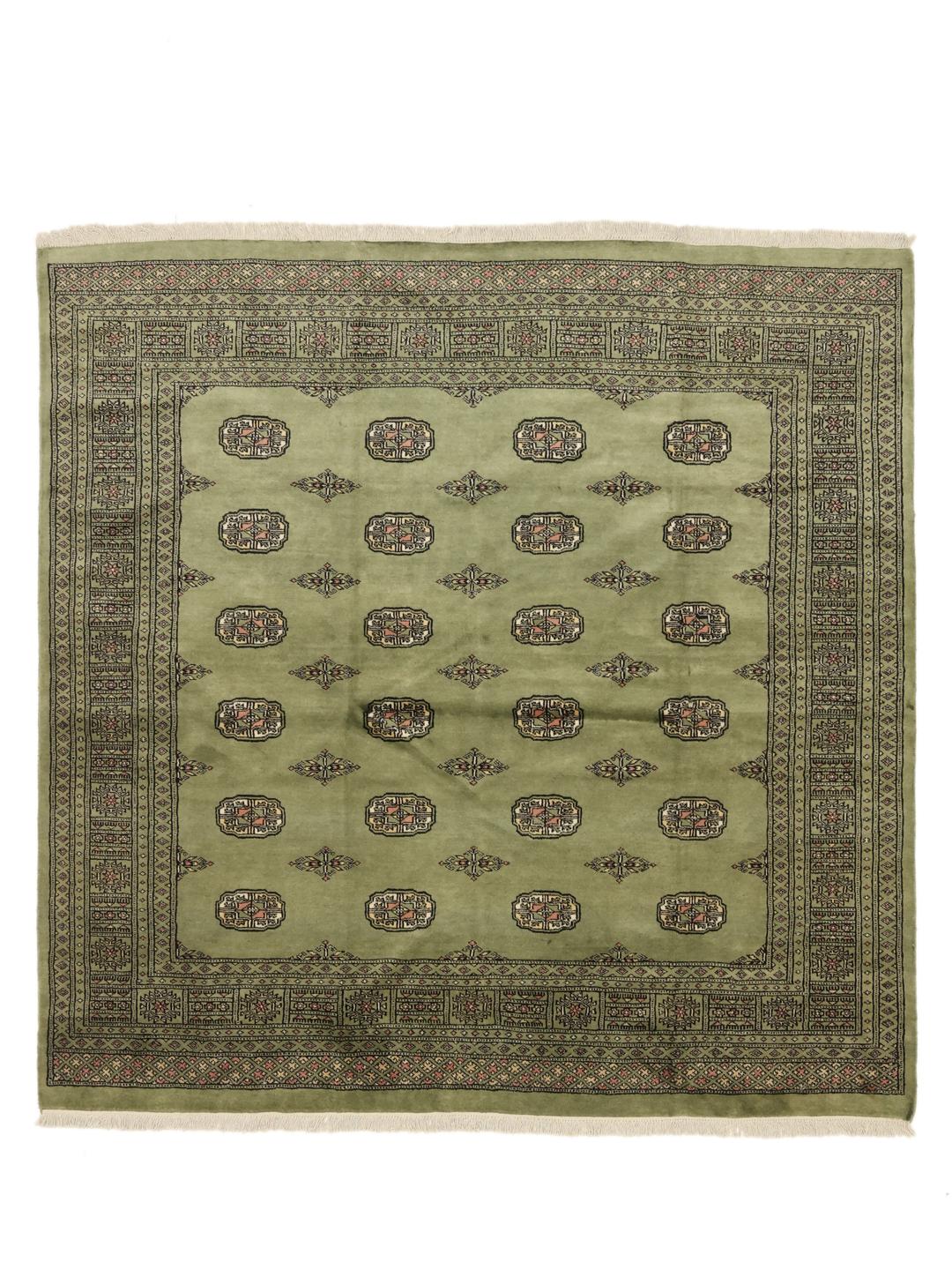
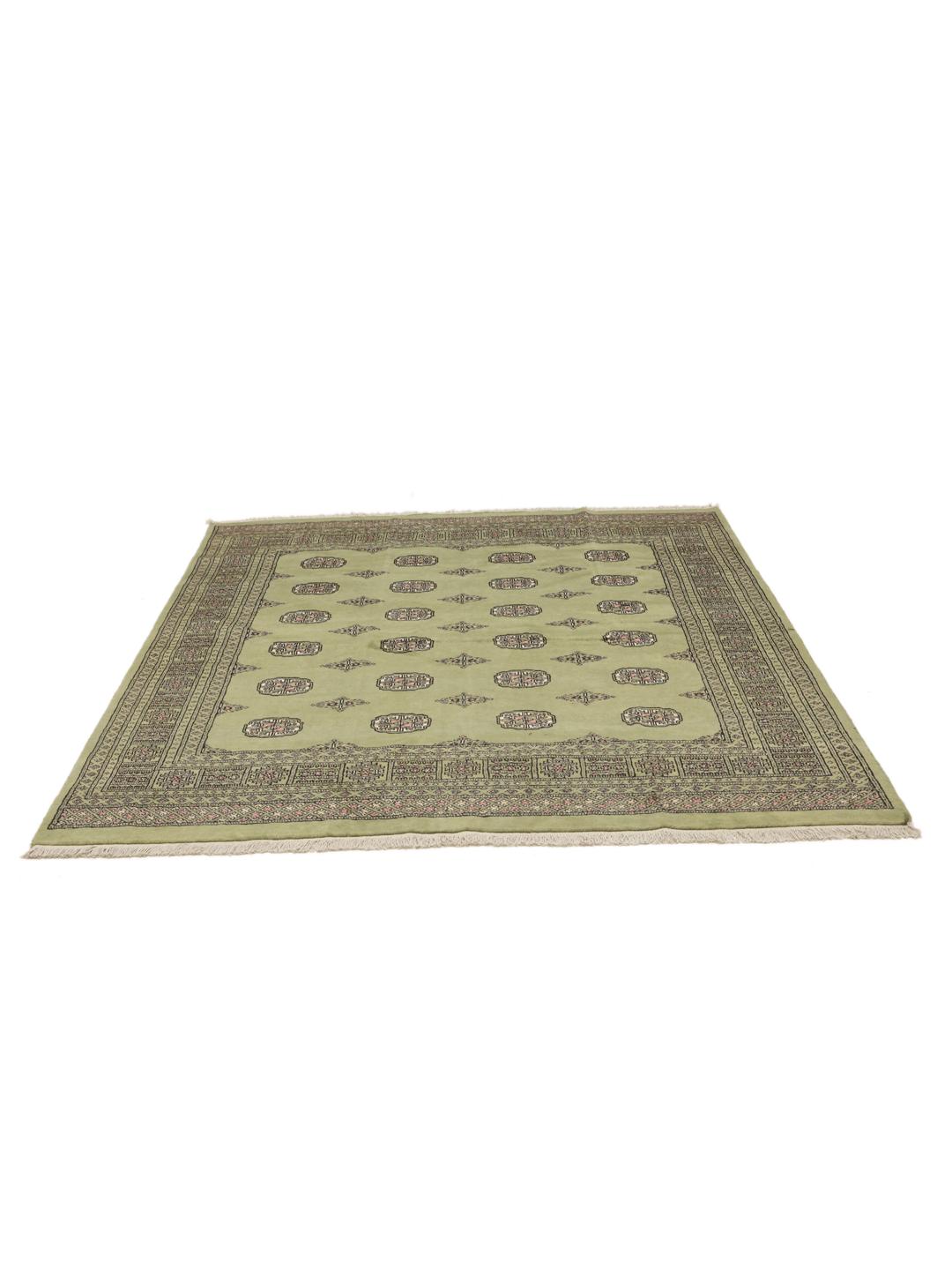
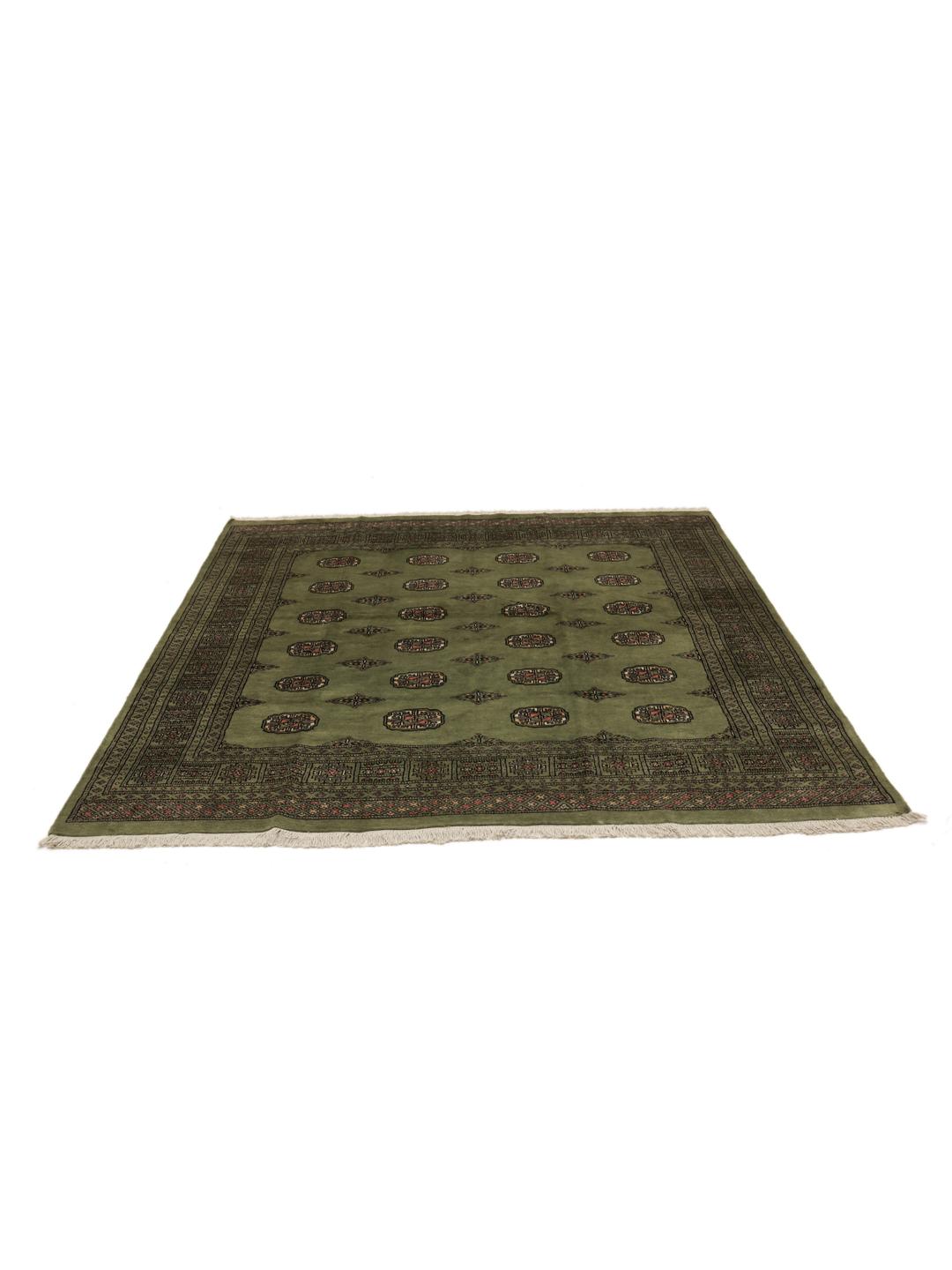
Bokhara rugs take their name from the ancient Silk Road city of Bukhara in Central Asia, a historical centre of trade and culture. While the style originated in the nomadic tribes of the region, the finest examples today are primarily crafted in Pakistan. This evolution reflects the migration of weaving traditions across borders, where artisans have refined the style to achieve the high levels of consistency and soft, lustrous textures we see in modern pieces.
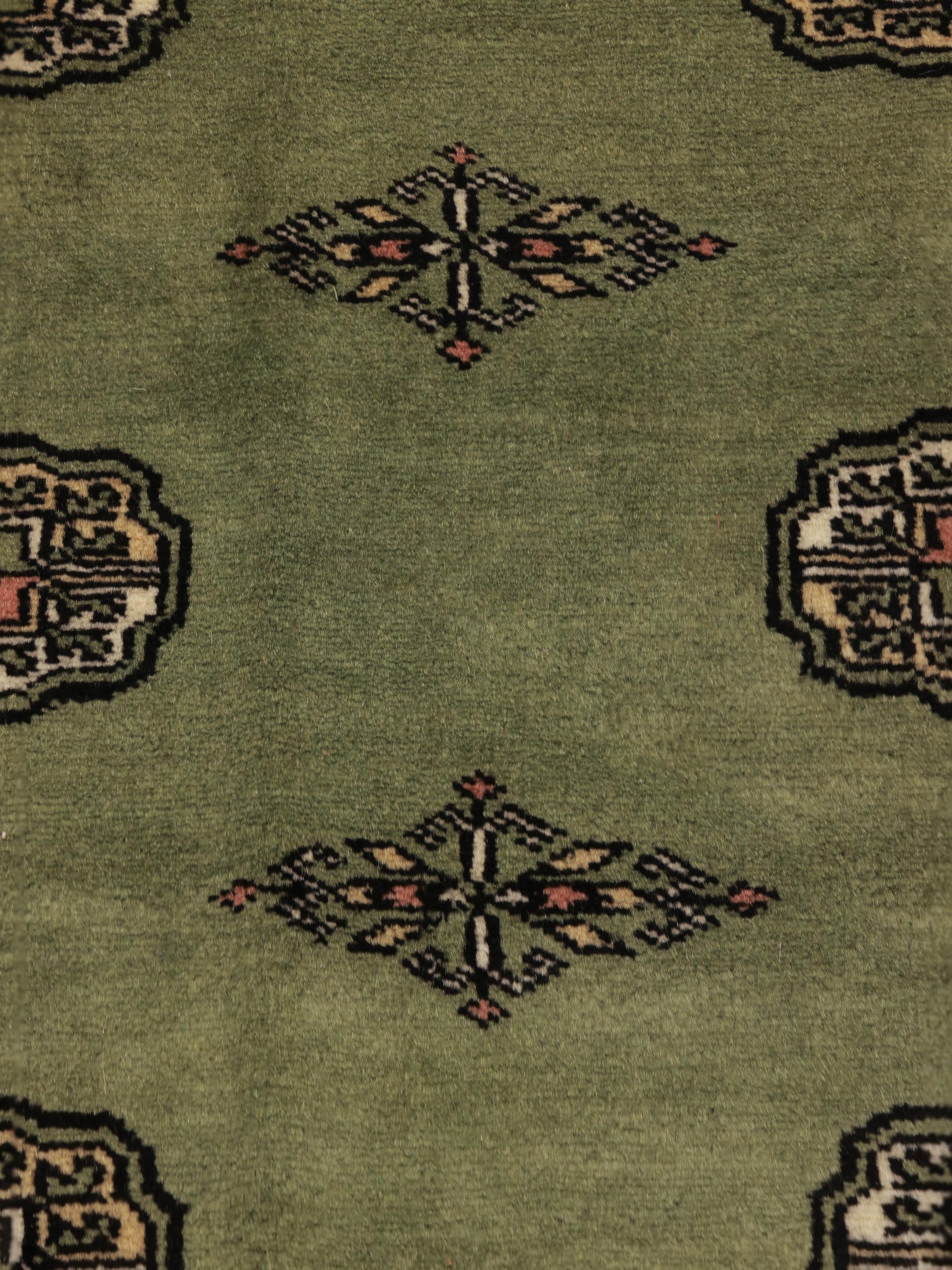
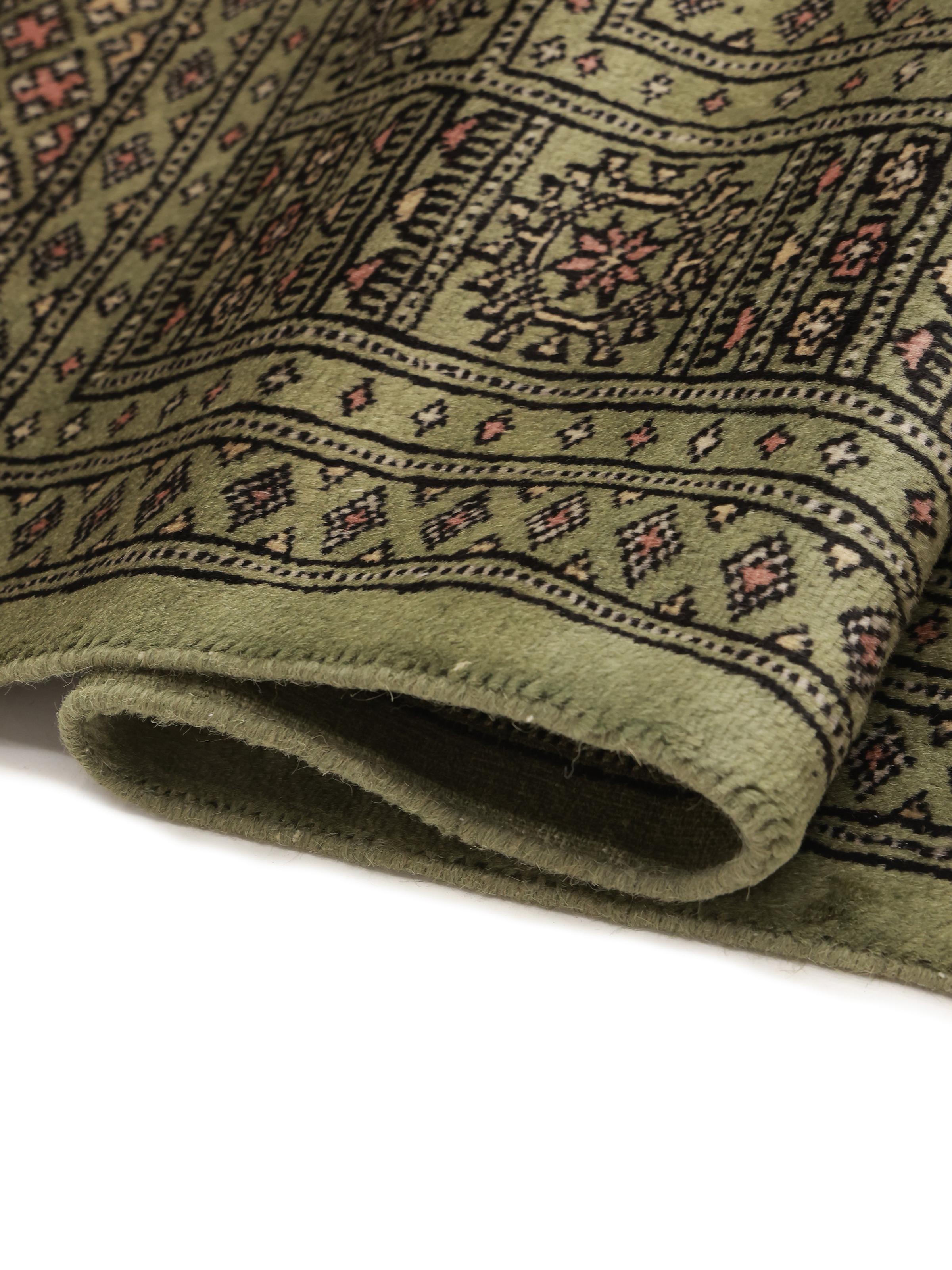
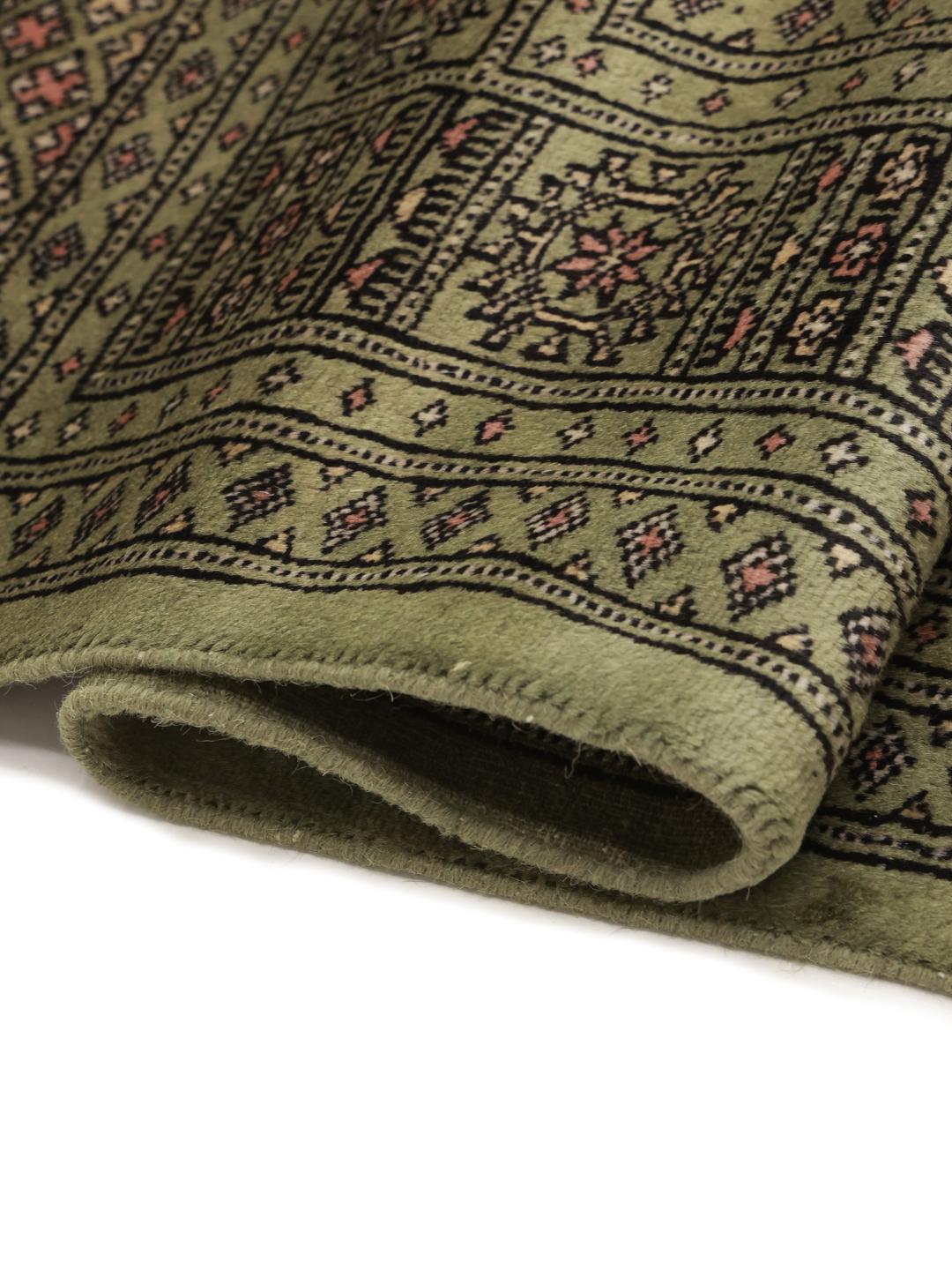
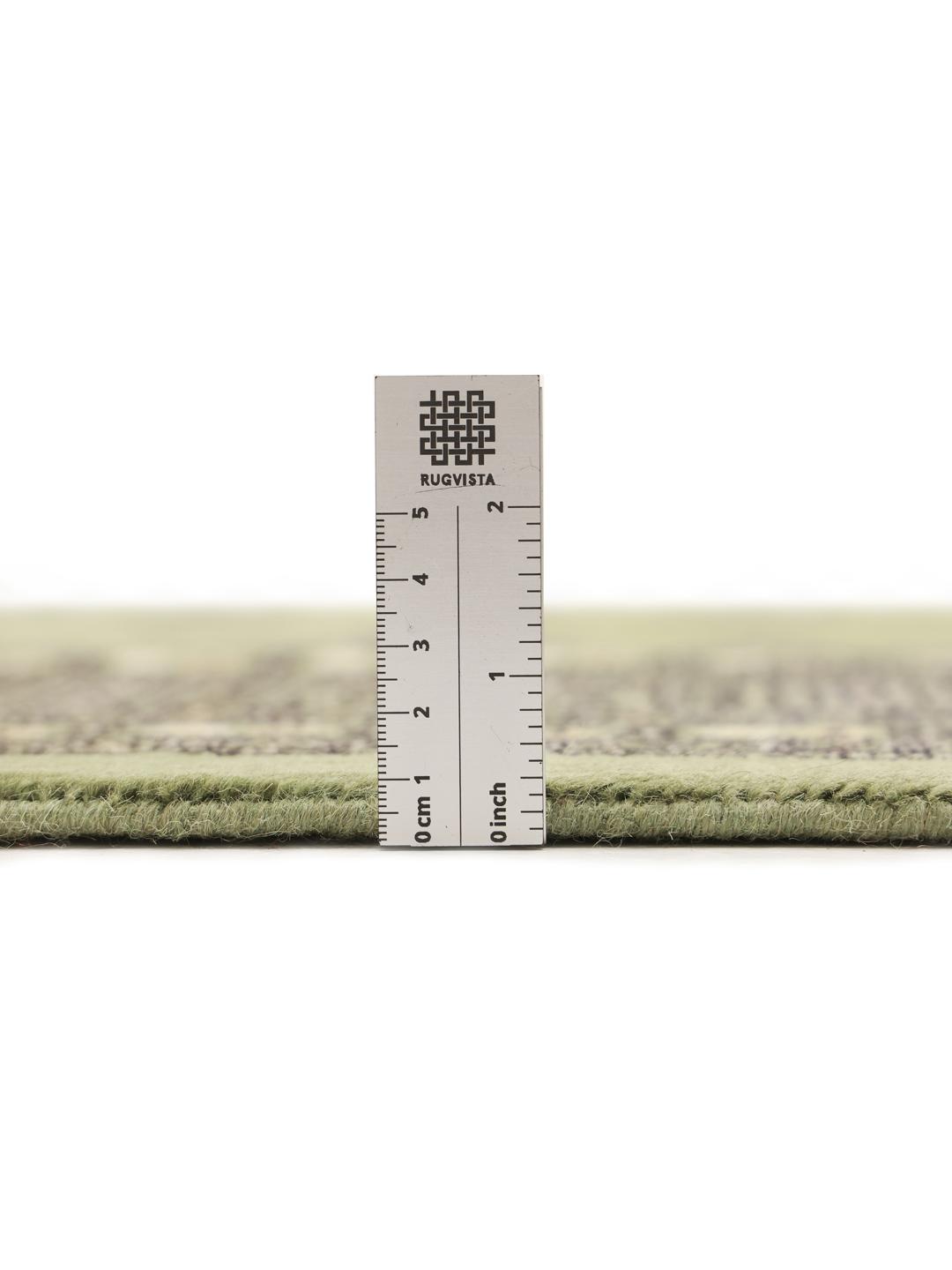
The term 2ply refers to the construction of the pile, where two strands of wool are twisted together before being knotted. This technique is significant because it produces a thicker, more durable, and notably more lustrous pile compared to single-ply alternatives. For the owner, this means a rug that not only feels fuller and more comfortable but also possesses an enhanced ability to withstand foot traffic and daily use.
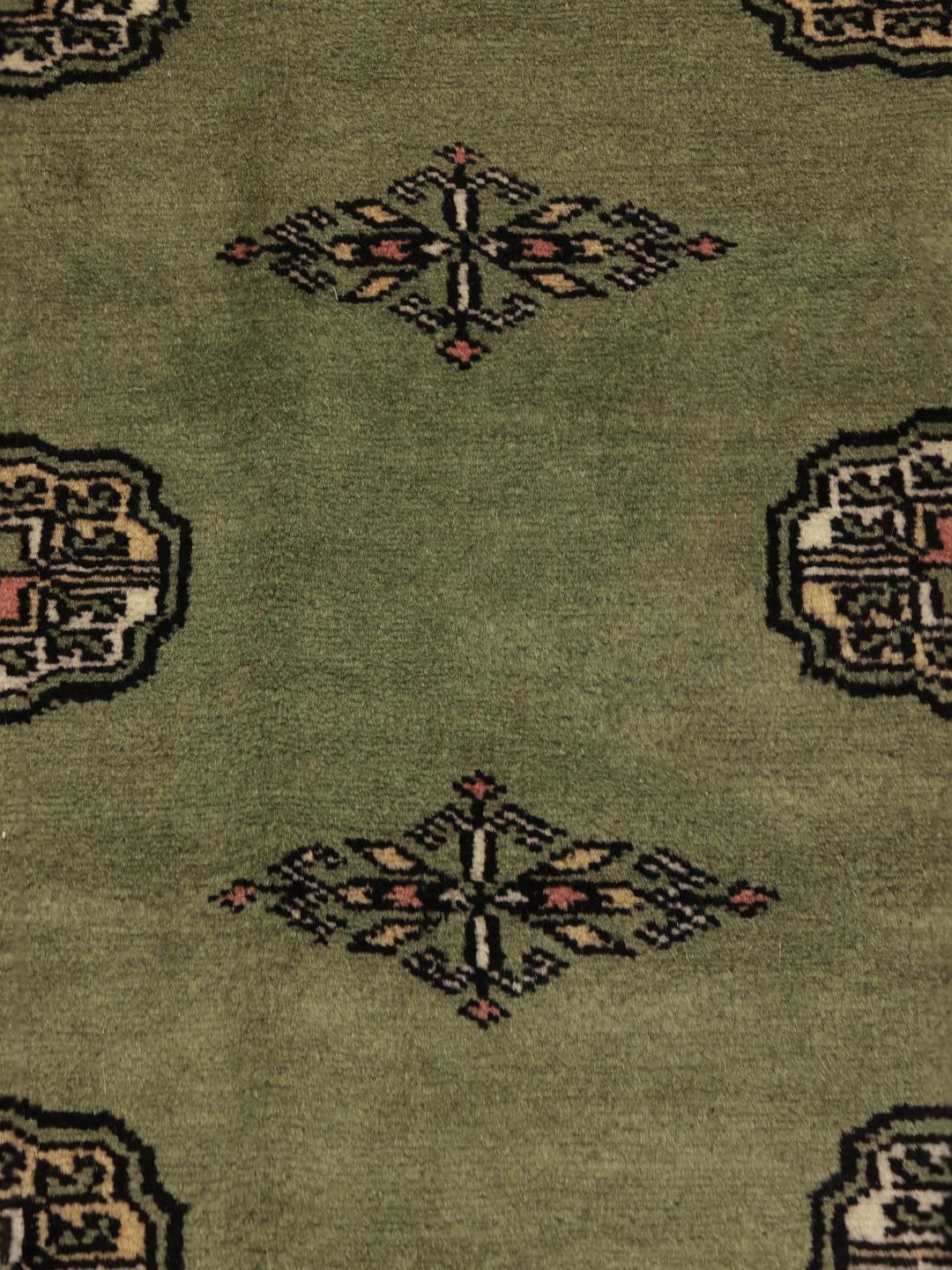
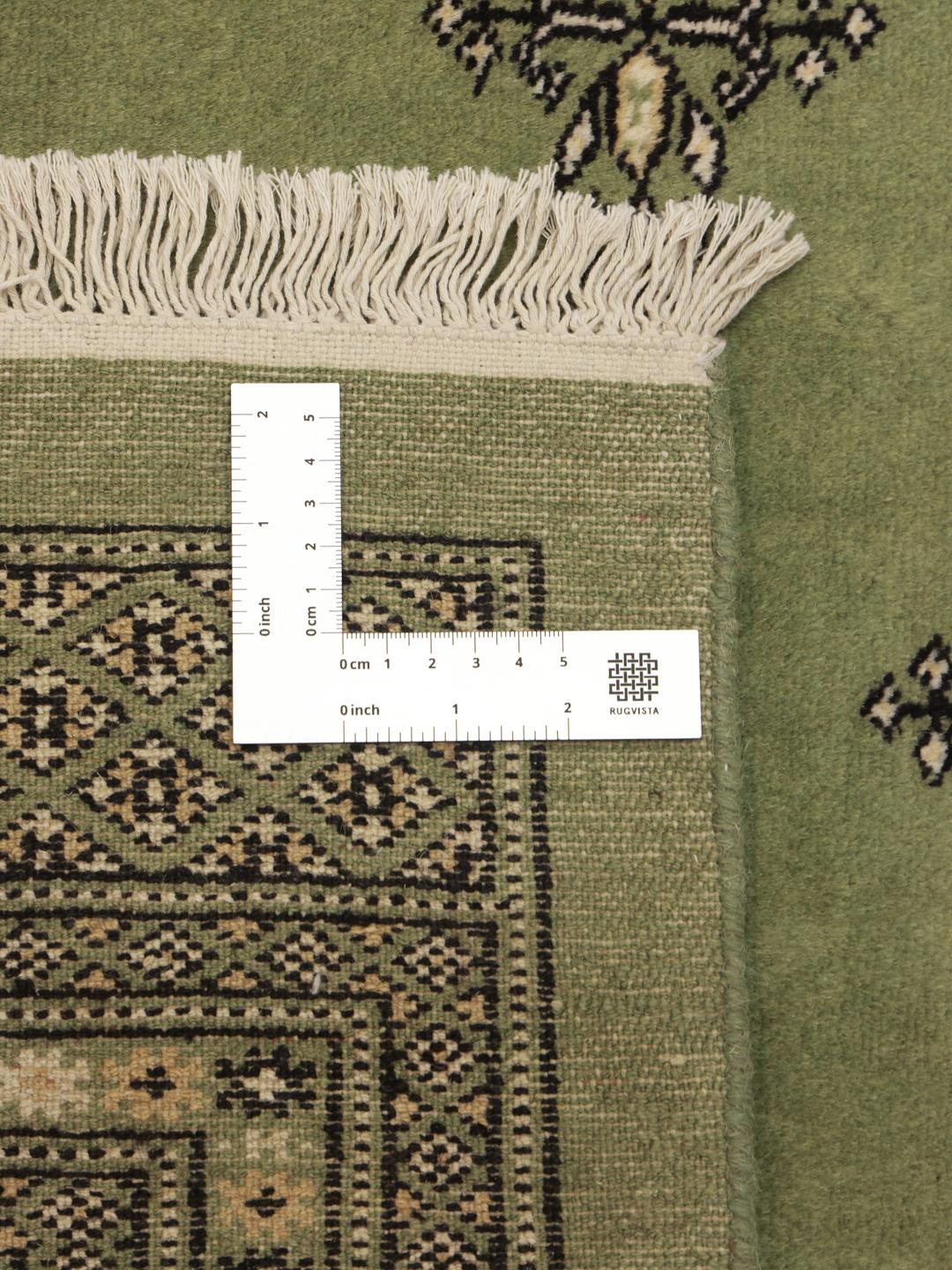
The visual language of a Bokhara is defined by its field, which is typically covered in repeating gul motifs. These stylised, octagonal shapes are arranged in rhythmic rows, creating a sense of balance and harmony. The formal, geometric border frames these medallions, providing a structured contrast to the soft, flowing nature of the central design, resulting in a look that is both complex and deeply restful.
These rugs are highly valued by collectors for their blend of historical significance and enduring craftsmanship. Owning a Bokhara is more than just selecting a decor piece; it is an investment in a tradition that celebrates the human touch and the beauty of slow, deliberate creation. Each piece acts as a bridge between the nomadic history of its origins and the modern home, offering a sense of heritage and lasting quality.