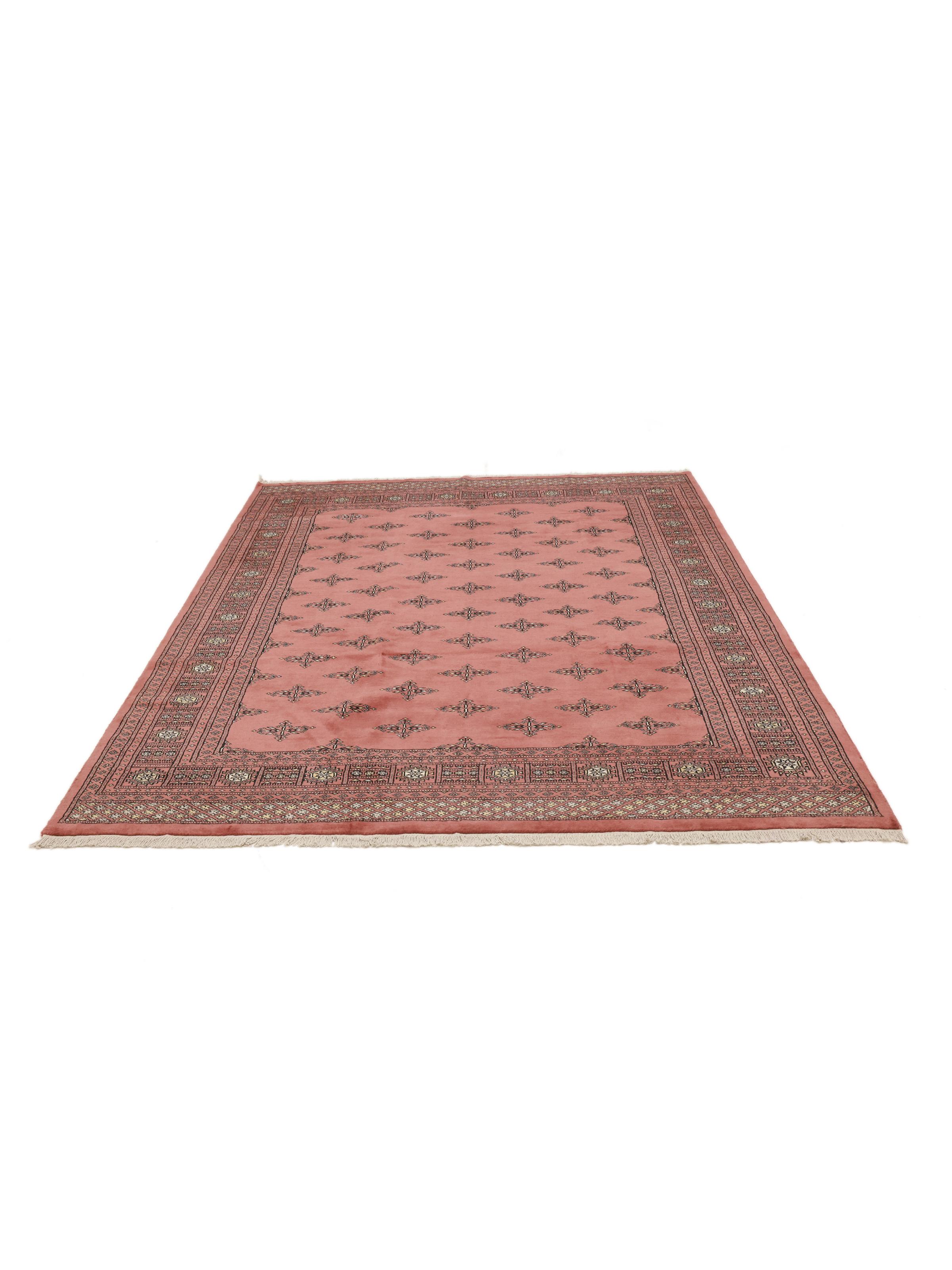
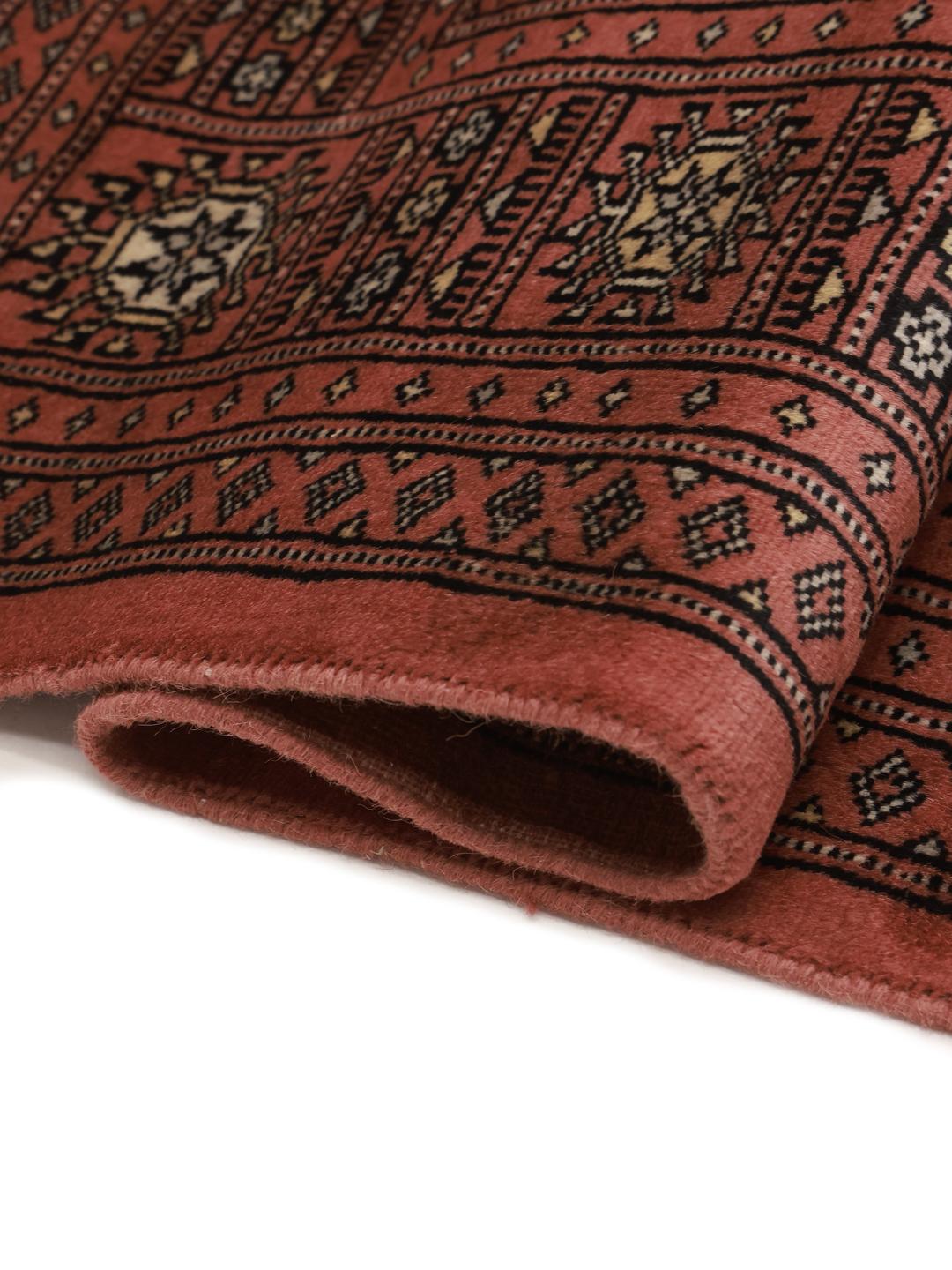
The Bokhara rug tradition is deeply rooted in the history of Central Asian weaving, tracing its name to the ancient Silk Road city of Bukhara. While these designs were historically nomadic, the tradition migrated and evolved significantly over time, with the finest contemporary examples now being expertly produced in Pakistan.
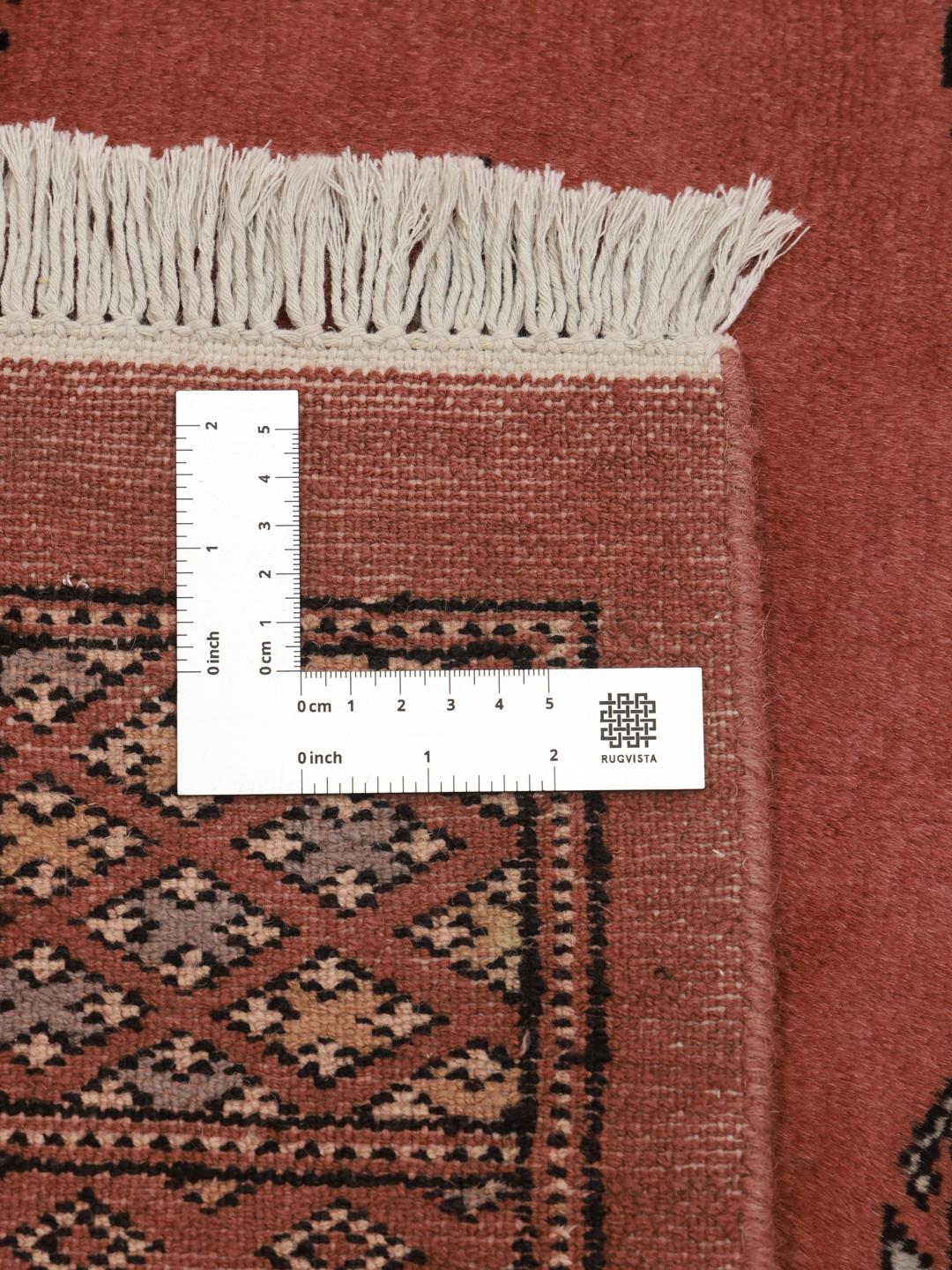
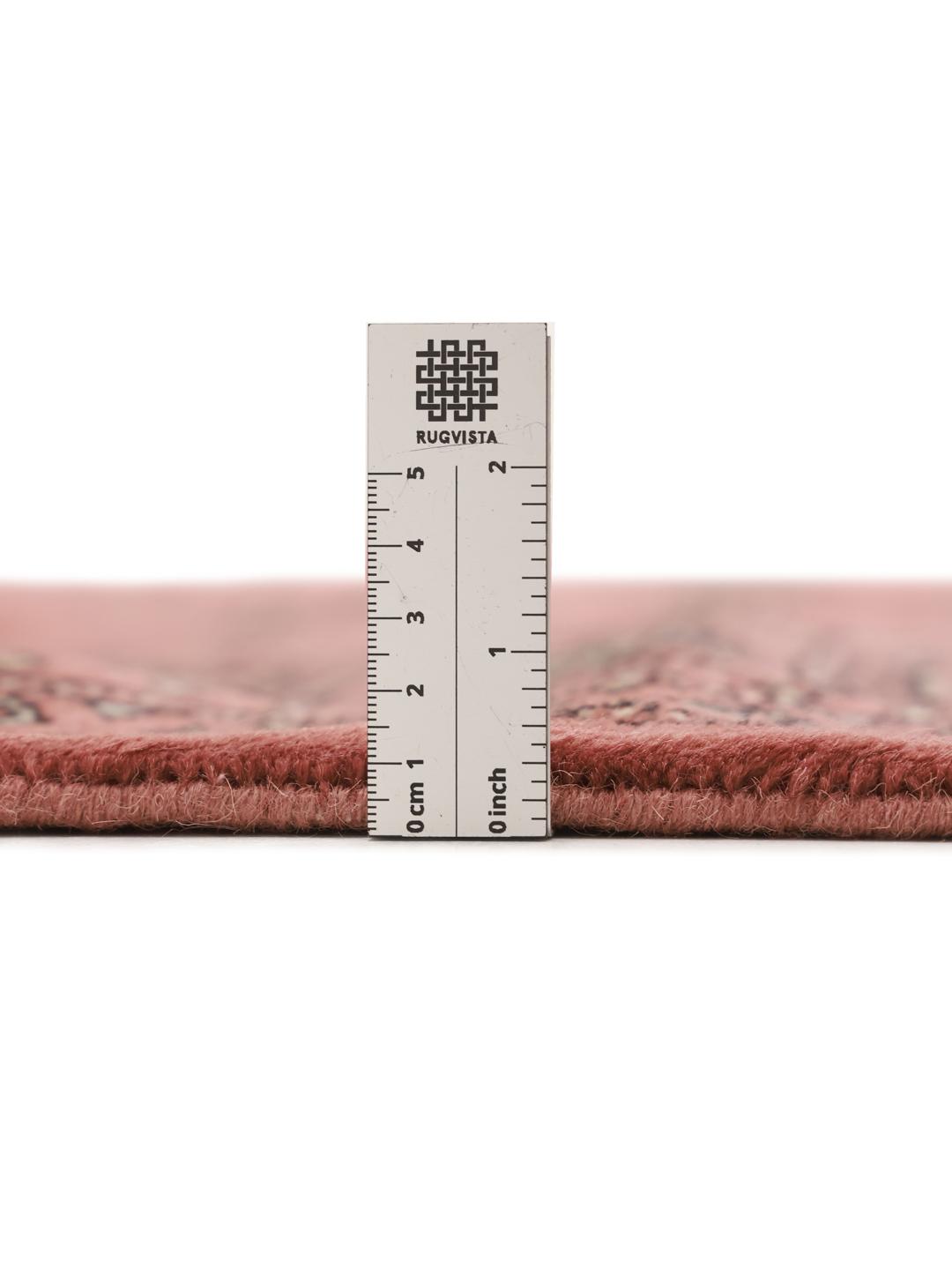
The term 2ply refers to the specific way the wool is prepared before it is knotted. By twisting two strands of wool together, the weavers create a yarn that is stronger and more resilient than single-ply alternatives. This technical choice results in a pile that is not only denser and more luxurious to the touch but also capable of maintaining its lustre and form through years of regular use.
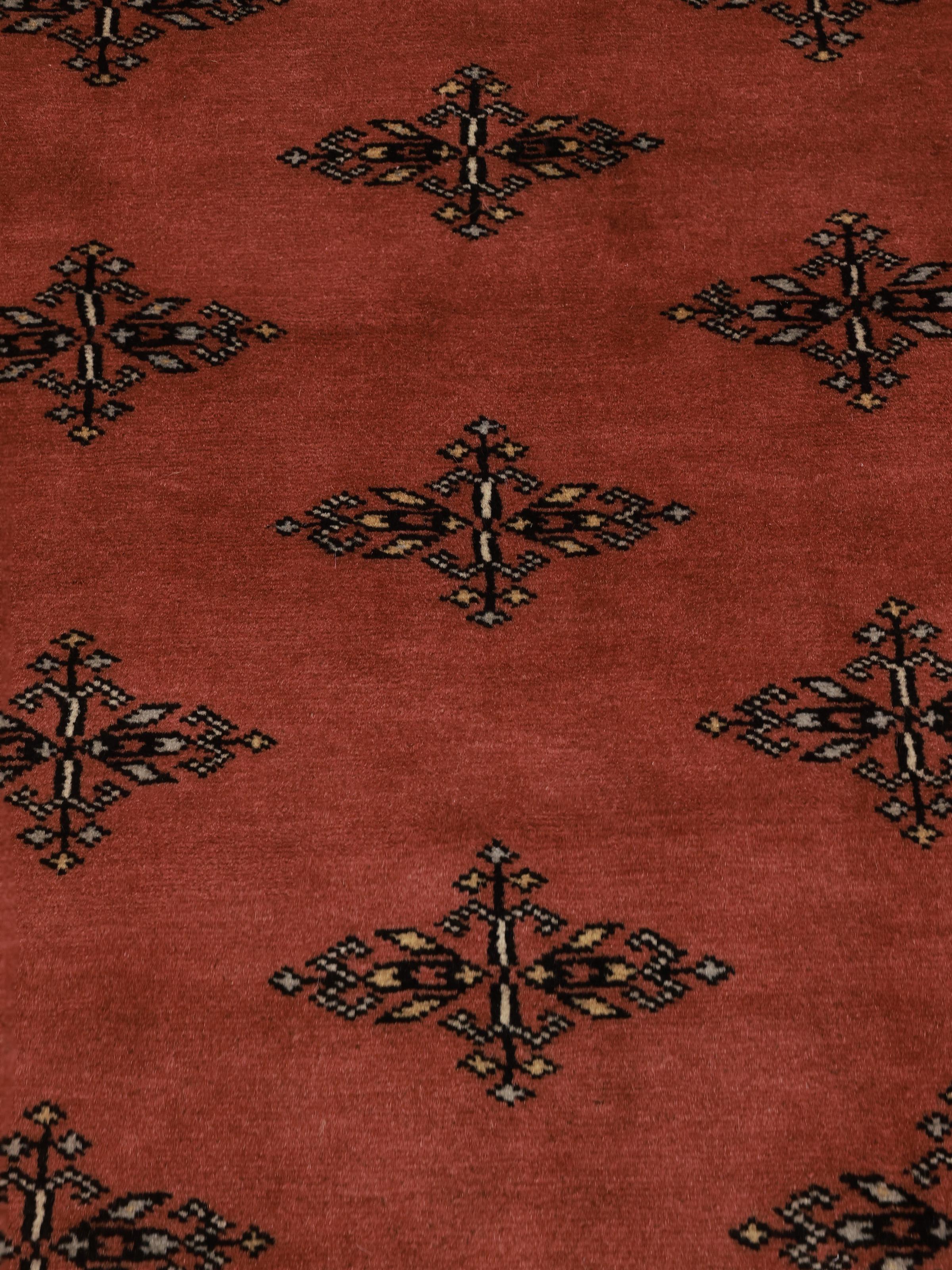
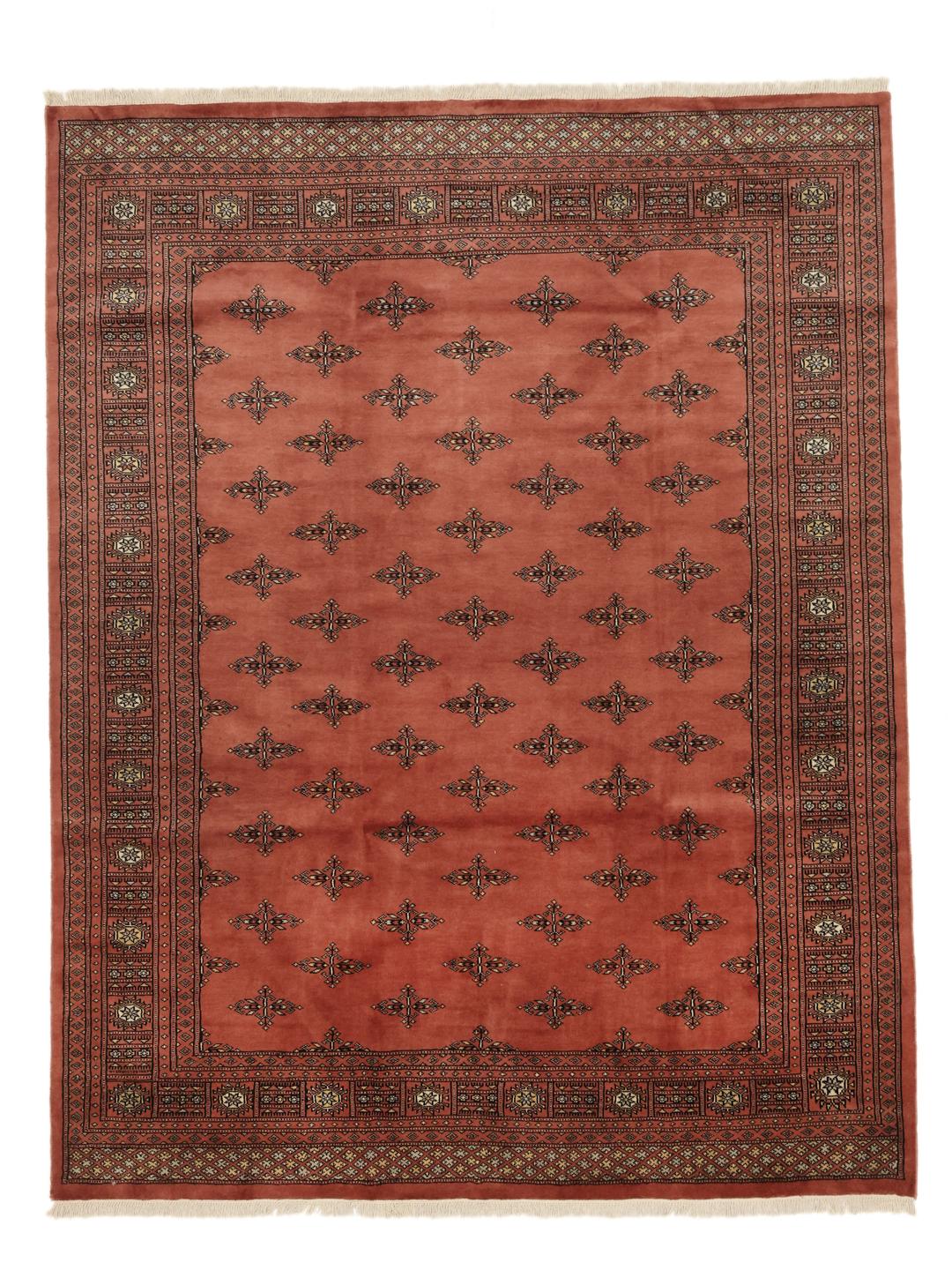
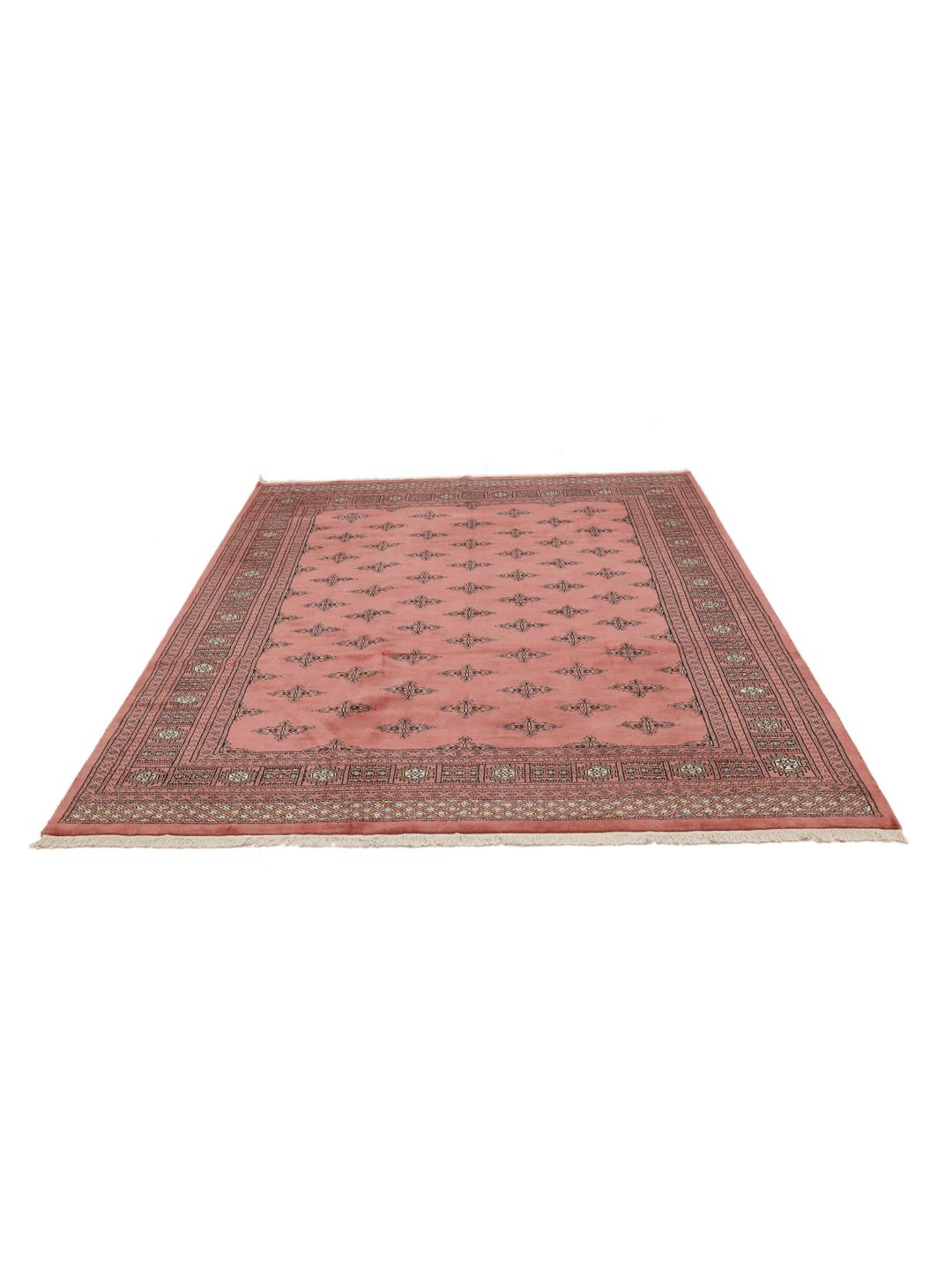
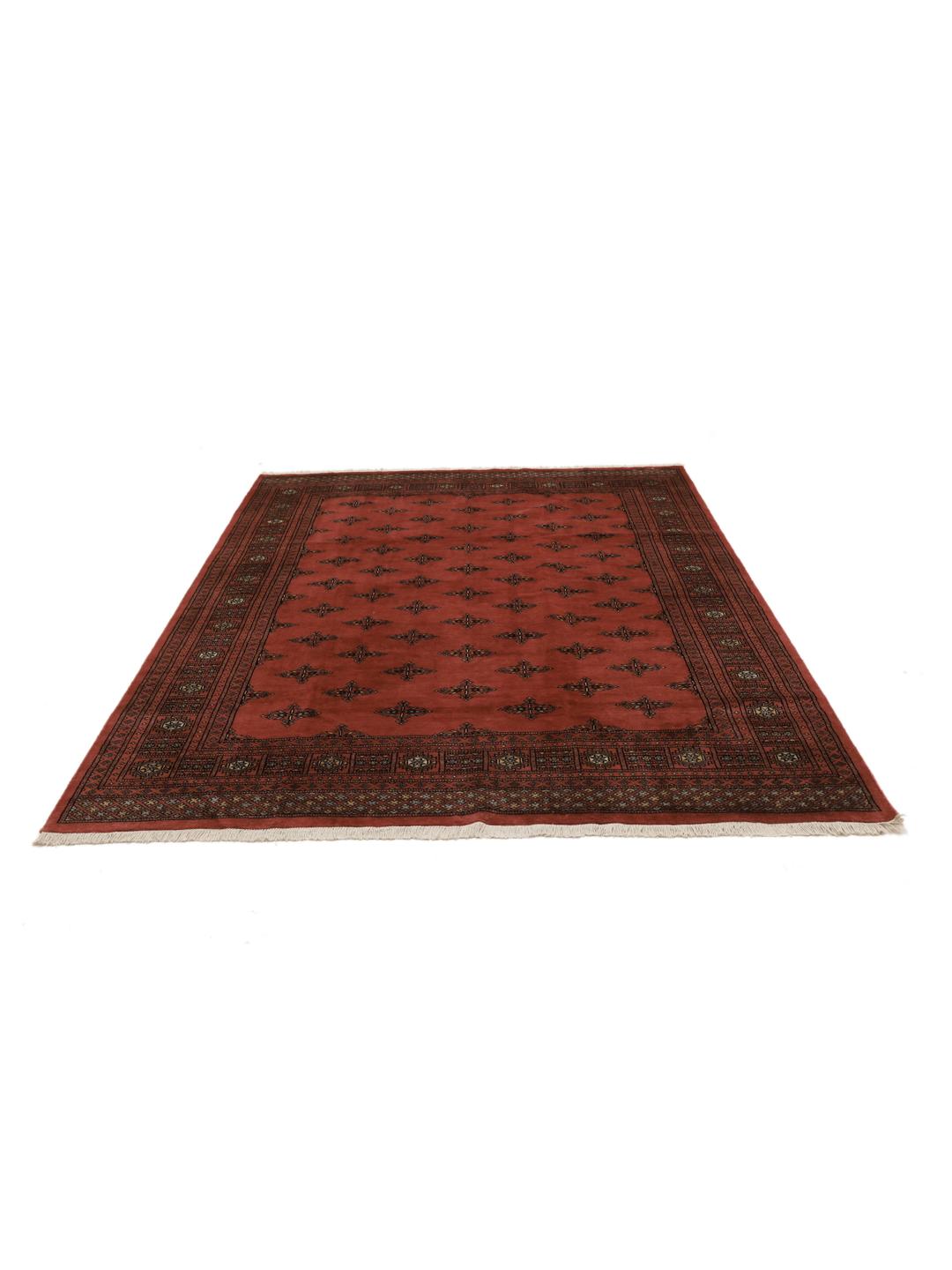
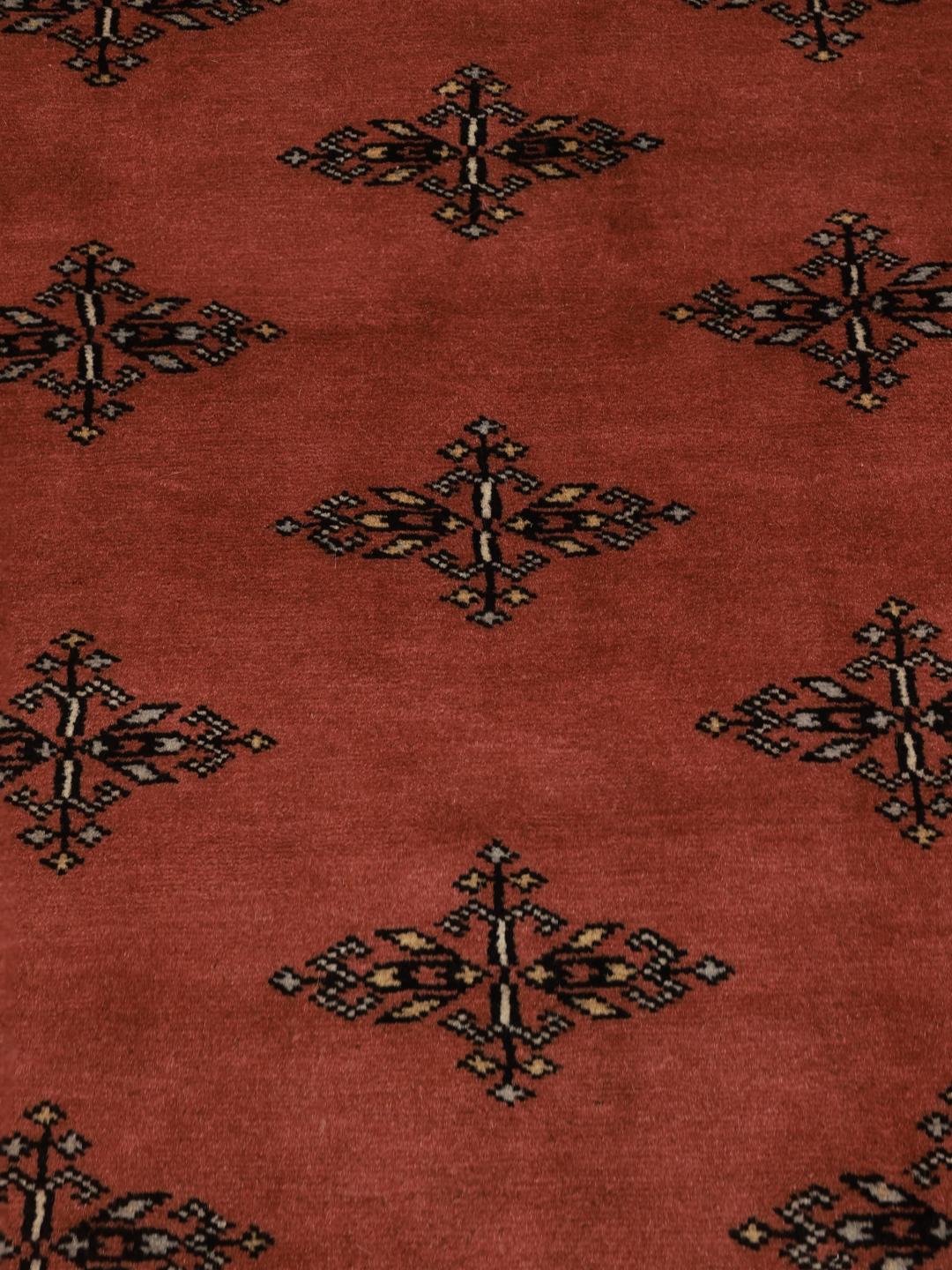
Visually, these rugs are defined by their signature gul motifs, which are repeating octagonal or elephant-foot shaped medallions arranged in precise, rhythmic rows. The field is typically framed by a formal, decorative border that balances the complexity of the interior pattern, creating a sense of harmony and structure that has defined this style for centuries.
Owning a Bokhara is a connection to a long-standing heritage of textile artistry. These pieces are highly valued by collectors not just for their aesthetic beauty, but for the immense skill required to maintain such consistent pattern density. Bringing one into your home is an act of preserving a tradition of craft that prizes patience, expertise, and lasting quality.