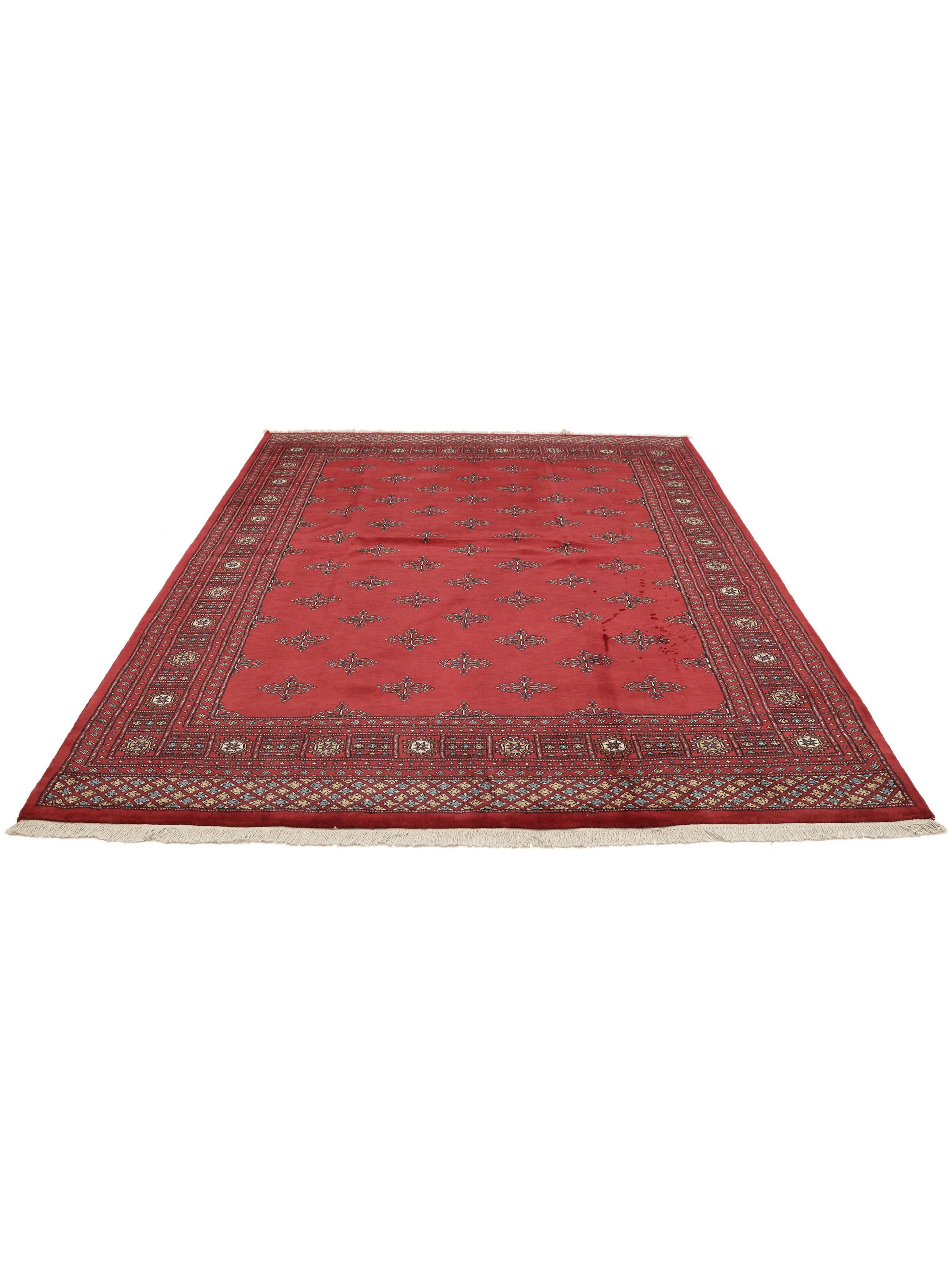
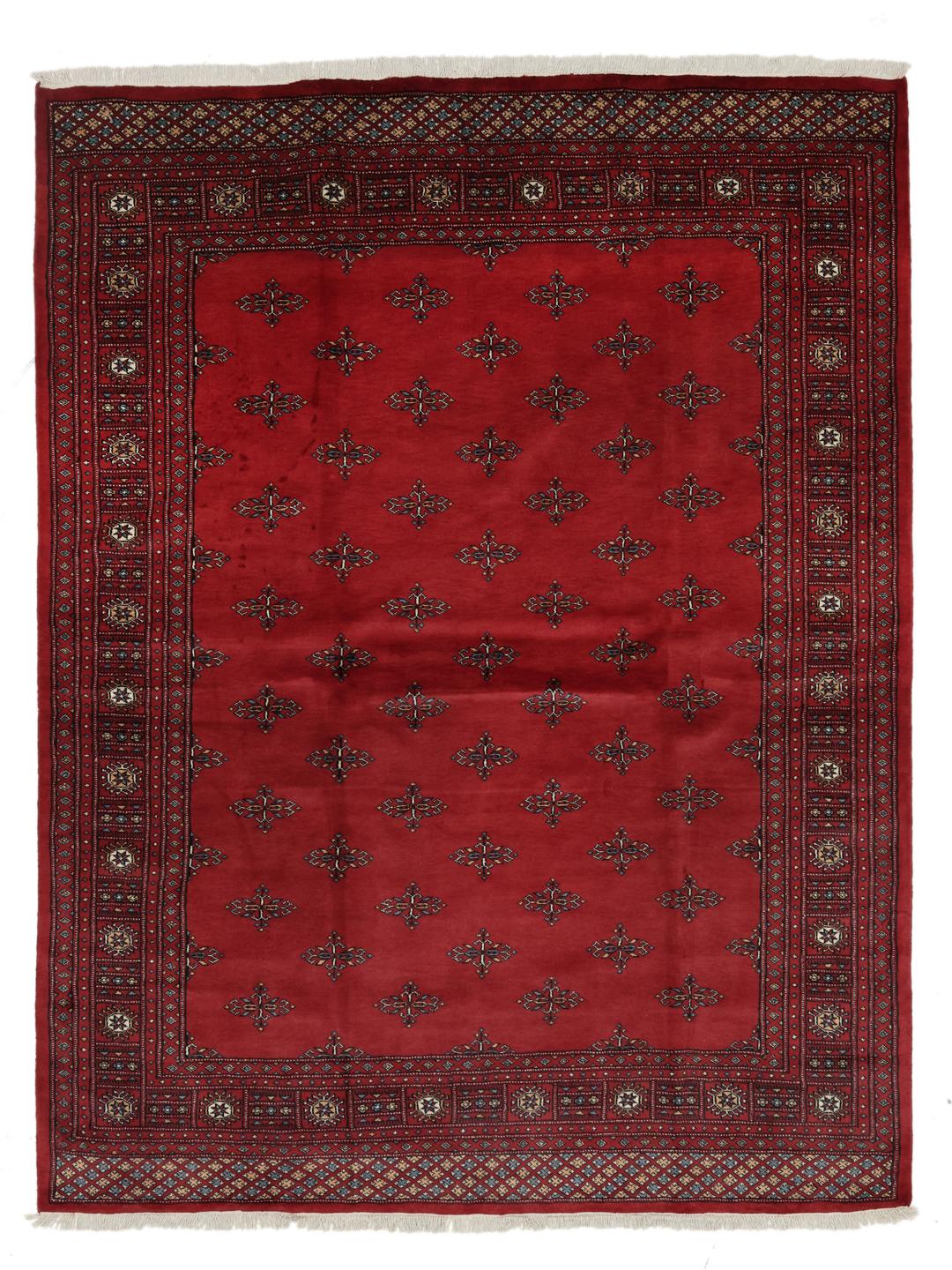
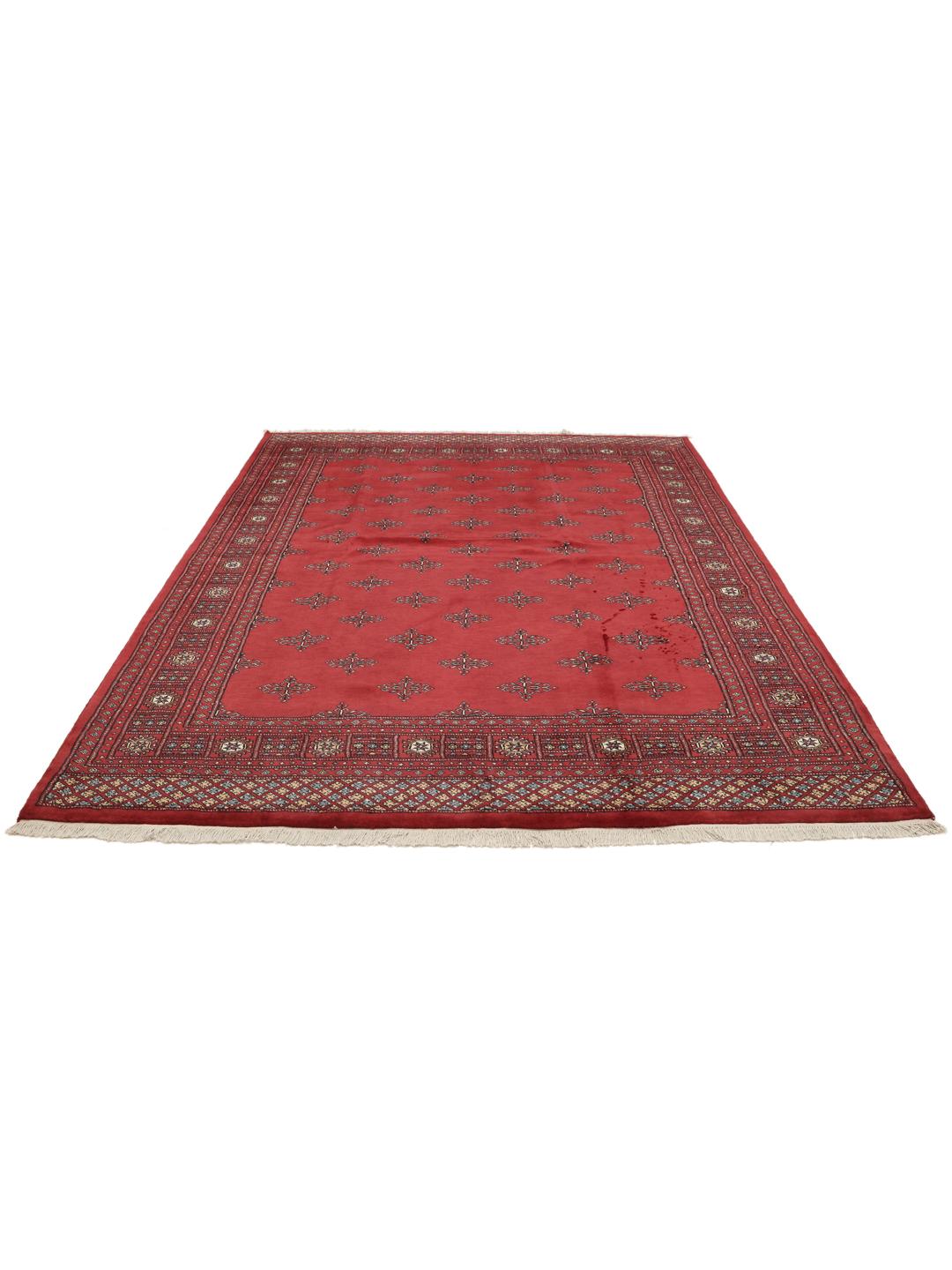
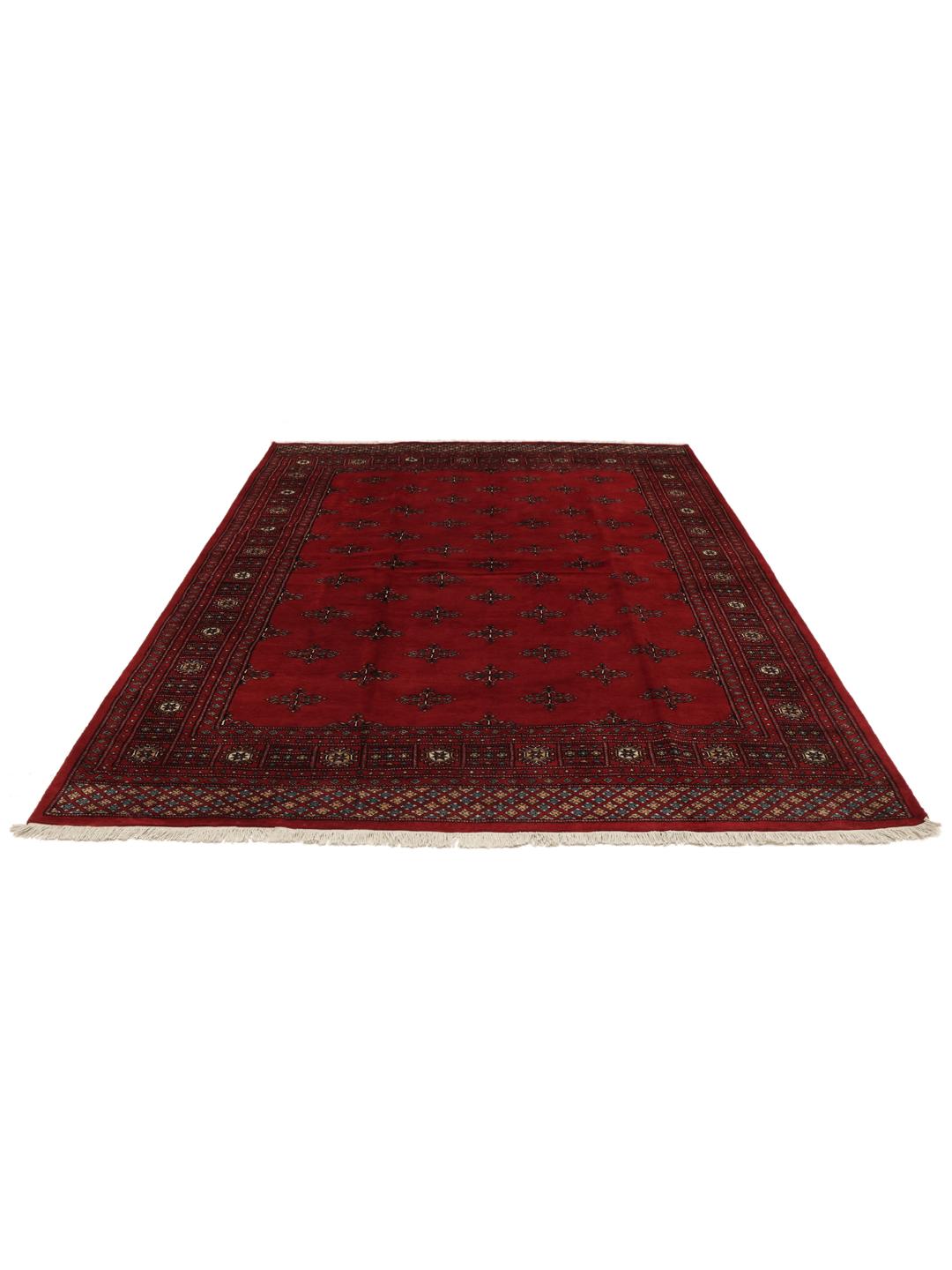
Bokhara rugs take their name from the ancient Silk Road city of Bukhara in Central Asia, a historical hub for trade and craftsmanship. While the designs have deep roots in this nomadic heritage, the finest examples of these rugs today are primarily woven in Pakistan. This evolution reflects the migration of weaving traditions across borders, where artisans have refined and perfected the style over generations.
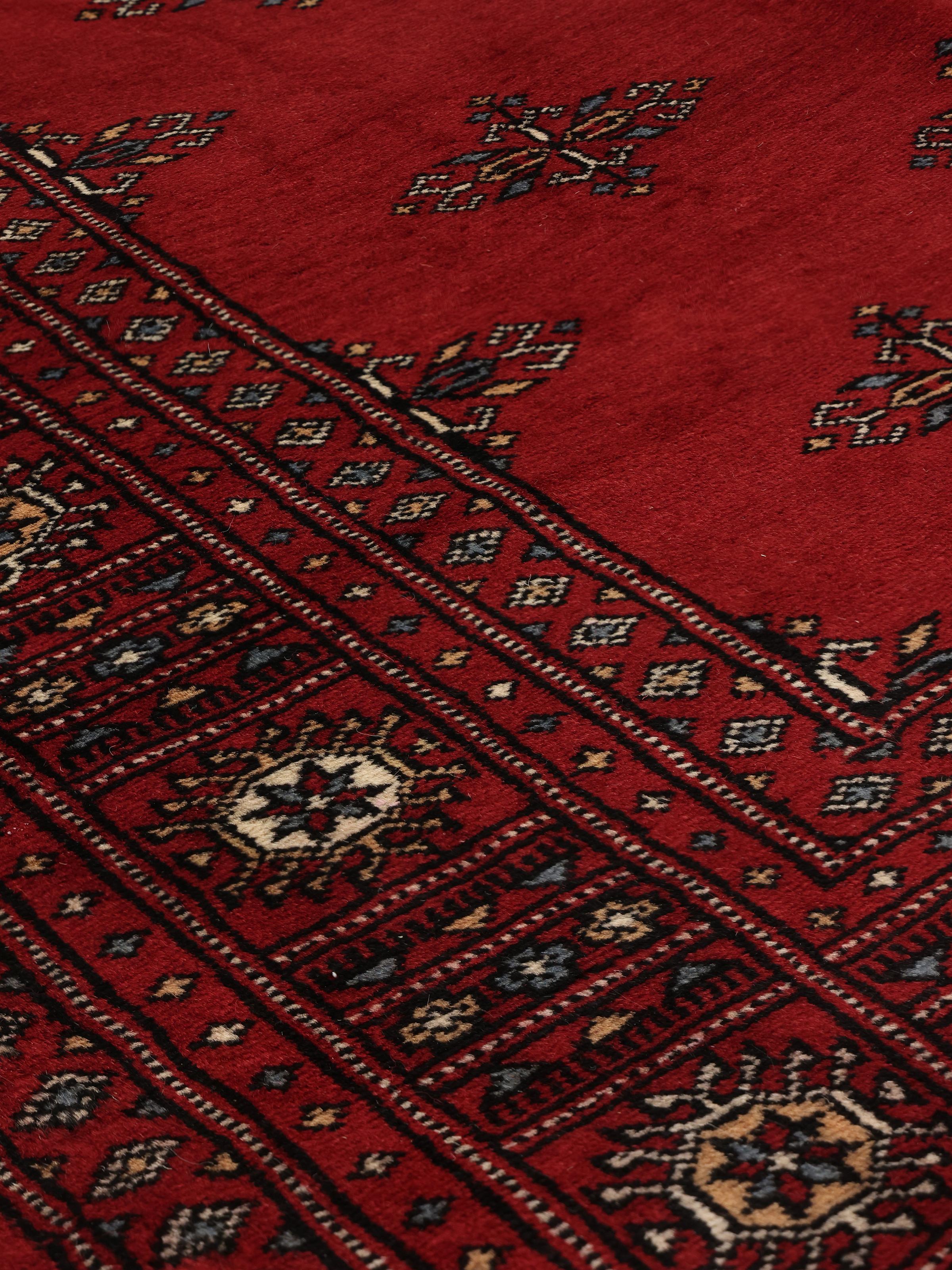
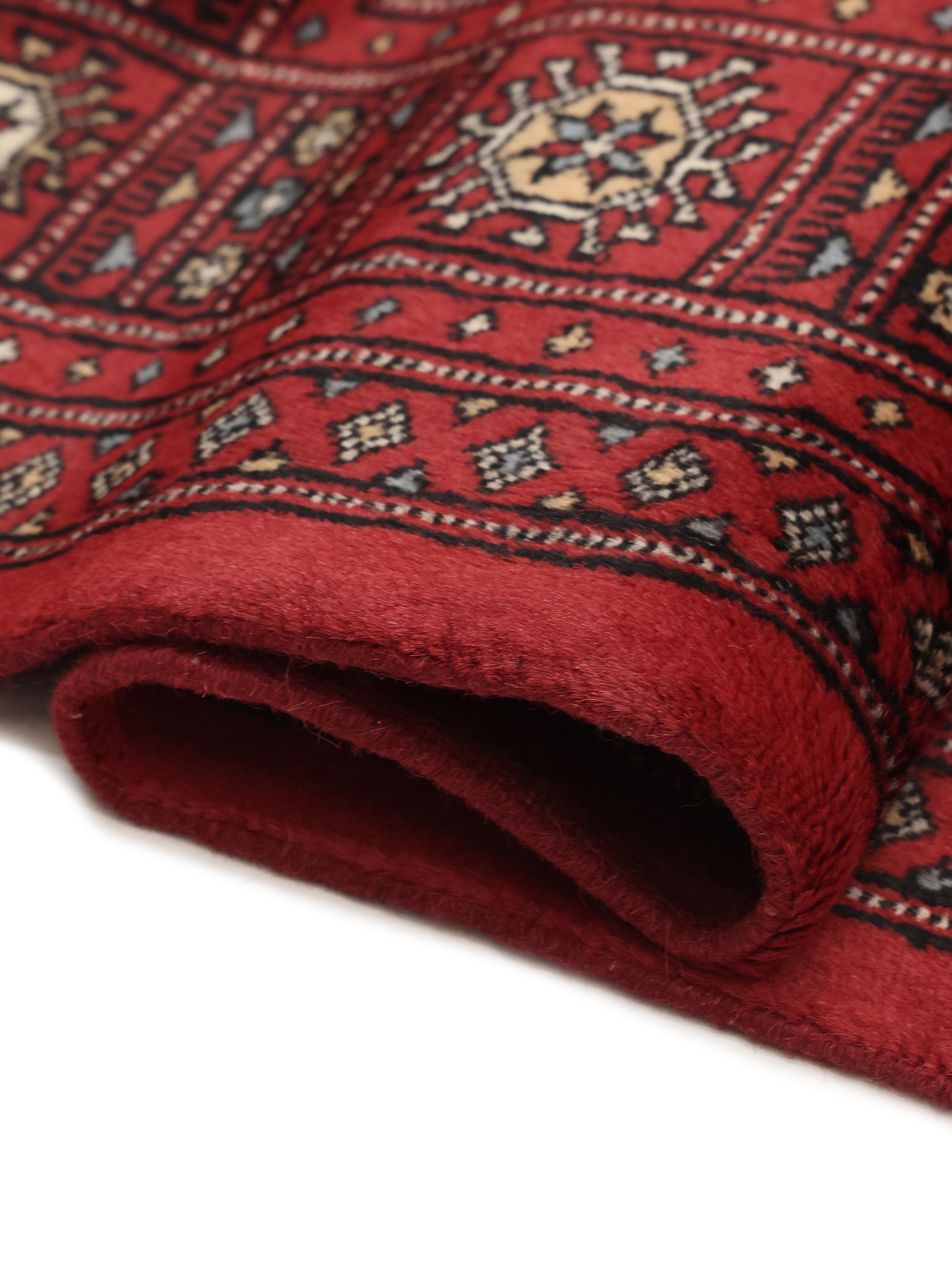
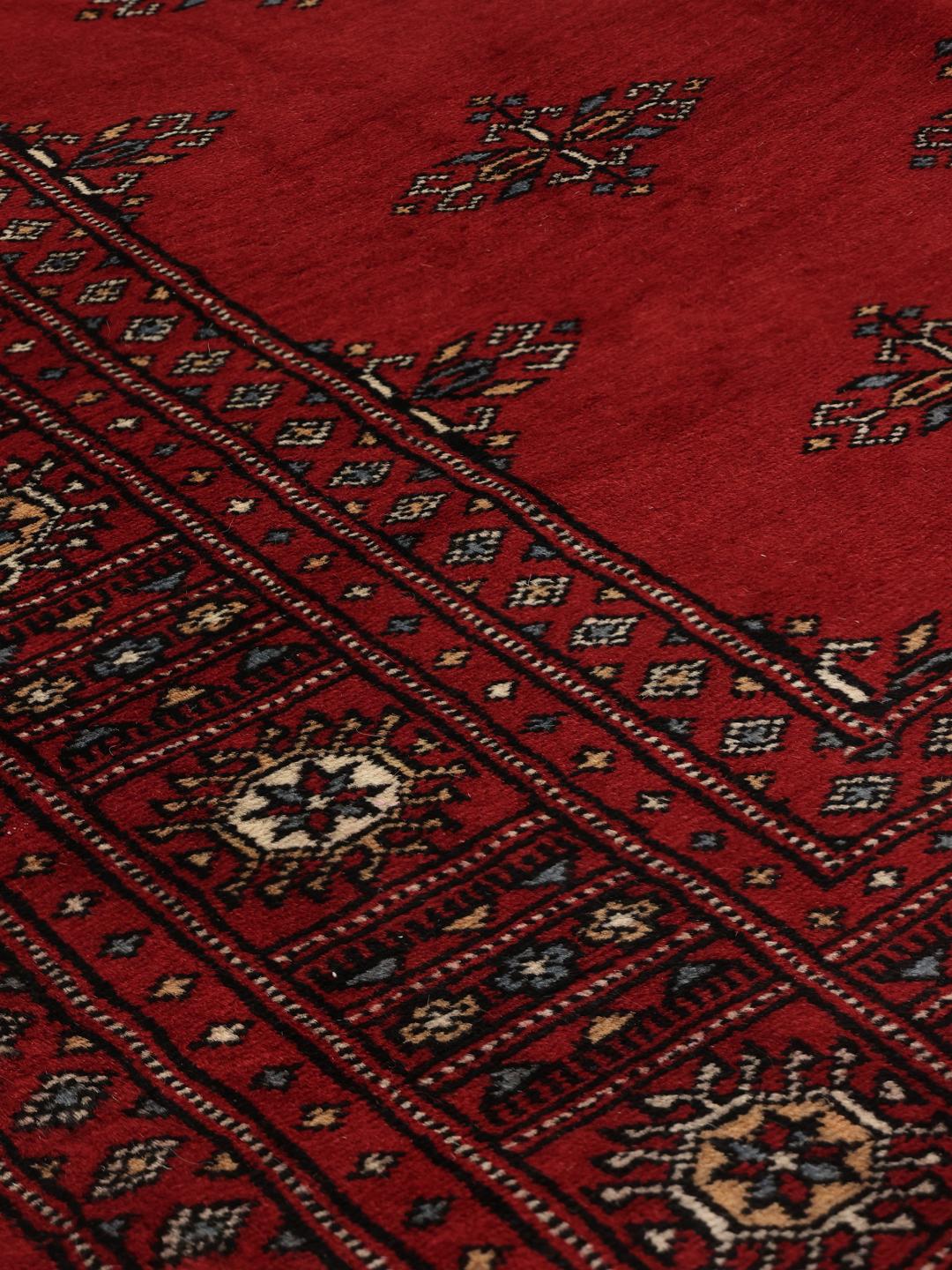
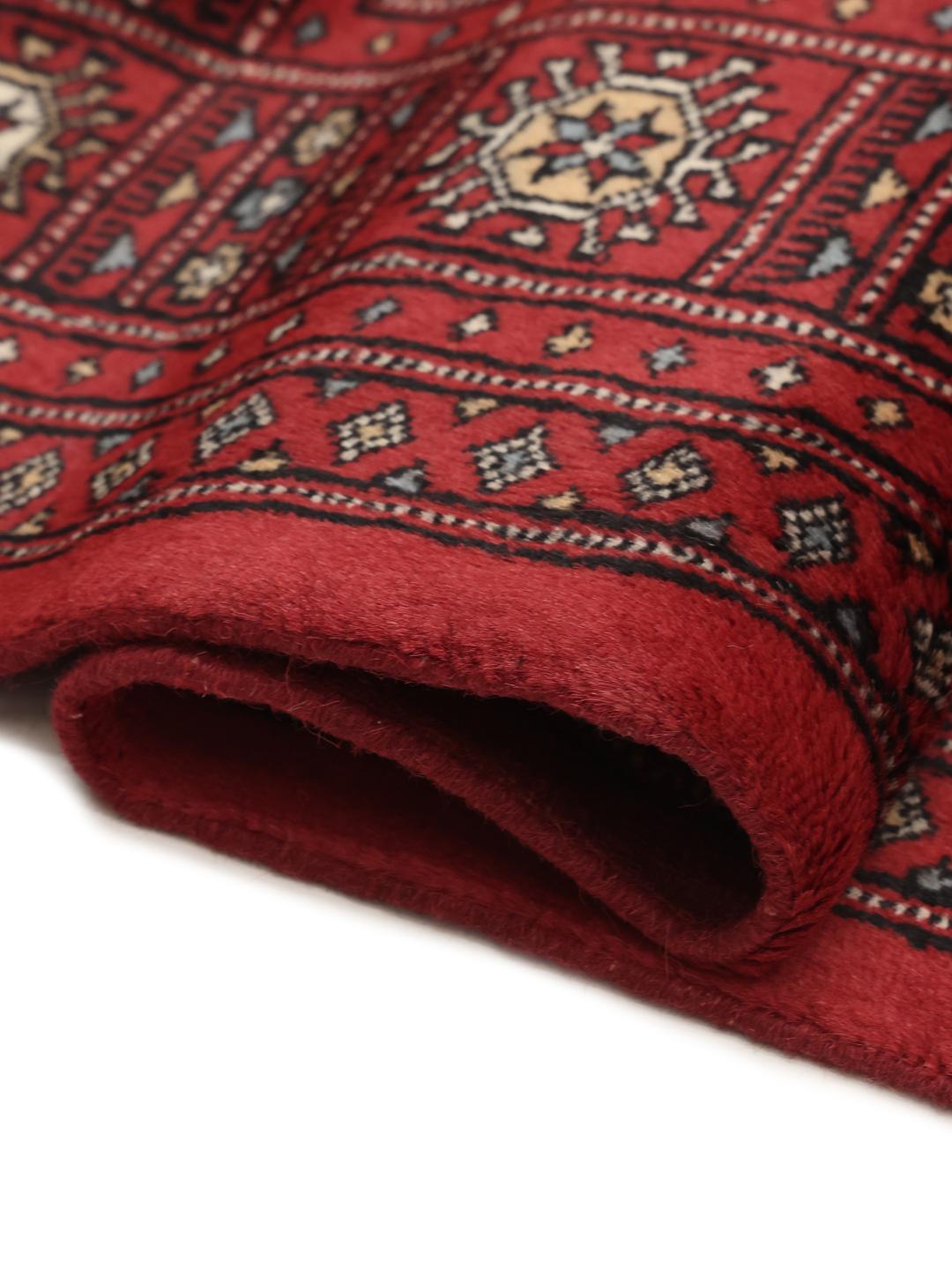
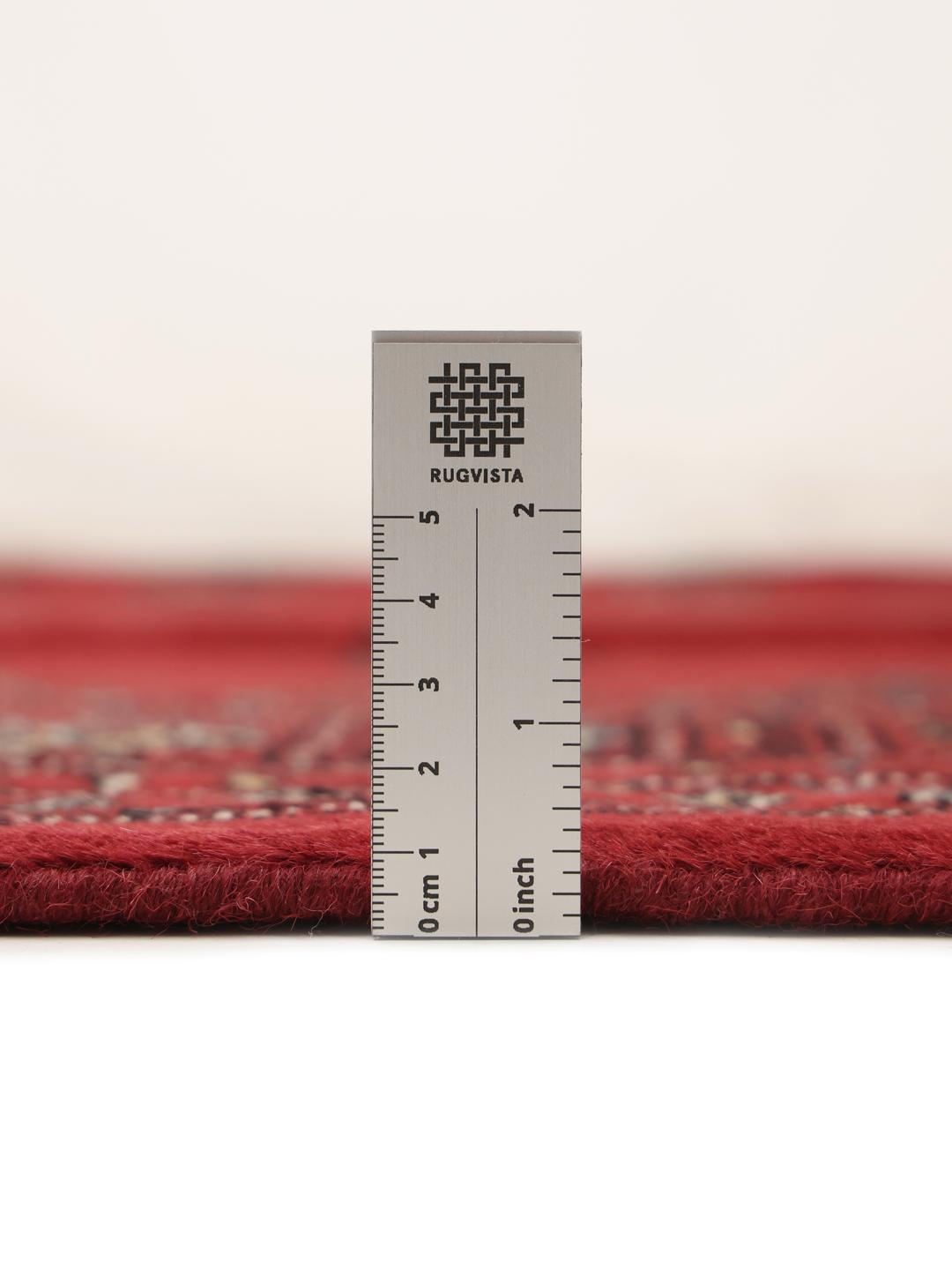
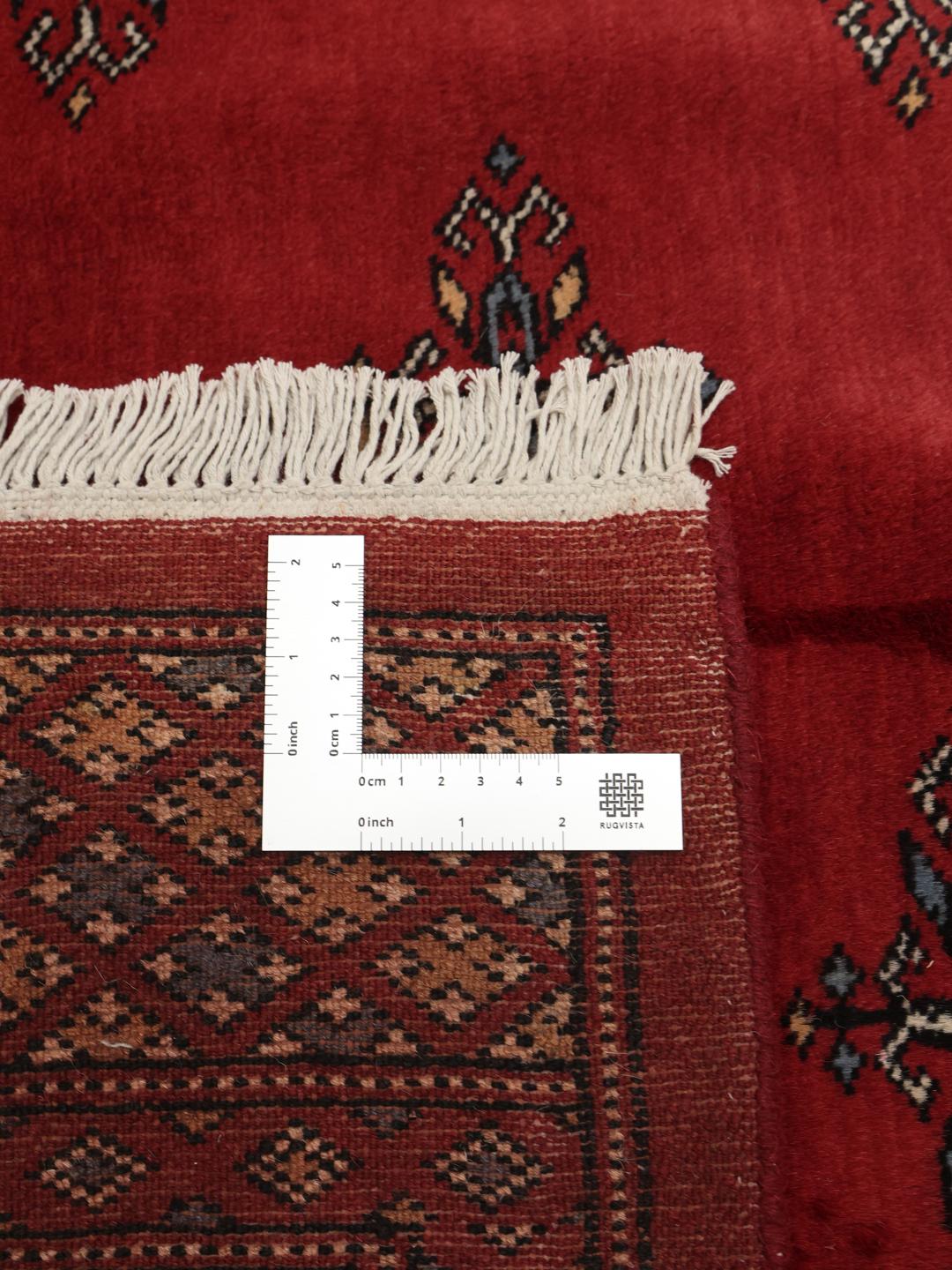
The '2ply' designation refers to the construction of the pile, where two strands of wool are twisted together before being knotted into the foundation. This technique is significant because it results in a denser, more lustrous, and remarkably durable pile compared to single-ply alternatives. For the owner, this means a rug that not only feels thicker and more luxurious underfoot but also maintains its texture and appearance over a much longer period.
Visually, these rugs are defined by their signature field, which is typically filled with repeating gul motifs—octagonal or elephant-foot shaped medallions arranged in orderly rows. These are enclosed by formal, elaborate borders that frame the design beautifully. The deep red palette seen here is a hallmark of the tradition, symbolising warmth and vitality, while the precise execution of the geometric elements highlights the skill involved in maintaining symmetry across the entire surface.
Collecting a rug from this tradition is an opportunity to own a piece of cultural history. These rugs are valued not just for their aesthetic appeal, but for the immense human effort and heritage they represent. By choosing a hand-knotted piece, you are supporting a legacy of craft that prioritises patience and mastery, ensuring that your home is enriched by a floor covering with real depth and enduring value.