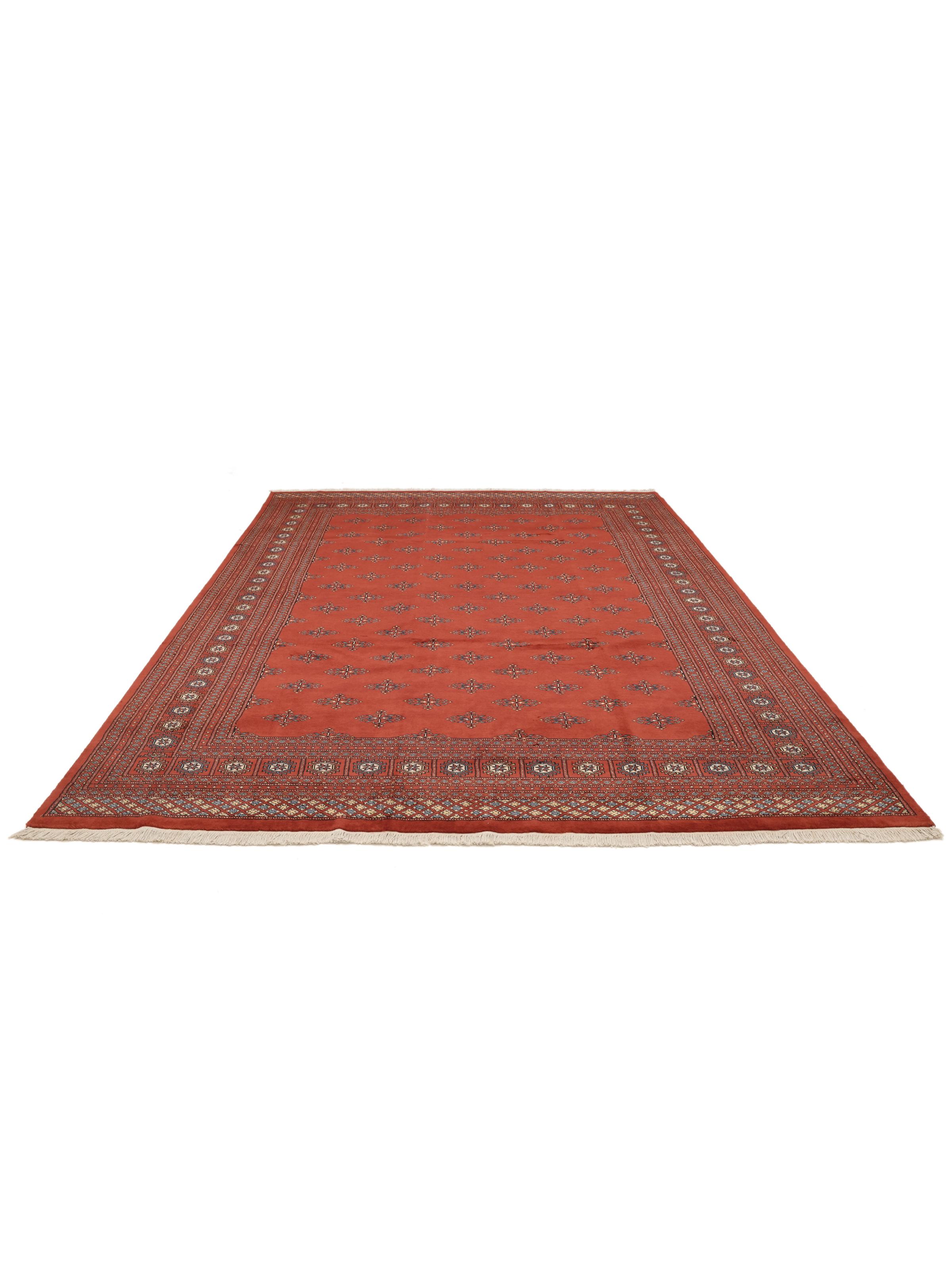
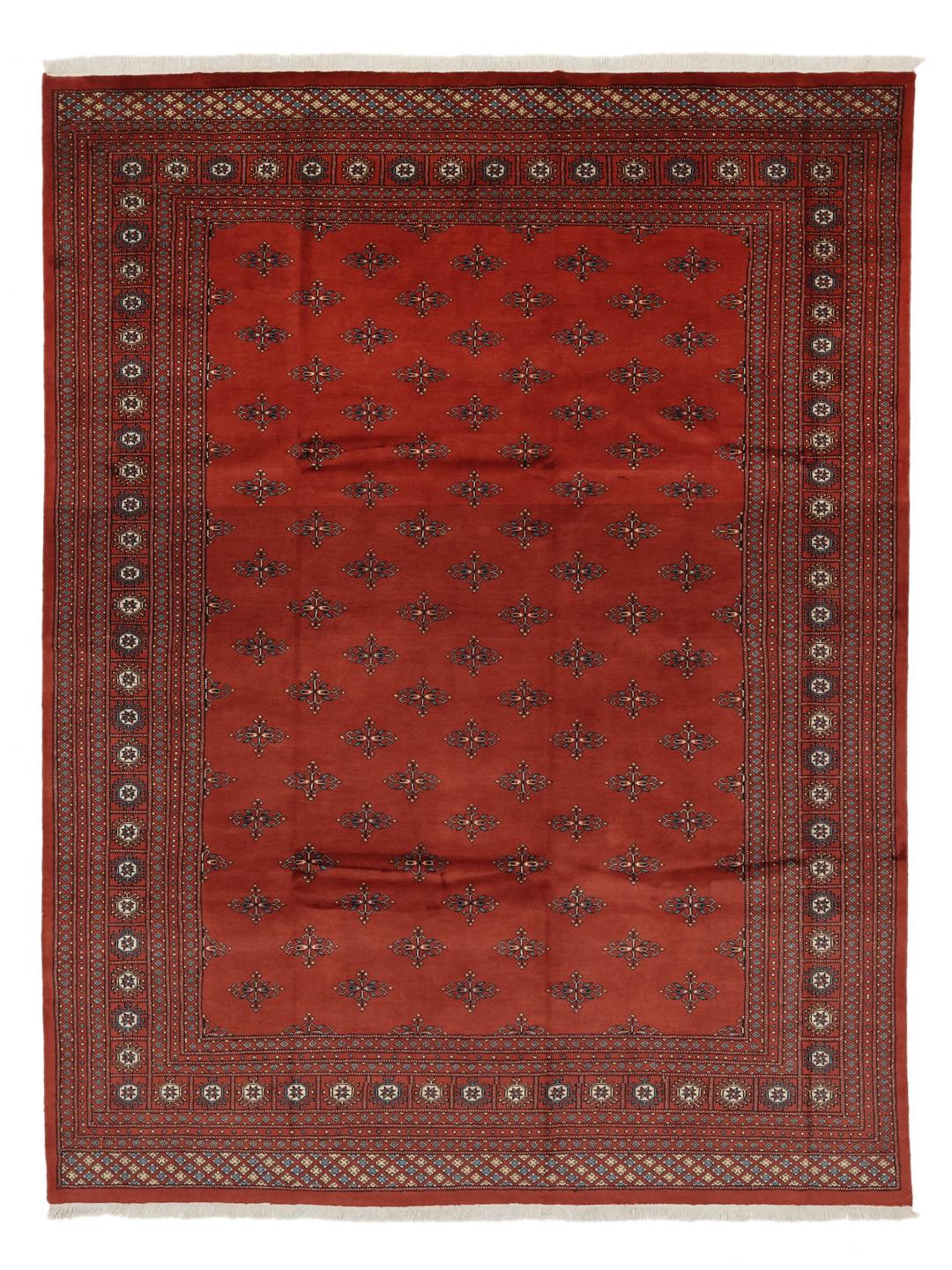
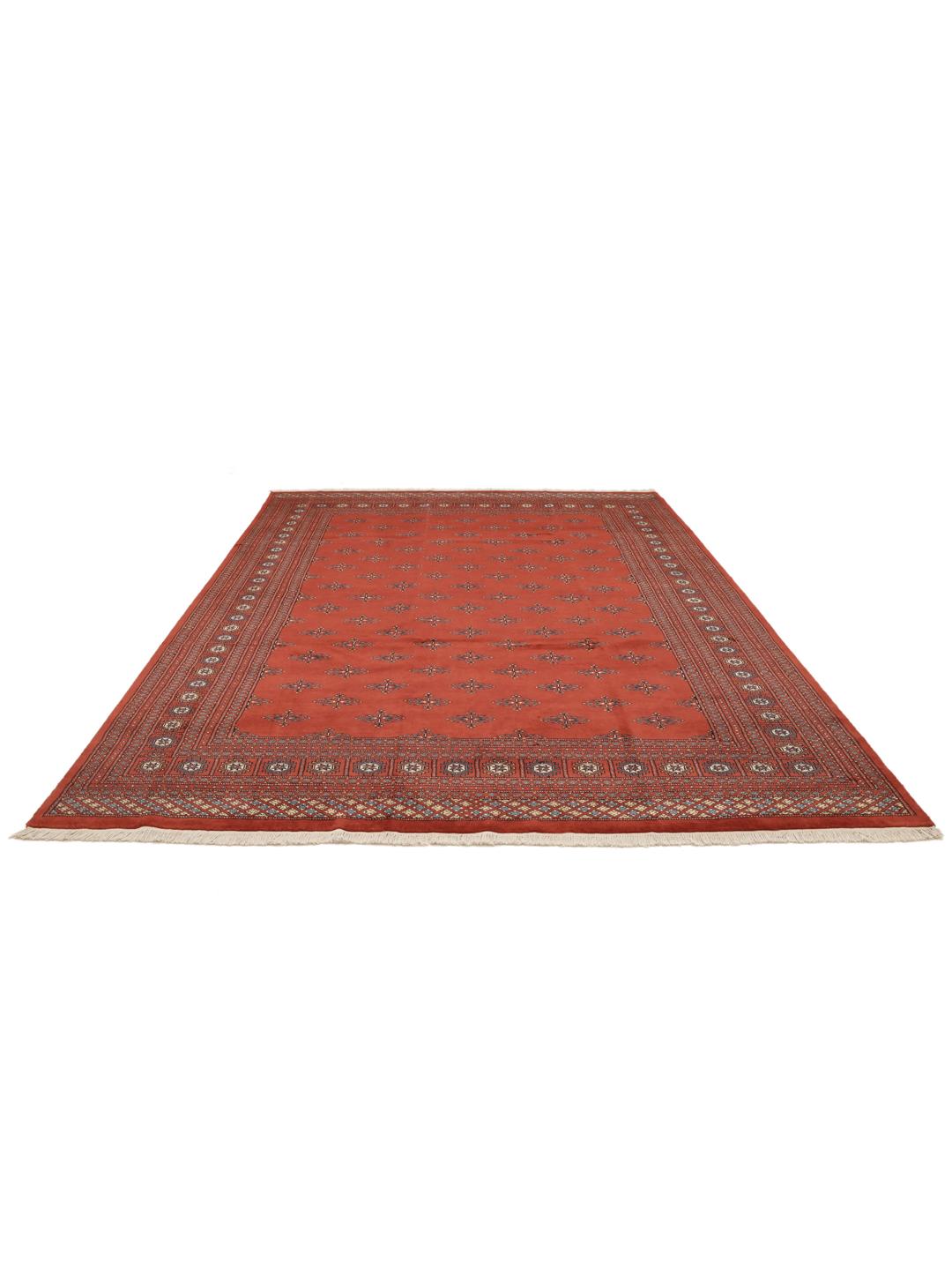
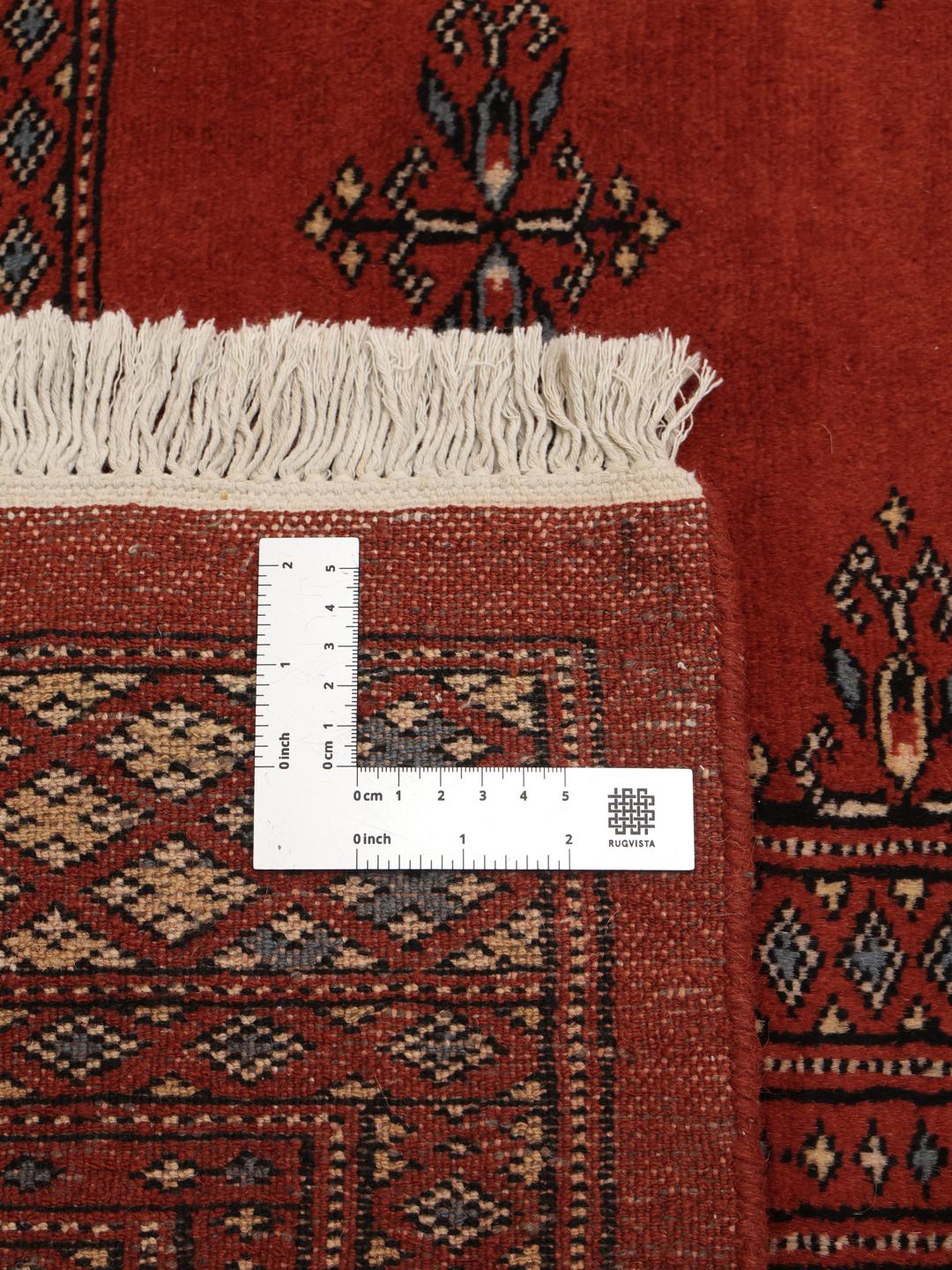
Bokhara rugs are deeply rooted in the history of the Central Asian Silk Road, taking their name from the ancient city of Bukhara. While they originated from nomadic tribal traditions, the finest modern examples are expertly woven in Pakistan, where weavers have refined these classic techniques to reach new levels of consistency and elegance.
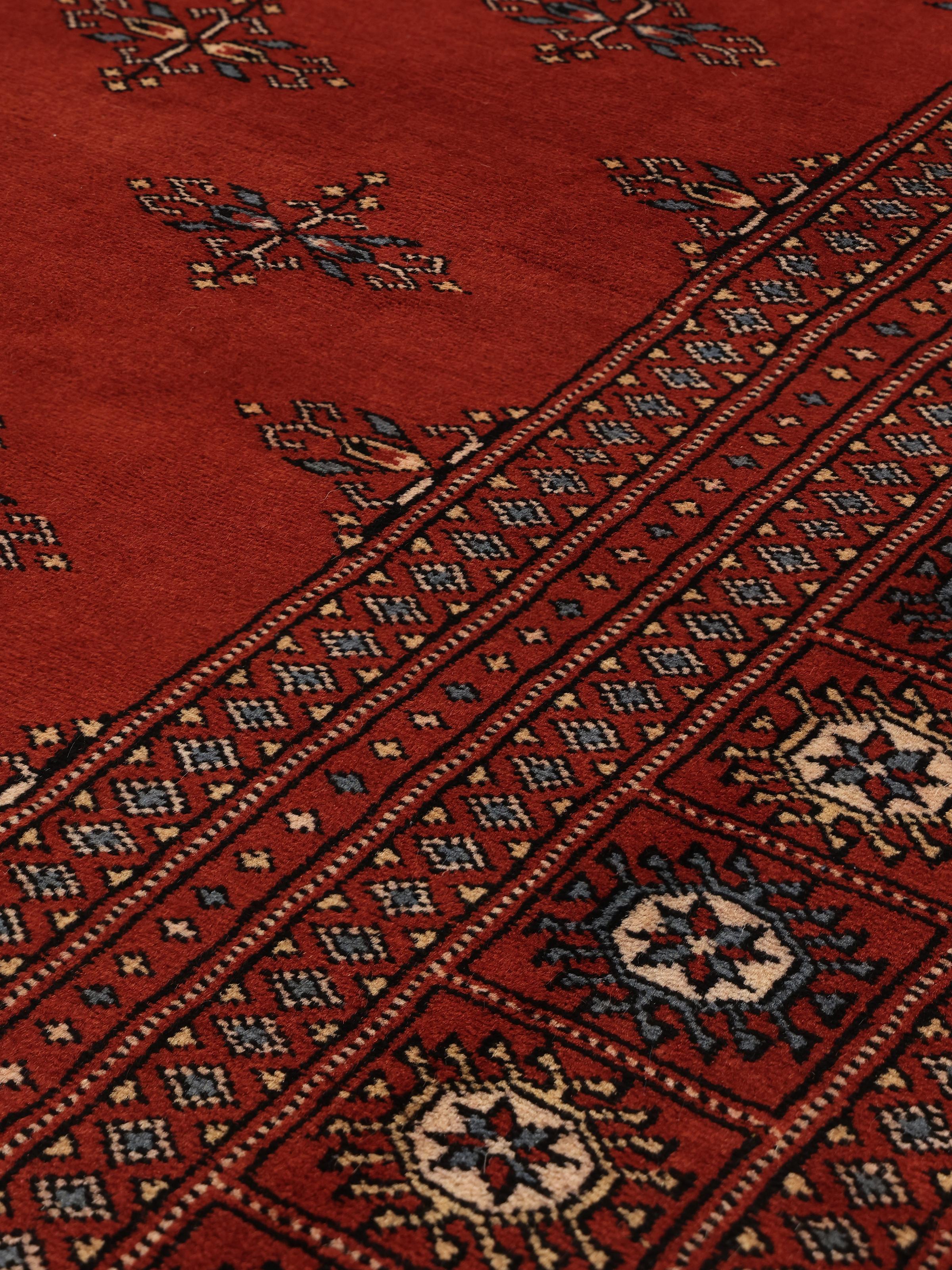
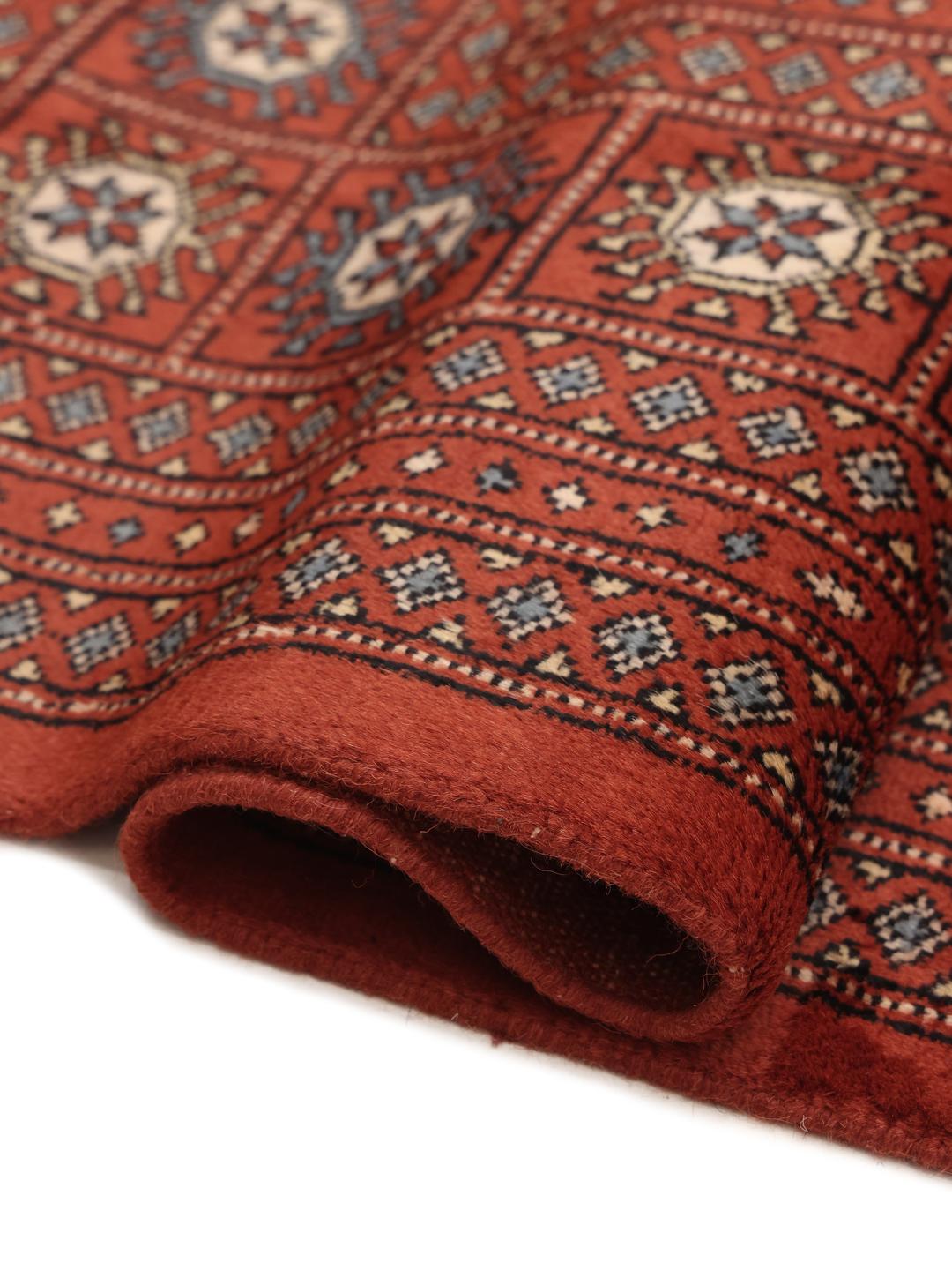
The term 2ply refers to the use of two strands of wool twisted together to form the pile. This specific construction technique is vital for quality, as it creates a denser, more lustrous, and significantly more resilient pile compared to single-ply alternatives. It provides a tactile richness that is both pleasing to the touch and highly practical for high-traffic areas.
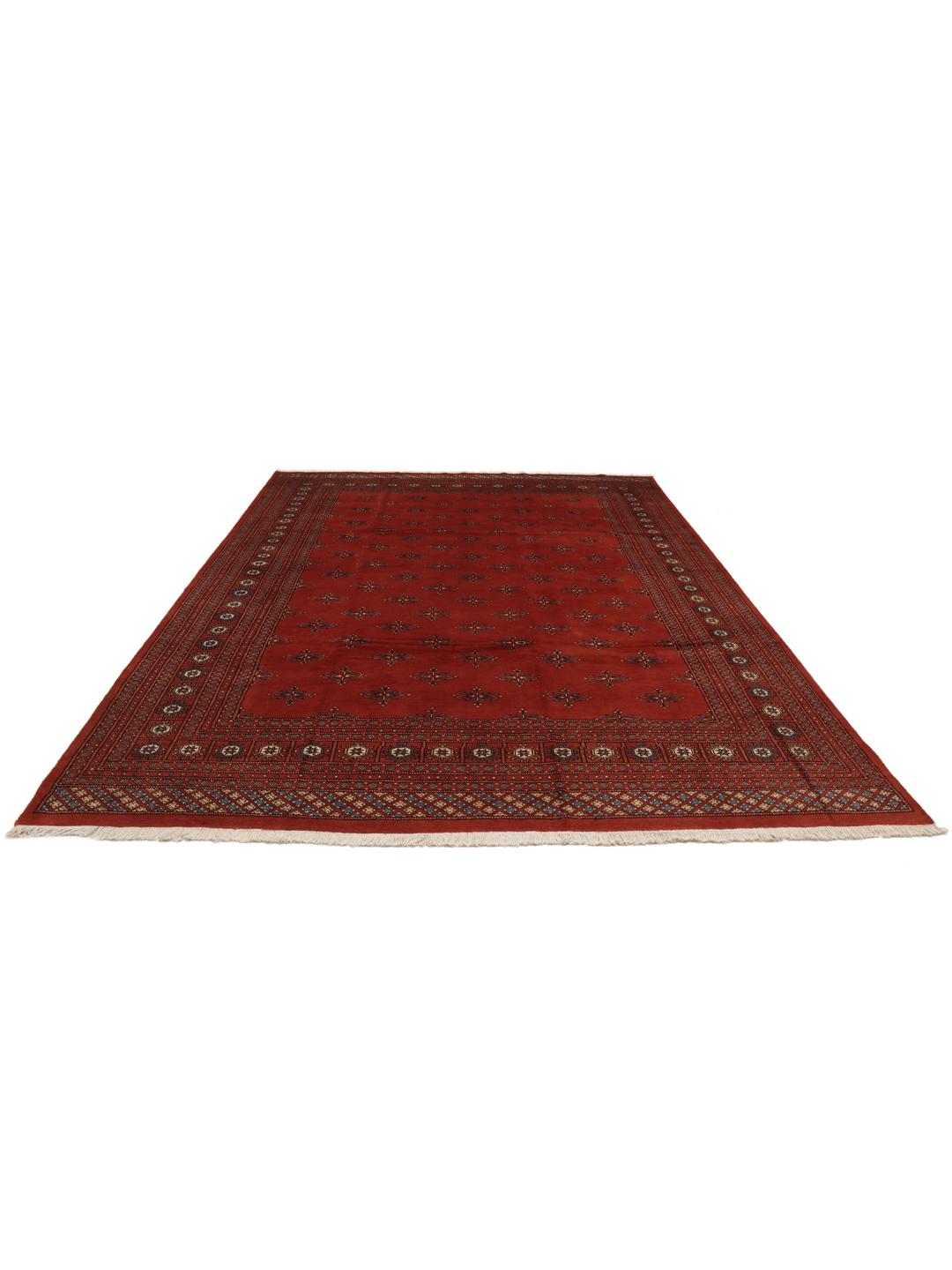
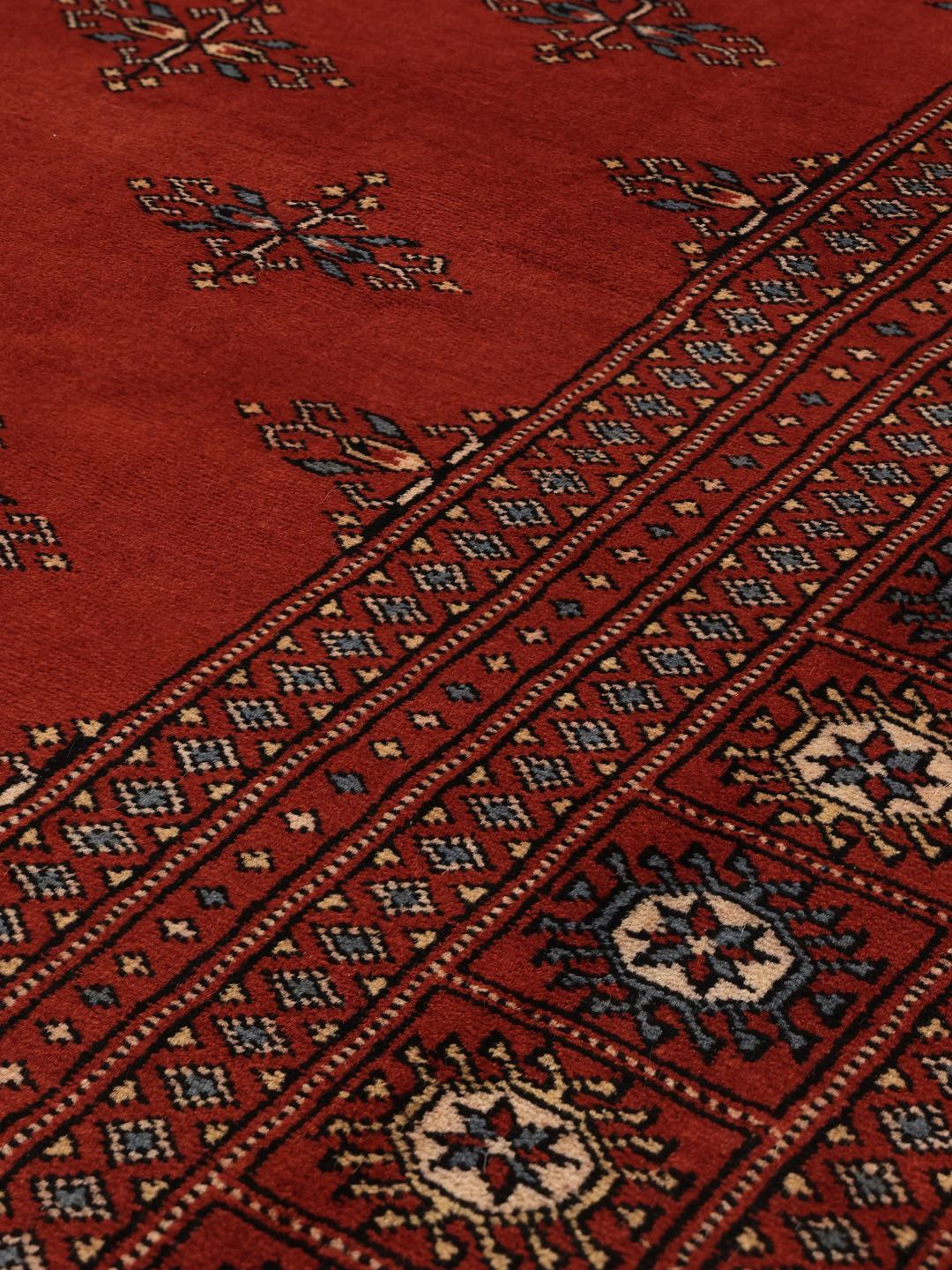
Visually, this tradition is defined by the repeating gul motif, which often takes the form of octagonal or elephant-foot shapes arranged in orderly rows. These symbols are framed by complex, decorative borders that anchor the design. The balance between the open, rhythmic field and the detailed framing is a hallmark of the style, creating a harmonious and sophisticated aesthetic.
Collectors value these rugs for their cultural heritage and the immense skill required to produce them. Owning a piece from this tradition is an act of preserving a craft that has been passed down through generations. It represents a connection to a storied past and a commitment to owning something that prioritises authentic skill and lasting beauty.