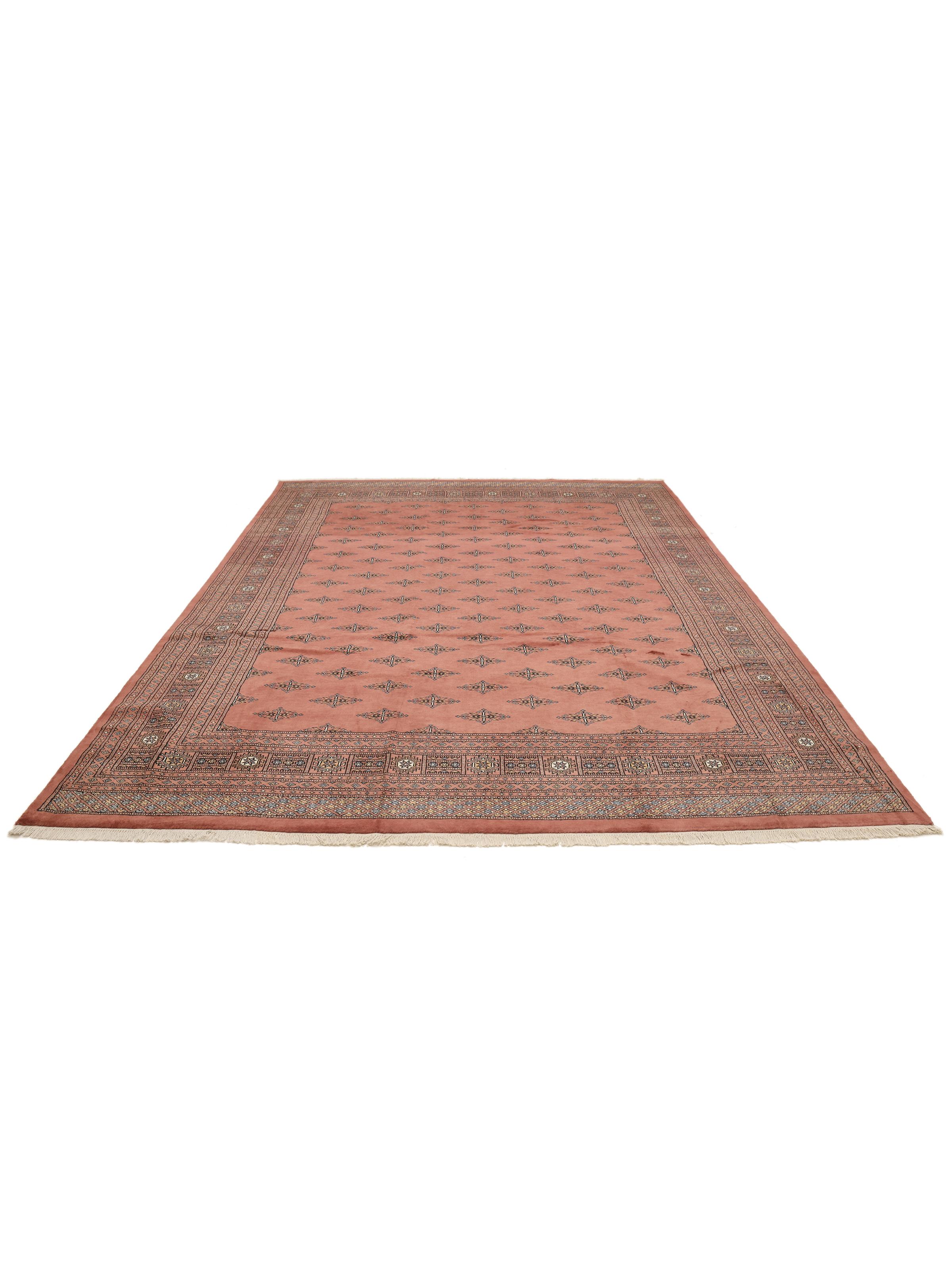
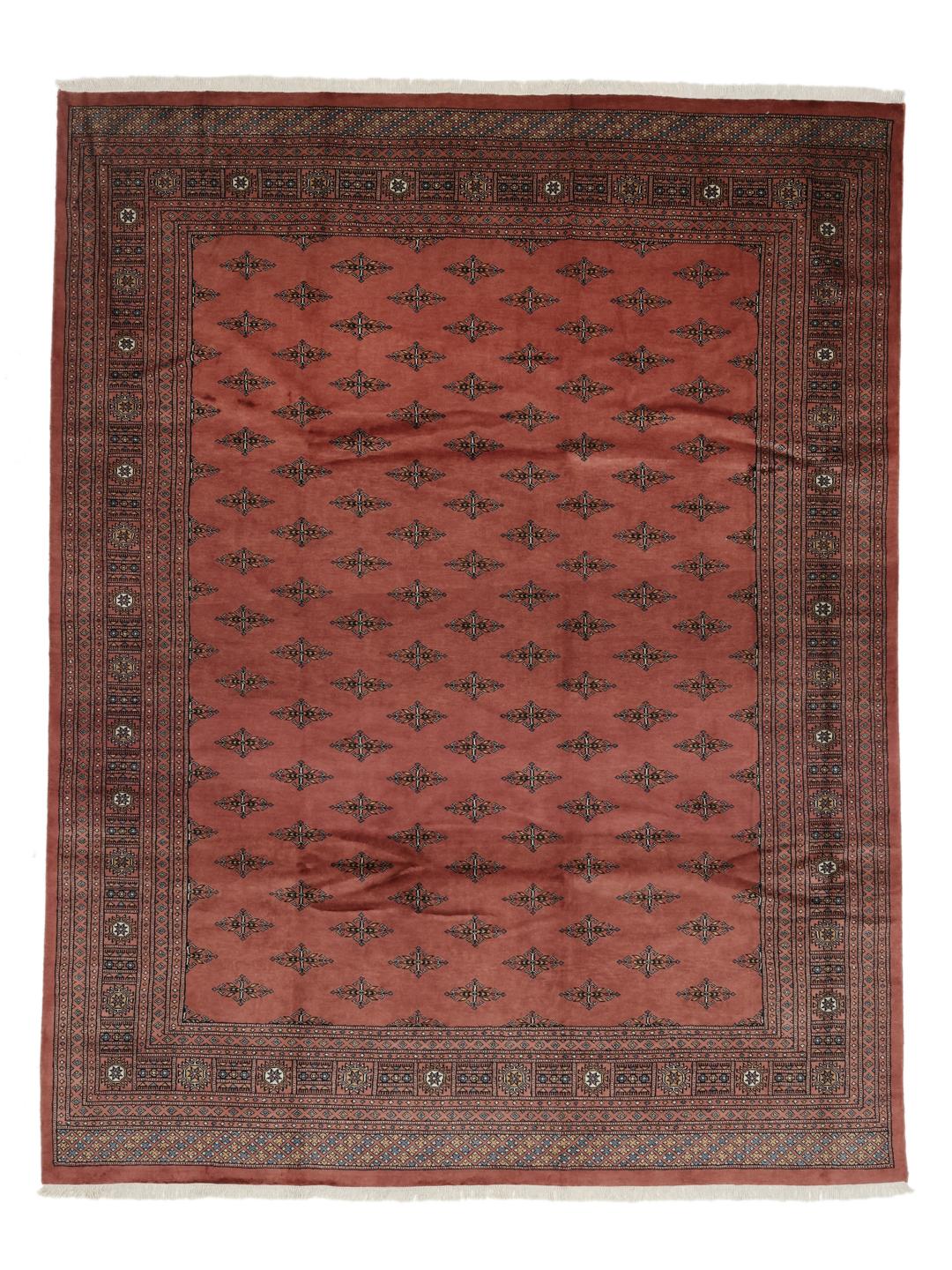
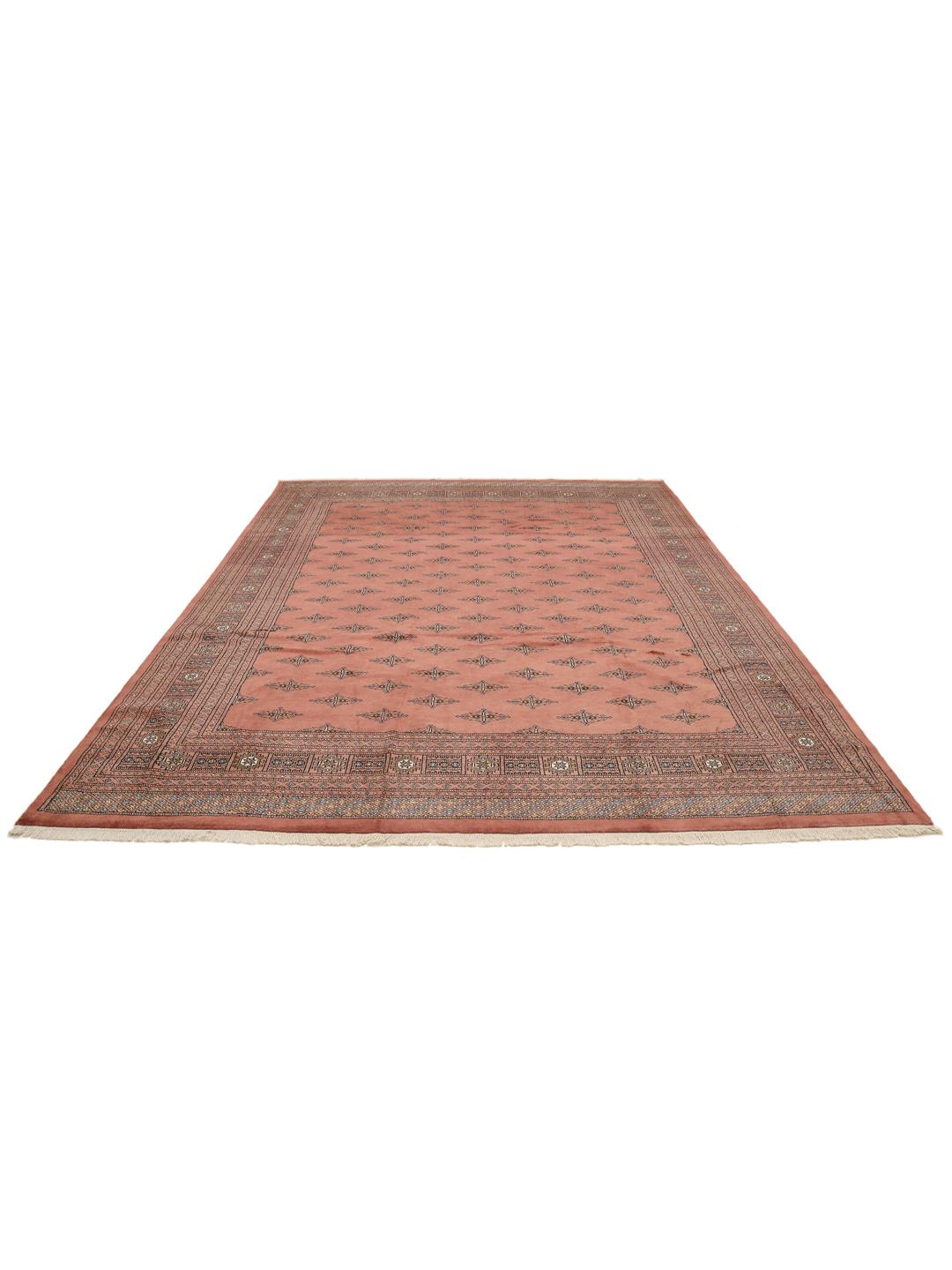
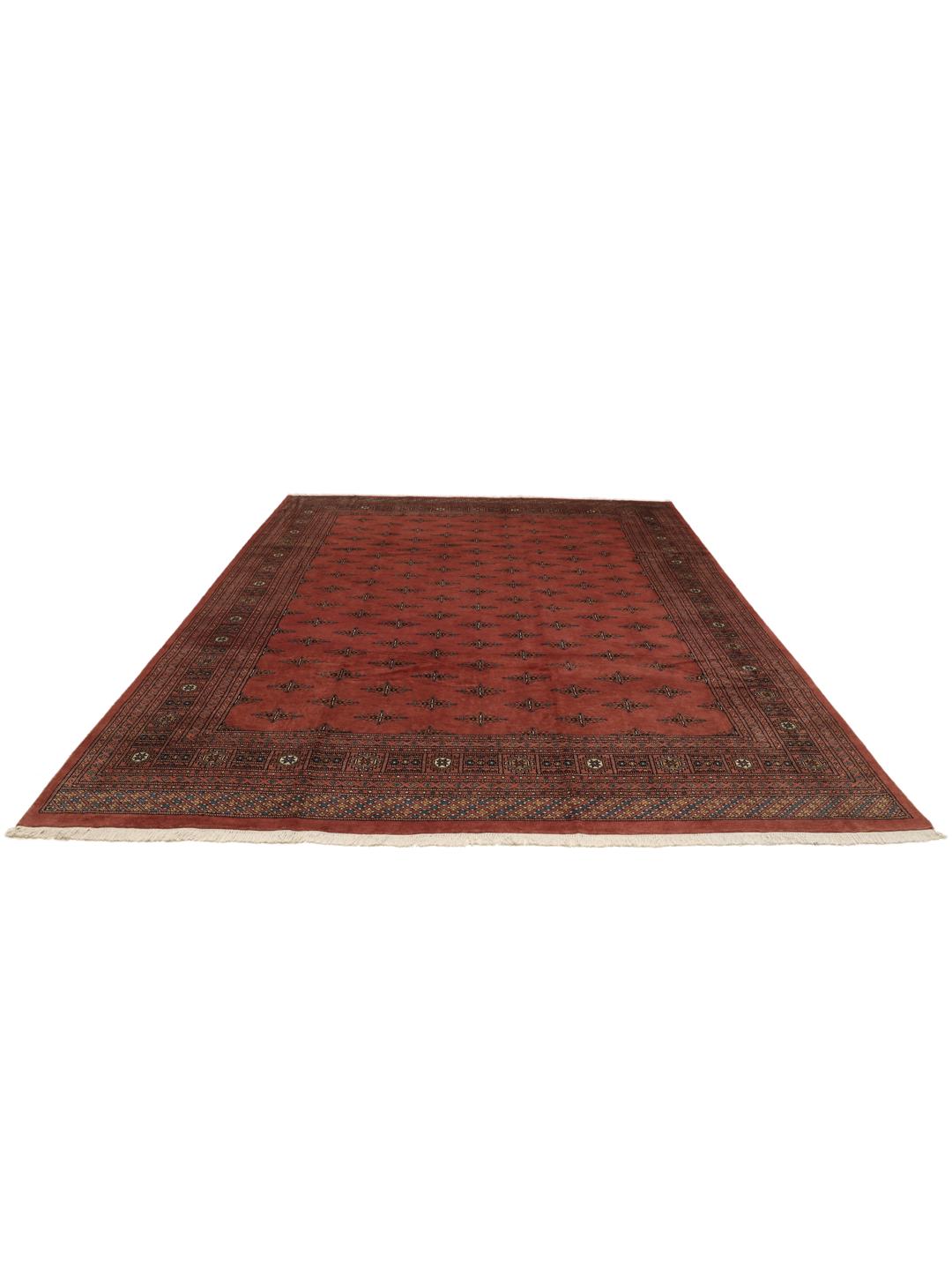
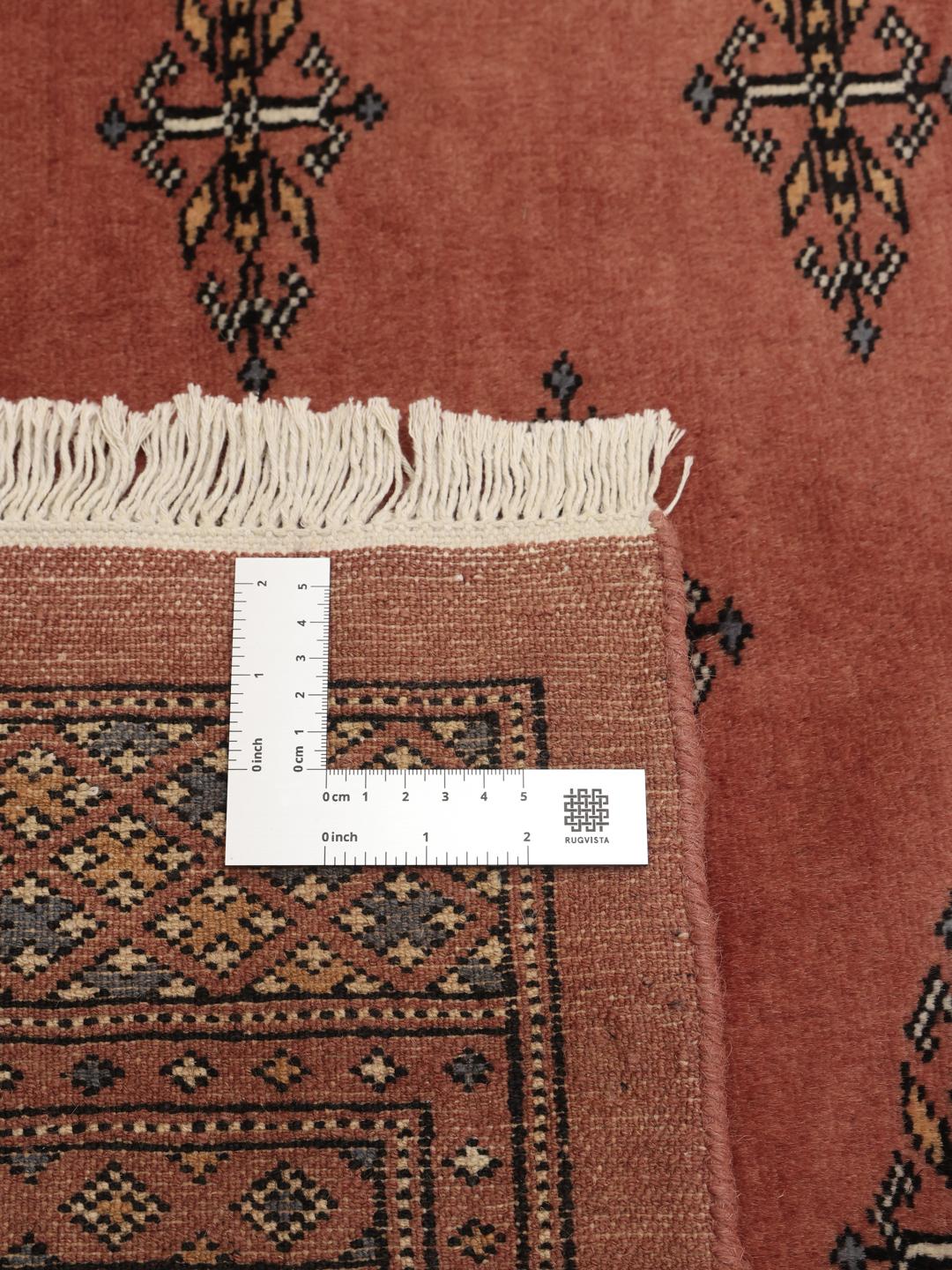
Bokhara rugs are celebrated worldwide for their sophisticated aesthetic, taking their name from the ancient Silk Road city of Bukhara in Central Asia. While the design lineage traces back to nomadic tribes of the region, the finest examples today are woven in Pakistan, where artisans have elevated the tradition to an art form. This migration of craft has allowed the classic Bokhara style to flourish, blending historical motifs with modern precision.
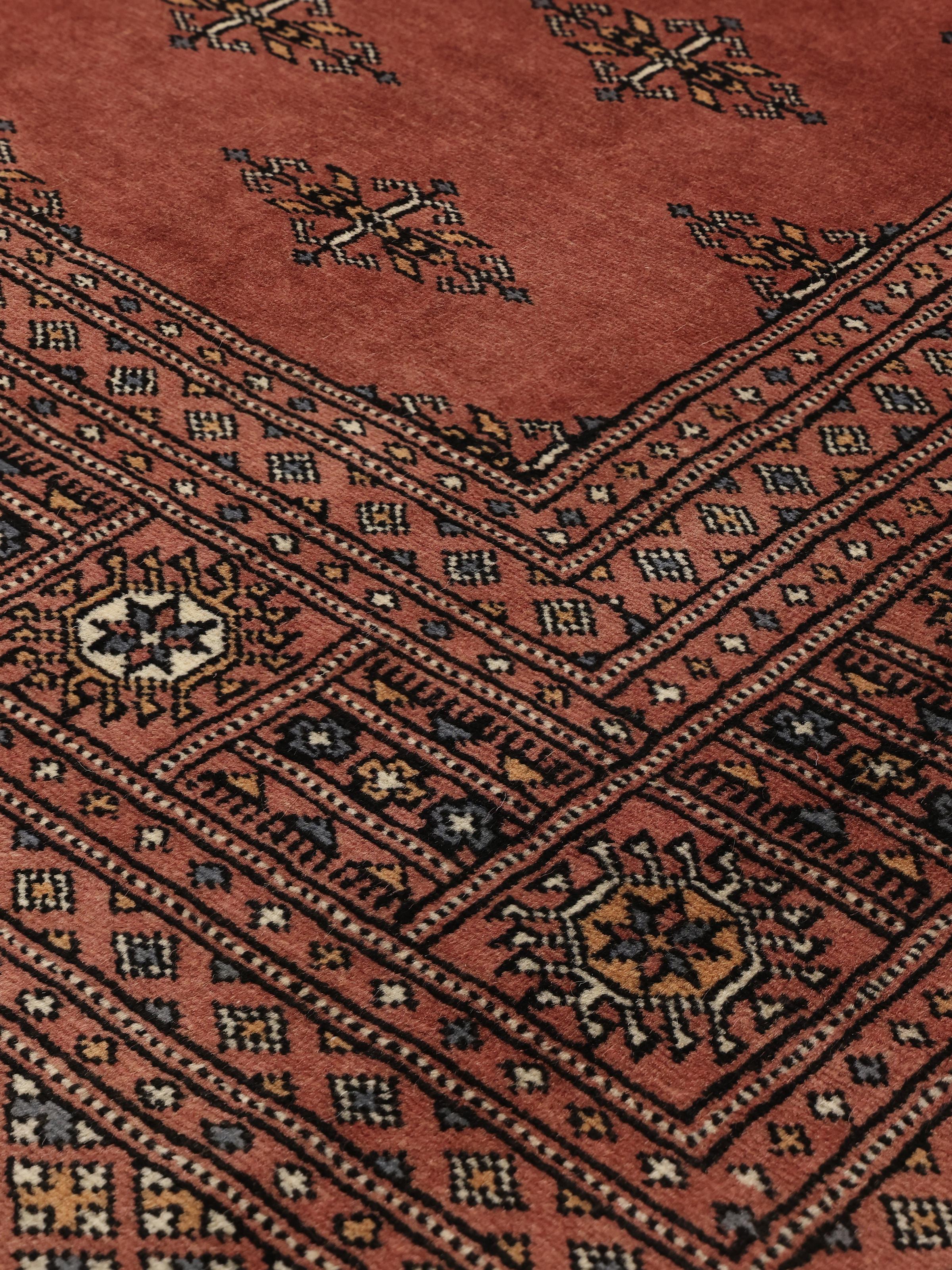
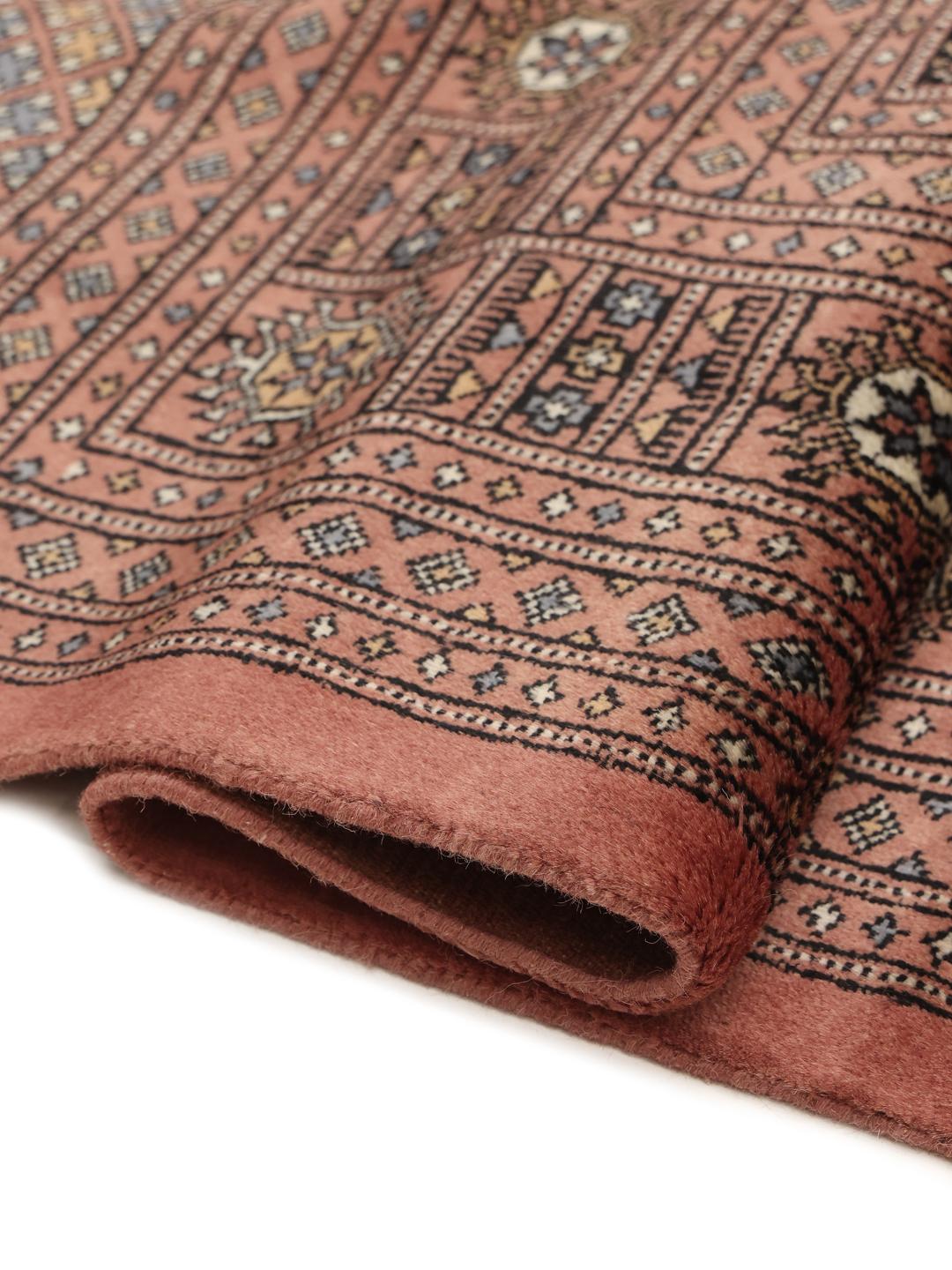
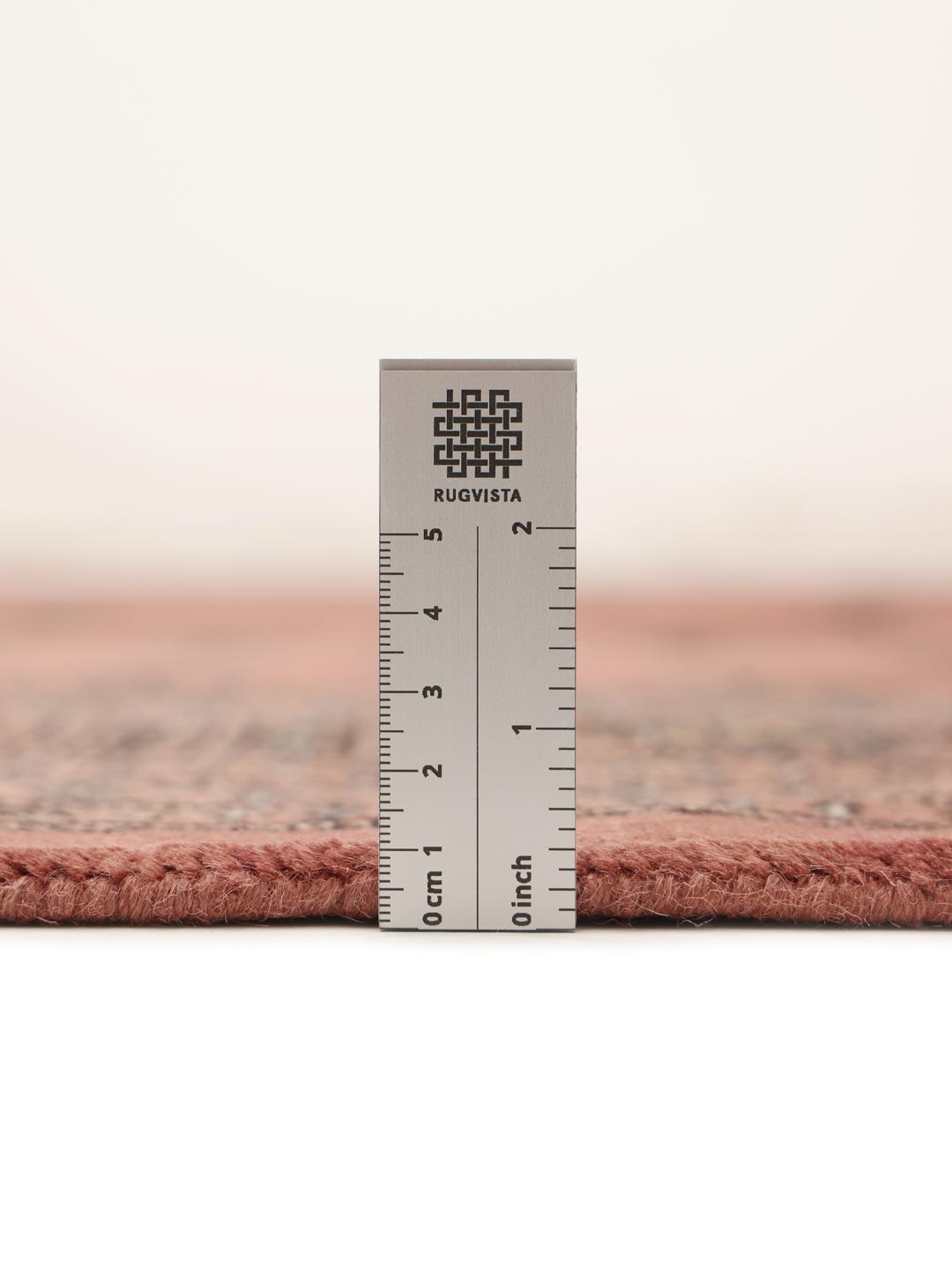
The term 2ply refers to the construction of the wool pile, where two strands of wool are twisted together before being knotted. This technique is significant because it creates a denser, more lustrous, and remarkably durable pile compared to single-ply alternatives. For the owner, this means a rug that is not only softer and more luxurious to the touch but also better equipped to handle the demands of a busy home.
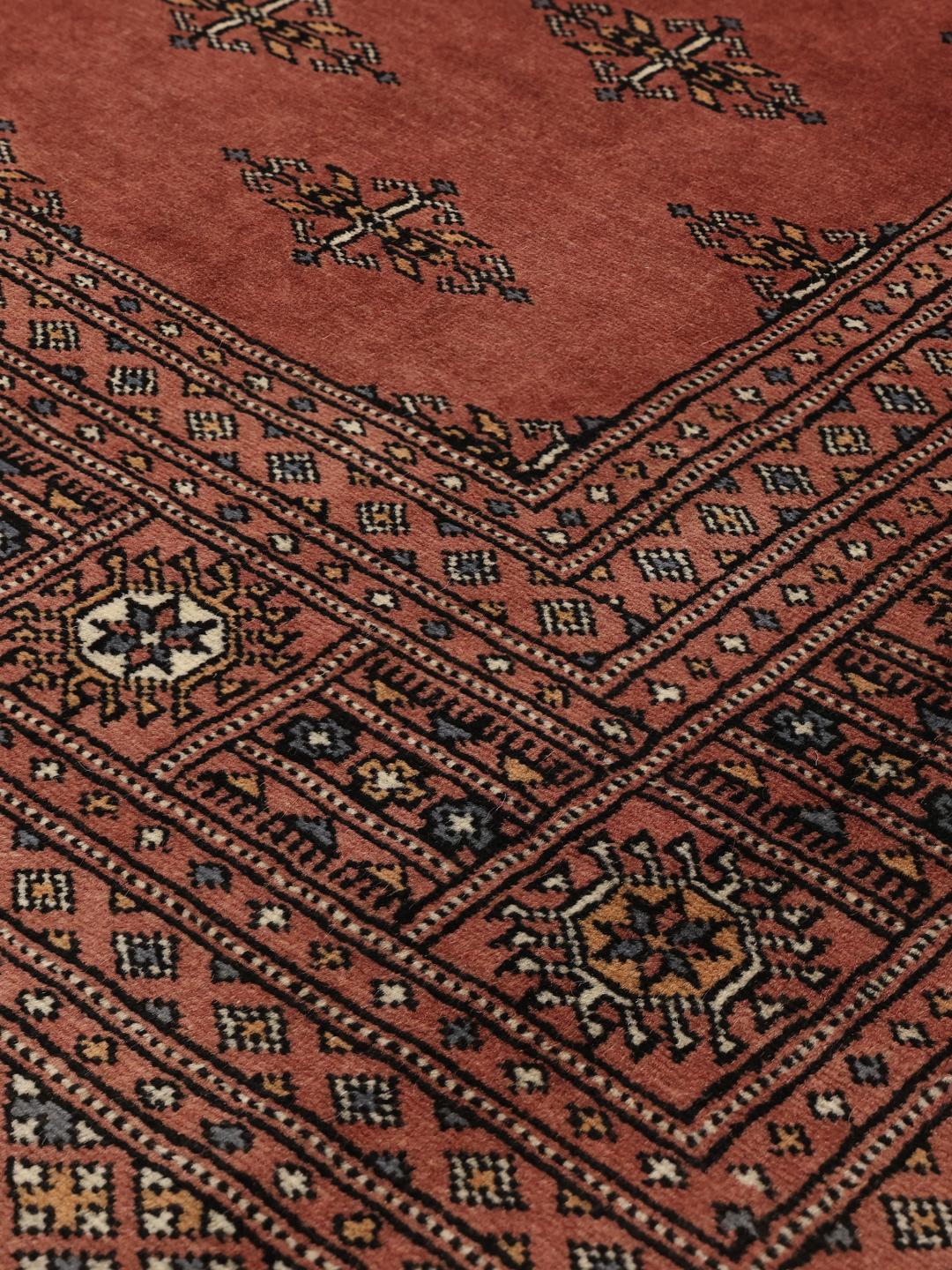
Visually, these rugs are defined by the repeating gul motif, which often appears as octagonal or elephant-foot shapes arranged in rows across the field. These motifs are framed by intricate, multi-layered borders that reflect a highly developed sense of geometry and balance. The deep, warm red tones are a hallmark of the tradition, symbolizing the desert sunsets and the earth from which these patterns originated.
Collecting a Bokhara rug is an investment in cultural heritage and human skill. These pieces are valued for their ability to bring a sense of permanence and warmth to any space, serving as a bridge between ancient craftsmanship and contemporary living. Owning one is an opportunity to preserve a living history, as each knot tells the story of the artisan who spent months bringing the design to life.