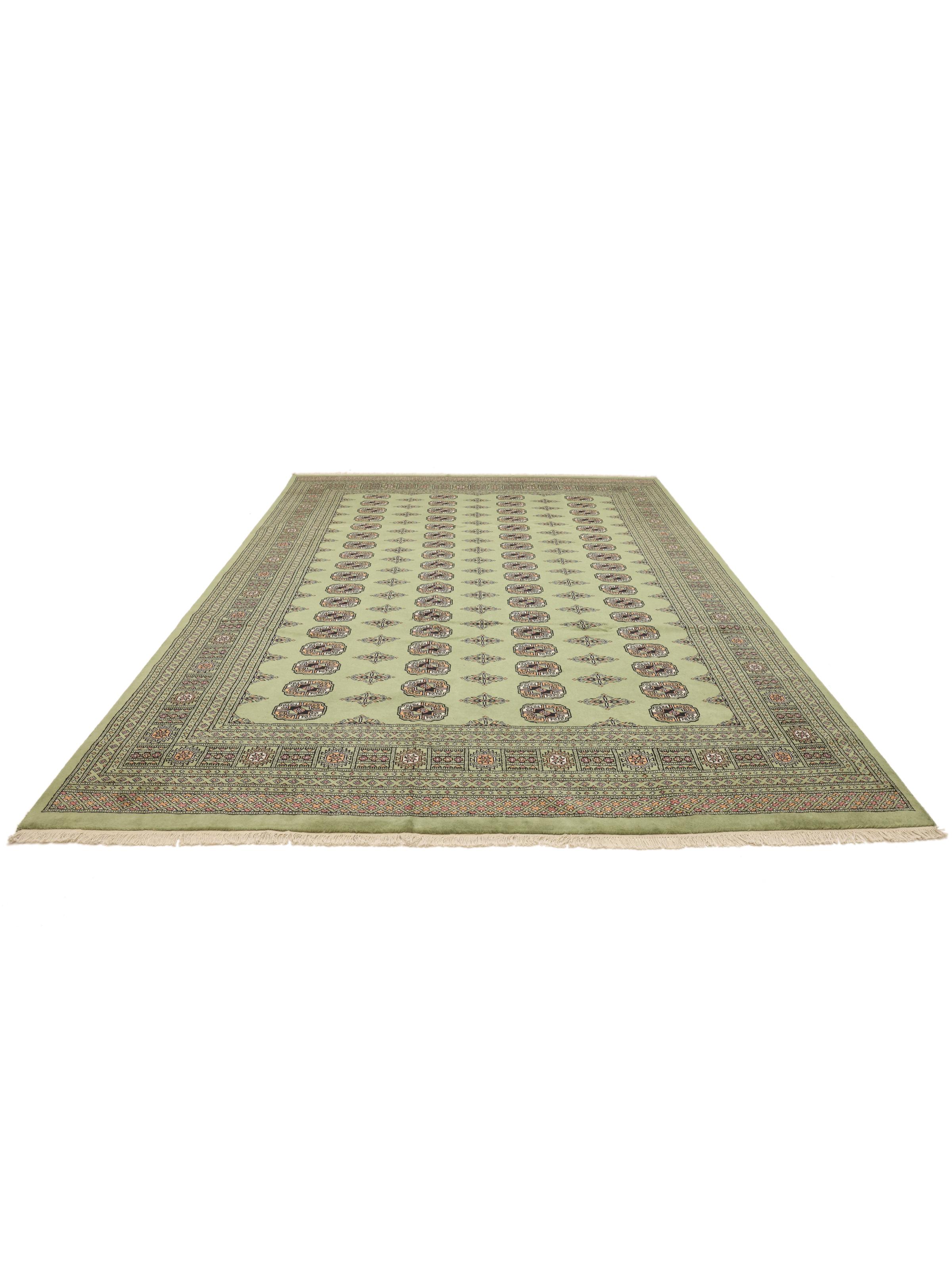
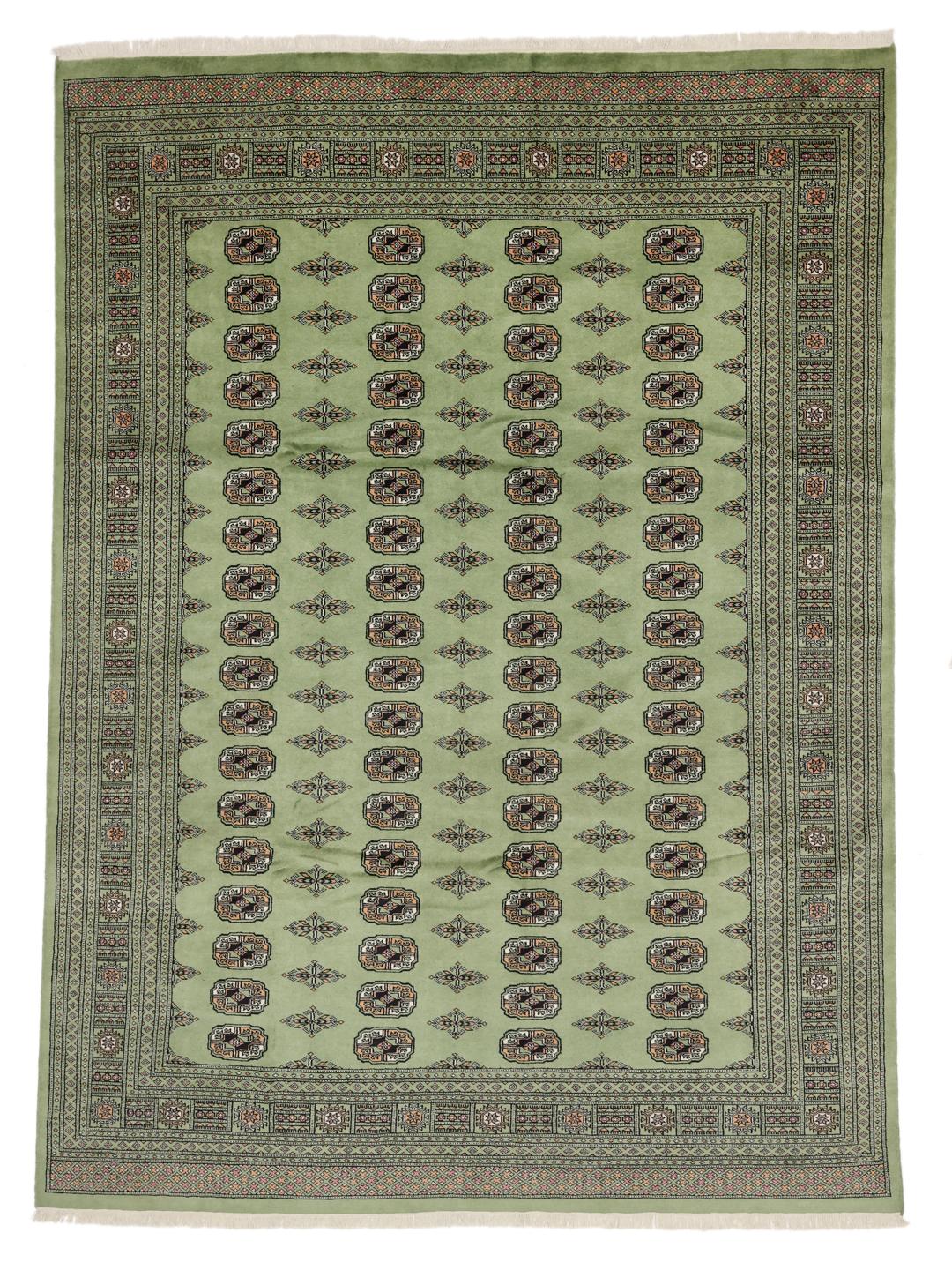
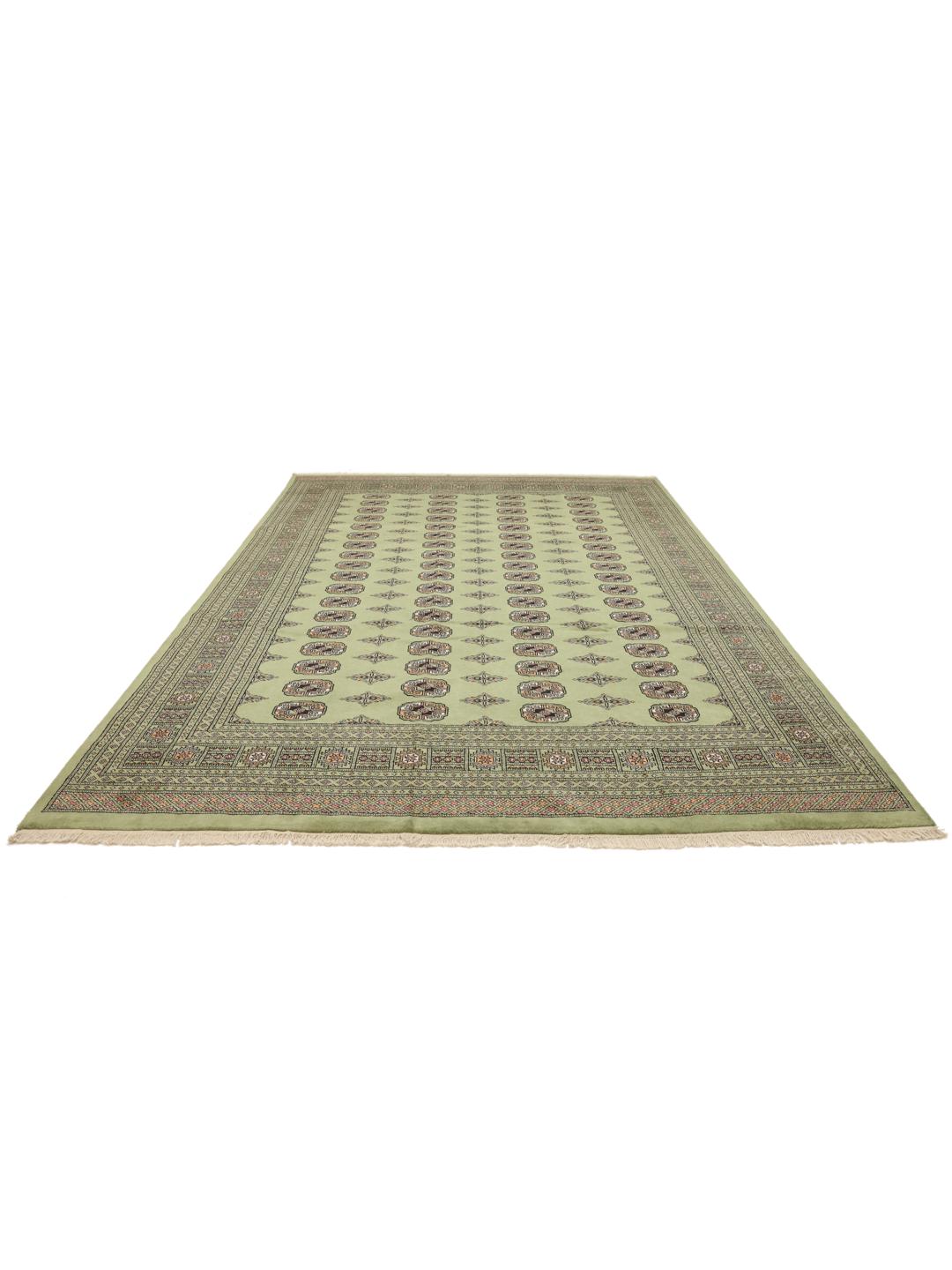
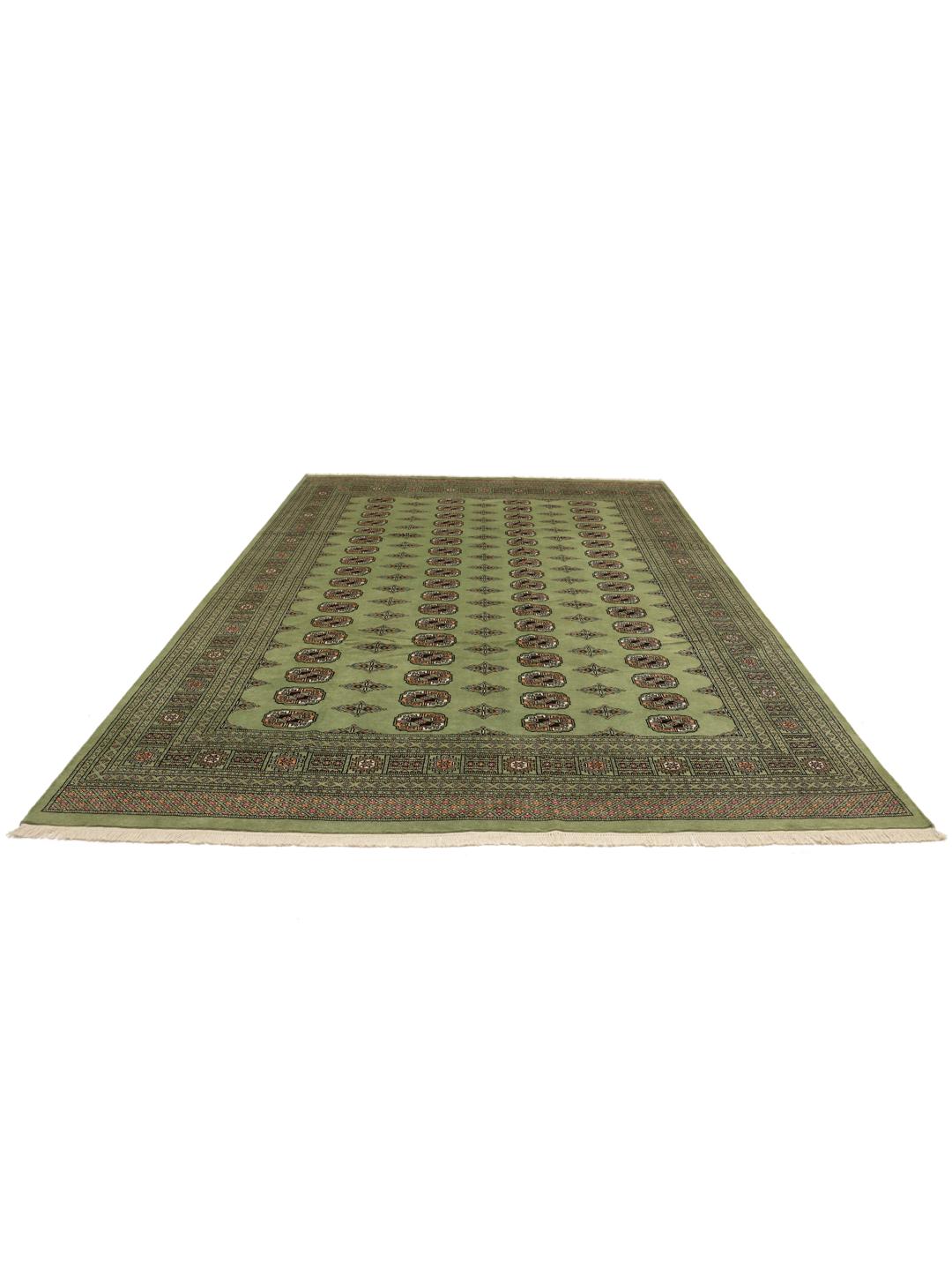
The Bokhara rug tradition finds its roots in the ancient Silk Road city of Bukhara, once a vital hub for trade and craftsmanship. Over centuries, these weaving techniques migrated across Central Asia, eventually finding a vibrant home in Pakistan. Today, Pakistani weavers are renowned for their ability to maintain these historical methods while producing some of the most sought-after rugs in the world.
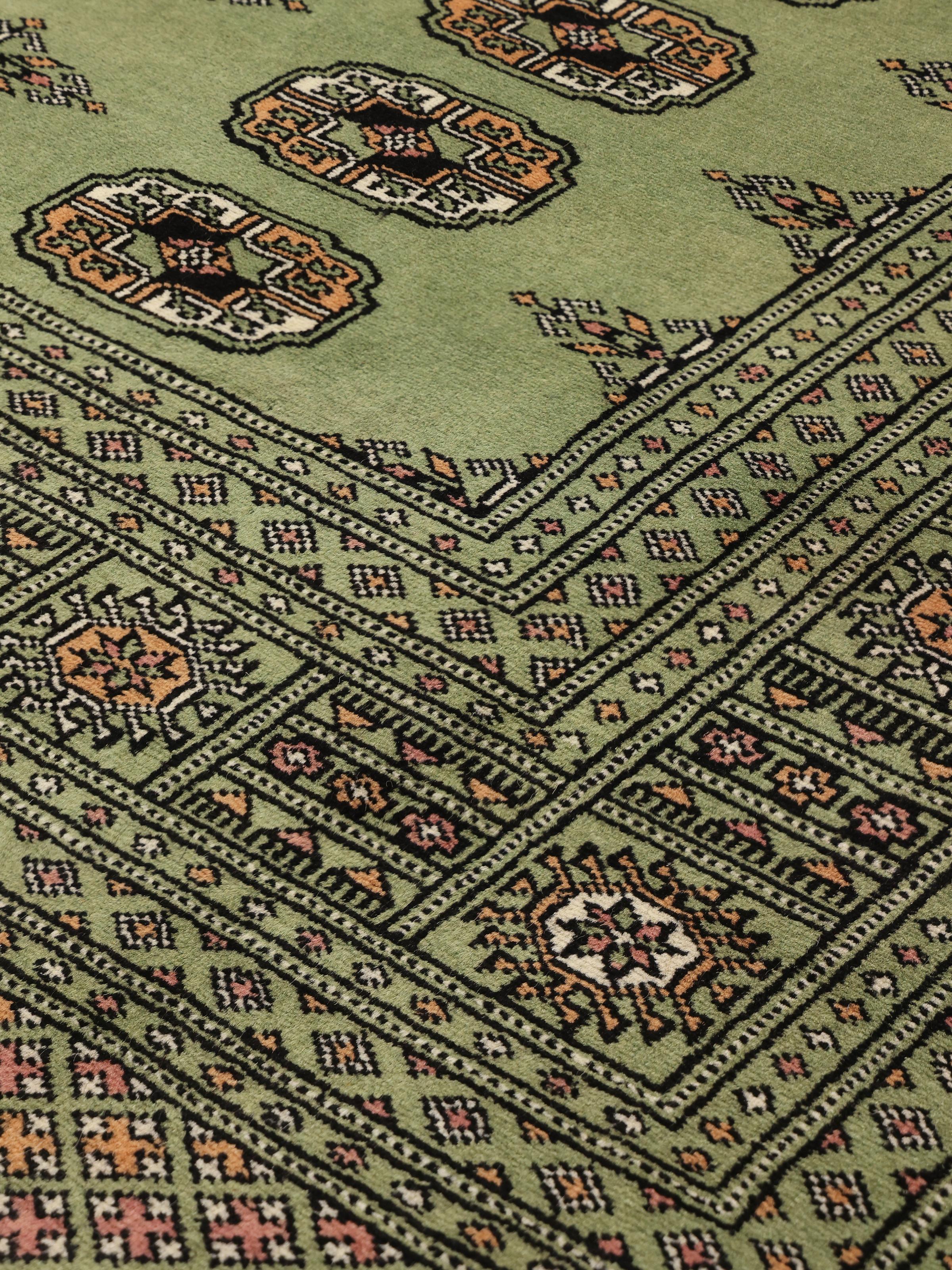
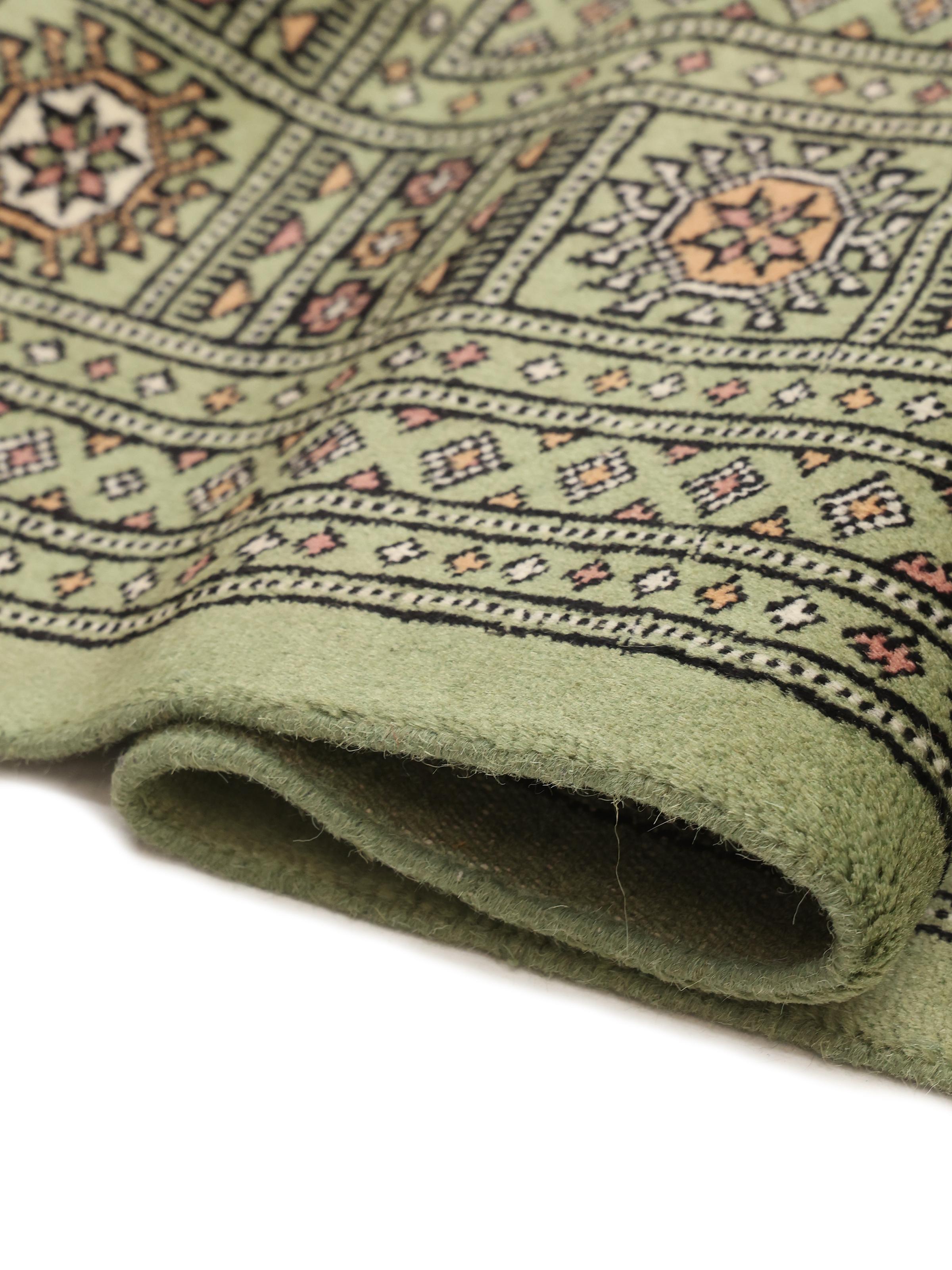
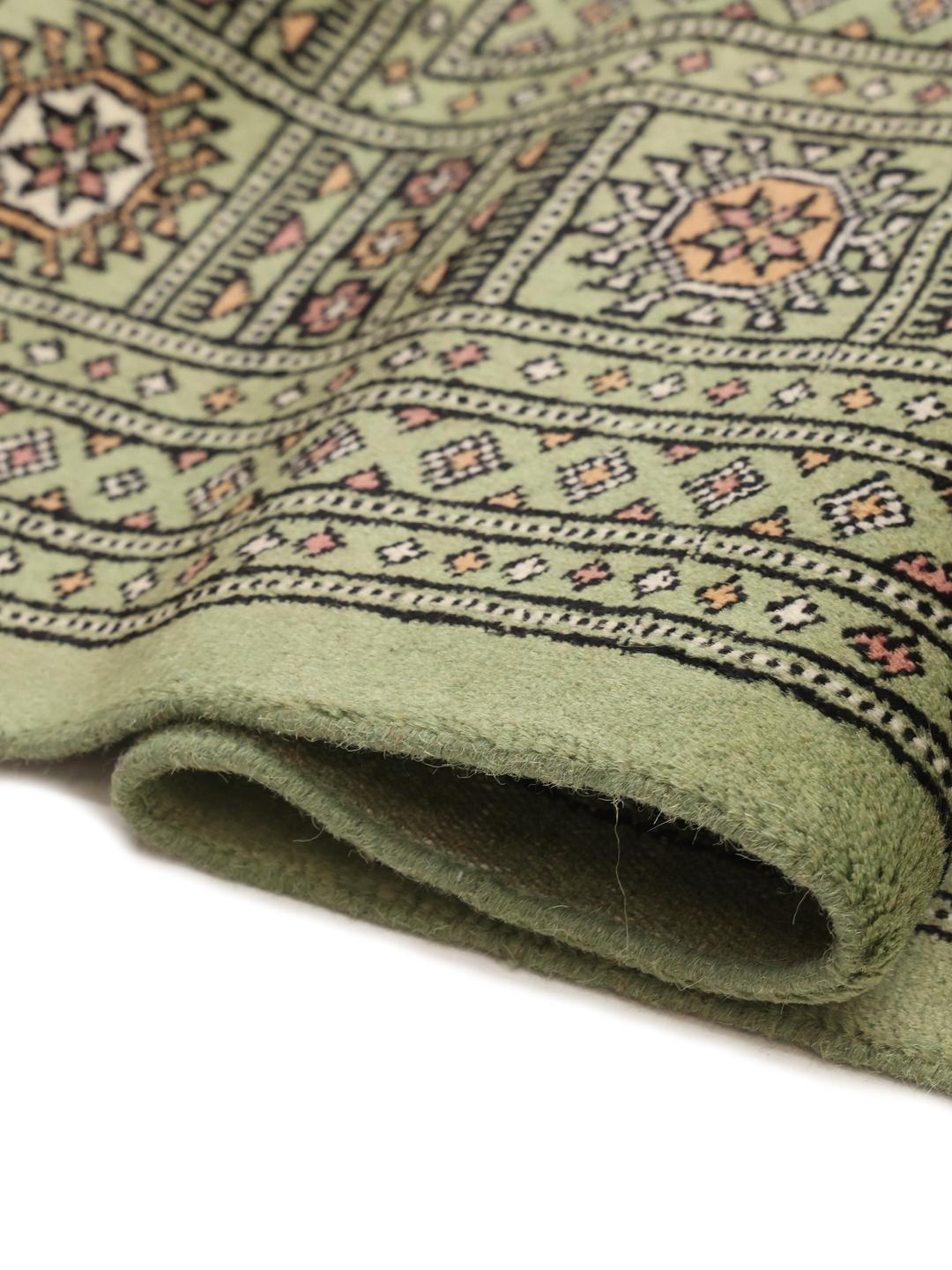
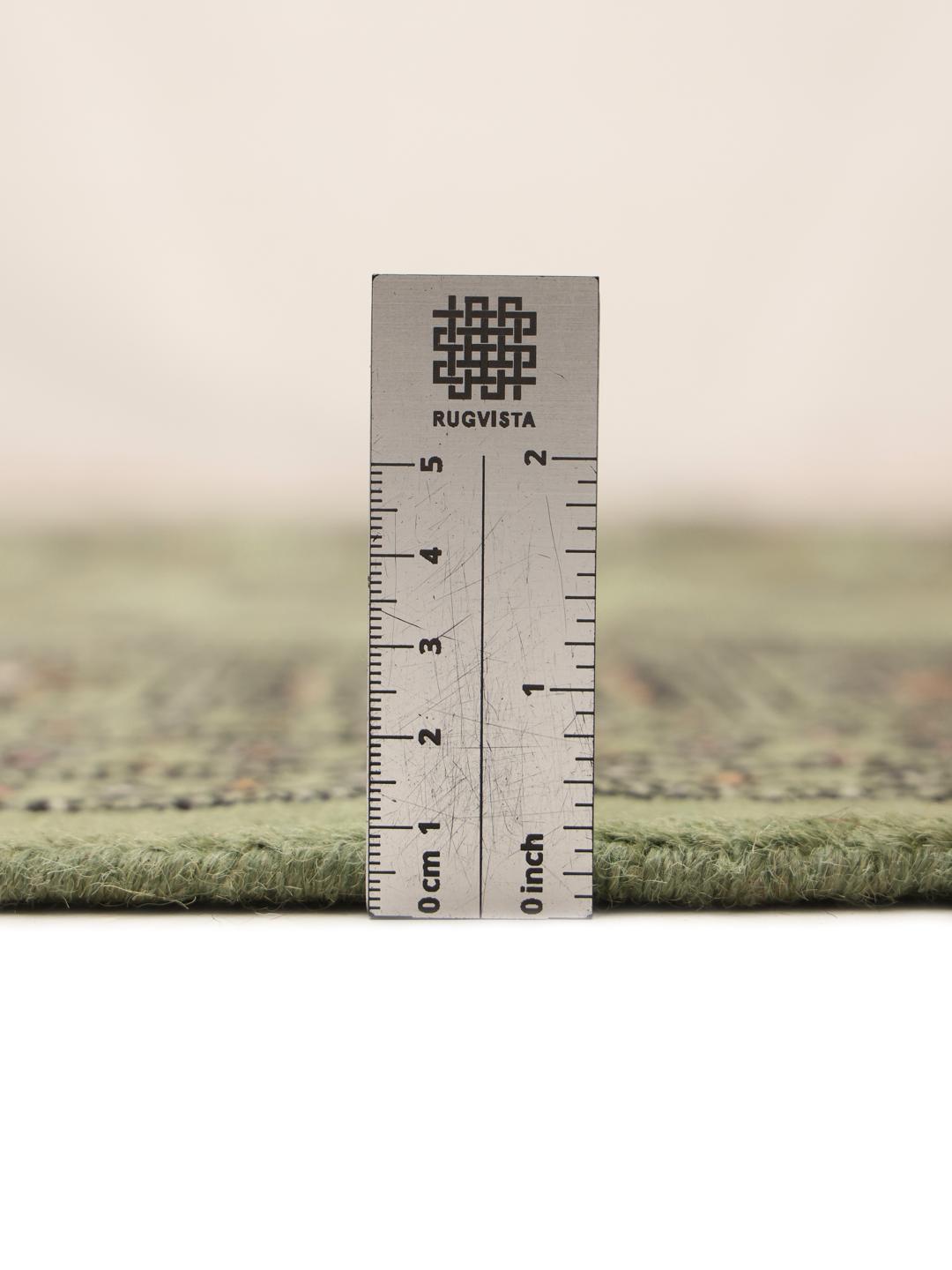
The '2ply' designation refers to the construction of the wool pile, where two individual strands are twisted together before being knotted. This technique is essential for quality, as it creates a stronger, more lustrous, and thicker pile than single-ply alternatives. This added structural integrity ensures the rug remains resilient and visually rich over many years of use.
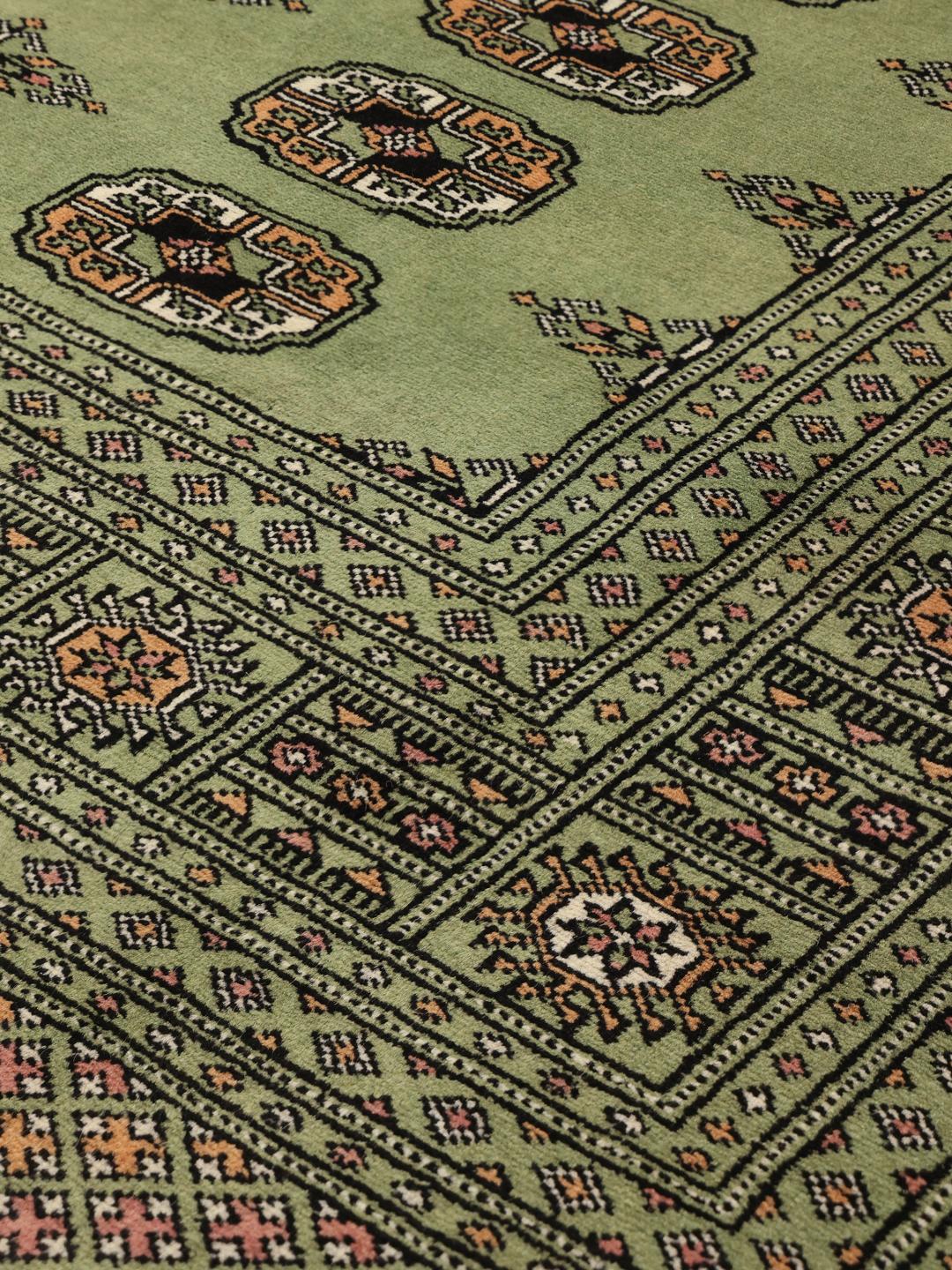
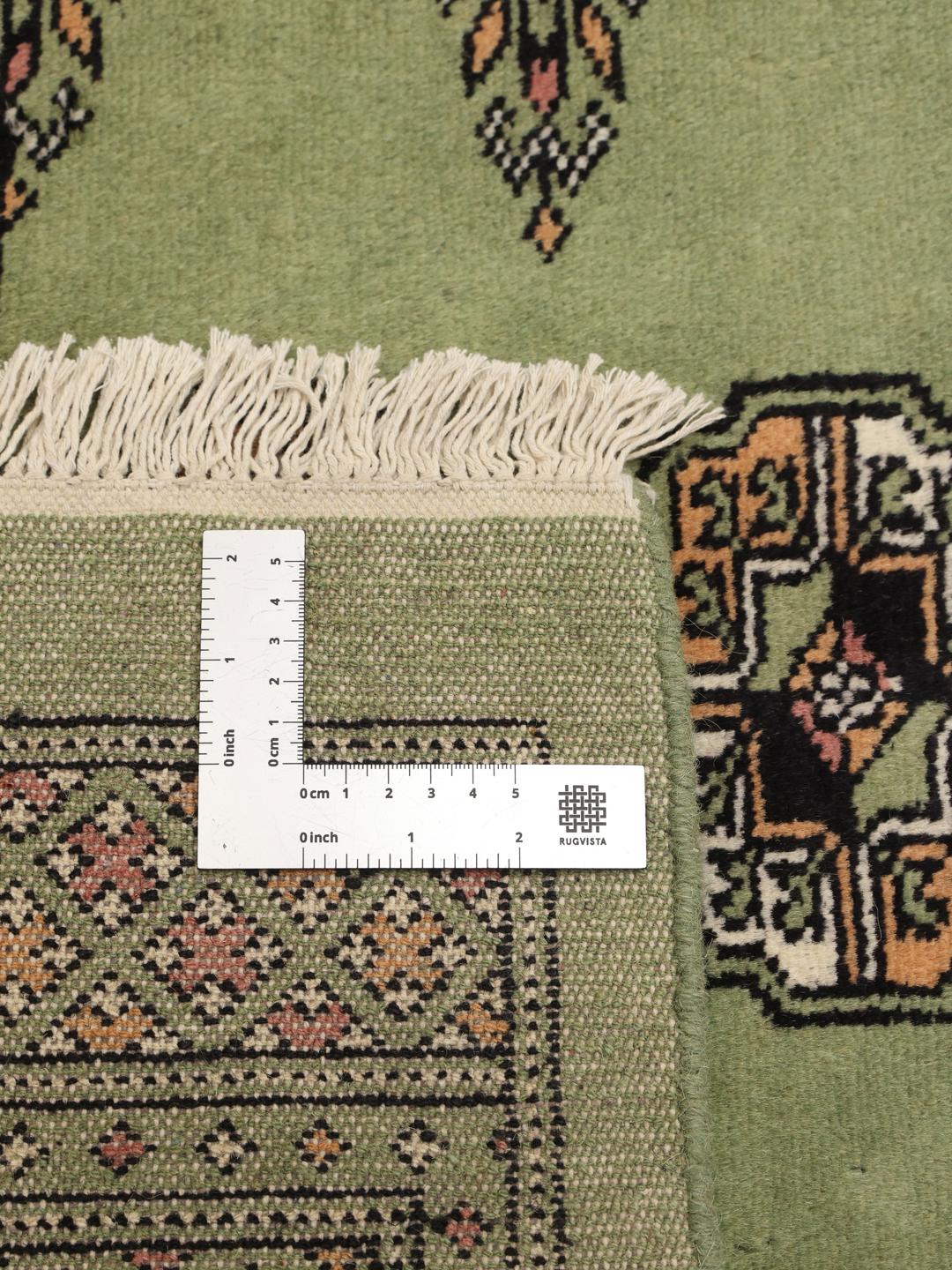
Visually, these rugs are defined by the repeating 'gul' motif, an ancient design often resembling an elephant’s footprint or a geometric medallion. These motifs are typically organised in clean, rhythmic rows, framed by intricate, multi-layered borders that showcase the weaver's precision. The green field is a sophisticated choice that breathes new life into this traditional aesthetic.
Owning a hand-knotted rug from this tradition is an investment in cultural heritage. It represents a connection to centuries of skill and the patient, human effort required to create something lasting. Collectors value these pieces not just for their beauty, but for the story of craftsmanship they bring into a home.