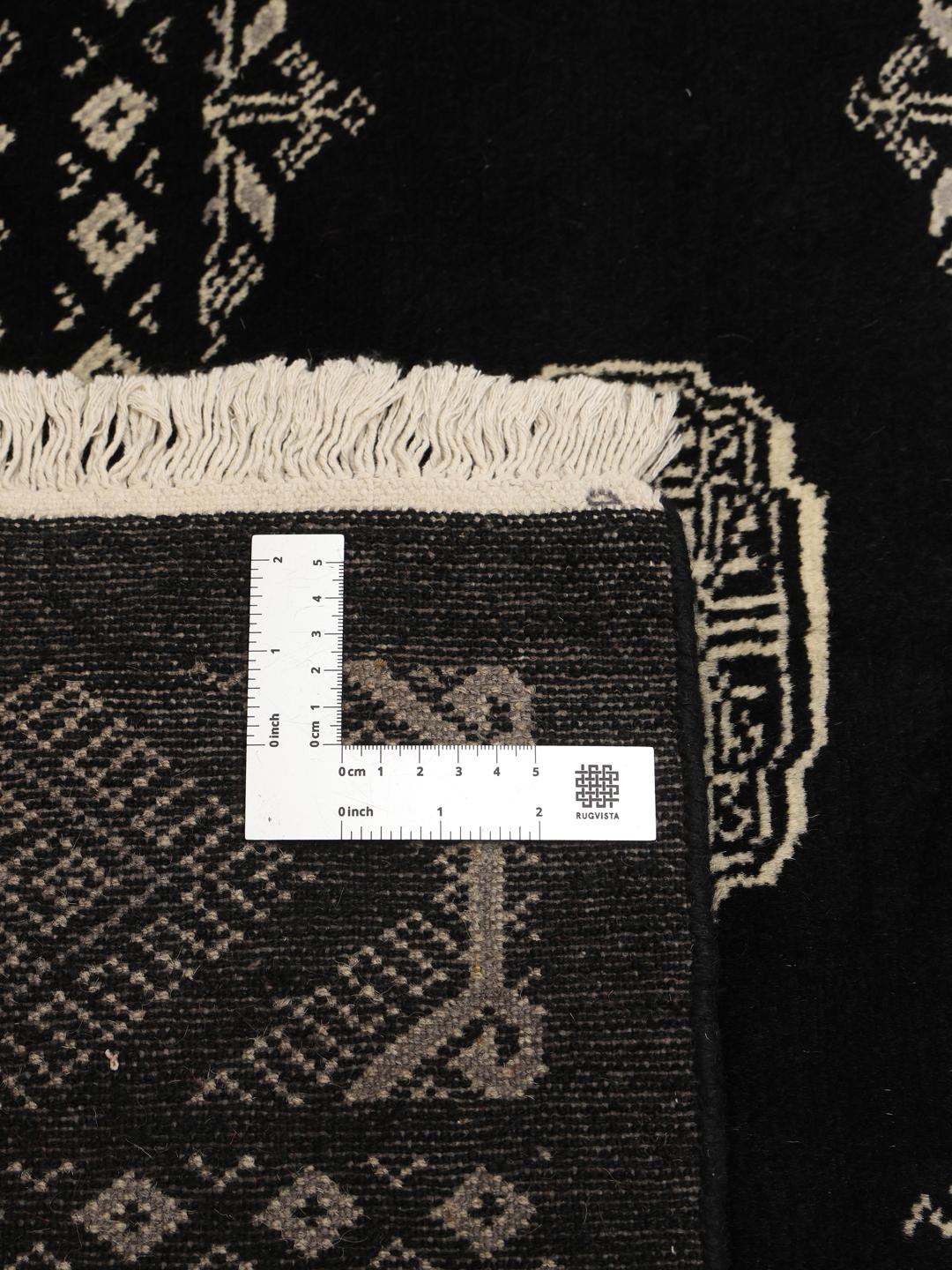
Bokhara rugs take their name from the historic Silk Road city of Bukhara, which served as a vital hub for trade and cultural exchange in Central Asia. While the name is tied to this ancient city, the finest examples of these rugs are today primarily woven in Pakistan, where the tradition has been refined and perfected over generations.
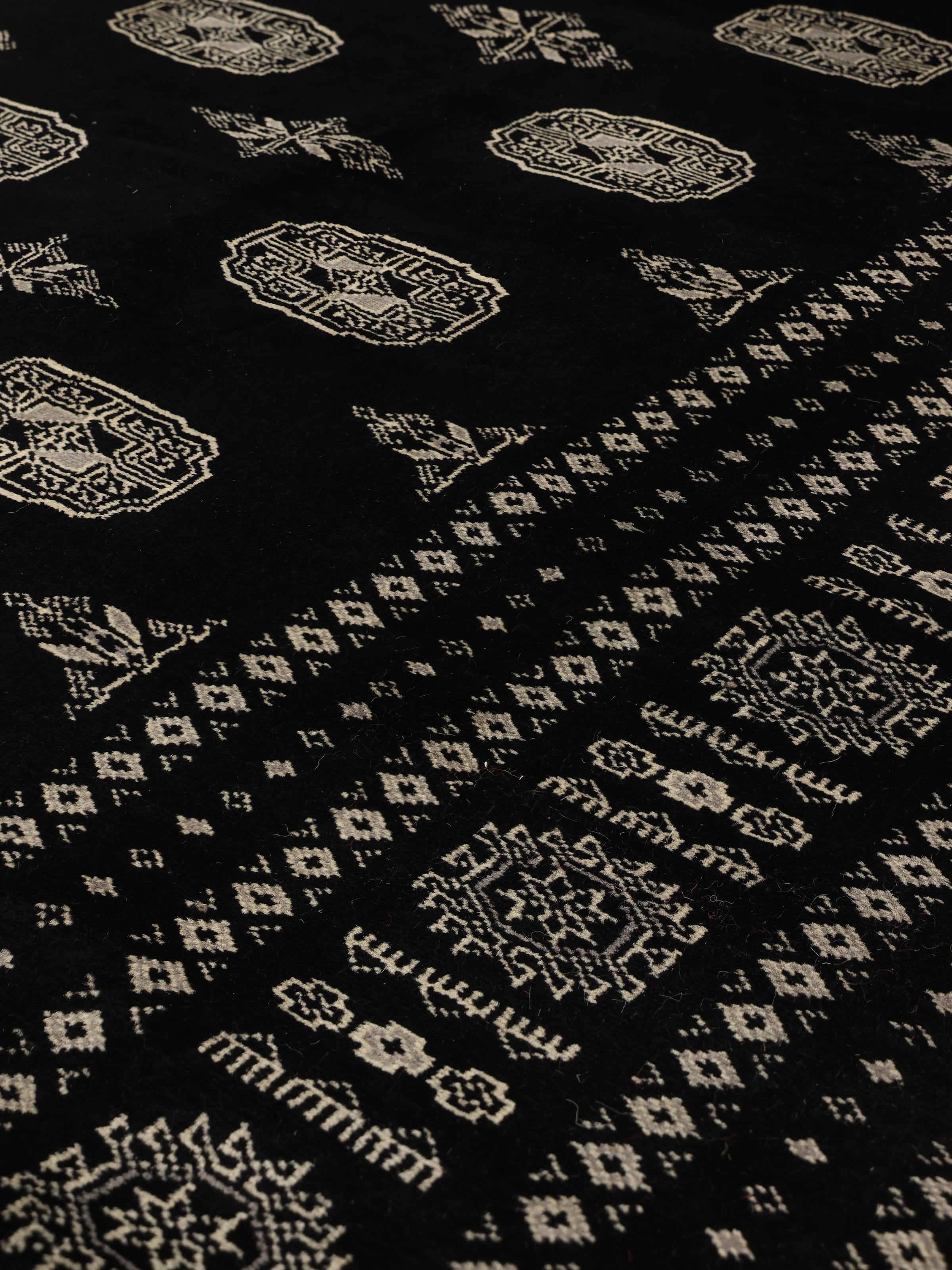
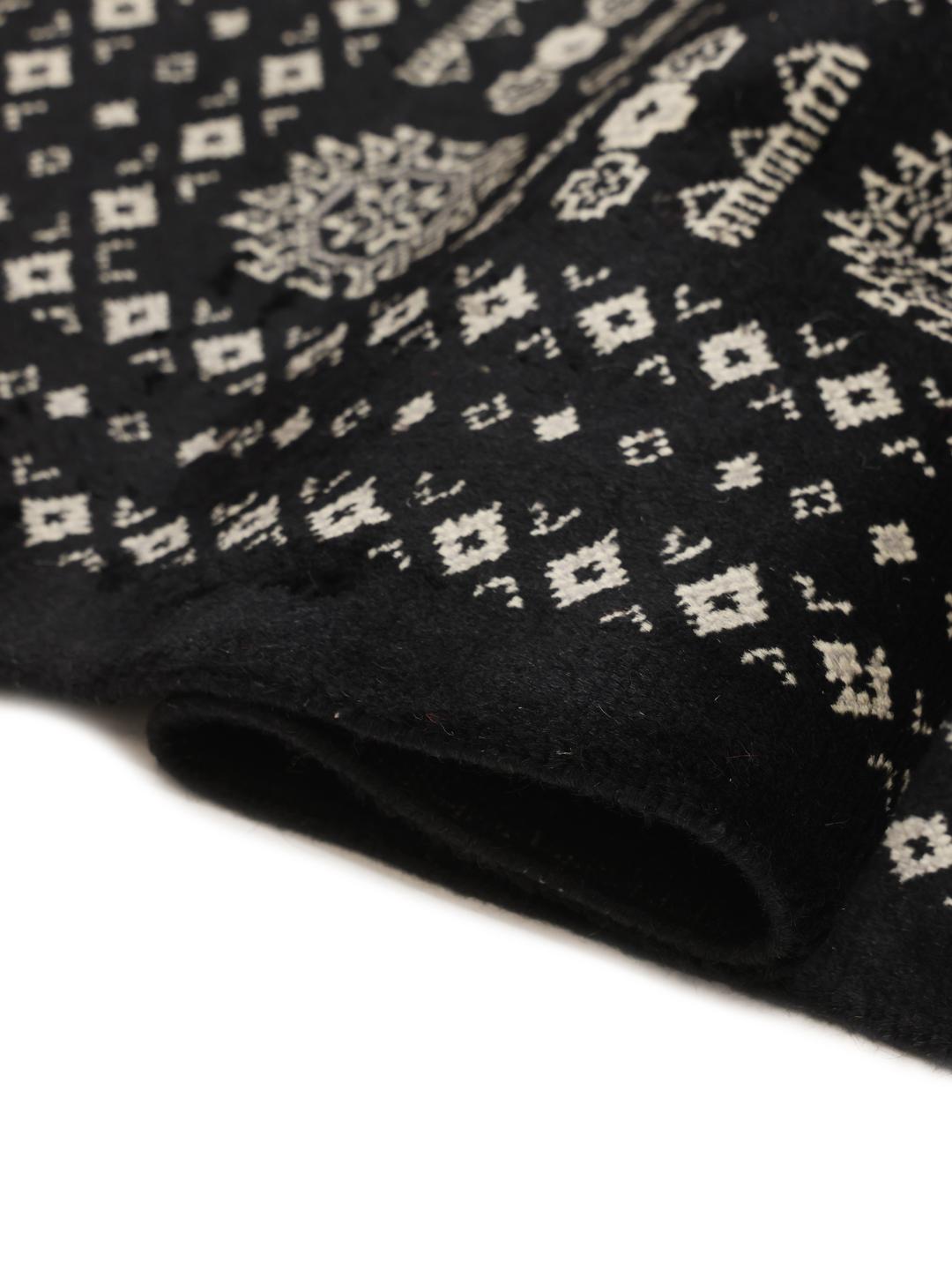
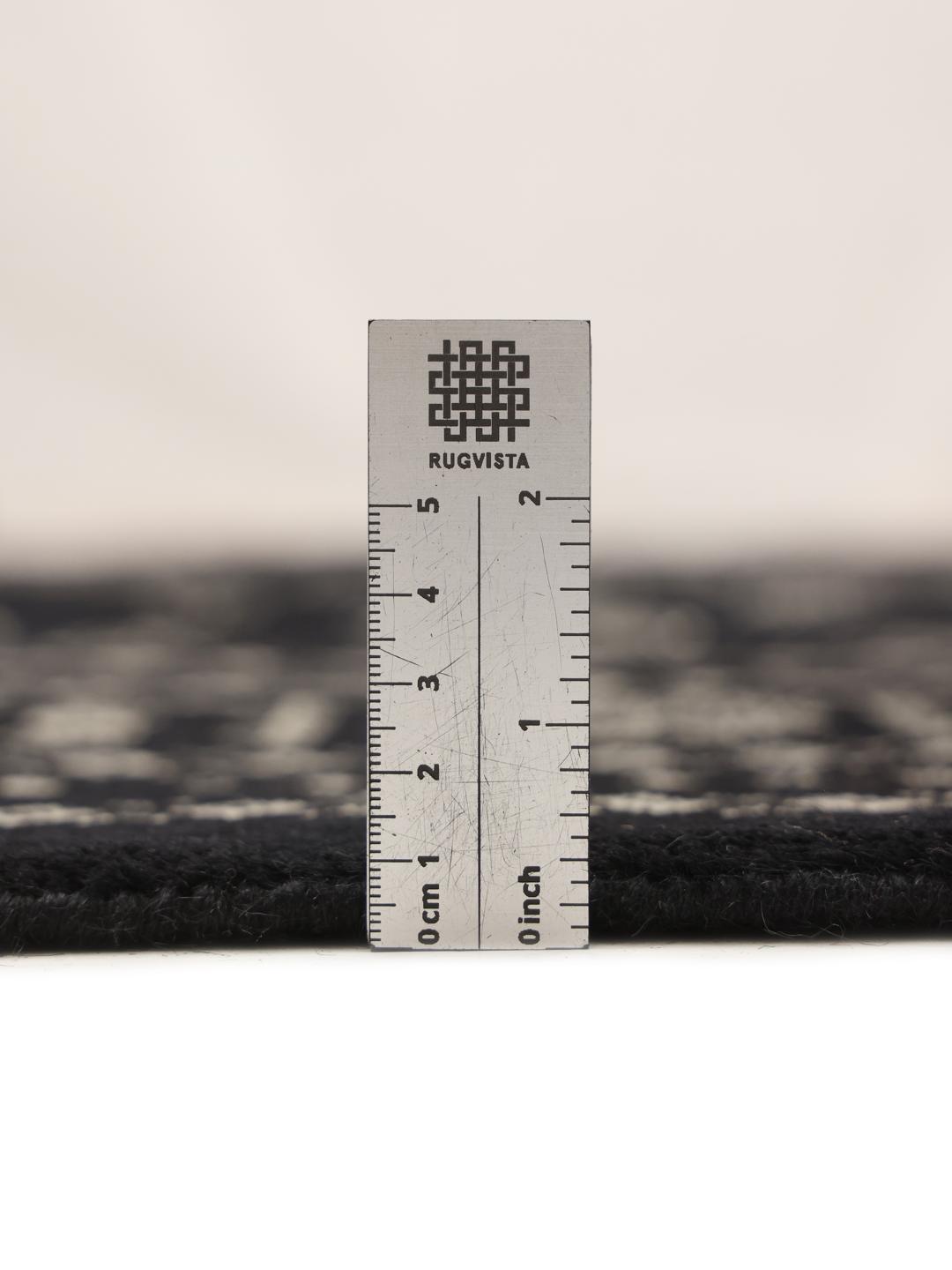
The term 2ply refers to a specific technique where two strands of wool are twisted together before being used in the pile. This construction is highly valued because it results in a denser, more lustrous, and more durable surface compared to single-ply yarns, giving the rug a fuller feel and a more vibrant appearance.
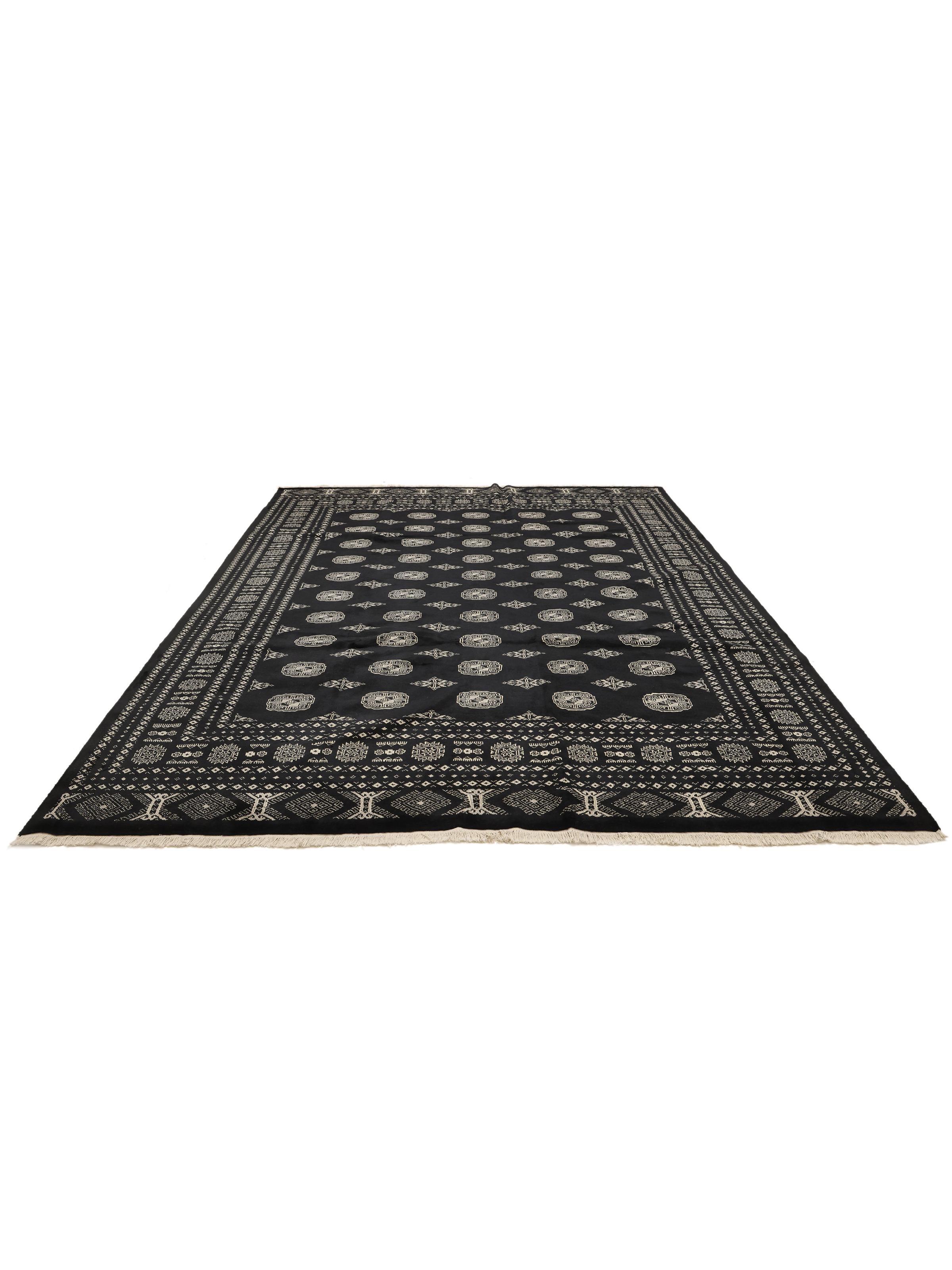
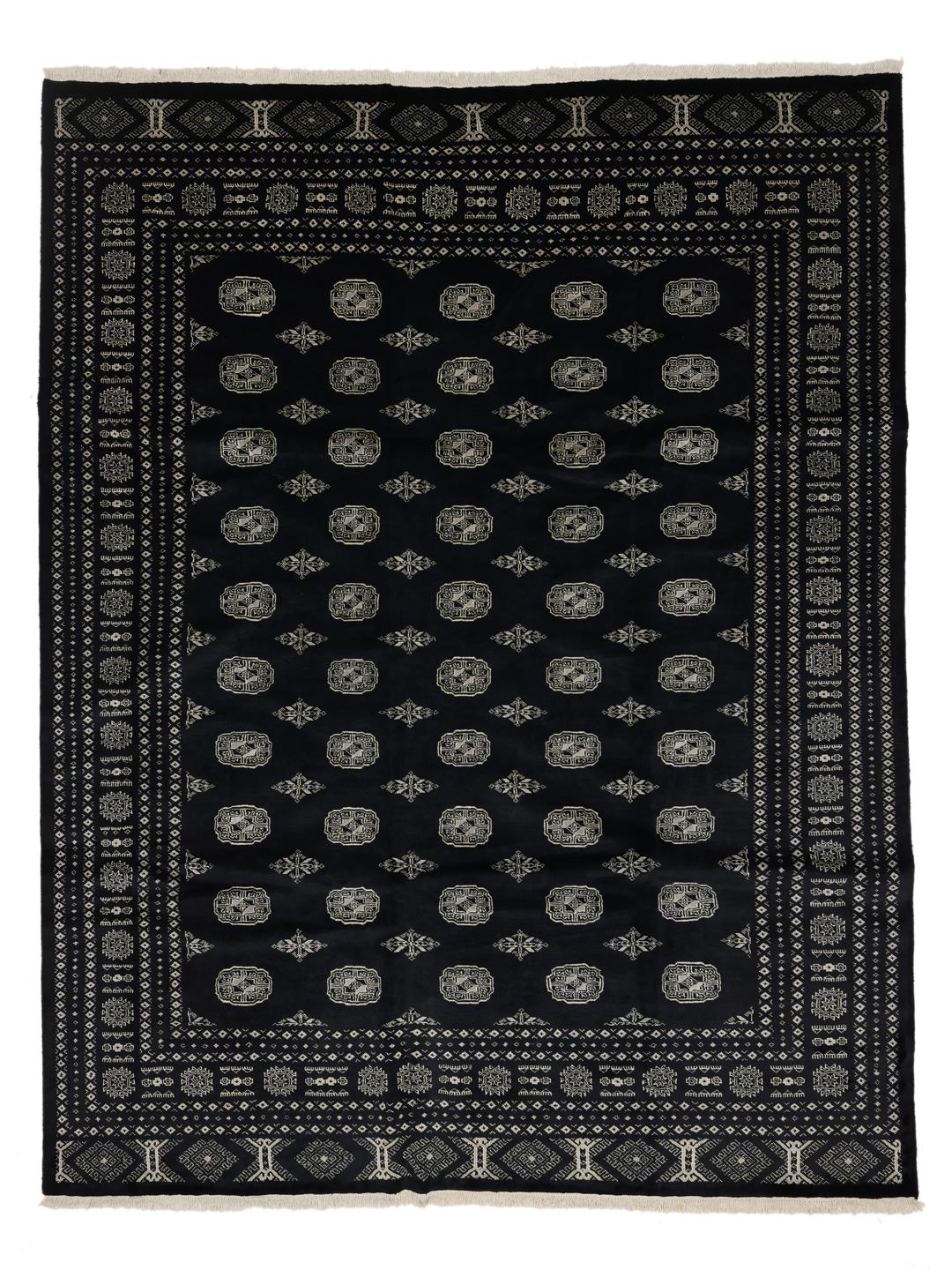
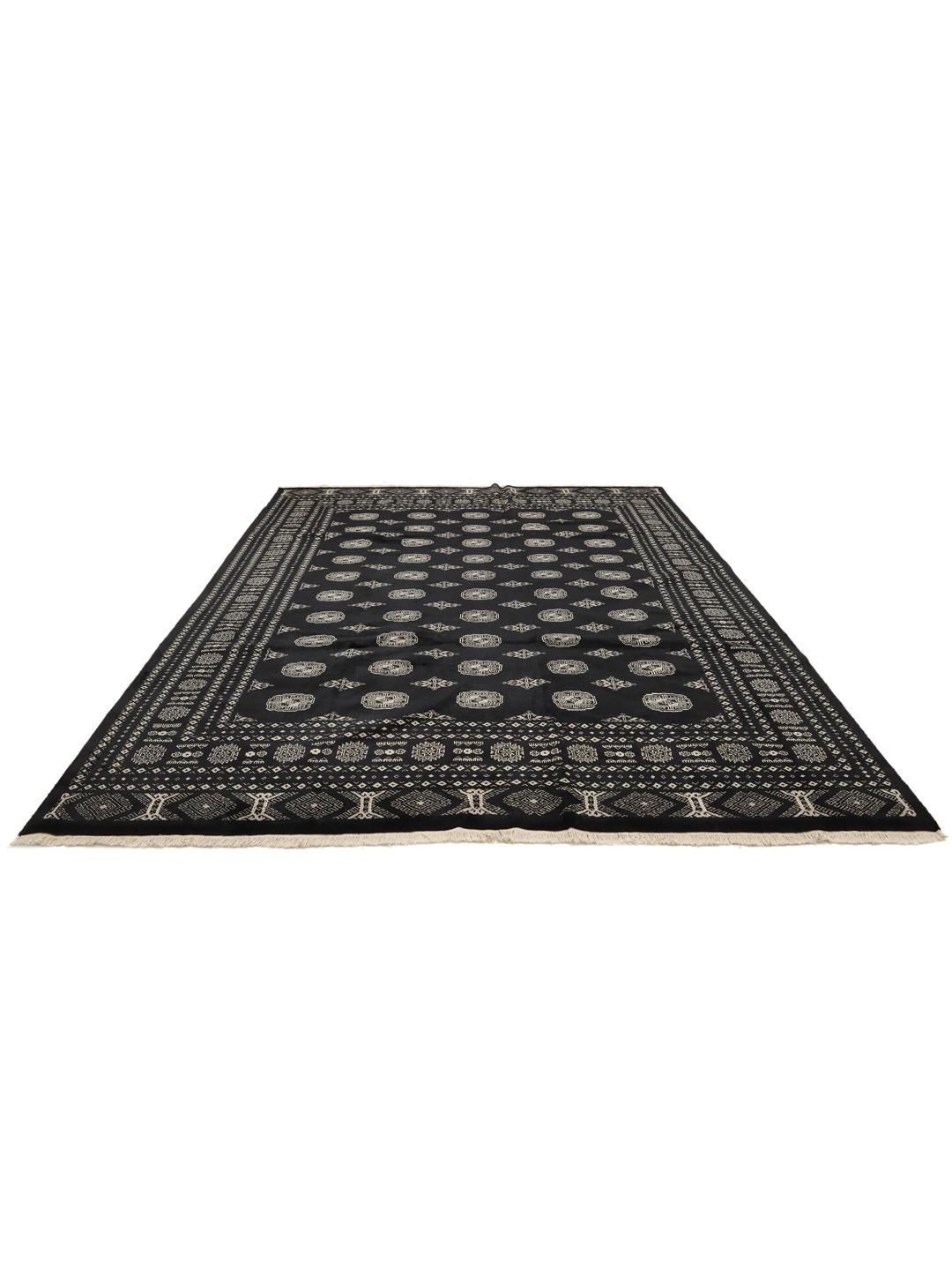
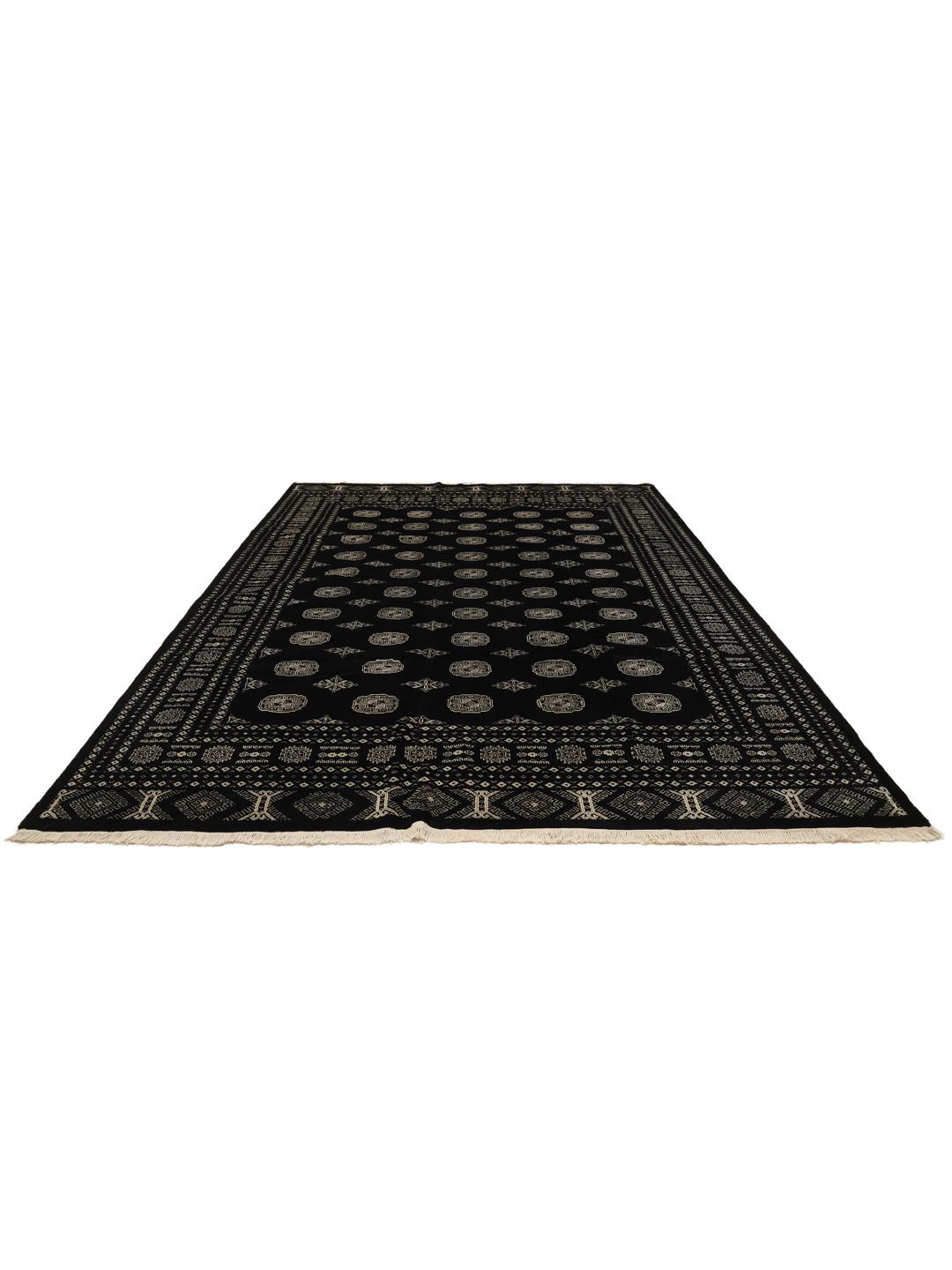
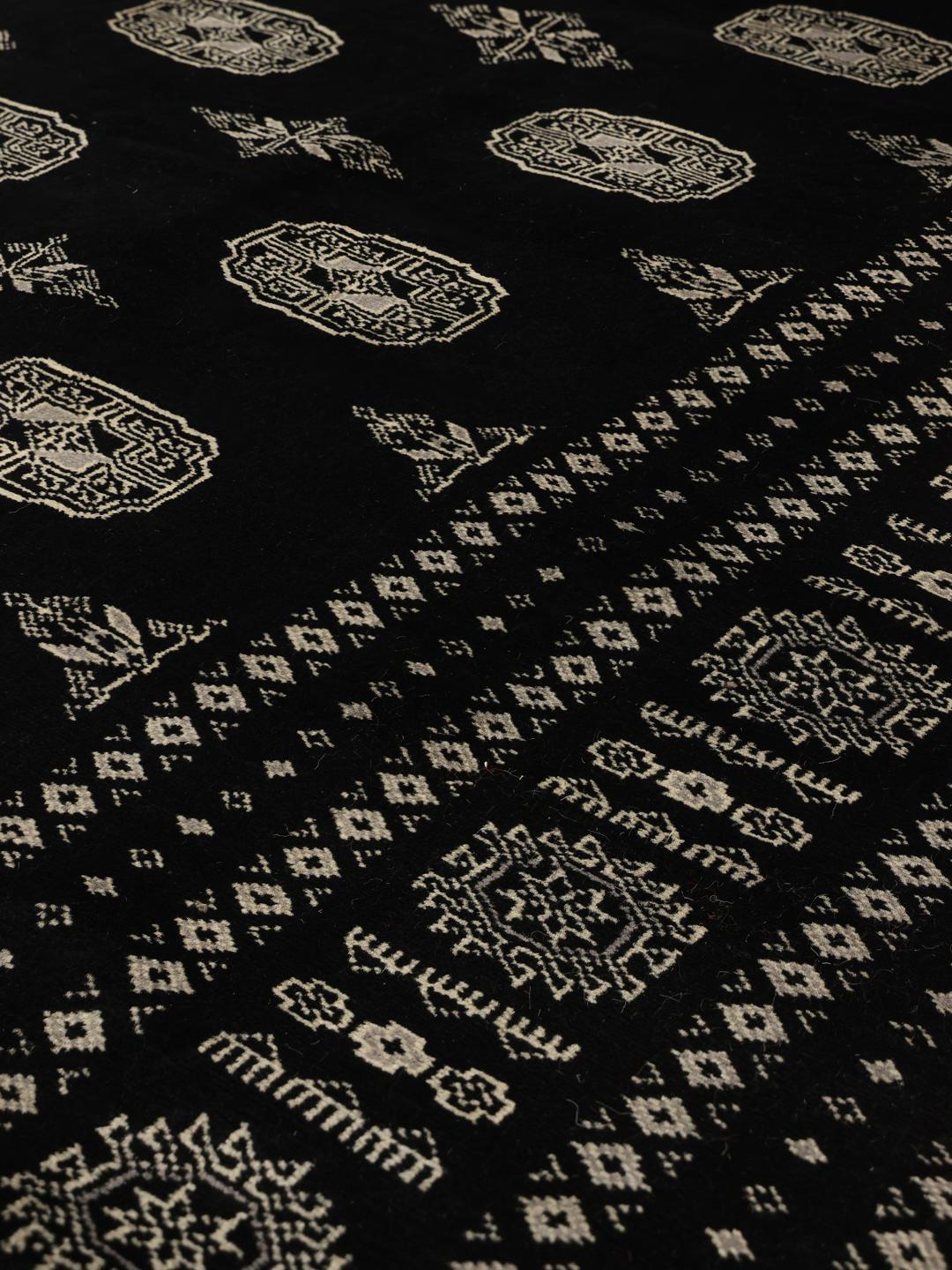
Visually, these rugs are defined by the repeating gul motif, a stylised, octagonal shape often resembling an elephant's foot. These medallions are typically arranged in clean, formal rows across the field and enclosed by intricate, multi-layered borders. While traditional Bokhara rugs often feature warm red tones, this black version offers a distinctive and modern twist on a classic design.
Owning a hand-knotted Bokhara is an investment in cultural heritage and long-standing craft traditions. These rugs are highly sought after by collectors and homeowners alike, not only for their aesthetic appeal but for the immense skill and history woven into every knot, representing a level of quality that stands the test of time.