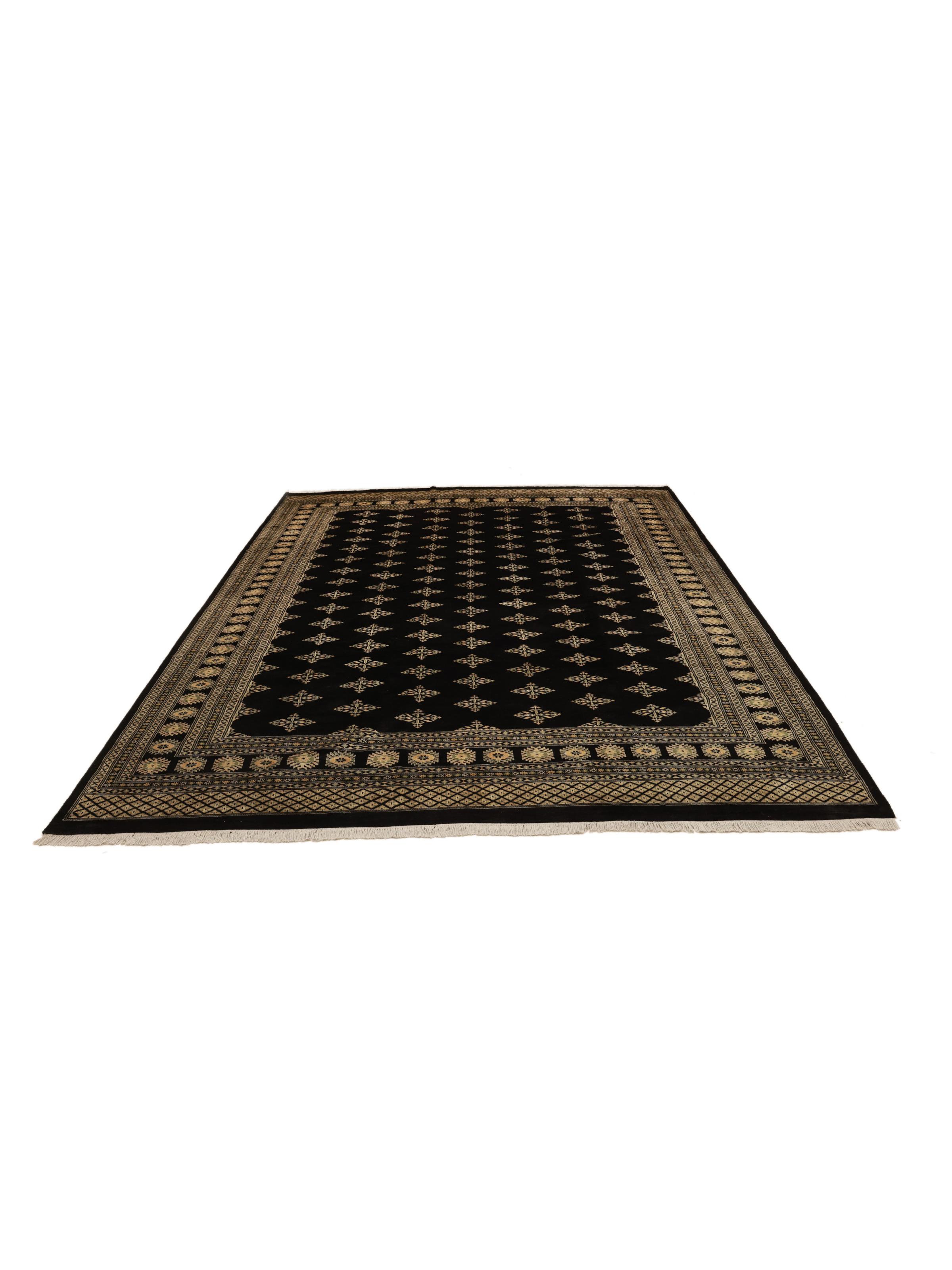
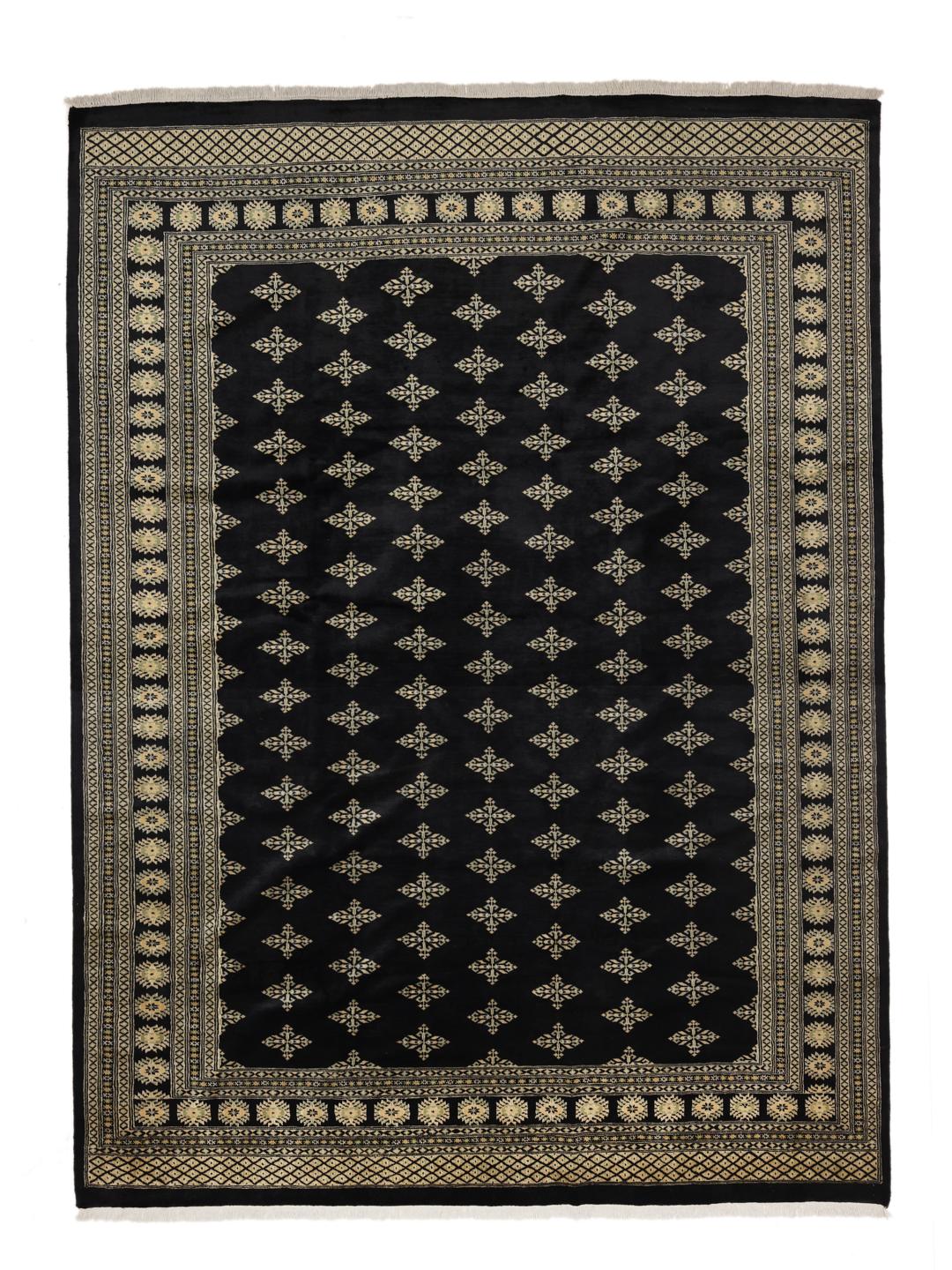
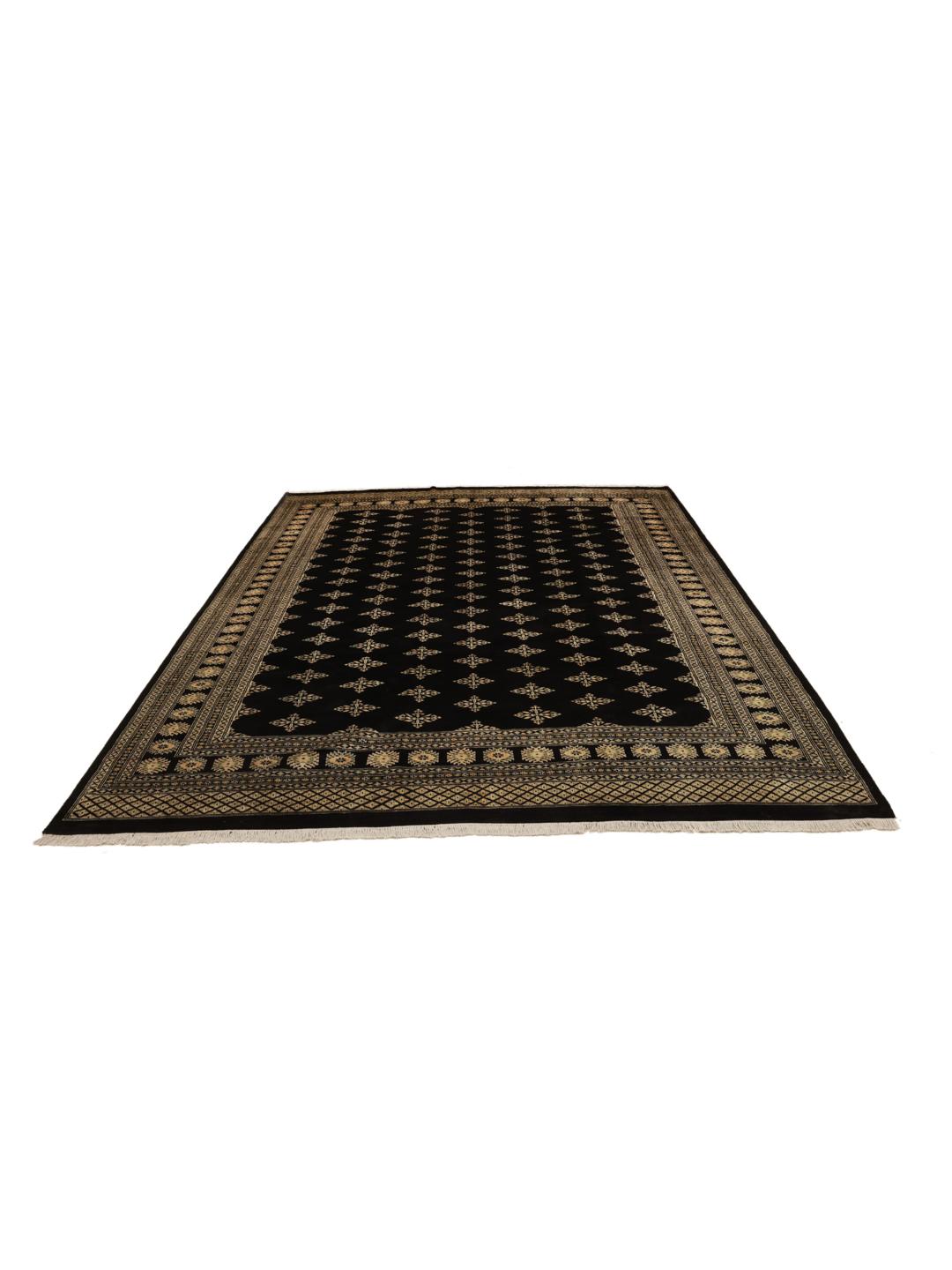
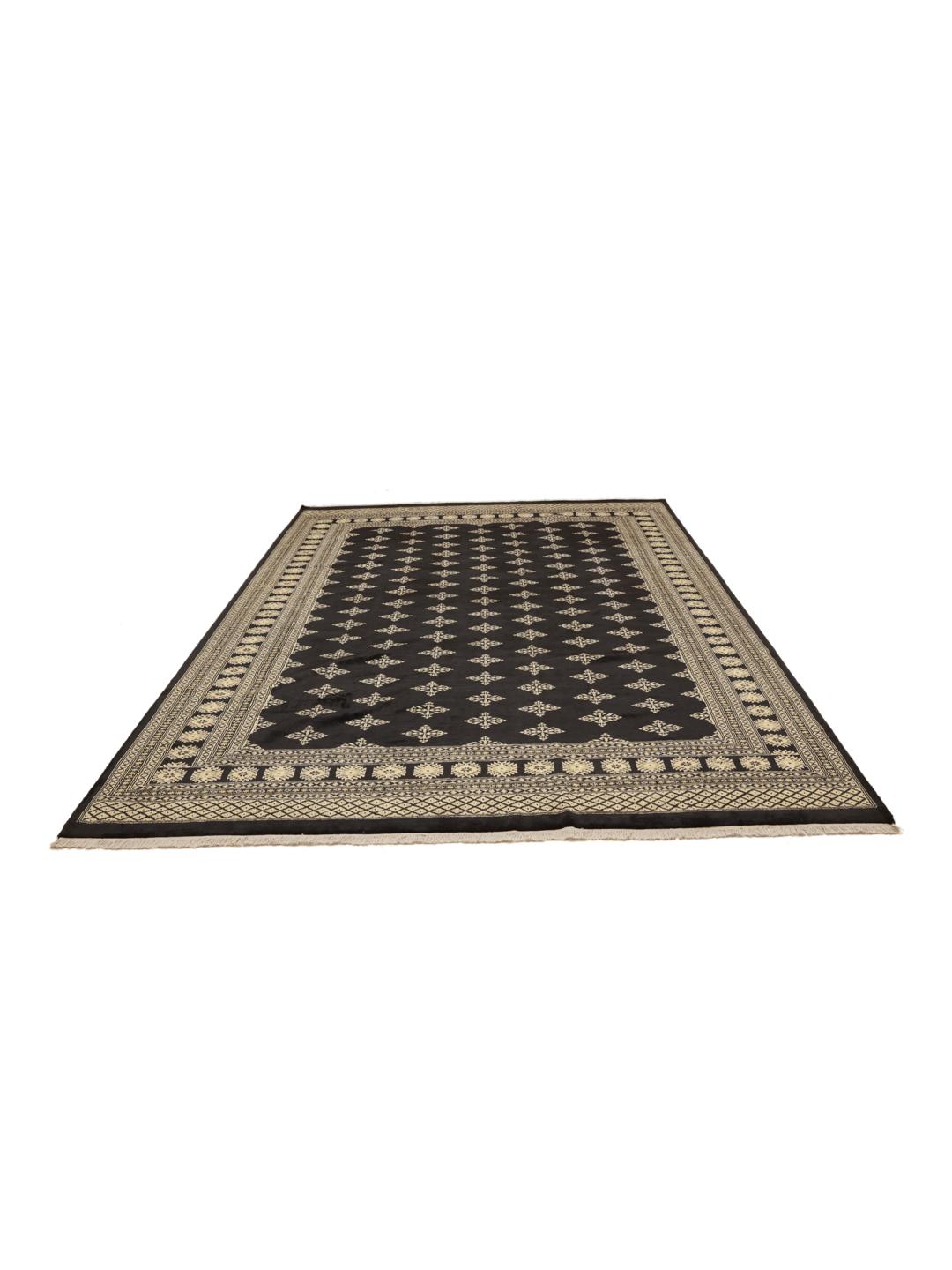
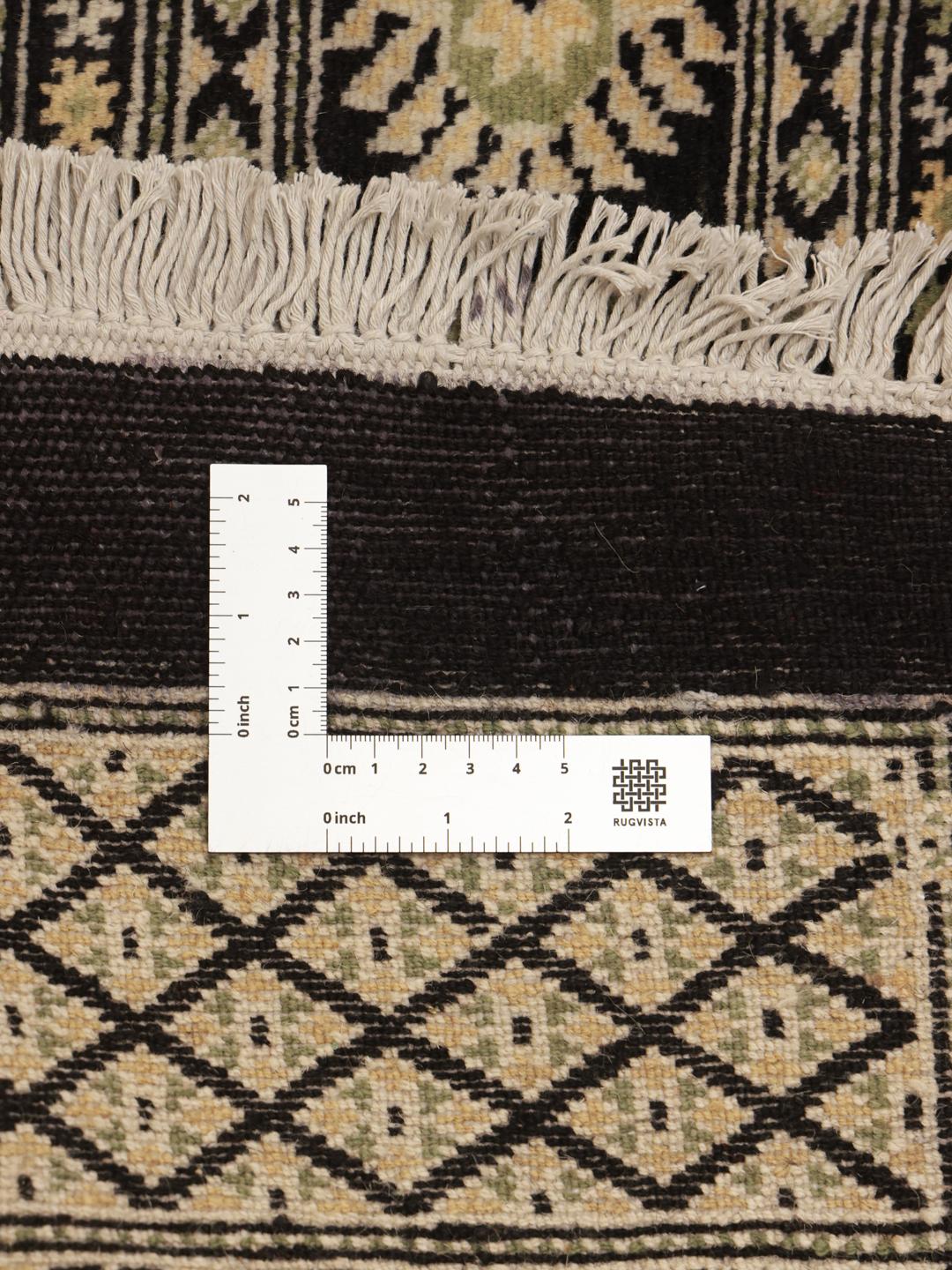
Bokhara rugs take their name from the ancient Silk Road city of Bukhara in Central Asia, a historic hub for trade and textile artistry. While the design traditions trace their roots back to these nomadic cultures, the finest examples today are primarily crafted in Pakistan. This evolution reflects the migration of weaving skills across borders, where artisans have refined the style into the highly sought-after rugs we recognise today.
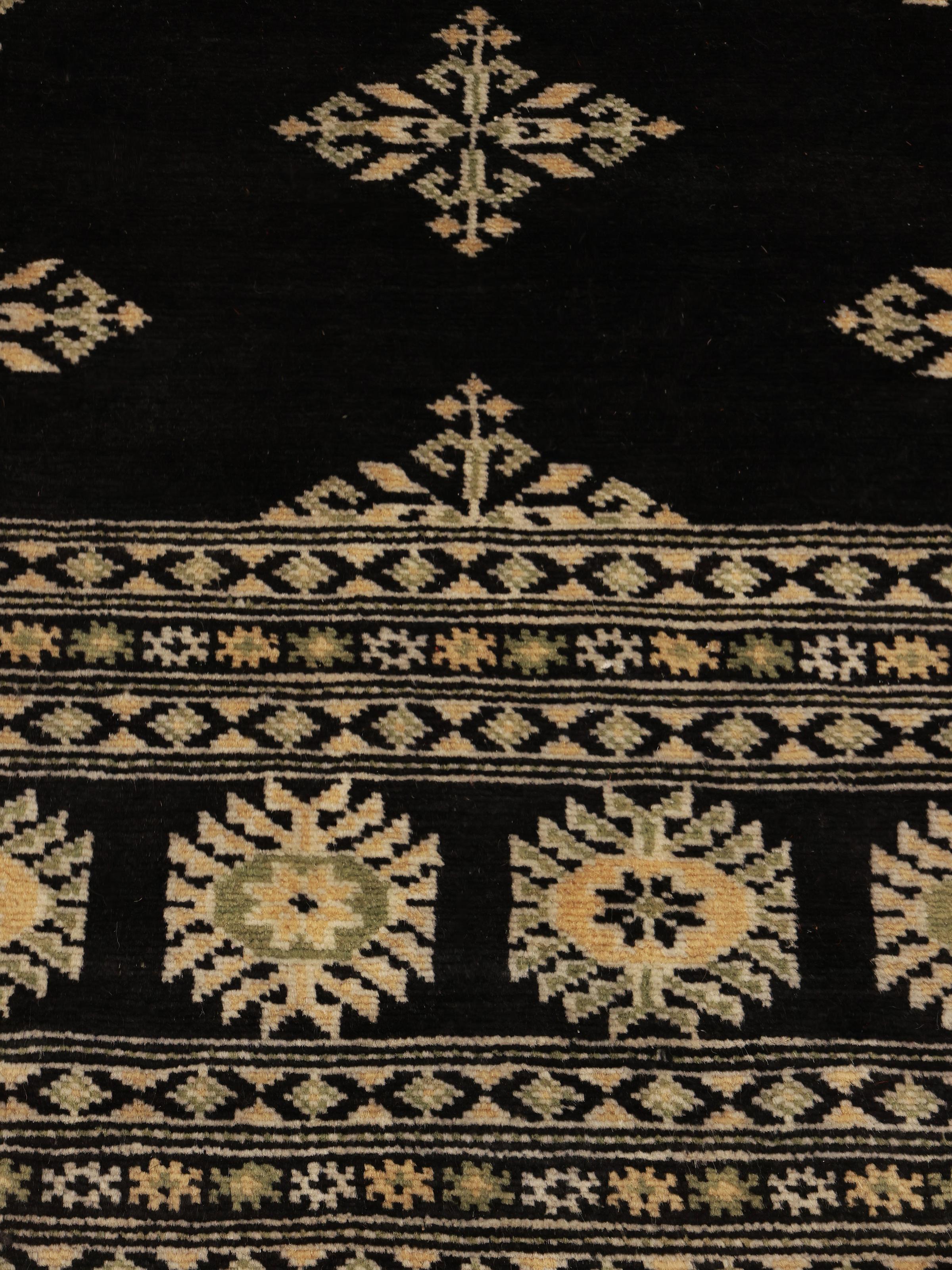
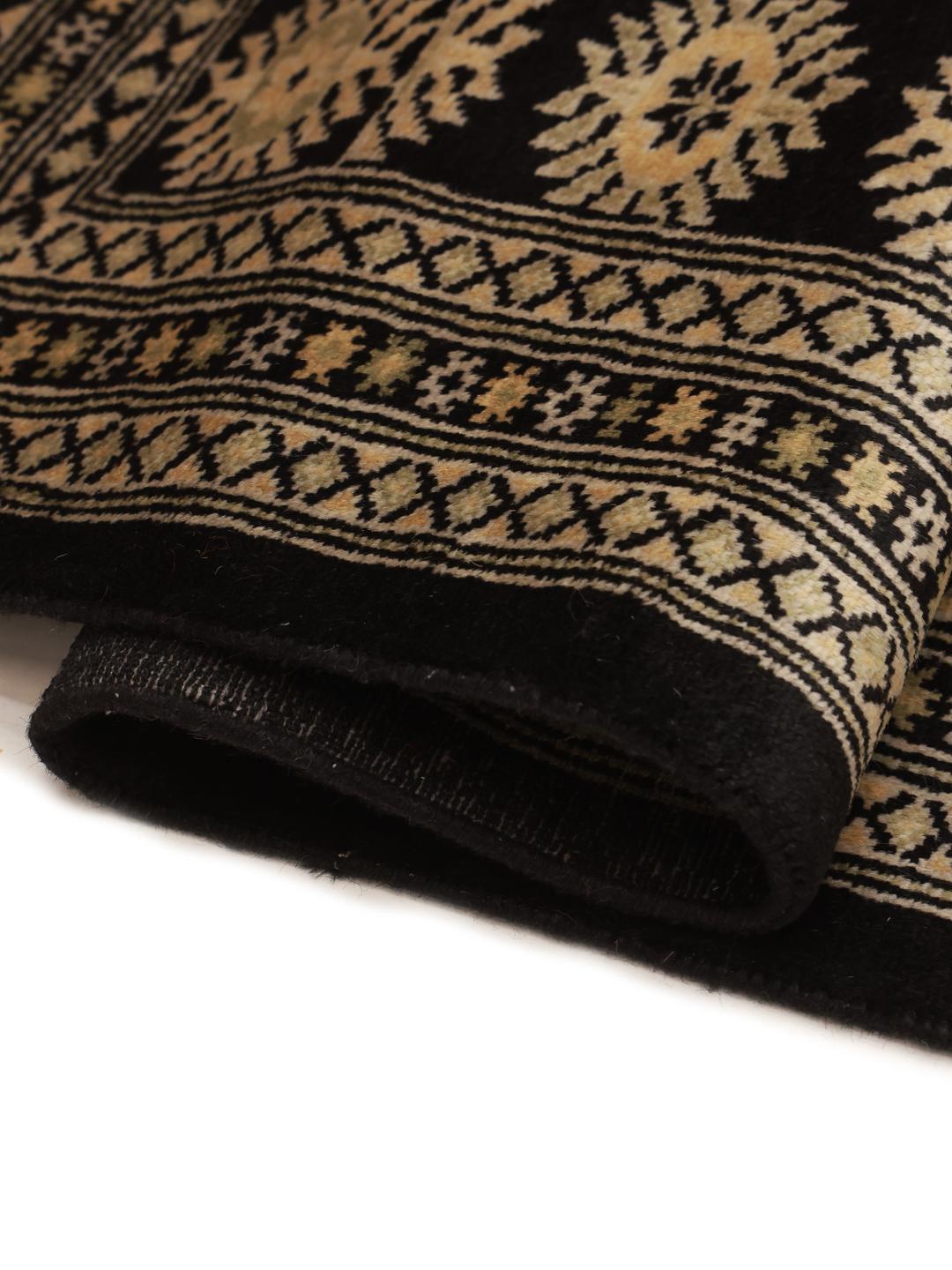
The term 2ply refers to the construction of the yarn, where two strands of Wool are twisted together before being knotted. This technique is crucial for quality, as it creates a stronger, more resilient pile that is less prone to shedding and wear. The result is a rug that feels more substantial and luxurious, with a subtle lustre that enhances the depth of the colours.
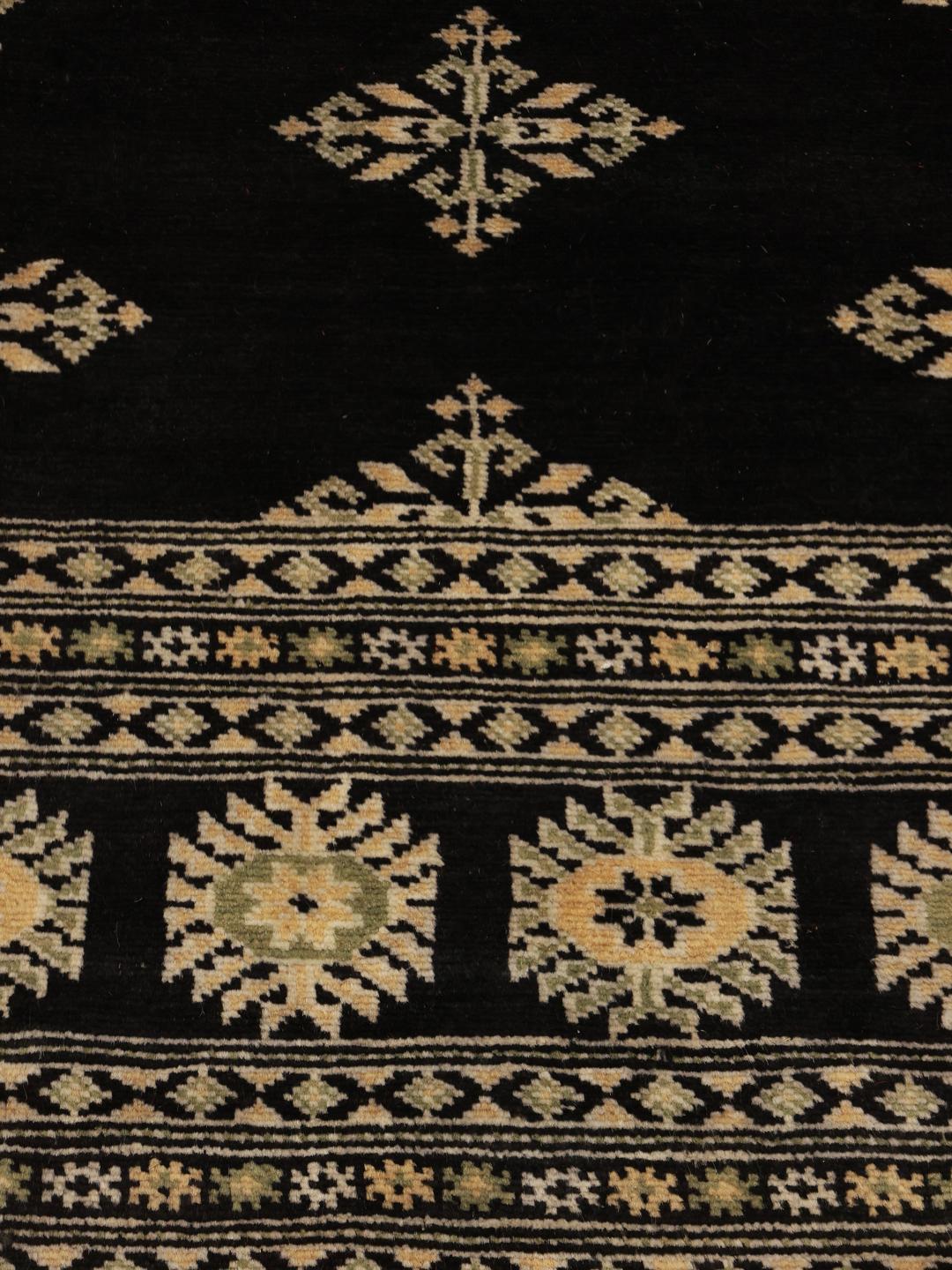
The signature design of a Bokhara rug is defined by the repeating gul motif, which are octagonal or elephant-foot shaped medallions arranged in precise rows. These are typically framed by elaborate, geometric borders that provide a formal structure to the field. This disciplined, rhythmic pattern is a hallmark of the tradition, offering a balanced and harmonious look that fits perfectly in a variety of classic interiors.
Owning a hand-knotted rug from this tradition is about more than just decor; it is about acquiring a piece of cultural heritage. These rugs are highly valued by collectors for their consistency, skill, and the way they bridge the gap between ancient nomadic roots and modern living. Each piece represents a connection to a long lineage of artisans who have perfected their craft over generations, making it a meaningful addition to any home.