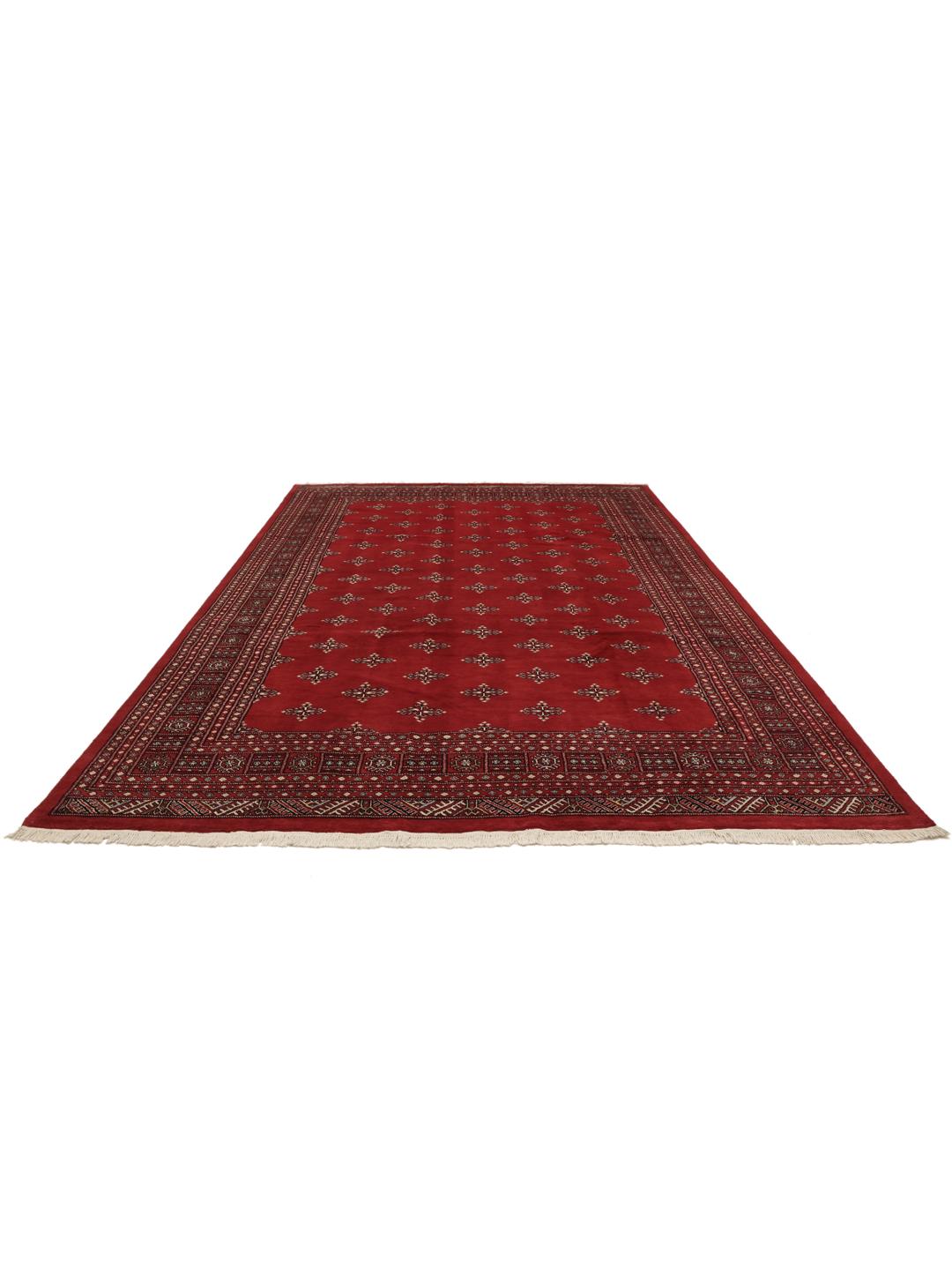
Bokhara rugs take their name from the ancient Silk Road city of Bukhara in Central Asia, a historic hub of trade and culture. While the style originated in the tribal regions of the steppes, the finest examples today are primarily woven in Pakistan. This evolution reflects the migration of weaving families and the adaptation of traditional techniques to meet the demands of a global market, while retaining the soul of the original designs.
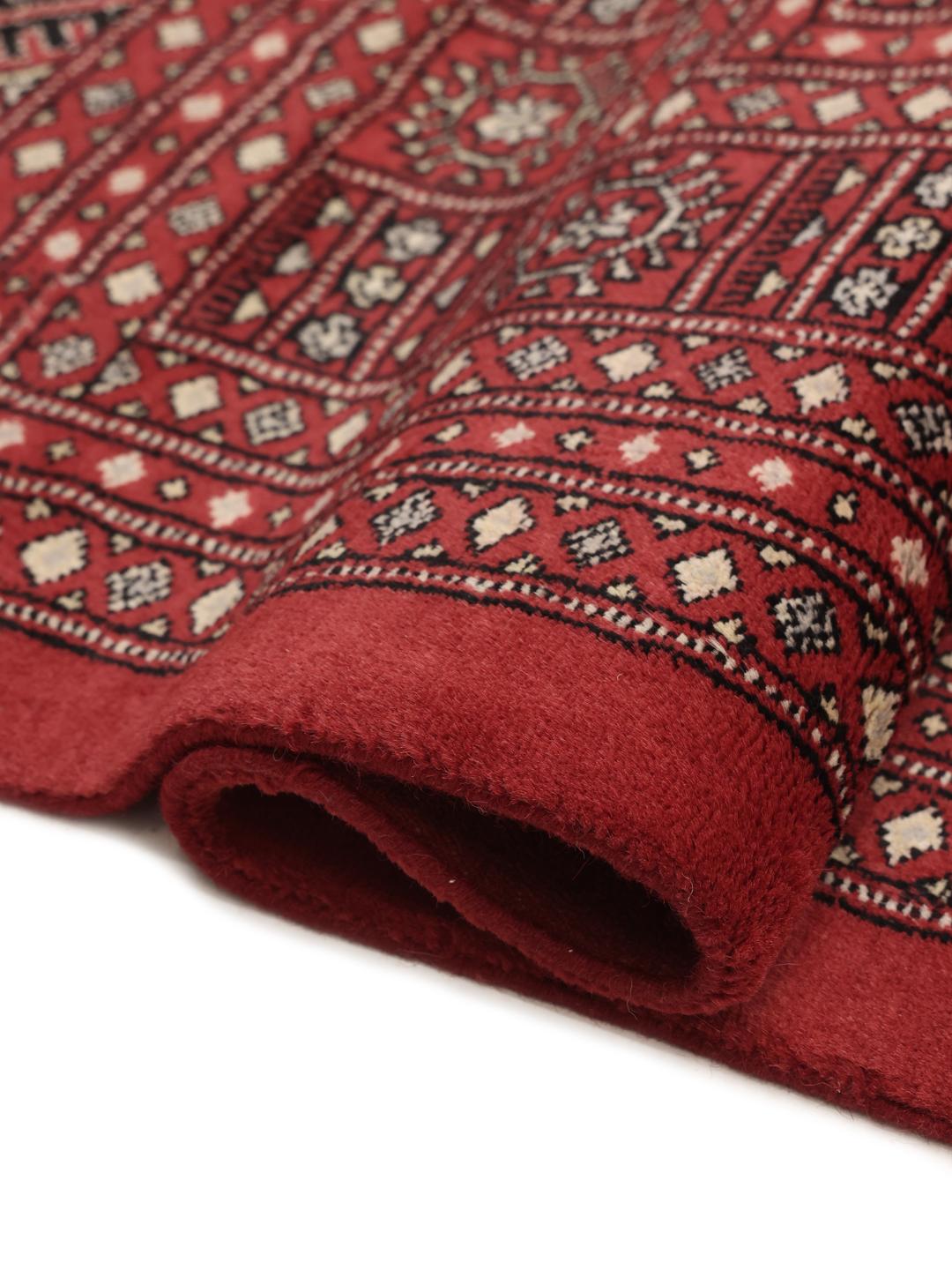
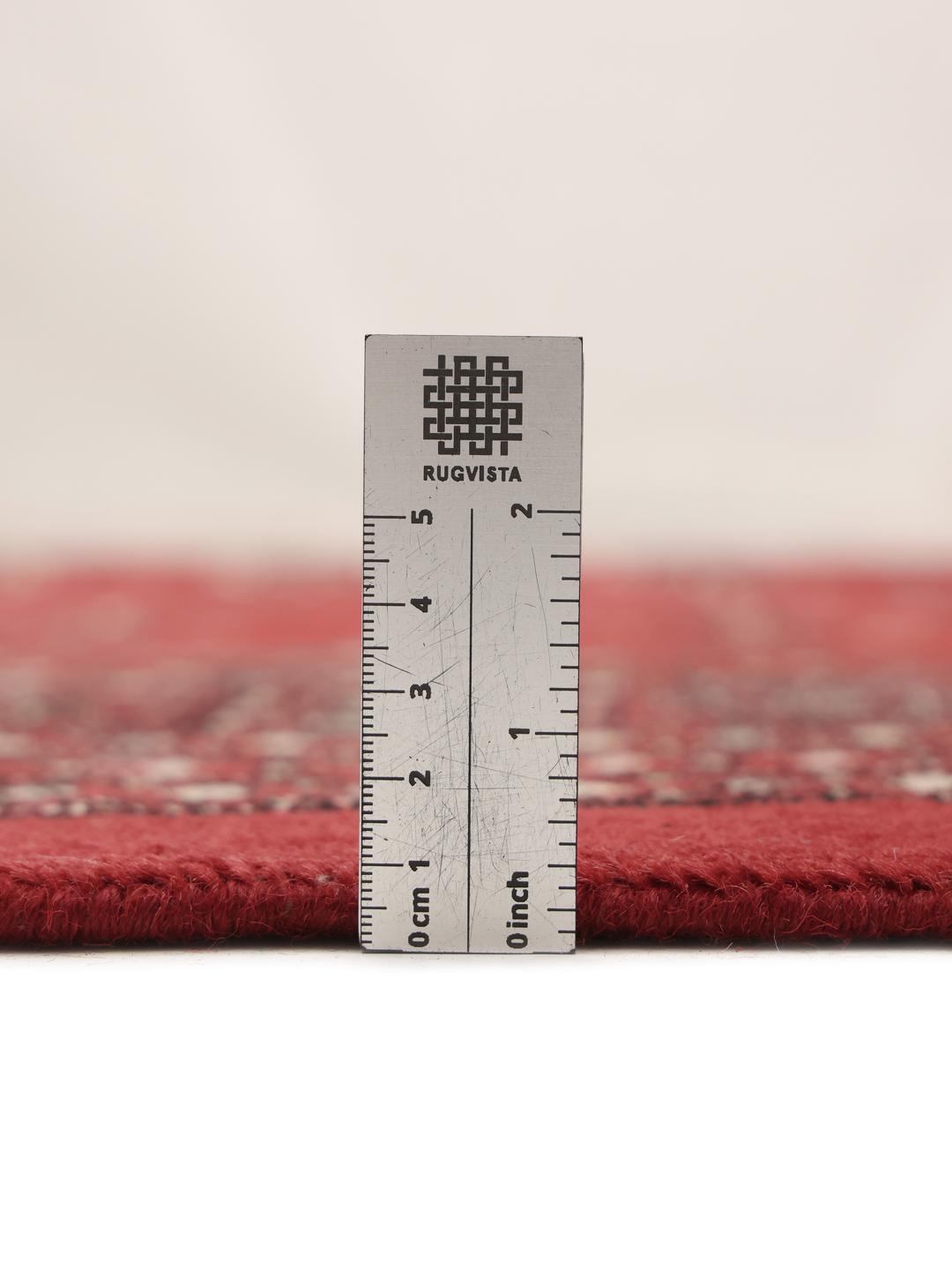
The term 2ply refers to the construction of the yarn, where two strands of wool are twisted together before being knotted. This technique is significant because it creates a thicker, more lustrous, and remarkably durable pile compared to single-ply alternatives. For the owner, this means a rug that not only looks richer and more vibrant but also stands up better to the wear and tear of a busy home.
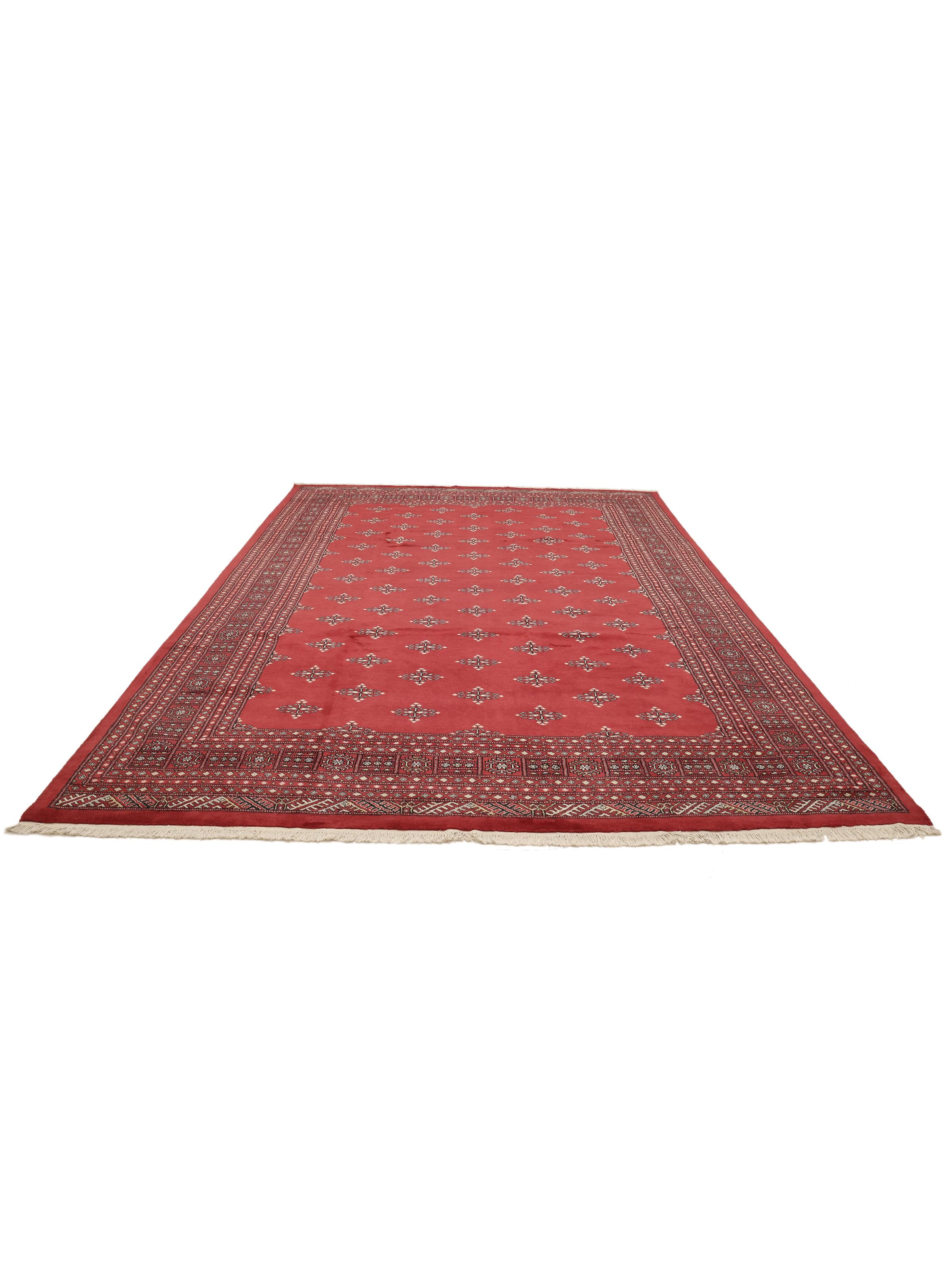
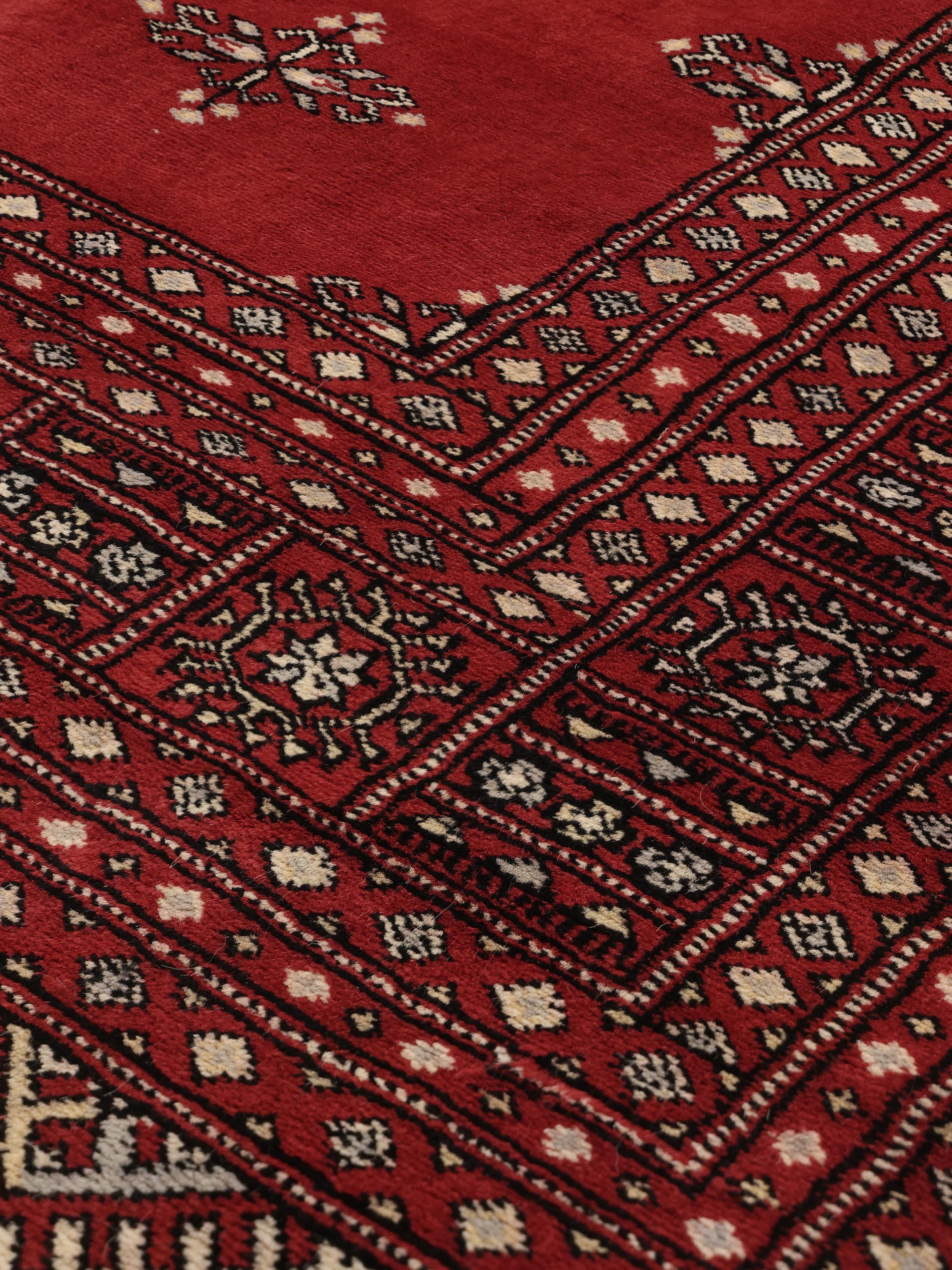
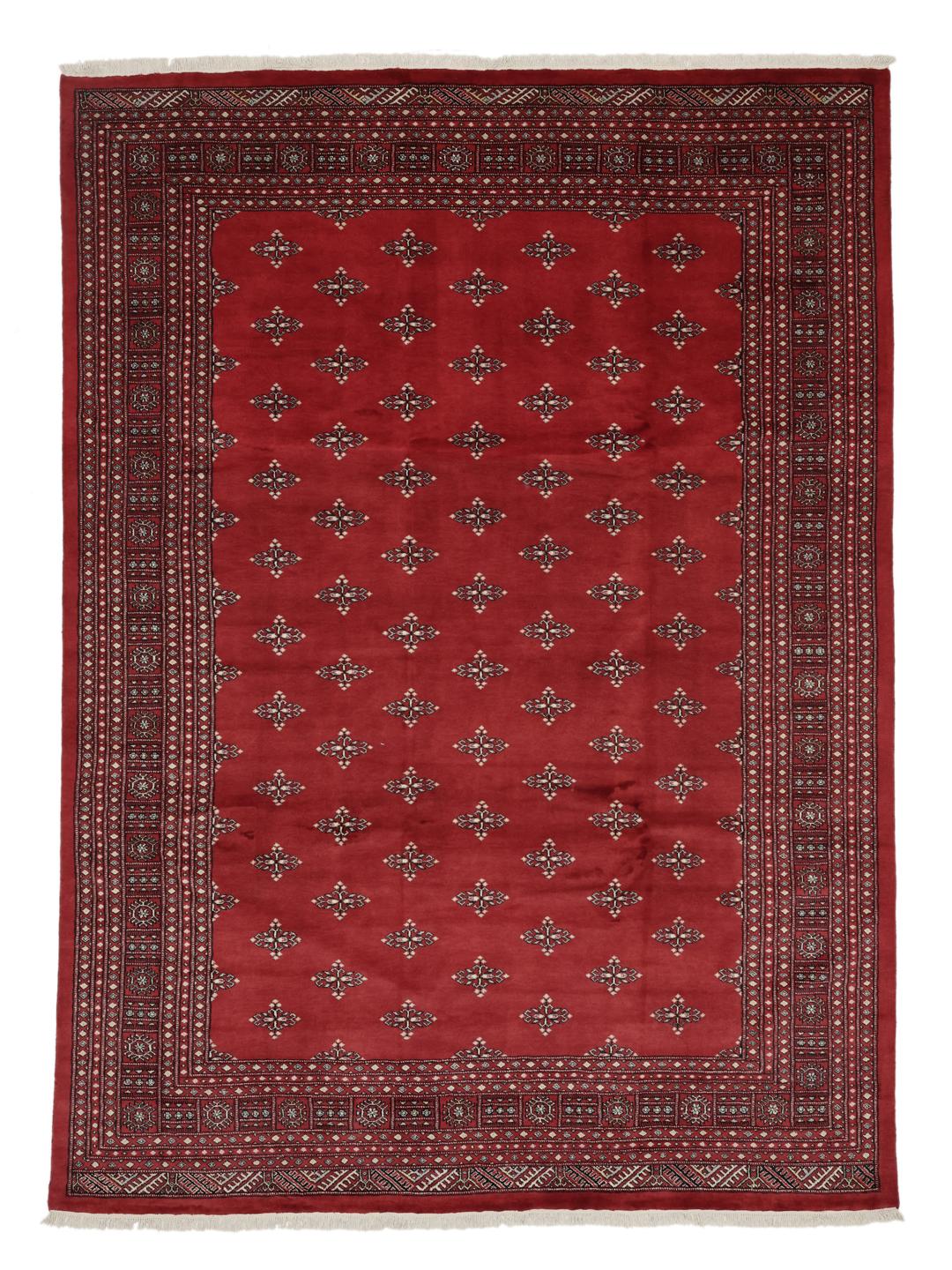
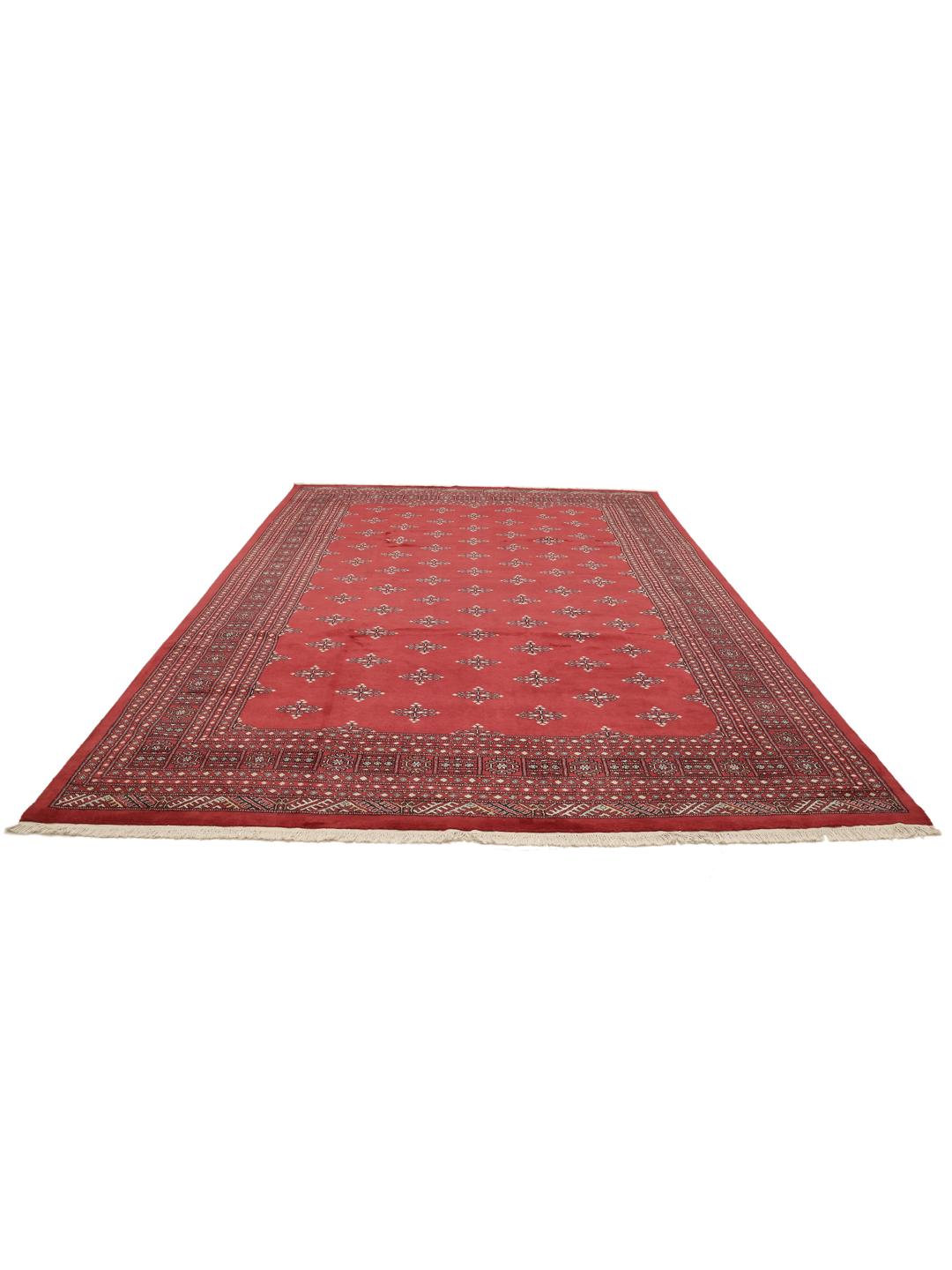
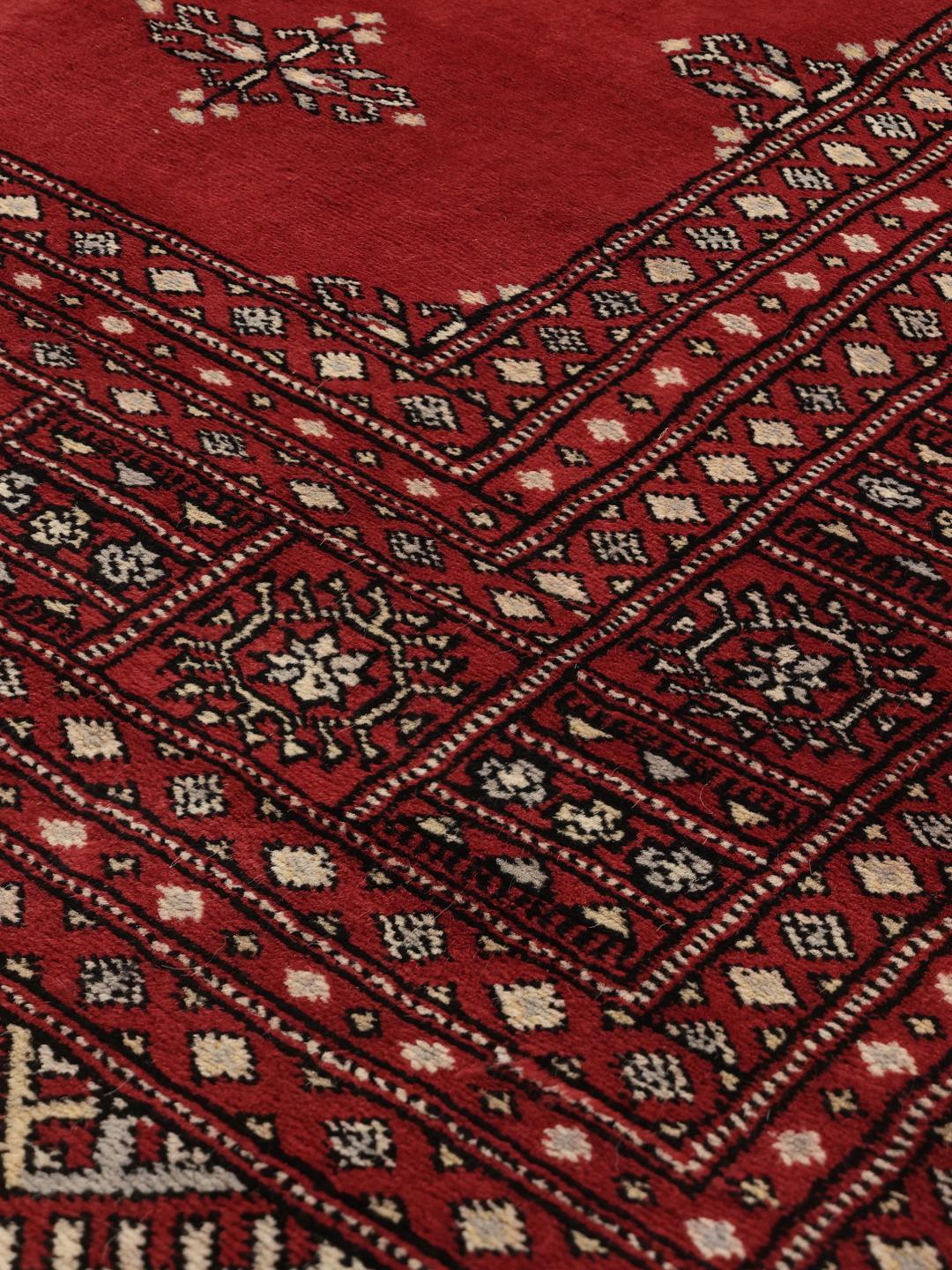
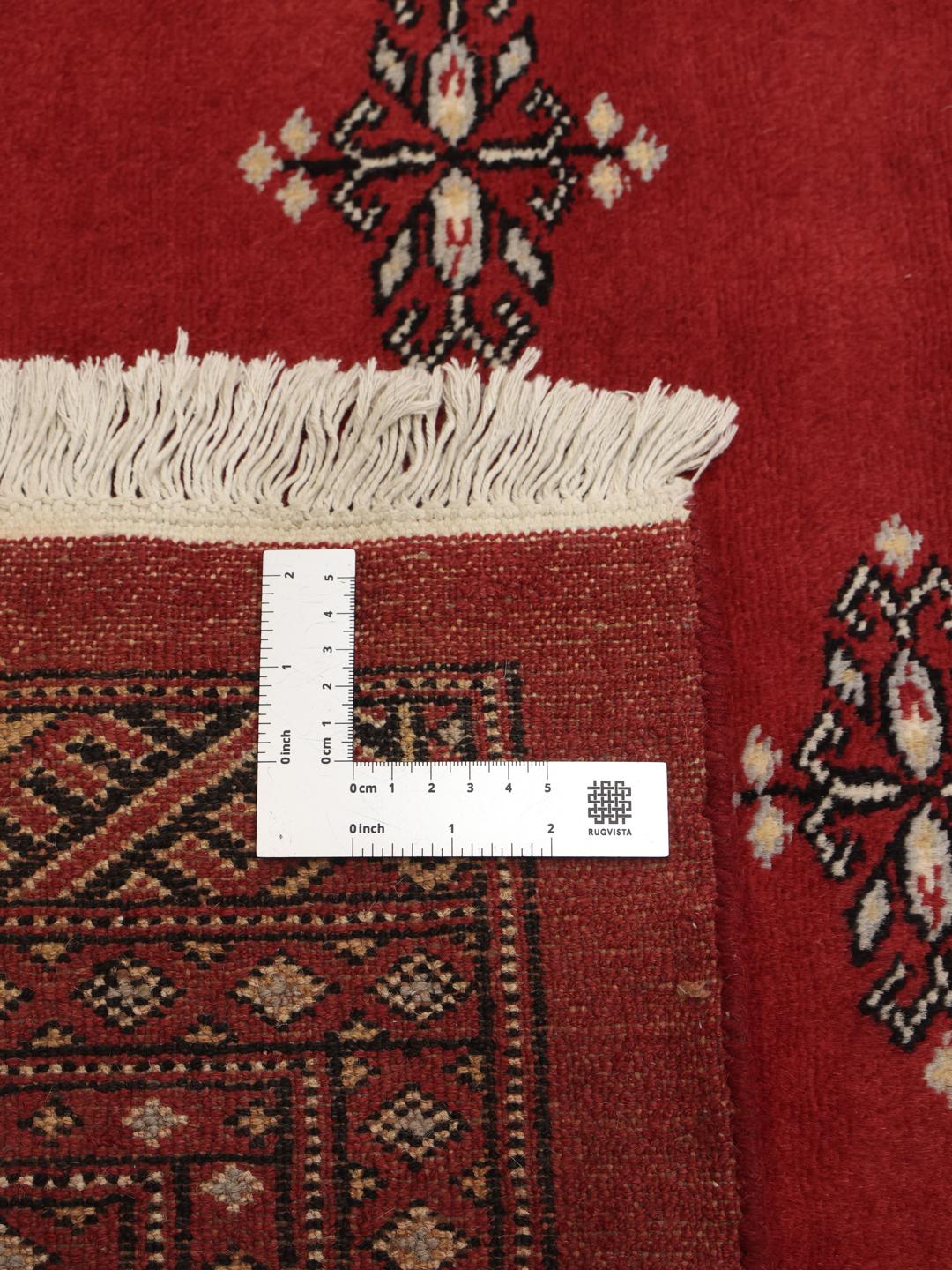
Visually, these rugs are synonymous with the gul motif, which are repeating octagonal or elephant-foot shaped medallions. These are organised in precise rows across the field, surrounded by complex, multi-layered borders. This specific rug adheres to these classic traditions, using the deep red palette that is the hallmark of the style, creating a sense of balance and order that has been perfected over centuries.
These rugs are deeply valued by collectors and enthusiasts for their ability to bridge the gap between ancient tribal art and modern interior design. Owning a piece like this represents a connection to a long-standing heritage of craft and human skill. It is more than just a floor covering; it is a testament to a tradition that values precision, cultural identity, and the enduring beauty of hand-worked materials.