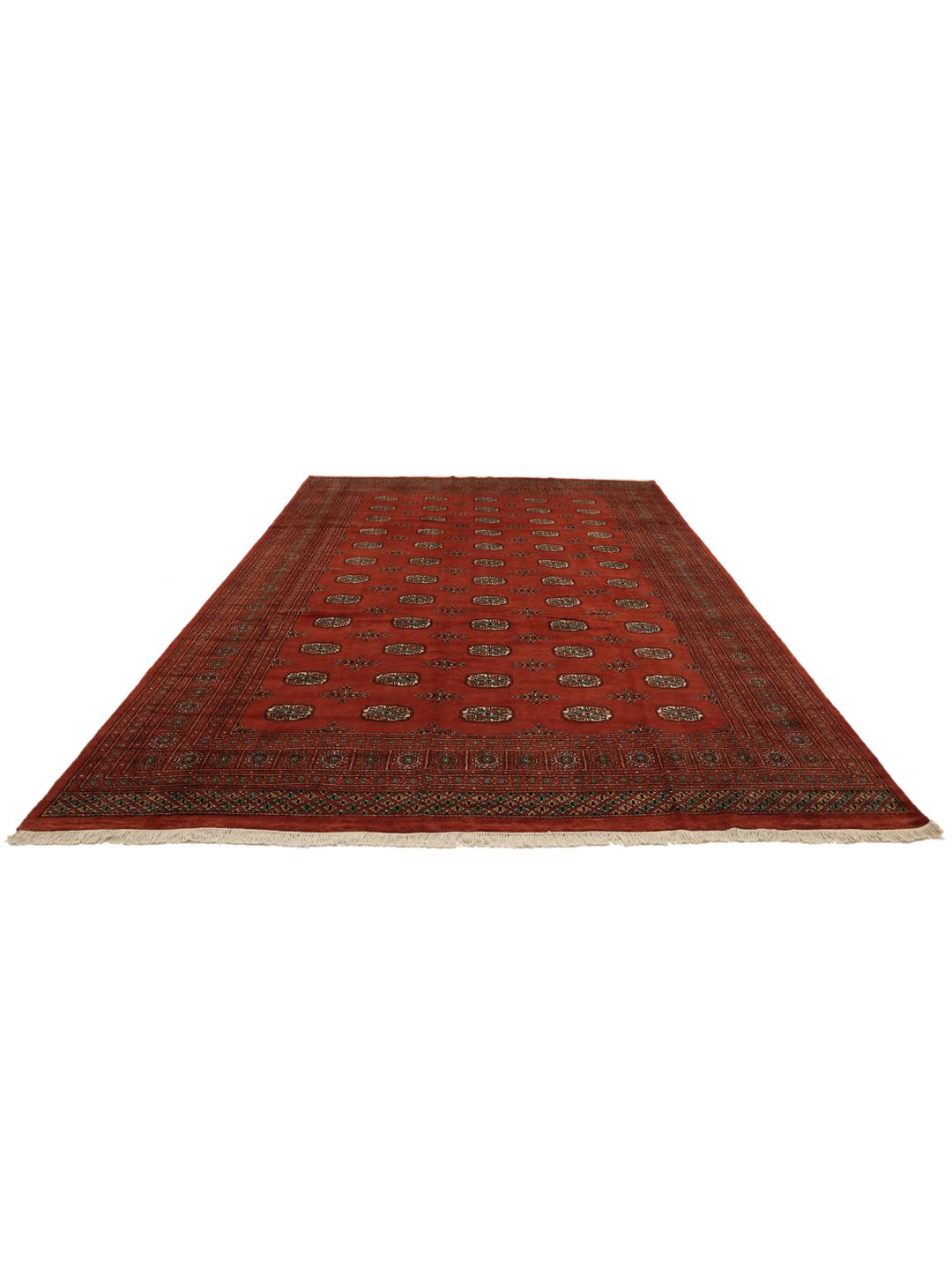
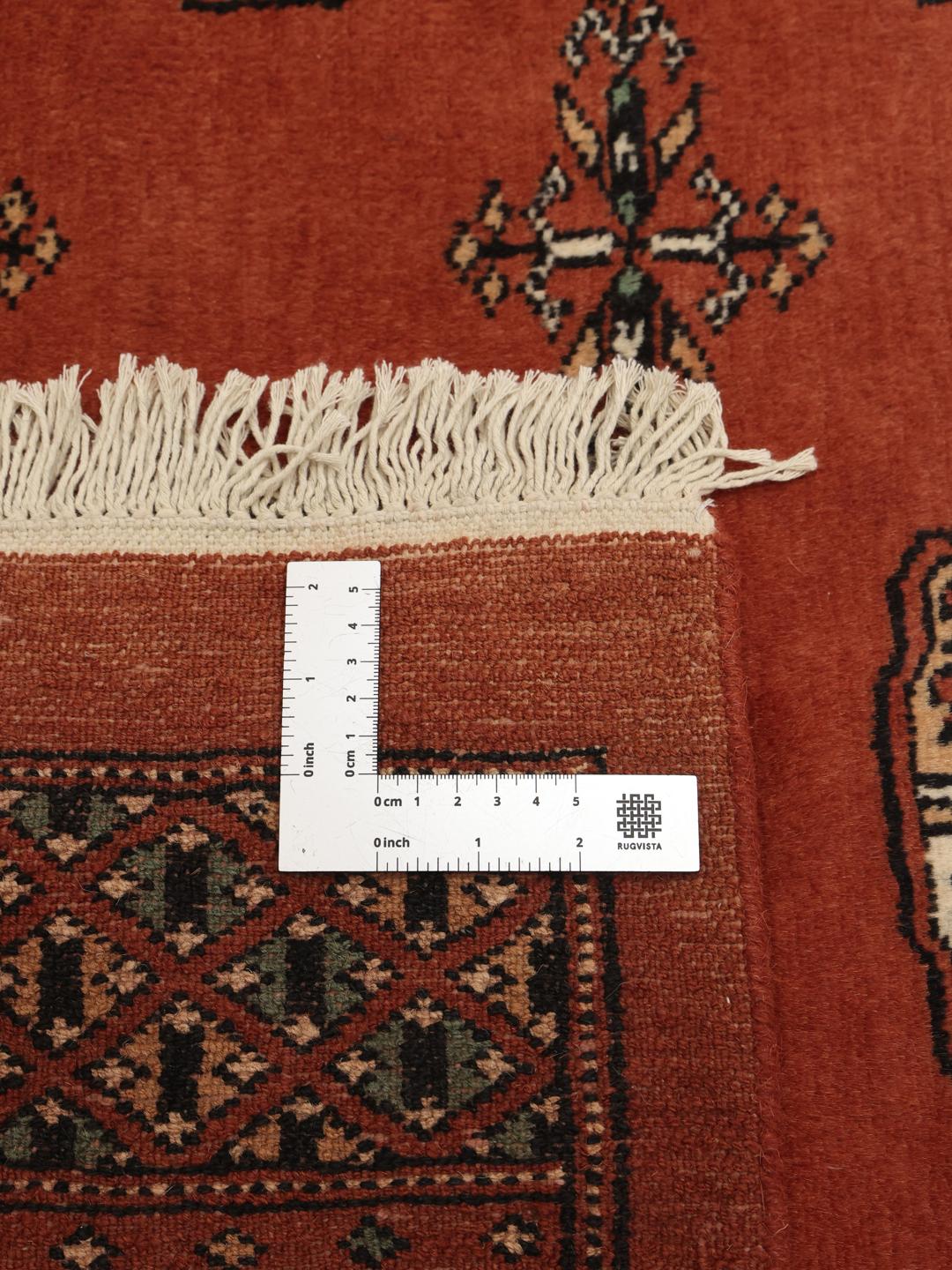
Bokhara rugs take their name from the ancient Silk Road city of Bukhara, which served as a central trading hub for textiles and goods moving between East and West. While the name refers to this historical origin, the finest examples of these rugs are today primarily woven in Pakistan, where artisans have perfected the craft over generations.
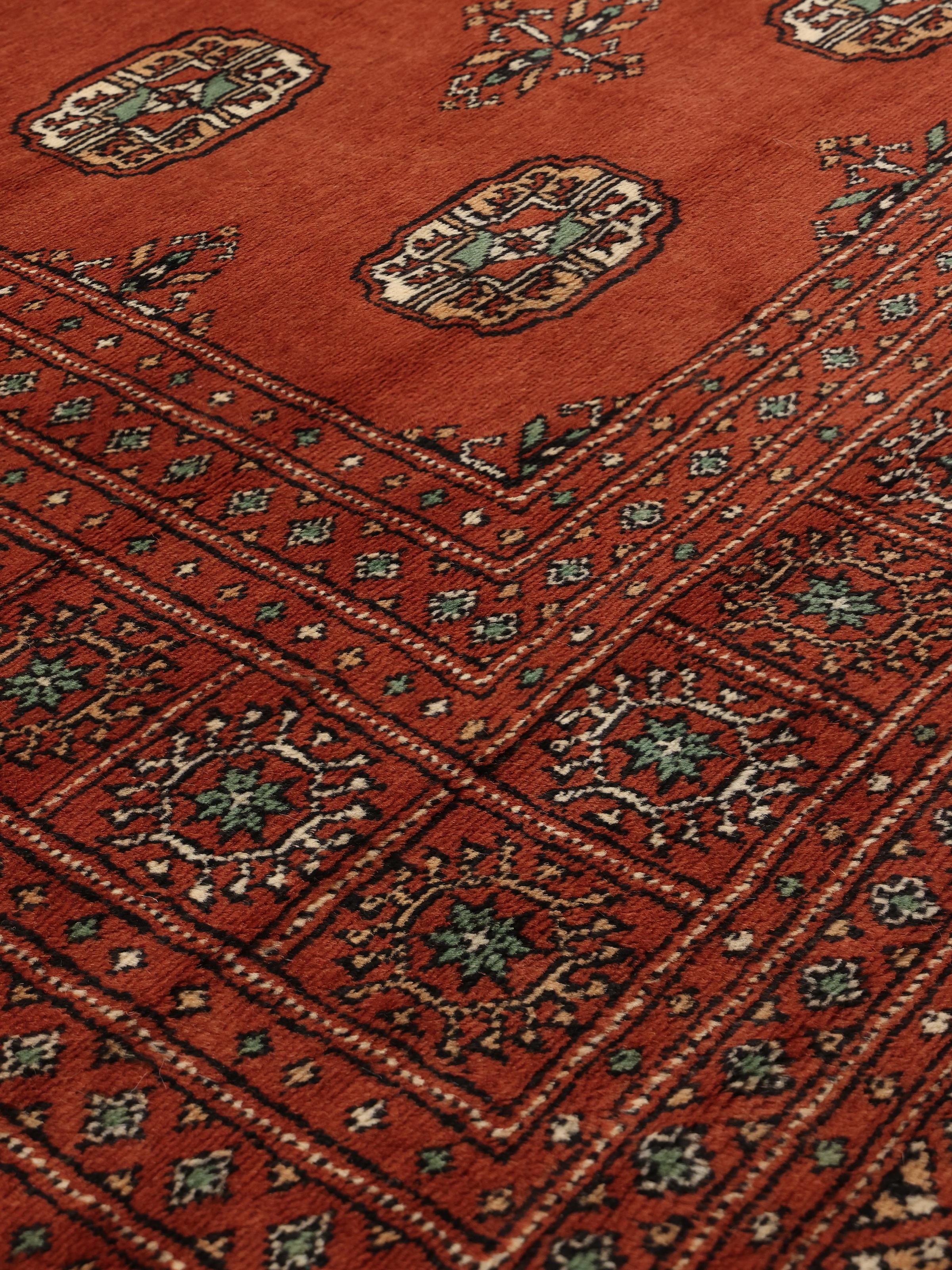
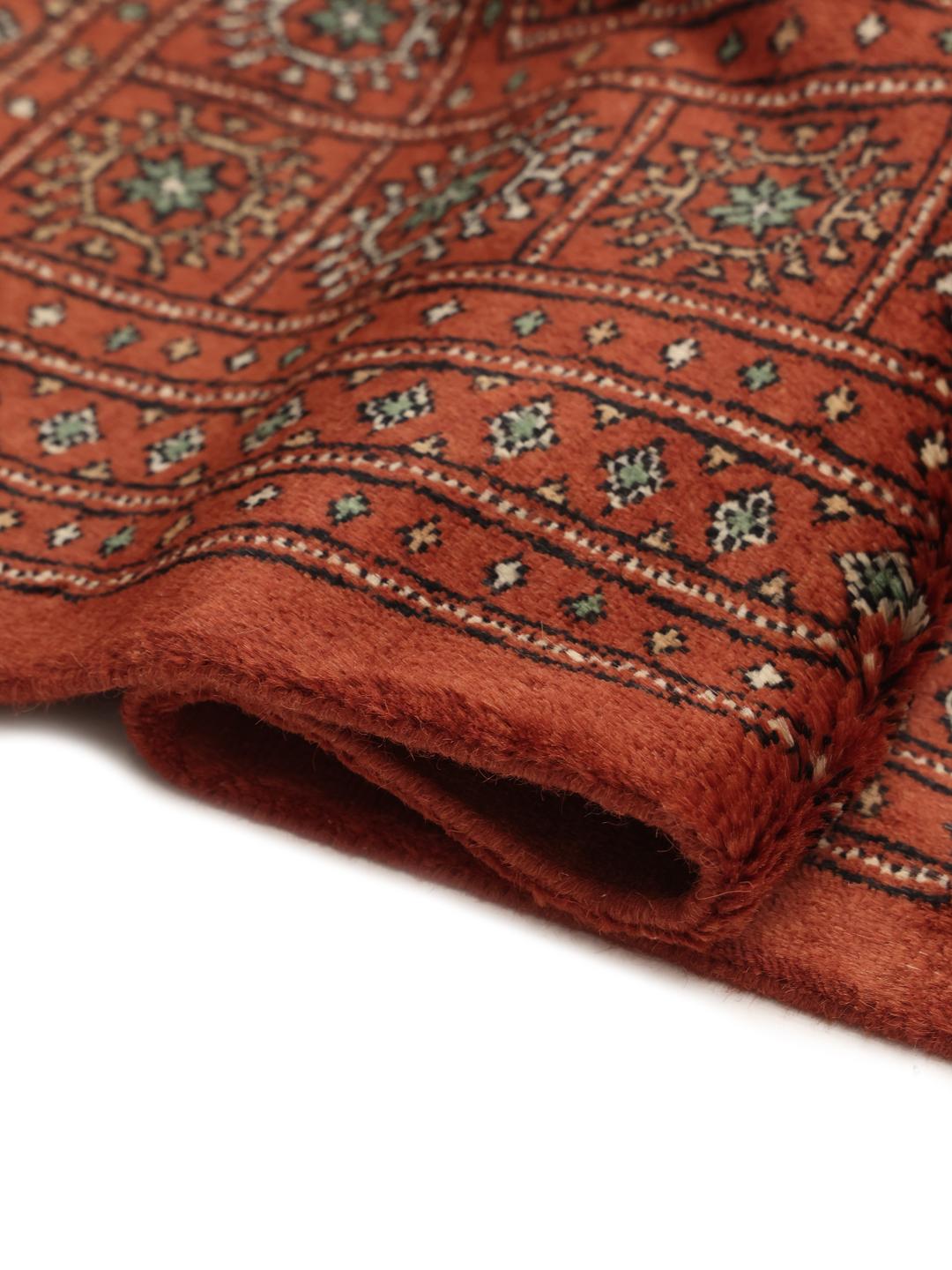
The 2ply designation refers to the construction of the wool pile, where two strands of wool are twisted together before being knotted. This technique is significant because it creates a pile that is significantly more durable, denser, and more lustrous than single-ply alternatives, ensuring the rug can withstand years of daily life while retaining its rich texture.
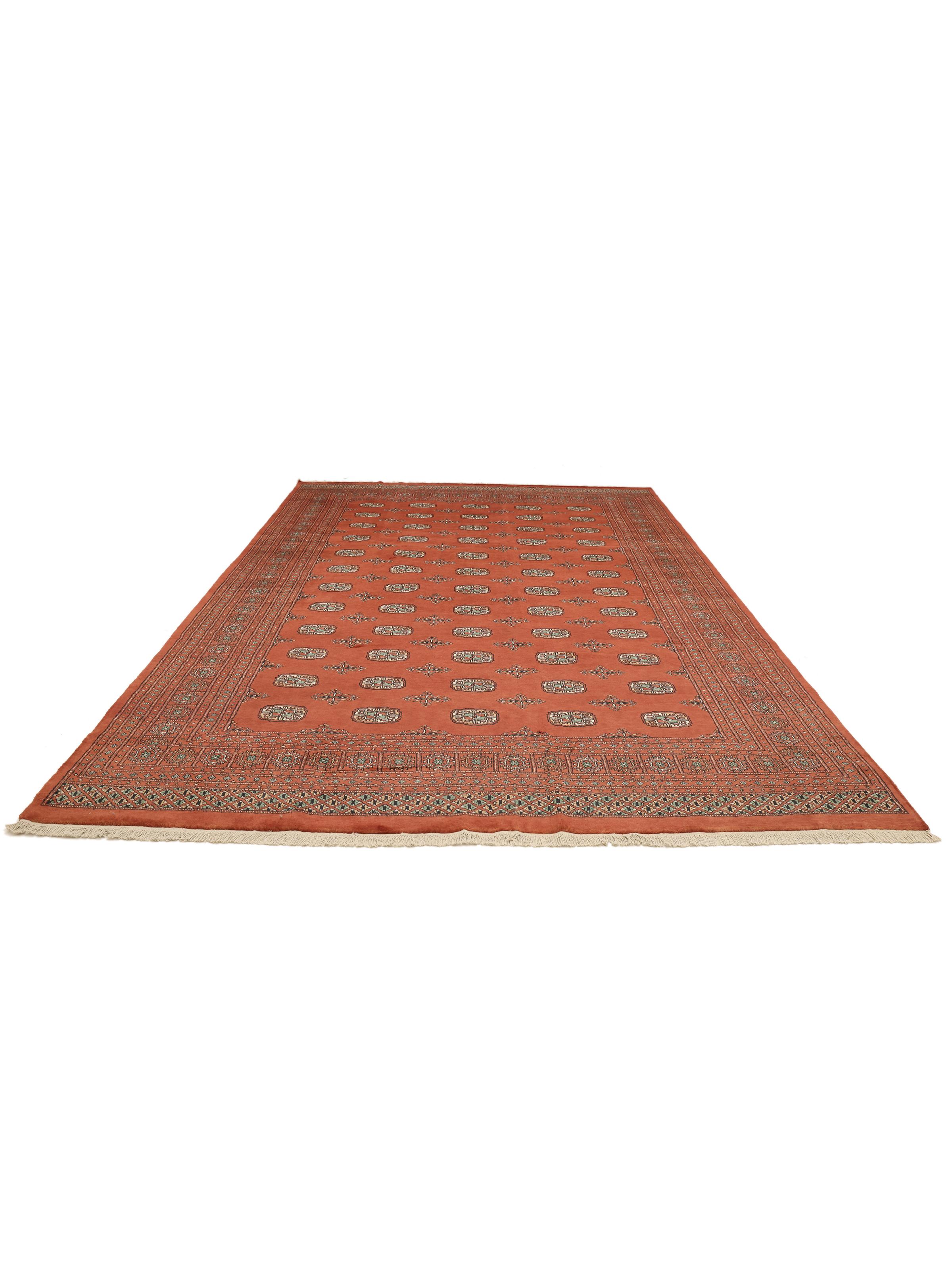
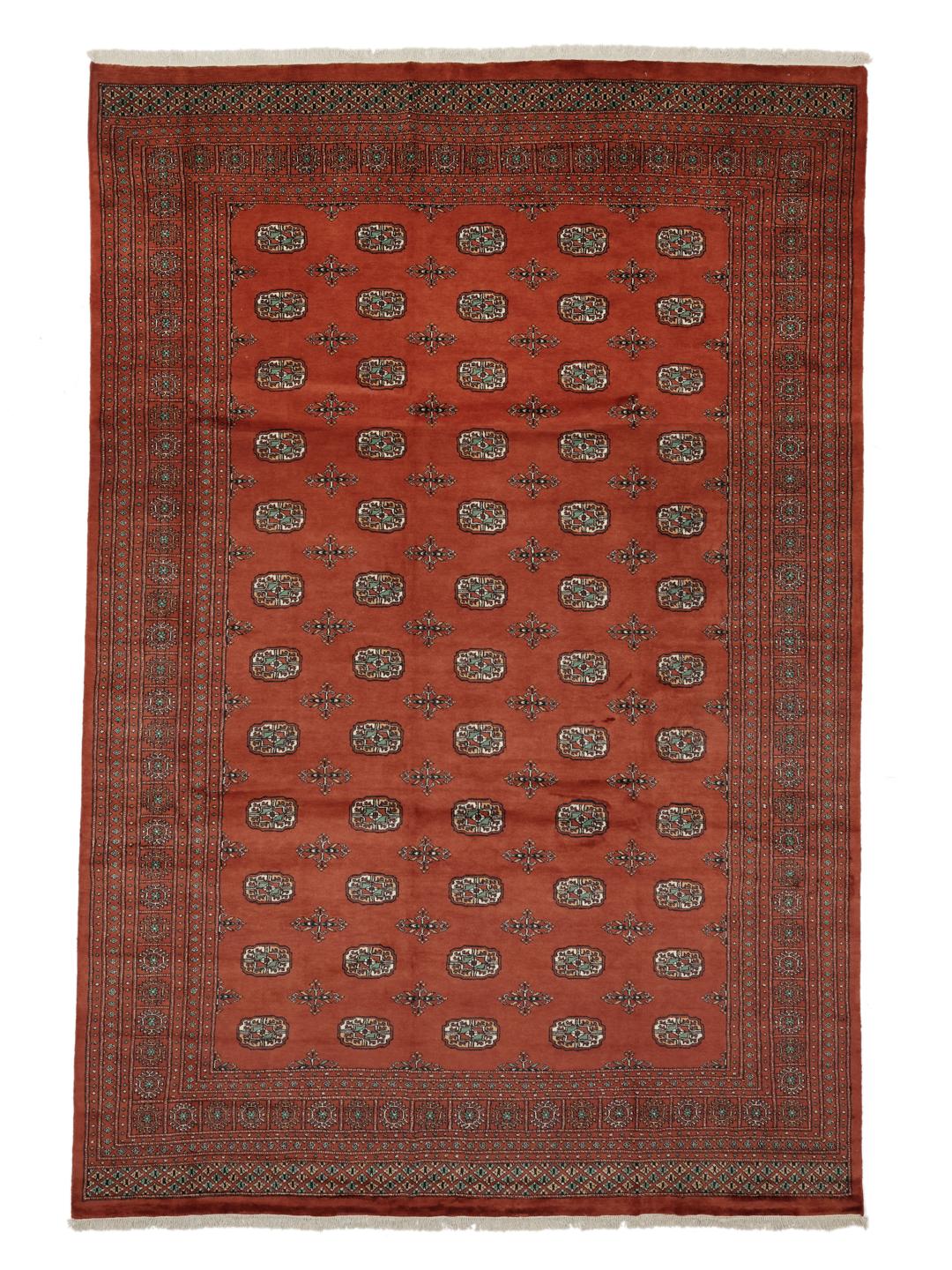
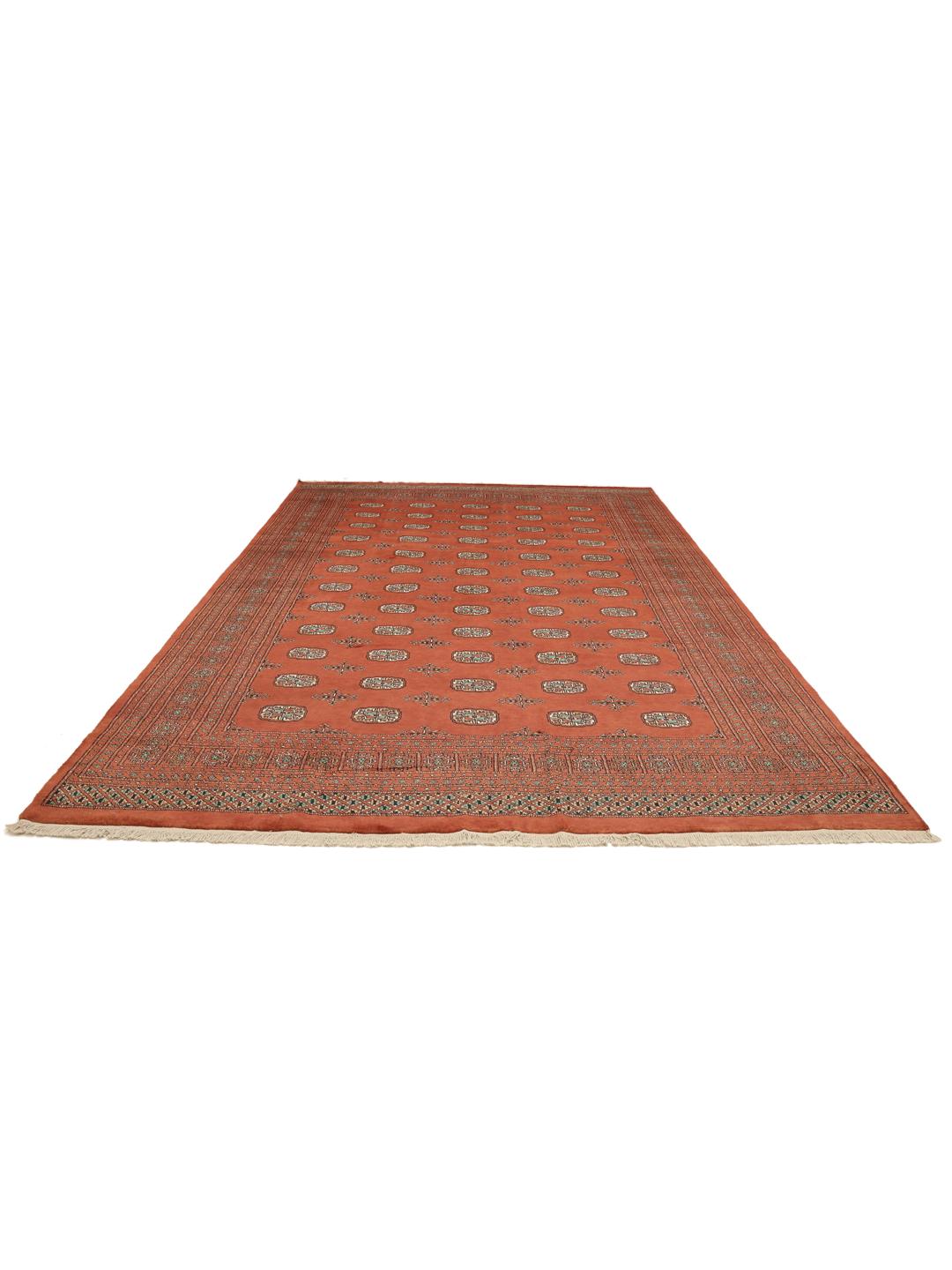
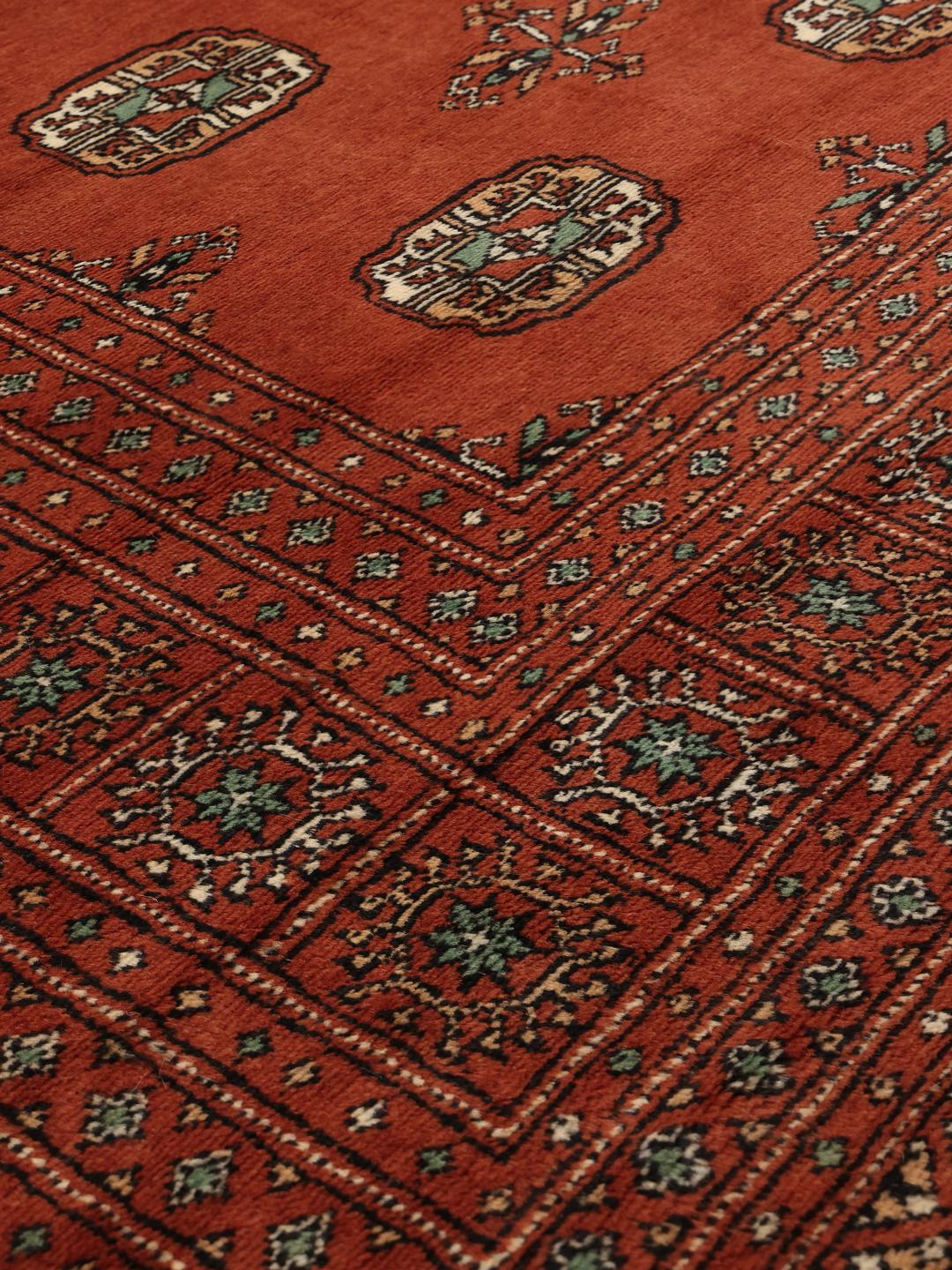
Visually, these rugs are defined by the repeating gul motif, which are octagonal or elephant-foot shaped medallions arranged in orderly rows. These motifs are traditionally enclosed by a formal, intricate border that frames the field, creating a sense of balance and symmetry that is characteristic of this specific regional style.
Owning a hand-knotted rug from this tradition is an investment in cultural heritage and human skill. These pieces are highly valued by collectors and homeowners alike for their ability to bring a sense of history into a contemporary home. Each rug represents a long-standing tradition of excellence, making it a meaningful addition to any space that values authenticity.